Explore our engaging "Understand Fractions Grade 2 Worksheets" designed to help young learners grasp the basics of fractions in a fun and interactive way. These worksheets provide a variety of activities, including identifying and comparing fractions, recognizing simple fractions through visual aids, and solving problems that reinforce key concepts. Our materials are tailored for second-grade students, ensuring they build a strong foundation in math while enhancing critical thinking skills. Bring exciting math practice into your classroom with these easy-to-follow worksheets that make learning fractions enjoyable and effective! Start helping your students excel in fractions today!
Check out this FREE Grade 2 "Understand fractions" Trial Lesson!

Irregular Past Tense Verbs

Favorites
With answer key
Interactive
  • Grade 2
  • Understand fractions
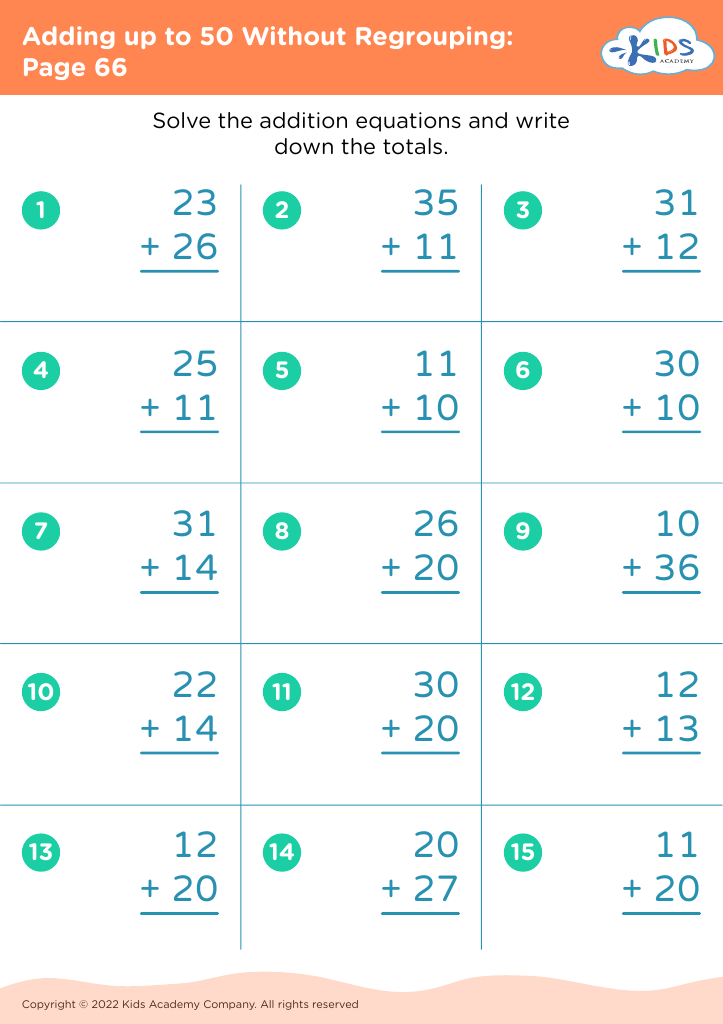
Adding up to 50 Without Regrouping: Page 66
Worksheet
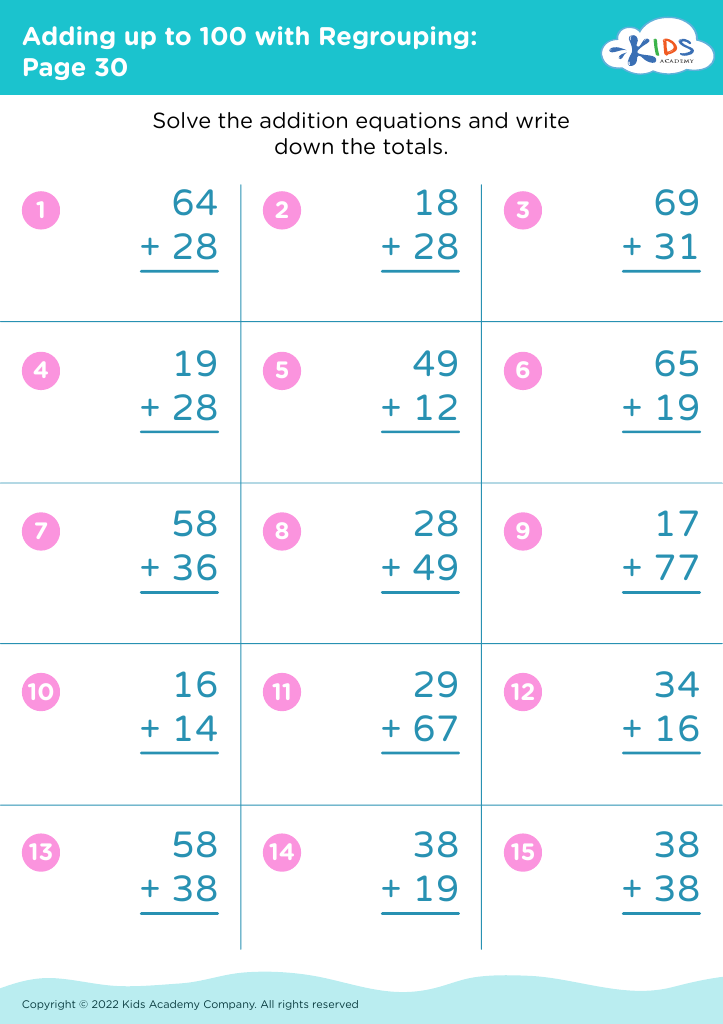
Adding up to 100 with Regrouping: Page 30
Worksheet
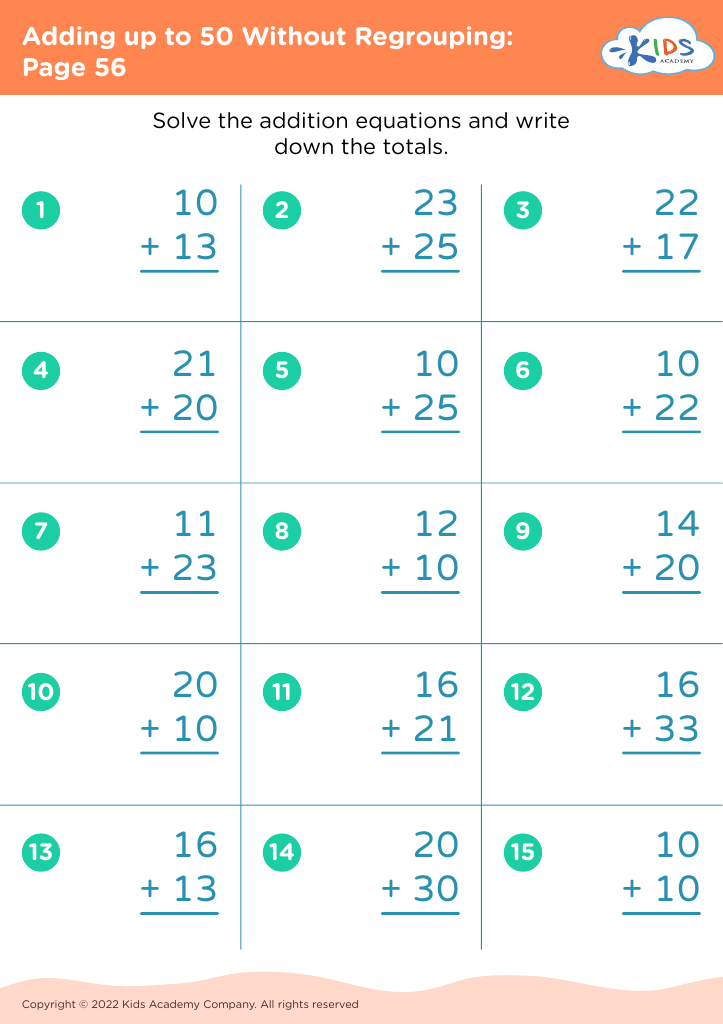
Adding up to 50 Without Regrouping: Page 56
Worksheet
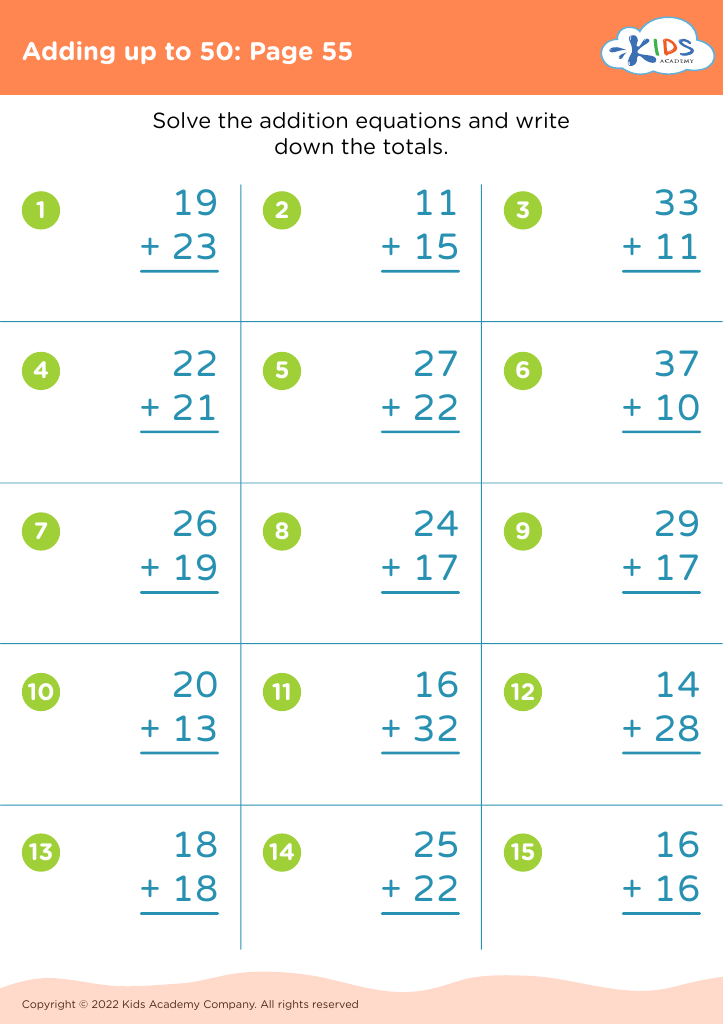
Adding up to 50: Page 55

Adding up to 50: Page 55

Adding up to 50: Page 55
Worksheet
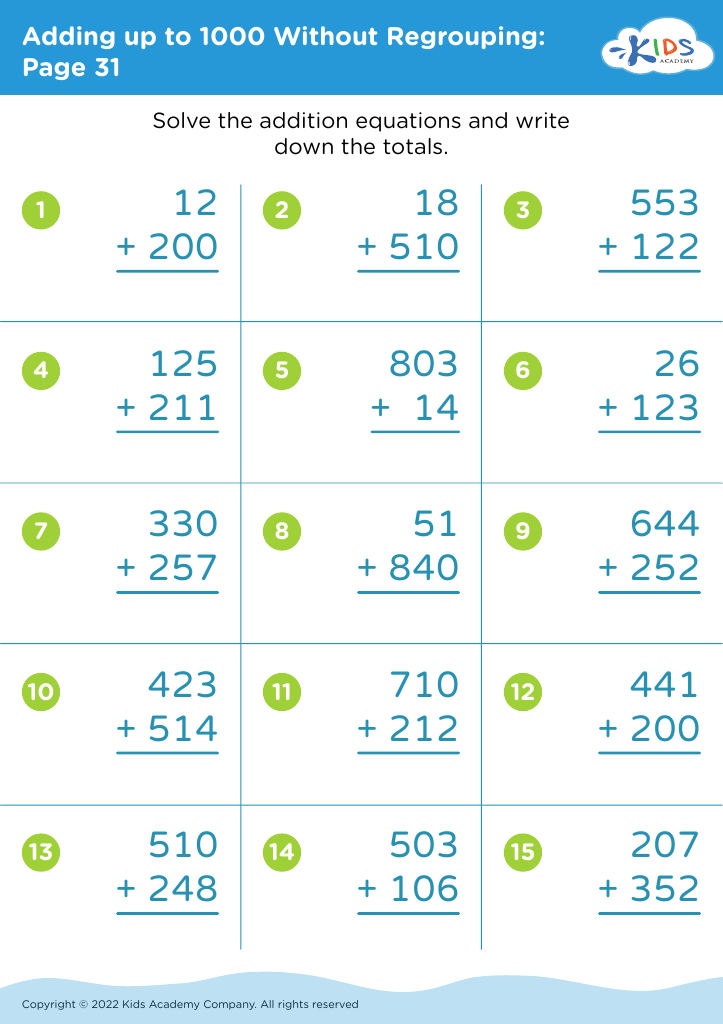
Adding up to 1000 Without Regrouping: Page 31
Worksheet
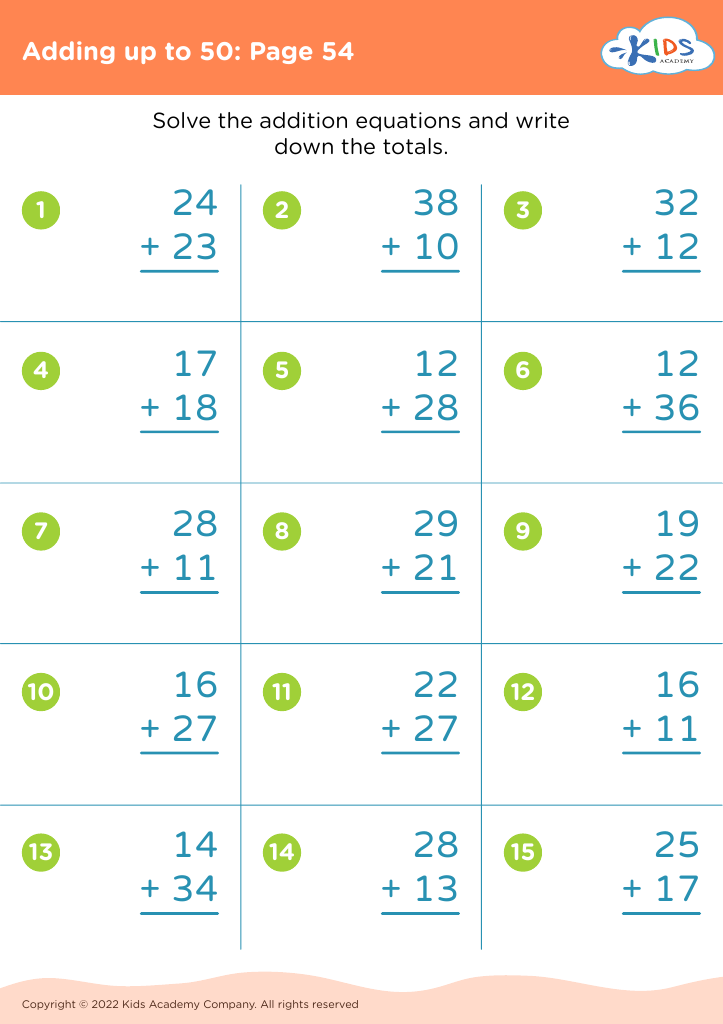
Adding up to 50: Page 54

Adding up to 50: Page 54

Adding up to 50: Page 54
Worksheet
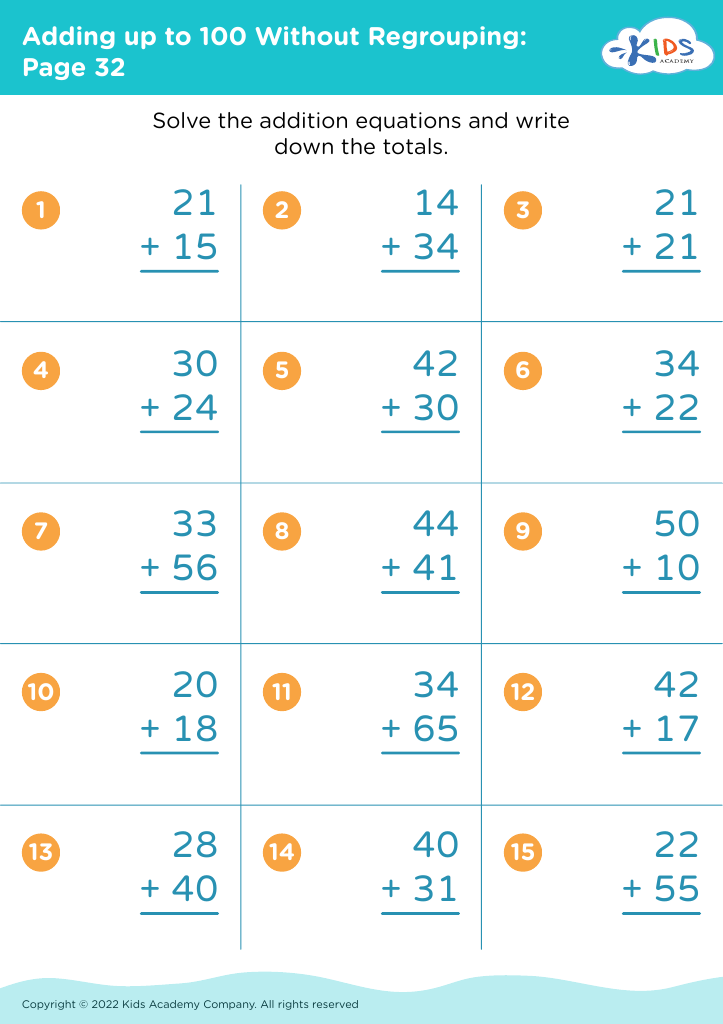
Adding up to 100 Without Regrouping: Page 32
Worksheet
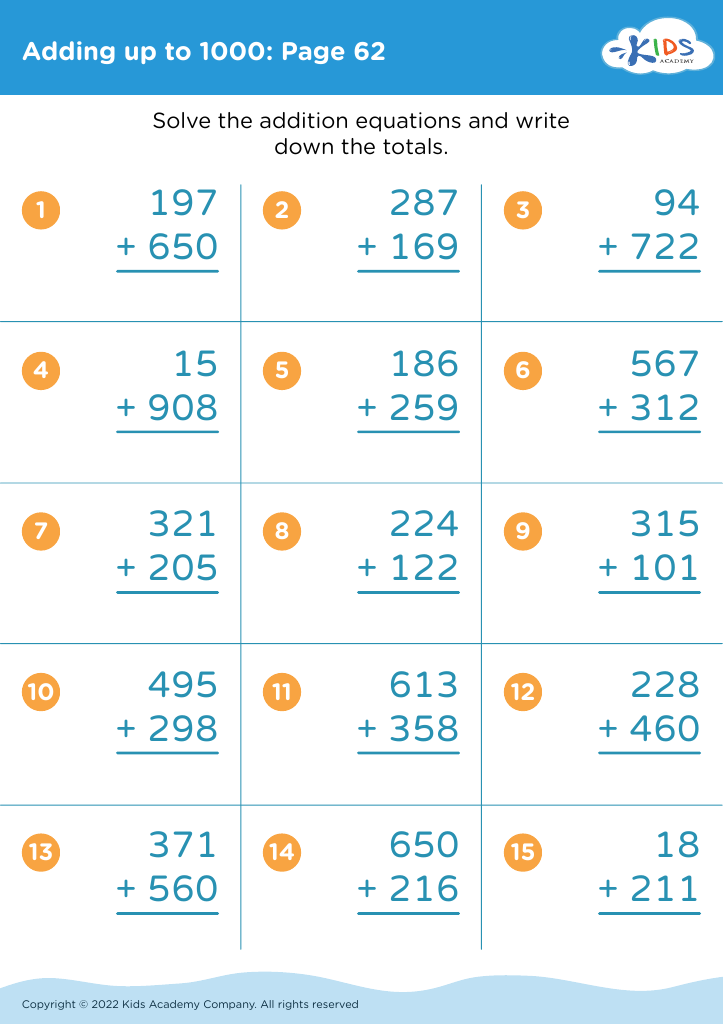
Adding up to 1000: Page 62

Adding up to 1000: Page 62

Adding up to 1000: Page 62
Worksheet
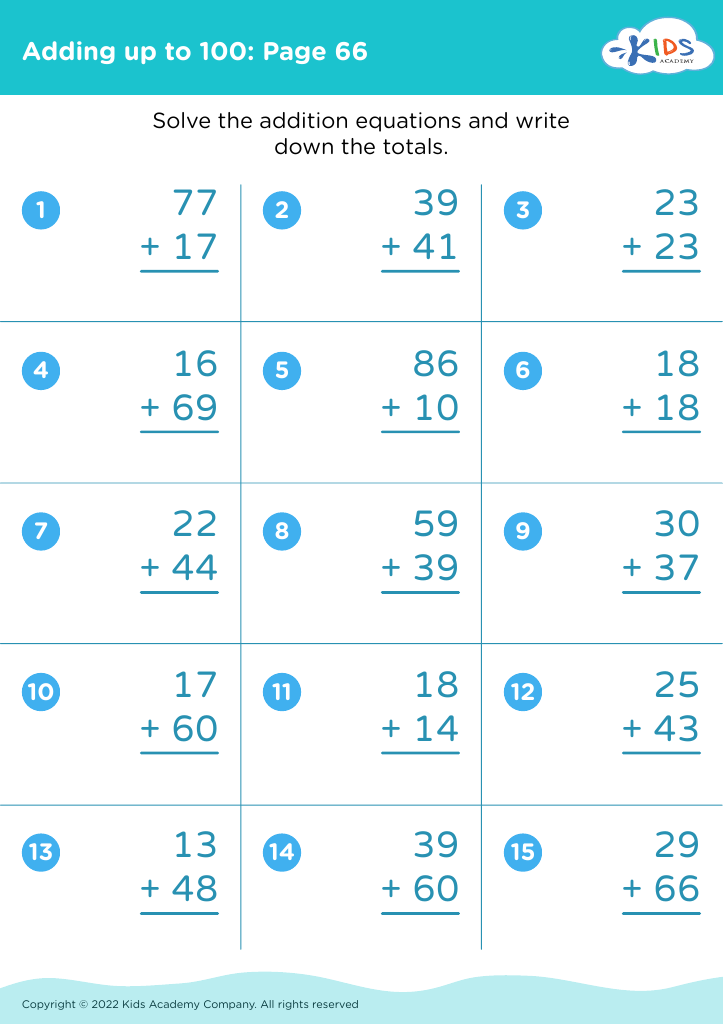
Adding up to 100: Page 66

Adding up to 100: Page 66

Adding up to 100: Page 66
Worksheet
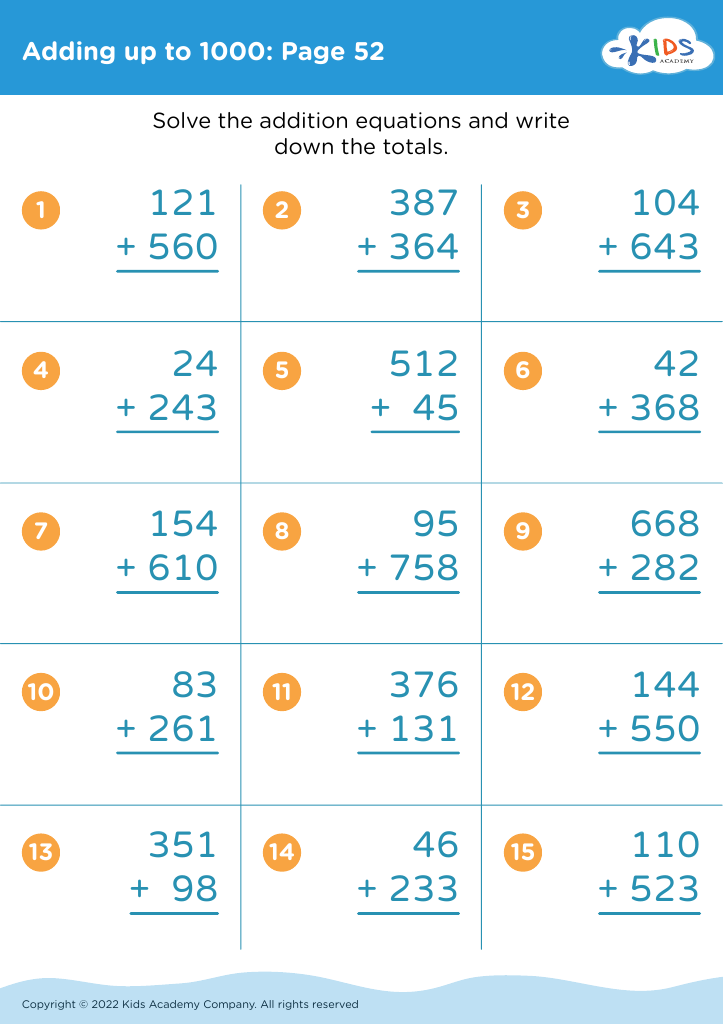
Adding up to 1000: Page 52

Adding up to 1000: Page 52

Adding up to 1000: Page 52
Worksheet
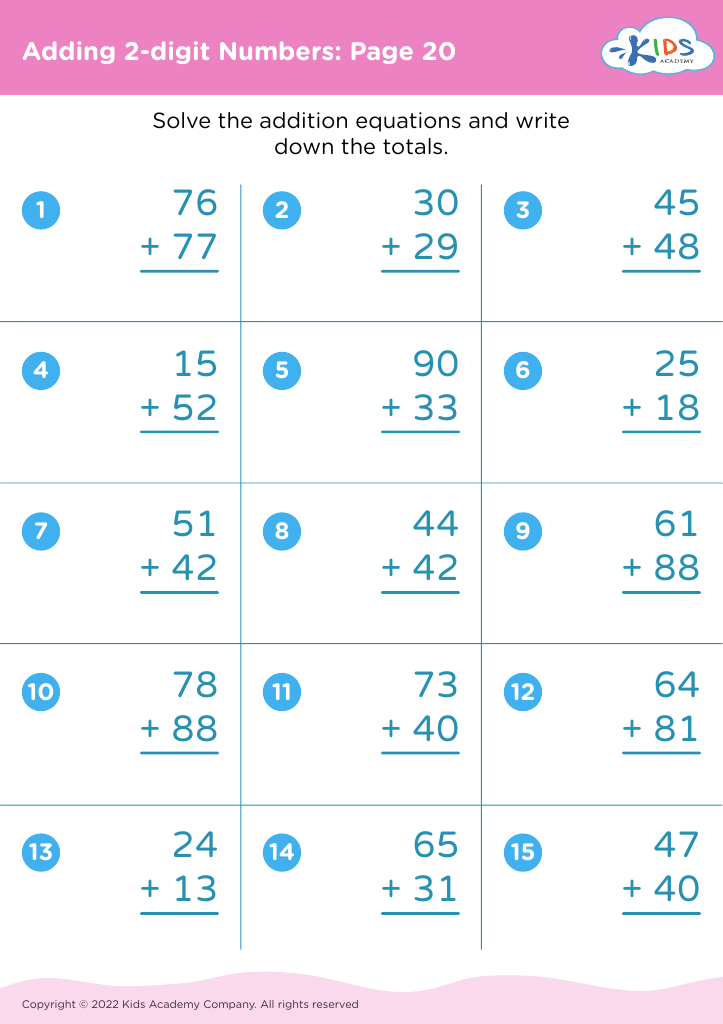
Adding 2-digit Numbers: Page 20

Adding 2-digit Numbers: Page 20

Adding 2-digit Numbers: Page 20
Worksheet
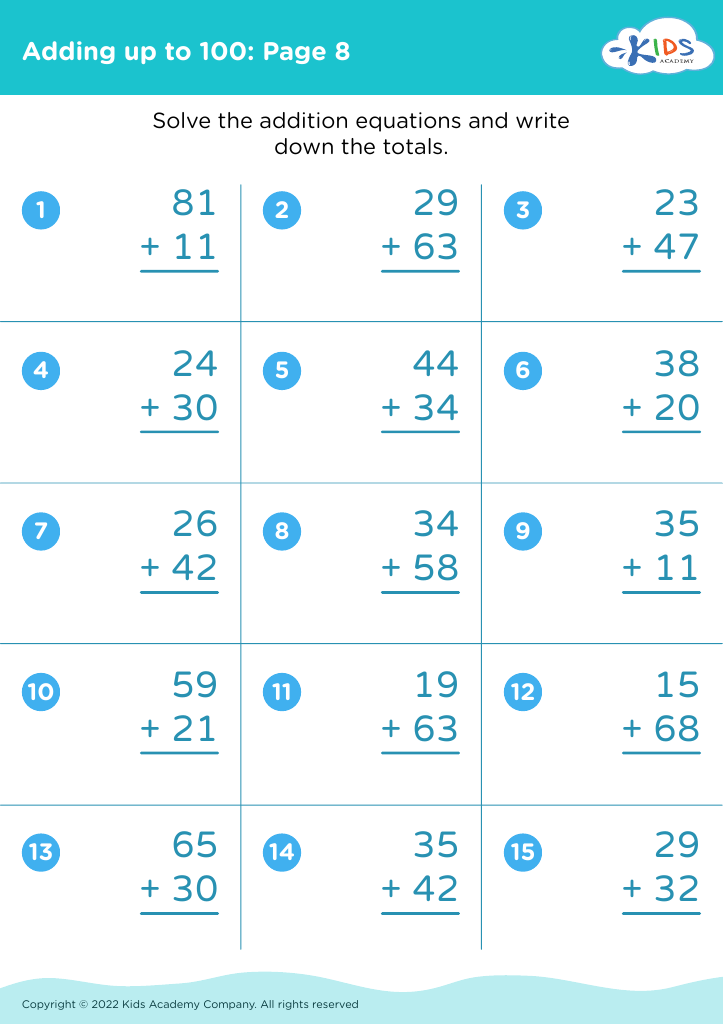
Adding up to 100: Page 8

Adding up to 100: Page 8

Adding up to 100: Page 8
Worksheet
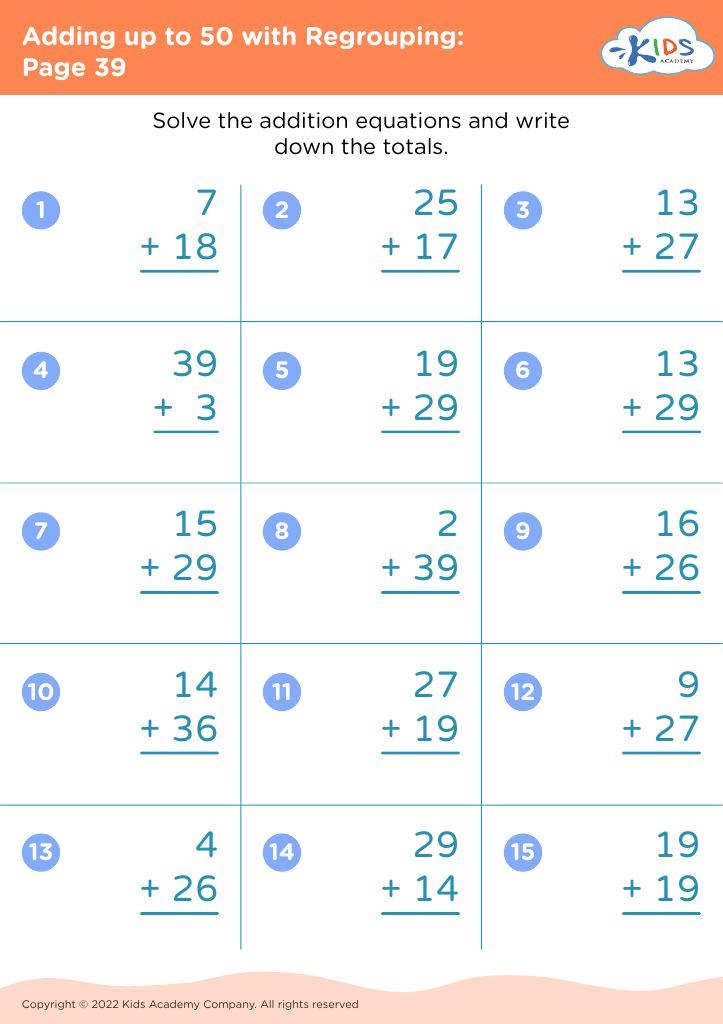
Adding up to 50 with Regrouping: Page 39
Worksheet
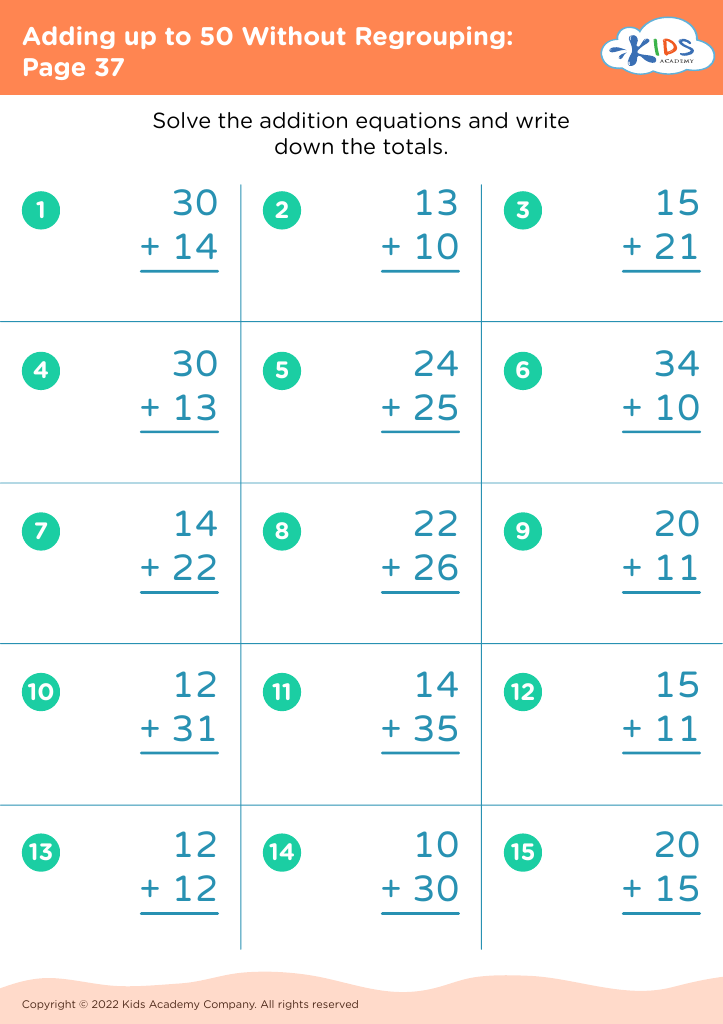
Adding up to 50 Without Regrouping: Page 37
Worksheet
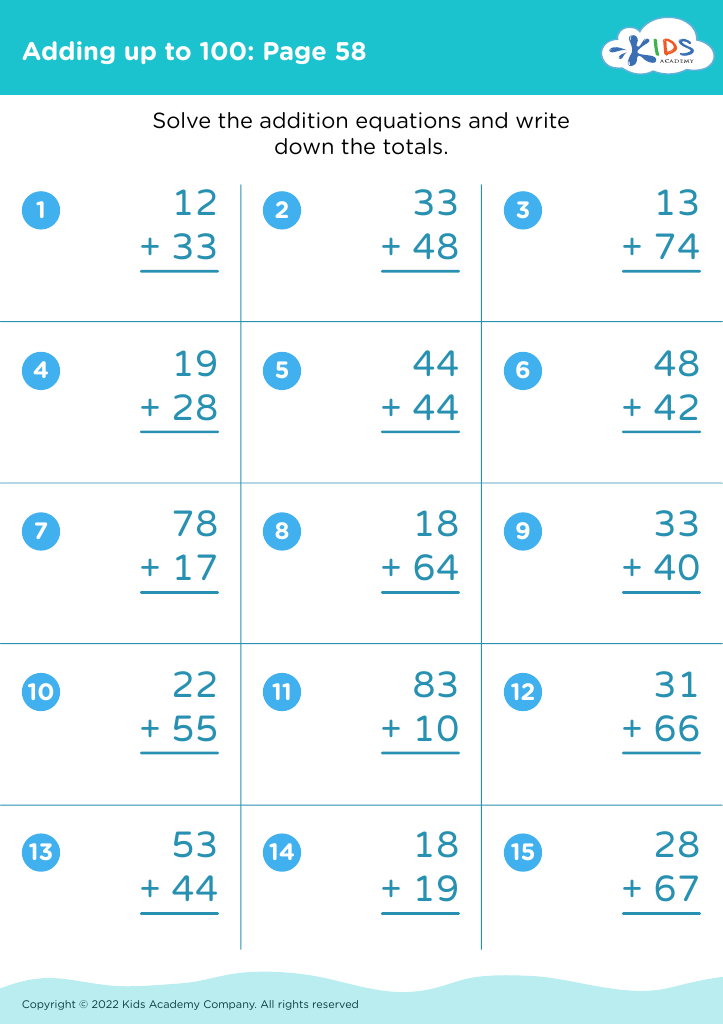
Adding up to 100: Page 58

Adding up to 100: Page 58

Adding up to 100: Page 58
Worksheet
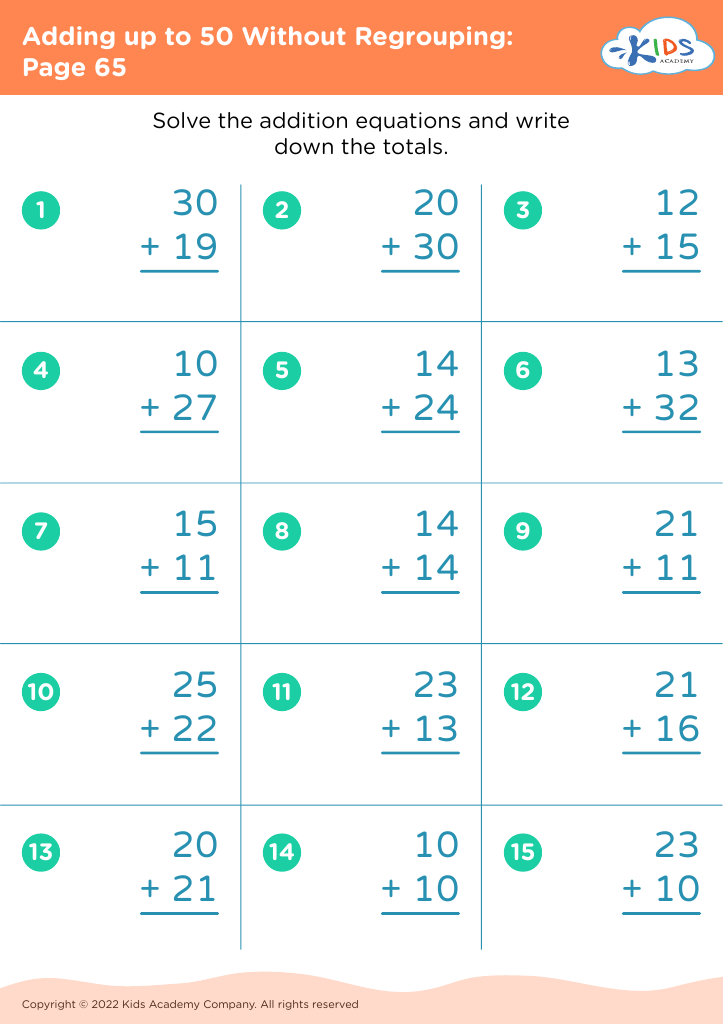
Adding up to 50 Without Regrouping: Page 65
Worksheet
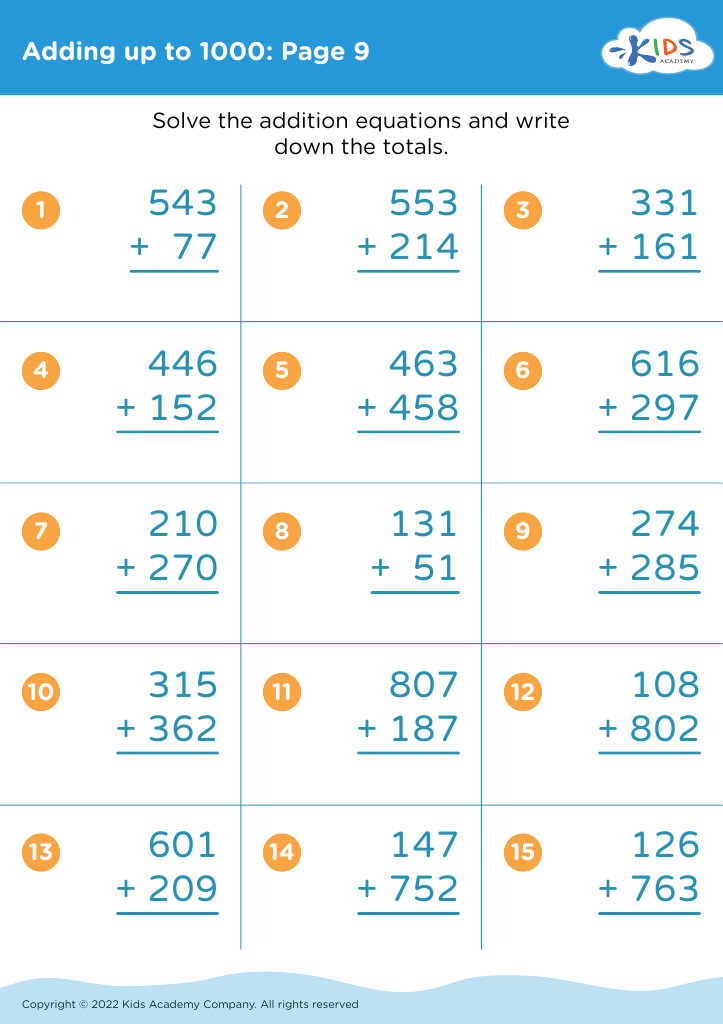
Adding up to 1000: Page 9

Adding up to 1000: Page 9

Adding up to 1000: Page 9
Worksheet
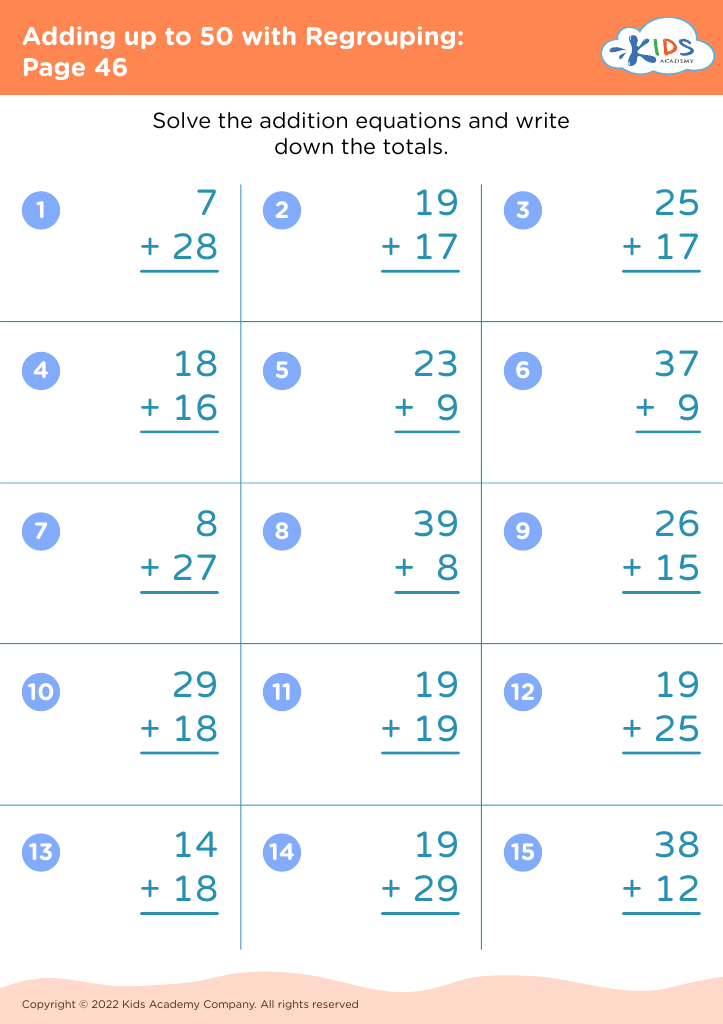
Adding up to 50 with Regrouping: Page 46
Worksheet
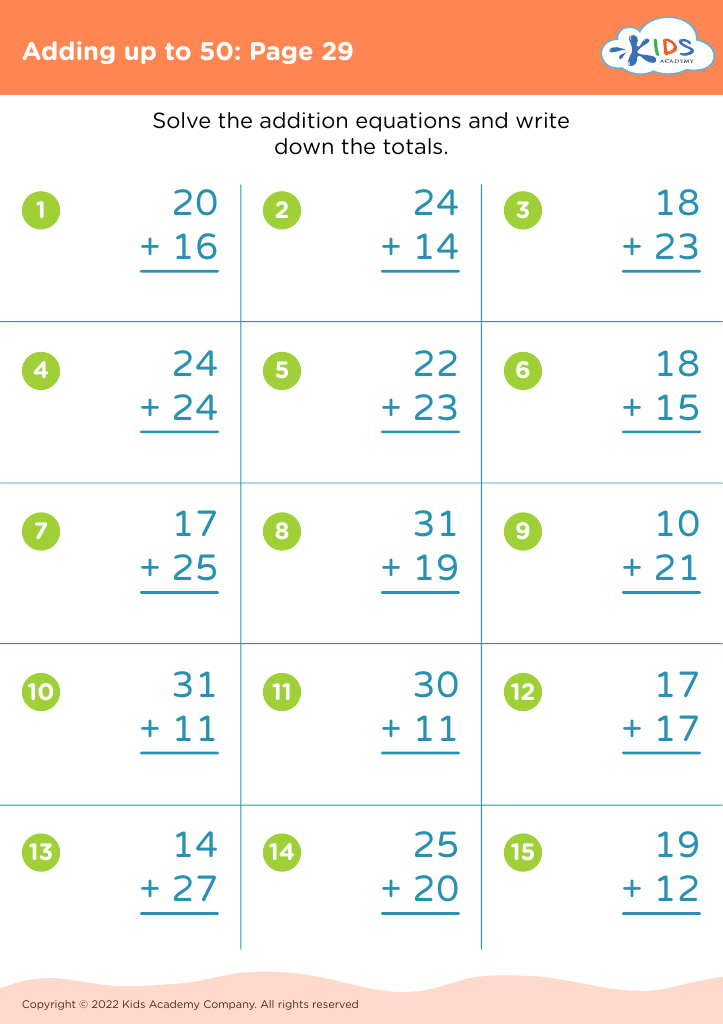
Adding up to 50: Page 29

Adding up to 50: Page 29

Adding up to 50: Page 29
Worksheet
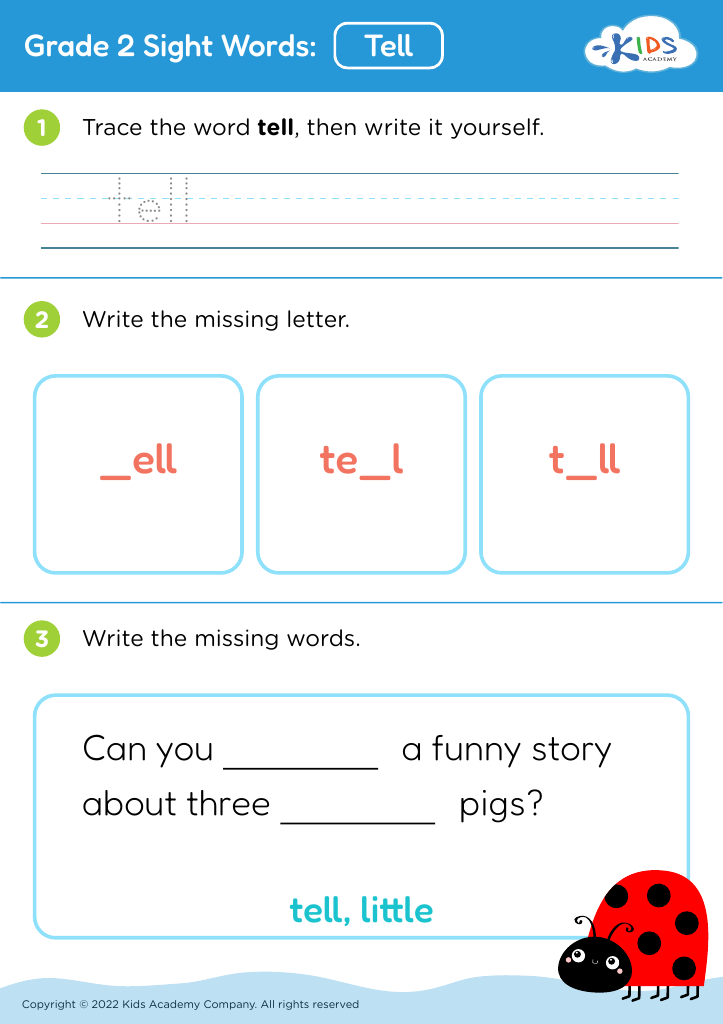
Grade 2 Sight Words: Tell

Grade 2 Sight Words: Tell

Grade 2 Sight Words: Tell
Worksheet
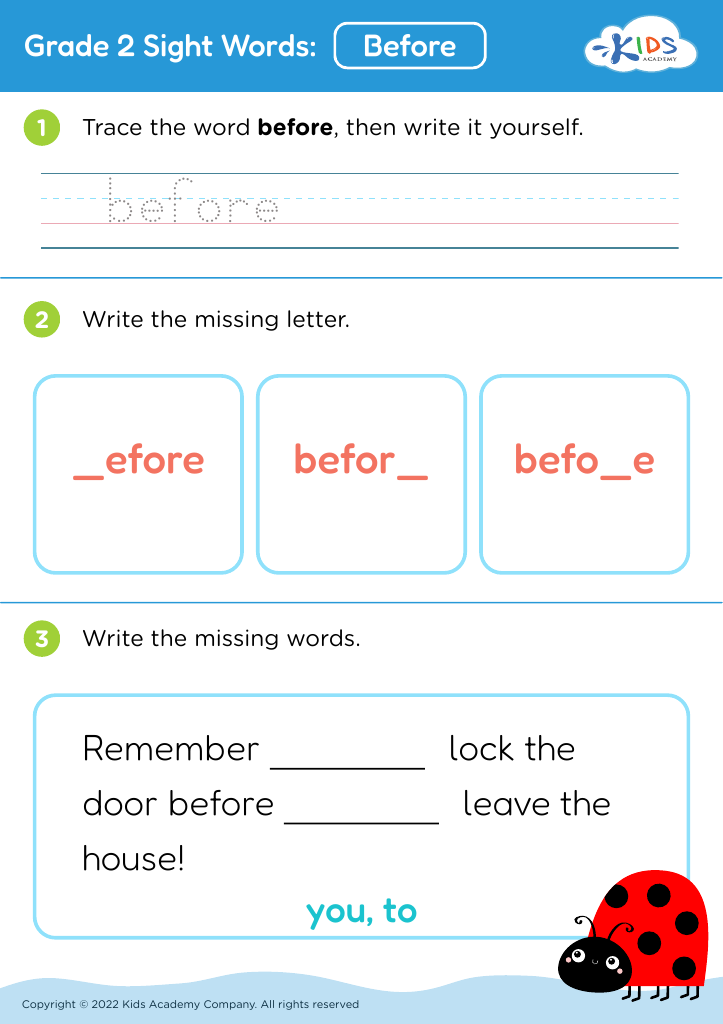
Grade 2 Sight Words: Before

Grade 2 Sight Words: Before

Grade 2 Sight Words: Before
Worksheet


Understanding fractions in Grade 2 is essential for several reasons that concern both parents and teachers. Firstly, fractions serve as a building block for more advanced mathematical concepts. Early mastery promotes confidence and competence in mathematics, helping students transition smoothly to topics like addition, subtraction, and eventually, decimals and percentages.

Secondly, fractions are part of everyday life. From sharing food equally among friends to understanding portions in recipes, having a solid grasp of fractions teaches children valuable life skills they will use regularly. Moreover, comprehending fractions enhances critical thinking and problem-solving skills, as students learn to recognize parts of a whole and make comparisons.

Furthermore, teaching fractions helps develop number sense, which is crucial for overall mathematical understanding. Engaging students with visual aids and practical experiences facilitates their ability to visualize and manipulate fractions, making math less intimidating and more relatable.

Together, parents and teachers play a significant role in nurturing a positive attitude toward math. By prioritizing fractions in the curriculum, they help cultivate a resilient and adaptable mindset in children, potentially influencing their academic success and love for learning in the long run. Understanding fractions prepares students for future challenges and explorations in their educational journey.