Understanding clocks Grade 2 Worksheets
3 filtered results
-
From - To
Discover our engaging "Understanding Clocks Grade 2 Worksheets," designed to help young learners grasp the concept of time. These interactive resources feature a variety of activities that make learning fun, including identifying clock hands, telling time to the hour and half-hour, and solving time-related word problems. Perfect for classroom use or home practice, our worksheets cater to diverse learning styles, ensuring that every student can enhance their time-telling skills. Empower your child’s learning journey with our comprehensive materials that promote both understanding and confidence in reading clocks. Visit our site today for printable worksheets that will ignite a love for learning!
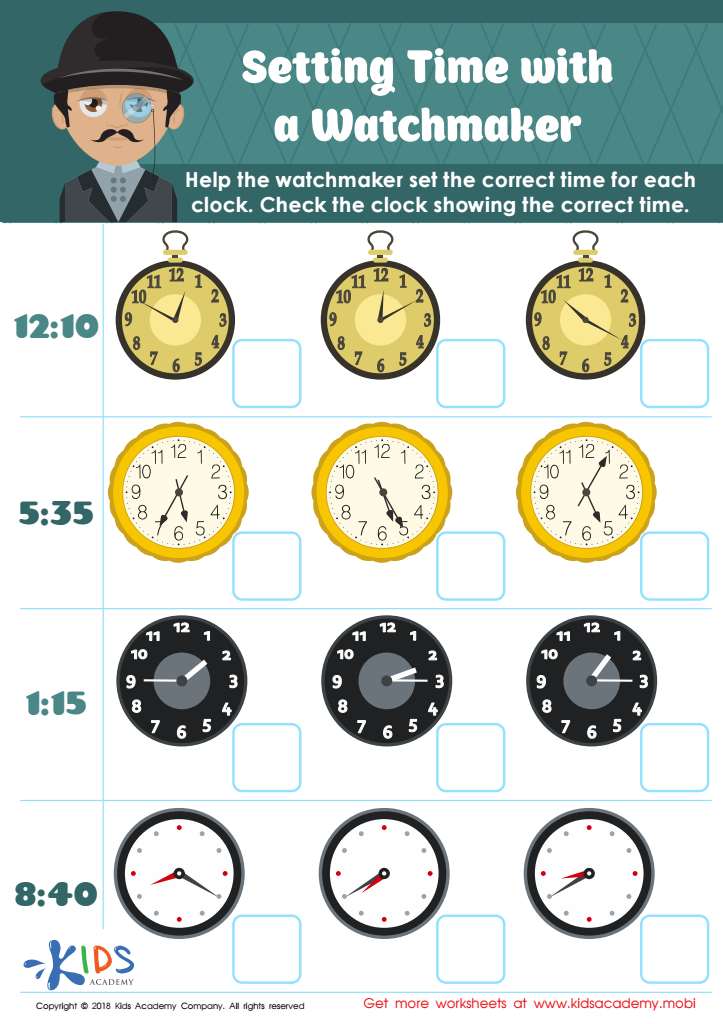
Setting Time with Watchmaker Worksheet
 Assign to My Students
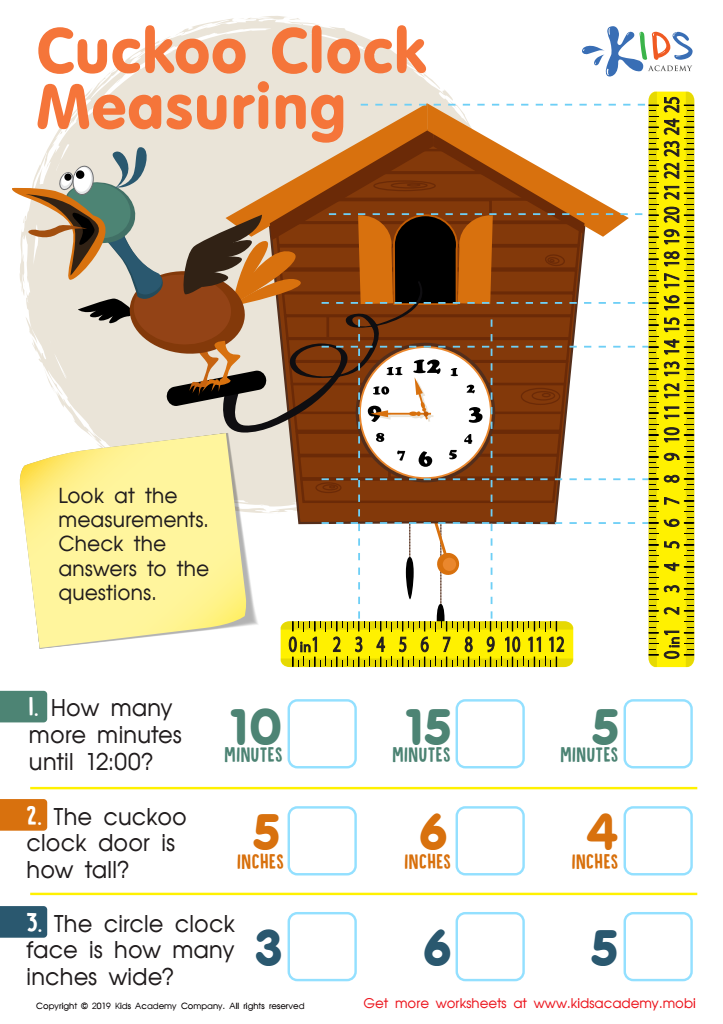
Cuckoo Clock Measuring Worksheet




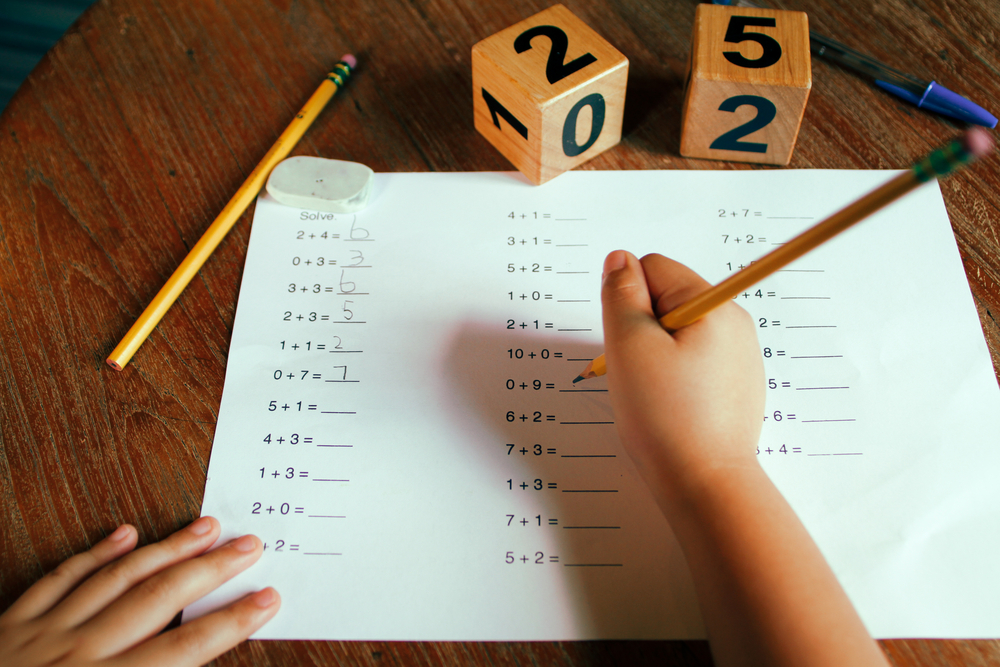


Understanding clocks is a crucial skill for Grade 2 students, and both parents and teachers play an integral role in fostering this knowledge. Firstly, learning to tell time enhances children's mathematical abilities. It introduces concepts like counting by fives, and understanding sequences, which are foundational for more complex mathematical reasoning. Additionally, telling time helps children develop a sense of routine and structure in their daily lives, encouraging independence and responsibility.
Moreover, understanding clocks promotes essential life skills. It teaches punctuality and helps children manage their time effectively, an important capability as they transition to higher grades where schedules become more rigorous and diverse. Furthermore, being able to read a clock enhances decision-making skills, as children learn to assess how much time they have for tasks like homework, play, or chores.
From a social perspective, time literacy enriches children's engagement with the world. They can grasp when activities begin or end, facilitating better interactions with peers and adults. By supporting time-telling skills, parents and teachers can help children gain confidence as they navigate their daily environments, laying the groundwork for lifelong learning and development. In essence, understanding clocks is not just about knowing what time it is; it’s a vital life skill.