Understanding division Grade 2 Worksheets
7 filtered results
-
From - To
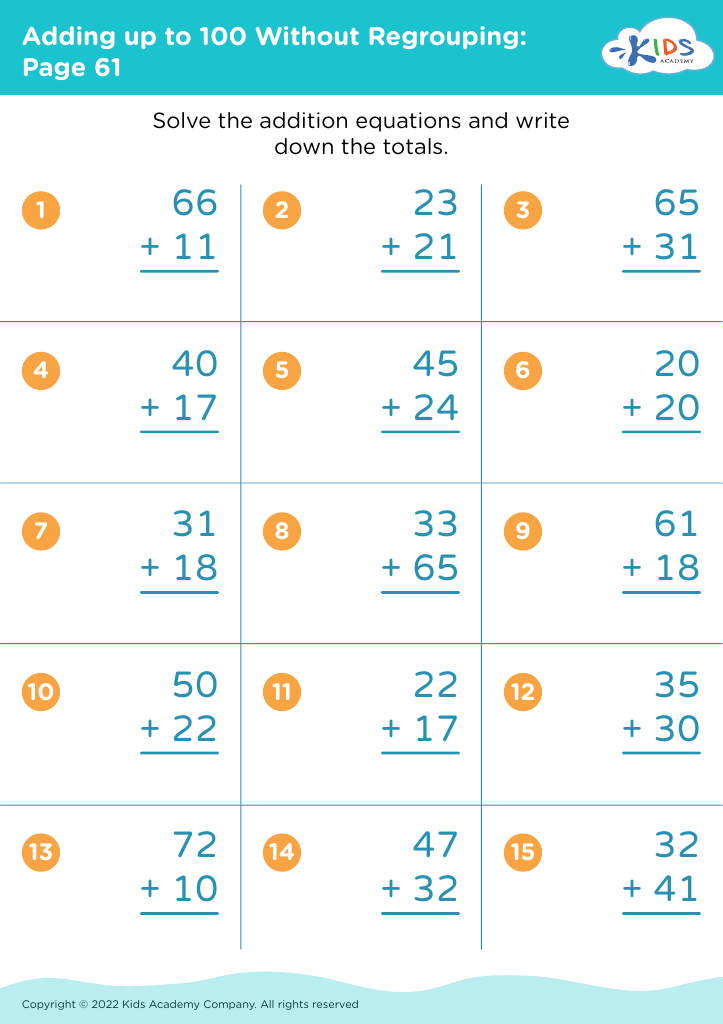
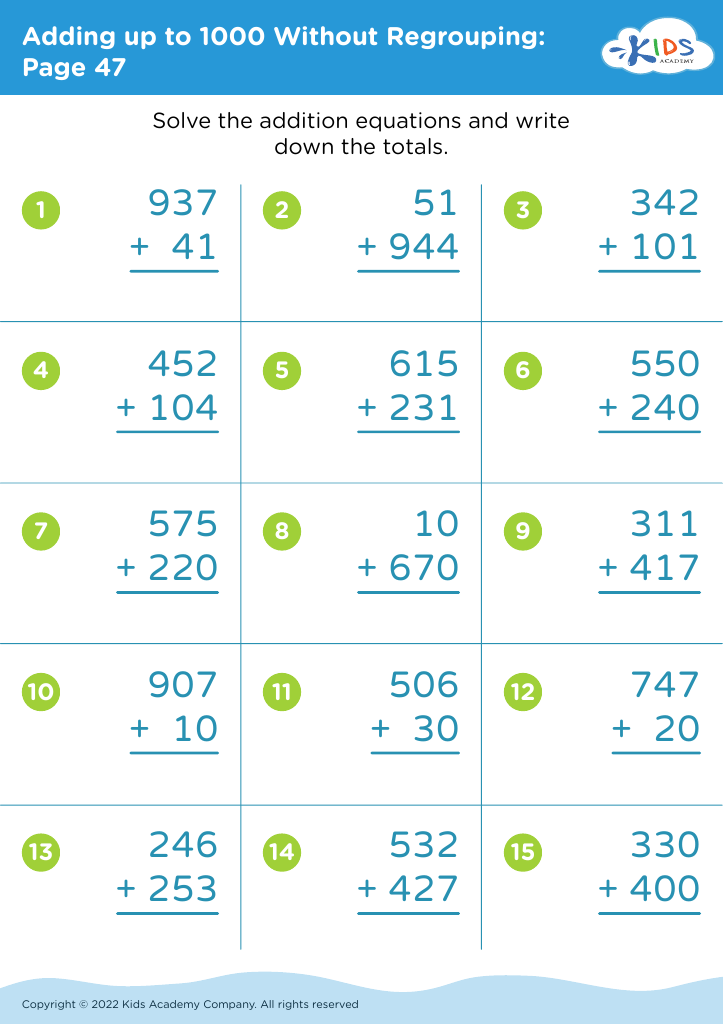
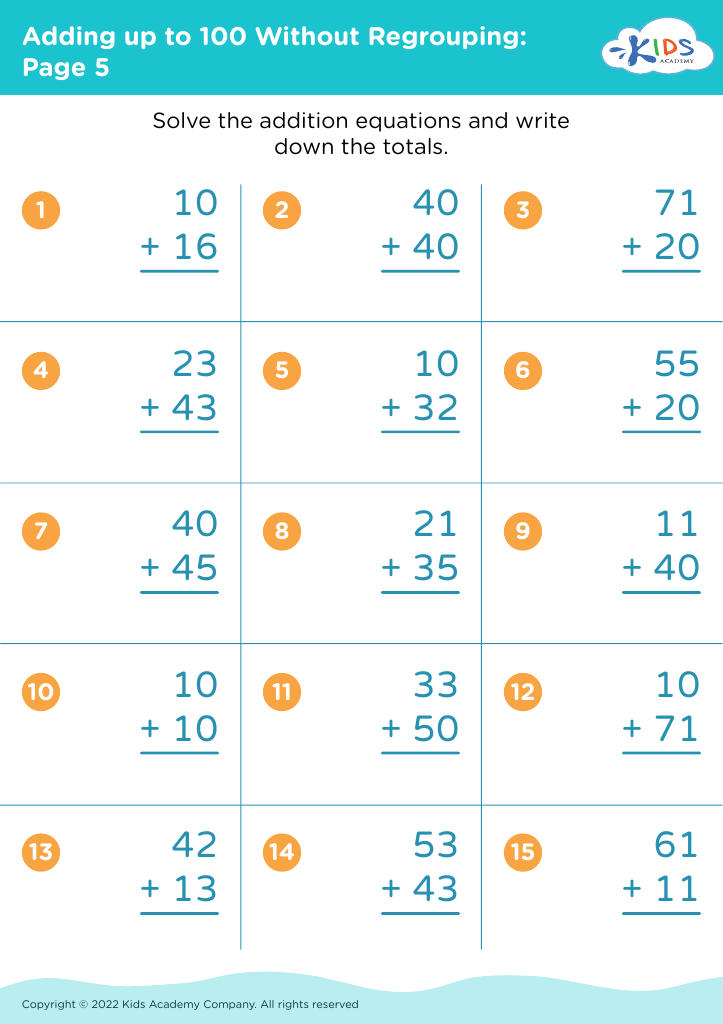
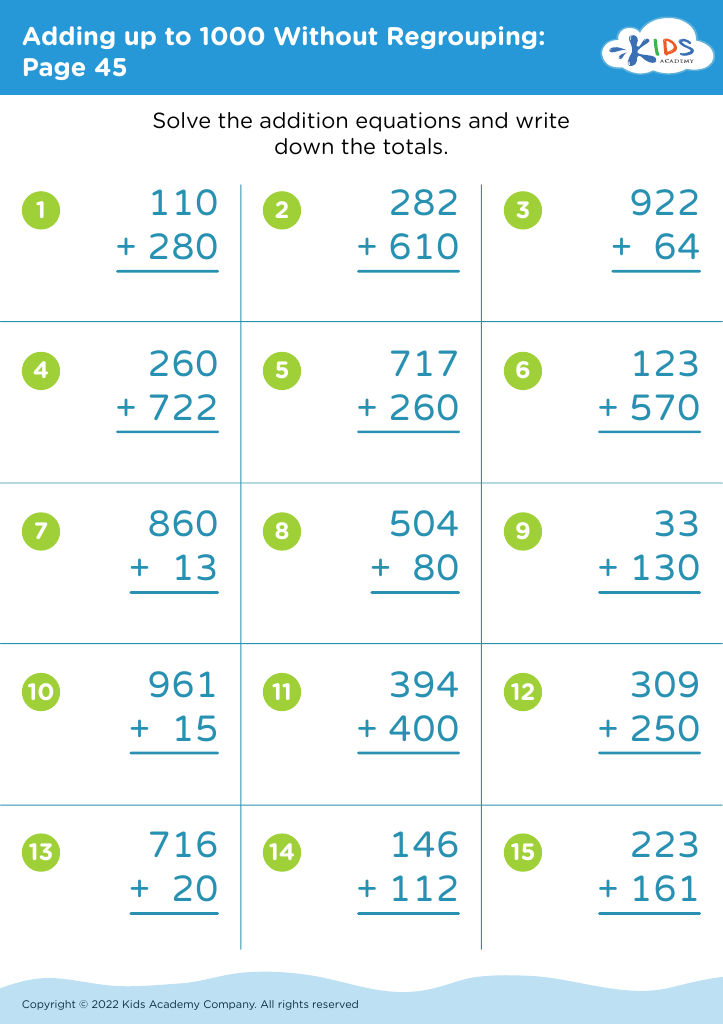
Introduce your second grader to the concept of division with our engaging and educational "Understanding Division Grade 2 Worksheets." These specially designed worksheets help young learners grasp the basics of division through fun and interactive problems. Our resources feature a variety of exercises, including pictorial representations, word problems, and real-life scenarios that make math meaningful and relatable. By incorporating different methods and step-by-step approaches, children can develop a strong foundational understanding of division. Perfect for classroom use or additional practice at home, these worksheets are an essential tool to boost your child's math confidence and skills.
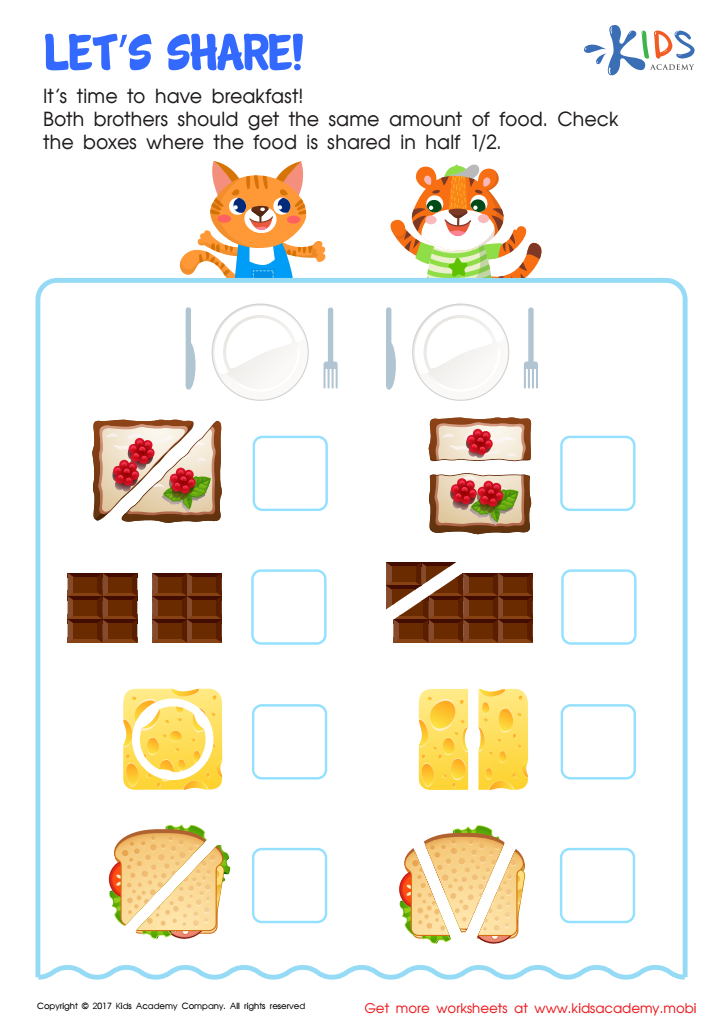
Let's Share Worksheet
 Assign to My Students
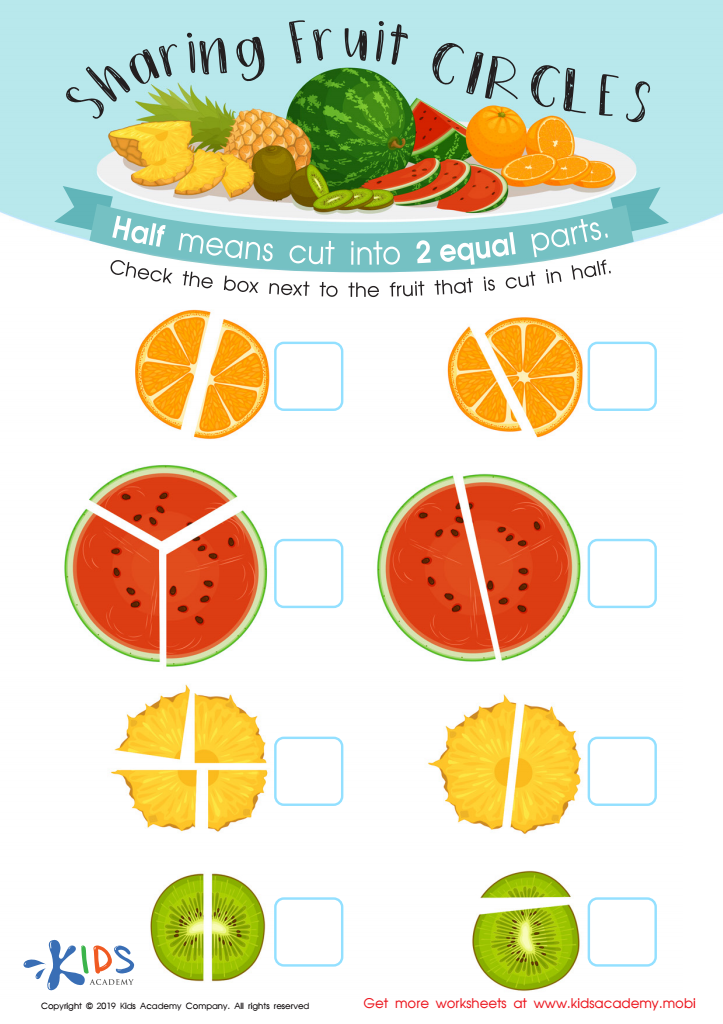
Sharing Fruit Circles Worksheet








Understanding division in Grade 2 is essential for several key reasons that both parents and teachers should recognize. At this stage, children are in a critical period of cognitive development where foundational mathematical concepts are established. Division is not just a mathematical operation; it represents a way of thinking about numbers and problem-solving.
-
Foundational Skills: Grasping division helps build critical foundational skills. When kids understand division, they are better equipped for more complex mathematical concepts such as fractions and percentages later on. It's crucial for their numeracy development.
-
Problem Solving: Division improves children’s problem-solving abilities. They learn to think analytically by figuring out how to split a set of objects into equal parts, which enhances their logical reasoning and cognitive flexibility.
-
Daily Life Applications: Division is used in everyday life. From sharing toys and sweets equally among friends to understanding parts of a whole, division helps children make sense of the world around them.
-
Confidence and Interest: Early proficiency in division can boost a child's confidence in math. When children feel competent in their mathematical abilities, they are more likely to develop a positive attitude toward the subject, increasing their interest and engagement.
Parents and teachers working together to emphasize the importance of division can help ensure that children develop the mathematical skills needed for future academic and everyday success.