Basic Addition Grade 2 Addition & Subtraction Worksheets
19 filtered results
-
From - To
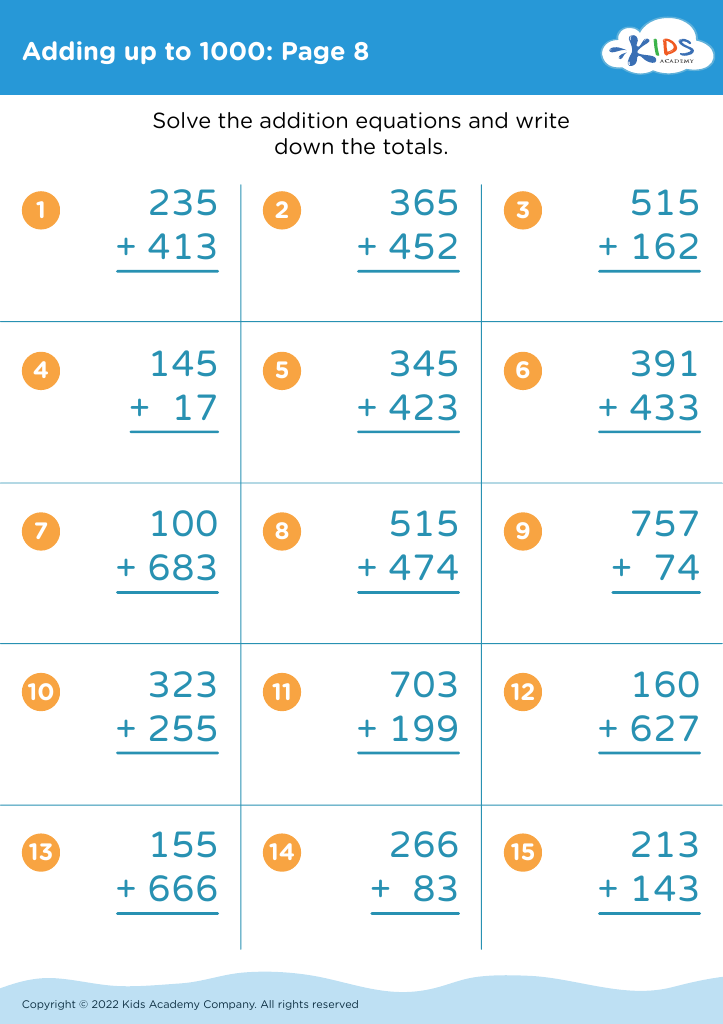
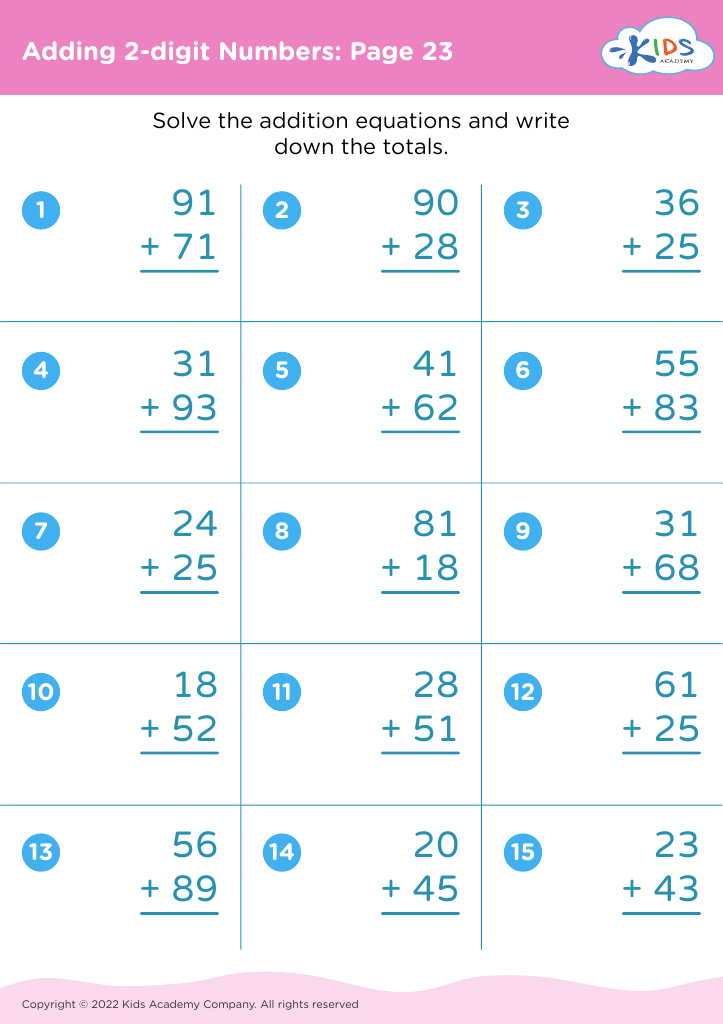
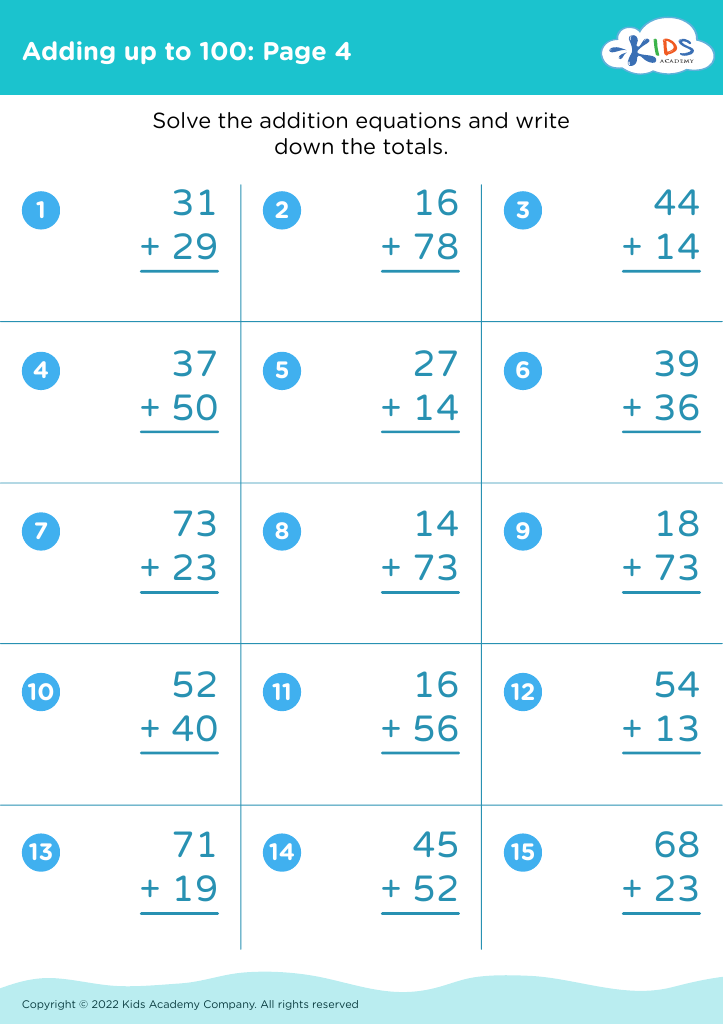
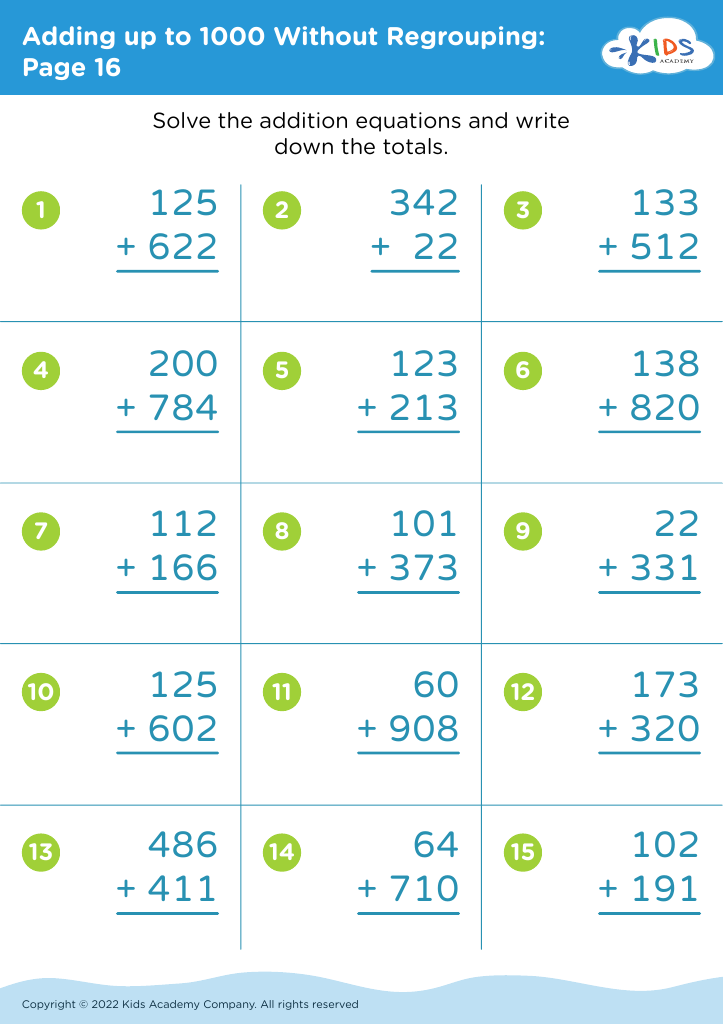
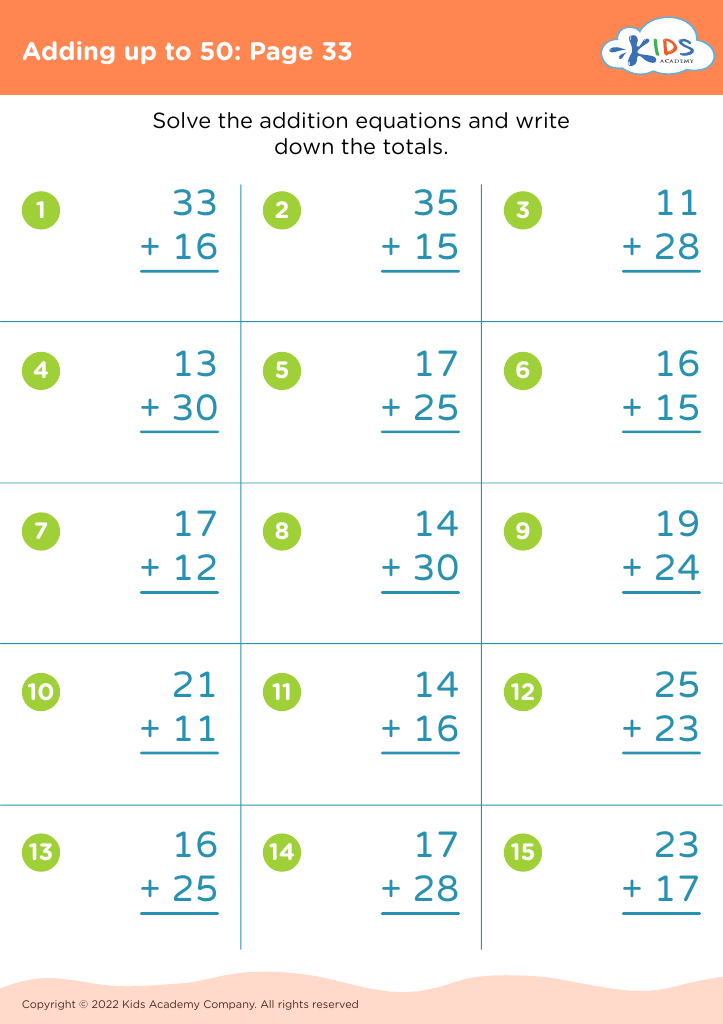
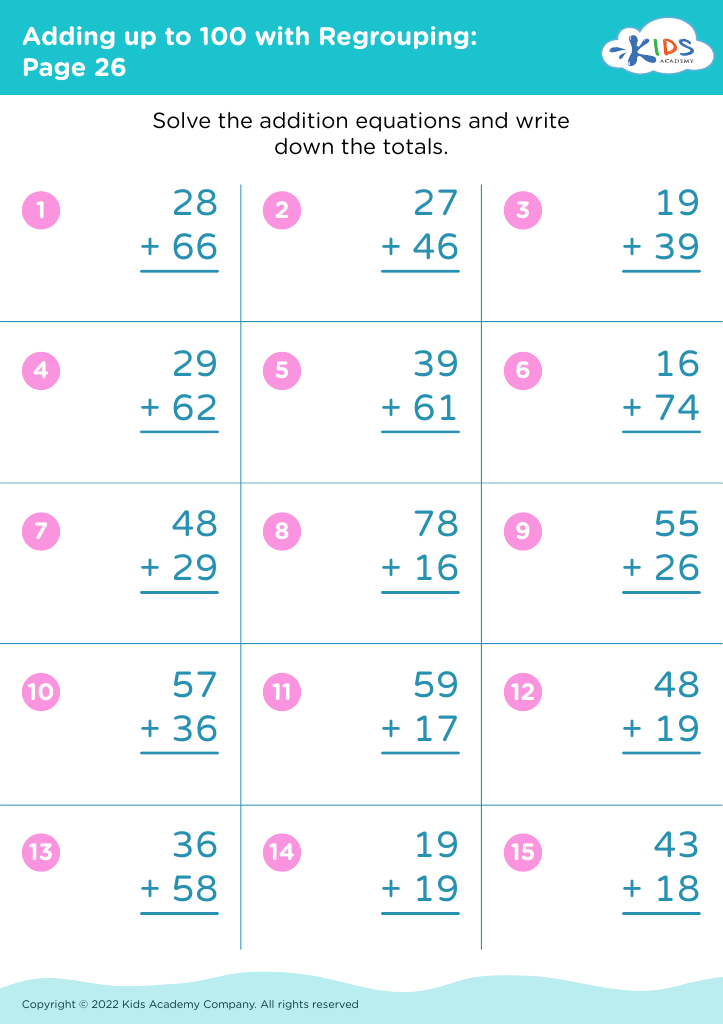
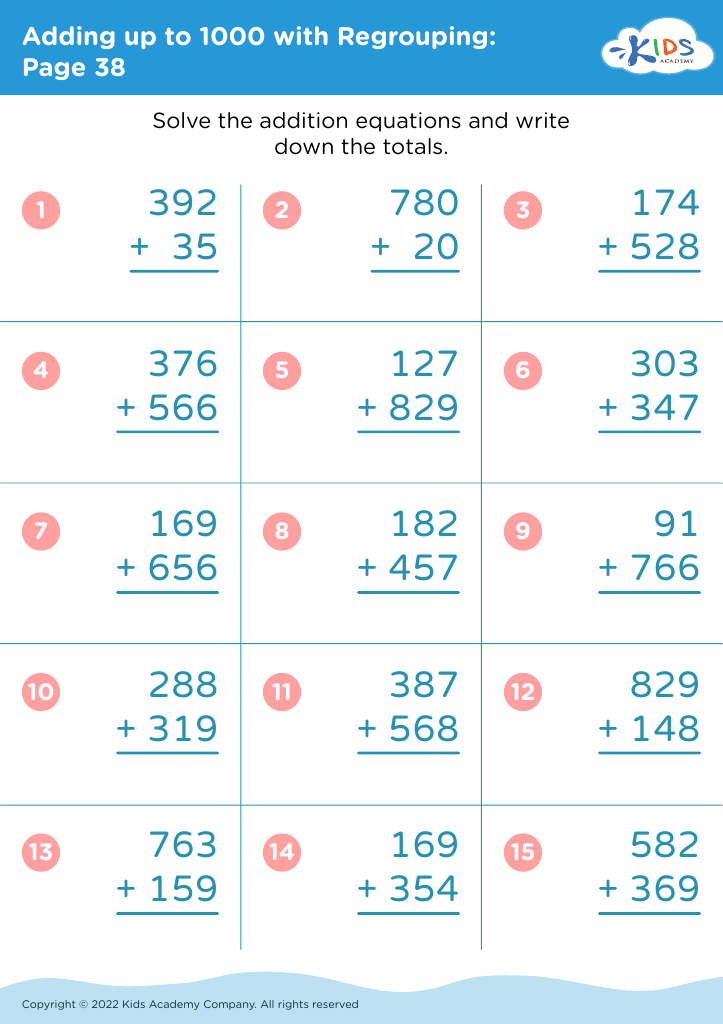
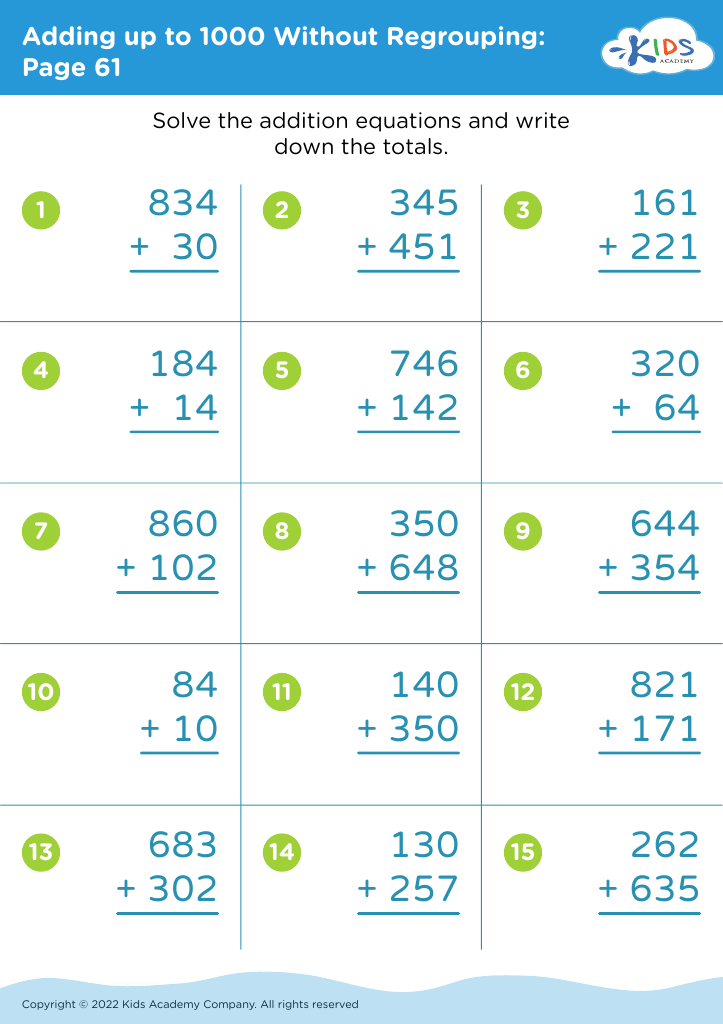
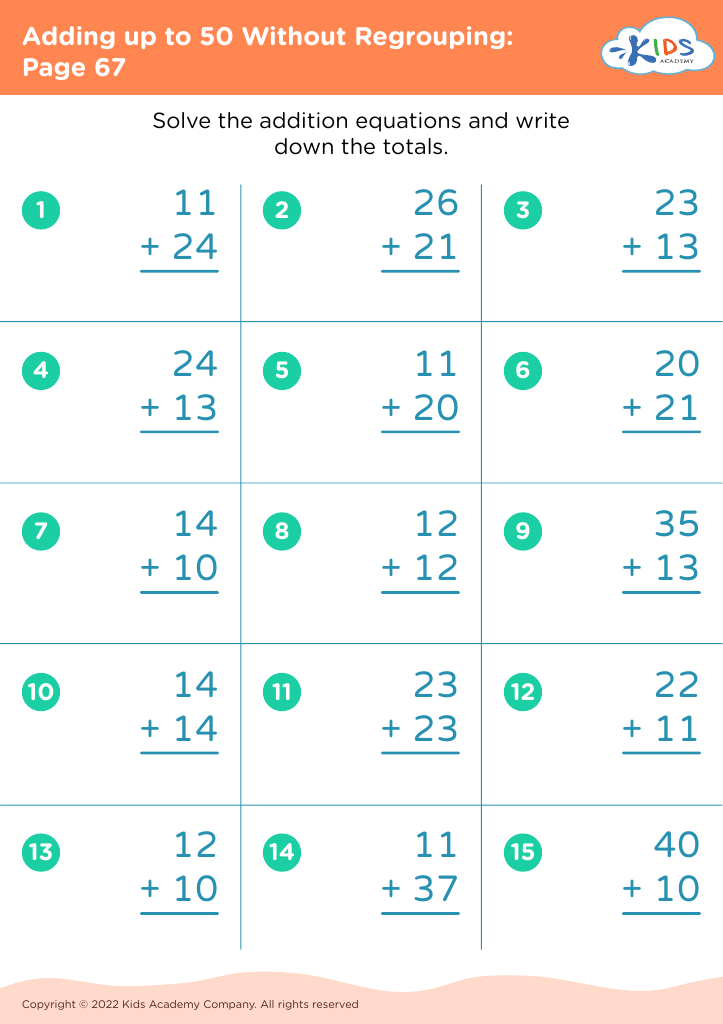
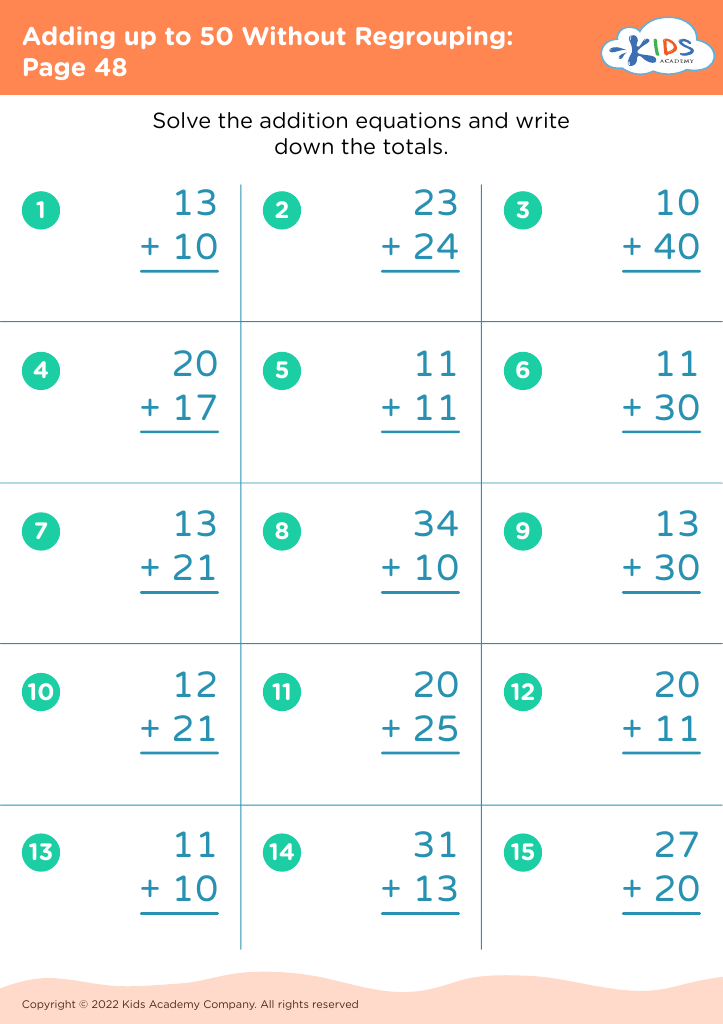
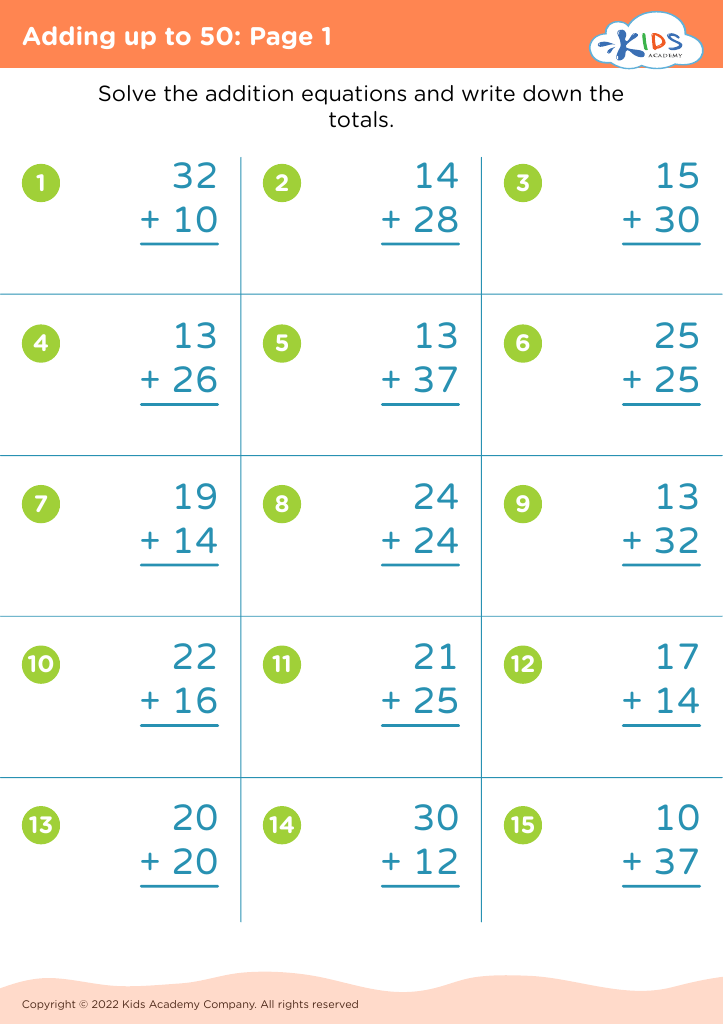
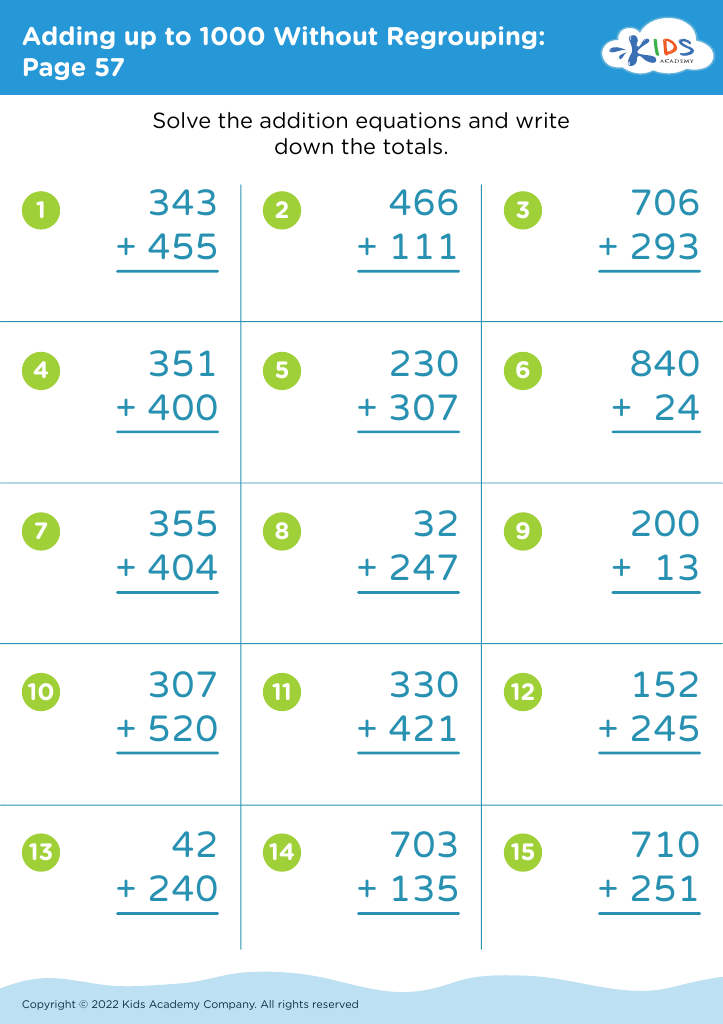
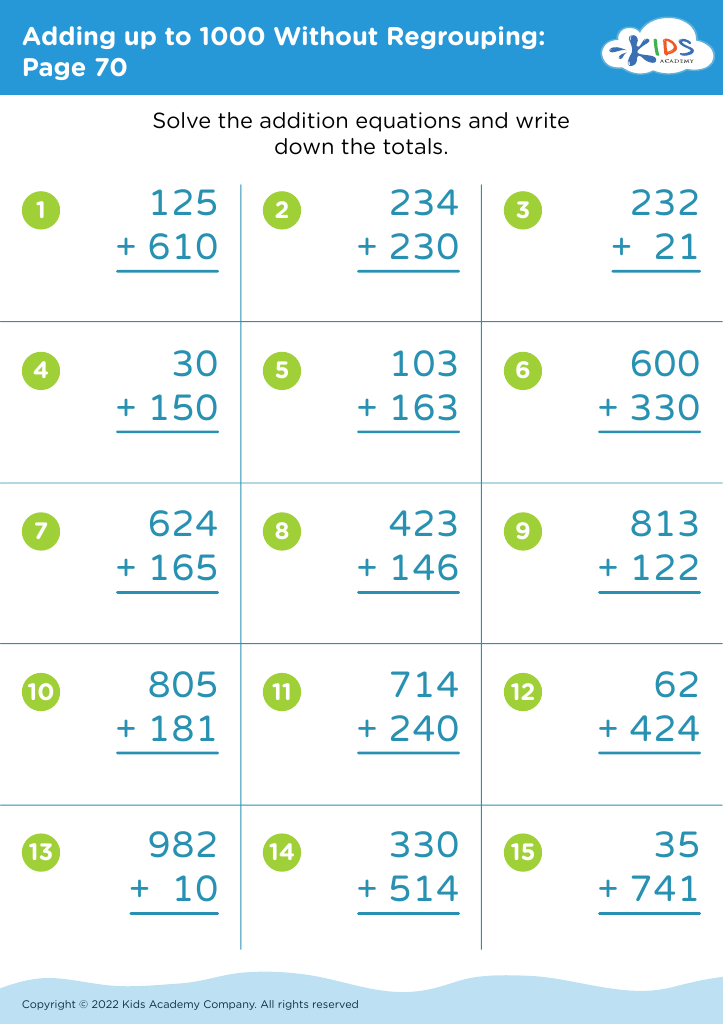
Explore our engaging Basic Addition worksheets, designed specifically for Grade 2 students to strengthen their addition and subtraction skills. Our printable worksheets offer a plethora of exercises to help young learners master essential math concepts through diverse problems, including single and double-digit additions and subtractions. Each worksheet is crafted to enhance problem-solving abilities and boost confidence in handling numbers. Incorporating fun visuals and interactive formats, these resources motivate students and make learning enjoyable. Perfect for classroom use or home practice, our Basic Addition worksheets set the foundation for future math success. Empower your child’s learning journey with our educational tools today!
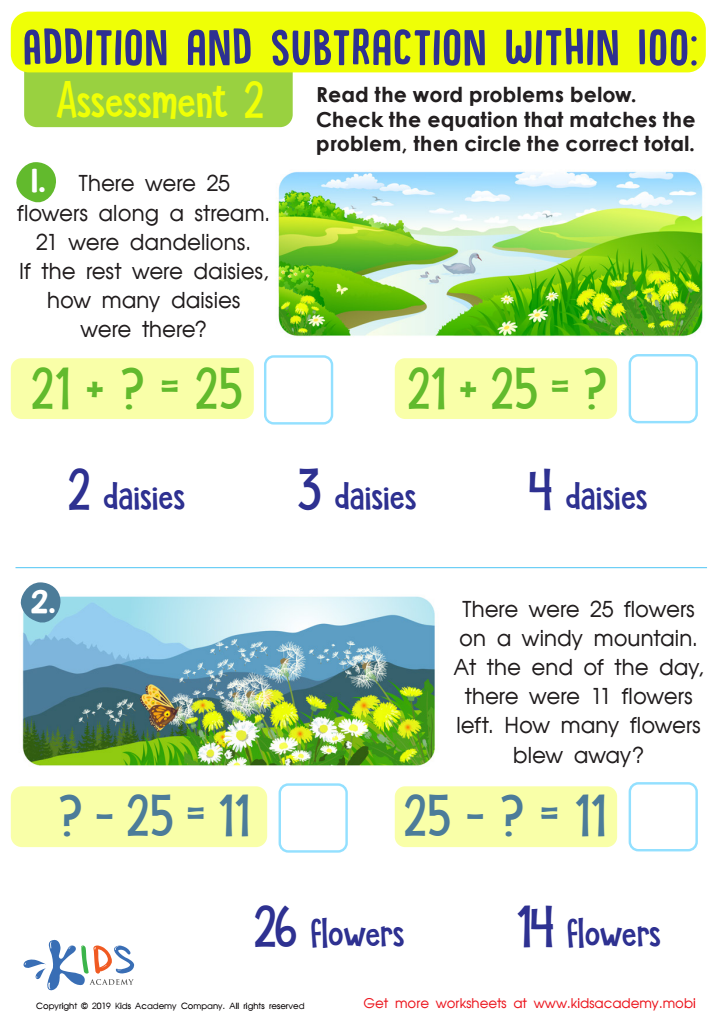
Assessment 2 Math Worksheet
 Assign to My Students
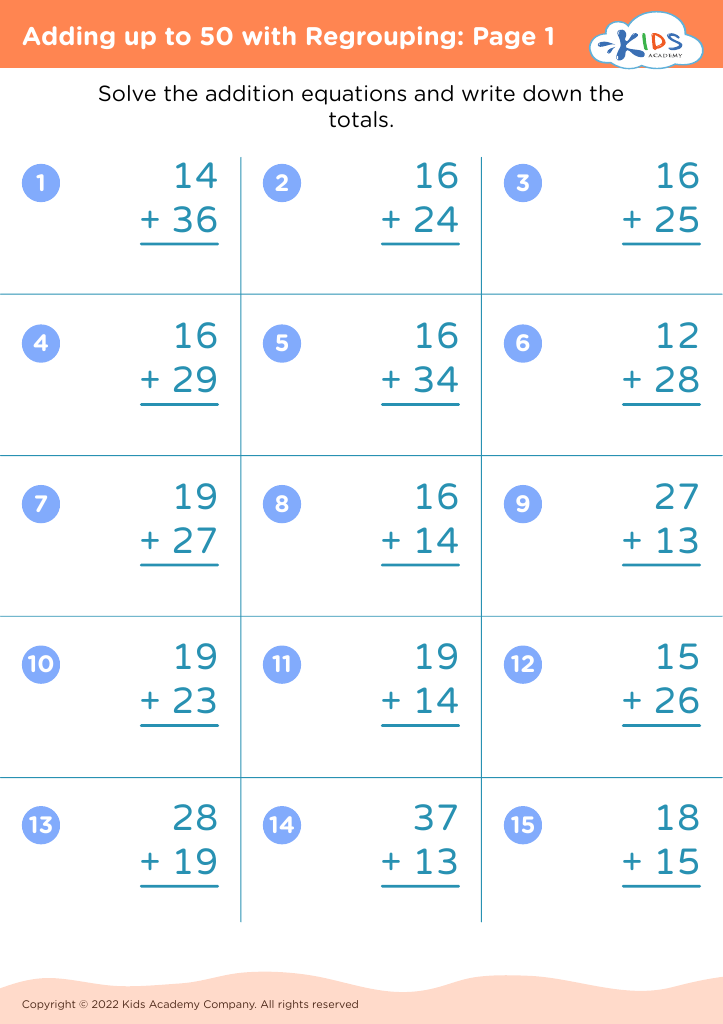
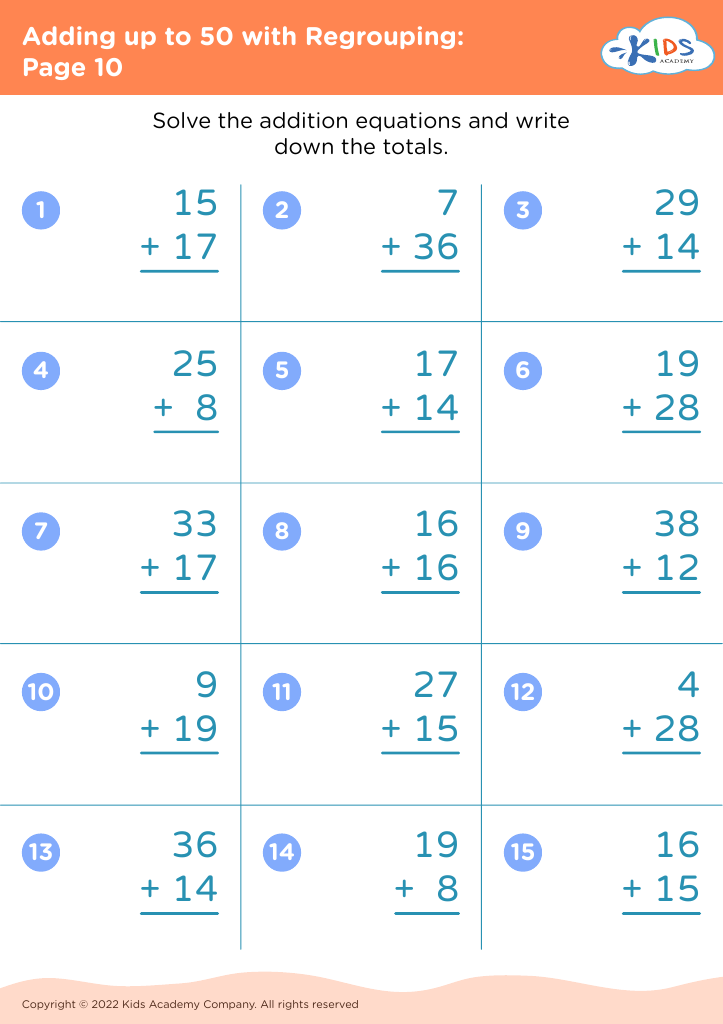
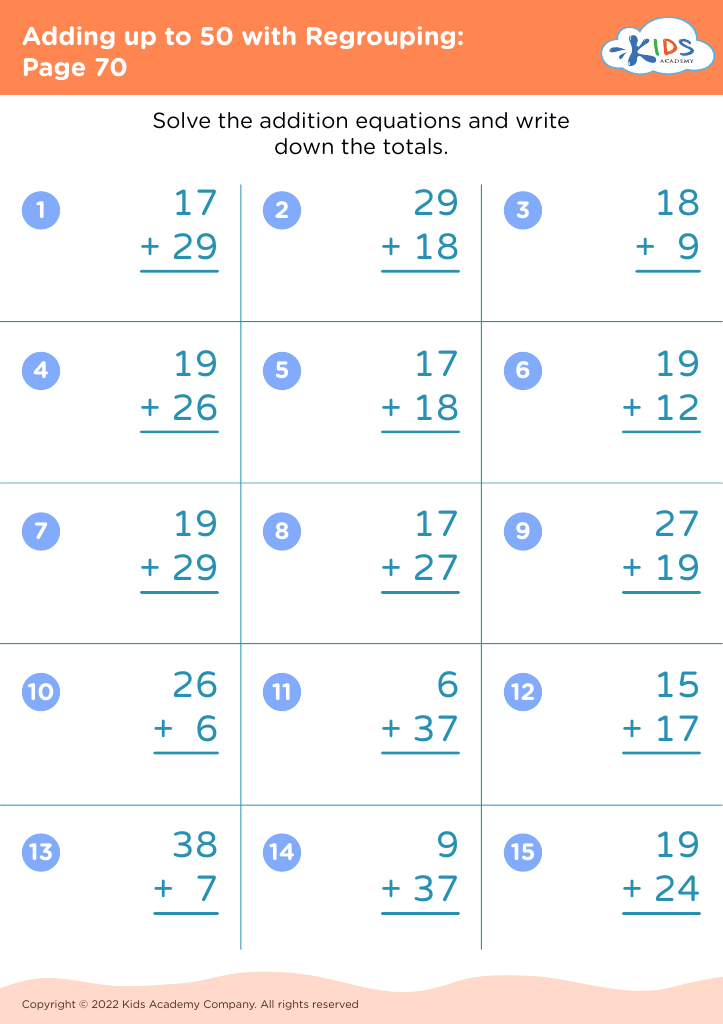
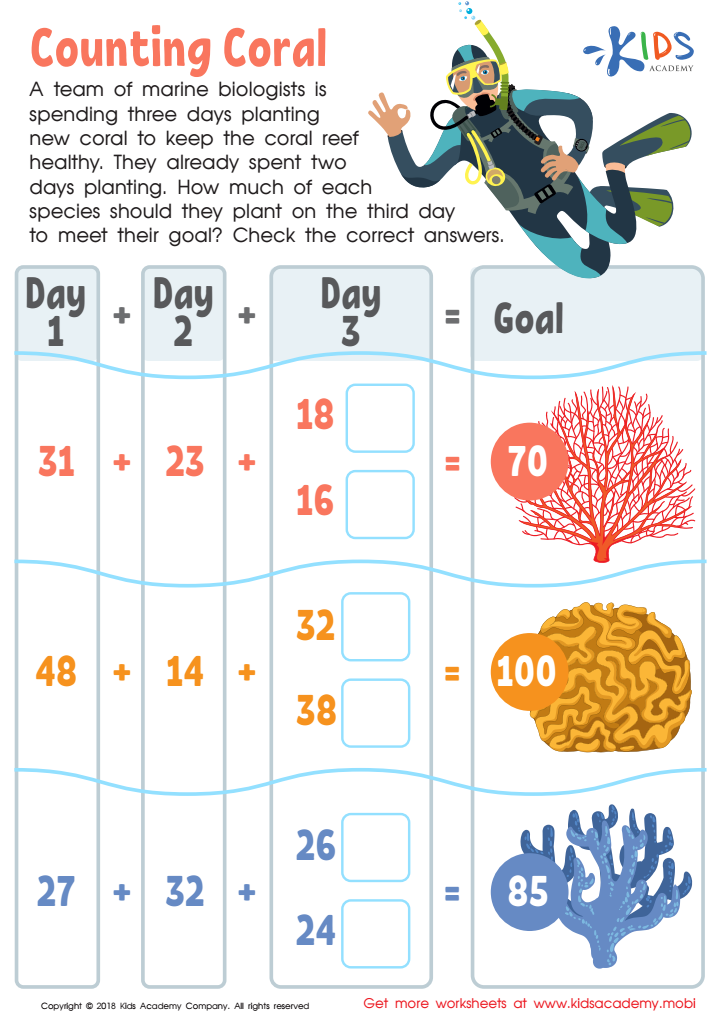
Counting Coral Worksheet
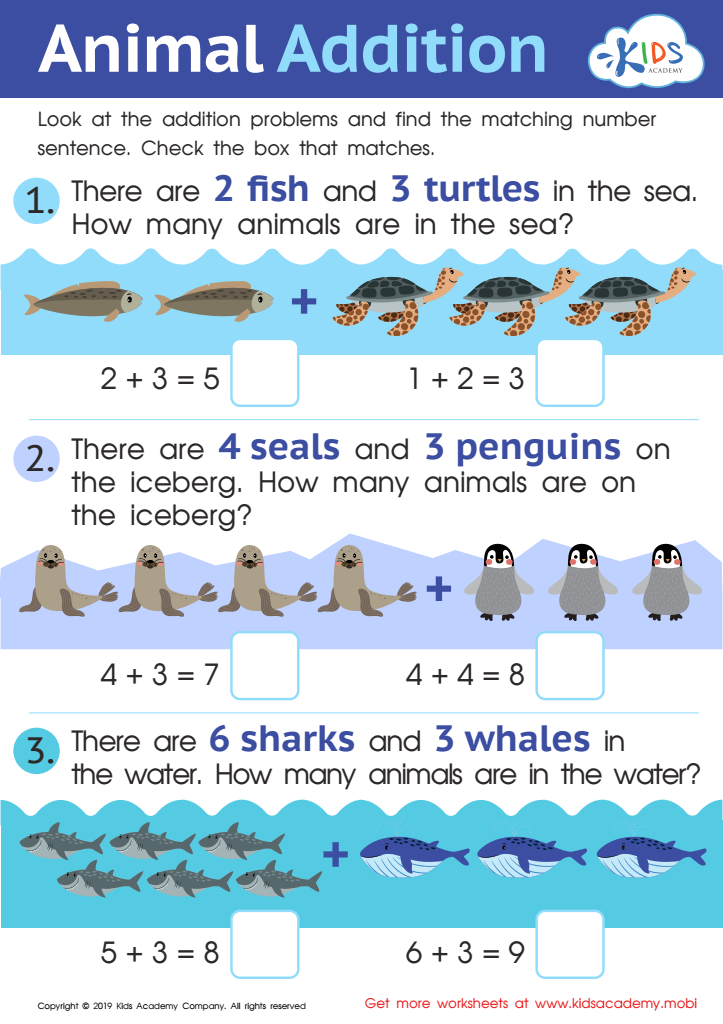
Animal Addition Worksheet








Parents and teachers play a crucial role in a child's early mathematical development, particularly in mastering basic addition and subtraction in Grade 2. These foundational skills serve as the building blocks for future math concepts, including multiplication, division, and more complex problem-solving. By ensuring children achieve proficiency in addition and subtraction, adults help boost their confidence and promote a positive attitude toward mathematics.
Beyond academics, strong numerical skills are essential for everyday life. Understanding basic math empowers children to make informed decisions, manage personal finances, and solve practical problems they will encounter daily. Moreover, these skills are increasingly linked to critical thinking, logic, and the ability to work through challenges systematically.
Encouragement from parents and teachers fosters a safe environment where children feel comfortable taking intellectual risks. Engaging them in fun math activities promotes enthusiasm and curiosity about numbers, transforming learning into a joyful experience. Overall, prioritizing basic addition and subtraction in Grade 2 is vital not just for immediate academic success but also for instilling a lifelong appreciation for learning and problem-solving. Investing attention and resources in these early concepts is an investment in a child's future potential.