Hand-eye Coordination Grade 2 Addition & Subtraction Worksheets
10 filtered results
-
From - To
Enhance your Grade 2 students’ math skills with our engaging Hand-eye Coordination Addition & Subtraction Worksheets! These interactive activities are designed to improve students’ fine motor skills and coordination while reinforcing essential math concepts. With a variety of fun, themed worksheets, kids will enjoy solving addition and subtraction problems through hands-on practice. Each worksheet promotes eye-hand coordination as learners track and manipulate visual elements, ensuring an engaging learning experience. Perfect for classroom use, homeschooling, or extra practice, our thoughtfully crafted resources make mastering math skills both enjoyable and effective. Explore our collection today to support your students' learning journey!
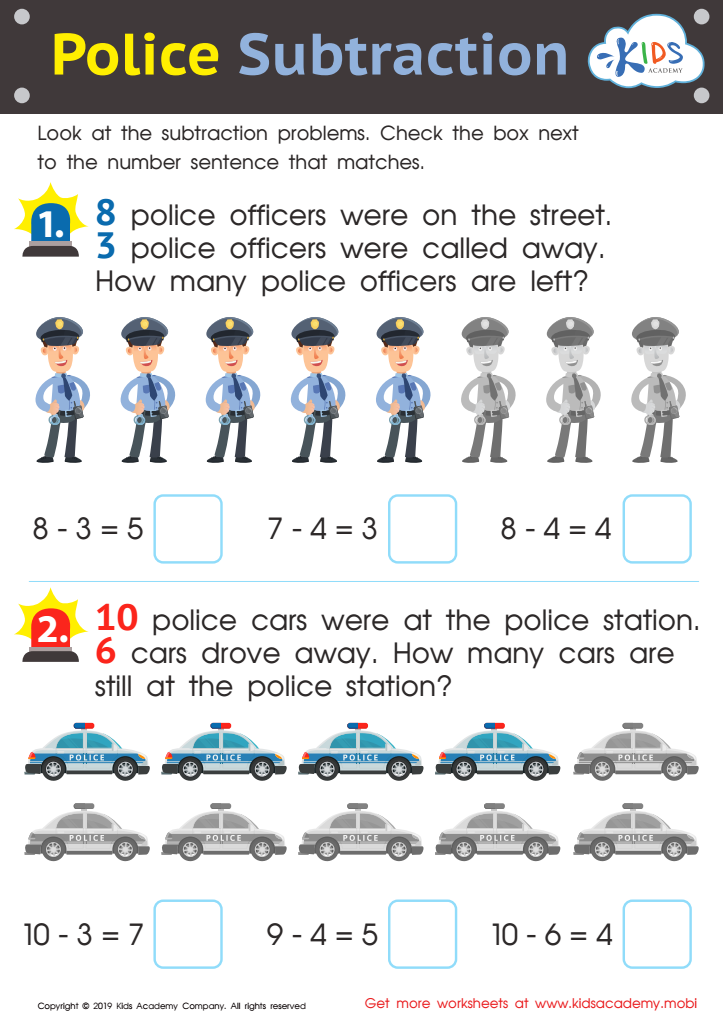
Police Subtraction Worksheet
 Assign to My Students
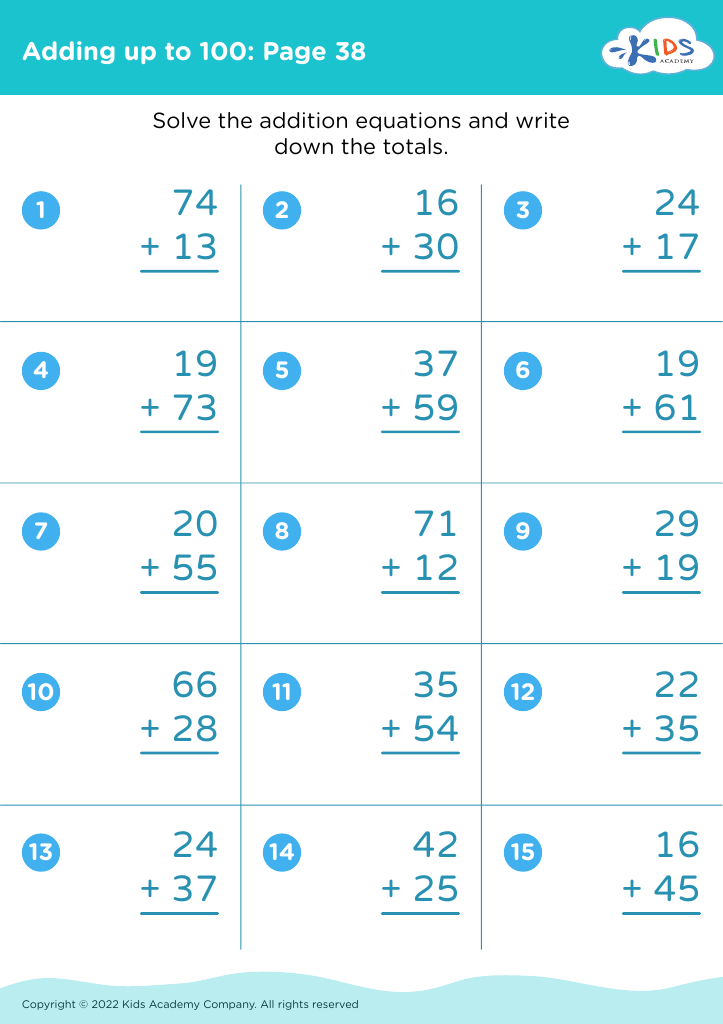
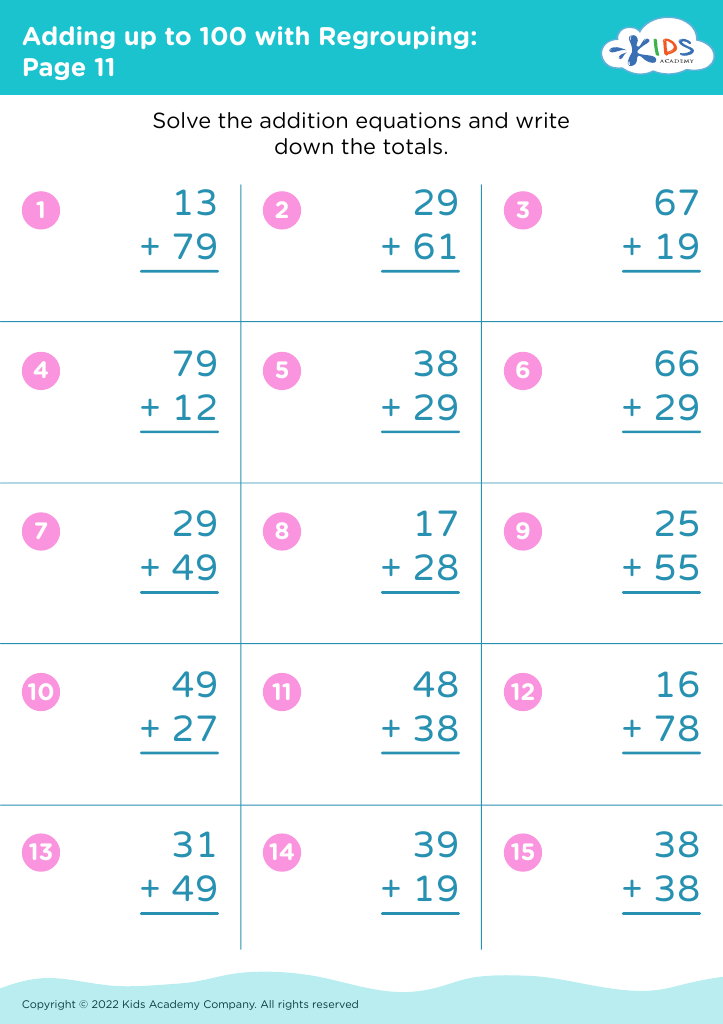
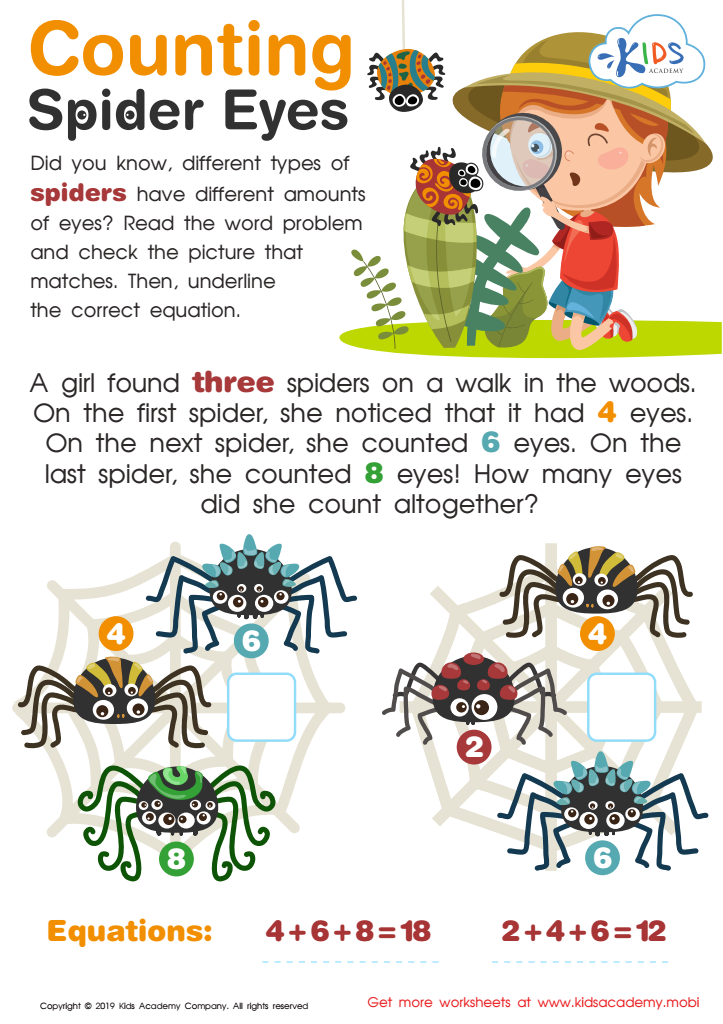
Counting Spider Eyes Worksheet
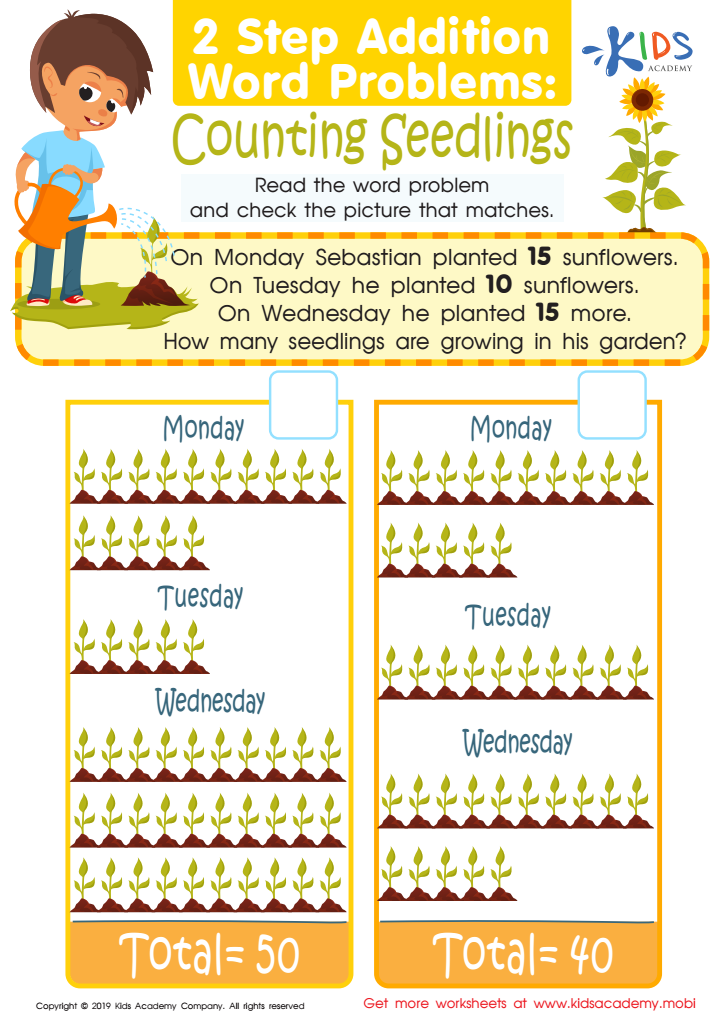
Counting Seedlings Worksheet
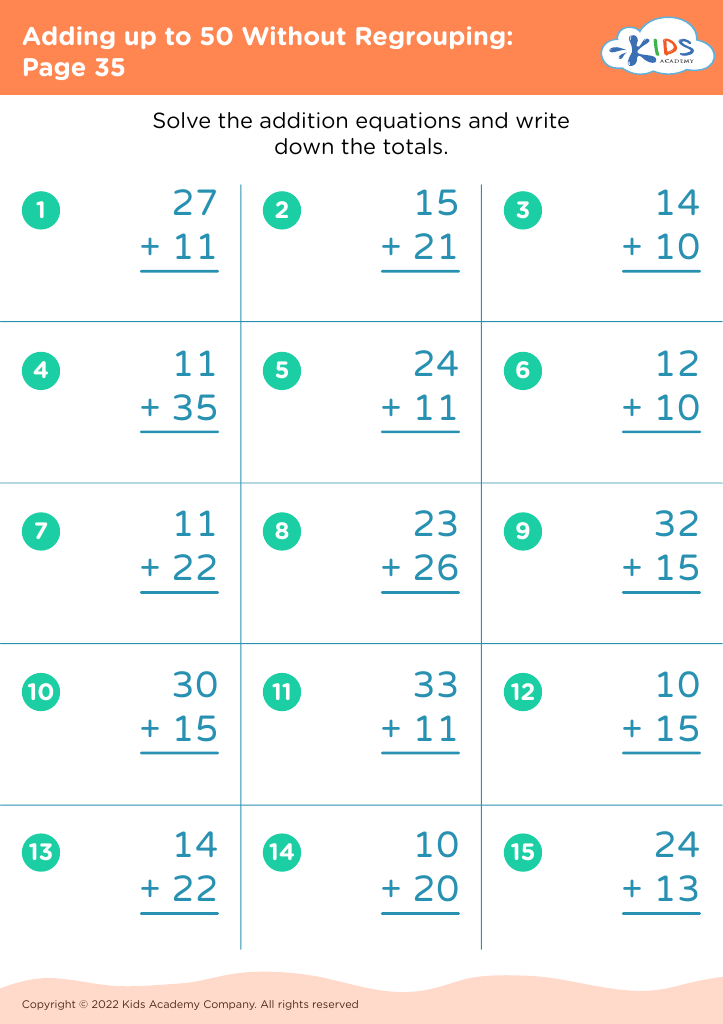
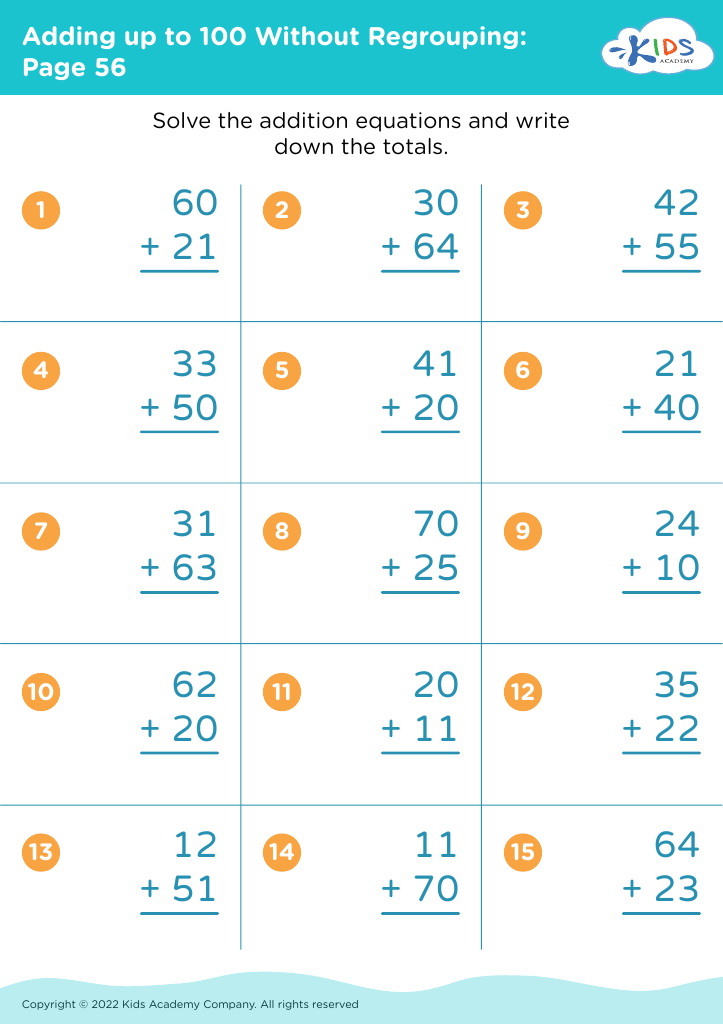
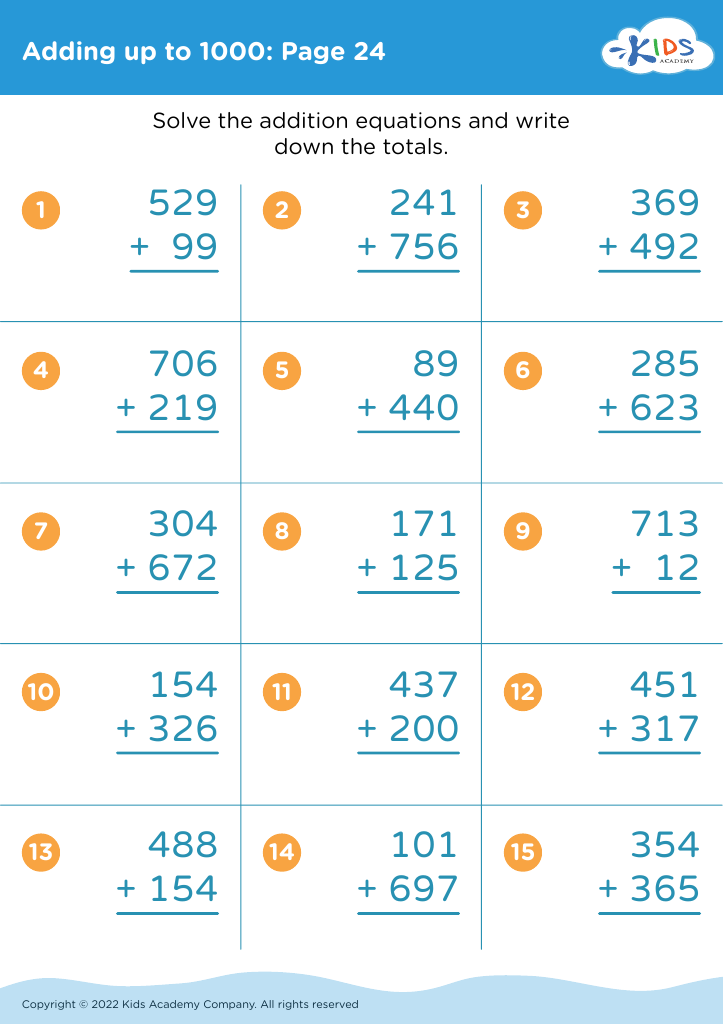
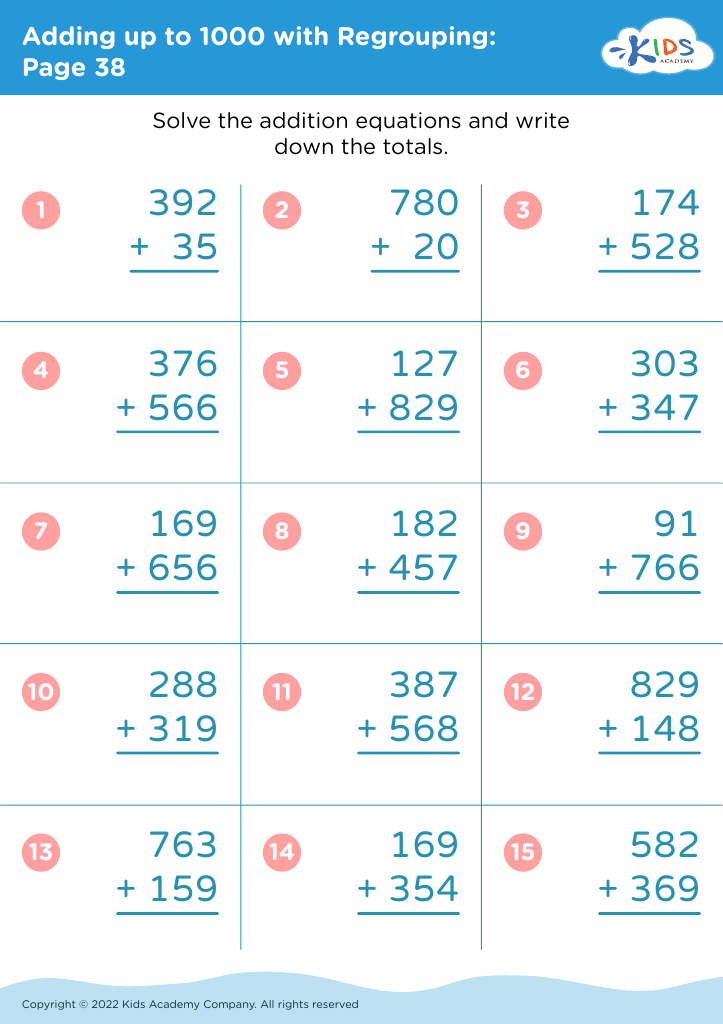
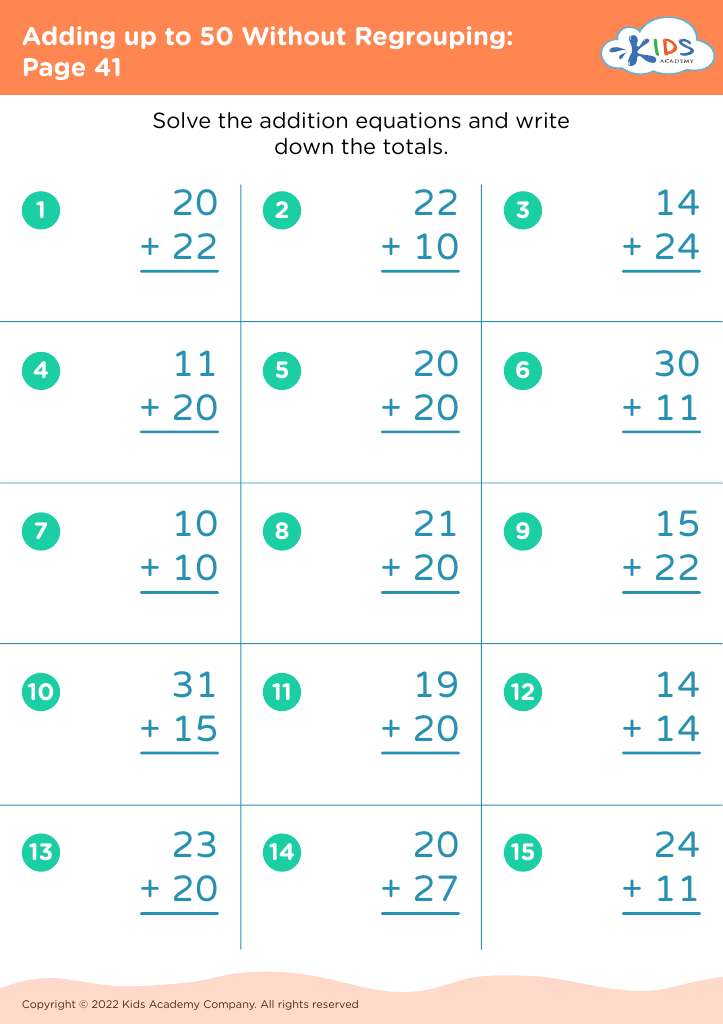








Hand-eye coordination is crucial for children, especially in daily tasks and academic activities. For Grade 2 students working on addition and subtraction, developing this skill can significantly impact their learning experience and overall academic success. Hand-eye coordination involves the ability to synchronize visual input with physical movement, essential for tasks like writing numbers, solving math problems, or interacting with educational materials.
In math, children often use manipulatives such as counting blocks or visually track numbers on paper. Good hand-eye coordination enables them to accurately place items, draw number lines, and write neatly. Children with well-developed coordination are typically more confident and less frustrated during hands-on activities, especially during assessing their understanding of addition and subtraction.
Moreover, engaging in activities that enhance hand-eye coordination fosters fine motor skills, which are critical for handwriting and other classroom tasks. By focusing on this aspect of skill development, parents and teachers can create a supportive learning environment. Parents can provide appropriate materials and activities at home, while teachers can incorporate coordination-enhancing exercises into lessons. Ultimately, improving hand-eye coordination not only aids in mastering addition and subtraction but also promotes self-esteem and a love for learning mathematics.