Color Identification Grade 2 Addition Worksheets
22 filtered results
-
From - To
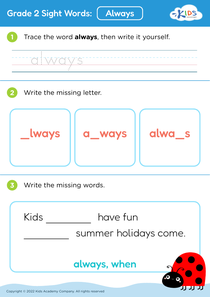
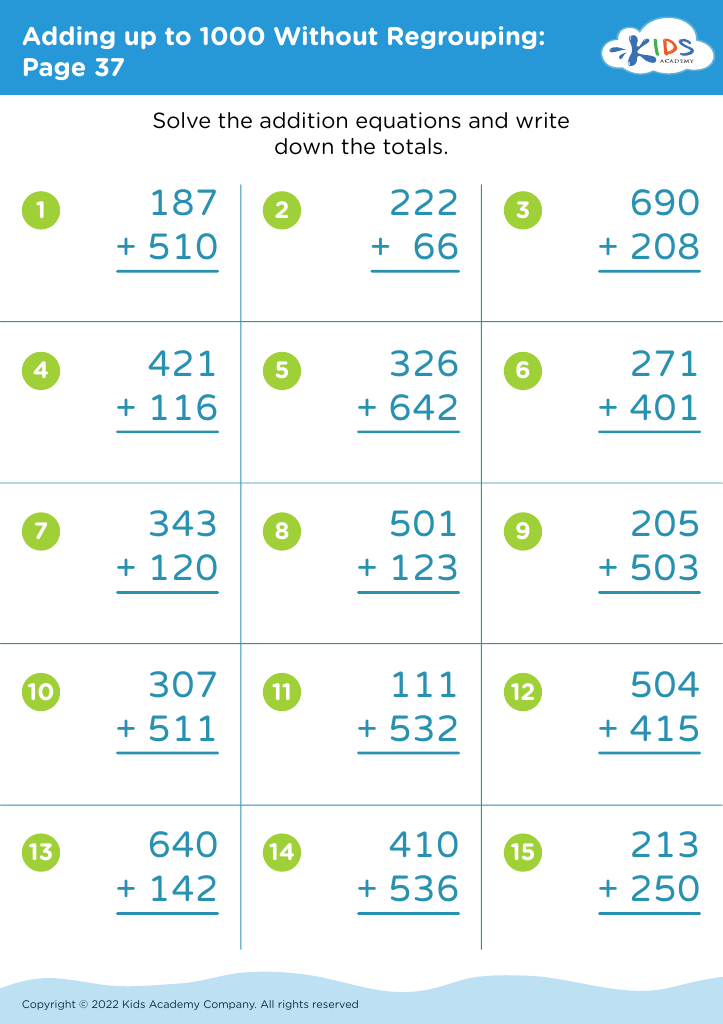
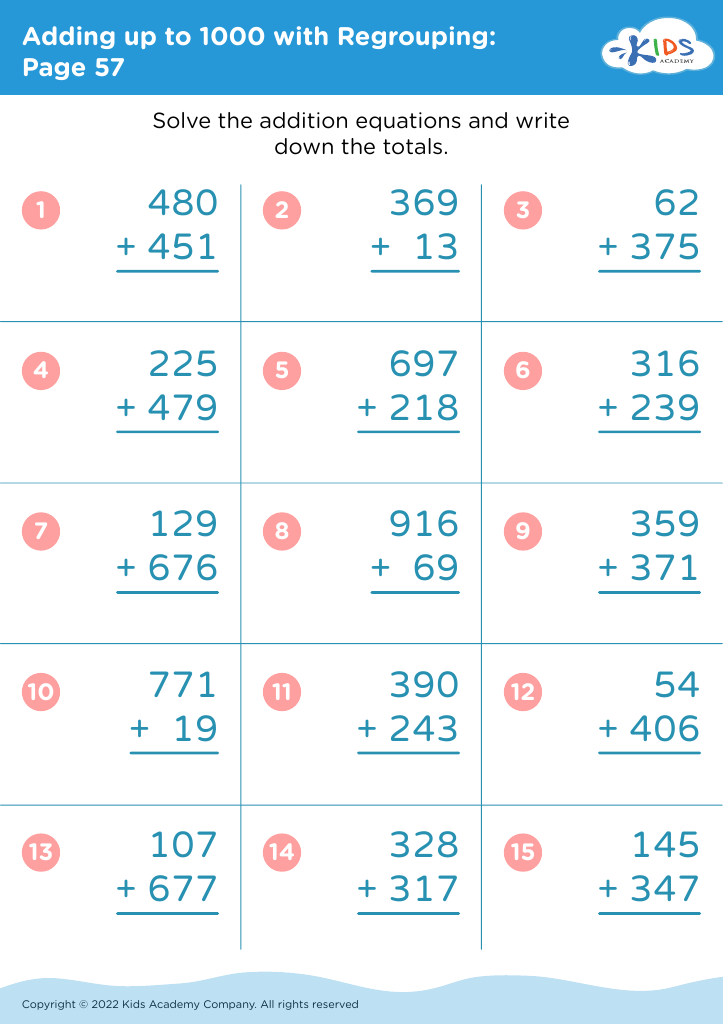
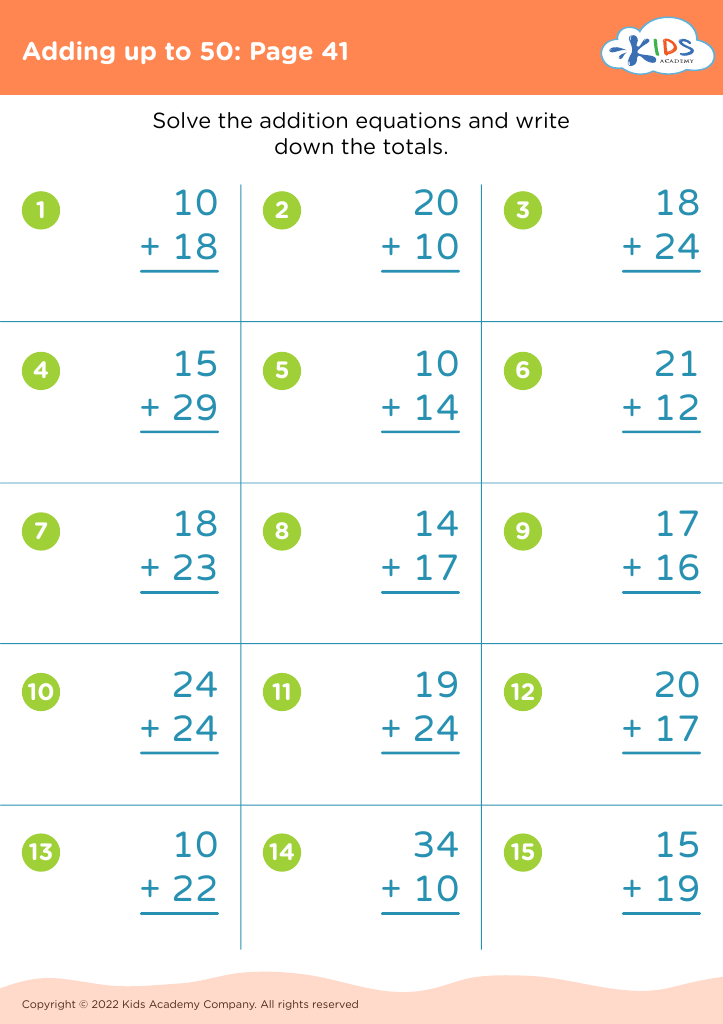
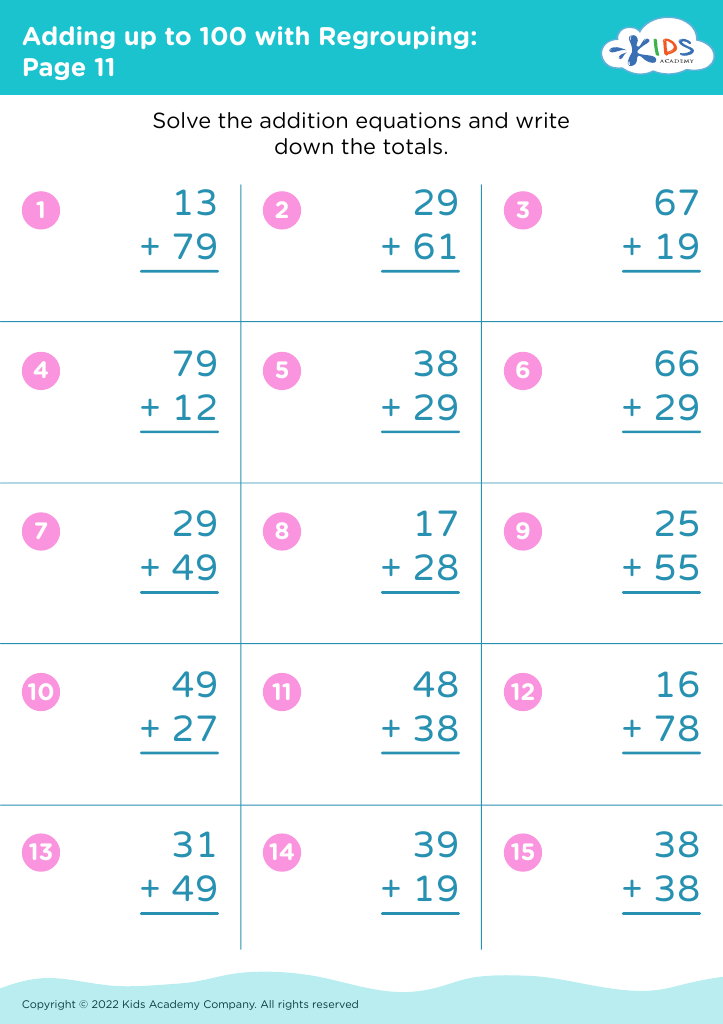
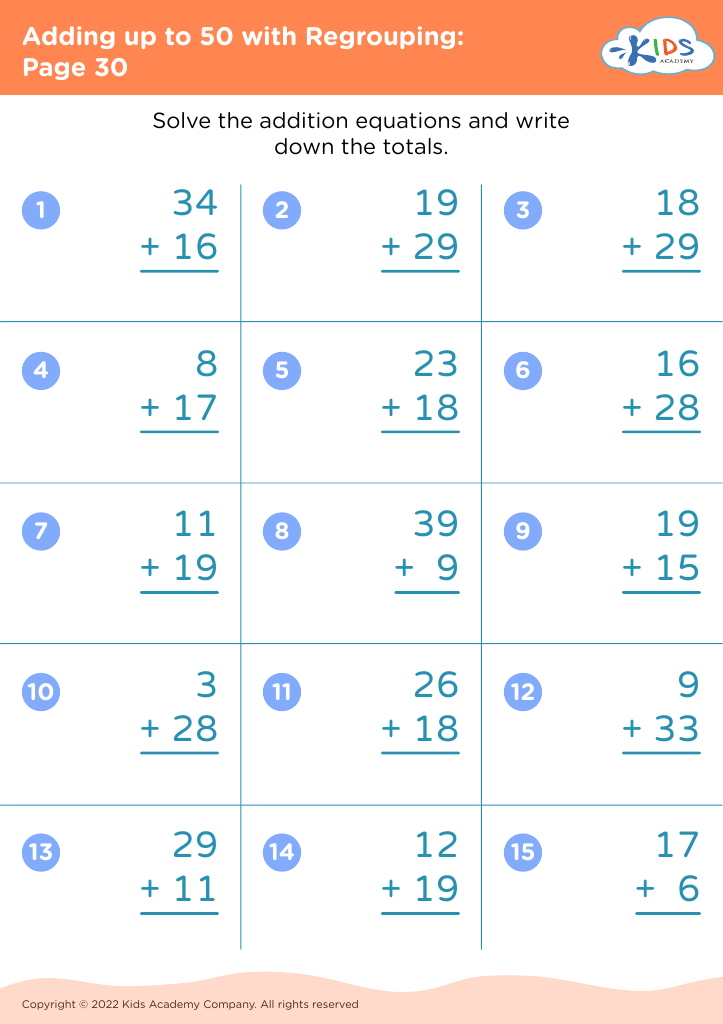
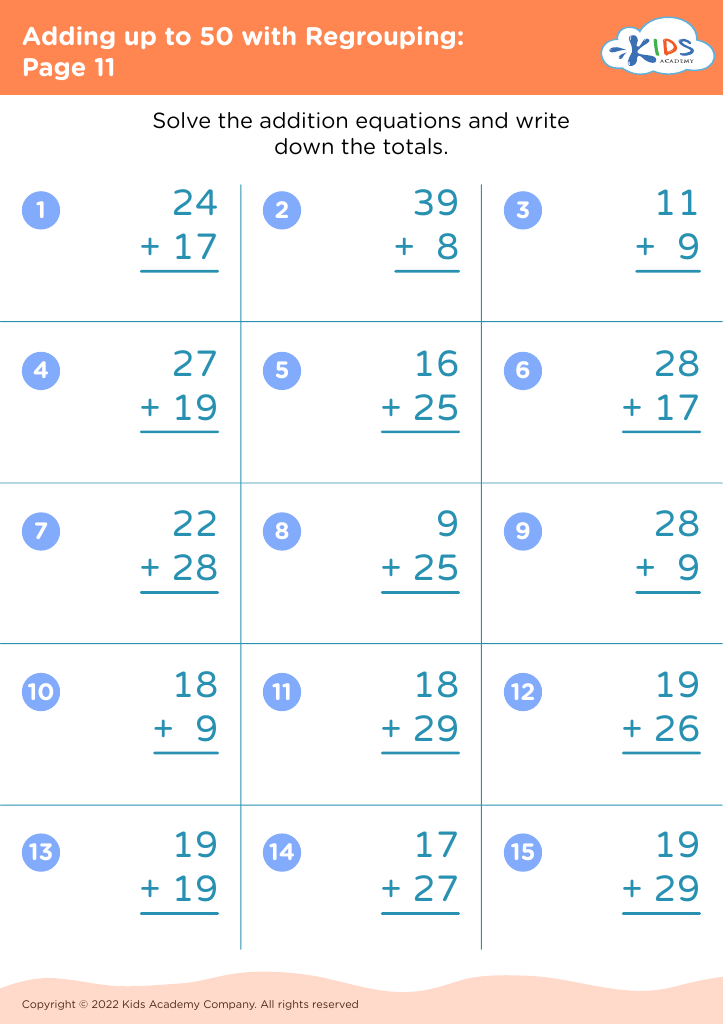
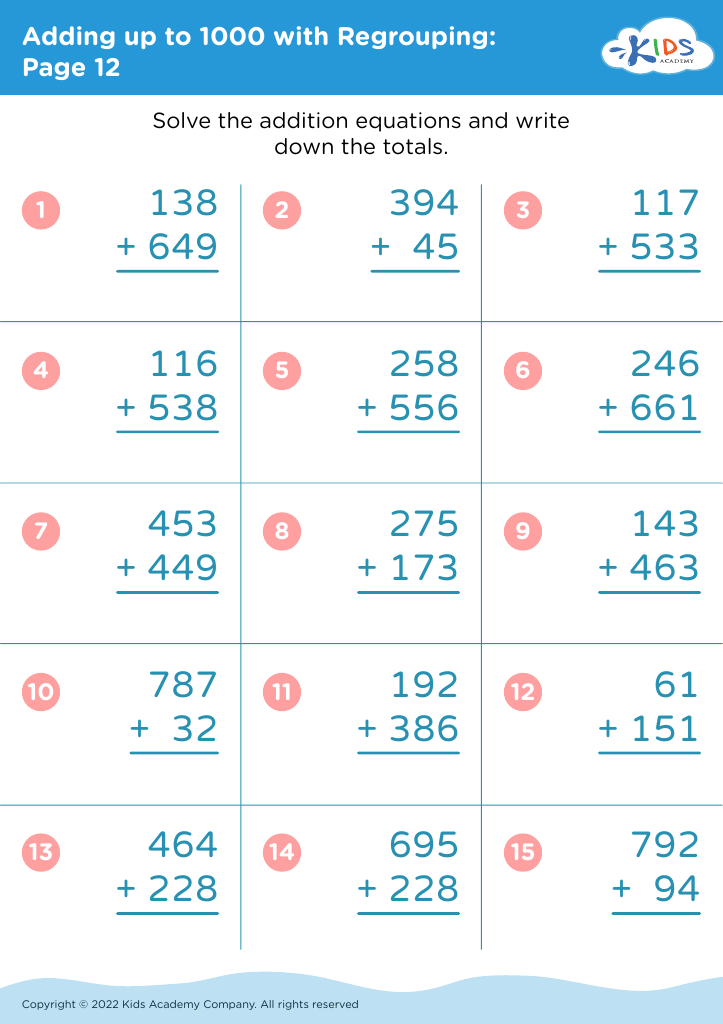
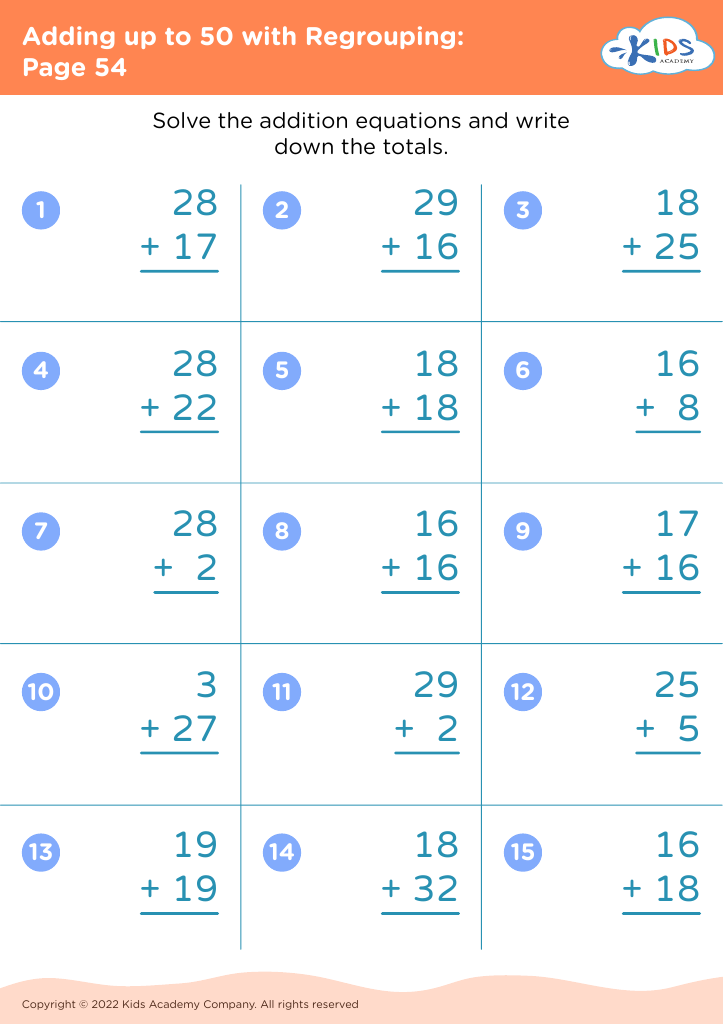
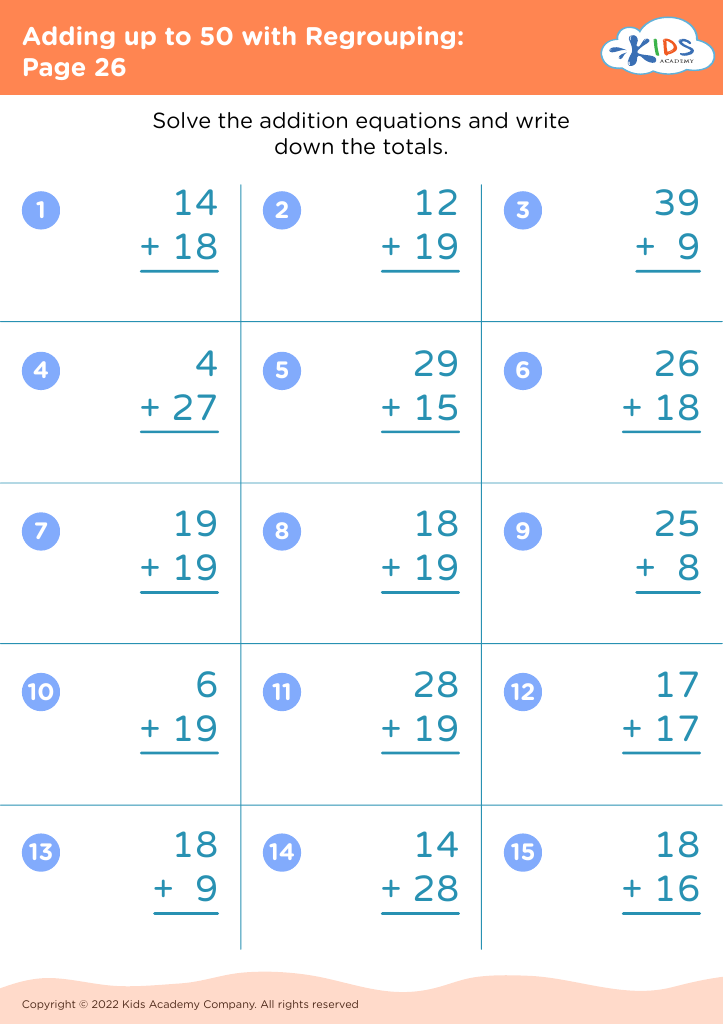
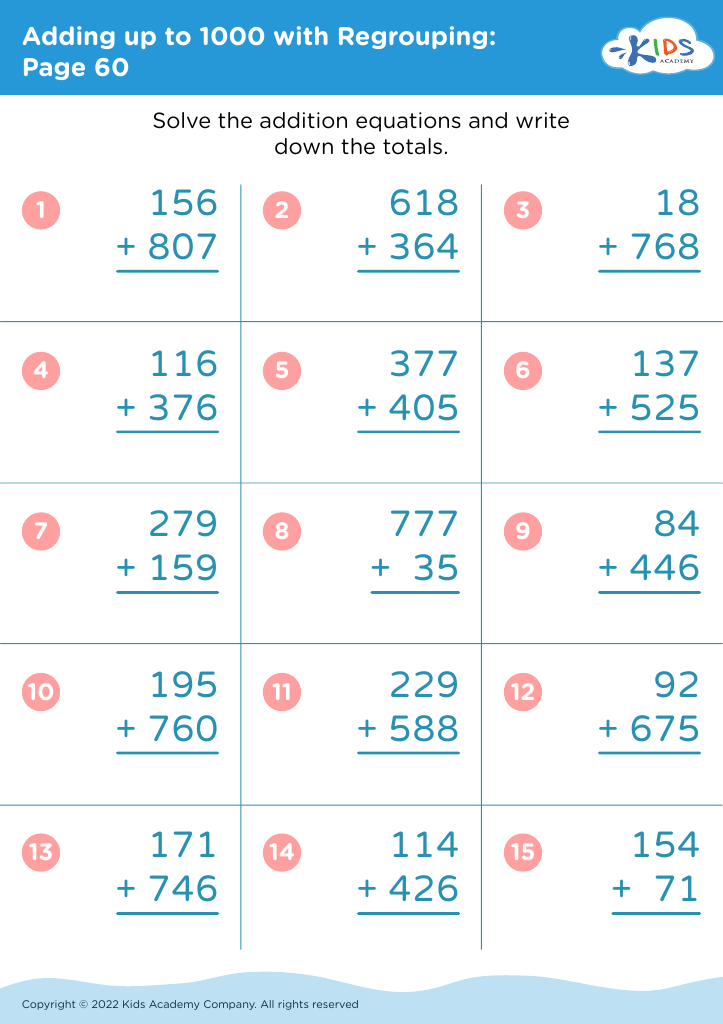
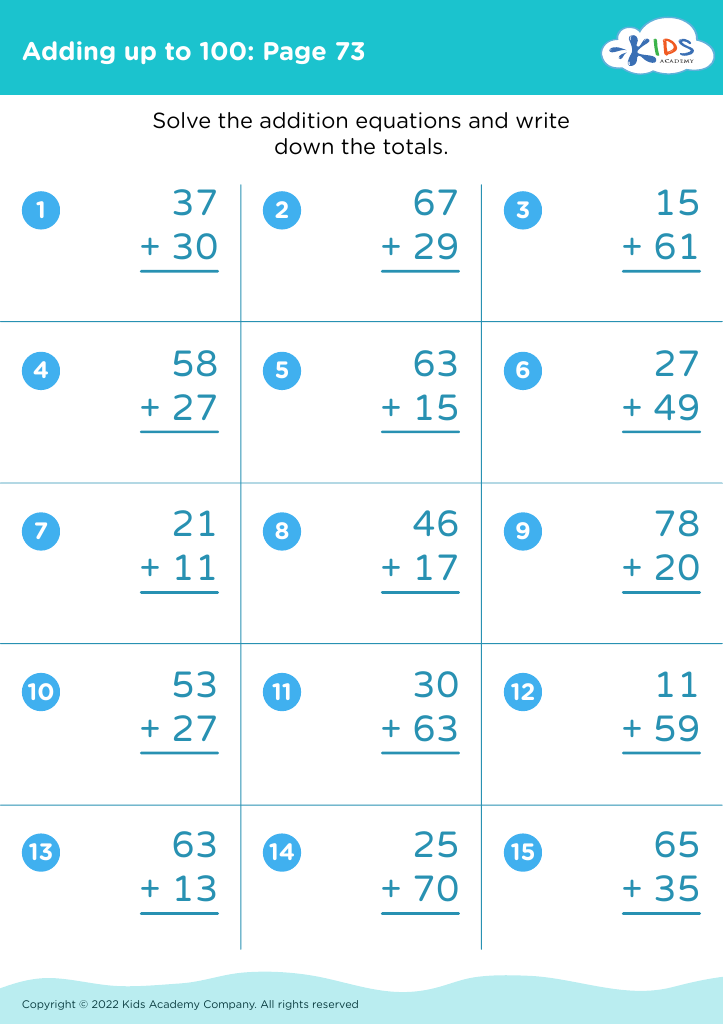
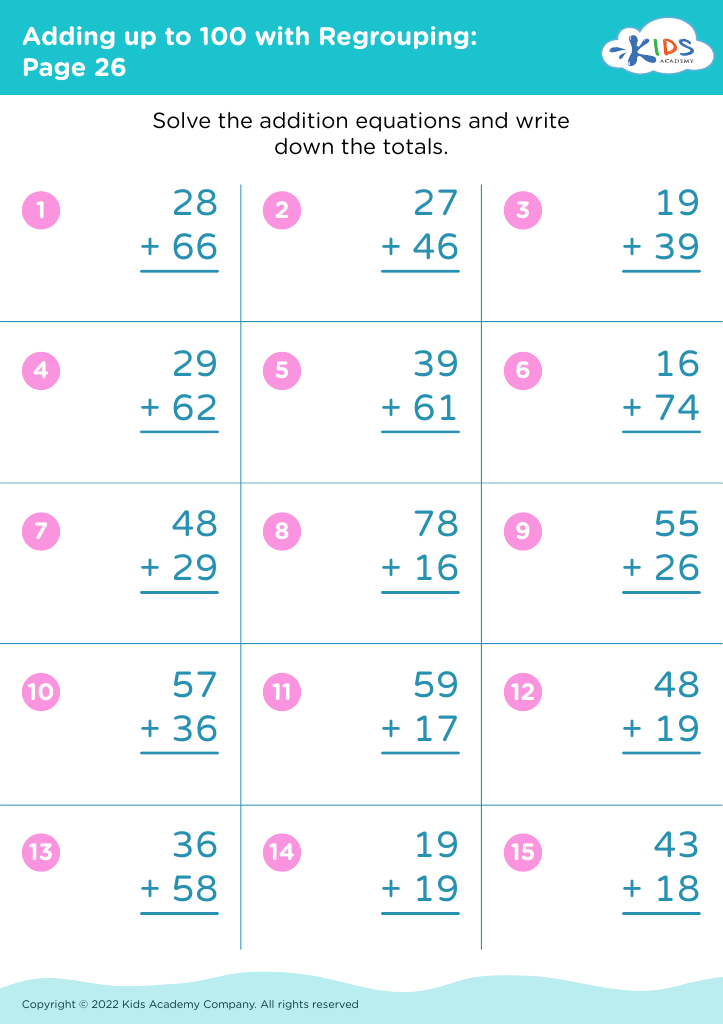
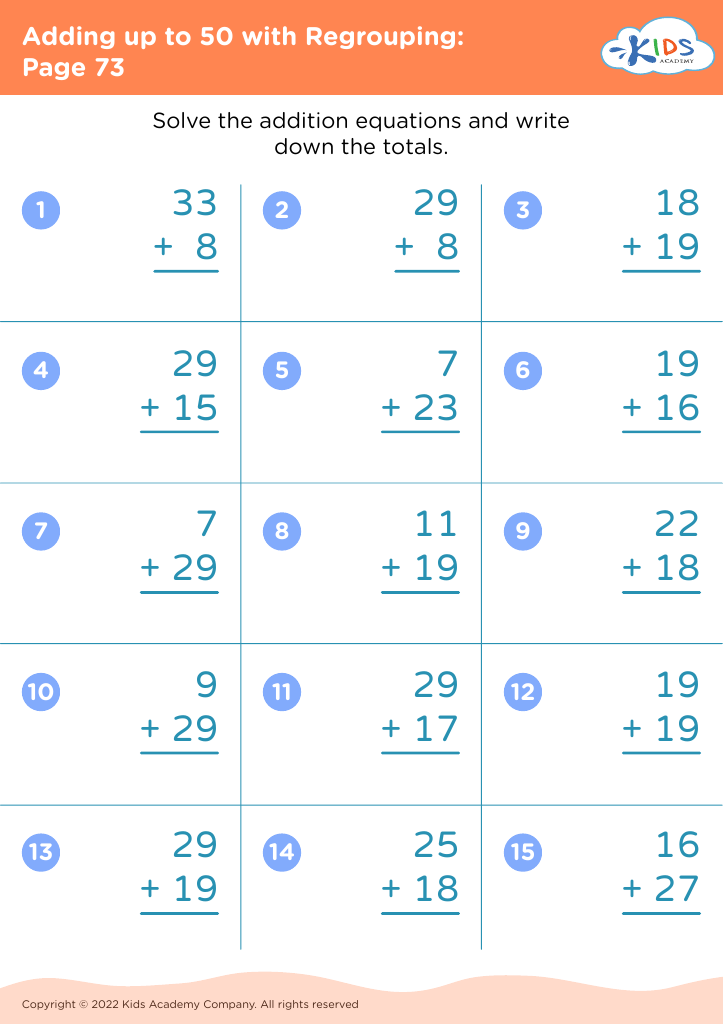
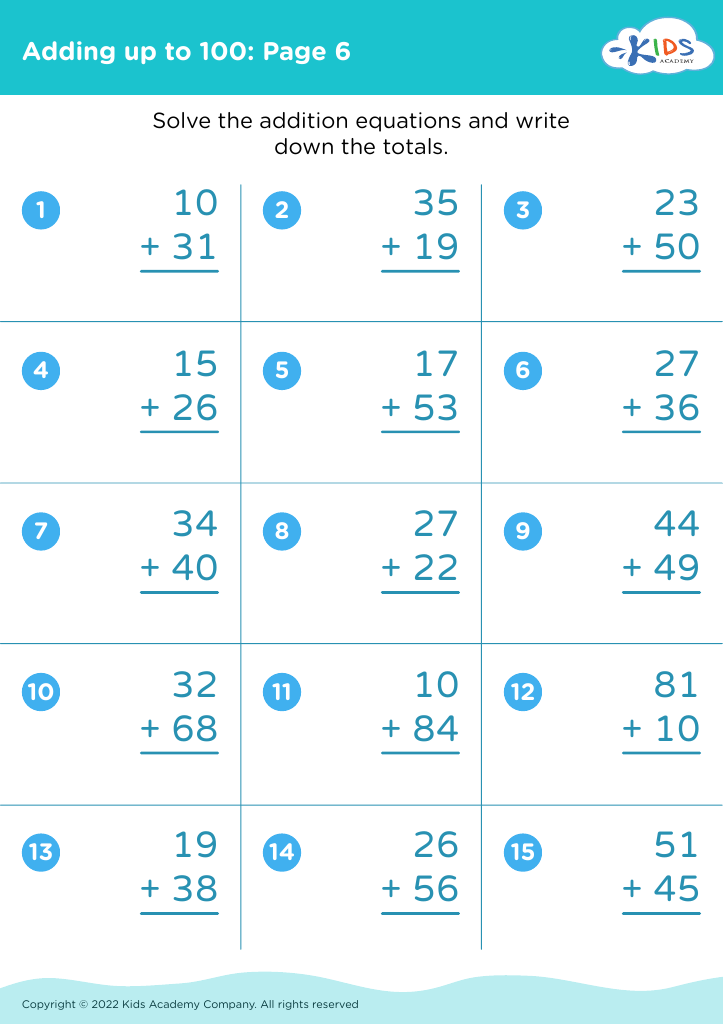
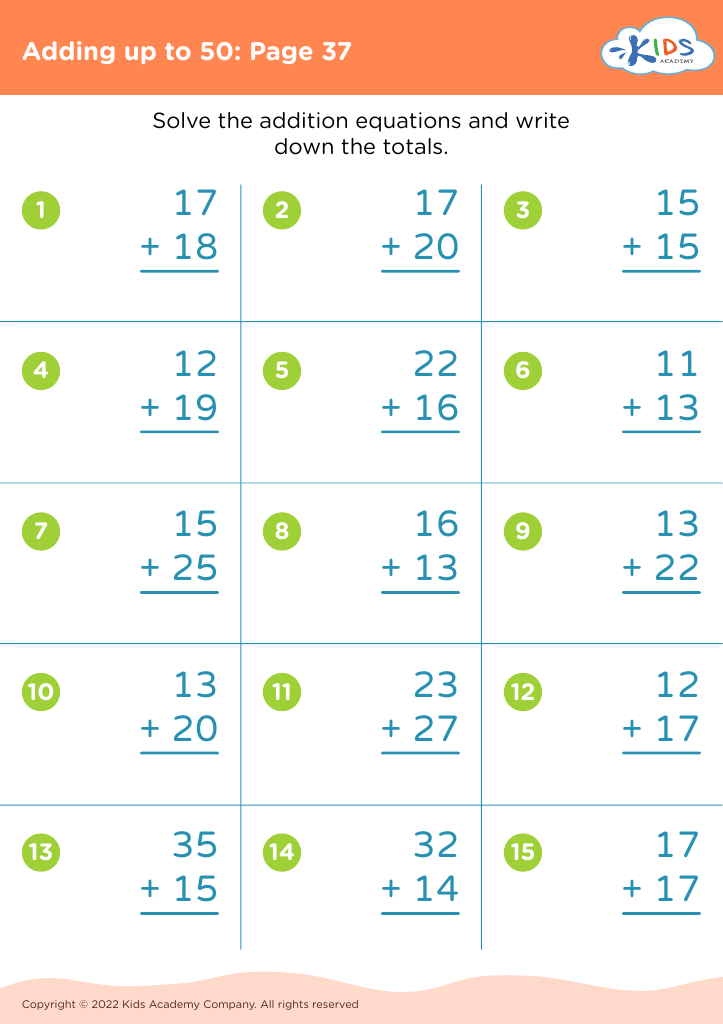
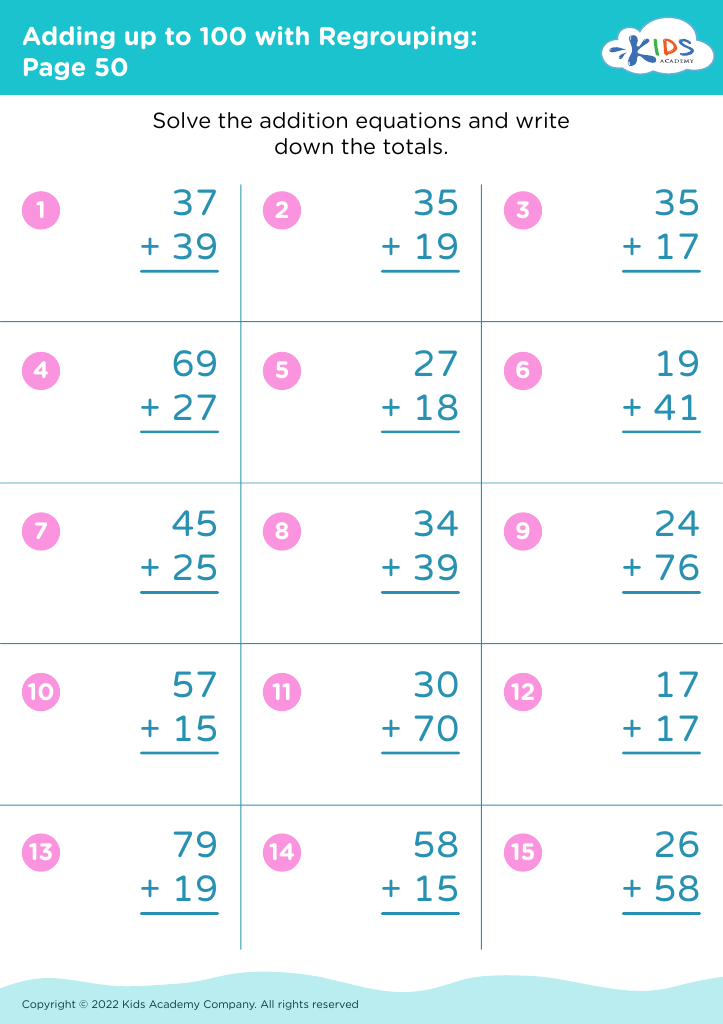
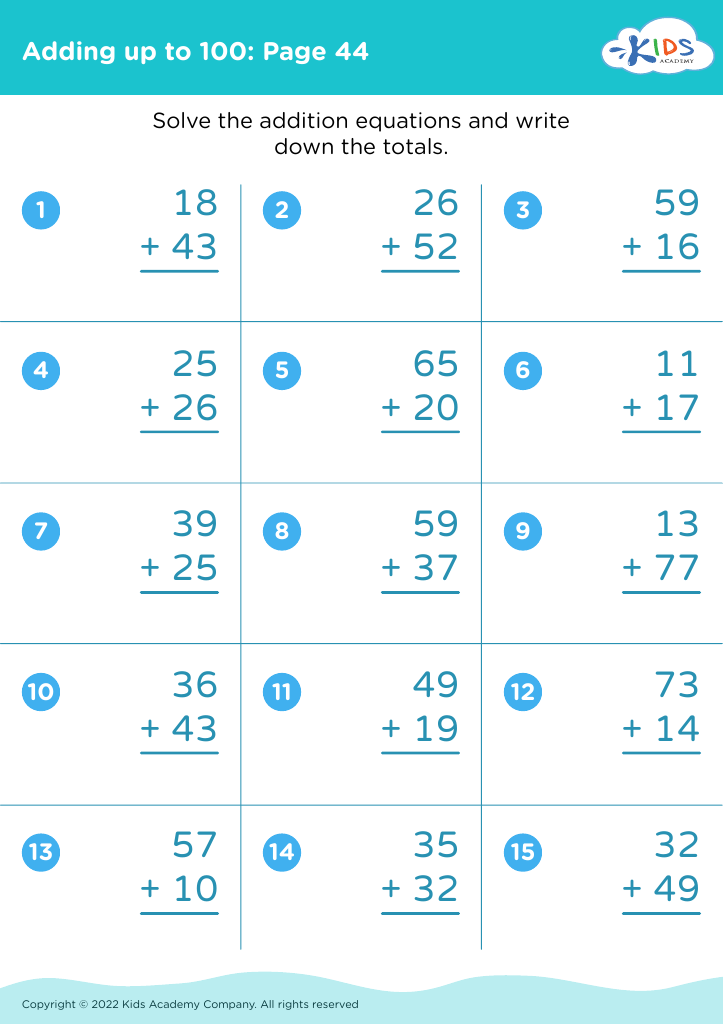
Enhance your second grader's arithmetic skills with our Color Identification Grade 2 Addition Worksheets from Kids Academy. These printable worksheets make learning fun and engaging by combining color identification with addition practice. Designed specifically for 7-8-year-olds, they strengthen basic math abilities while promoting creativity. Each task encourages children to solve addition problems accurately to reveal hidden pictures and vibrant patterns, reinforcing both number sense and artistic expression. Perfect for classroom use or home practice, these worksheets ensure effective, enjoyable learning. Help your child achieve academic success with our expertly crafted learning tools. Download now and watch math skills blossom!
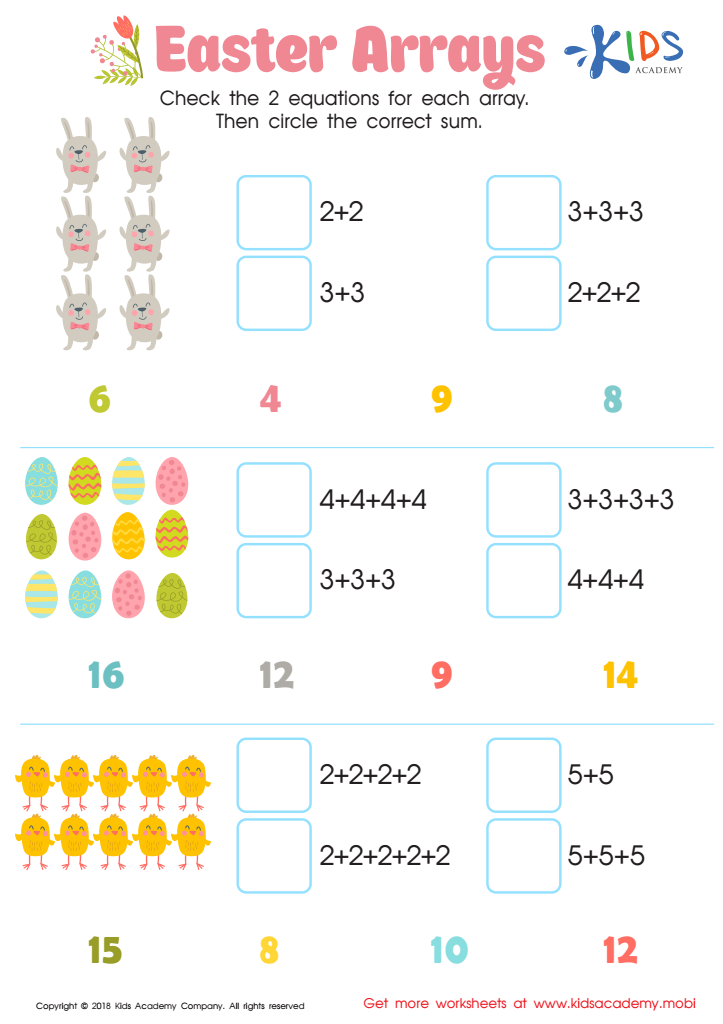
Easter Arrays Worksheet
 Assign to My Students
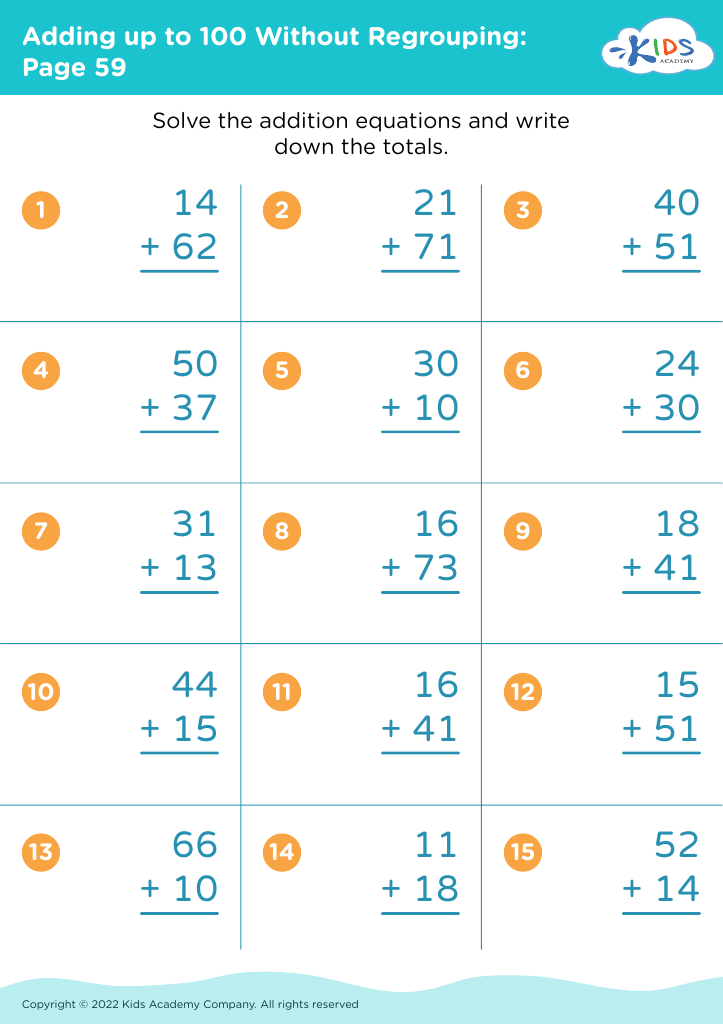
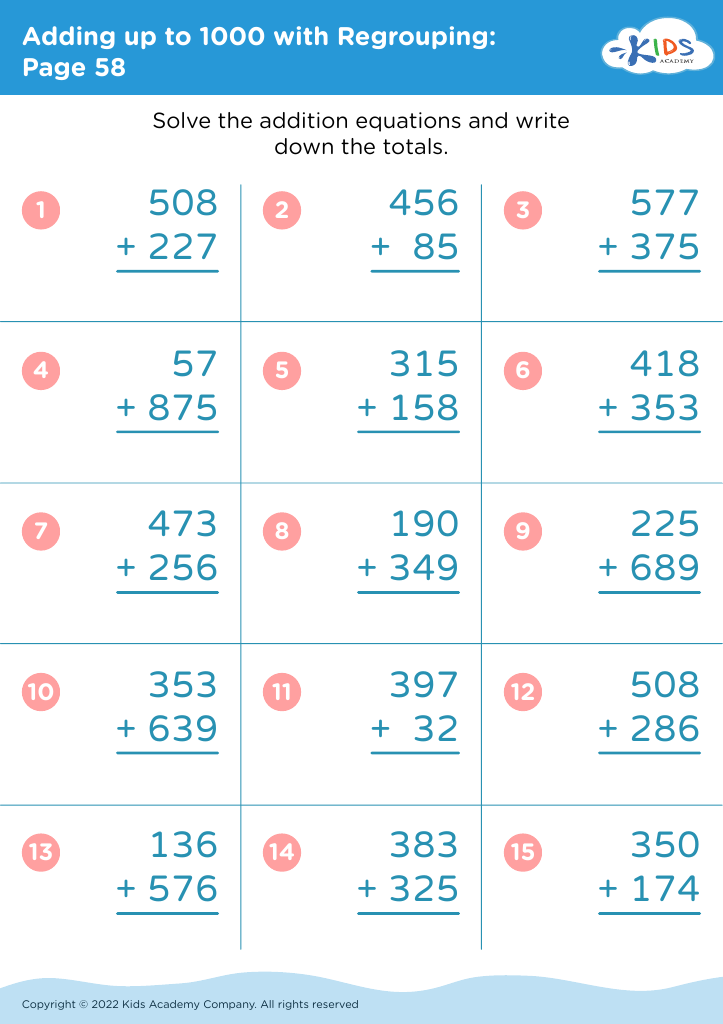
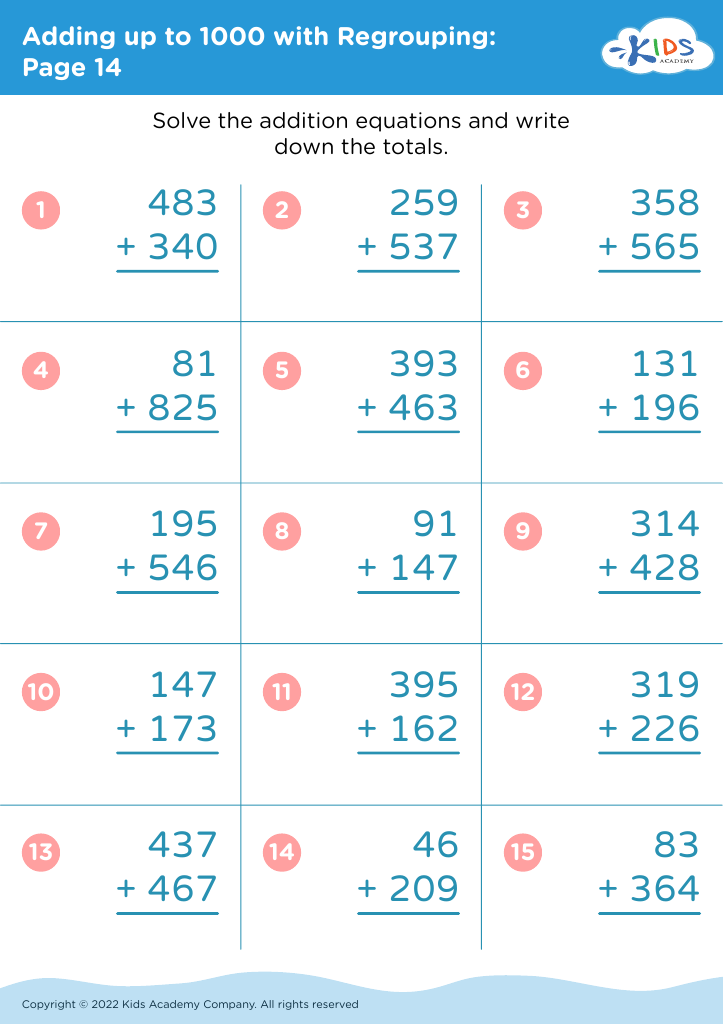
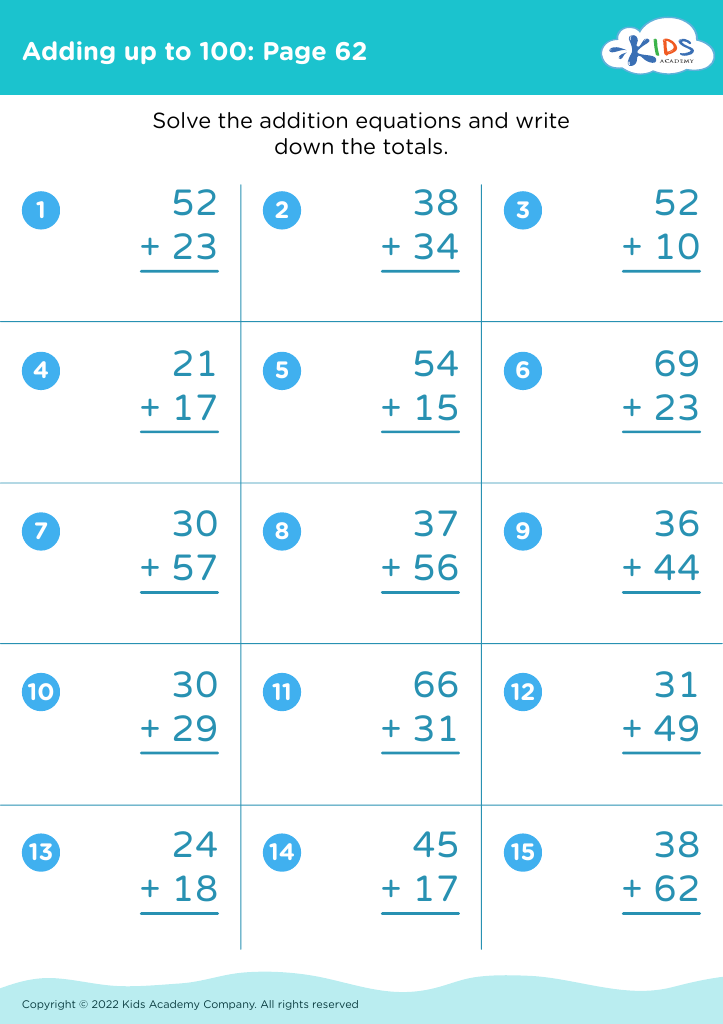








Color identification and Grade 2 addition are fundamental skills that play crucial roles in a child’s early cognitive development and future academic success. Parents and teachers should prioritize these skills for several important reasons.
Firstly, color identification is vital for a child’s ability to make sense of the world around them. It enhances their ability to describe and categorize objects, which is fundamental for effective communication and critical thinking. Recognizing colors is also foundational in learning to read, as many educational materials use color coding to aid understanding and memory.
On the other hand, Grade 2 addition is a cornerstone of mathematical literacy. Mastering basic addition skills ensures that children have a strong foundation for tackling more complex math problems in later grades. It enhances their ability to perform mental calculations, develop problem-solving strategies, and understand the relationships between numbers. Proficiency in math has been correlated with better performance in other academic areas, as it helps develop logical reasoning and pattern recognition skills.
By focusing on both color identification and Grade 2 addition, parents and teachers can provide a well-rounded educational experience that promotes both creative and analytical thinking. This balanced approach not only aids in academic progression but also supports emotional and social development, equipping children with the essential skills they need for lifelong learning.