Sound recognition Grade 2 Reading Worksheets
3 filtered results
-
From - To
Unlock your child's potential with our Sound Recognition Grade 2 Reading Worksheets! Specially designed for second graders, these fun and engaging worksheets help young learners identify, distinguish, and understand various sounds. Perfect for developing key reading skills, our printables include activities like matching sounds to letters, identifying beginning and ending sounds, and practicing vowel pronunciations. By enhancing phonemic awareness, these worksheets lay a solid foundation for fluent reading and comprehension. Suitable for classroom and home use, our resources support teachers and parents in making learning both effective and enjoyable. Boost your child's reading journey with Kids Academy today!
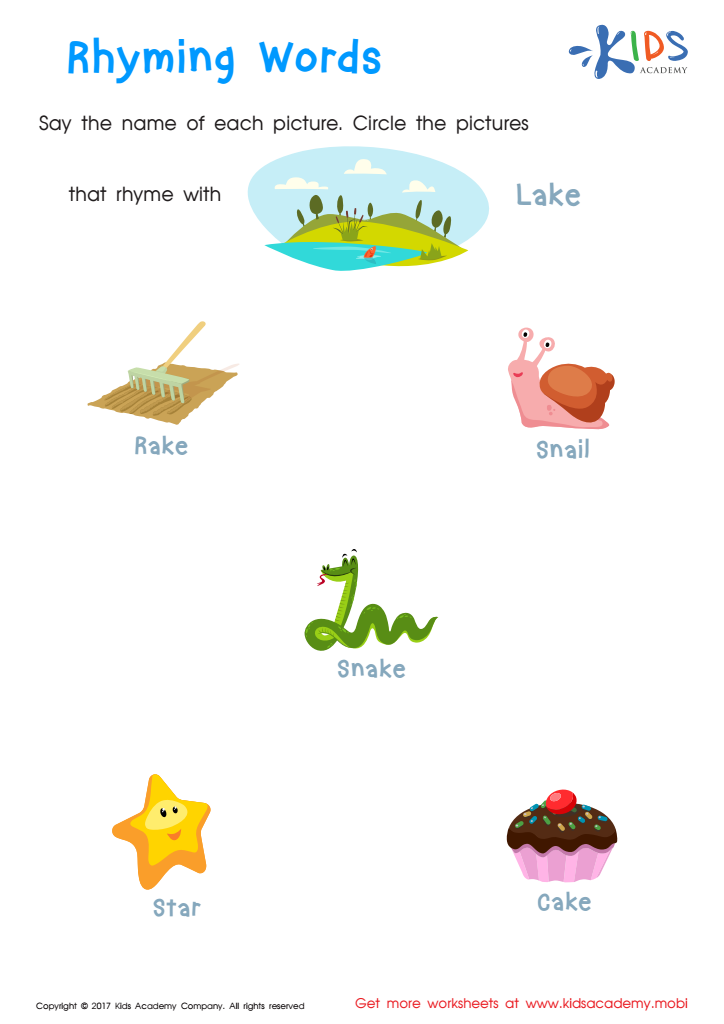
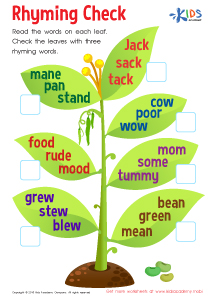
Rhyming Words Rhyming Worksheet
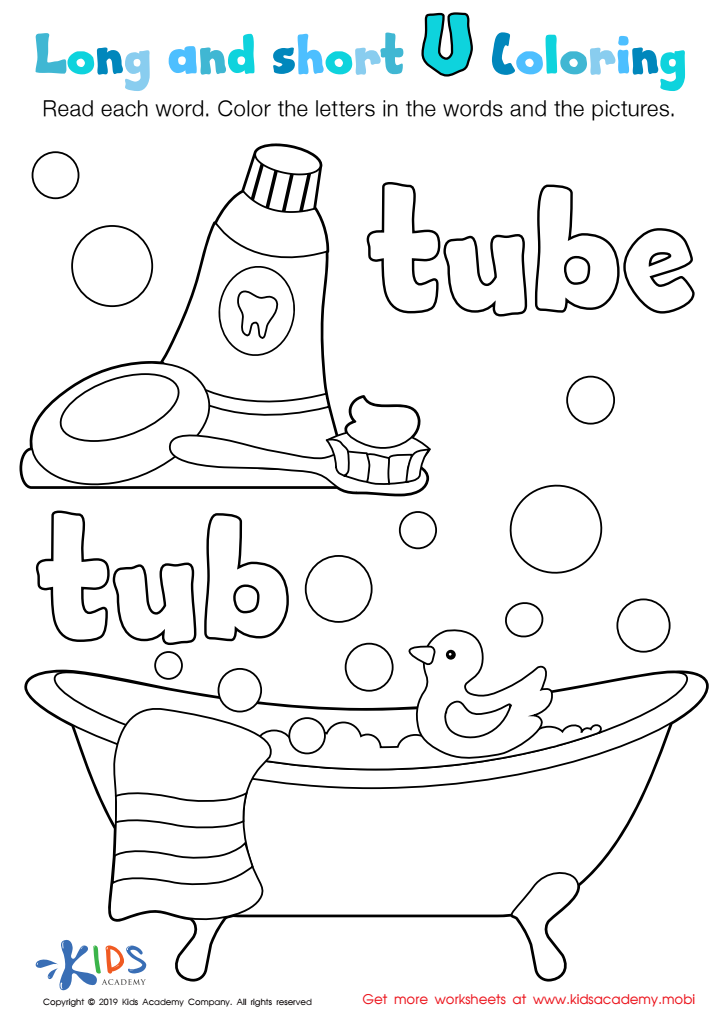
Long and Short U Worksheet
 Assign to My Students
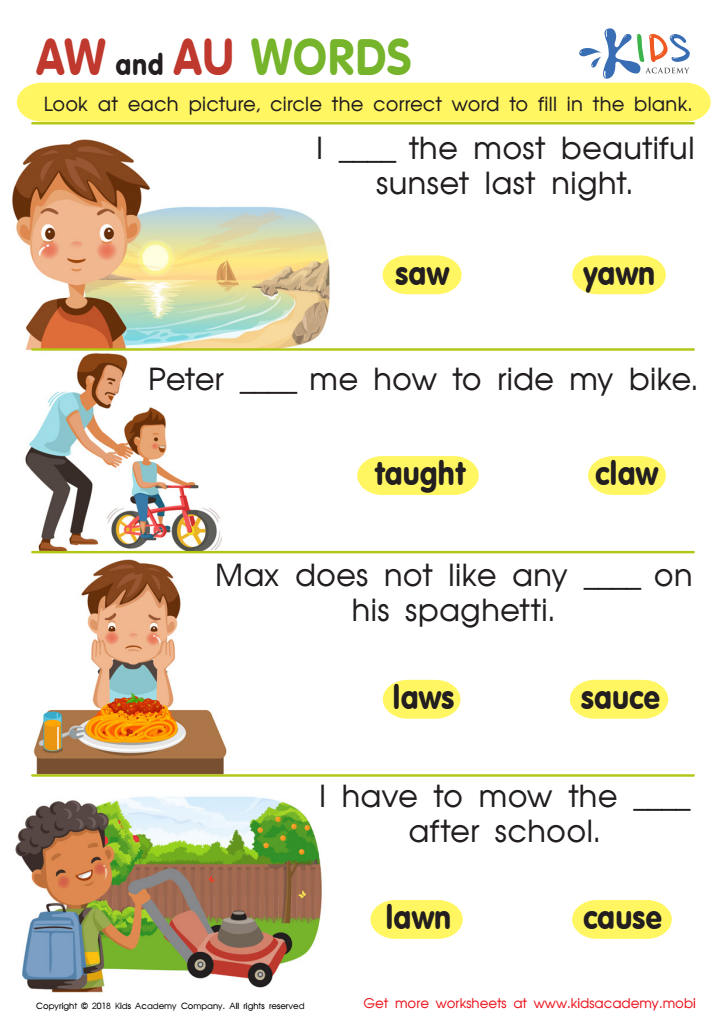
Reading: AW and AU Words Worksheet







Sound recognition is a fundamental skill that significantly impacts a second-grade student's reading development and overall academic success. For both parents and teachers, investing in this area is crucial for several reasons. First, sound recognition, also known as phonemic awareness, forms the building blocks of reading by enabling children to understand the relationship between sounds and letters. This understanding helps them decode new words, improving reading fluency and confidence.
Furthermore, strong phonemic awareness facilitates better spelling skills. When children can hear, identify, and manipulate sounds in spoken language, they become adept at spelling words accurately. This skill is not only beneficial for literacy but also enhances overall communication abilities.
Sound recognition also supports vocabulary expansion. As students become more proficient readers, they encounter a wider array of words, enriching their language exposure and comprehension. Early mastery of these phonetic skills translates to improved reading comprehension, critical for academic performance across subjects.
Moreover, early difficulties in sound recognition can act as early indicators of future reading challenges, such as dyslexia. Early intervention and support from parents and teachers can mitigate these issues, ensuring long-term success. In short, emphasis on sound recognition lays the groundwork for a solid, lifelong literacy foundation, making active involvement from both parents and teachers indispensable.