Understanding fractions Grade 2 Reading Worksheets
13 filtered results
-
From - To
Discover engaging "Understanding Fractions" worksheets designed for Grade 2 students! Our carefully crafted reading resources help young learners grasp the fundamentals of fractions through fun activities and clear explanations. These worksheets promote critical thinking and encourage hands-on learning by employing visual aids and interactive exercises. Whether in the classroom or at home, these printable materials support children in recognizing and understanding fractions' roles in everyday life. Perfect for enhancing literacy skills while exploring mathematical concepts, our worksheets are an essential tool for second-grade educators. Foster a love for learning and build a strong foundation in fractions with our captivating resources today!
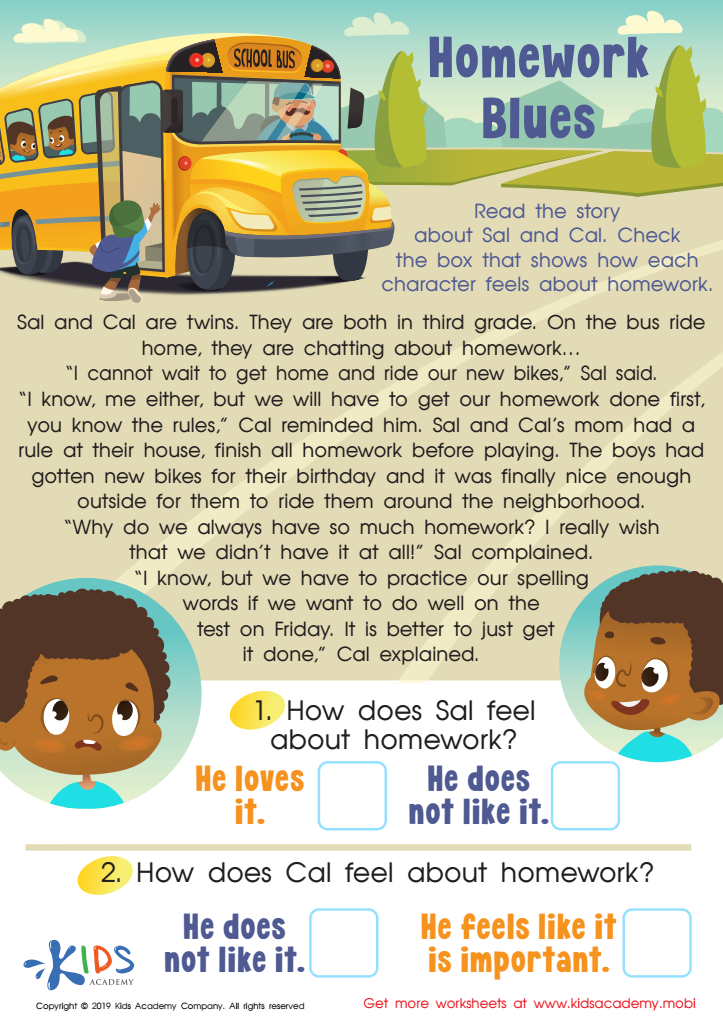
Homework Blues Worksheet
 Assign to My Students
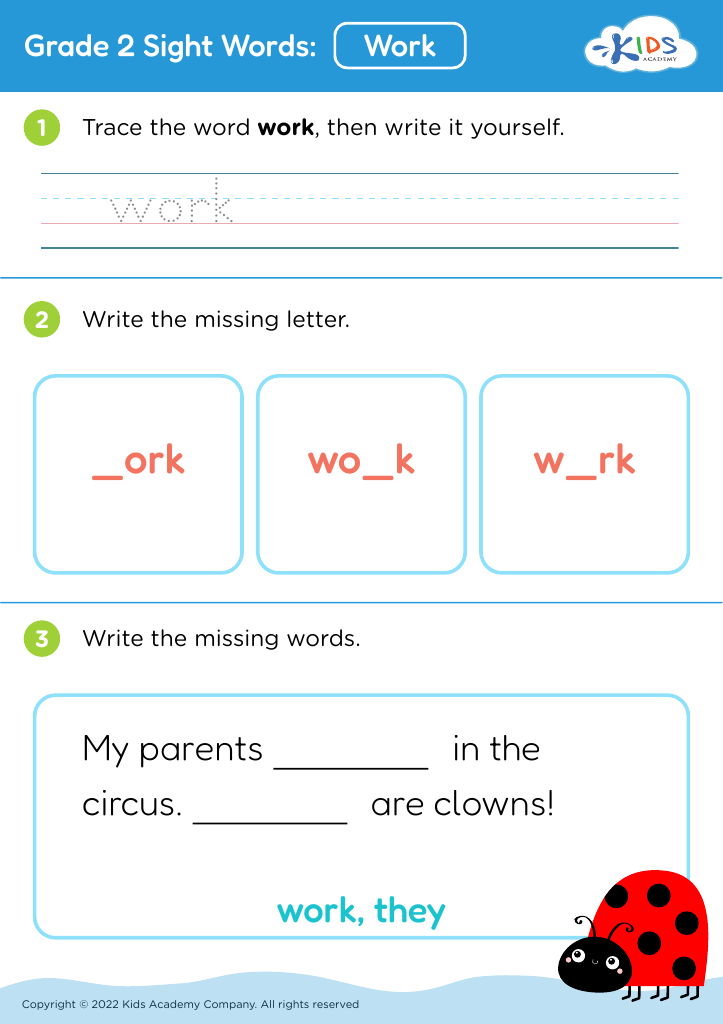
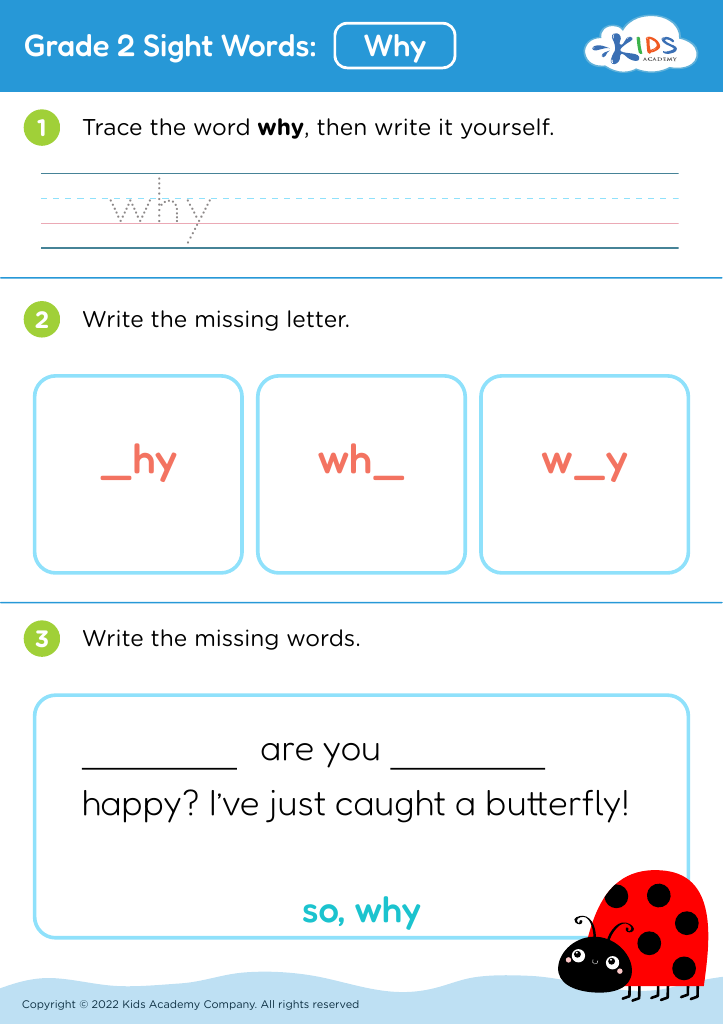
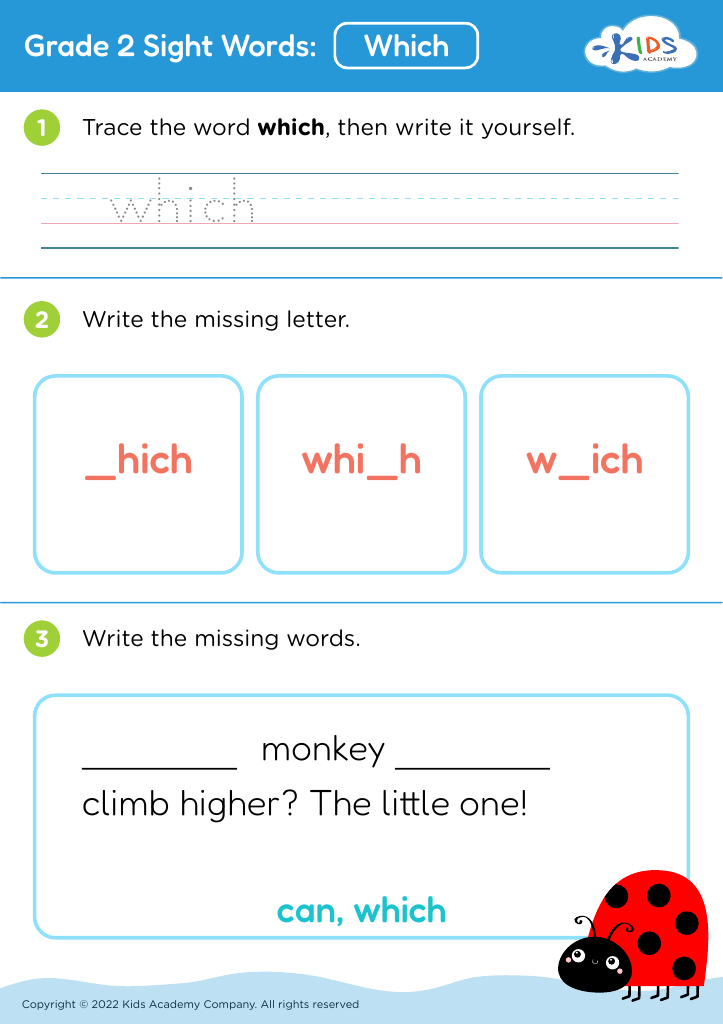
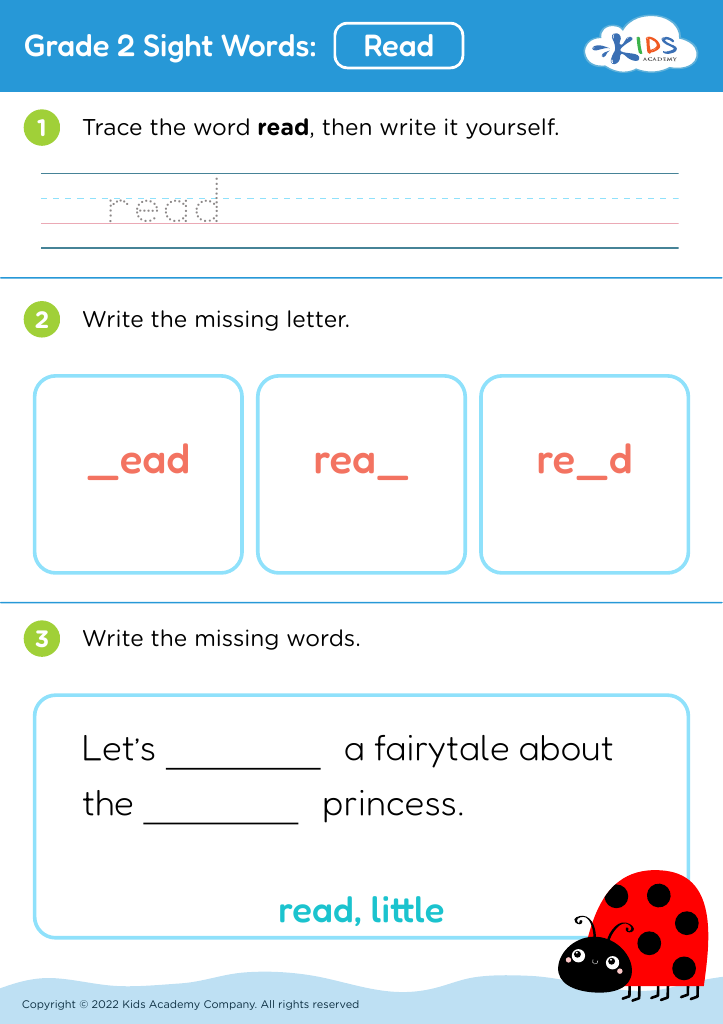
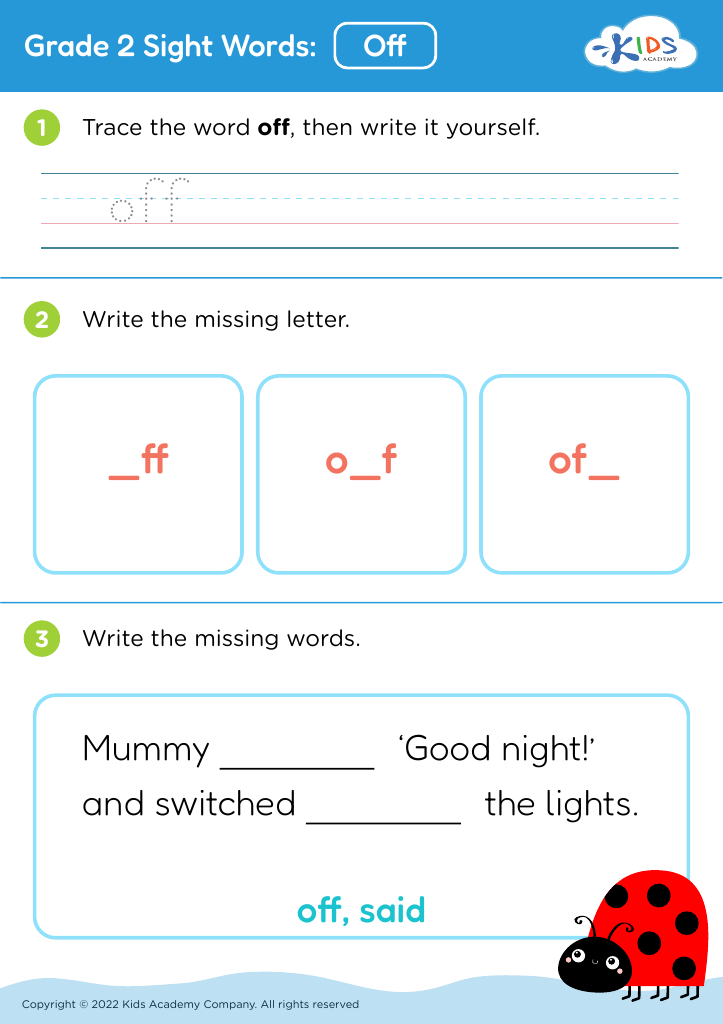
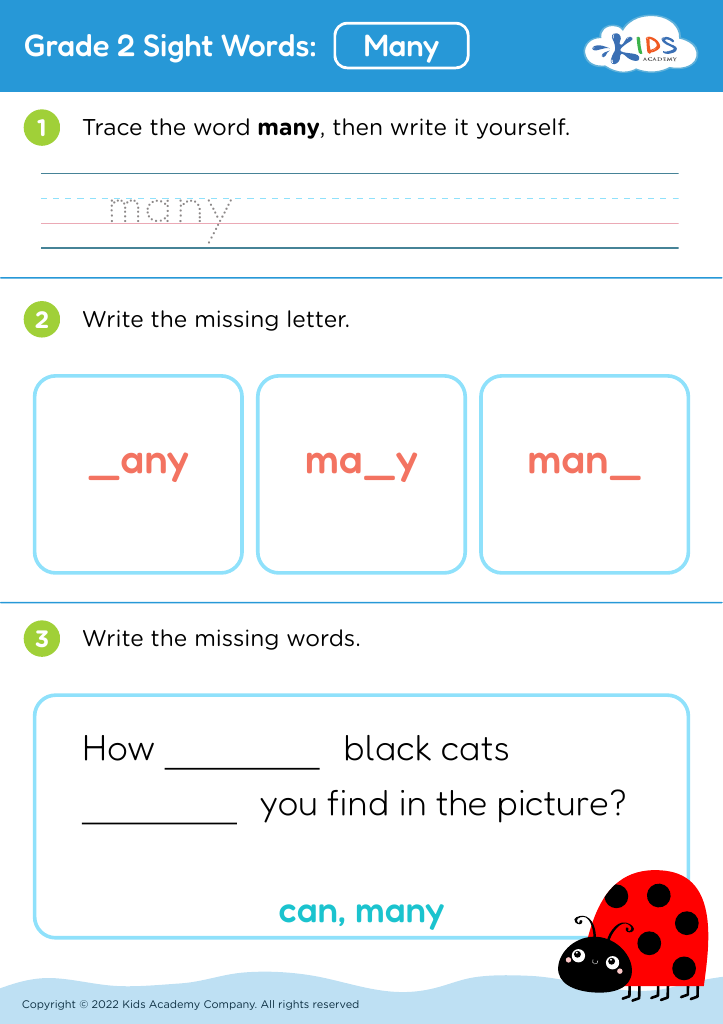
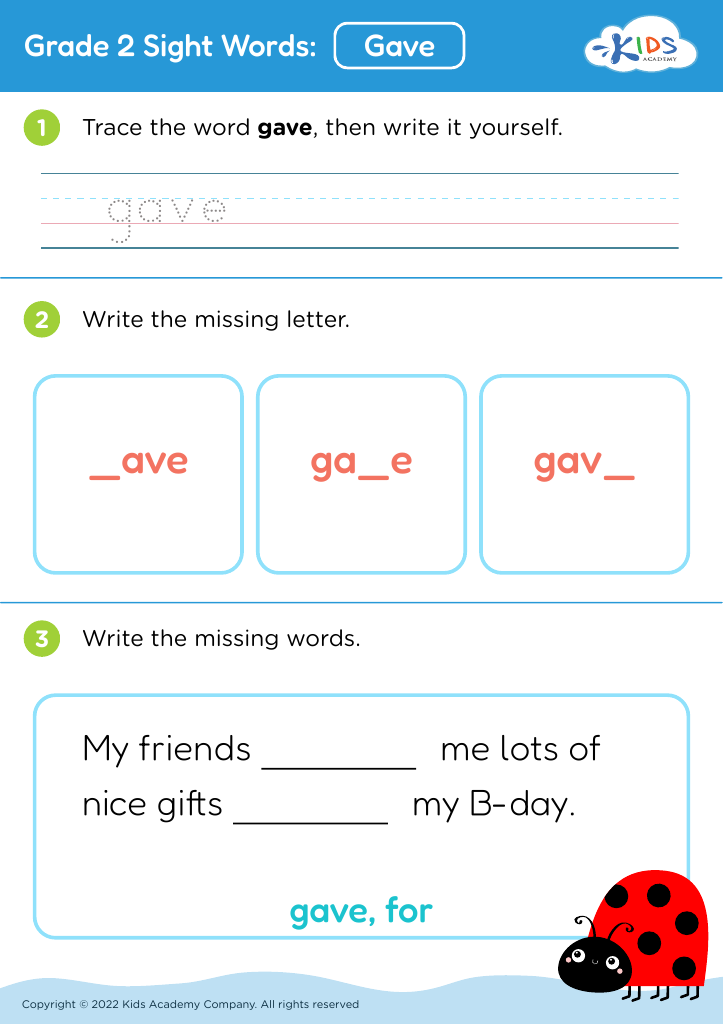








Understanding fractions in Grade 2 is crucial for several reasons. First, fractions form the foundation of more advanced mathematical concepts. Teaching young students to grasp the ideas of parts of a whole prepares them for future lessons in addition, subtraction, and multiplication involving fractions. Early exposure helps to demystify the concept, making it less intimidating as they progress through their education.
Additionally, comprehension of fractions enhances everyday skills. Young learners encounter fractions in real-life situations, such as cooking, sharing, or measuring. For instance, understanding that one-half means the whole item is divided into two equal parts can help them engage meaningfully in tasks at home.
Furthermore, focusing on fractions during this critical learning period supports the development of critical thinking skills. By working on visual proofs, manipulating physical objects, or using diagrams, students learn to approach challenges analytically. This reasoning will not only aid in mathematics but will also translate to other subjects and overall cognitive growth.
Finally, parents and teachers play an essential role in nurturing a positive mindset toward math. When children feel confident in their understanding of fractions, it builds a positive attitude toward learning, laying the groundwork for lifelong math proficiency. Engaging and effective instruction in early grades is key to their future success.