Addition Practice Grade 2 Sight Words Worksheets
3 filtered results
Difficulty Level
Grade
Age
-
From - To
Subject
Activity
Standards
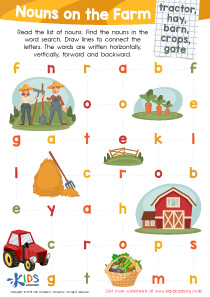
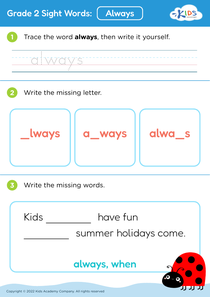
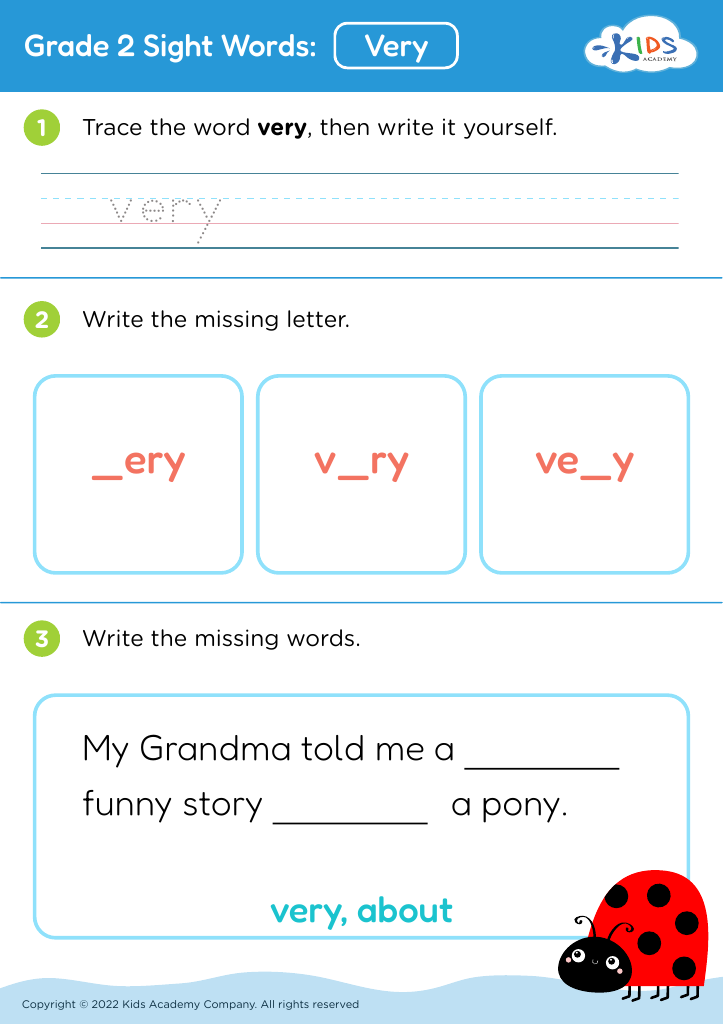
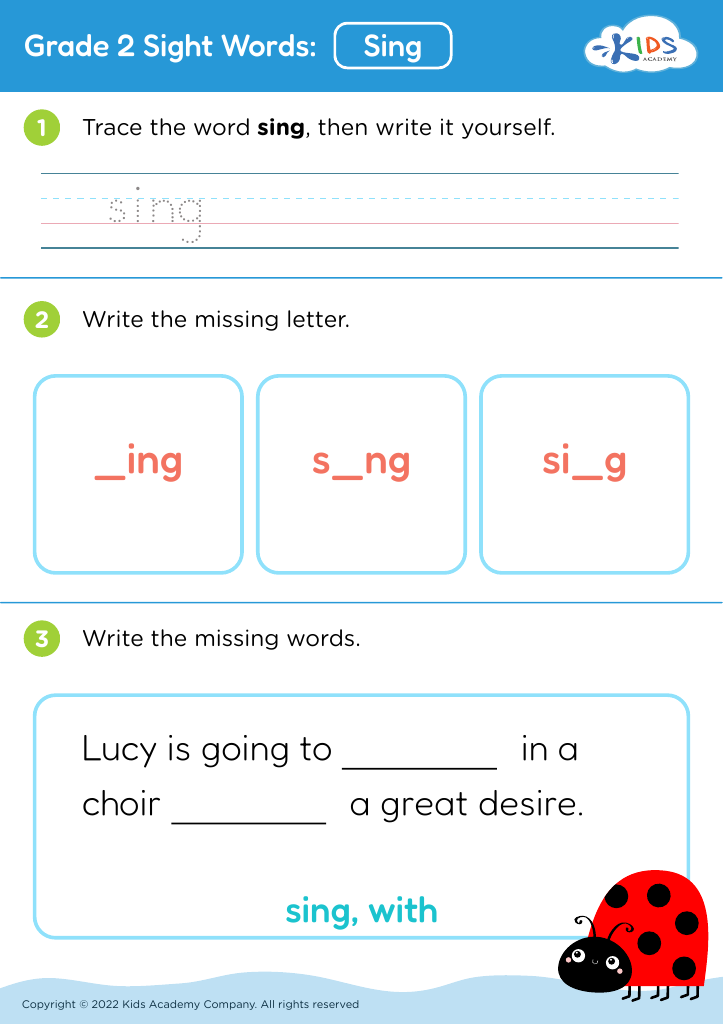
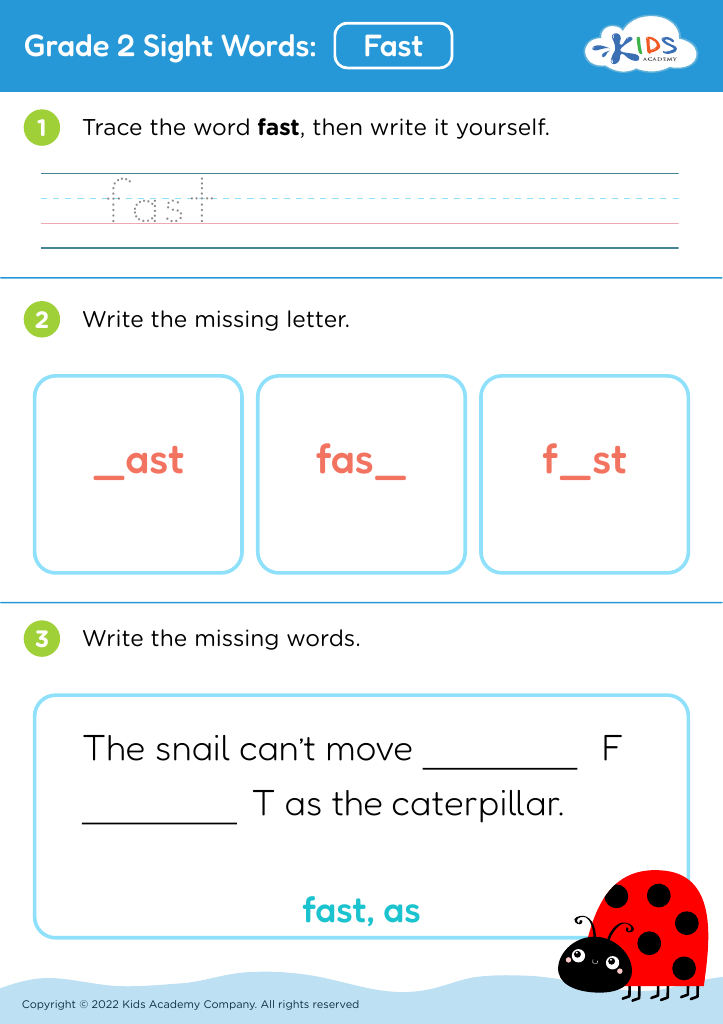
Enhance your child's math and reading skills with our "Addition Practice Grade 2 Sight Words Worksheets." These engaging worksheets seamlessly combine essential addition practice with grade-appropriate sight words to boost proficiency in both subjects. Each worksheet offers a variety of fun and interactive exercises that help second graders practice simple addition while reinforcing word recognition and reading fluency. Ideal for classroom use or at home, our worksheets support multi-sensory learning, ensuring your child builds a solid foundation in math and literacy. Make learning enjoyable and effective with these expertly designed educational resources.
Favorites
With answer key
Interactive
Join Kids Academy for Free
Who is primarily going to use this learning content?








Parents and teachers should prioritize Addition Practice and Grade 2 Sight Words because these early skills form the foundation of a child's academic success. Learning addition in Grade 2 is crucial, as it sets the groundwork for more complex mathematical operations like subtraction, multiplication, and division. Mastery of addition also enhances problem-solving abilities, logical thinking, and mental arithmetic, which are all essential for everyday decision-making and advanced learning stages.
Simultaneously, Grade 2 Sight Words are high-frequency words that students must recognize on sight to boost reading fluency, comprehension, and confidence. These words often do not follow regular phonetic patterns, making memorization necessary. When children swiftly identify sight words, they can read more fluidly and concentrate on understanding the text rather than decoding individual words.
Practicing both addition and sight words will ensure a harmonious balance between numerical literacy and reading proficiency. This balanced skill set fosters a more comprehensive educational development. Moreover, consistent practice promotes discipline, patience, and a love for learning. By focusing on these areas, parents and teachers can provide children with a robust academic foundation that enhances their ability to learn, navigate, and succeed in more advanced and complex subjects in the future.