Word Recognition Governance and Civics Worksheets
3 filtered results
Difficulty Level
Grade
Age
-
From - To
Subject
Activity
Standards
Our "Word Recognition Governance and Civics Worksheets" provide young learners with dynamic activities designed to improve literacy and introduce fundamental civic concepts. These worksheets seamlessly blend word recognition exercises with engaging lessons about governance and civics, empowering students to expand their vocabulary while gaining awareness about the world around them. Featuring vibrant illustrations and age-appropriate content, our worksheets make learning both fun and effective. Perfect for reinforcing verbal skills and understanding of social studies topics, they support educators and parents in fostering civic-minded, knowledgeable future citizens. Explore our collection to help your child thrive academically and socially.
Favorites
With answer key
Interactive
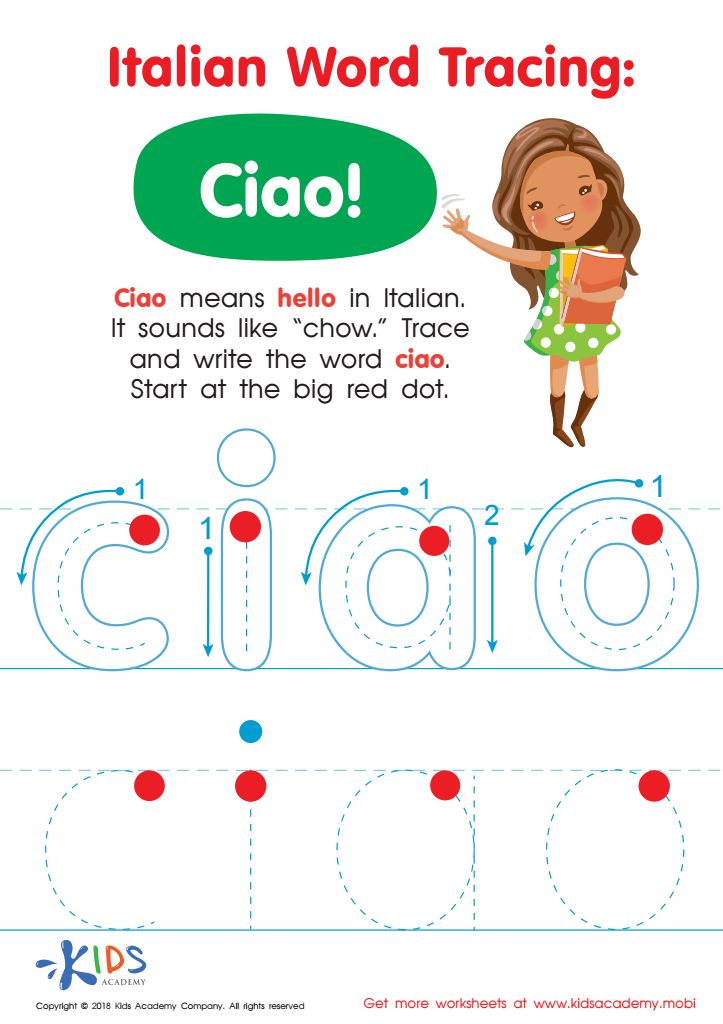
Italian Word Tracing: Ciao Worksheet
Help kids learn to greet people in different languages with this fun worksheet! Featuring the Italian word 'Ciao', it helps kids trace and learn the pronunciation. Plus, it teaches hand-eye coordination and fine-motor skills. Global connectivity can start with this activity!
 Assign to My Students
Italian Word Tracing: Ciao Worksheet
Worksheet
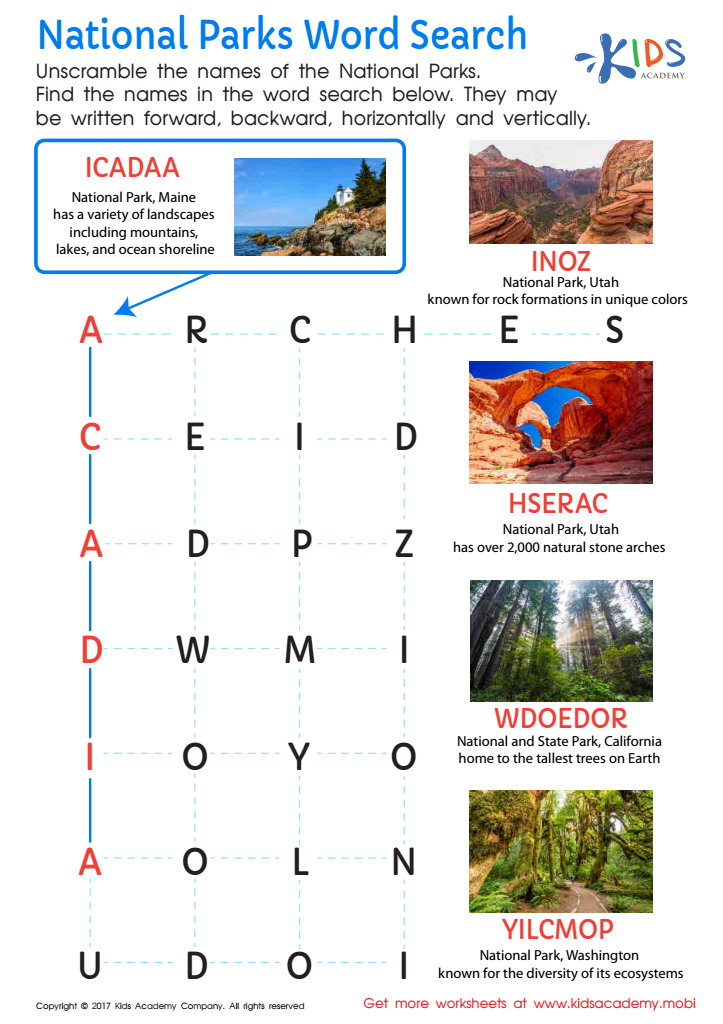
National Parks Word Search Worksheet
Explore the beauty of the USA’s national parks with this fun National Parks word search! Learn more about these majestic sites and boost your knowledge. Take a trip through the sights and sounds of our country with this motivating worksheet.
National Parks Word Search Worksheet
Worksheet
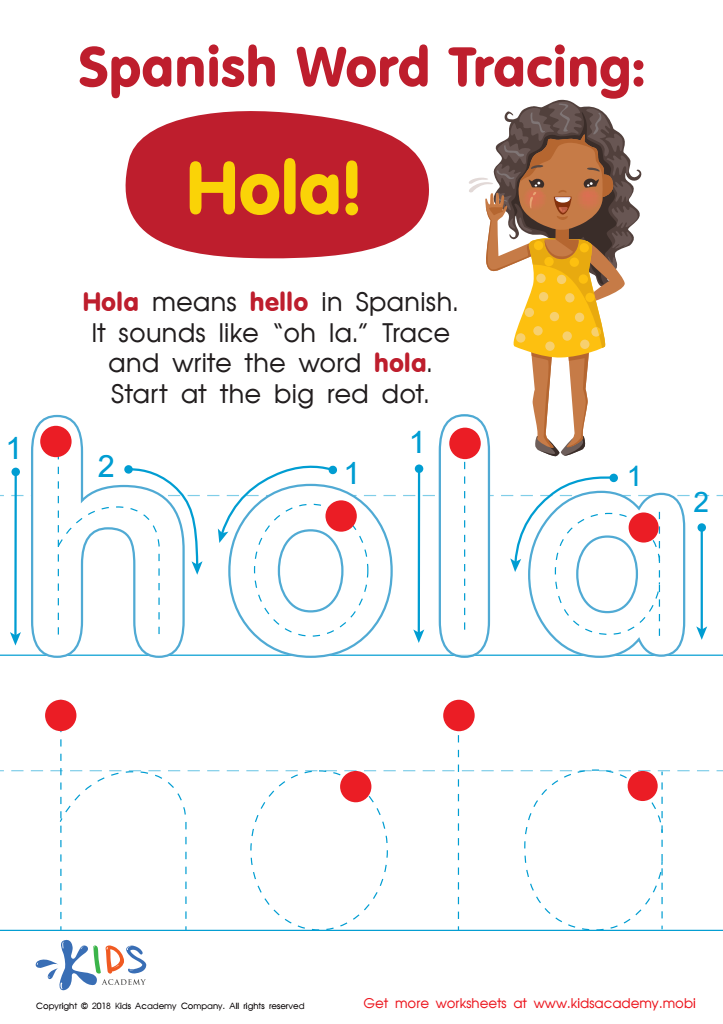
Spanish Word Tracing: Hola Worksheet
This PDF provides a fun way for students to learn "Hola" (Hello) in Spanish! Kids can practice fine motor and handwriting skills while they trace the letters. They'll get the hang of top-to-bottom, left-to-right patterning while they learn how to say and write in Spanish. With practice, they'll soon feel confident speaking and writing Spanish!
Spanish Word Tracing: Hola Worksheet
Worksheet
Join Kids Academy for Free
Who is primarily going to use this learning content?


Parents and teachers should care about Word Recognition Governance and Civics because these three elements serve as pillars for a child's holistic development and their ability to function effectively in society. Word recognition is fundamental for literacy, enabling children to read fluently, comprehend texts, and access a broad spectrum of knowledge. This proficiency lays the foundation for academic success, critical thinking, and lifelong learning.
Governance education introduces children to the structures and functions of their government, promoting civic awareness from an early age. Understanding governance helps children grasp the importance of rules, laws, and the roles various officials play in maintaining social order and democracy. This knowledge fosters informed citizens who can engage in their communities and make educated decisions as they grow up.
Civics education teaches children about their rights, responsibilities, and the values that underpin a democratic society, such as justice, equality, and freedom. Learning about civics encourages active participation in the community, ethical behavior, and empathy towards others.
By integrating word recognition with education in governance and civics, parents and teachers help children become literate individuals who are not only knowledgeable but also engaged, responsible participants in their communities. This integration fosters comprehensive growth, preparing children to contribute positively to society.