Critical Thinking Social Studies Worksheets - Page 2
31 filtered results
-
From - To

Assessment: First Thanksgiving Worksheet
 Assign to My Students
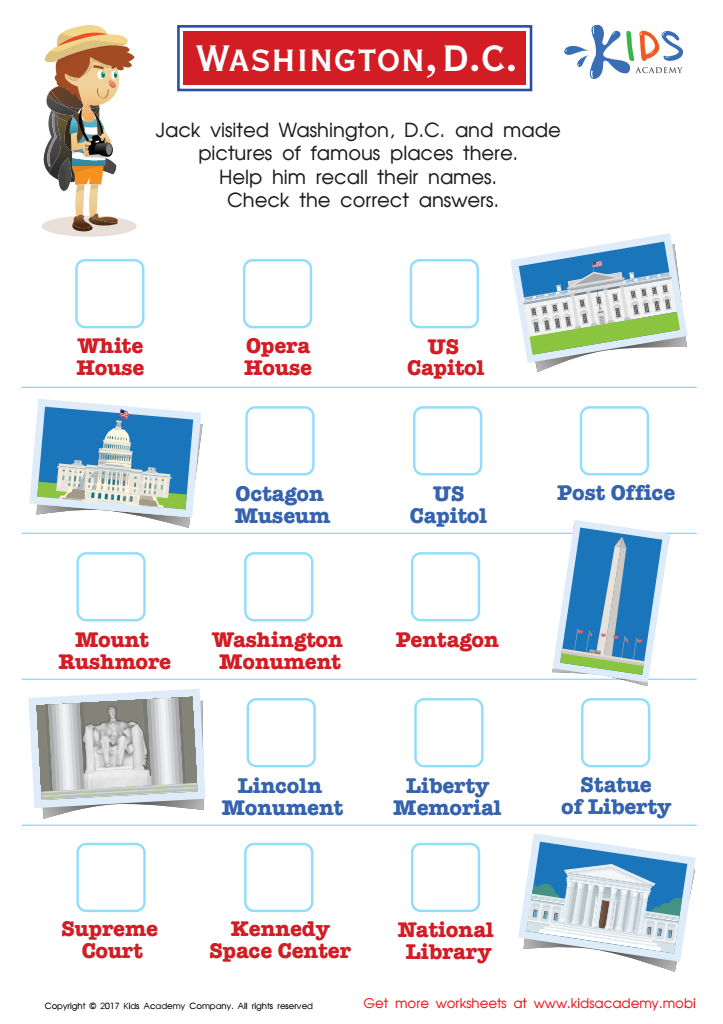
Washington D.C. Printable Worksheet
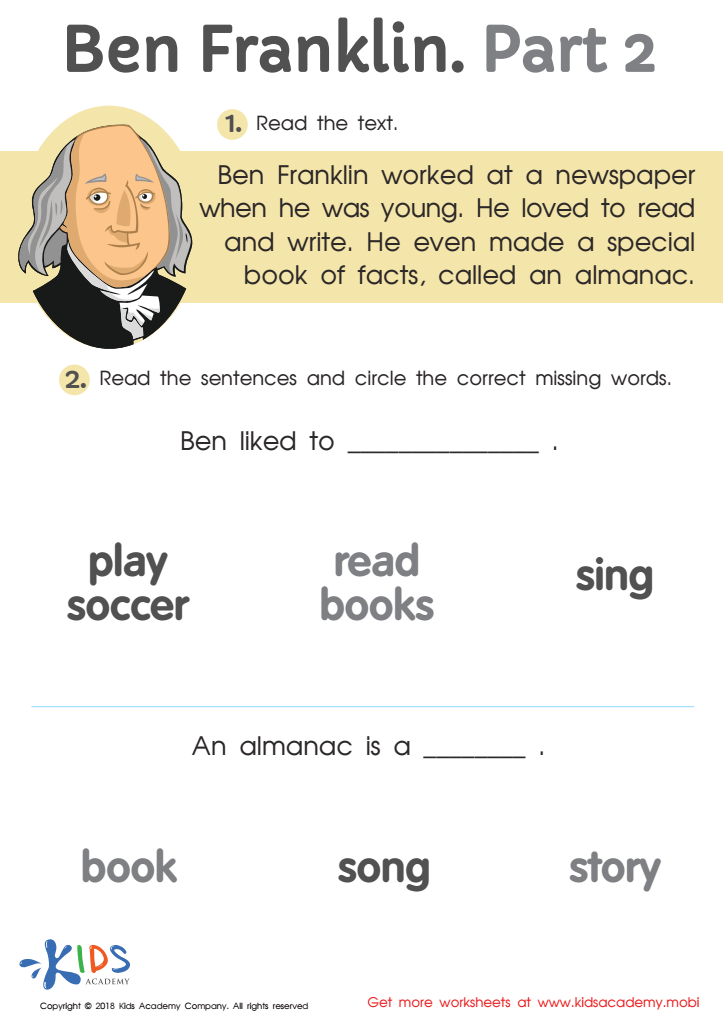
Ben Franklin Part 2 Worksheet

The Four Seasons Worksheet
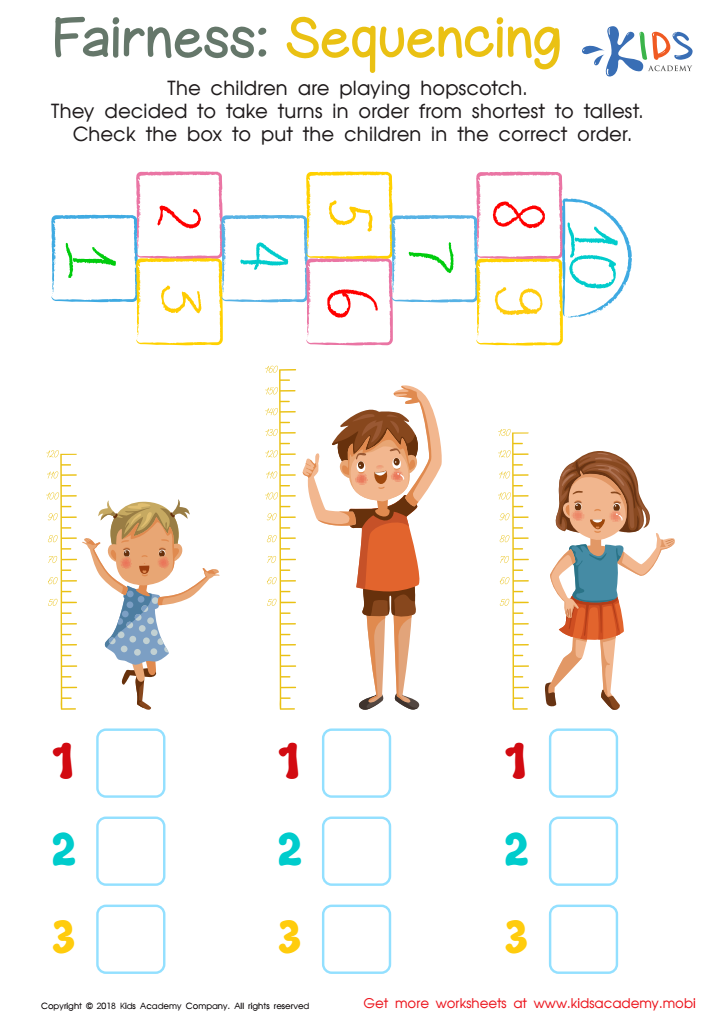
Fairness: Sequencing Worksheet
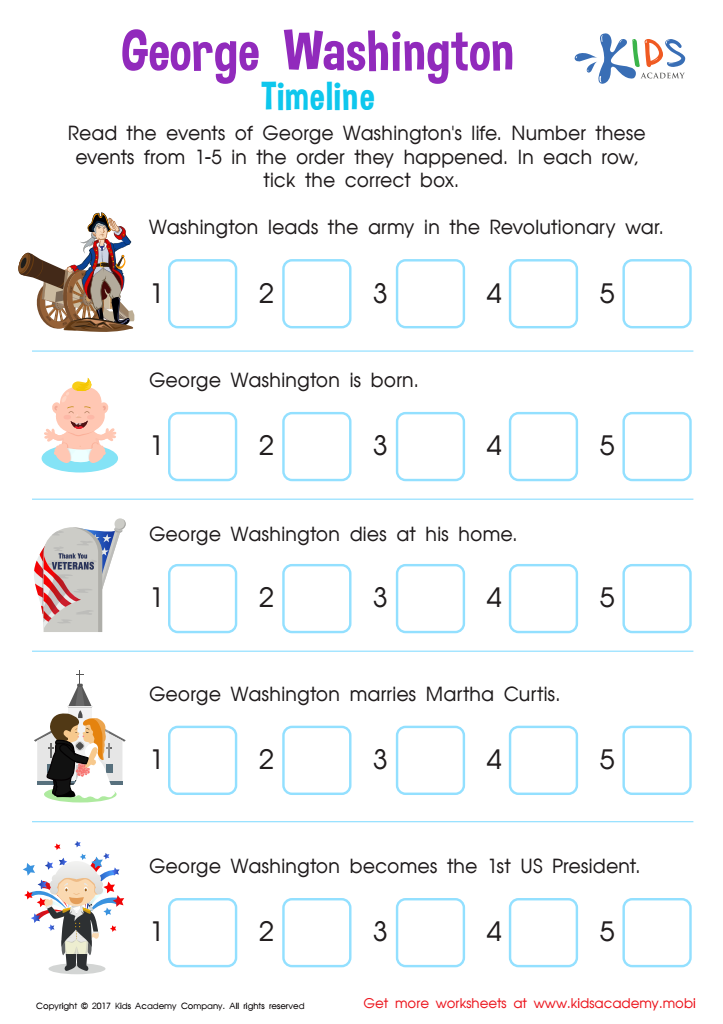
George Washington Timeline Worksheet
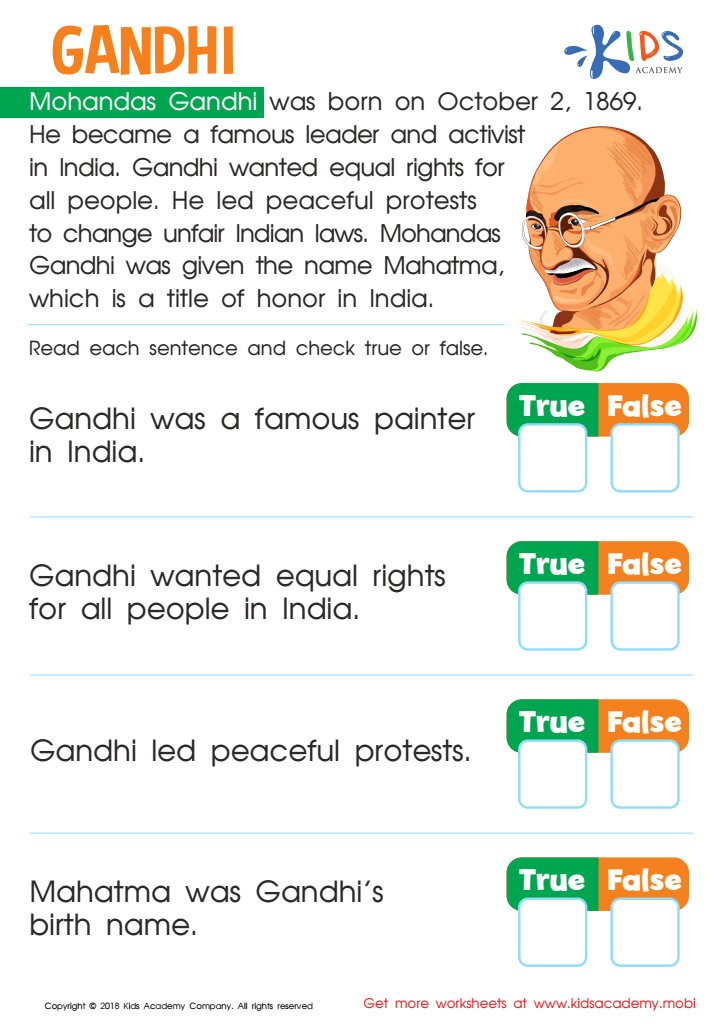
Gandhi Worksheet








Parents and teachers should prioritize critical thinking in social studies because it equips students with essential skills for navigating a complex world. Critical thinking fosters inquiry, encouraging students to analyze information, ask thoughtful questions, and evaluate evidence rather than passively receive facts. This active engagement helps them understand diverse perspectives, build empathy, and form informed opinions about historical and contemporary social issues.
Moreover, critical thinking in social studies enhances students' ability to connect learning to real-world situations. By examining the motivations behind events, understanding the consequences of actions, and exploring cultural differences, students develop a deeper awareness of their role as active citizens in a democratic society. It empowers them to engage in discussions about justice, equity, and human rights, fostering a sense of responsibility and community involvement.
In an age of misinformation, the ability to discern credible sources from biased ones is crucial. Promoting critical thinking helps students become evaluators of the information they encounter, empowering them to make sound decisions based on facts and logic. Ultimately, fostering critical thinking in social studies shapes thoughtful, informed, and engaged individuals, contributing to a better society.