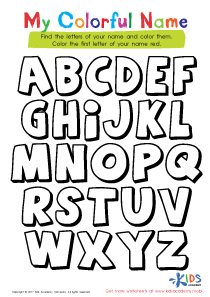
Word identification Grade 3 Phonics Worksheets
4 filtered results
Difficulty Level
Grade
Age
-
From - To
Subject
Activity
Standards
Enhance your Grade 3 students' reading skills with our engaging Word Identification Phonics Worksheets. Designed to develop crucial phonics knowledge, these worksheets help children recognize and understand various words in context. With interactive exercises and visual aids, students will improve their decoding skills, boost vocabulary, and gain confidence in reading fluency. Our curated collection ensures fun while reinforcing essential phonics concepts, making learning both effective and enjoyable. Ideal for classroom use or at-home practice, these resources cater to diverse learning styles, fostering a solid foundation in literacy. Explore our worksheets today to empower your third graders in their reading journey!
Favorites
With answer key
Interactive
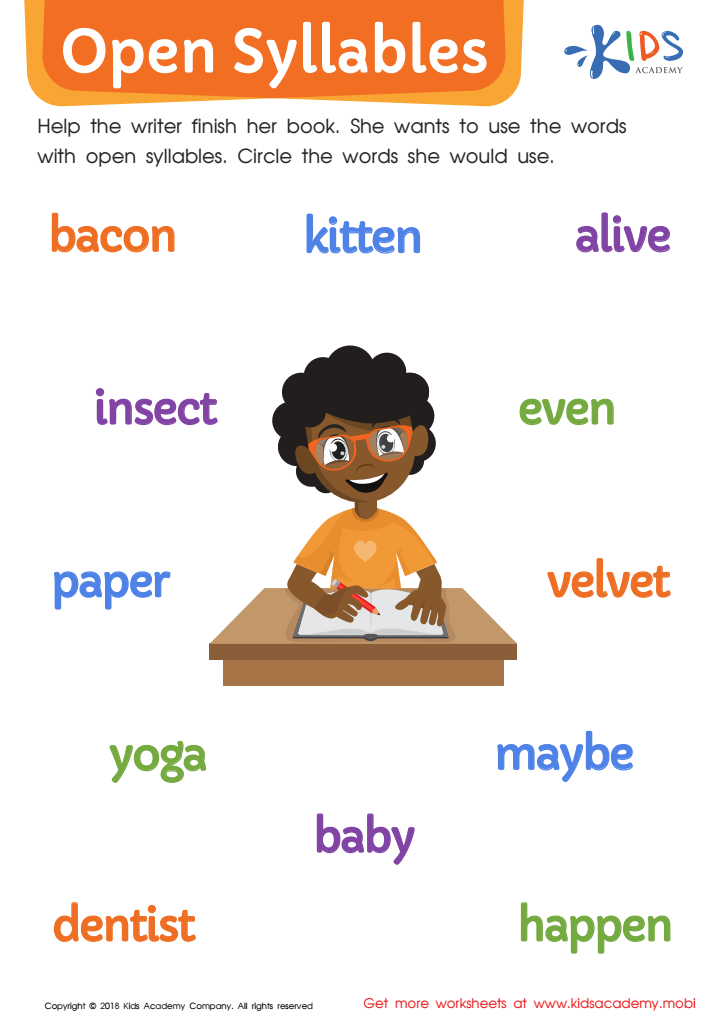
Open Syllables Worksheet
Before beginning this worksheet, make sure your child knows what open syllables are. If not, take time to teach them with examples. Then, help the writer finish her book by circling words with open syllables. She needs your child's help!
Open Syllables Worksheet
Worksheet
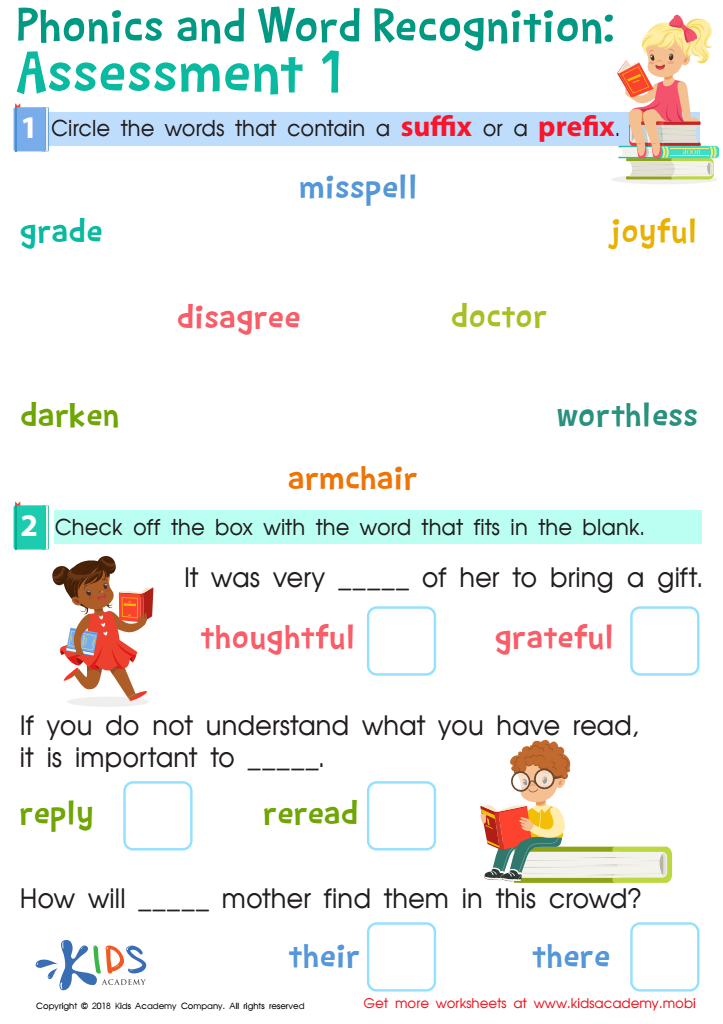
Phonics and Word Recognition: Assessment 1 Worksheet
Explain prefixes (words added to start of another word to give it a new meaning) and suffixes (added to end of word to change its meaning) to your kids with examples like 'unhappy' (prefix) and 'forgetful' (suffix). Now, help your child complete this worksheet, including circling words and checking boxes.
Phonics and Word Recognition: Assessment 1 Worksheet
Worksheet
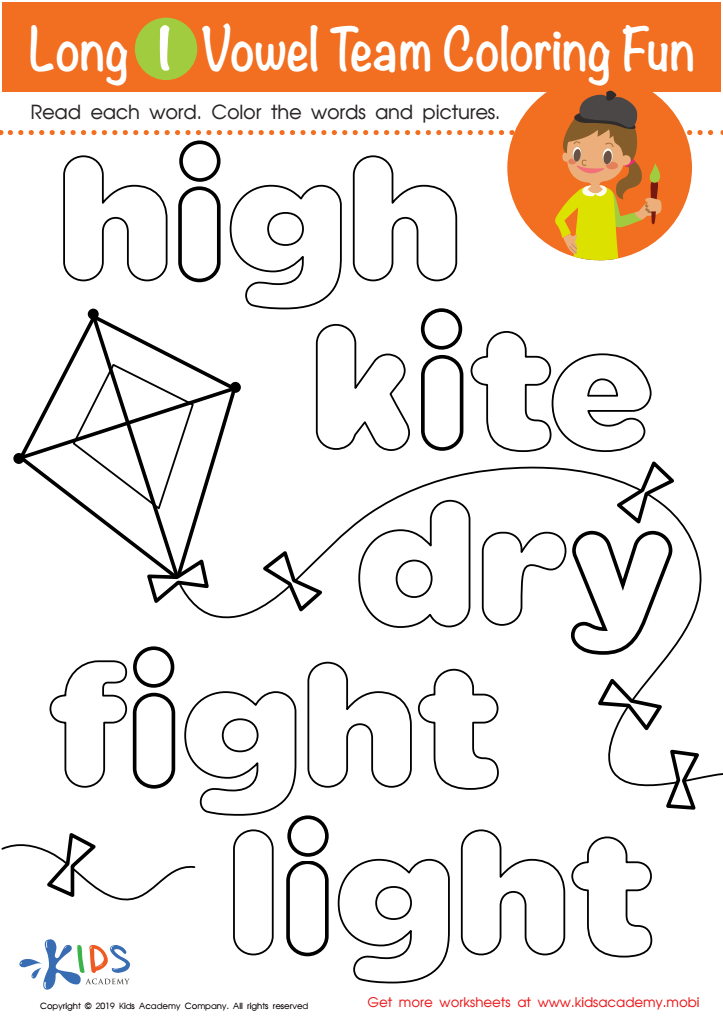
Long I Vowel Team Coloring Worksheet
This worksheet provides practice with letter combinations that make the long "i" sound while enhancing creativity and motor skills with a fun coloring activity. Unknowingly, new readers learn key phonics skills while having fun!
Download (PDF)
 Assign to My Students
Assign to My Students
Long I Vowel Team Coloring Worksheet
Worksheet
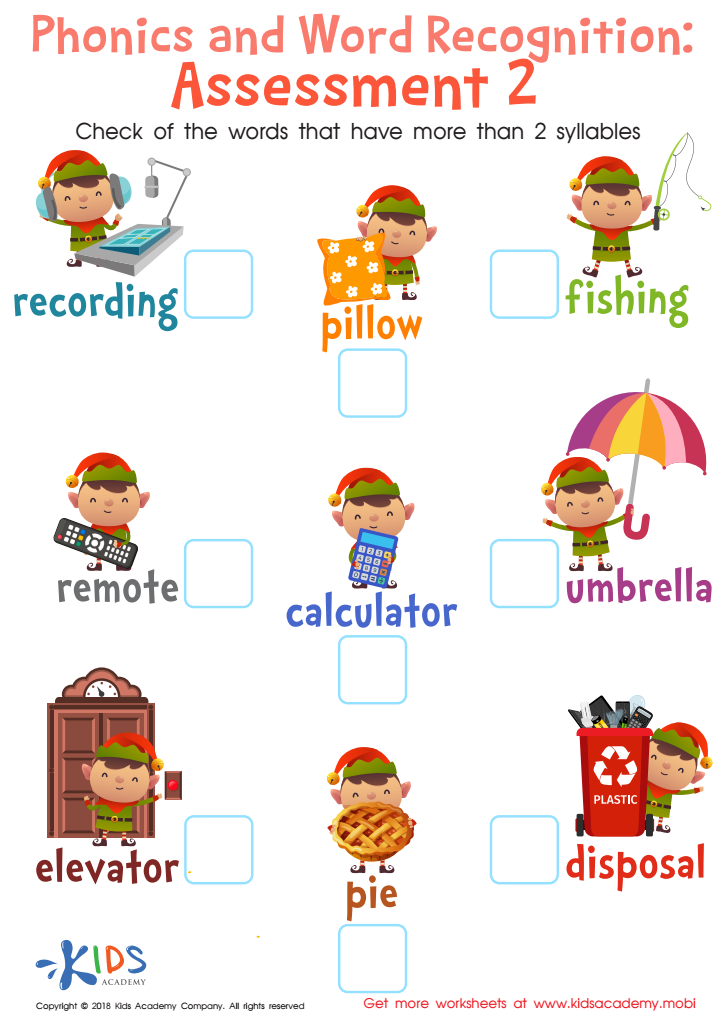
Phonics and Word Recognition: Assessment 2 Worksheet
Help your kids learn proper pronunciation by counting syllables. Most words they'll encounter have 1-3 syllables, making them simple to say. Have them repeat the words in your worksheet after you. Focus on longer words with more than two syllables.
Phonics and Word Recognition: Assessment 2 Worksheet
Worksheet
Join Kids Academy for Free
Who is primarily going to use this learning content?




Word identification and phonics skills are foundational for children’s literacy development, especially in Grade 3. At this stage, students transition from learning to read to reading to learn—making proficient word identification vital. Effective phonics instruction helps children understand the relationship between letters and sounds, enabling them to decode unfamiliar words. This skill is essential not only for reading fluency but also for academic success across subjects.
When parents and teachers support phonics instruction, they equip children with the ability to tackle increasingly complex texts. Proficient word identification aids comprehension and builds vocabulary, essential for verbal skills and expressive communication. Additionally, strong reader skills are linked to higher self-esteem and motivation in learning.
Moreover, early intervention in phonics can prevent long-term reading difficulties. Teachers and parents should monitor progress and provide resources—like engaging reading materials and playful phonics games—to foster enthusiasm for reading. Their active involvement sends a message about the importance of literacy and education. By prioritizing word identification and phonics, adults can nurture confident readers capable of success, both in school and beyond. In essence, caring about phonics is investing in a child's overall academic and personal growth.