Critical Thinking Grade 3 Addition & Subtraction Worksheets
11 filtered results
-
From - To
Ignite young minds with our "Critical Thinking Grade 3 Addition & Subtraction Worksheets". Designed to boost problem-solving skills, these engaging worksheets challenge third graders with innovative math exercises. By focusing on real-world scenarios and logical reasoning, they help students apply arithmetic concepts in practical situations. Each worksheet is crafted to foster critical thinking, encouraging students to think beyond numbers and develop a deeper understanding of math. Ideal for classrooms and home practice, our worksheets support academic growth and enhance math confidence in a fun and interactive manner. Give your child the tools for enhanced learning with our expertly designed resources.
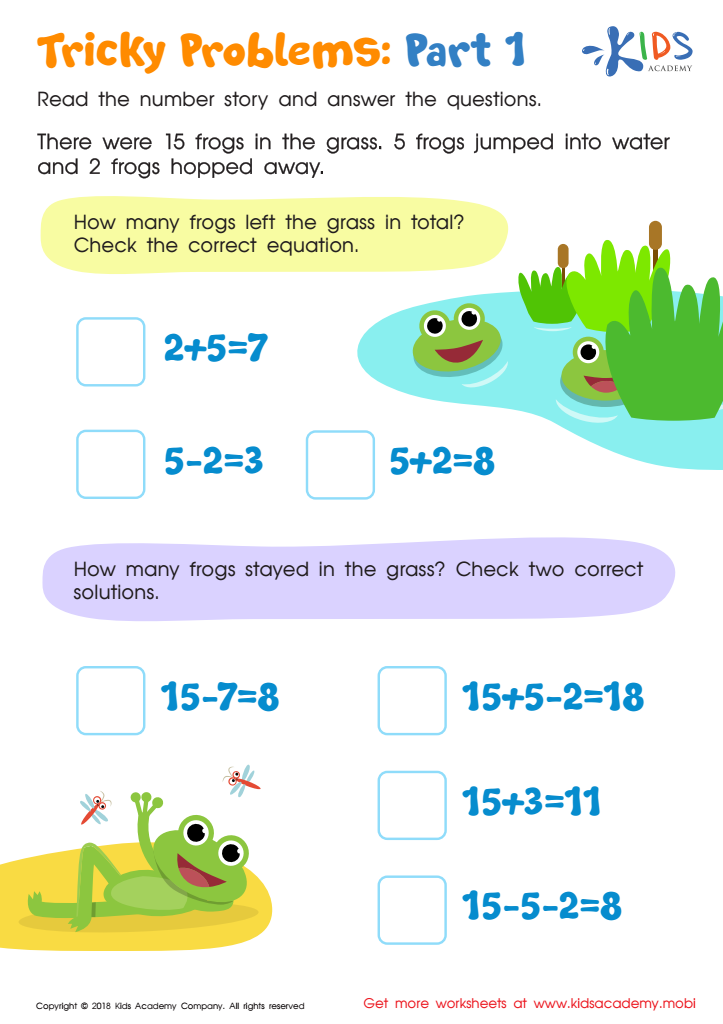
Tricky Problems Worksheet: Part 1
 Assign to My Students
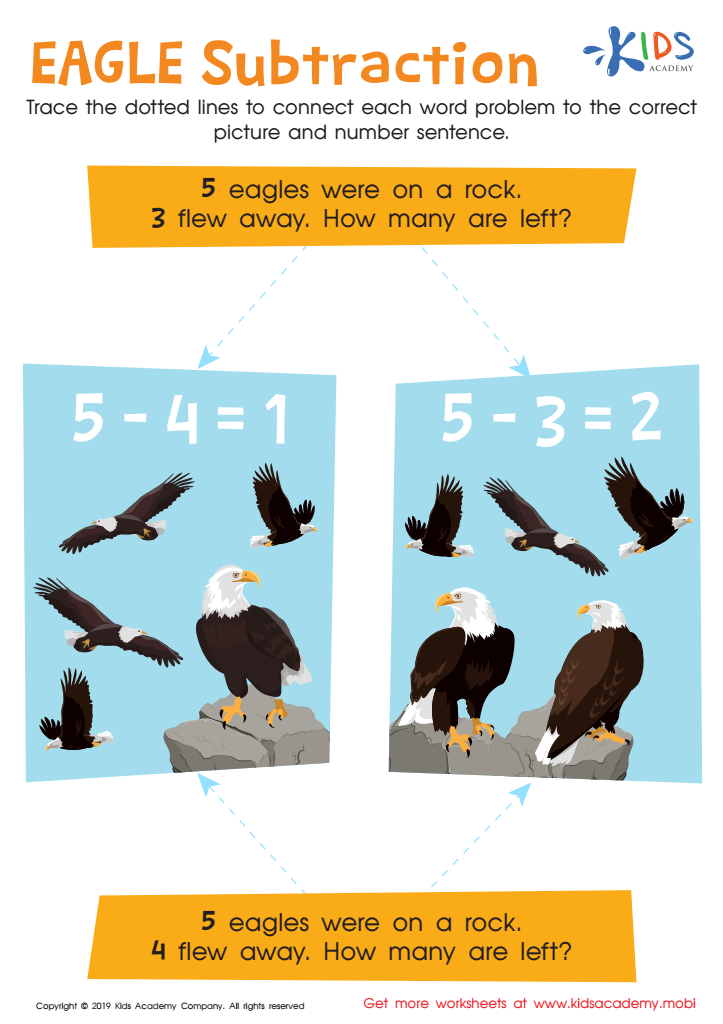
Eagle Subtraction Worksheet
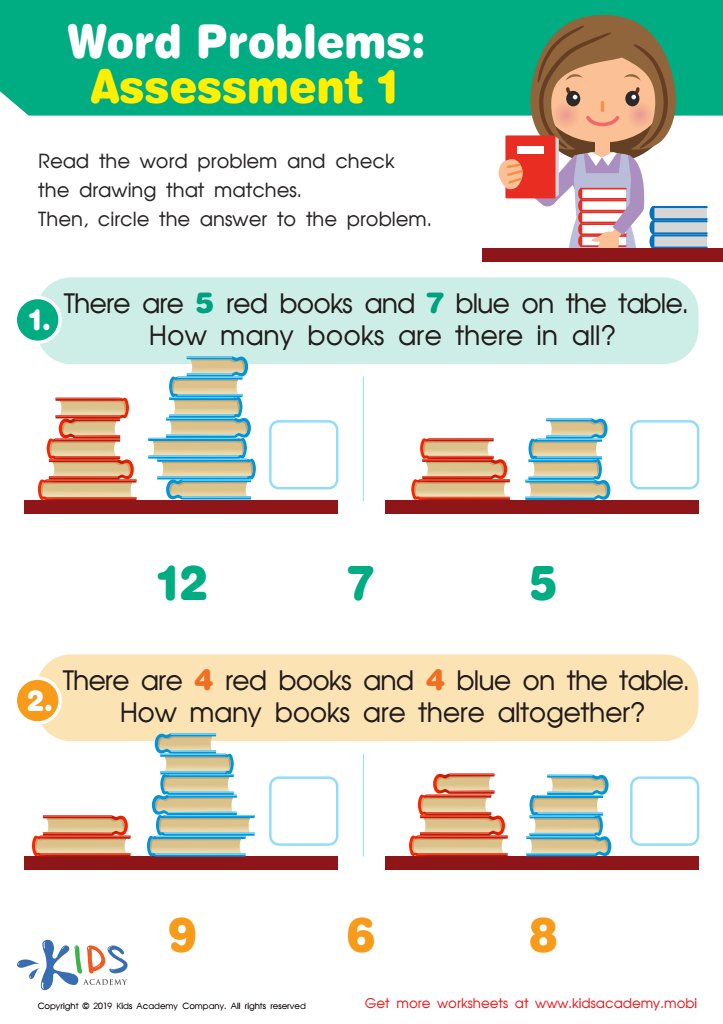
Word Problems: Assessment 1 Worksheet
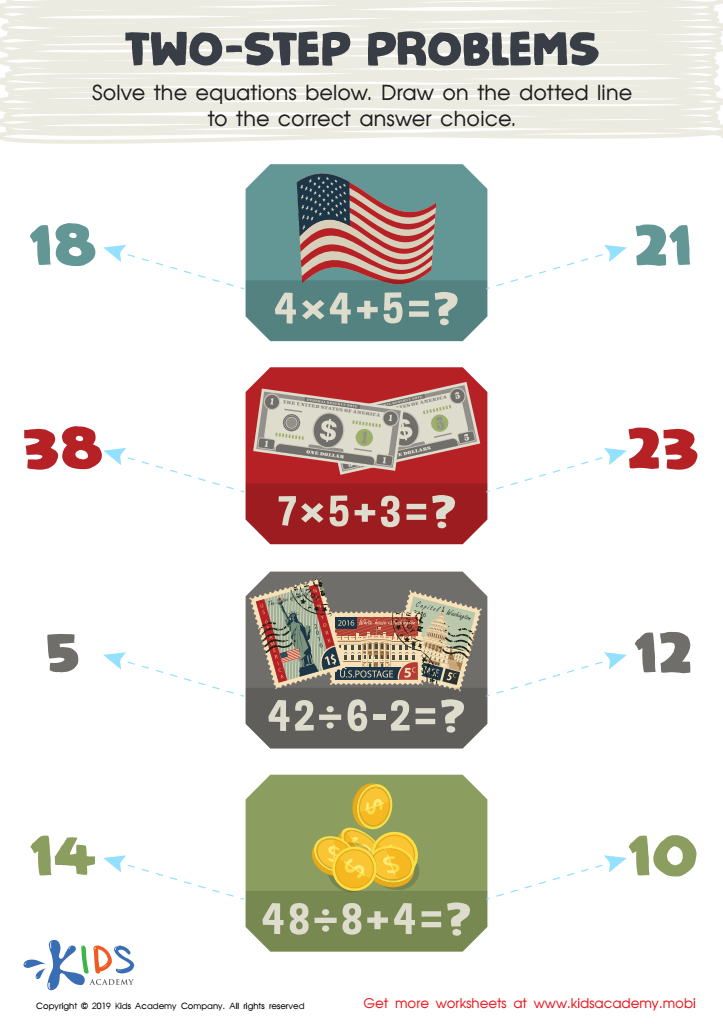
Two-Step Problems Worksheet
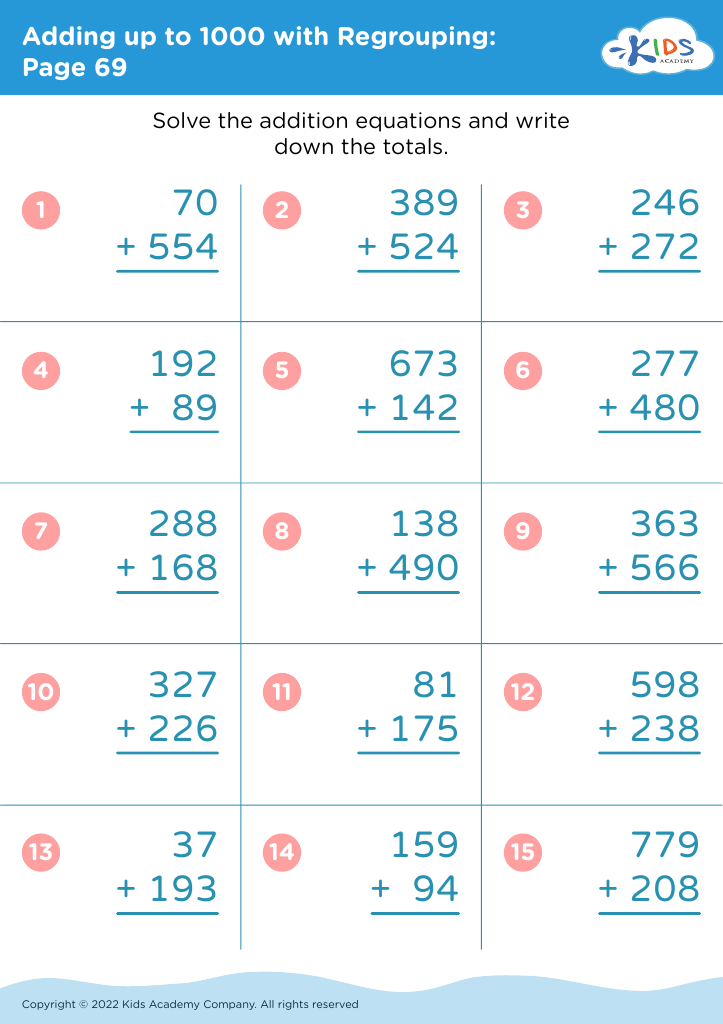
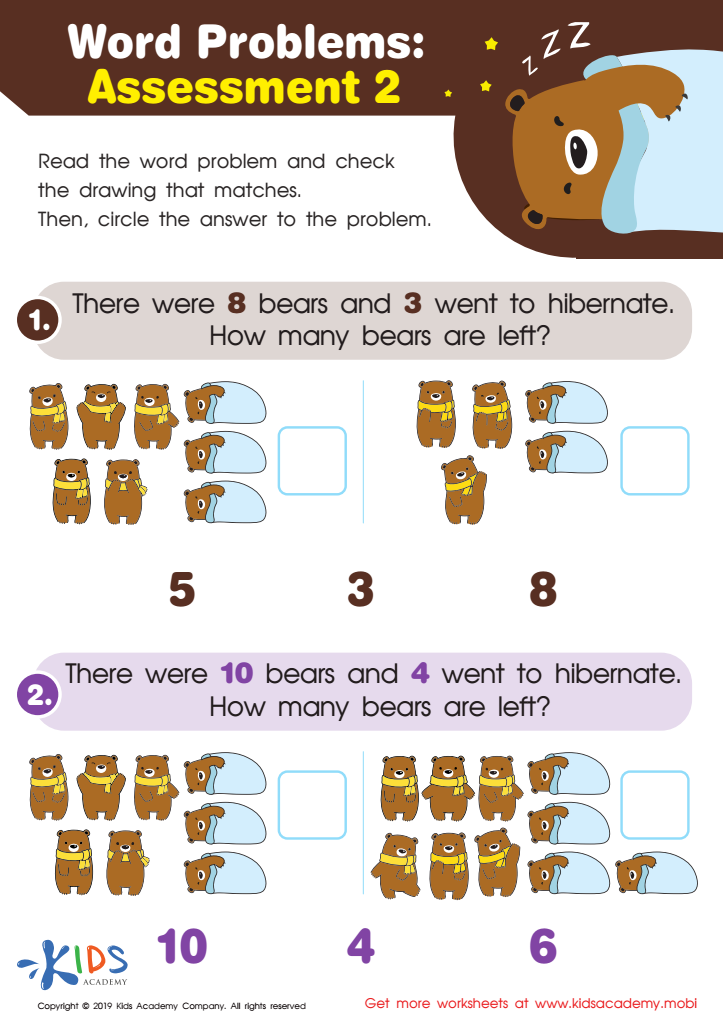
Word Problems: Assessment 2 Worksheet
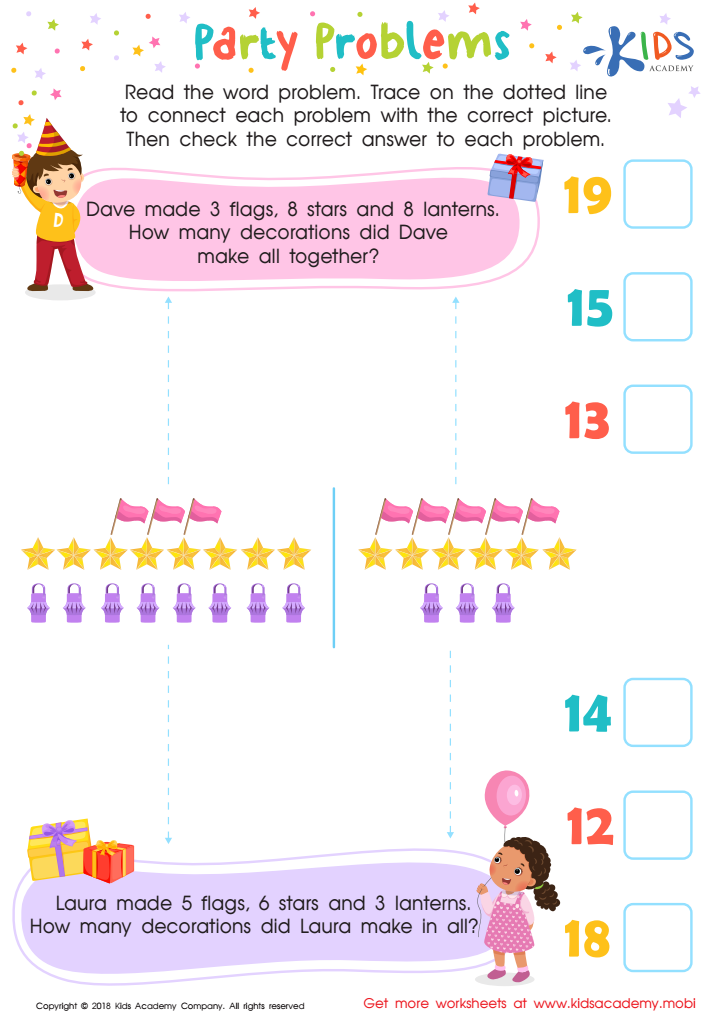
Party Problems Worksheet








Parents and teachers should prioritize Critical Thinking for Grade 3 students tackling addition and subtraction because it fosters foundational skills essential for academic and life success. At this stage, children are not only learning the basic mechanics of arithmetic but are also beginning to develop deeper cognitive abilities such as problem-solving, logical reasoning, and analytical thinking. Emphasizing critical thinking helps kids understand the 'why' behind mathematical concepts instead of merely memorizing facts and procedures.
This deeper understanding ensures that students can apply arithmetic knowledge to novel situations, enhancing their ability to tackle more complex problems in the future. Furthermore, critical thinking in math encourages curiosity and persistence, traits imperative for lifelong learning and adaptation. For parents and teachers, nurturing these skills means students are better positioned for future academic challenges, making them more adept and confident.
Additionally, research has shown that critical thinking in early education leads to improved performance in various subjects beyond math, including reading and science. By embedding critical thinking exercises in addition and subtraction practice, children develop versatile learning tools that serve them across disciplinary boundaries. Therefore, integrating critical thinking at this pivotal stage lays a robust groundwork for holistic educational development.