Recognizing Patterns Grade 3 Math Worksheets
7 filtered results
-
From - To
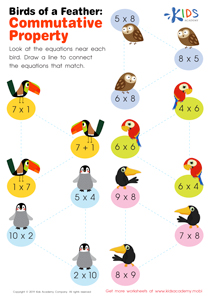
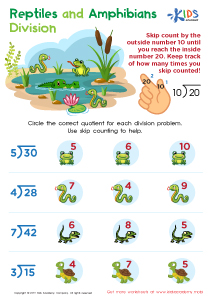
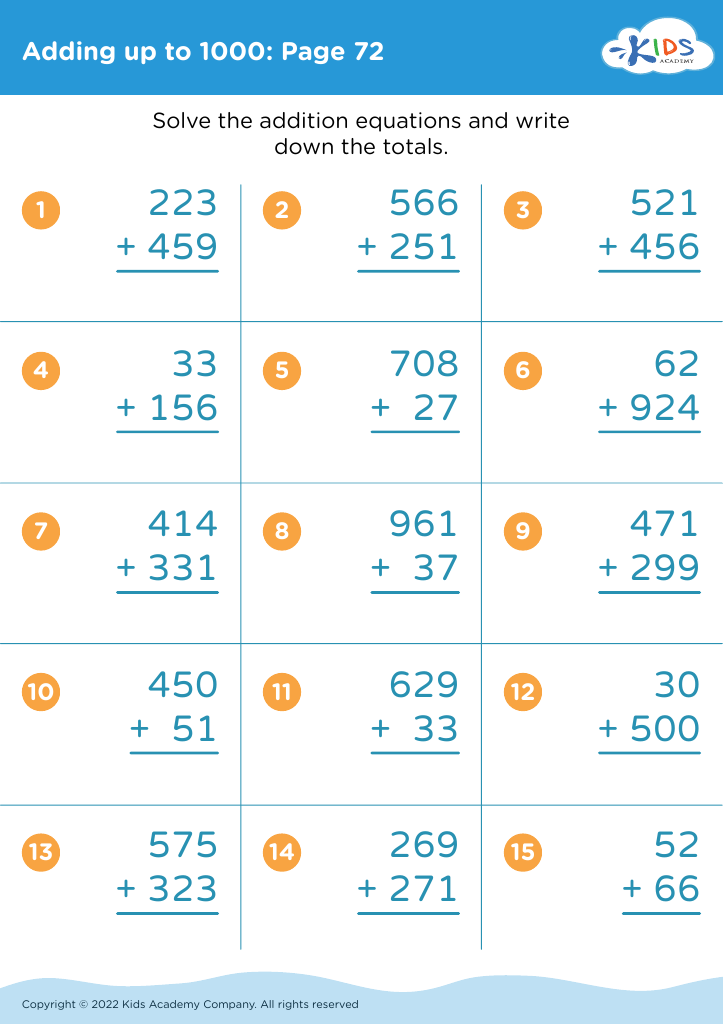
Discover our engaging "Recognizing Patterns Grade 3 Math Worksheets" designed to enhance your child's math skills through interactive learning. These worksheets foster critical thinking as students identify, describe, and extend various patterns, setting a strong foundation for more complex math concepts. Featuring colorful illustrations and diverse activities, our resources cater to different learning styles, making math enjoyable and accessible. Perfect for reinforcing classroom lessons or independent practice, these worksheets enable young learners to develop logical reasoning and boost their confidence in math. Help your child excel by exploring the exciting world of patterns today!
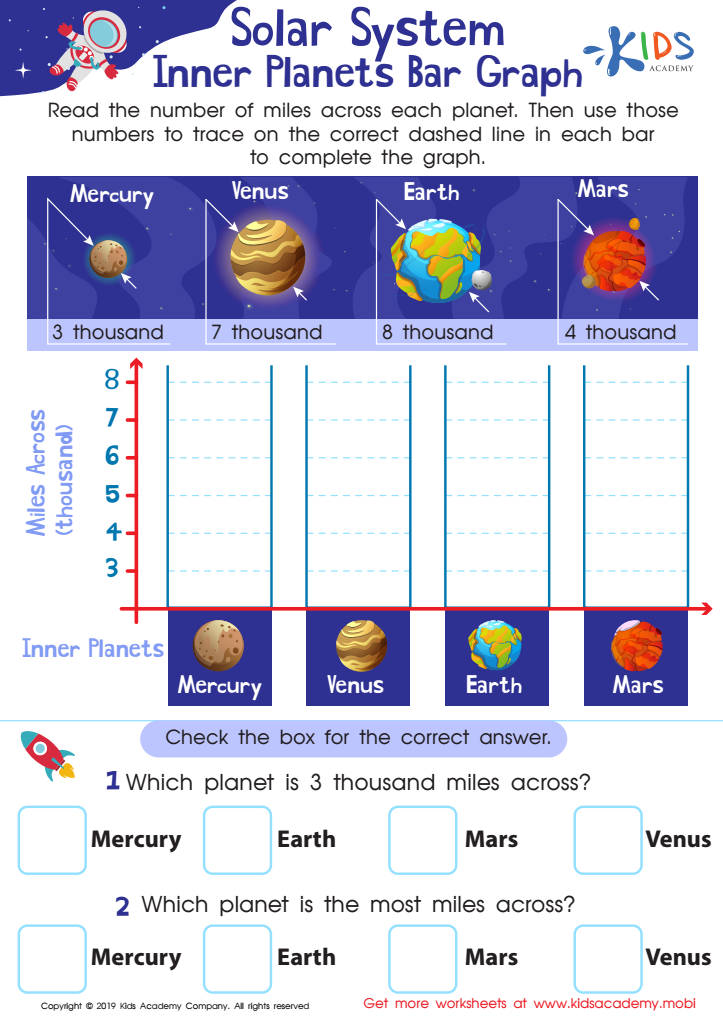
Planets Bar Graph Worksheet
 Assign to My Students
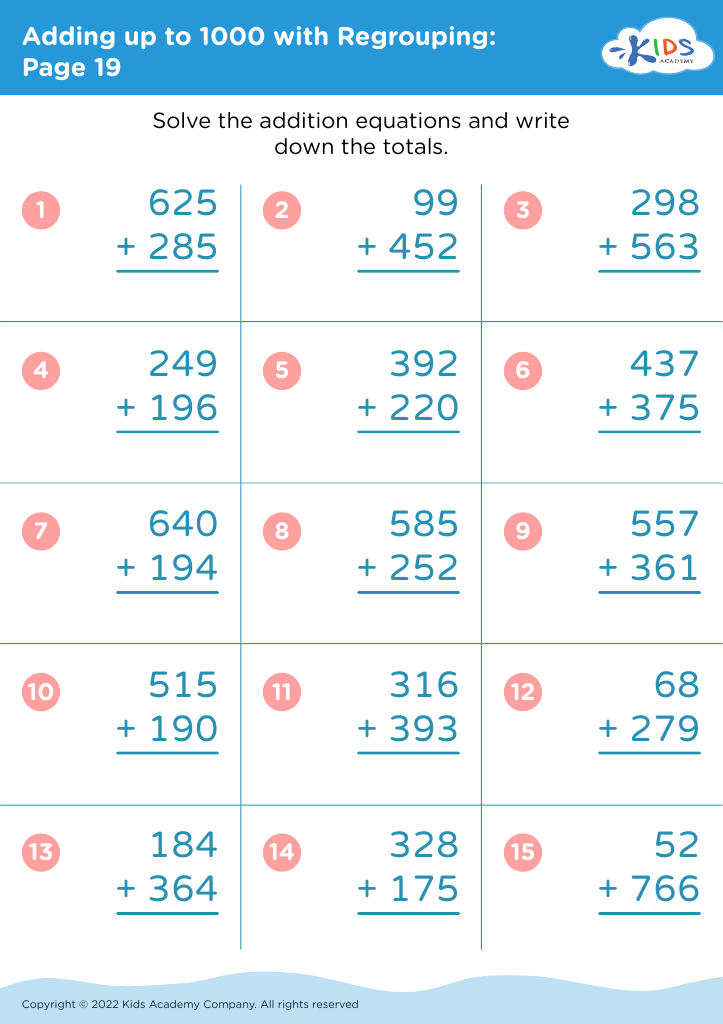
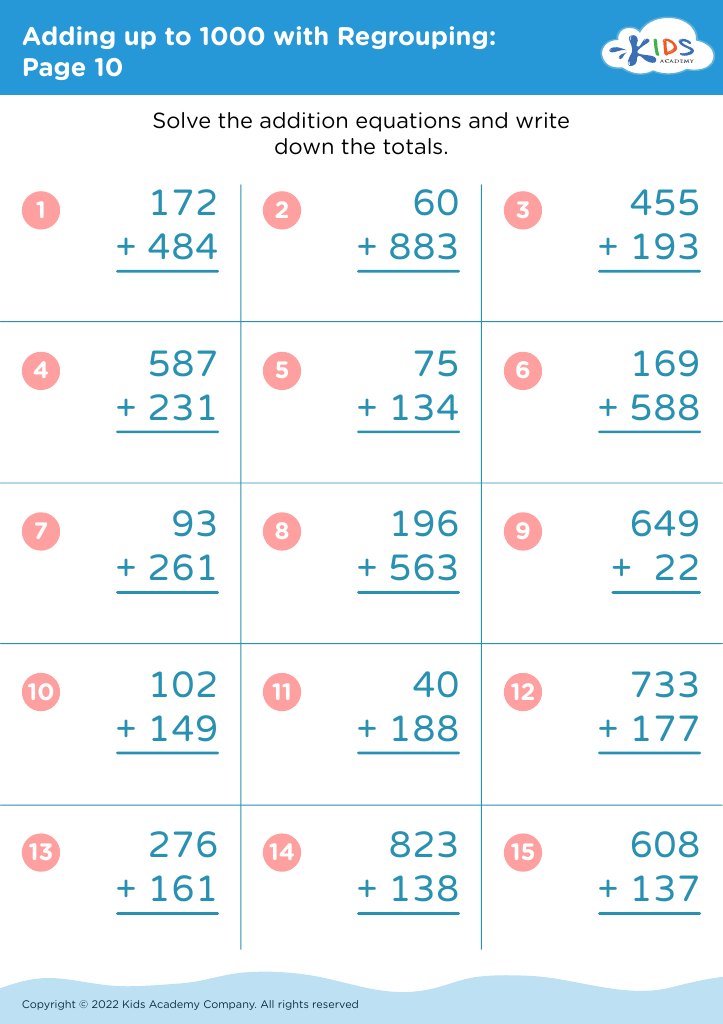
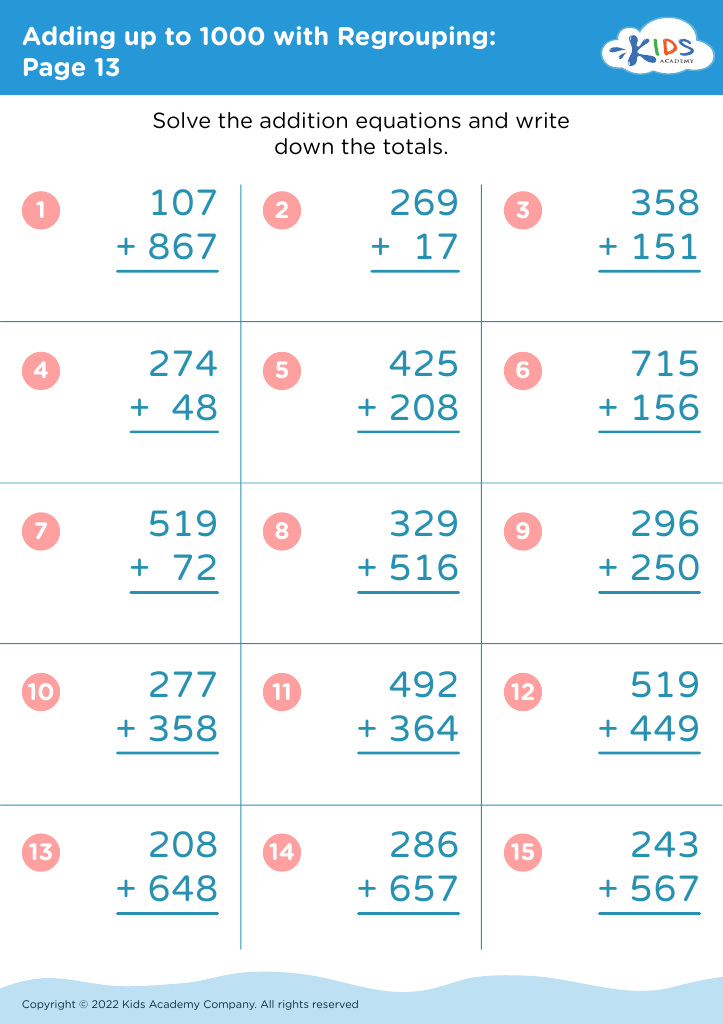
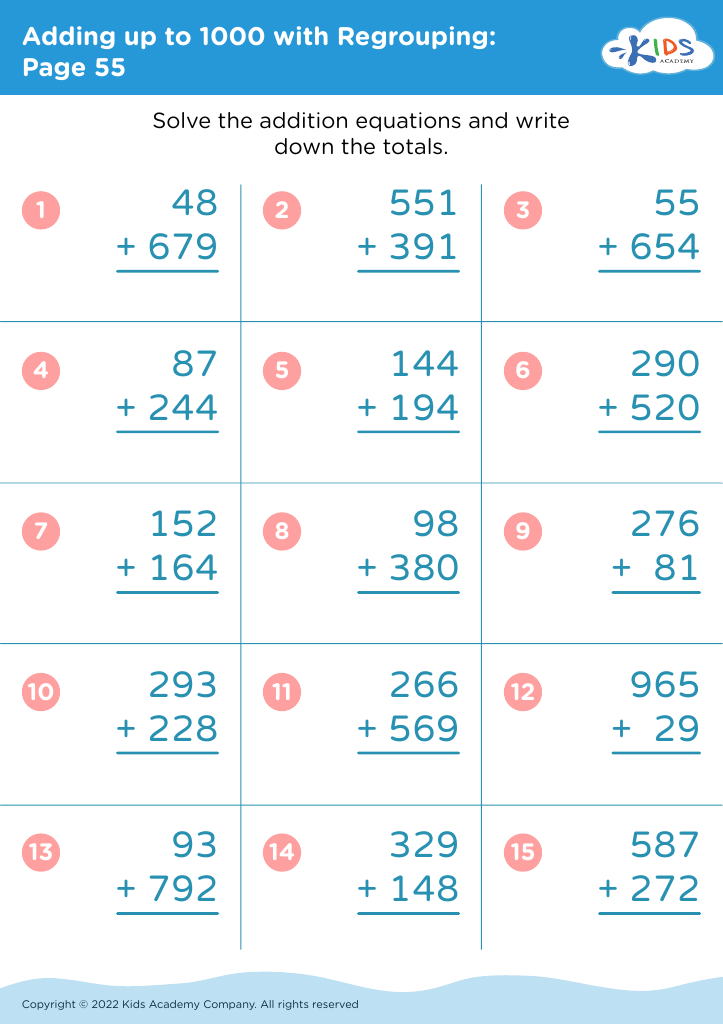
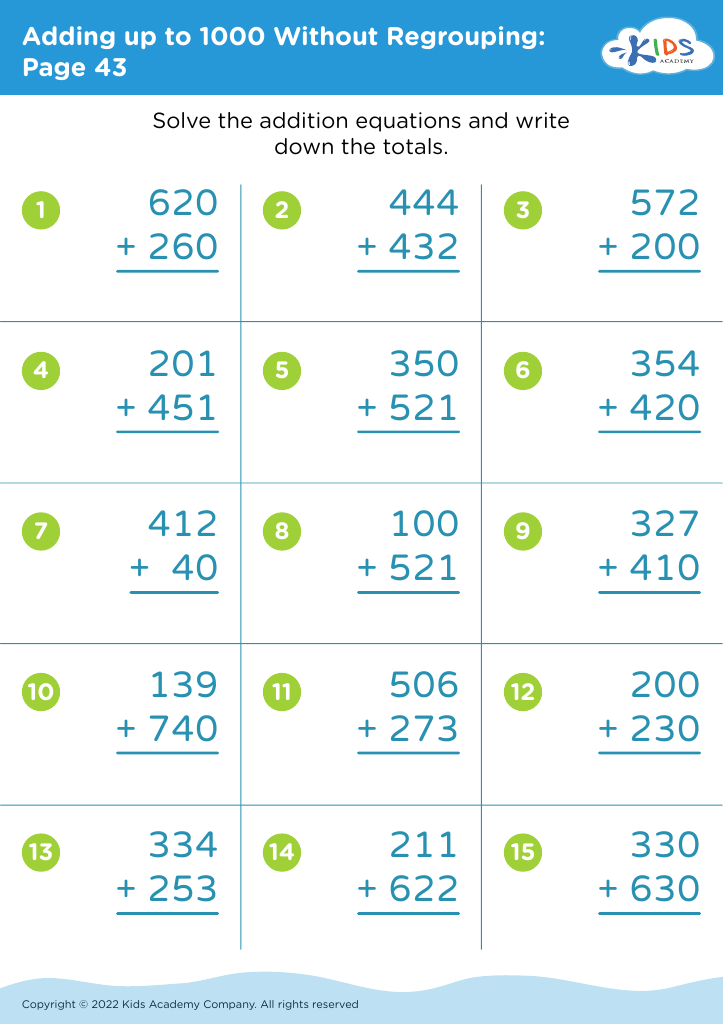






Recognizing patterns is a fundamental skill in Grade 3 mathematics that lays the groundwork for more complex mathematical concepts. For parents and teachers, understanding the importance of this skill is crucial to fostering children's problem-solving abilities and logical thinking. Recognizing patterns helps students identify relationships between numbers, shapes, and operations, enabling them to make predictions and solve problems efficiently.
Engaging with patterns enhances a child's cognitive development and strengthens their analytical skills. For instance, when students recognize a numerical pattern, they can extend it, leading to better comprehension of sequences and operations such as addition and multiplication. Furthermore, patterns resonate across various subjects, including science and art, encouraging interdisciplinary connections and fostering creativity.
Moreover, pattern recognition builds confidence in students’ mathematical abilities. As they successfully identify and use patterns, they develop resilience in tackling challenging problems. Parents and teachers play a vital role in nurturing this skill through interactive activities and real-life applications, thus creating a supportive learning environment. Ultimately, fostering pattern recognition in Grade 3 not only aids academic success but also prepares students for future mathematical learning, making it an essential focus for educators and caregivers alike.