Understanding directions Grade 3 Math Worksheets
3 filtered results
-
From - To
Enhance your third grader's math skills with our "Understanding Directions" worksheets. Designed to promote critical thinking and comprehension, these engaging activities help students interpret and follow various types of directions effectively. From reading maps to understanding complex problems, our worksheets encourage students to decipher instructions accurately, helping them become more confident problem solvers. Tailored to align with grade 3 curriculum standards, these resources foster independent learning and improve essential skills. Download our free printable worksheets today to support your child's learning journey and ensure they grasp the importance of precise directions in mathematical contexts and everyday scenarios!
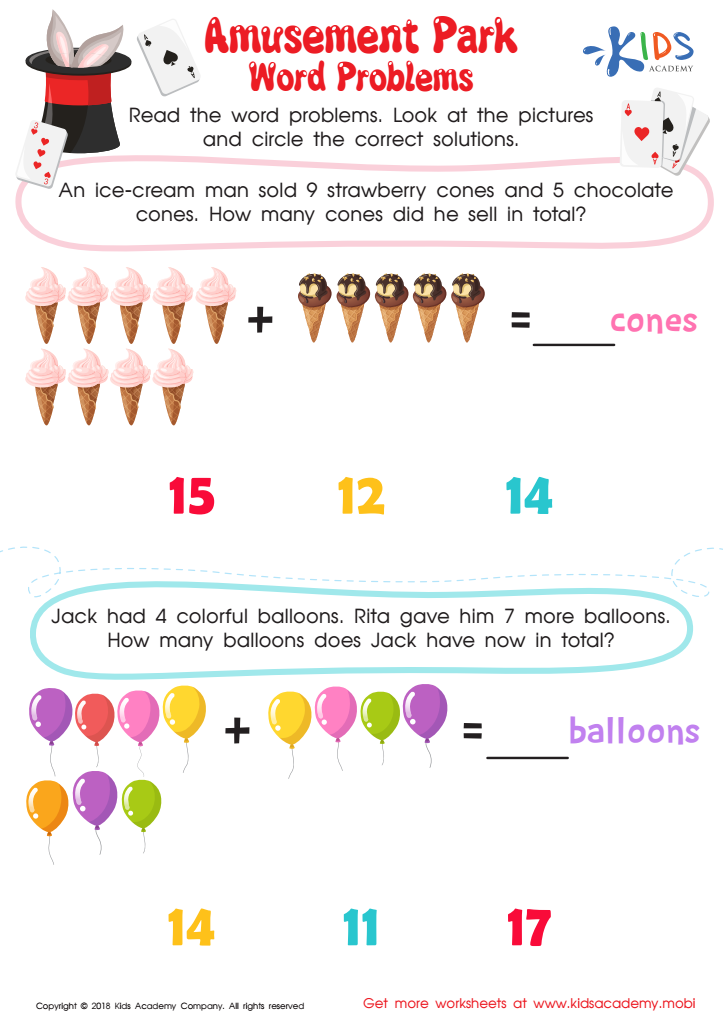
Amusement Park Word Problems Worksheet
 Assign to My Students
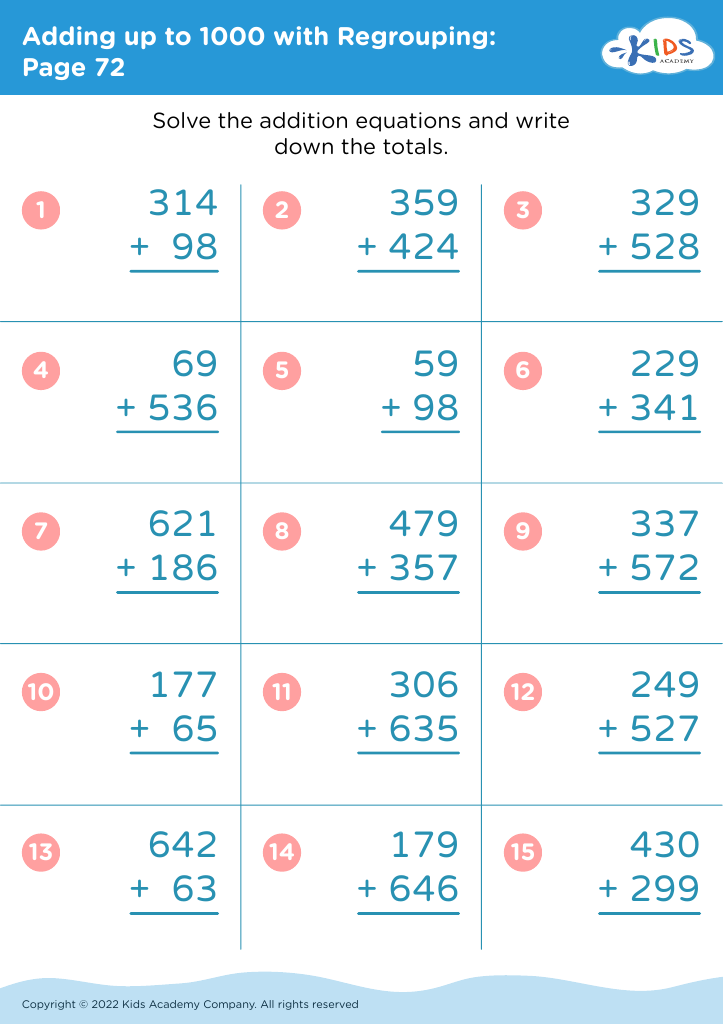






Understanding directions in Grade 3 Math is critical for students' overall academic success and confidence in learning. At this age, children are transitioning from concrete mathematical concepts to more abstract thinking, making it essential that they fully comprehend and follow directions in math exercises. When parents and teachers emphasize this skill, they help students develop strong problem-solving abilities and foster independence in their learning.
Clear understanding of directions enables students to successfully navigate various mathematical operations, whether in word problems, equations, or multi-step calculations. This foundational skill not only boosts their math performance but also instills a sense of responsibility and accountability.
Moreover, the ability to follow directions is vital beyond just math. It equips children with the skills necessary for future academic challenges and real-life situations. Parents and teachers can support this understanding by providing clear, age-appropriate instructions and encouraging questions. Engaging in discussions and practicing through games and activities can enhance comprehension. Ultimately, prioritizing direction-following skills in Grade 3 Math prepares students for future success in both mathematics and broader life experiences, setting a strong foundation for lifelong learning.