Vocabulary development Grade 3 Science Worksheets
4 filtered results
-
From - To
Enhance your third grader's science vocabulary with our engaging Vocabulary Development worksheets! Designed specifically for Grade 3, these worksheets promote exploration and understanding of key scientific concepts. With a variety of activities, including word searches, matching, and sentence creation, students will expand their lexicon while reinforcing critical thinking skills. Our easy-to-follow format makes it simple for teachers and parents to support vocabulary growth in an interactive way. Each worksheet aligns with grade-level standards and encourages young learners to discover science in a fun, meaningful context. Download our free resources today and watch your child's confidence in science language flourish!
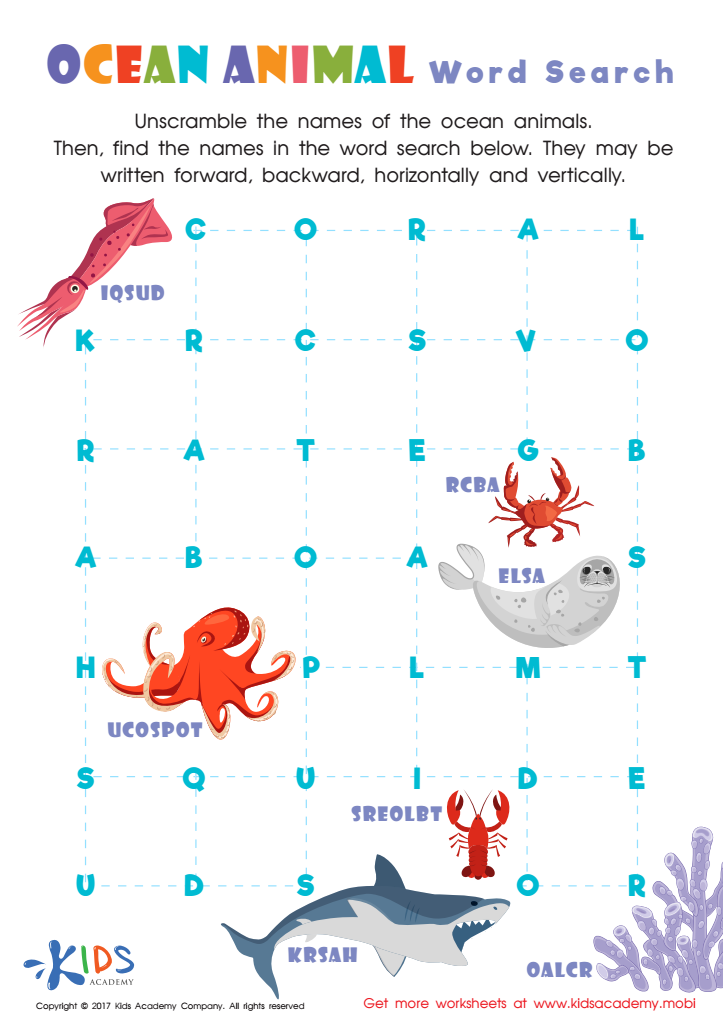
Ocean Animals Word Search Printable
 Assign to My Students
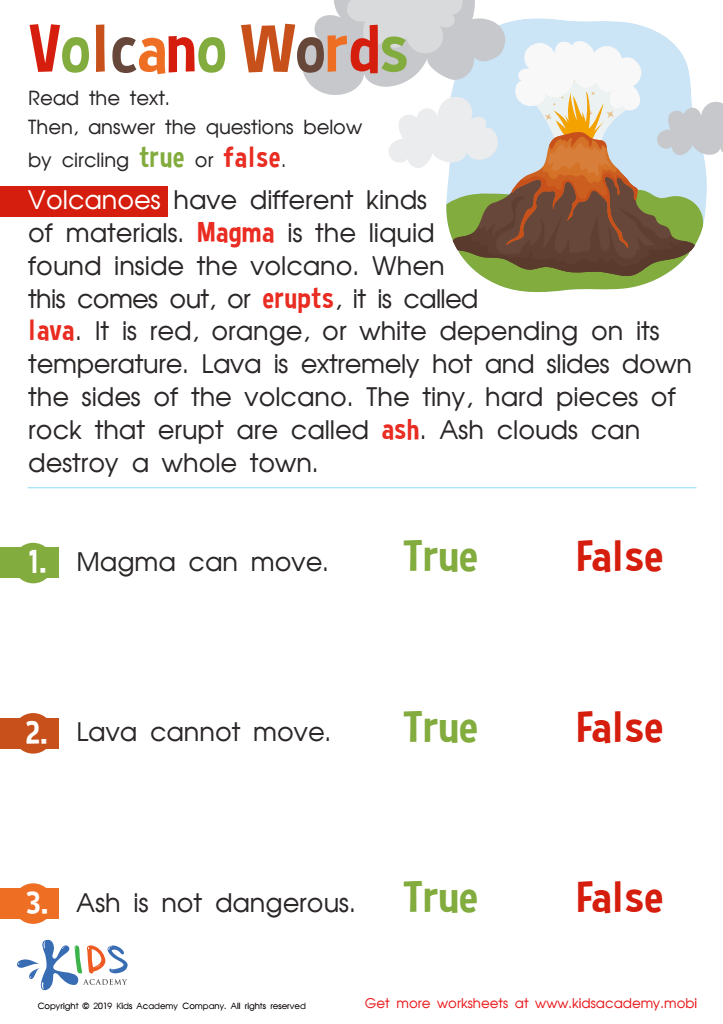
Volcano Words Worksheet
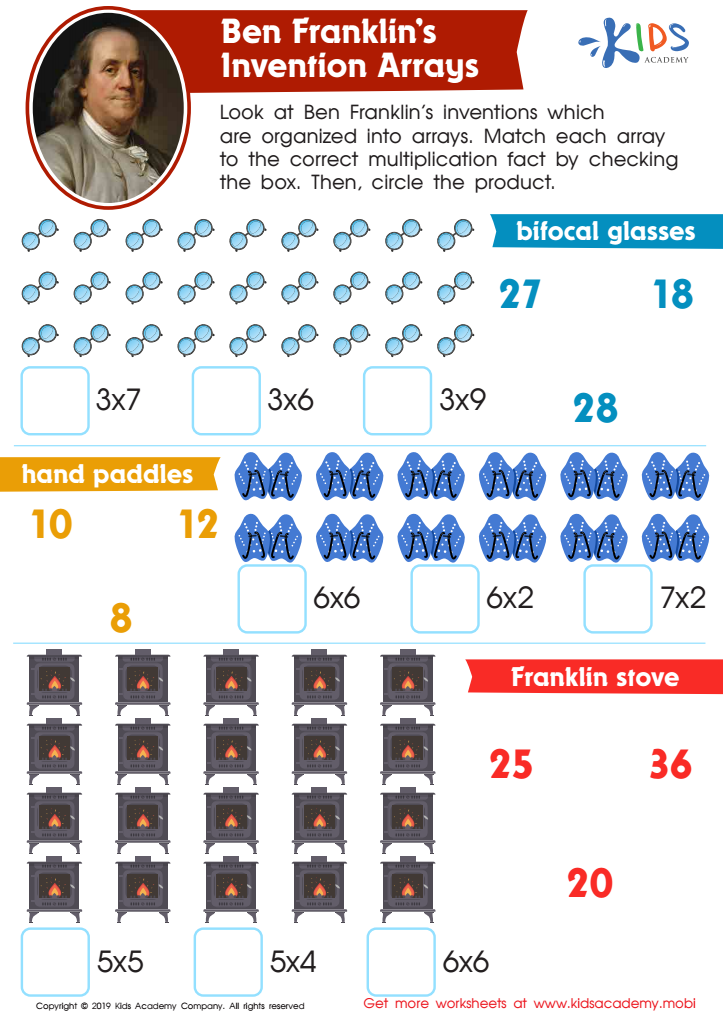
Ben Franklin’s Invention Arrays Worksheet
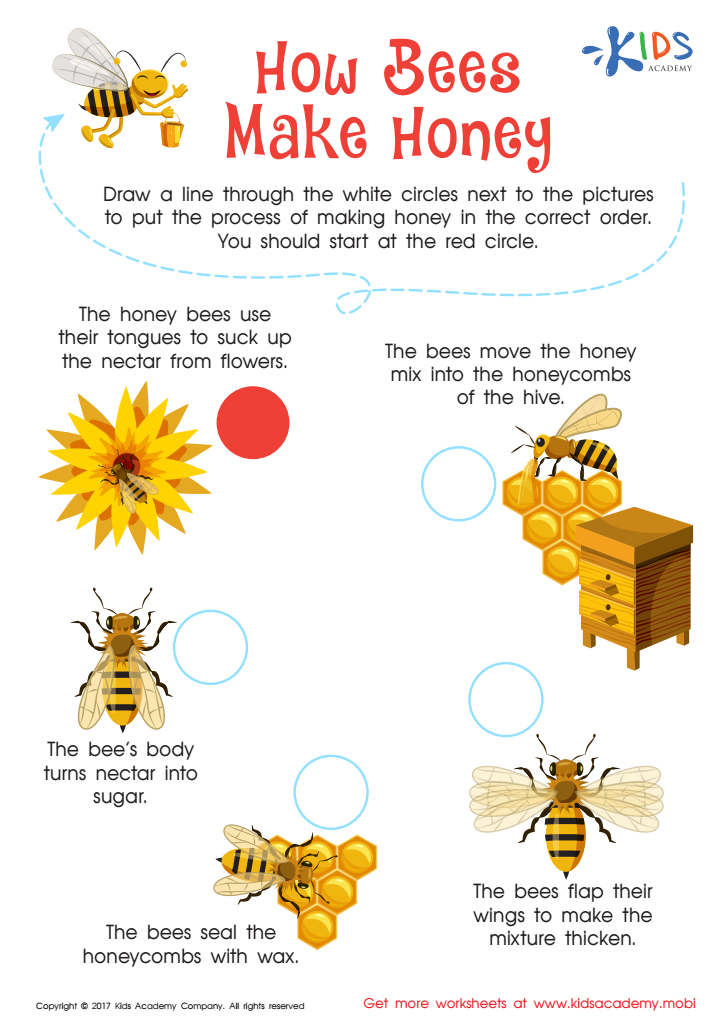
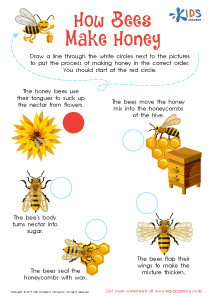
Honey Bee Worksheet







Vocabulary development in Grade 3 science is crucial for several reasons. First, a solid vocabulary allows students to understand scientific concepts and engage in discussions about them. At this stage, students are introduced to more complicated terms and ideas that form the foundation for future learning. An extensive vocabulary enables them to grasp essential concepts like ecosystems, life cycles, and physical properties, all of which are prevalent in the Grade 3 science curriculum.
Moreover, vocabulary development strengthens reading comprehension. Students need to learn and process new words to interpret science texts effectively. When teachers and parents emphasize vocabulary, they equip students with the tools necessary to make connections and think critically about what they learn.
Additionally, a rich vocabulary enhances students' ability to communicate their thoughts and questions about scientific phenomena. This fosters curiosity and engagement, promoting a lifelong interest in science.
By prioritizing vocabulary development in Grade 3 science, parents and teachers can enhance students' academic performance, stimulate intellectual growth, and nurture a generation of informed individuals ready to tackle science-related challenges in the future. This foundational skill helps integrate various subjects, making science more relatable and accessible to young learners.