Reading comprehension Grade 3 Social Studies Worksheets
33 filtered results
-
From - To
Enhance your third grader's understanding of social studies with our engaging reading comprehension worksheets! Tailored specifically for Grade 3, these printable resources help students improve their reading skills while exploring key social studies concepts. Each worksheet features informative passages complemented by thought-provoking questions designed to engage young minds. Our worksheets cover a variety of topics, including geography, history, and community life, ensuring a well-rounded educational experience. With user-friendly formats and colorful designs, learning becomes an enjoyable adventure. Equip your child with essential skills today—download our Reading Comprehension Grade 3 Social Studies Worksheets and watch their confidence soar!
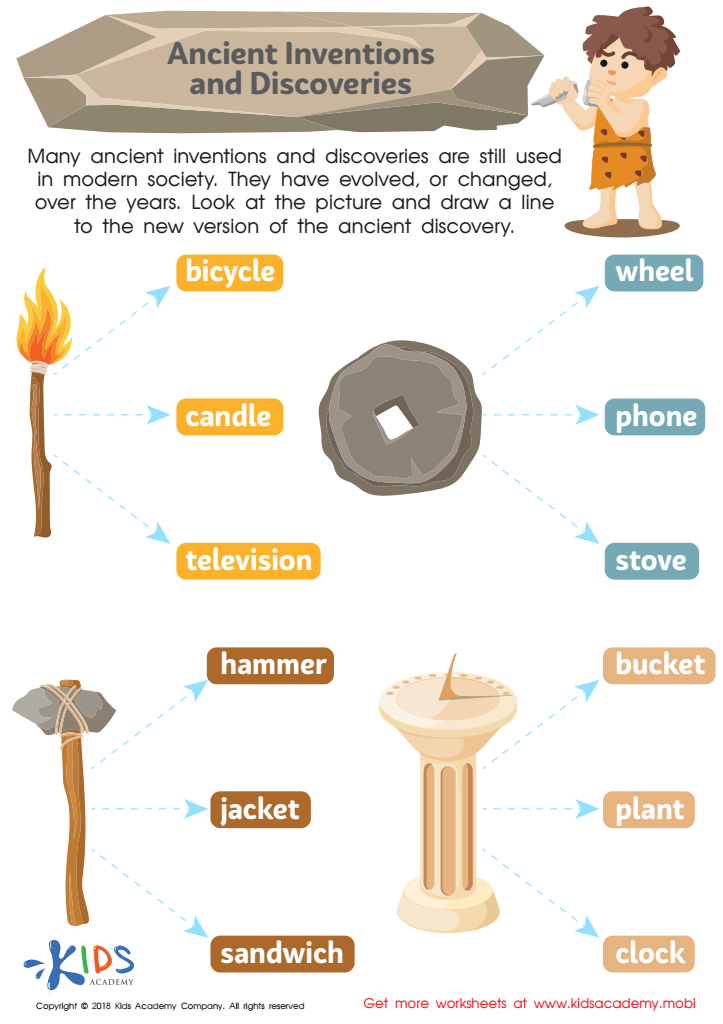
Ancient Inventions and Discoveries Worksheet
 Assign to My Students
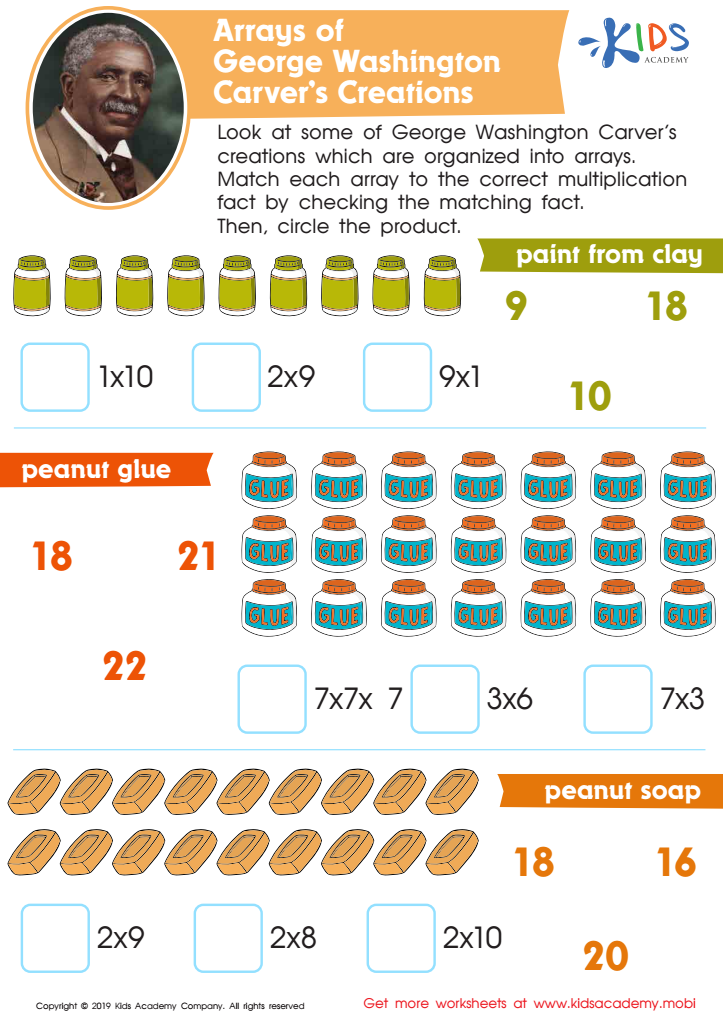
Arrays of George Washington Carver’s Creations Worksheet
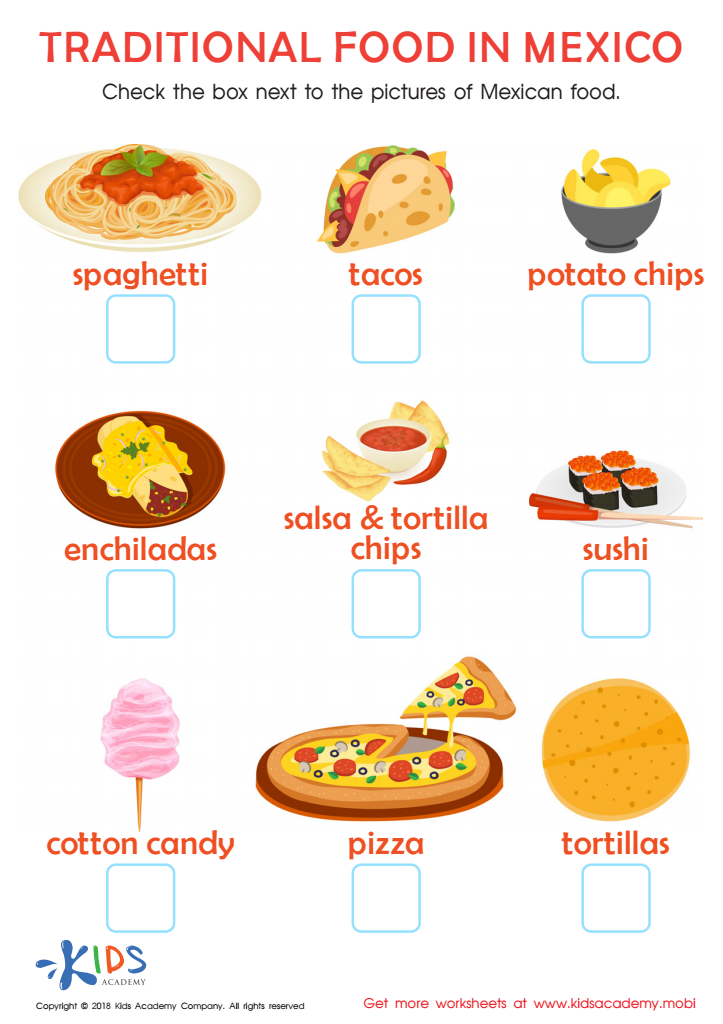
Traditional Food in Mexico Worksheet
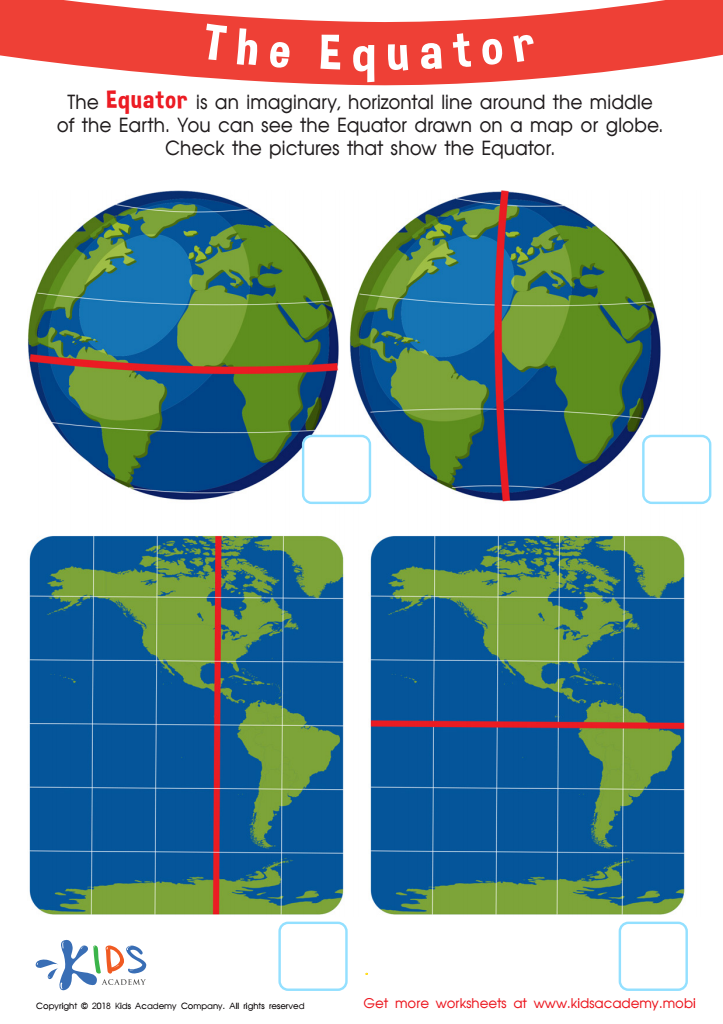
The Equator Worksheet
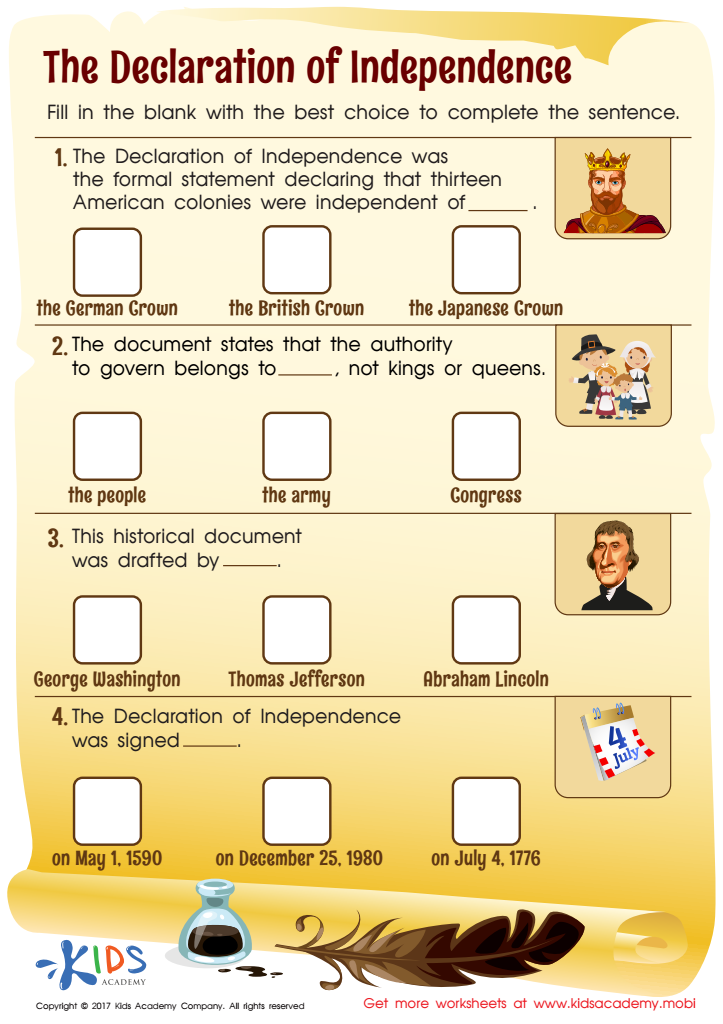
Declaration of Independence Worksheet
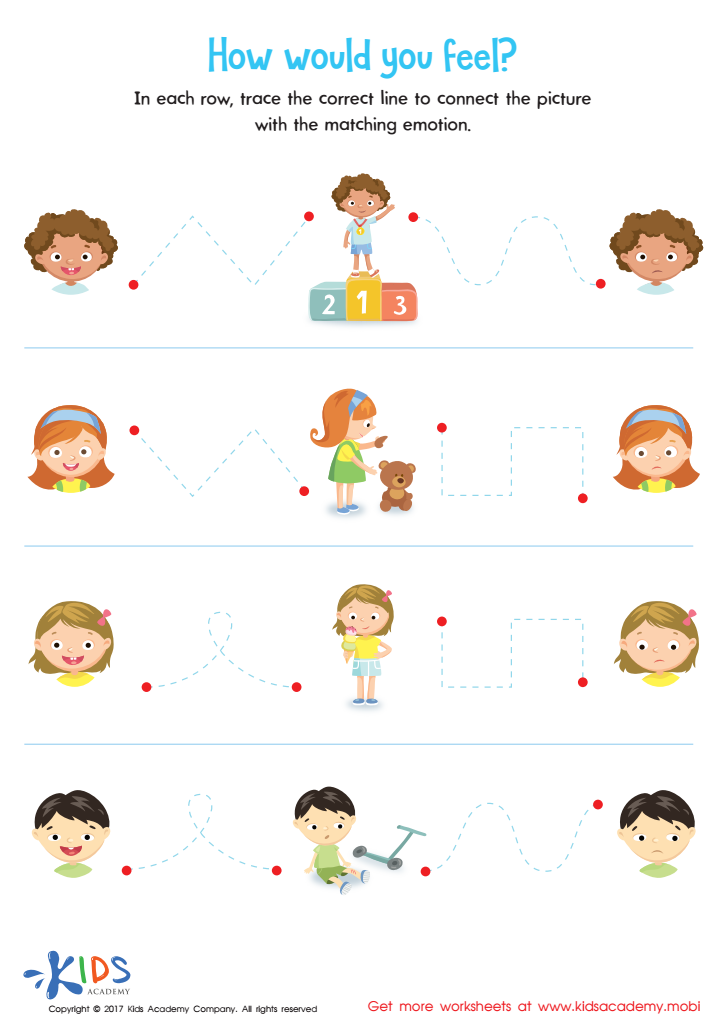
Feelings and Emotions Worksheet
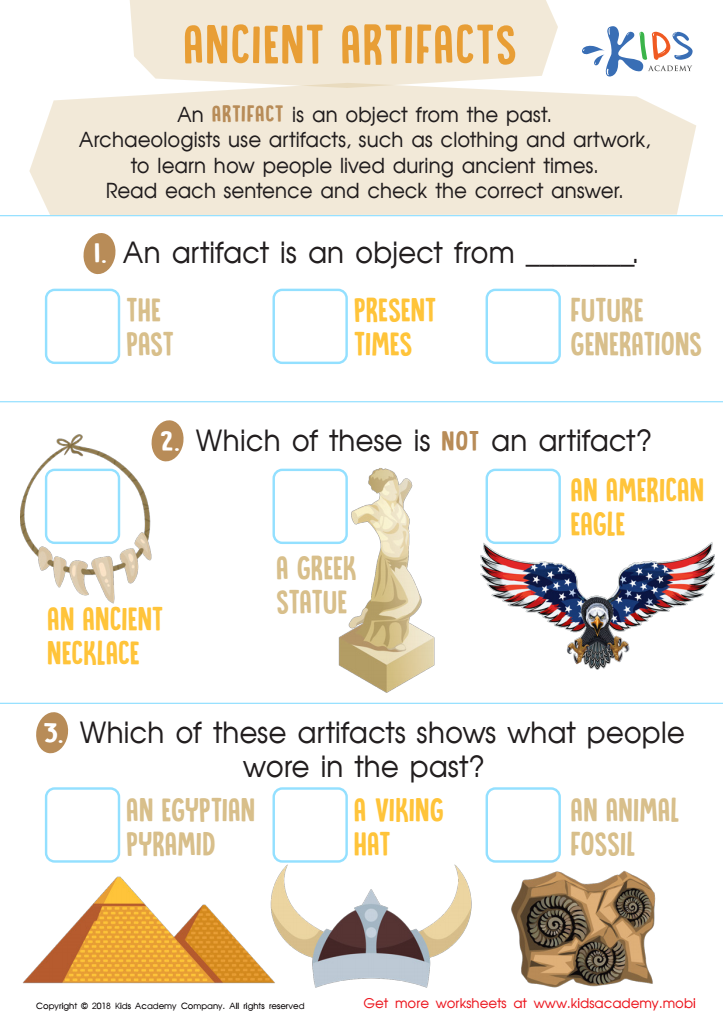
Ancient Artifacts Worksheet
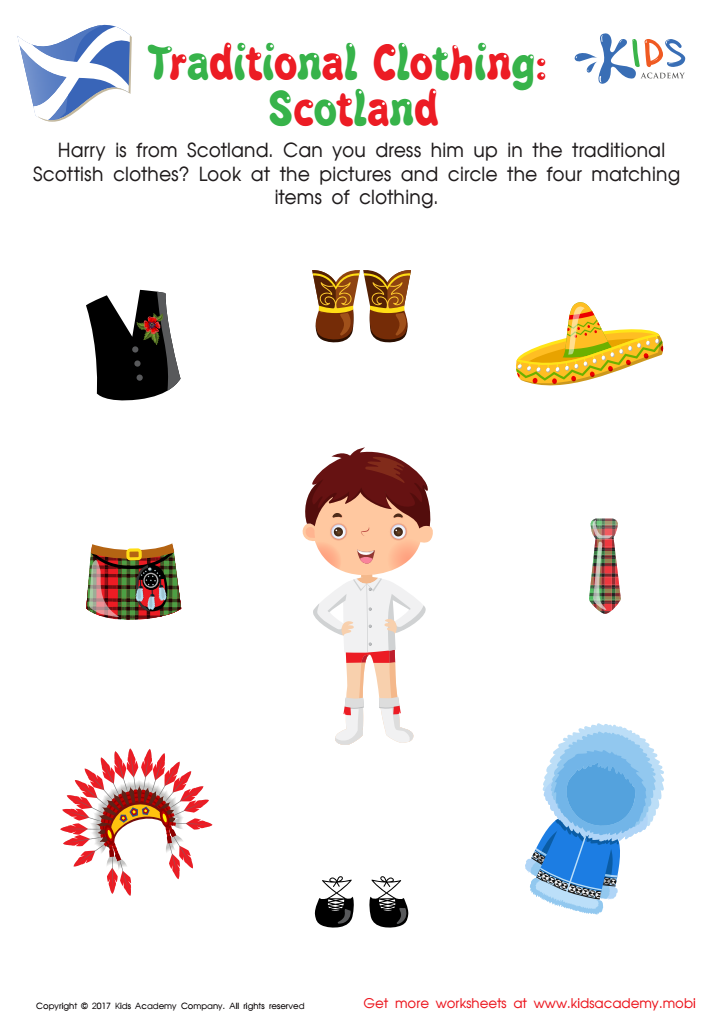
Traditional Clothing in Scotland Worksheet
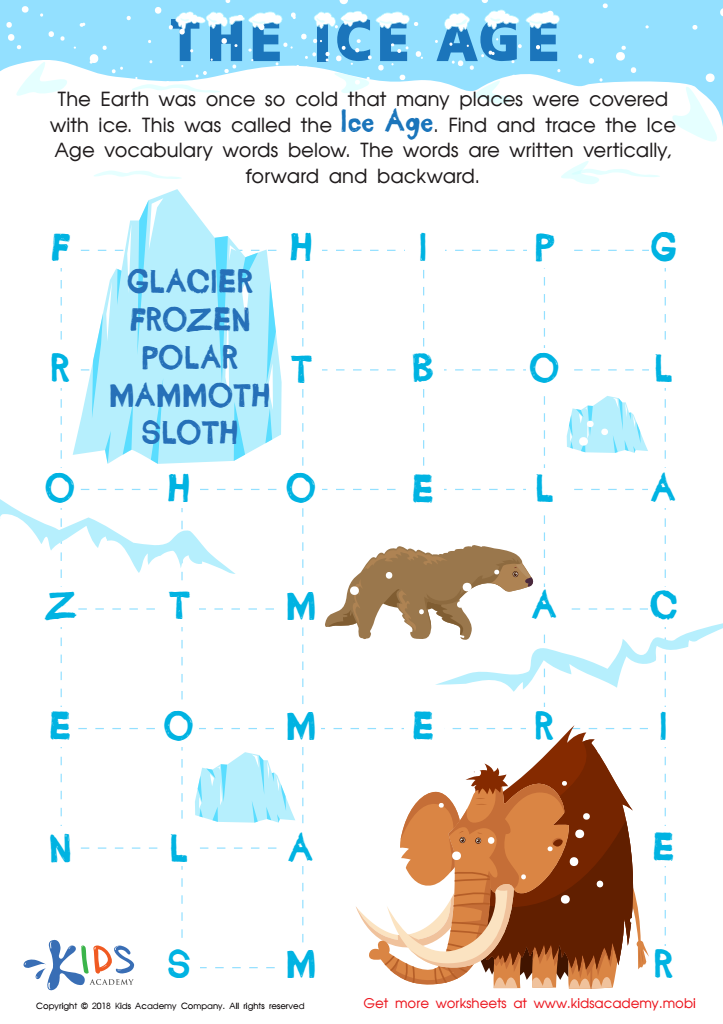
The Ice Age Worksheet
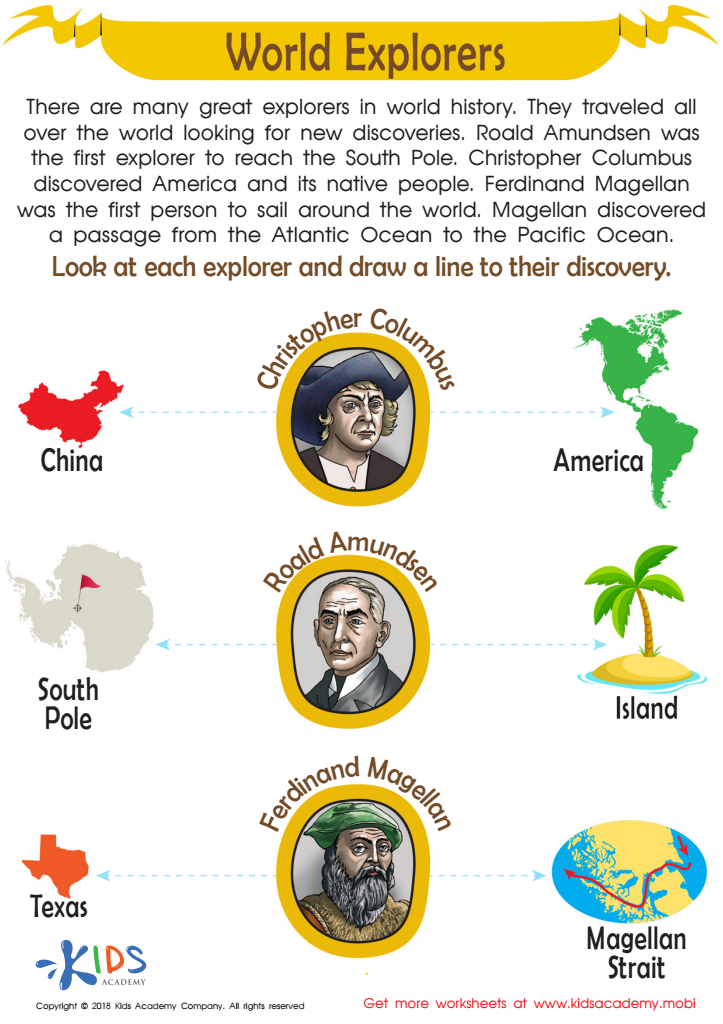
World Explorers Worksheet
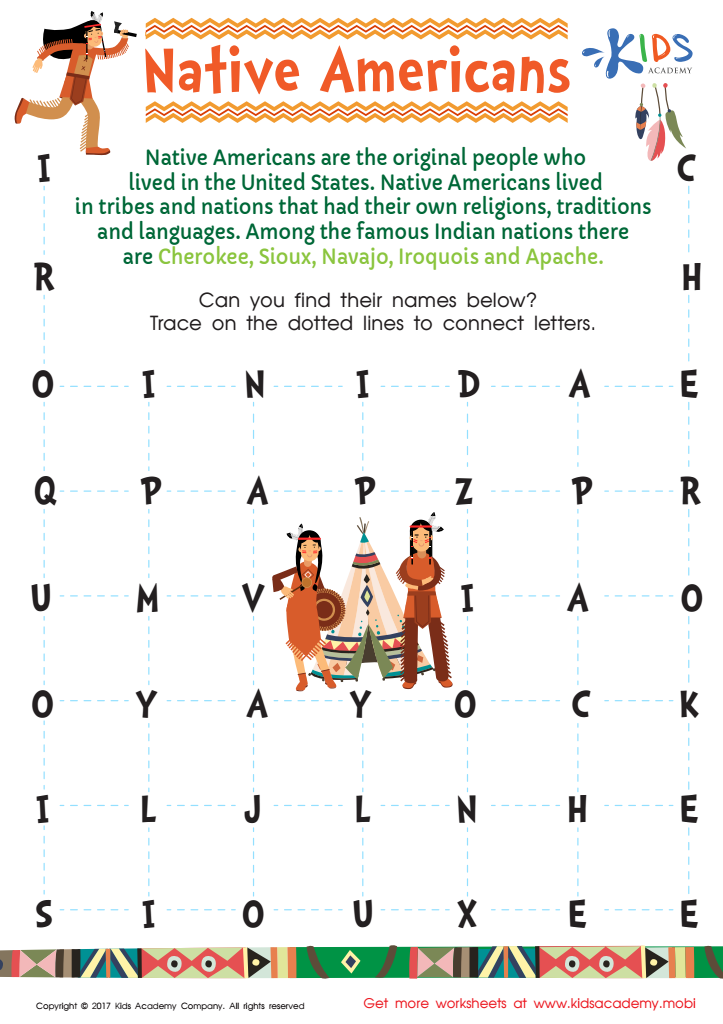
Native American Word Search Printable
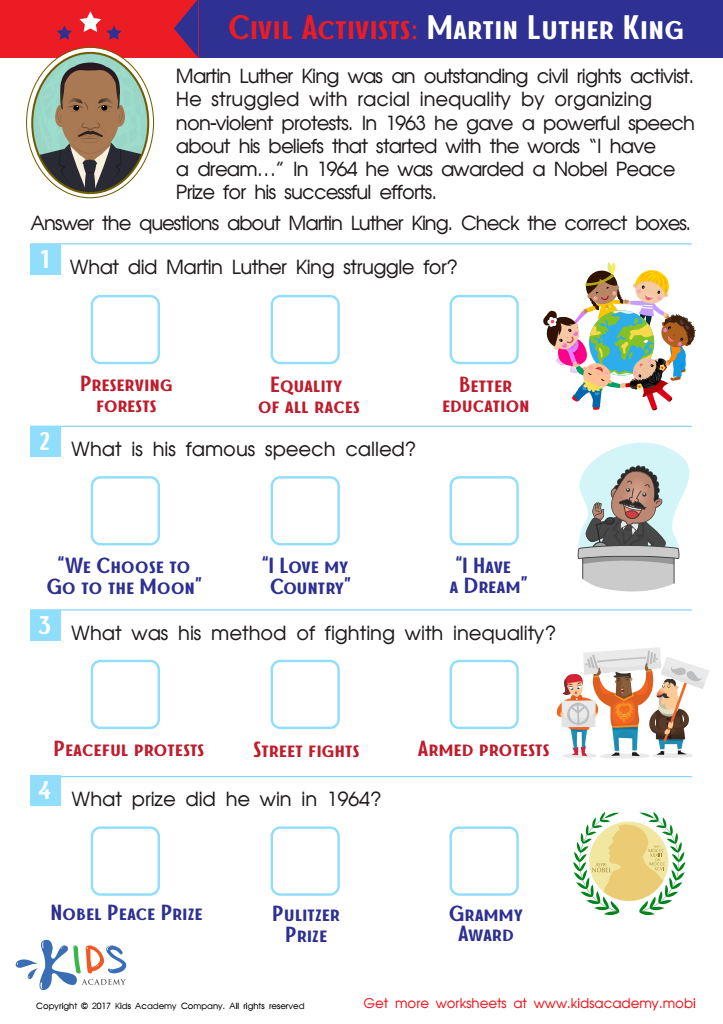
Martin Luther King Worksheet
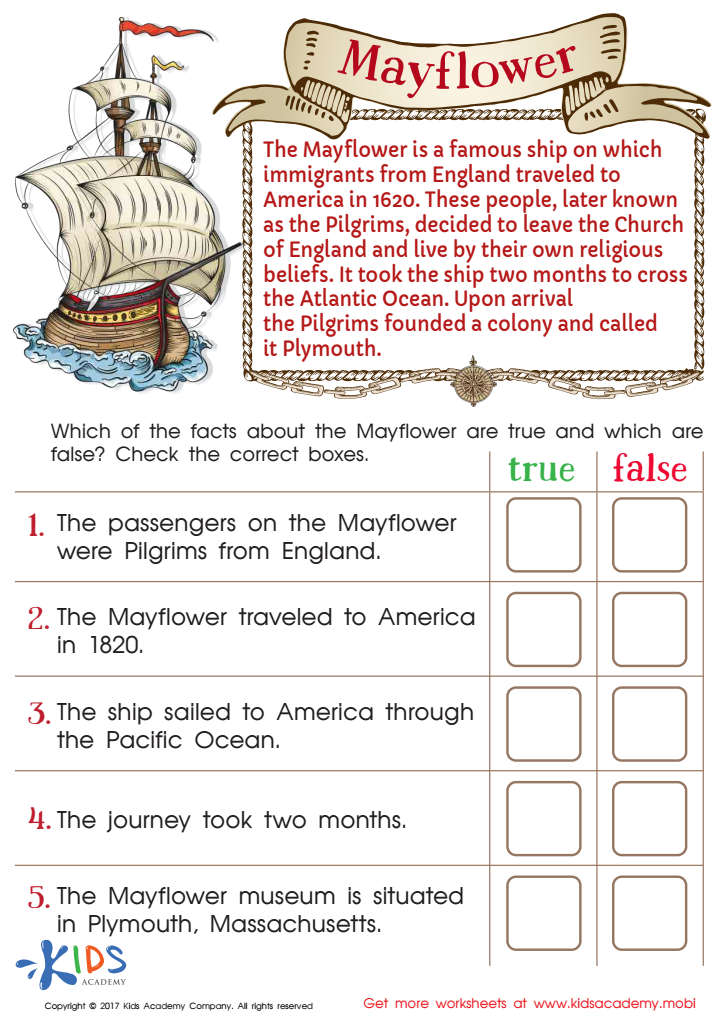
Free Mayflower Worksheet
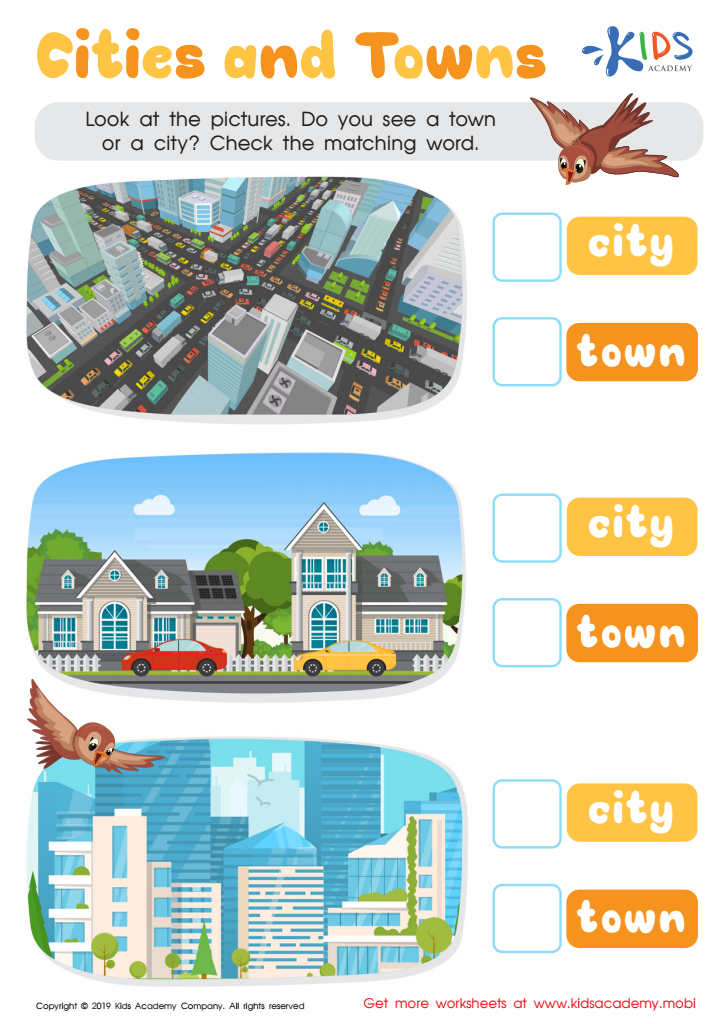
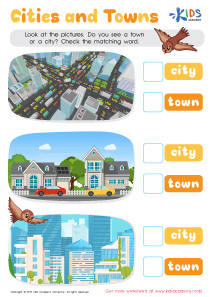
Cities and Towns Worksheet
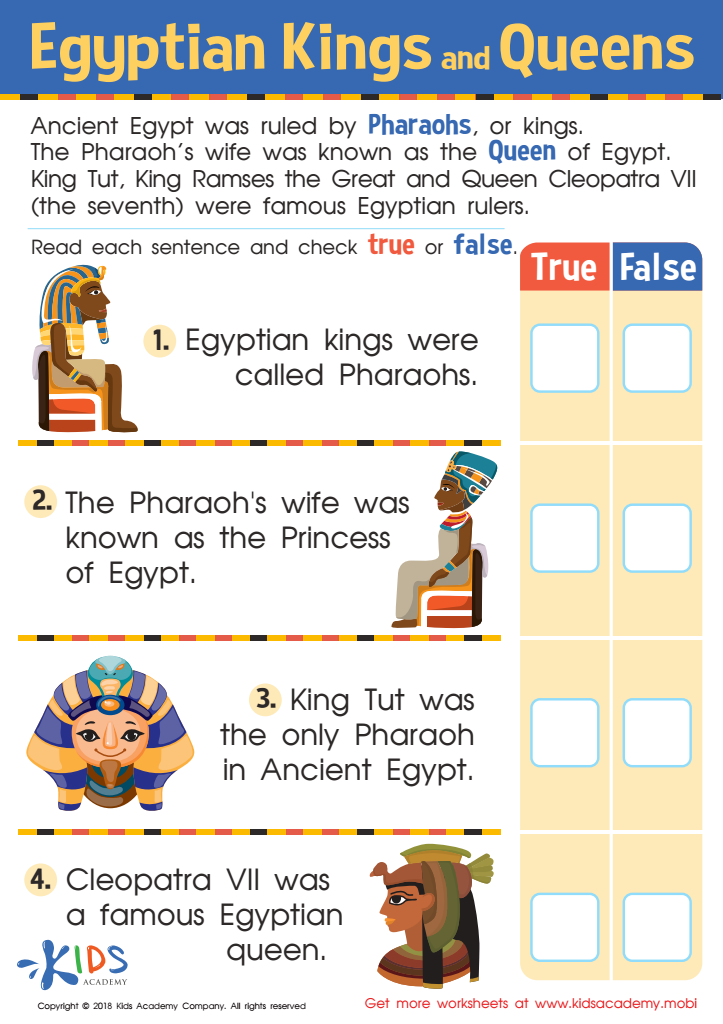
Egyptian Kings and Queens Worksheet
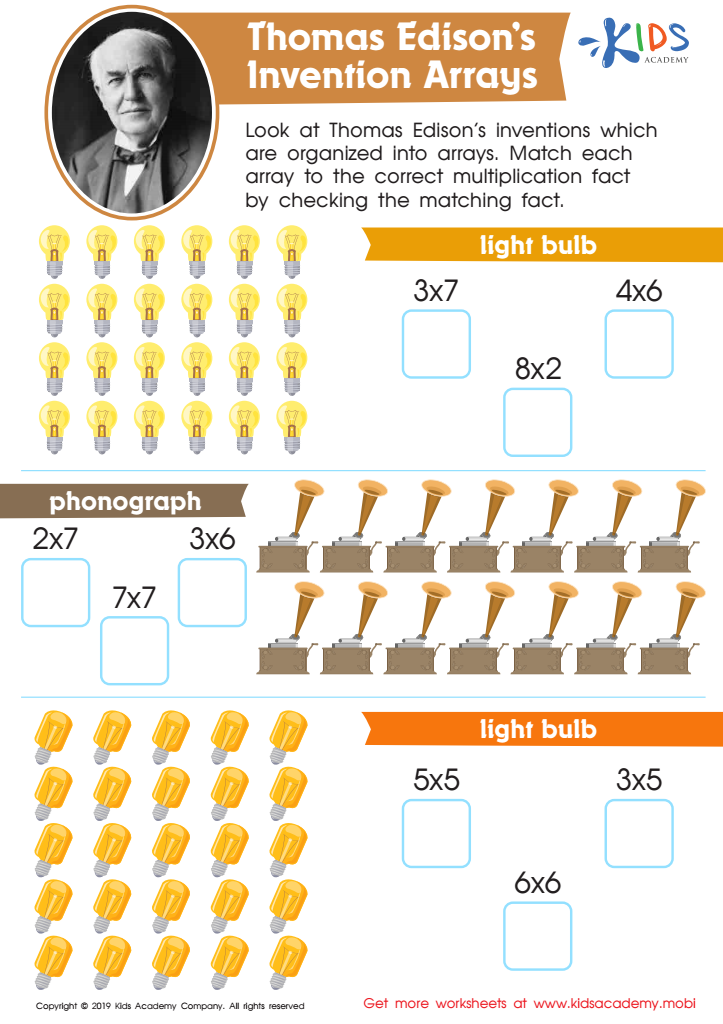
Thomas Edison’s Invention Arrays Worksheet
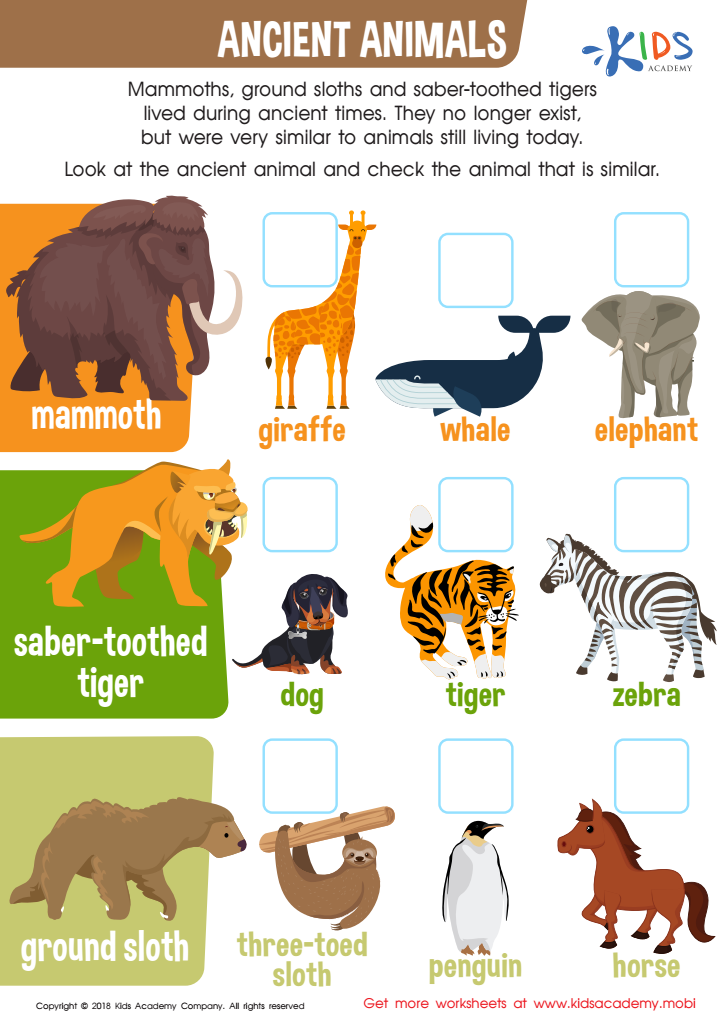
Ancient Animals Worksheet
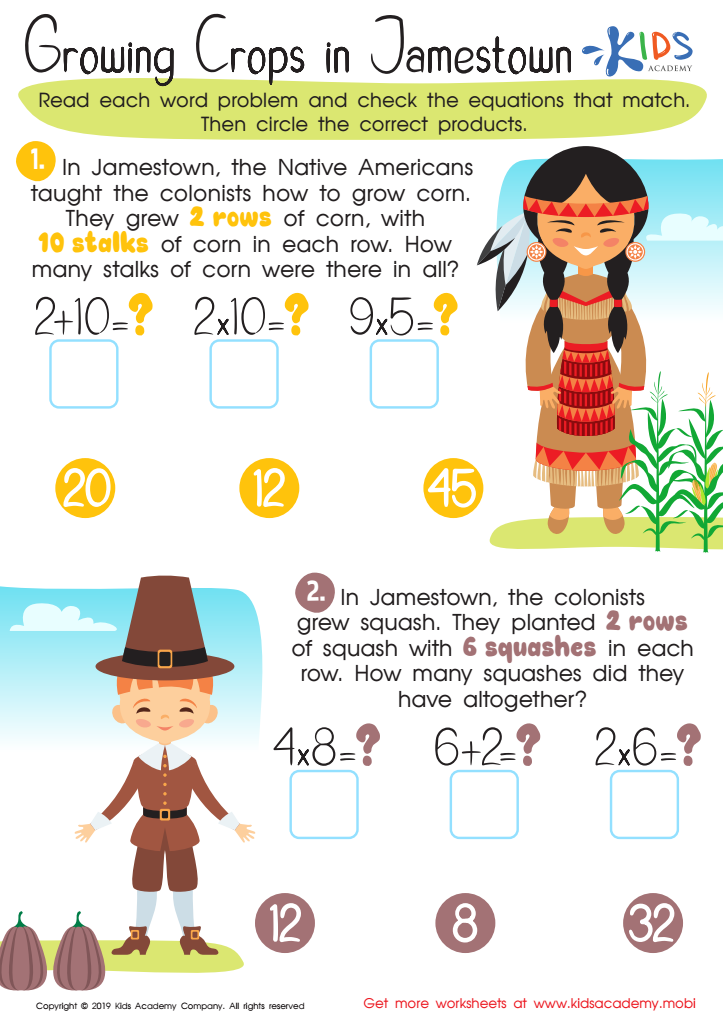
Growing Jamestown Worksheet
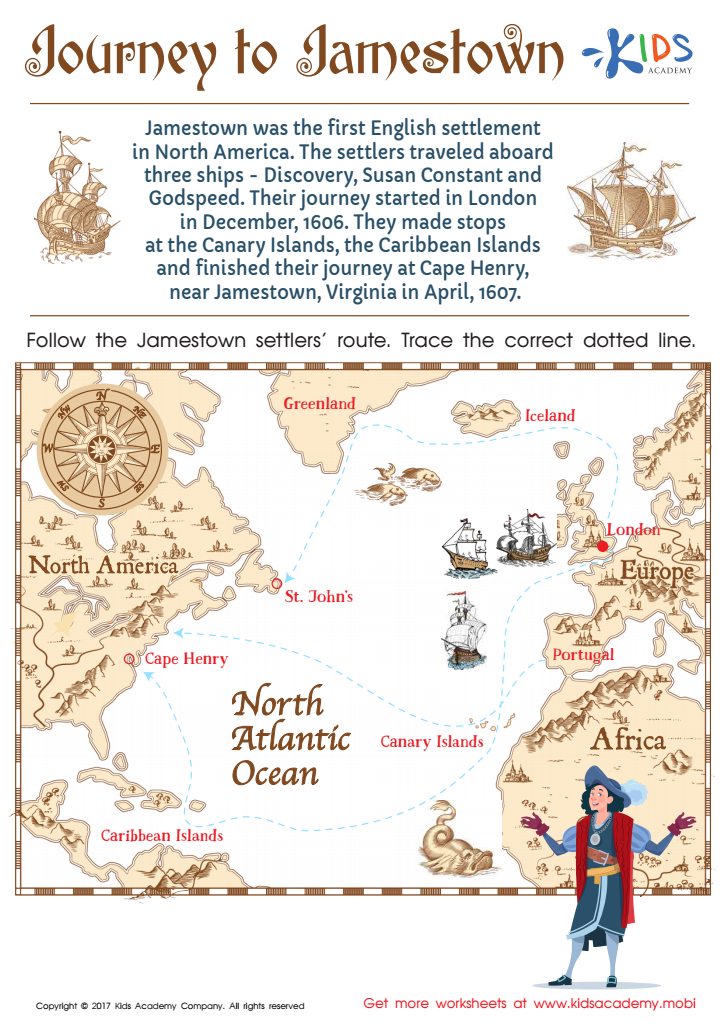
Journey to Jamestown Worksheet
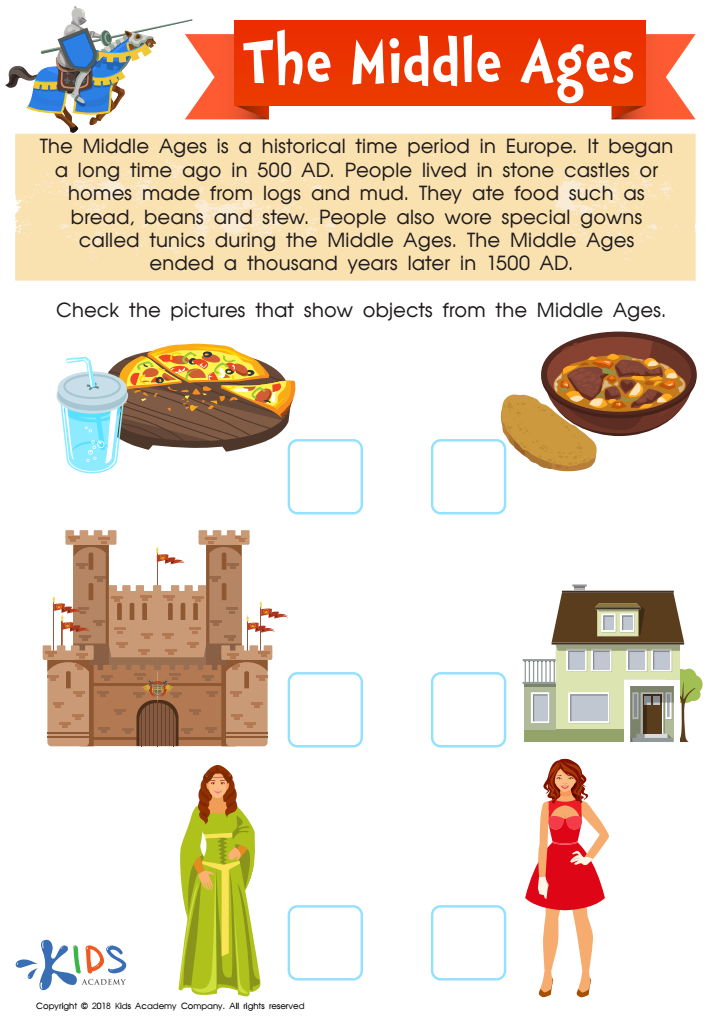
The Middle Ages Worksheet
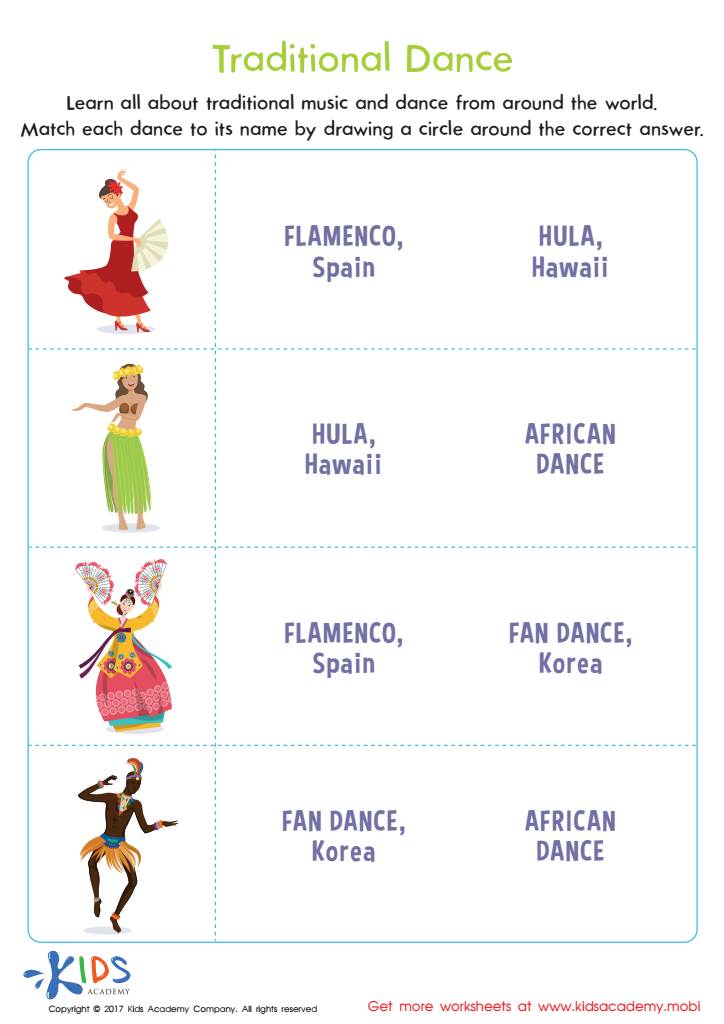
Traditional Dance Printable
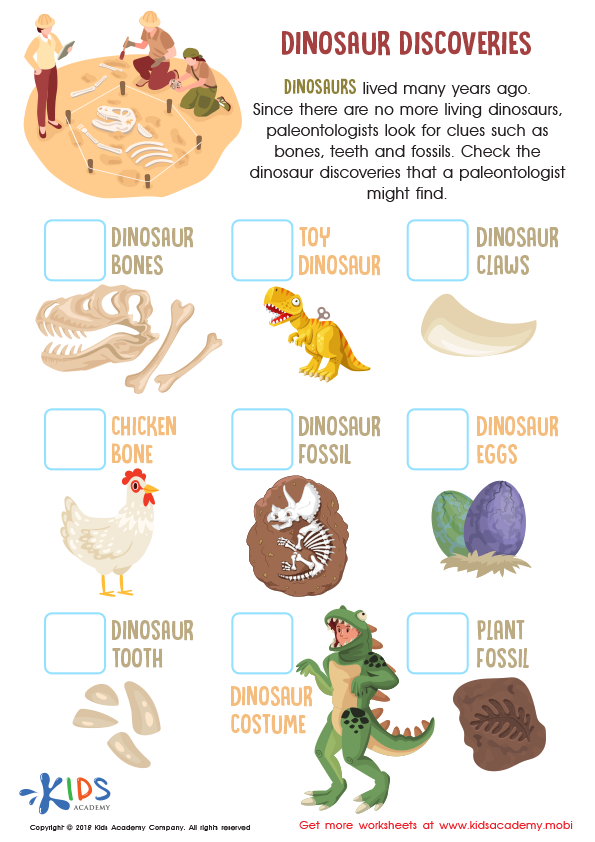
Dinosaur Discoveries Worksheet
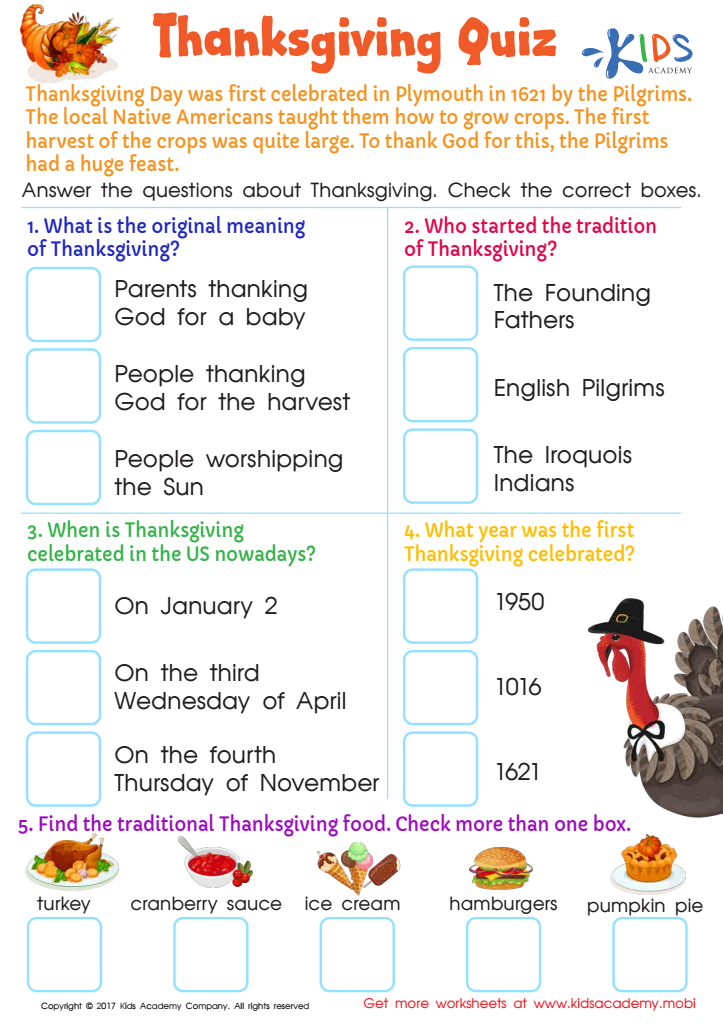
Thanksgiving Quiz Worksheet
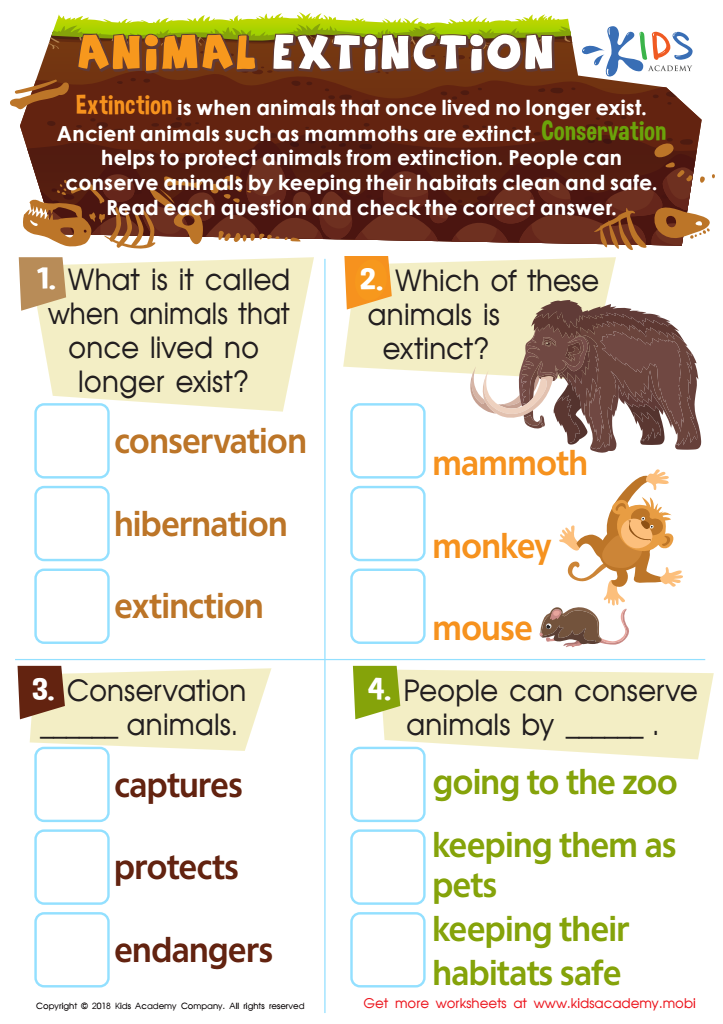
Animal Extinction Worksheet






Reading comprehension in Grade 3 Social Studies is crucial for several reasons. At this stage, children are transitioning from learning to read to reading to learn, making strong comprehension skills essential for their overall academic success. Understanding Social Studies content—such as geography, history, and civic education—relies heavily on a child's ability to grasp and retain written information.
Parents and teachers should care about this because well-developed reading comprehension skills enhance critical thinking and analytical abilities, allowing students to make connections between past events and their implications for the present. Social Studies helps students understand their culture, community, and the world around them, fostering informed citizenship.
Moreover, strong reading comprehension promotes engagement and interest in the subject matter. When children understand what they read, they are more likely to participate in discussions, complete assignments with enthusiasm, and cultivate a lifelong love for learning. Additionally, comprehension skills are foundational for success in other subjects; inadequate skills can hinder a child's academic progress overall.
Ultimately, supporting reading comprehension in Social Studies equips children with the tools they need for critical analysis of societal issues, preparing them for informed and active roles in their communities. This collaborative effort between parents and teachers is vital for nurturing well-rounded, knowledgeable future citizens.