Blog - Page 16



A Healthy Mindset - A Happy Child
Aug. 3, 2022

There are a lot of misconceptions in society about the reasons behind weight gain, specifically that it is purely down to laziness. This assumption often leads to stigma and cruelty to those who are overweight. This cruelty is unacceptable and can be the cause of bullying attitudes to those struggling with their weight. Today’s article, the final in the series on childrens’ weight issues, will explore the connection between psychological and emotional problems and a child’s overall holistic health and wellbeing, specifically their physical health and weight.

Challenges Children Face in Classroom After the Pandemic and Ways to Address Them
July 29, 2022

Children who will just be starting school this year have been uniquely impacted by the COVID-19 pandemic: they have had to stay indoors for a long time – with little to no opportunity to make friends or socialize thus having fewer stimuli for emotional and physical development.
As a teacher, I’ve noticed different concerns from the parents of children that are starting their studies or going back to school. In this article, I’ll outline the four major ones and will suggest ways to address them.
Teach and Learn to Compare
July 25, 2022
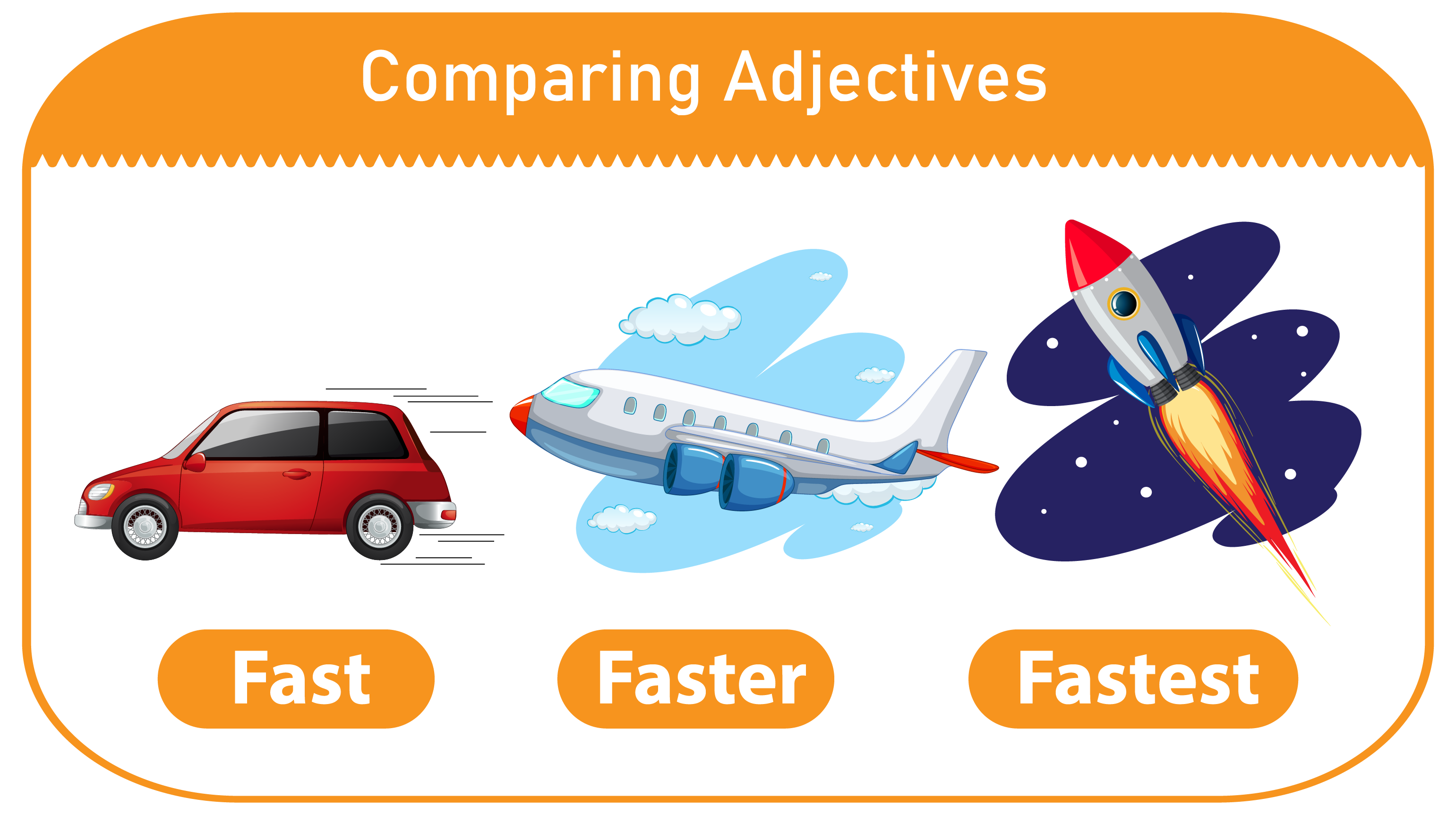
From youth, kids frequently make correlations, on account of which they can recognize their most loved toys, shoes, or even places. For this, comparatives and exemplifications are typically utilized, which lay out contrast and sort out the things with which kids cooperate consistently. These kinds of words work with correspondence since they lay out contrasts or similitudes between specific gatherings of articles, individuals or creatures, giving more data about them. Be that as it may, similar and standout descriptors in English have various purposes and are framed in various ways.
Gravitational and Wind Energies: Forms of Energy for Kindergarten
July 19, 2022
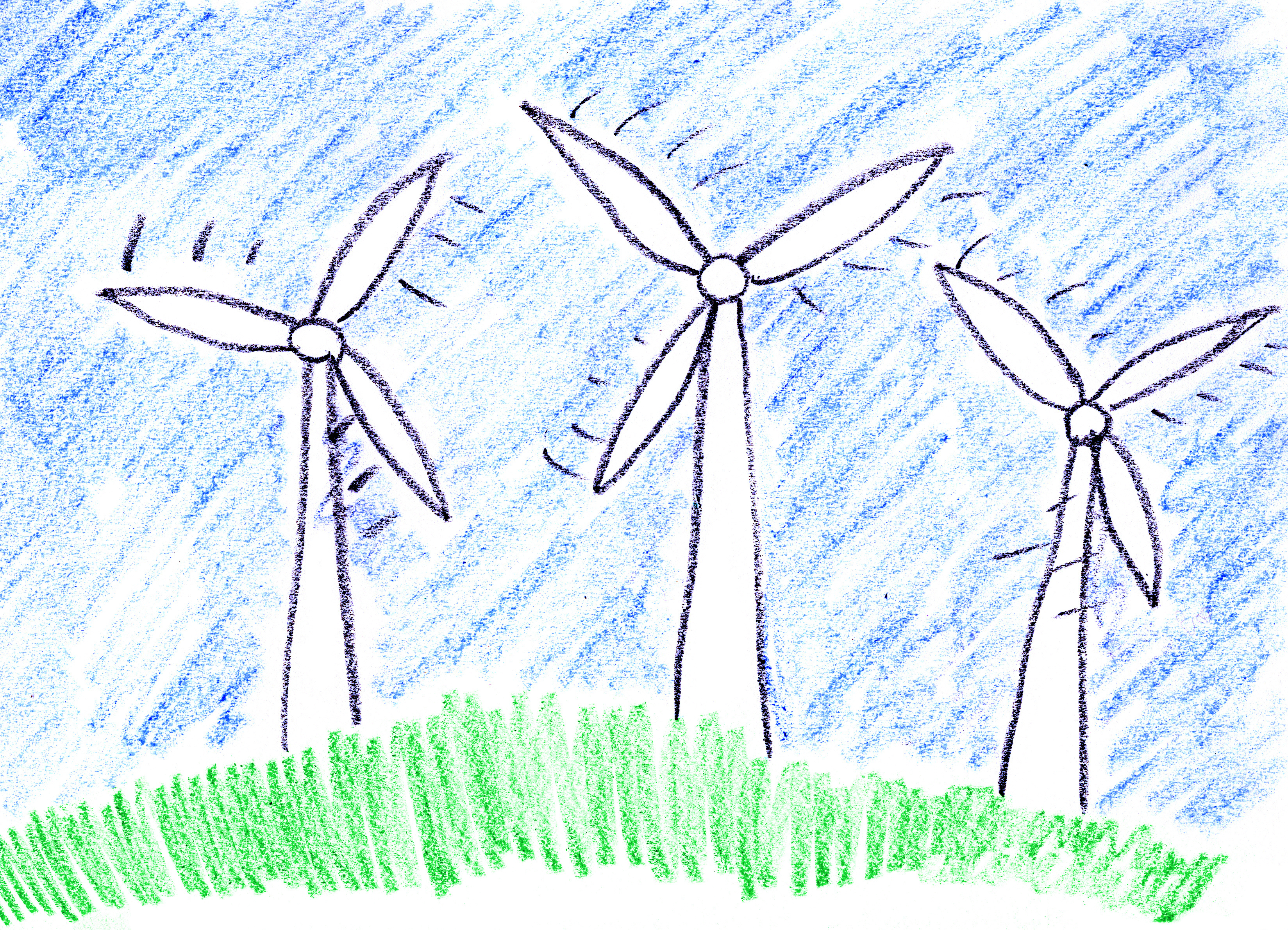
It was discussed in the article Kindergarten Physical Science: Energy, Force, and Motion that there are two main categories of energy. And these are the potential energy and the kinetic energy. And under these categories are the more specific types of energy which include gravitational, chemical, elastic, wind, heat, and electrical energies. Of the types of energies mentioned, the first three are classified as potential energy, wind being kinetic, and heat and electrical energies as both potential and kinetic.
Chess in the Digital Age
July 19, 2022
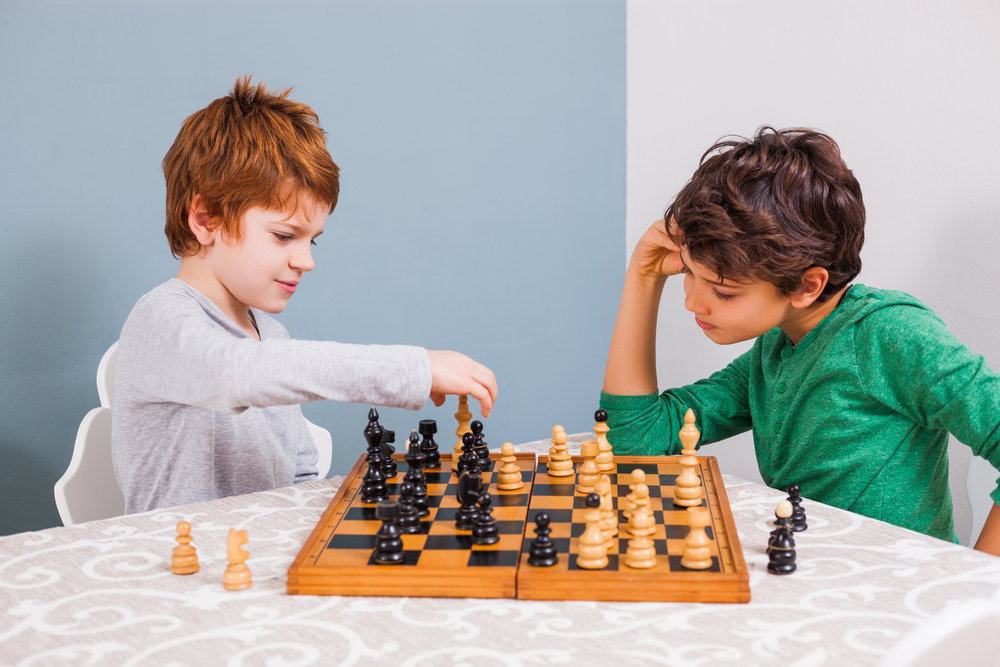
The amazing game of chess has withstood the test of time, becoming known as one of the world’s greatest games! While gameplay has remained much the same, the culture of chess players, tournaments, and the access to training software has evolved to reach and connect with younger generations. While your child learns how to play chess, excite him or her with the fascinating ways technology has influenced game for good!
Comparing Fractions
July 12, 2022

Previously, your children have learned to recognize equivalent fractions. Today, you will facilitate the learning of your kids on the topic on comparing fractions.
Life Science for Third-Graders: Reptiles and Amphibians
July 5, 2022
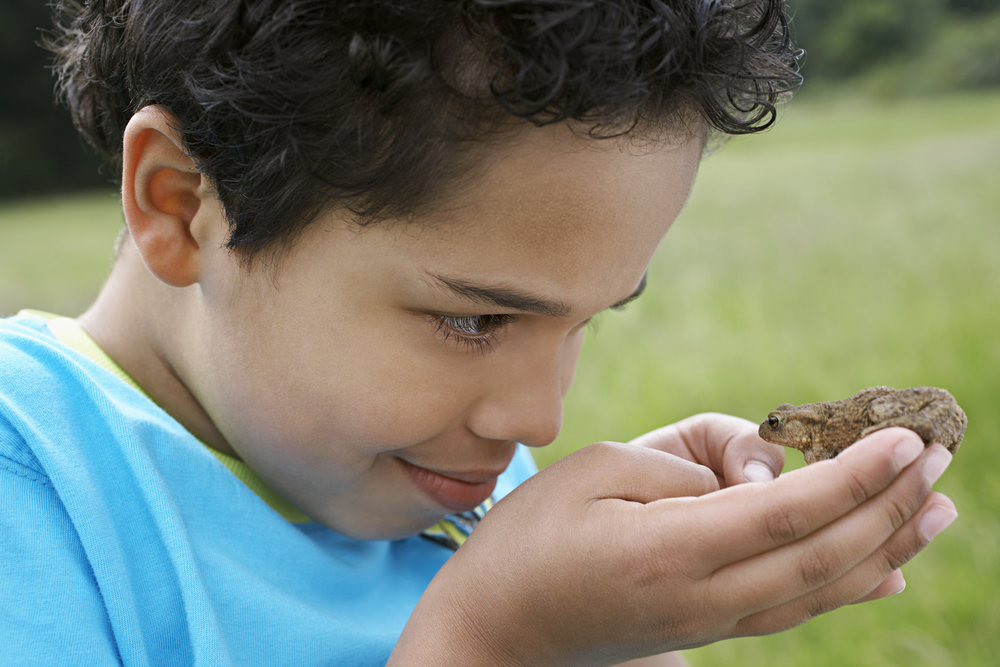
This article aims at giving your child a glance at the crucial role of both reptiles and amphibians in the ecosystem along with everything there is to know about these amazing creatures. The article at Kids Academy entitled “Major Animal Groups Your Kids Should Know” introduces other major animal groups that comprise the Kingdom Animalia as well as the significant differences between vertebrates and invertebrates.
The 4th of July: An American Independence
July 1, 2022

Independence Day is one of the most celebrated American holidays that is often accentuated by colorful parades during the day and gleaming fireworks at night. As much as the 4th July marks a very significant part of American history, a lot of kids these days know very little as to what it really stands for. Through this article, you can take your kids on a short trip down memory lane that spans centuries of symbolic struggle and perseverance.
Festive 4th of July Activities Fit for the Whole Family
June 28, 2022

Last year, the usual fireworks displays and festivities went virtual as families stayed home and watched on TV and gathered around Zoom due to the Covid-19 pandemic. After last year’s disappointing 4th of July, families are now excited for a much more exciting Independence Day! Kids Academy wants to get in on the fun, and is offering families special savings on our app, as well as exciting ideas for your festivities! Keep reading to find a useful promo code as well as 4 fabulous crafts and games to use to get your kids ready for the 4th of July!
3rd Grade Life Science: Major Animal Groups Your Kids Should Know
June 27, 2022

As your child begins to throw some questions at you as to why birds can fly and dogs just bark and run, or why fishes can breathe underwater whereas cats hate the idea of getting wet, take the opportunity of giving them a glimpse of the entire animals kingdom by introducing its major groups - mammals, fish, birds, reptiles, and amphibians. This subject simply gives third graders the idea as to how diverse animals are. Through such discussion, kids get to learn the similar traits and significant differences animals have.