Tracing worksheets activities for Ages 3-8 - Page 3
186 filtered results
-
From - To
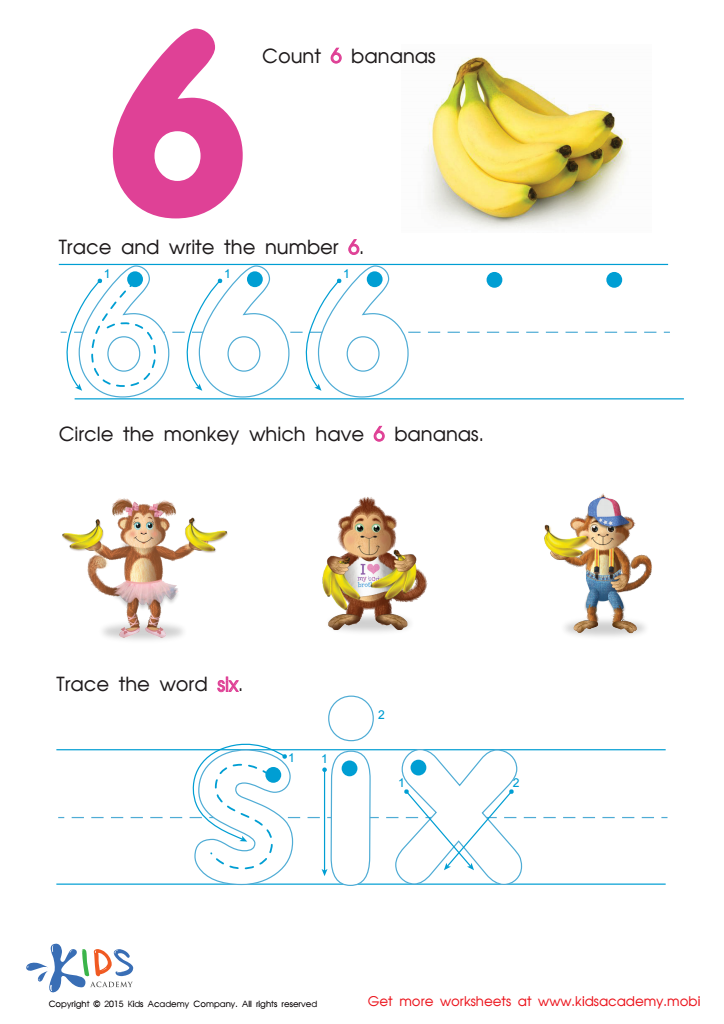
Tracing And Writing Number 6 Worksheet
 Assign to My Students
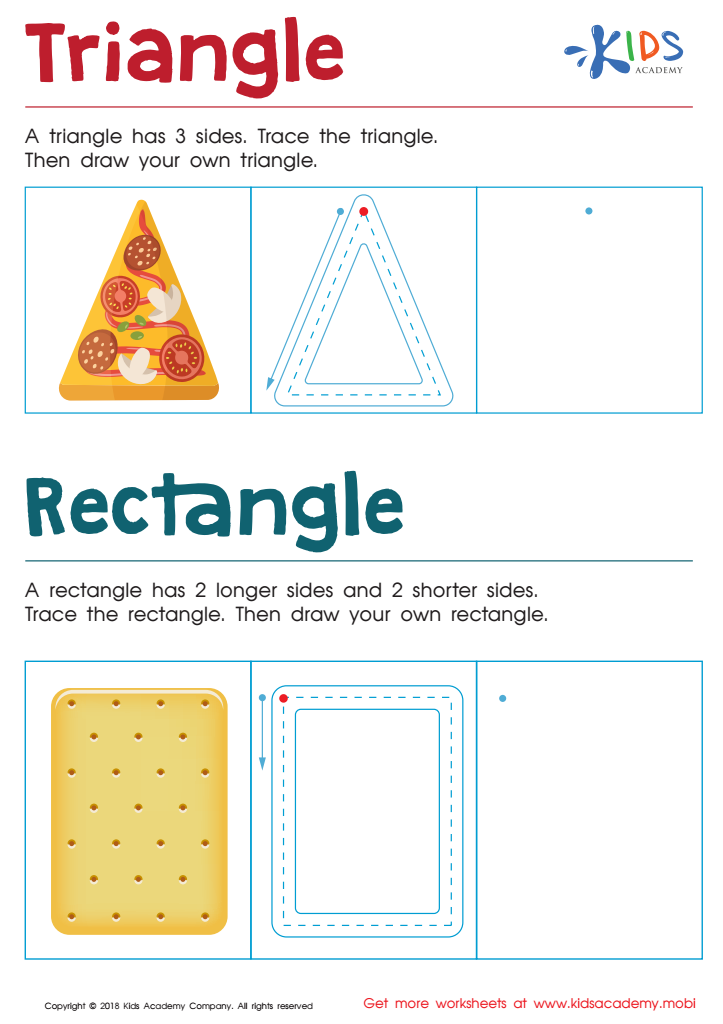
Triangle Rectangle Worksheet
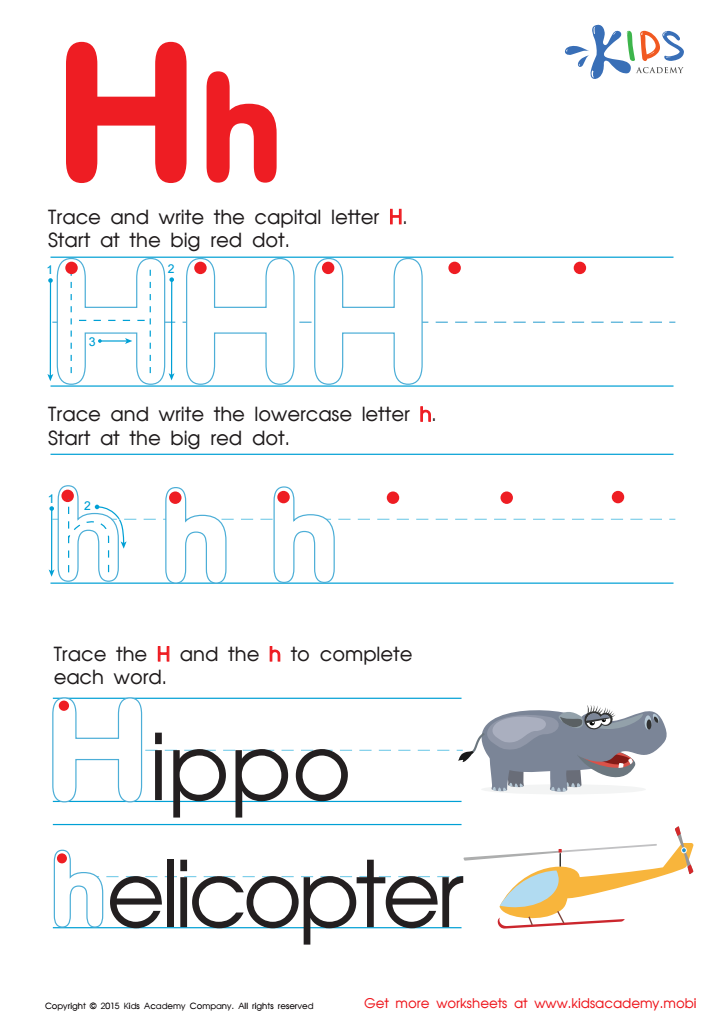
Letter H Tracing Page
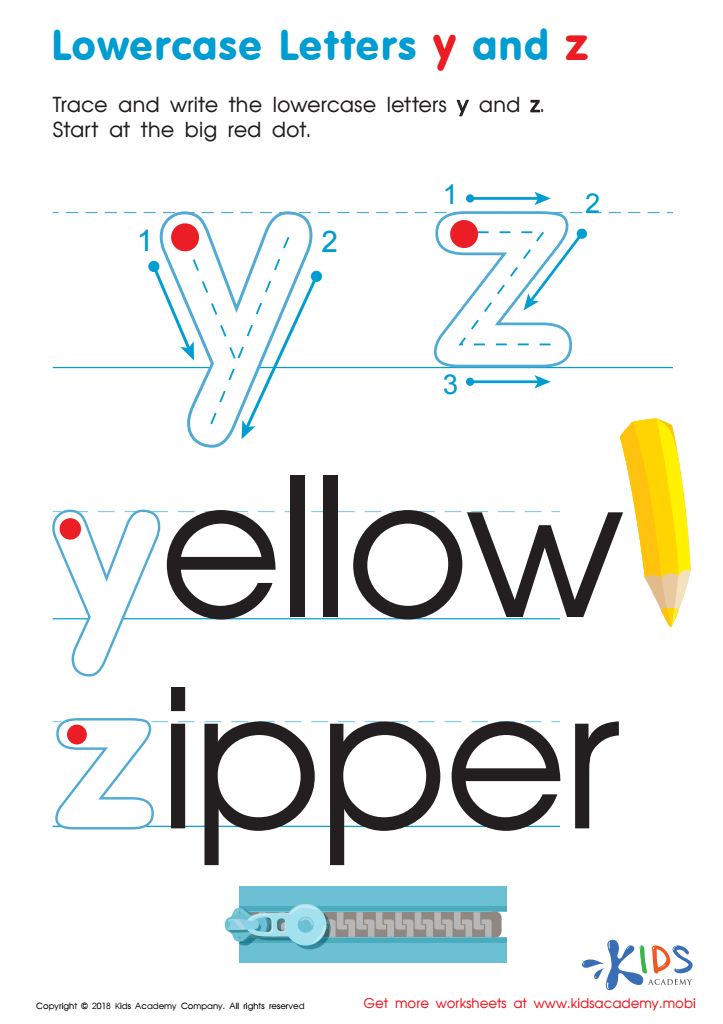
Lowercase Letters y z Worksheet

Snowman Tracing Winter Words Worksheet

Tracing And Learning to Write Number 9 Worksheet
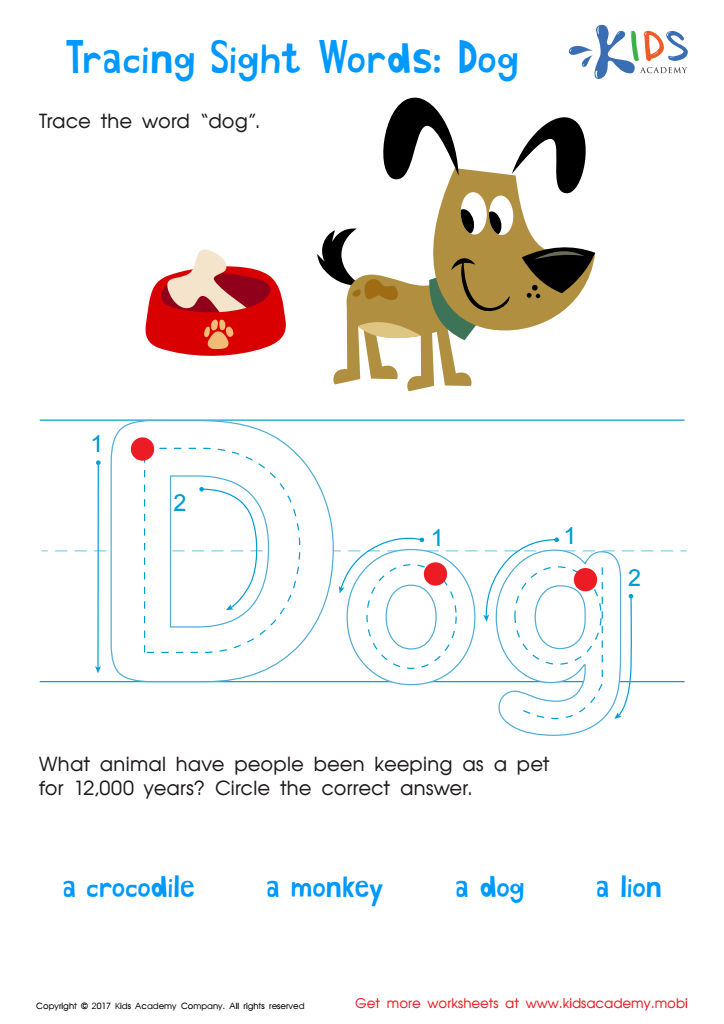
Dog Worksheet Sight Words Worksheet
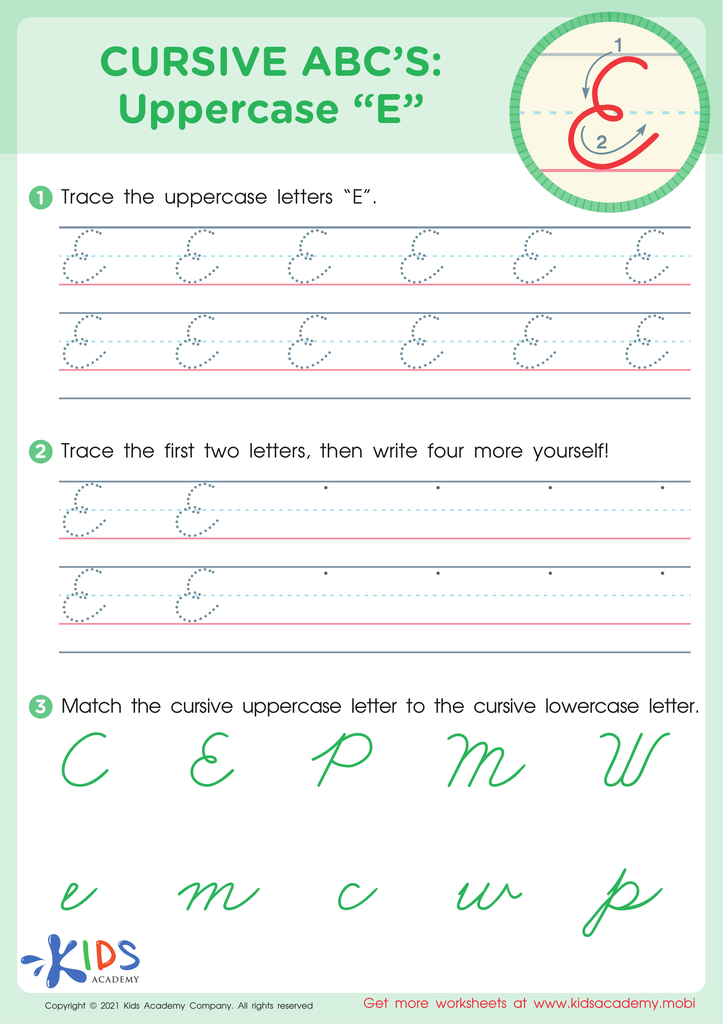
Cursive ABCs: Uppercase E
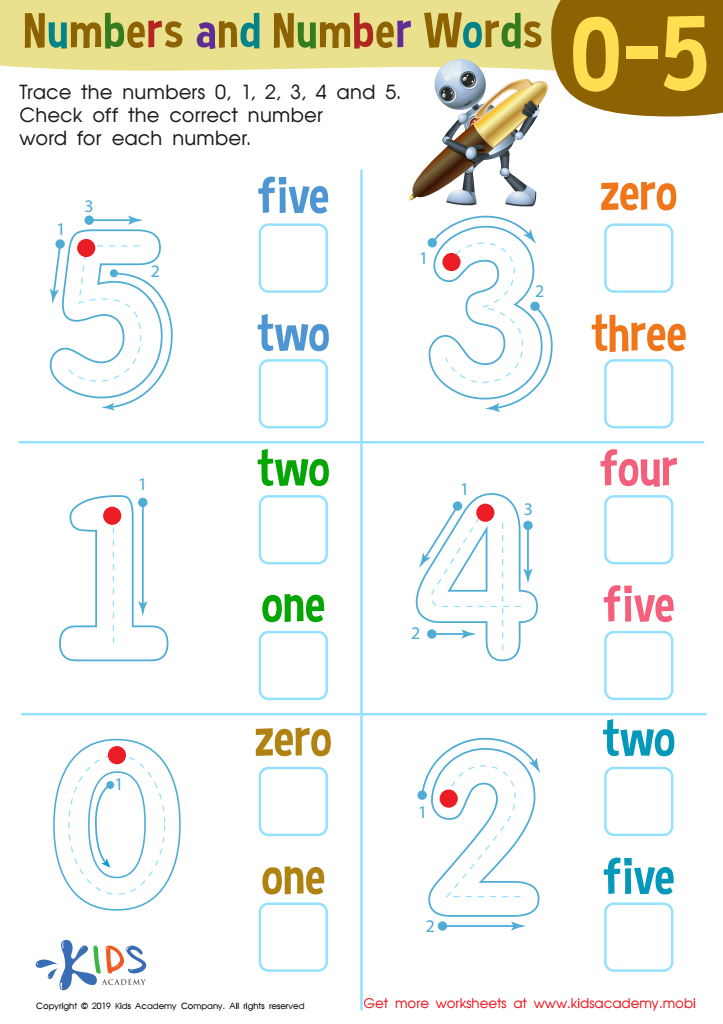
Numbers and Number Words Worksheet
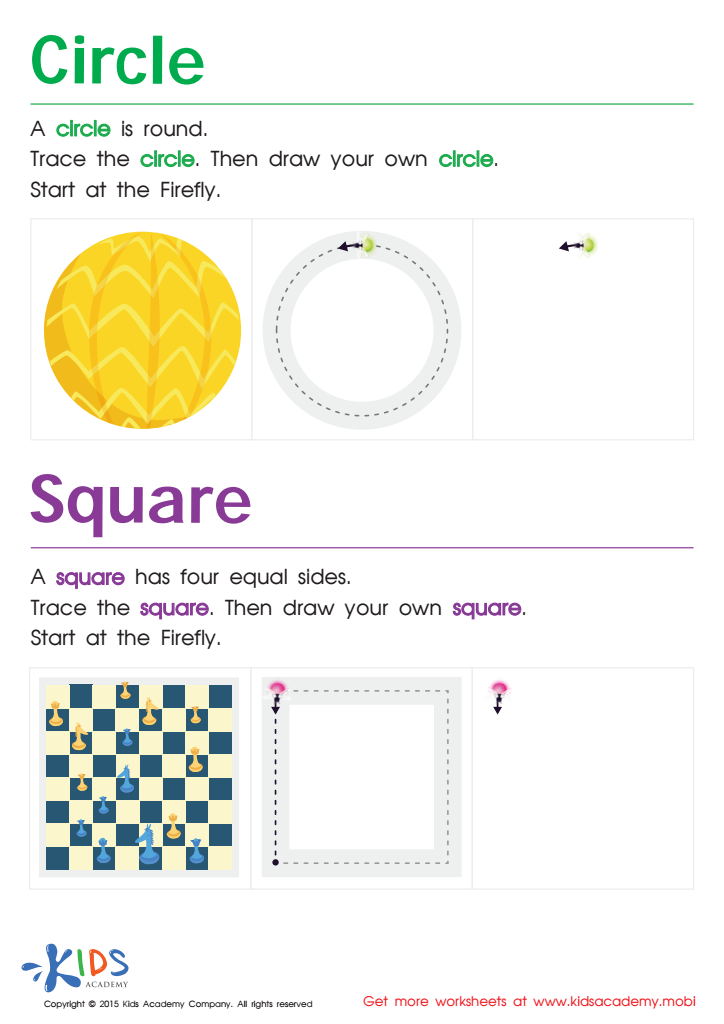
Trace And Draw a Circle And a Square Worksheet

The Sun and a Bee Spelling Worksheet
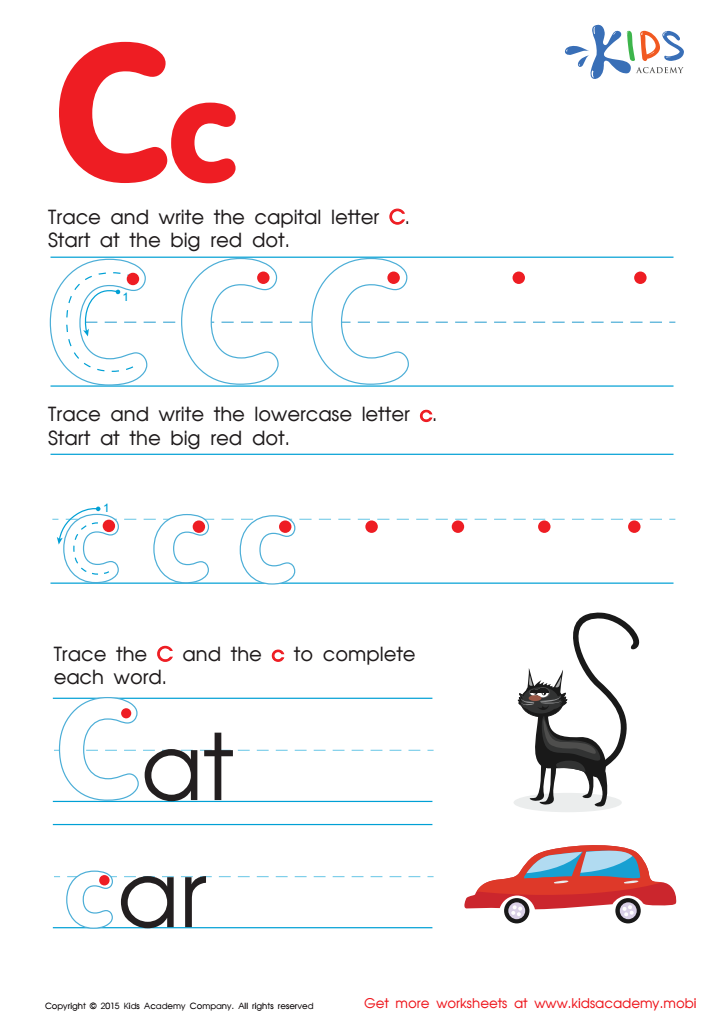
Letter C Tracing Page
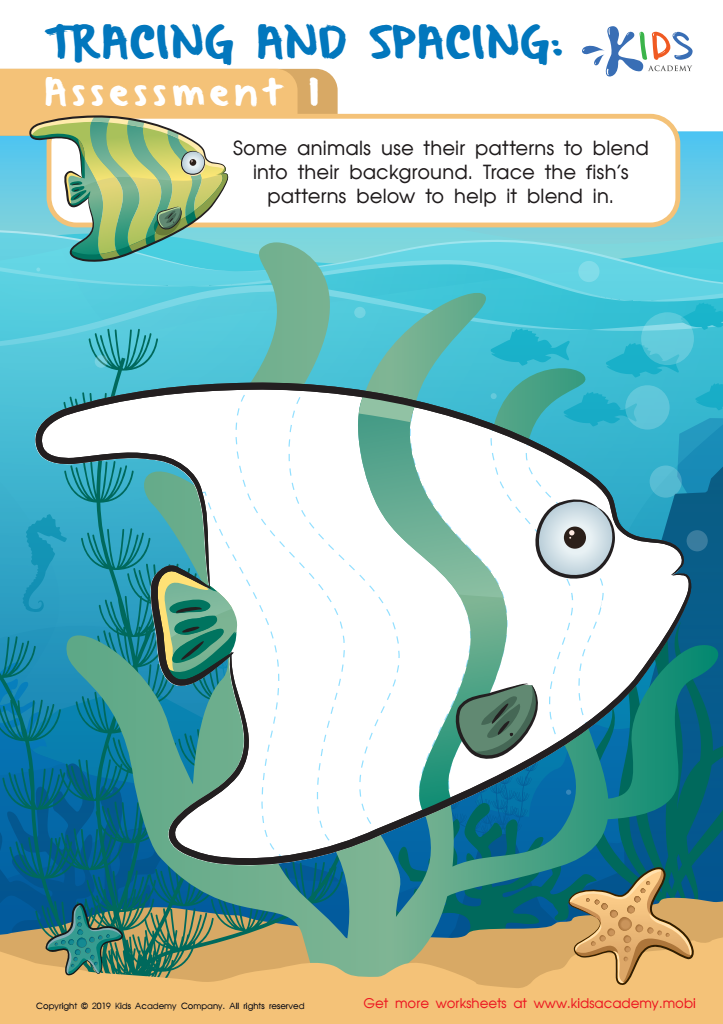
Tracing and Spacing: Assessment 1 Worksheet
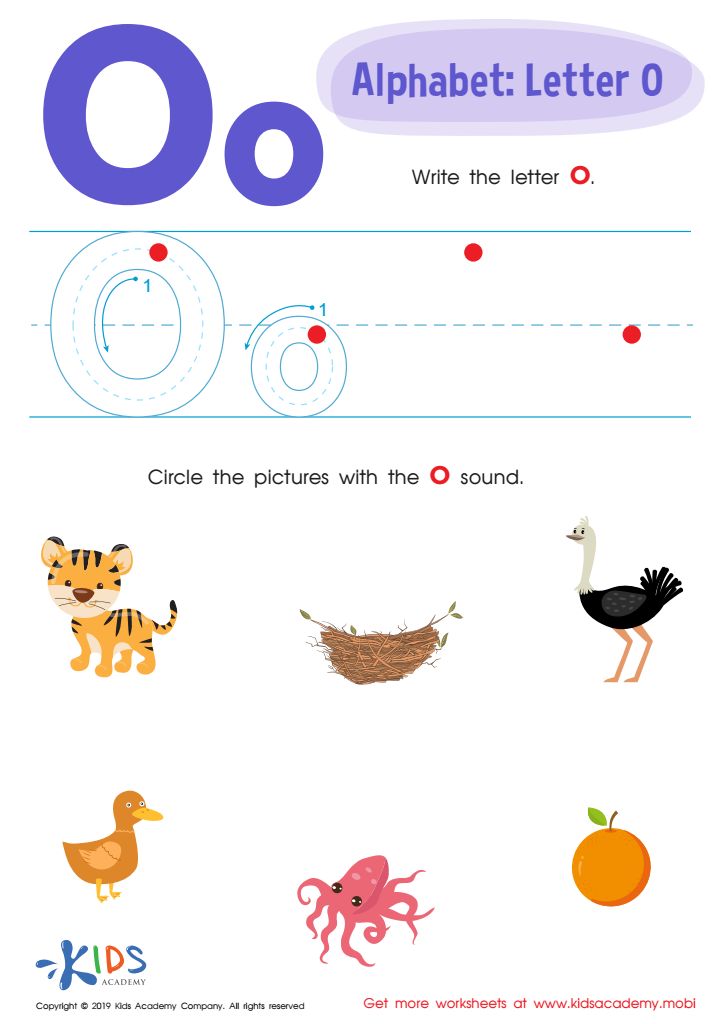
Letter O Tracing Worksheet
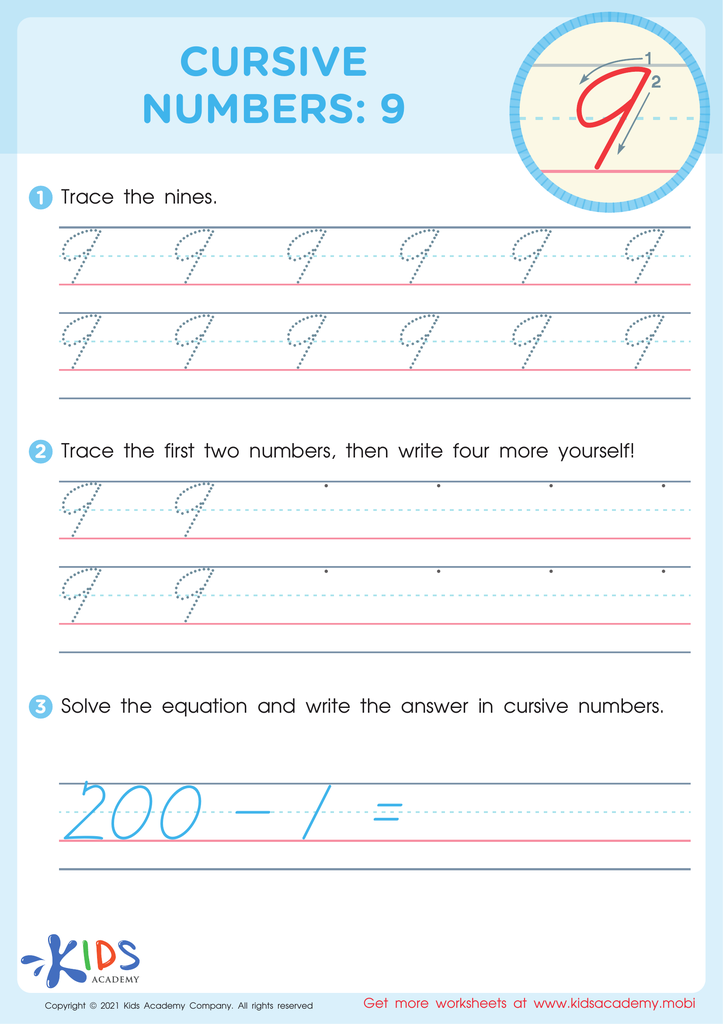
Cursive Numbers: 9 Worksheet
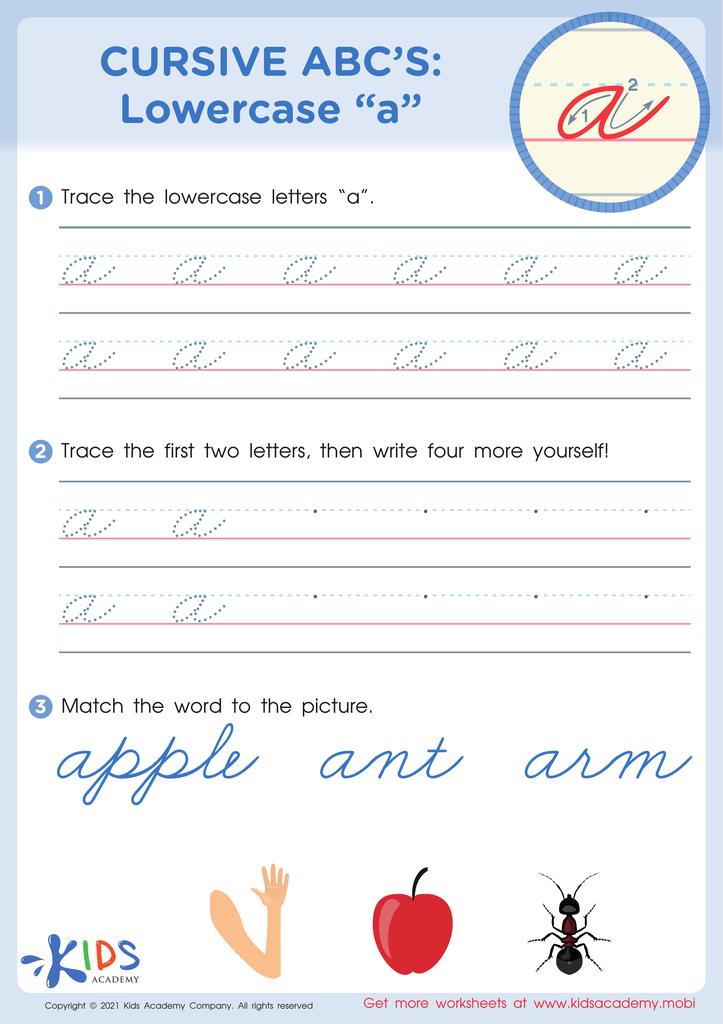
Cursive ABCs: Lowercase a
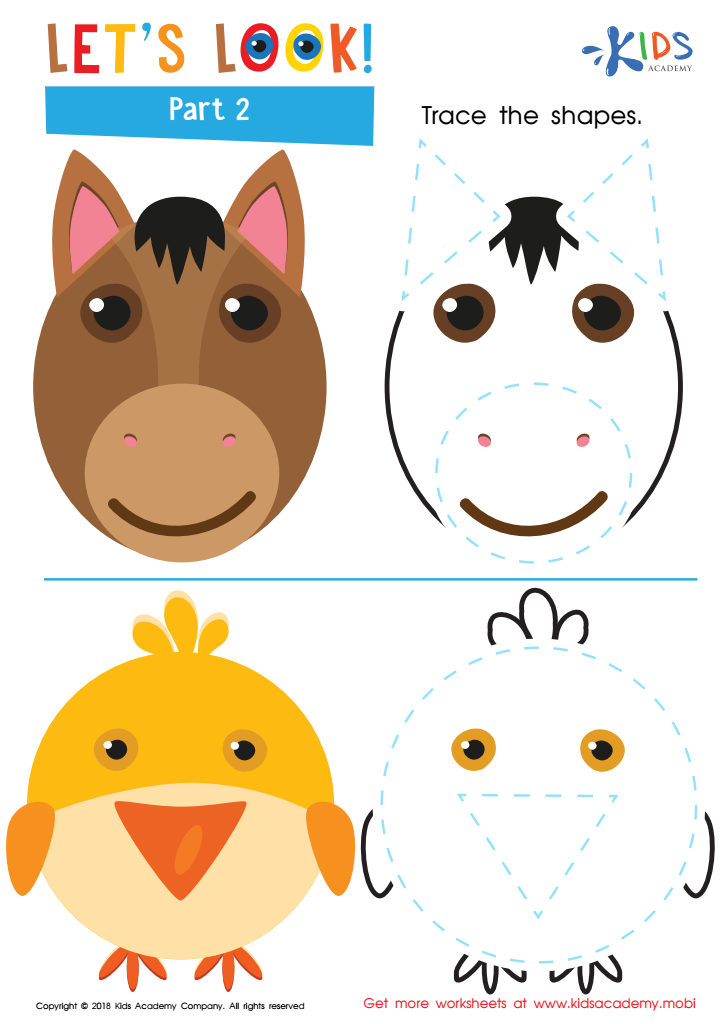
Let's Look! Part 2 Worksheet
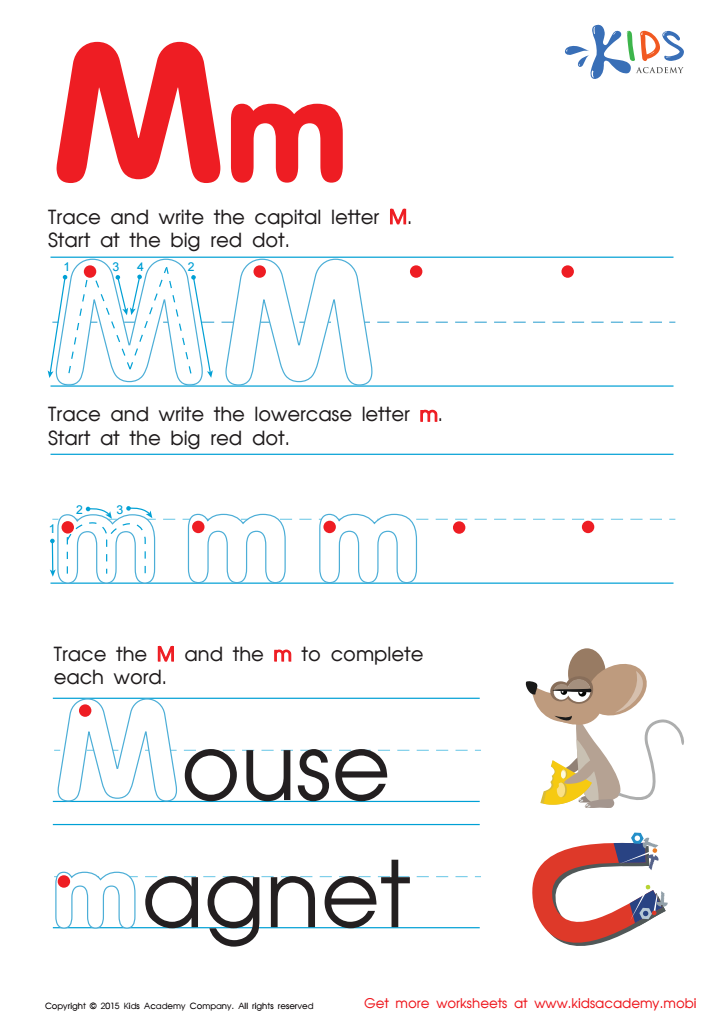
Letter M Tracing Page
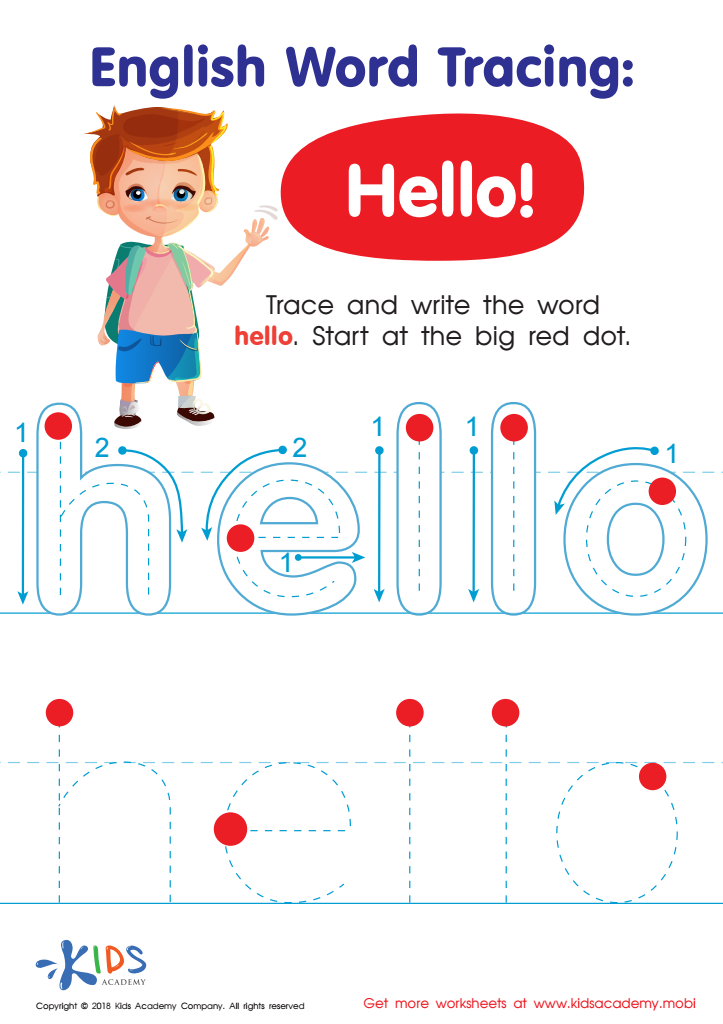
English Word Tracing: Hello Worksheet
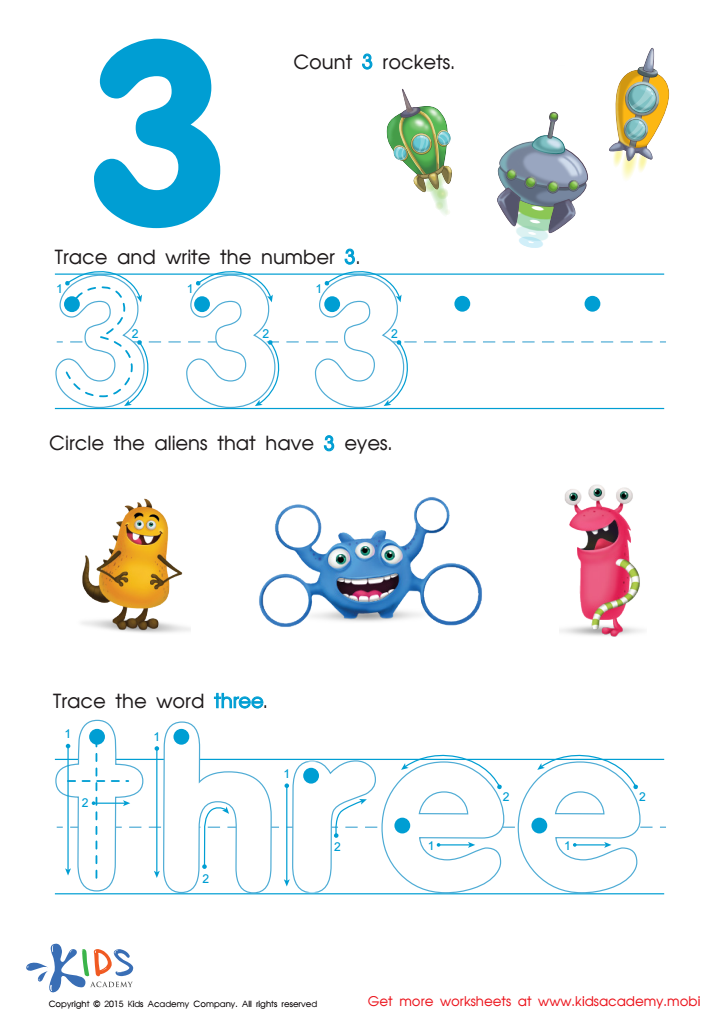
Learning Number Three Worksheet
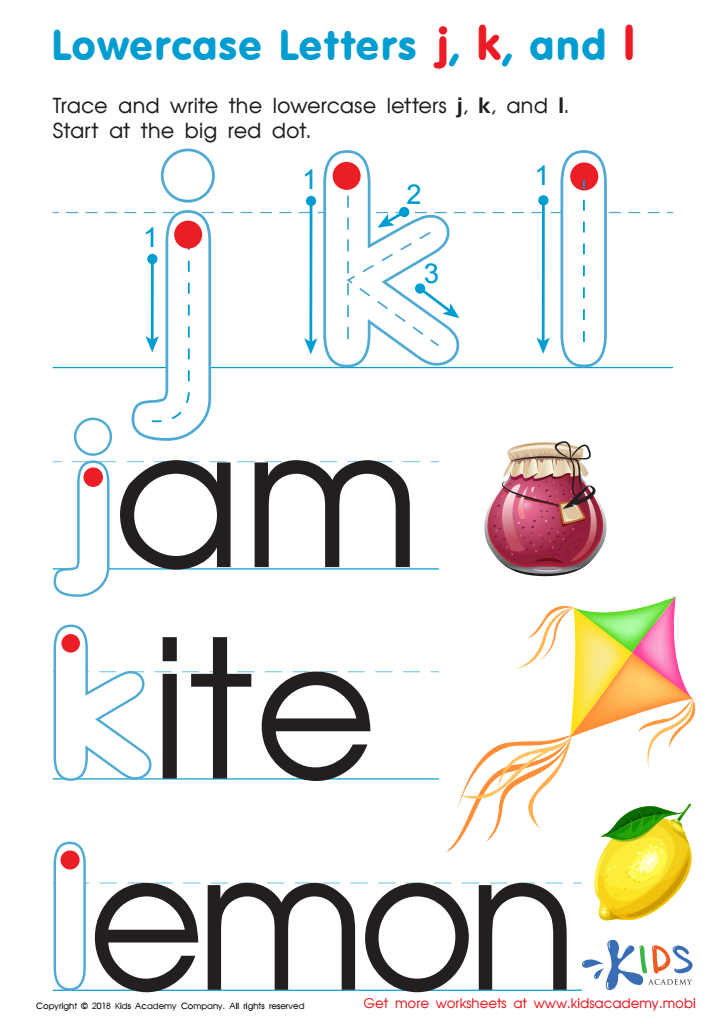
Lowercase Letters j k l Worksheet
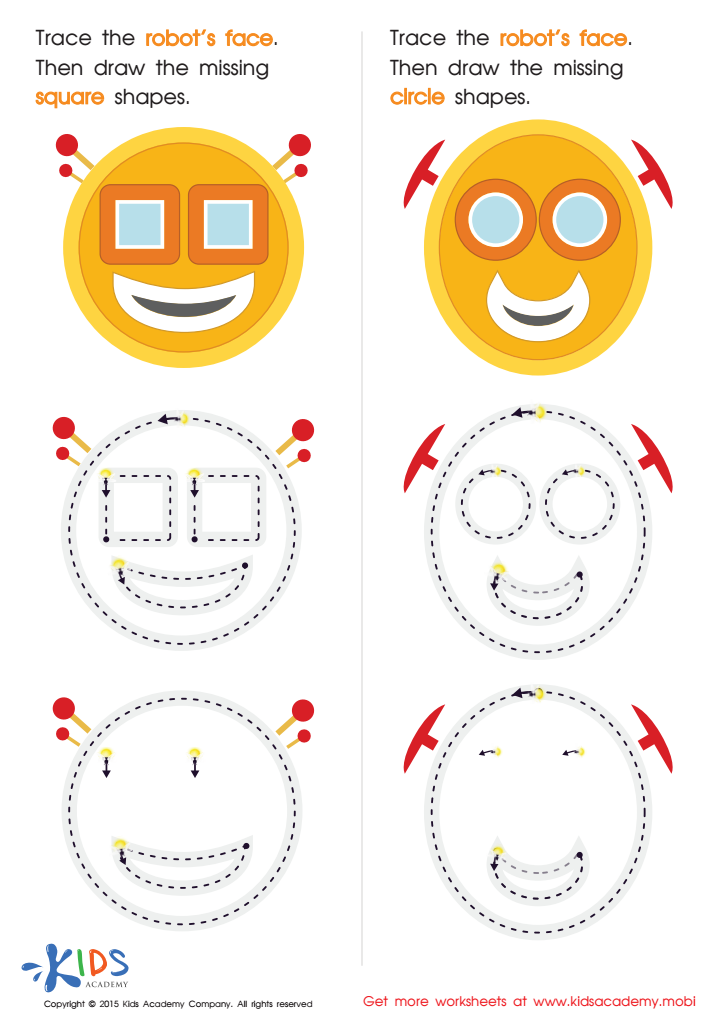
Practicing to Draw Circles And Squares Printable
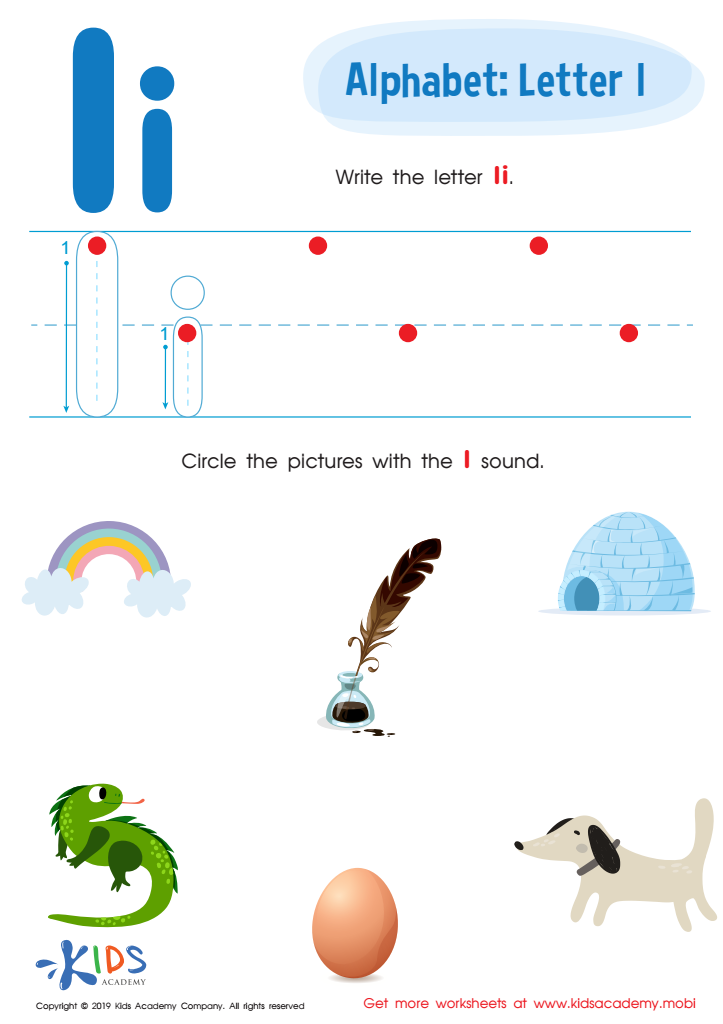
Letter I Tracing Worksheet
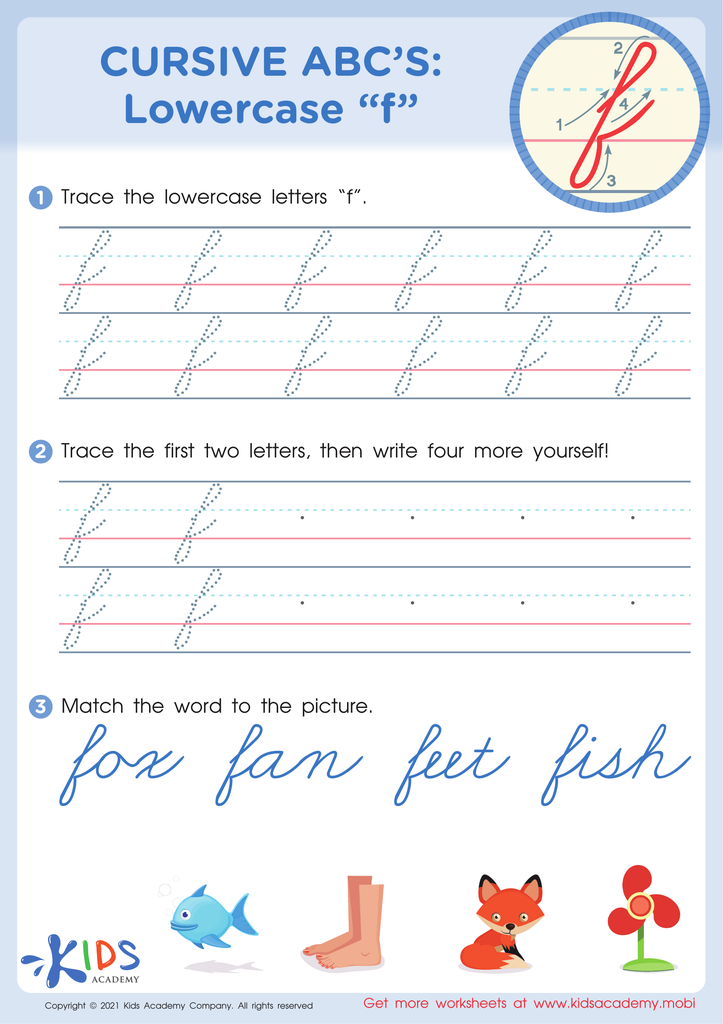
Cursive ABCs: Lowercase f








Tracing activities for children aged 3-8 are critical in supporting their early development and learning. During these formative years, kids are not only acquiring essential motor skills but also laying the groundwork for literacy, numeracy, and cognitive abilities. Tracing engages fine motor skills, crucial for tasks such as writing and drawing, helping young learners improve their hand-eye coordination and dexterity. This enhances their ability to hold tools like pencils and crayons correctly, fostering confidence in their writing abilities.
Moreover, tracing activities often revolve around letters, numbers, and shapes, thereby introducing foundational literacy and numeracy concepts. When children trace, they become familiar with the strokes and patterns required to form letters and numbers, which aids in early reading and mathematical skills. Further, these activities help cultivate concentration and focus, assisting in their overall cognitive development.
For parents and teachers, incorporating tracing activities is a fun and effective way to engage young learners, making practice enjoyable rather than a chore. These exercises also promote self-esteem; as children accomplish their tasks, they gain pride in their achievements. Encouraging such activities can set the stage for lifelong learning and a positive attitude toward education. Thus, tracing is essential in early childhood development and learning engagement.








