Reading worksheets activities for Ages 4-7 - Page 2
26 filtered results
-
From - To
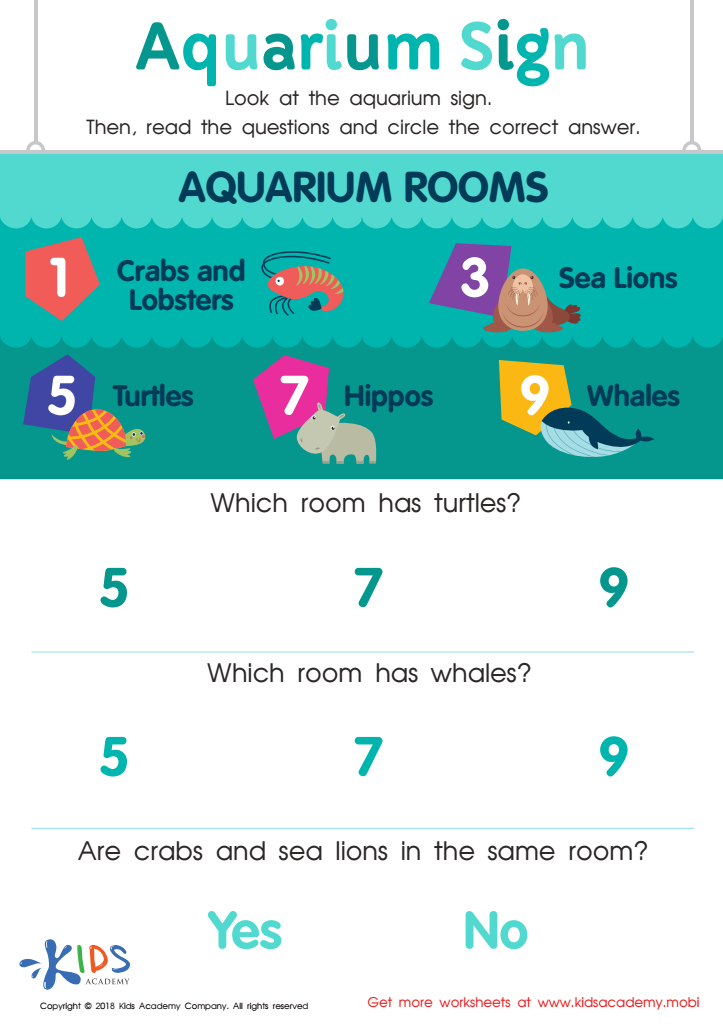
Assessment: Aquarium Sign Worksheet
 Assign to My Students
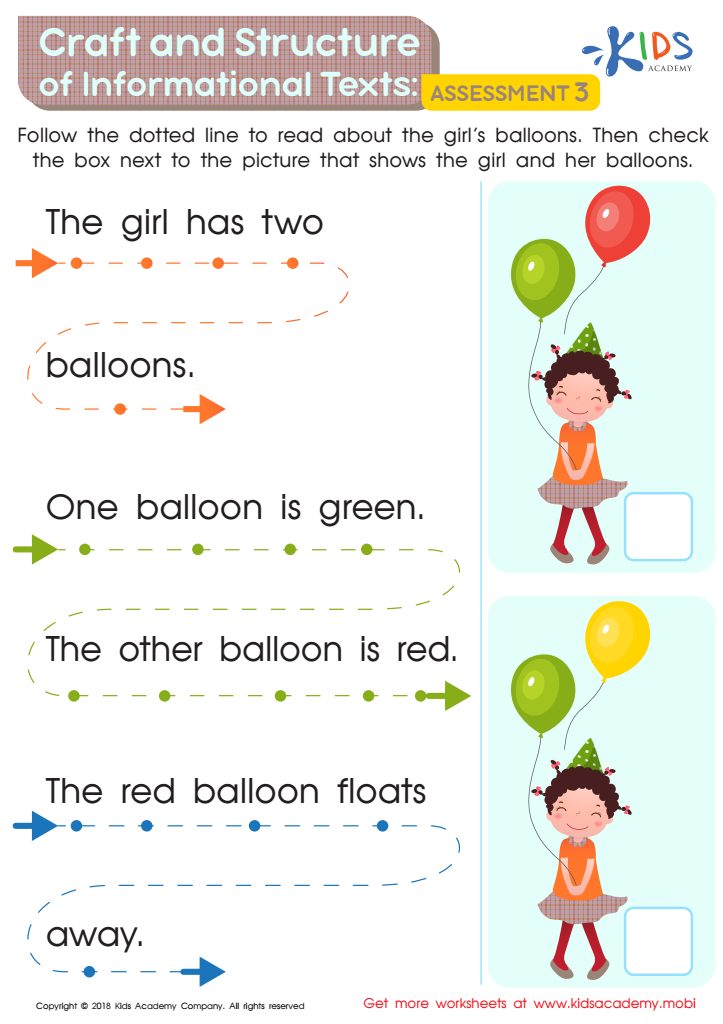
Craft and Structure of Informational Texts: Assessment 3 Worksheet








Reading activities for children aged 4-7 are crucial for their cognitive and social development, making them a priority for parents and teachers alike. At this formative stage, children are not only developing foundational literacy skills but also learning to express themselves and interact with the world around them. Engaging in reading activities helps enhance vocabulary, comprehension, and listening skills, which are essential for academic success.
Additionally, reading promotes imagination and creativity by exposing children to diverse ideas, cultures, and experiences. It helps foster a love for books, encouraging lifelong reading habits that contribute to personal and academic growth. Reading activities also facilitate social skills; discussing stories with peers or family can improve communication skills and empathy as children learn to relate to characters and narratives.
Moreover, early reading experiences can identify learning challenges before they become significant issues, allowing for timely interventions. Ultimately, prioritizing reading activities creates a strong foundation for critical thinking, academic readiness, and a sense of enjoyment in learning. Parents and teachers play an essential role in cultivating these essential skills, helping children not only in their early schooling years but throughout their lives.








