Plants and Animals worksheets activities for Ages 4-8
3 filtered results
-
From - To
Explore our engaging "Plants and Animals Worksheets for Ages 4-8," designed to ignite curiosity and foster a love for nature in young learners. This comprehensive collection features a variety of interactive activities that promote understanding of the plant and animal kingdoms. From matching games and coloring sheets to simple fact-finding tasks, each worksheet encourages children to observe and describe the world around them. Perfect for homeschooling or classroom use, these printable resources enhance cognitive skills while introducing essential science concepts. Inspire a lifelong appreciation for nature's wonders with our fun, educational worksheets tailored for early learners!
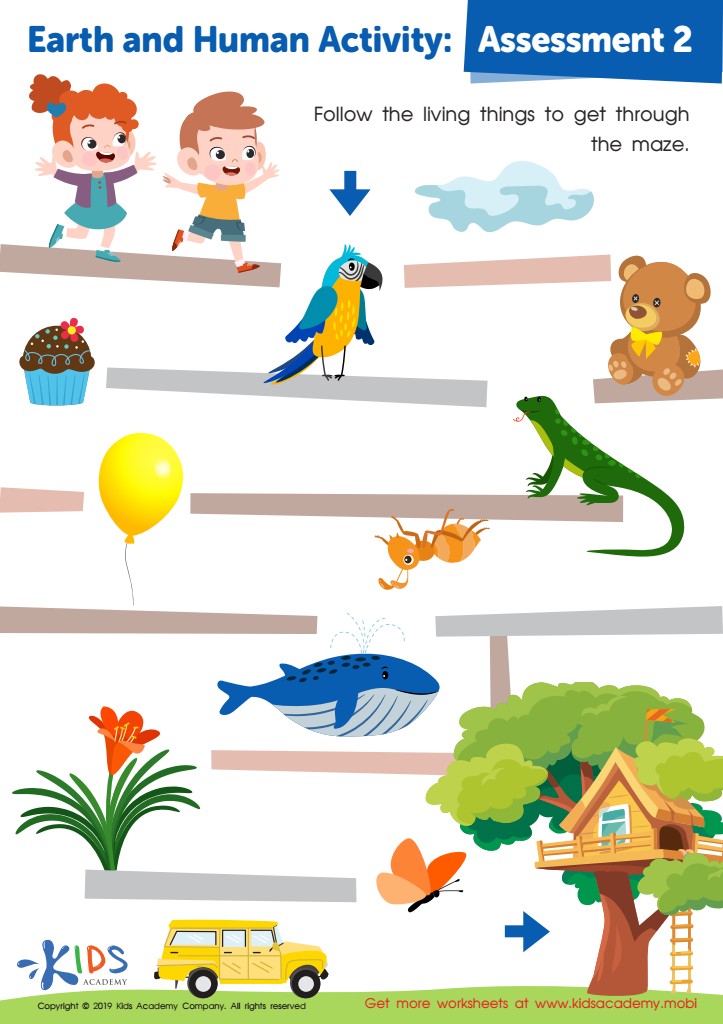
Earth and Human Activity: Assessment 2 Worksheet
 Assign to My Students
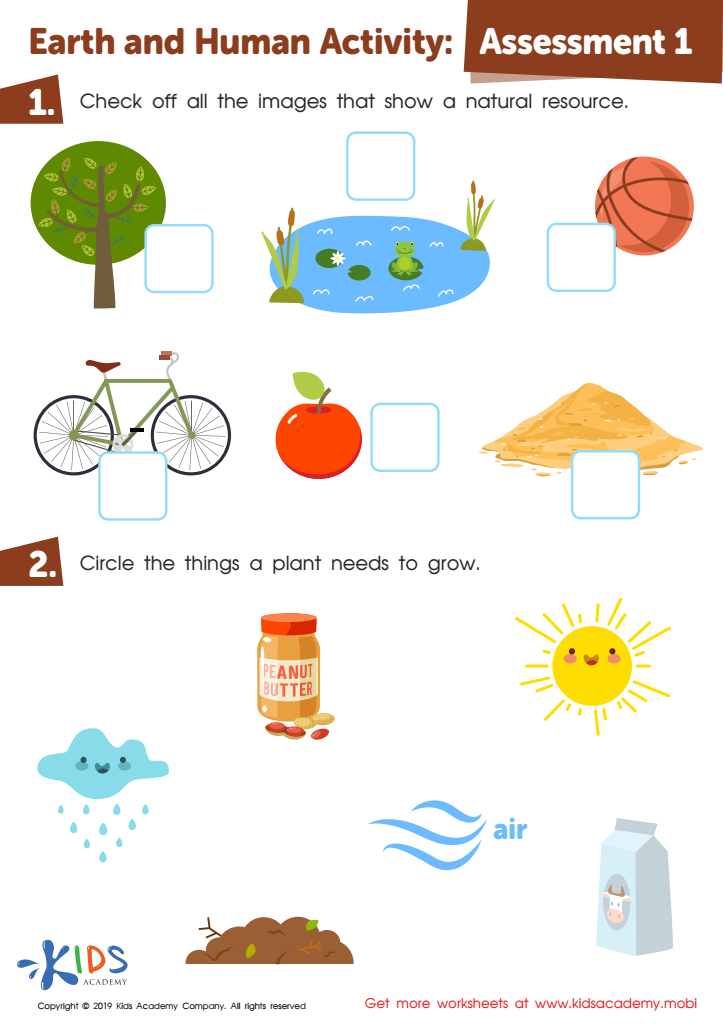
Earth and Human Activity: Assessment 1 Worksheet
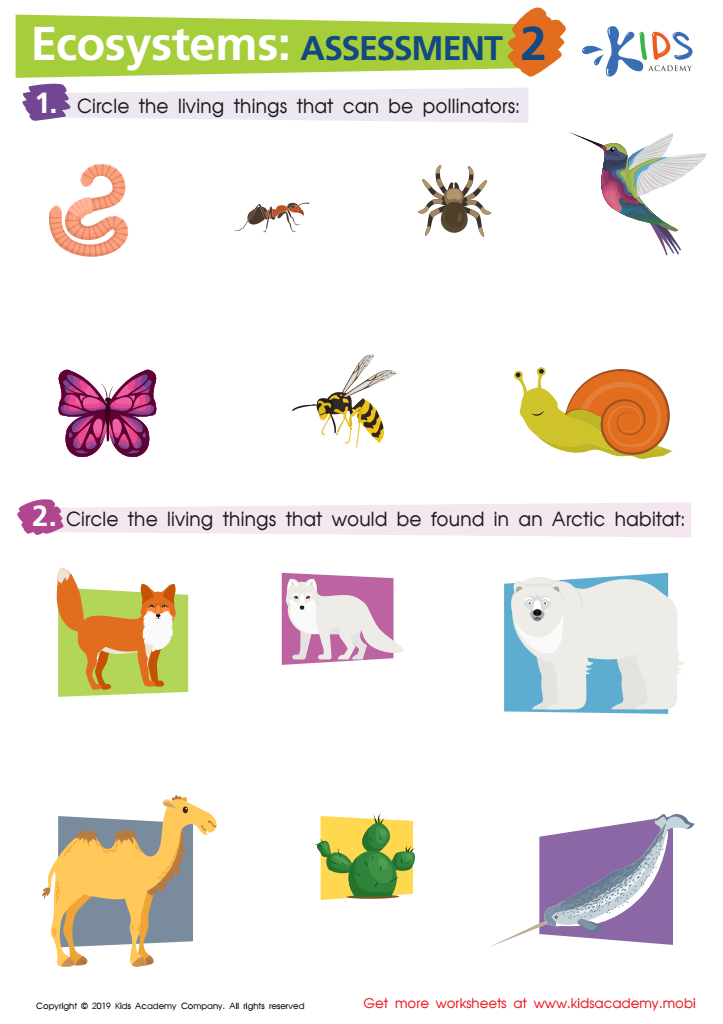
Ecosystems: Assessment 2 Worksheet








Parents and teachers should prioritize Plants and Animals activities for children aged 4-8 because these experiences foster a deep connection to nature and promote essential learning. At this age, children are naturally curious and eager to explore their surroundings. Engaging them in activities related to plants and animals not only satisfies their curiosity but also nurtures observational skills, critical thinking, and a sense of responsibility.
Hands-on activities, such as planting seeds, caring for a garden, or observing local wildlife, encourage children to engage with the environment. This boosts their understanding of ecological concepts, life cycles, and biodiversity. Furthermore, these activities support cognitive and emotional development by promoting creativity, nurturing empathy towards living beings, and sharpening problem-solving skills.
Additionally, collecting and discussing information about plants and animals enhances language development, as children learn new vocabulary and practice communication. As they observe the interconnections within ecosystems, they also build a foundational understanding of environmental stewardship. Ultimately, these formative experiences help cultivate a generation that respects and values the natural world, which is increasingly vital in today’s fast-paced, technology-driven society. Thus, emphasizing Plants and Animals activities can have lasting educational and social benefits for young learners.








