Tracing Letters worksheets activities for Ages 6-8 - Page 3
56 filtered results
-
From - To
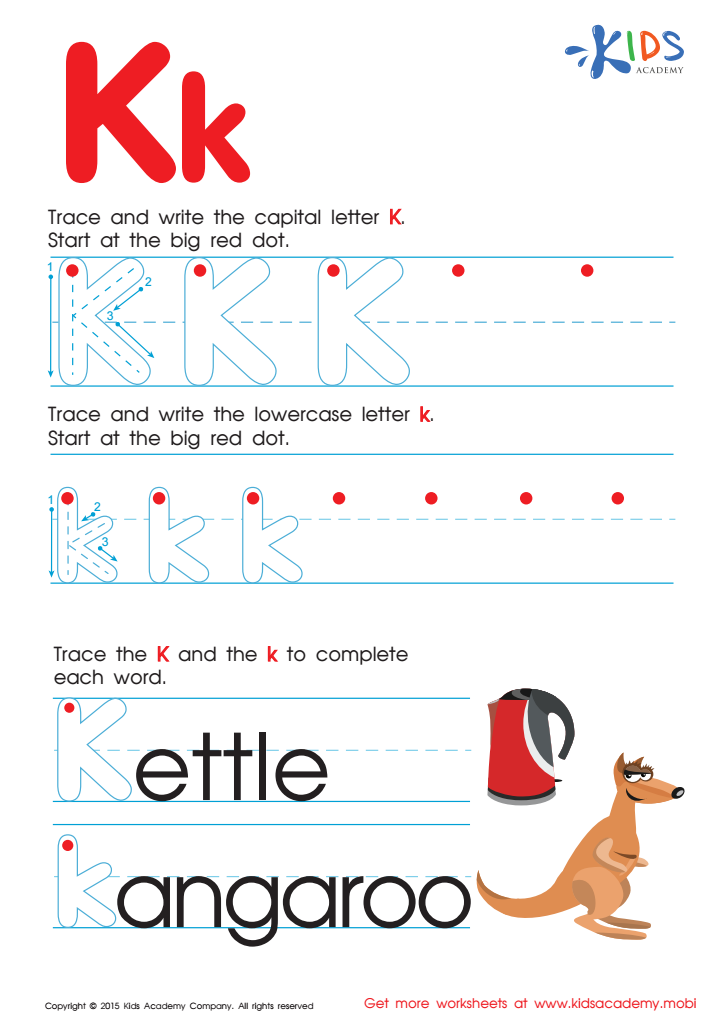
Letter K Tracing Page
 Assign to My Students
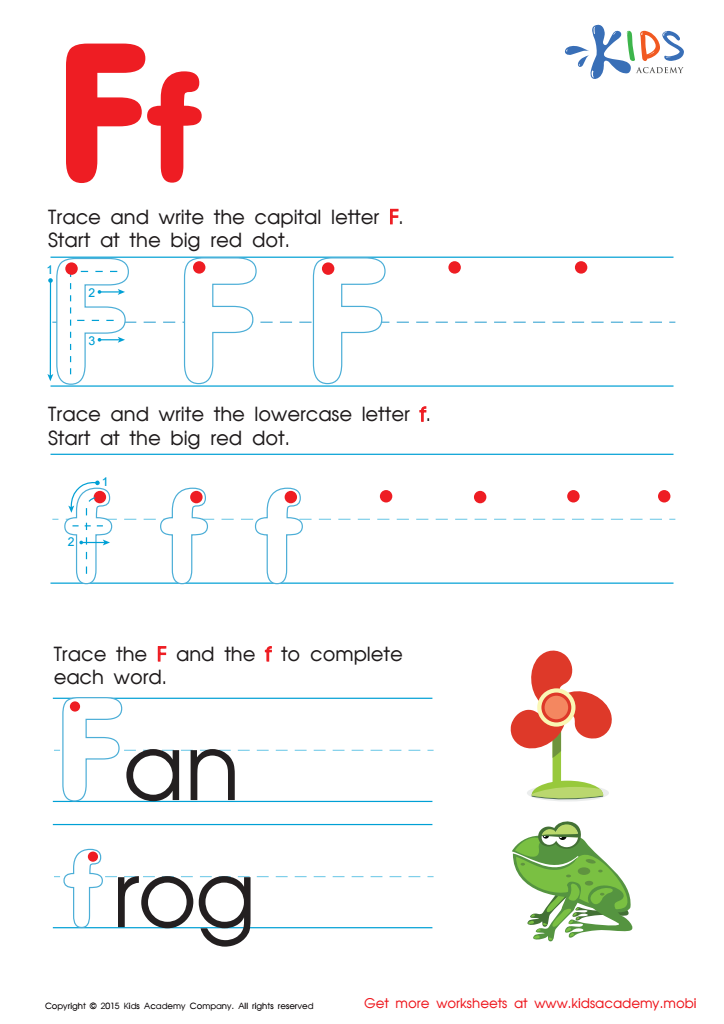
Letter F Tracing Page
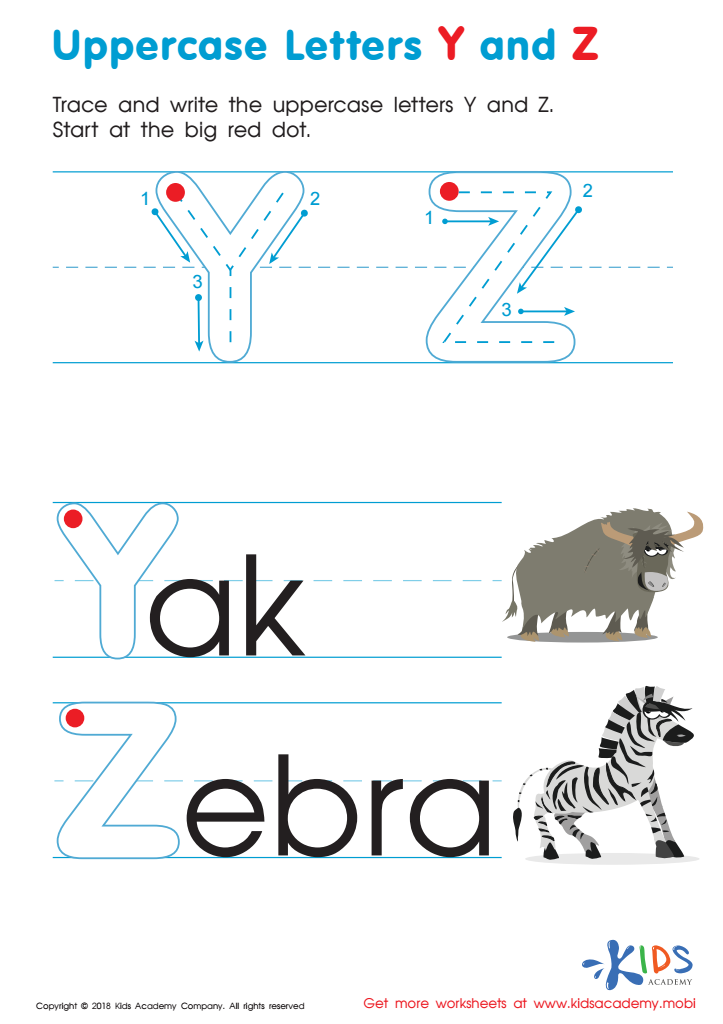
Uppercase Letters Y Z Worksheet
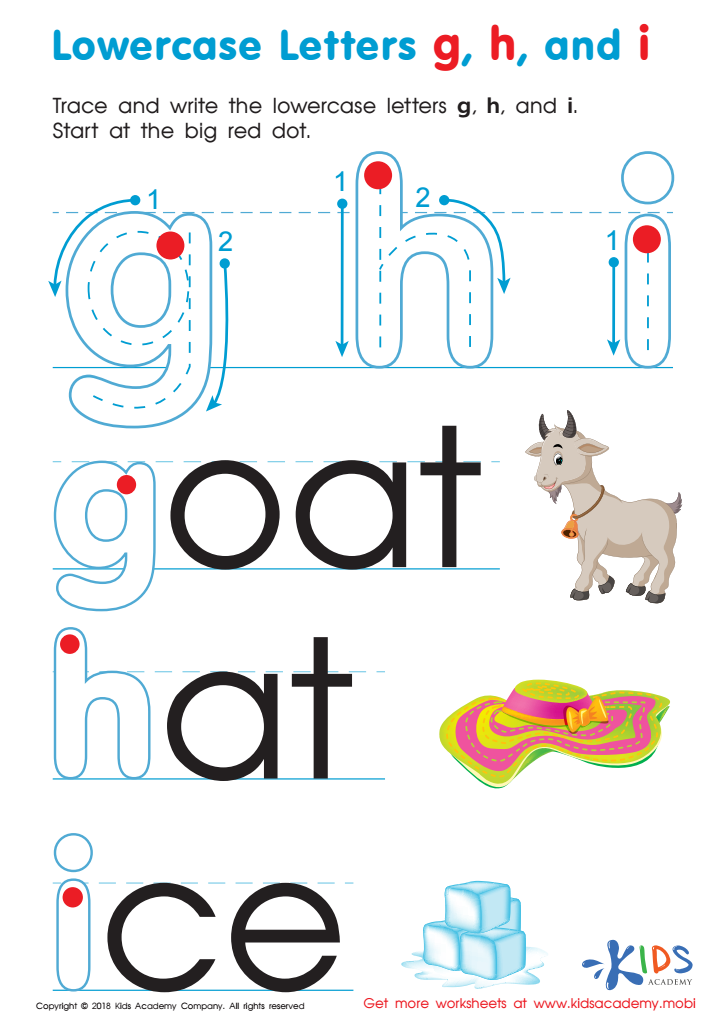
Lowercase Letters g h i Worksheet
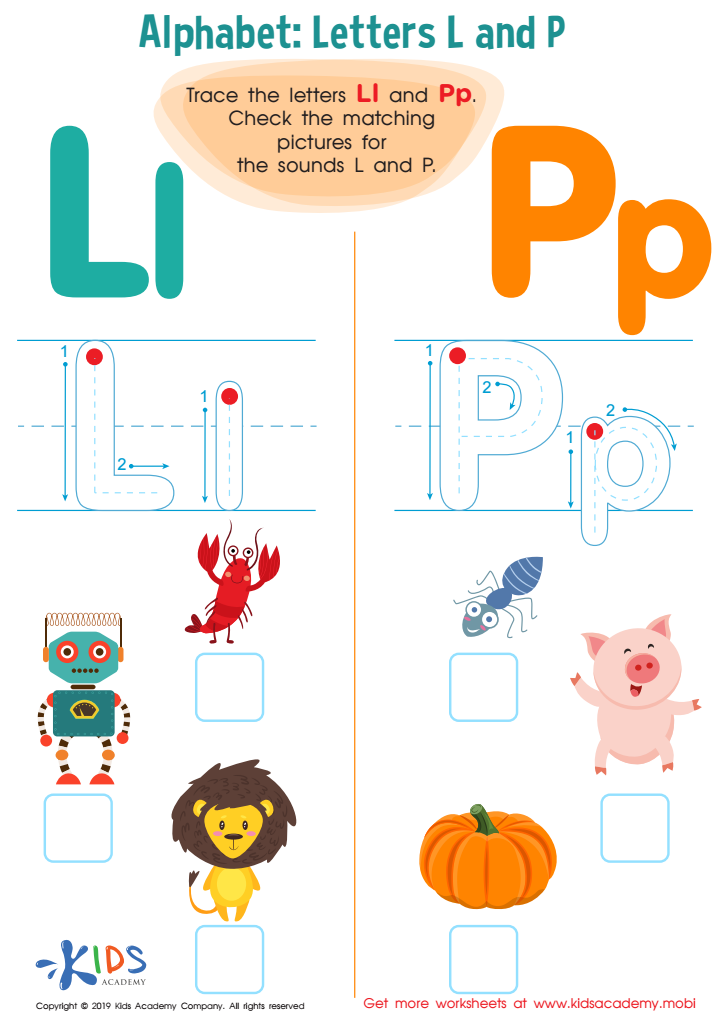
Letter L and P Tracing Worksheet
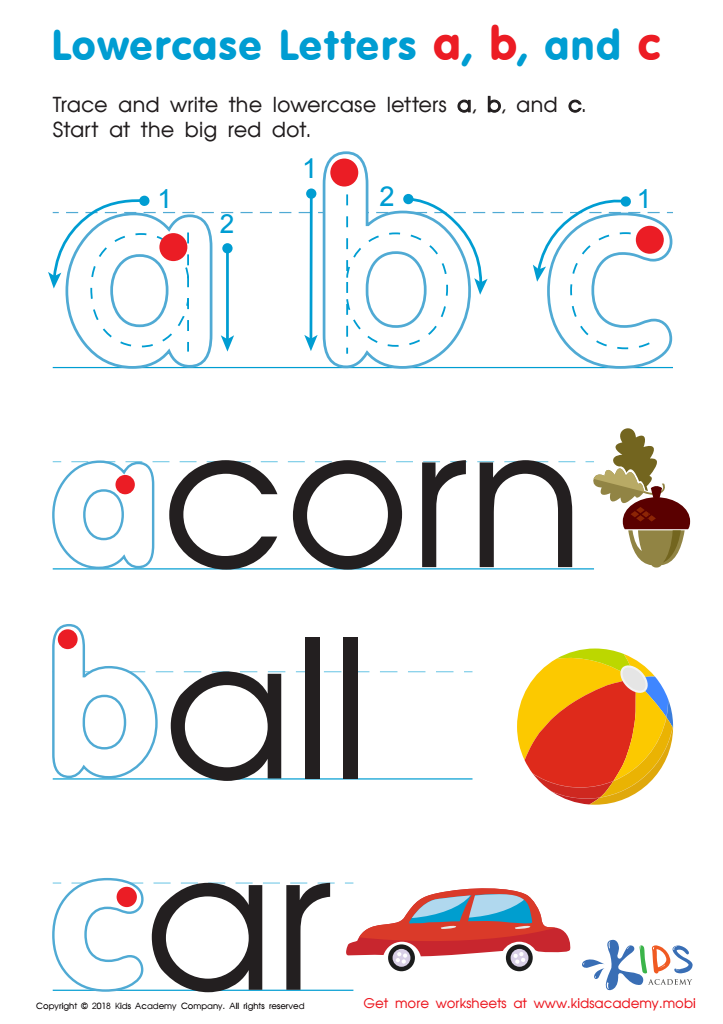
Lowercase Letters a b c Worksheet
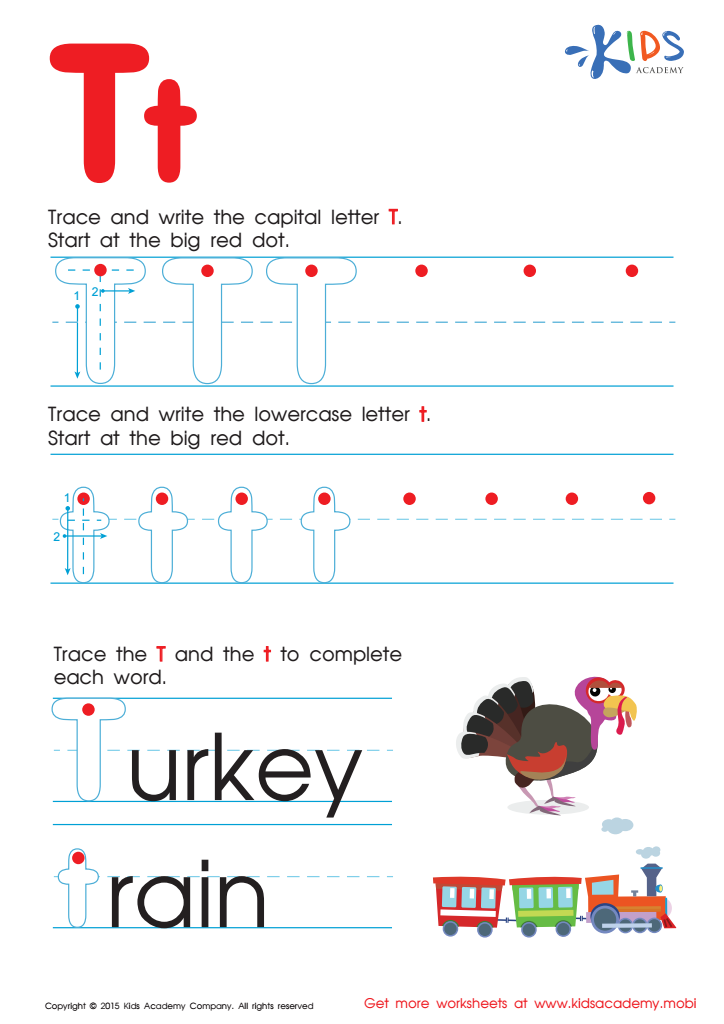
Letter T Tracing Page
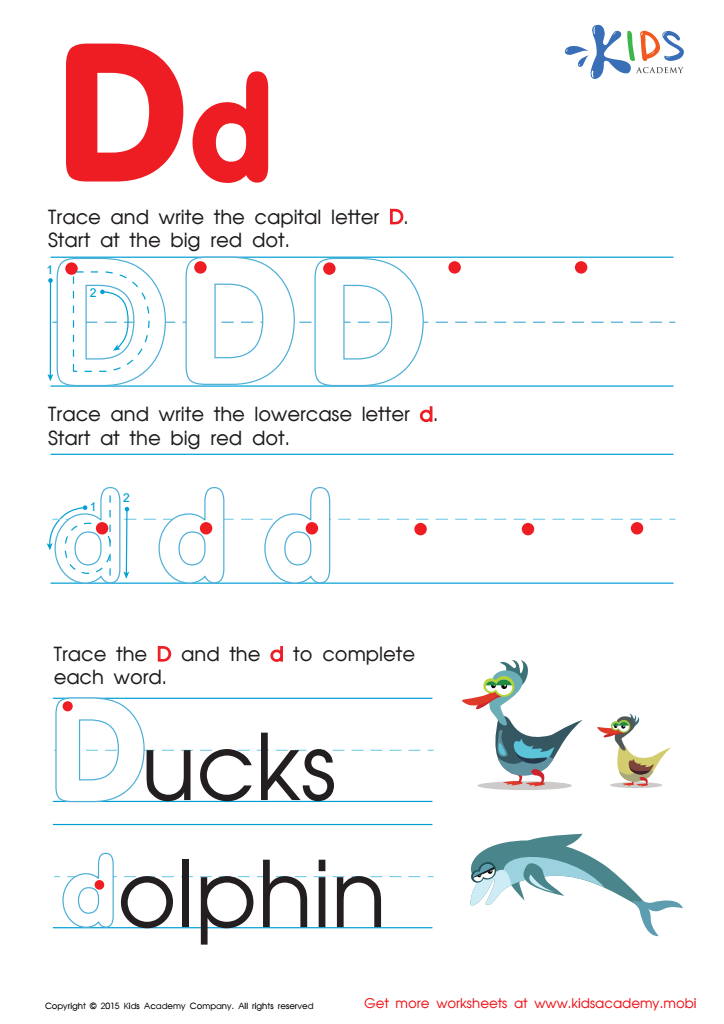
Letter D Tracing Page


%20(1).jpg)

.jpg)



Tracing letters is an essential activity for children ages 6-8, significantly benefiting their academic and motor skill development. During this formative period, children refine their fine motor skills, which are crucial for writing and other tasks. By practicing letter tracing, they develop the muscle memory needed for forming letters correctly, laying a solid foundation for proficient writing in later years.
Moreover, tracing helps reinforce recognition of both uppercase and lowercase letters, enhancing literacy skills. As children trace, they internally absorb letter shapes, making the transition to independent writing smoother. This can lead to boosted confidence in their writing abilities, which encourages more willingness to engage in reading and writing activities.
Additionally, letter tracing can be a therapeutic, calming exercise, promoting focus and patience in children. It creates routine, helping to instill discipline in practice and learning.
For parents and teachers, fostering activities like letter tracing is crucial as they promote not only academic success but also support the development of essential life skills. Nurturing early literacy and writing through tracing ensures that children build a strong, positive relationship with learning, paving the way for future educational achievements.








