Extra Challenge Matching worksheets activities for Ages 4-9 - Page 2
29 filtered results
-
From - To
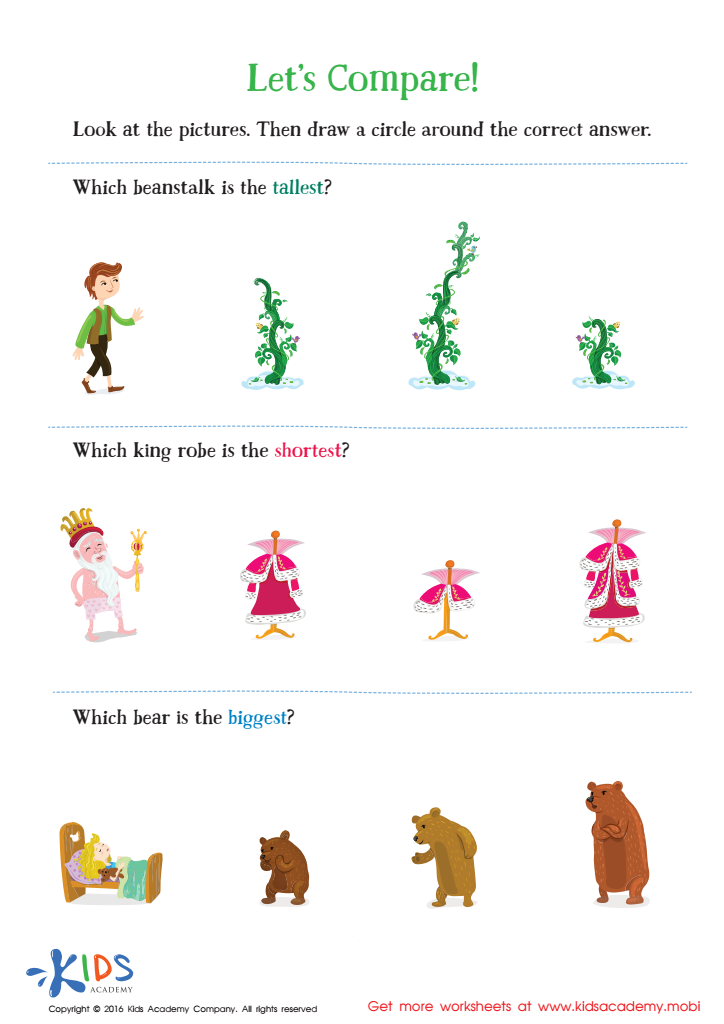
Fairy Tale Worksheet: Let's Compare
 Assign to My Students
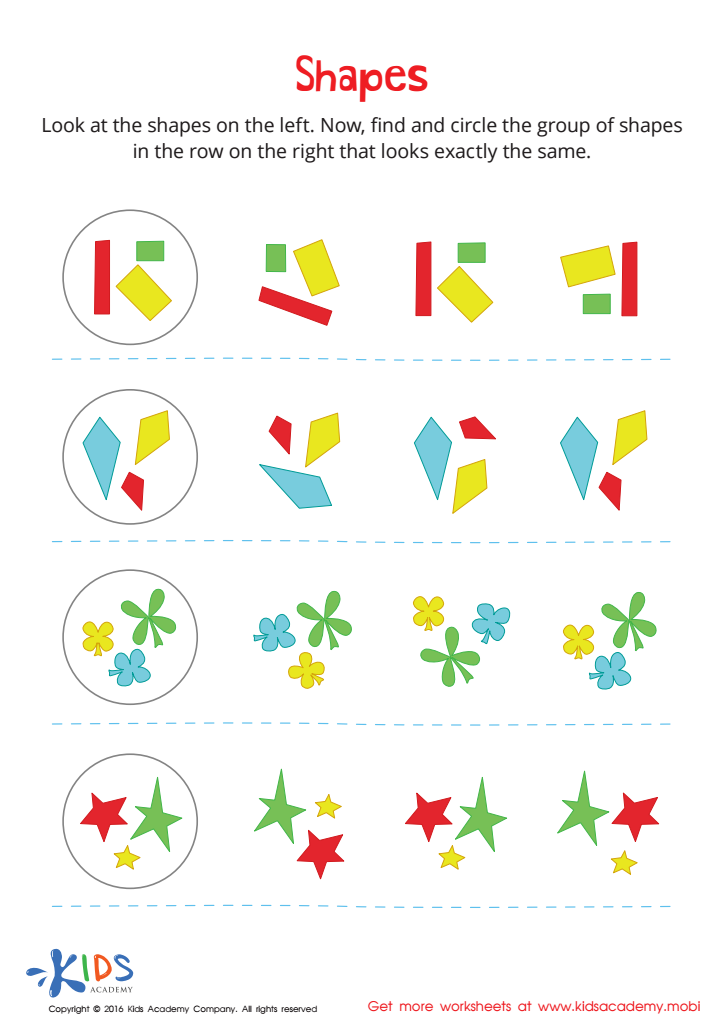
Shapes Worksheet
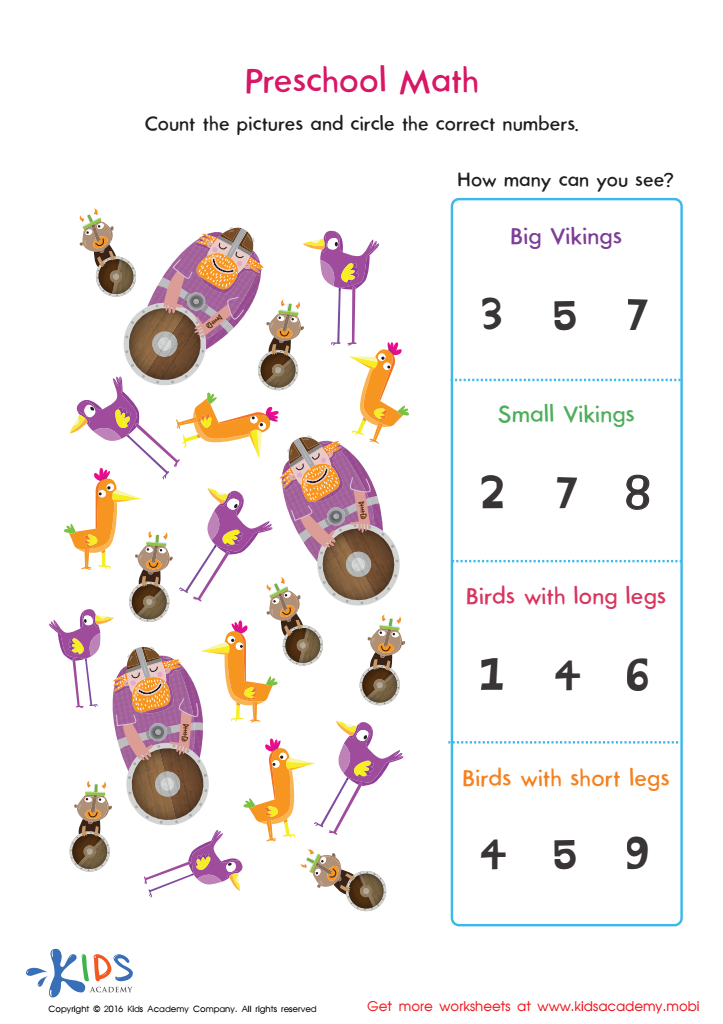
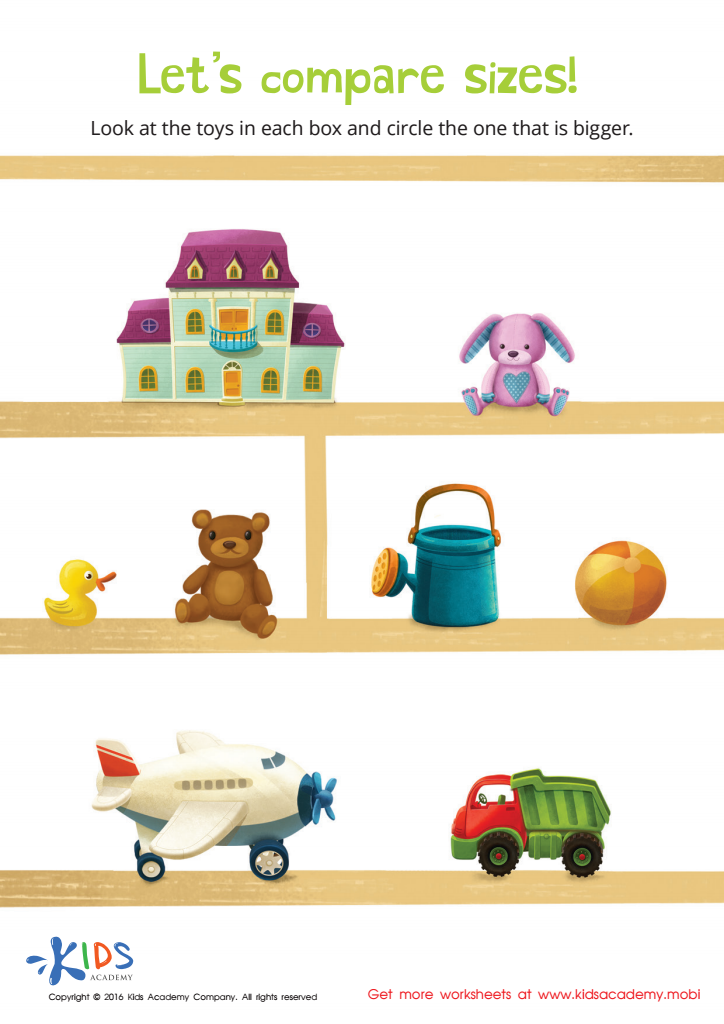
Classifying by Size Sorting Worksheet
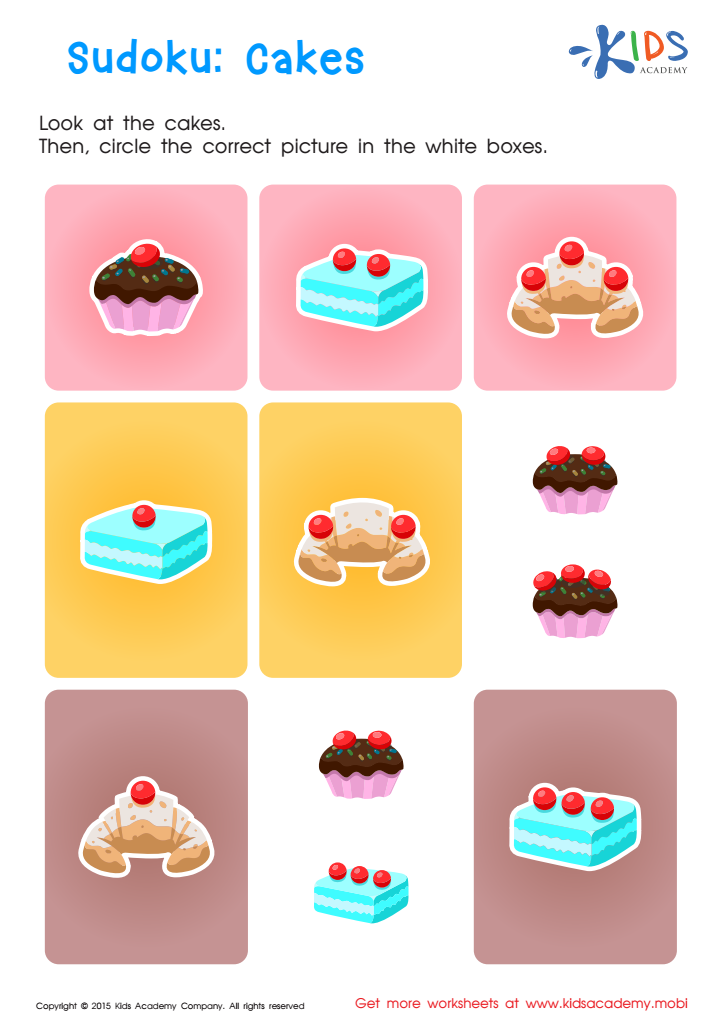
Sudoku Worksheet


.jpg)
.jpg)



Extra Challenge Matching activities for children aged 4-9 are vital for several reasons. Firstly, they foster cognitive development by stimulating critical thinking and problem-solving skills. As children engage in matching games, they exercise their memory and improve recognition skills while reinforcing their understanding of relationships between objects, concepts, or letters.
Additionally, these activities support social-emotional growth. Children often play in pairs or groups, encouraging cooperation, communication, and turn-taking. Such interactions build confidence and enhance social skills, which are crucial in a school setting and beyond.
Parents and teachers should also consider how these activities can be tailored to address each child's interest and ability, ensuring engagement. This customization promotes a love of learning and allows educators to identify particular strengths or areas needing support, enabling more focused skill development.
Moreover, Extra Challenge Matching activities can serve as effective assessment tools. By observing how children engage with and complete these tasks, teachers and parents can gauge their developmental progress, making them an essential component of early education.
Incorporating these activities not only enriches a child’s learning experience but also establishes a foundation for lifelong learning and adaptability in an ever-changing world.








