Normal Fairy Tales worksheets activities for Ages 4-9 - Page 3
49 filtered results
-
From - To
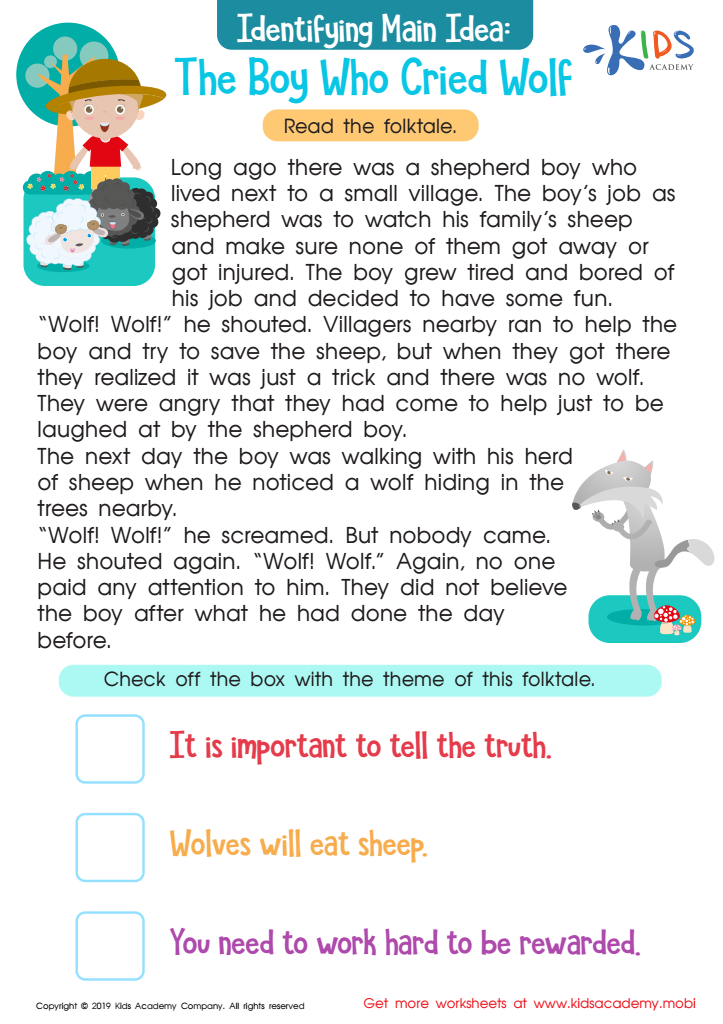
The Boy Who Cried Wolf Part 2 Worksheet
 Assign to My Students





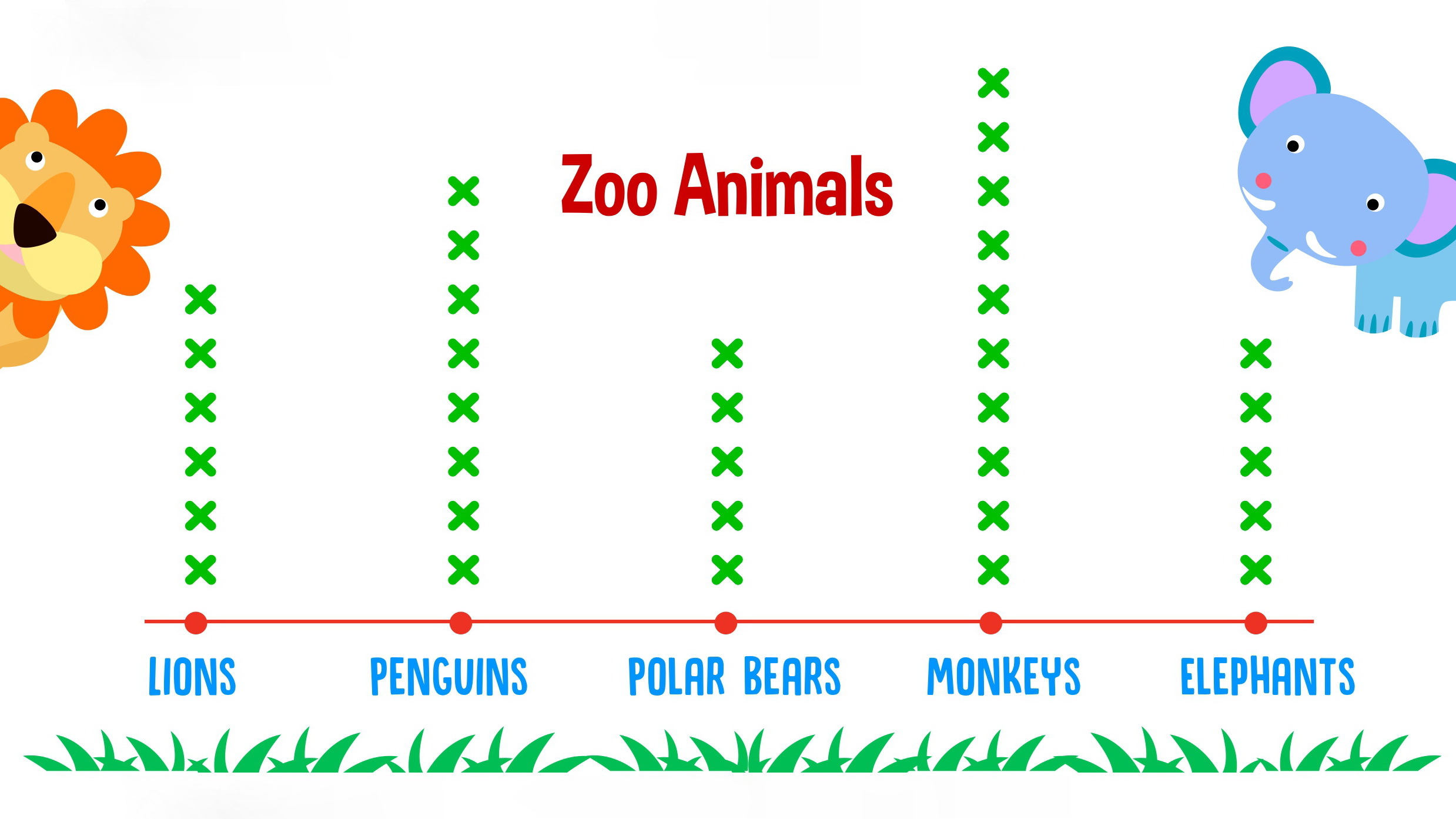


Parents and teachers should care about Normal Fairy Tales activities for children ages 4-9 because these activities provide a rich, interactive way to engage young minds in storytelling, creativity, and moral lessons. Fairy tales have been integral to cultural narratives, offering children not just entertainment but also foundational life lessons about values such as kindness, bravery, and resilience.
Participating in Normal Fairy Tales activities fosters creativity and imagination, allowing children to explore different characters and scenarios. This creative play is crucial for cognitive development, helping children enhance their literary skills and expand their vocabulary. It also encourages critical thinking as children learn to analyze stories, predict outcomes, and discuss character motivations.
Moreover, these activities can strengthen emotional intelligence by addressing themes of empathy and human experience. Discussing the feelings of characters in fairy tales helps children articulate their own emotions and understand the feelings of others.
Furthermore, Normal Fairy Tales activities promote social skills, as children often collaborate in storytelling or role-playing exercises. This builds teamwork and communication abilities, both vital for their future success. In summary, these activities not only entertain but also nurture holistic development in young children, making them essential tools for parents and educators.








