Normal Tracing worksheets activities for Ages 5-7 - Page 5
98 filtered results
-
From - To
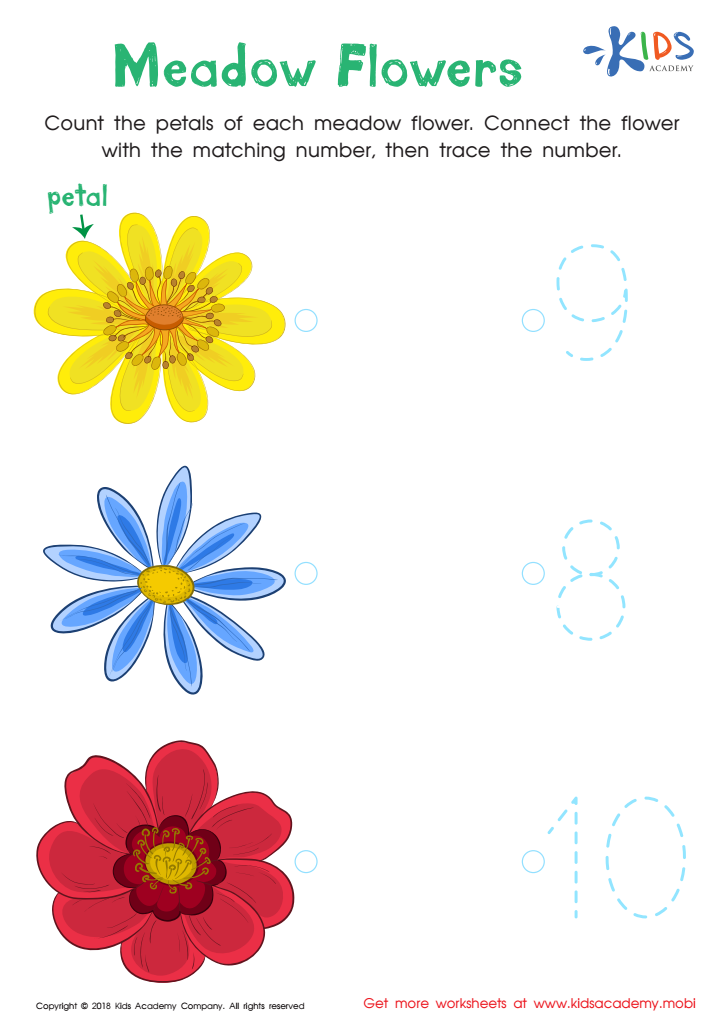
Kindergarten Number Tracing: Medow Flowers Worksheet
 Assign to My Students
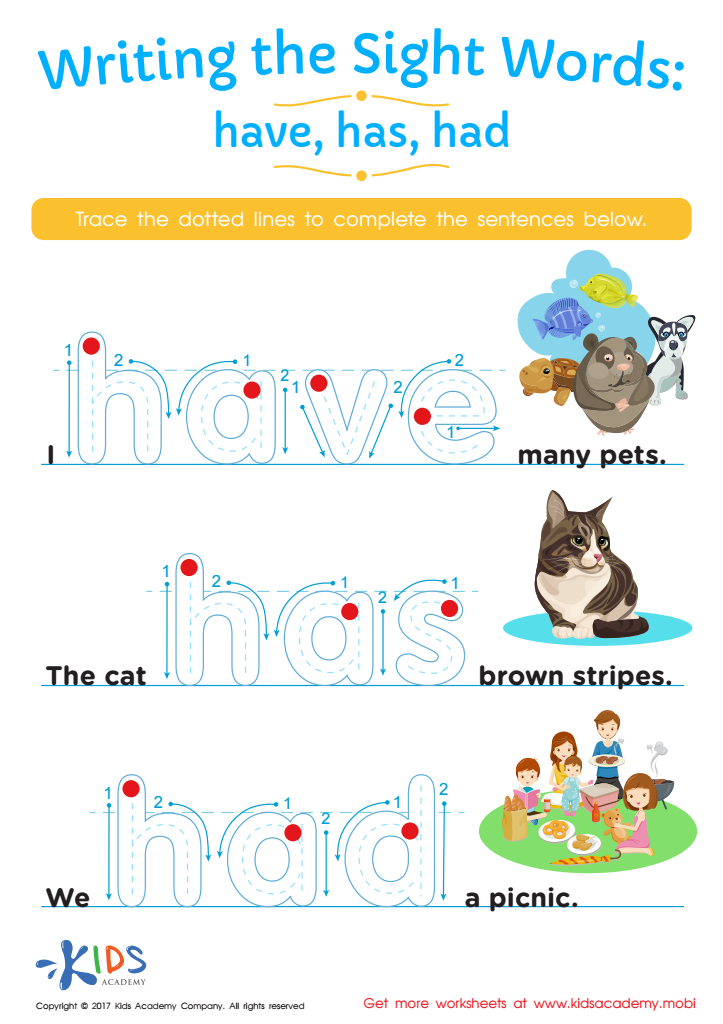
Have, Has, Had Worksheet Sight Words Worksheet








Normal tracing activities for children aged 5 to 7 play a crucial role in their early development, and both parents and teachers should prioritize these activities. First, tracing fosters fine motor skills, which are essential for writing and drawing. As children practice holding and moving writing instruments, they develop hand-eye coordination and muscle control, laying the groundwork for better handwriting and artistic expression.
Furthermore, tracing activities can enhance cognitive skills as they encourage recognition of shapes, letters, and numbers. Engaging with these elements helps children identify and differentiate characters, supporting literacy and numeracy development. By tracing letters and words, children also reinforce their understanding of language patterns, which aids reading acquisition.
In addition, normal tracing promotes concentration and patience. Completing a tracing task requires focus, strengthening their ability to concentrate on a single activity for extended periods, an important skill for academic success.
Finally, these activities can be turned into a positive shared experience between parents and children or teachers and students, promoting engagement and encouragement. Overall, normal tracing activities not only support motor and cognitive development but also foster a love for learning, making them essential in fostering a child's foundational skills in early education.








