Fine Motor Skills ABC Letters Worksheets for Ages 3-4 - Page 2
38 filtered results
-
From - To
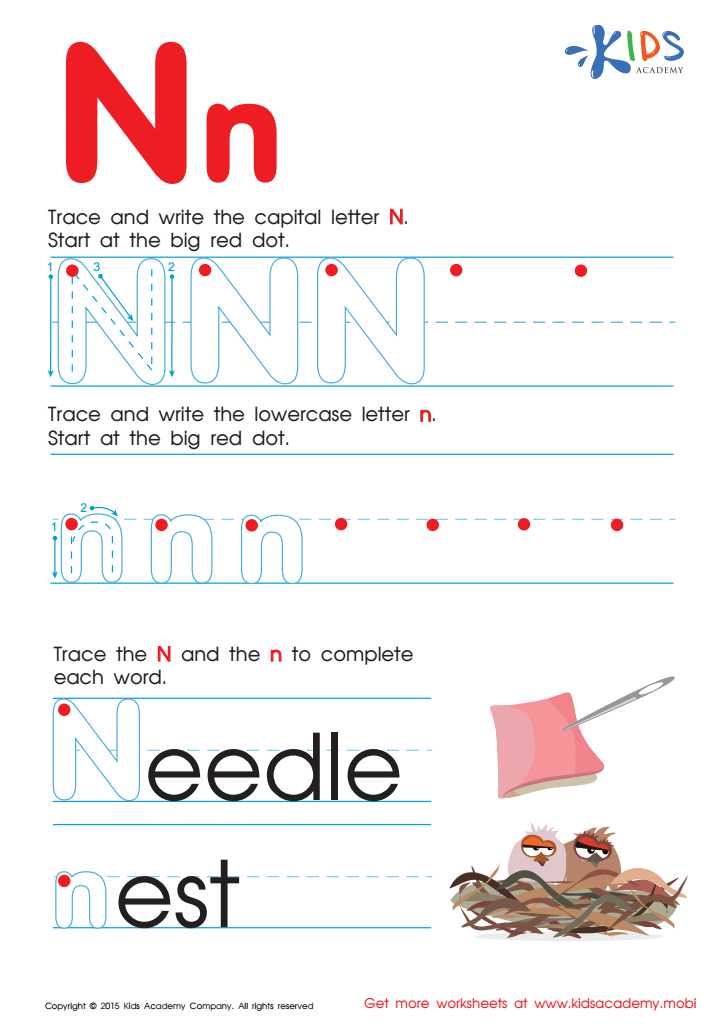
Letter N Tracing Page







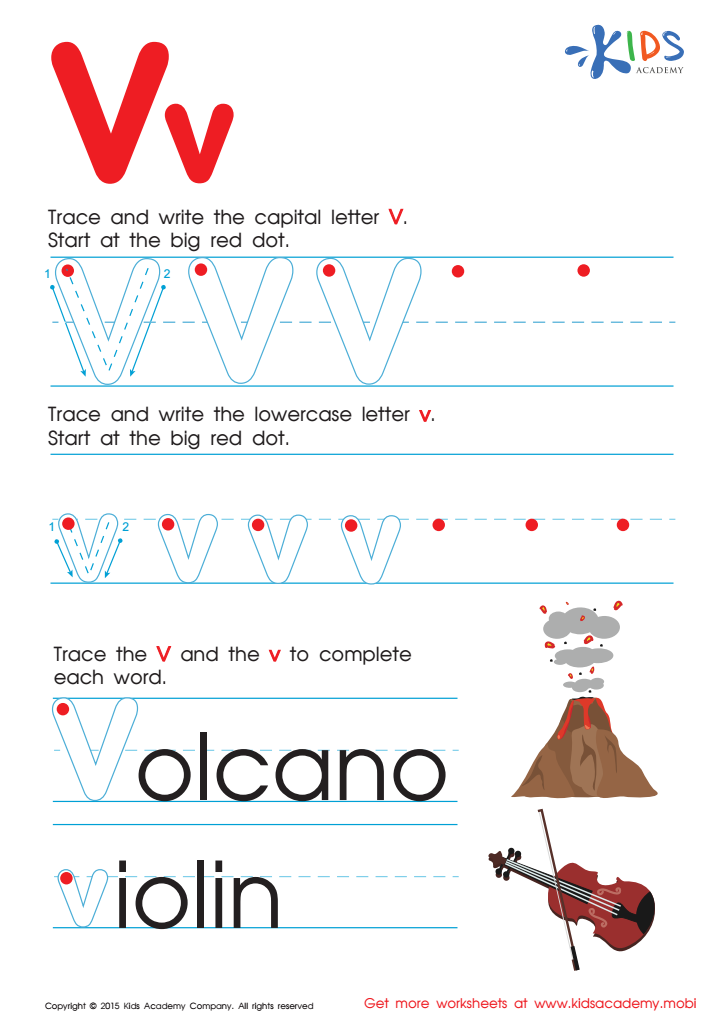
Letter V Tracing Page
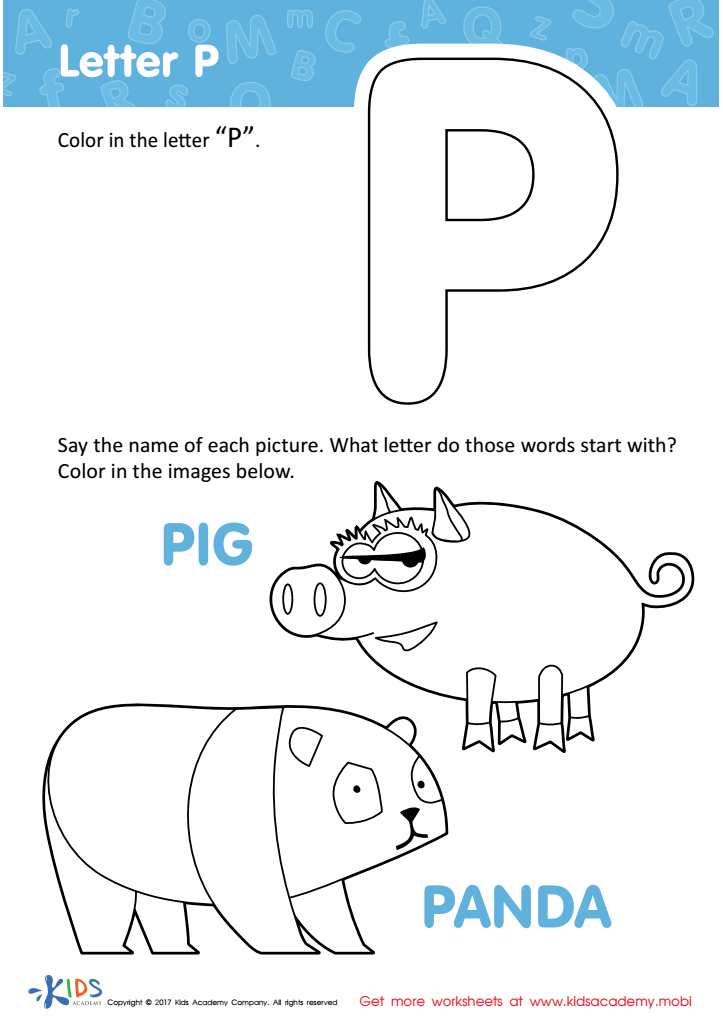
Letter P Coloring Sheet
 Assign to My Students
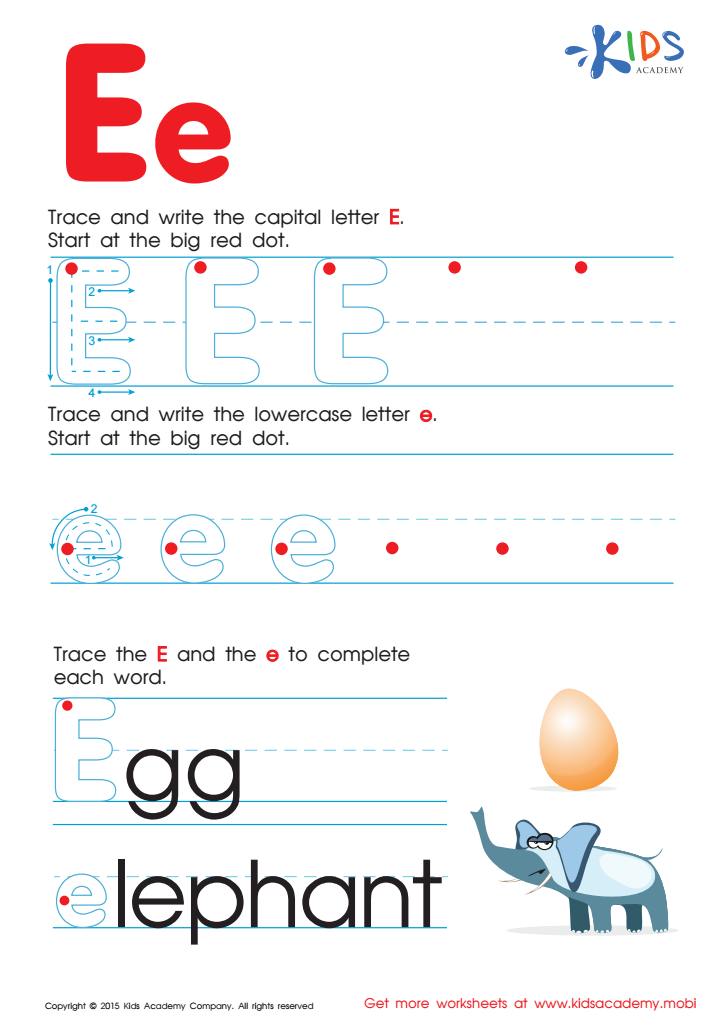
Letter E Tracing Page
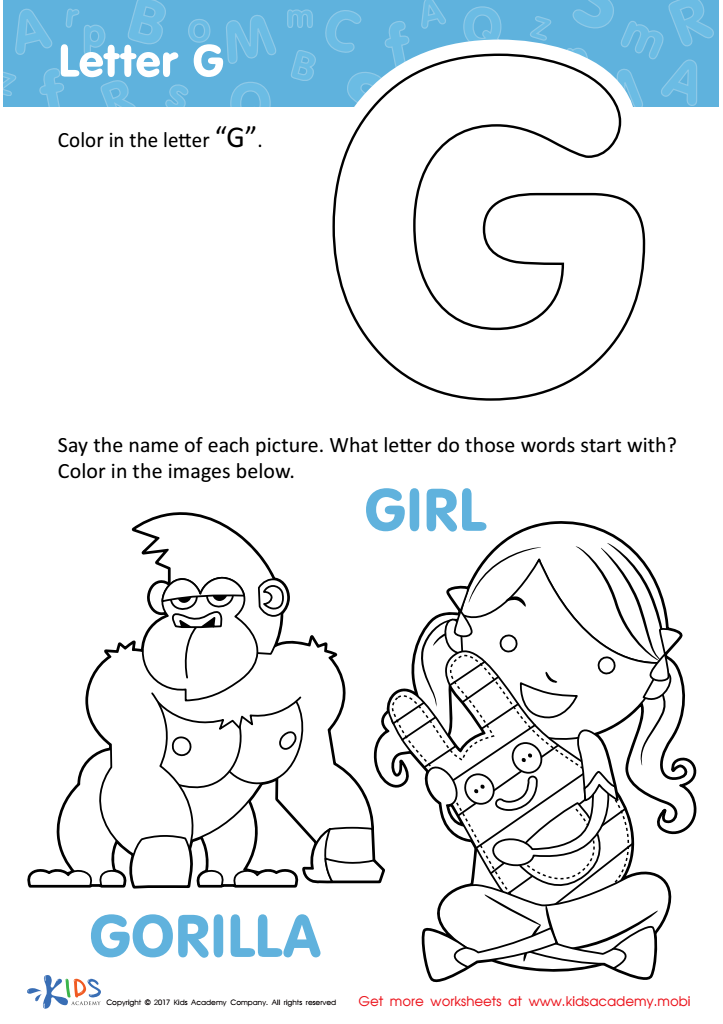
Letter G Coloring Sheet
Assign to My Students
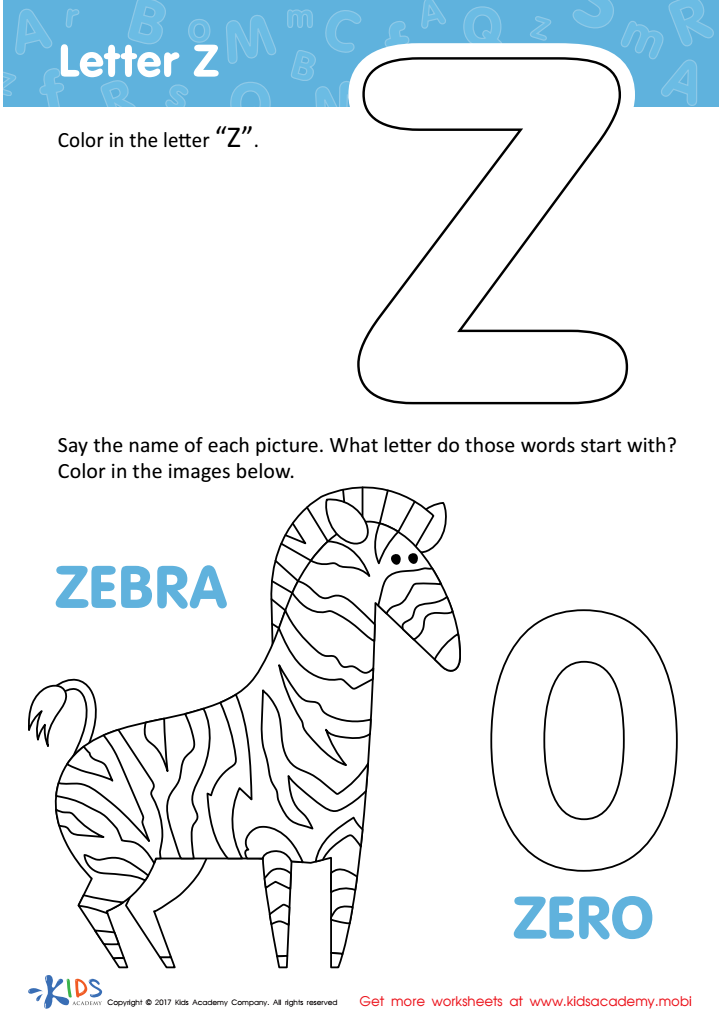
Letter Z Coloring Sheet
Assign to My Students
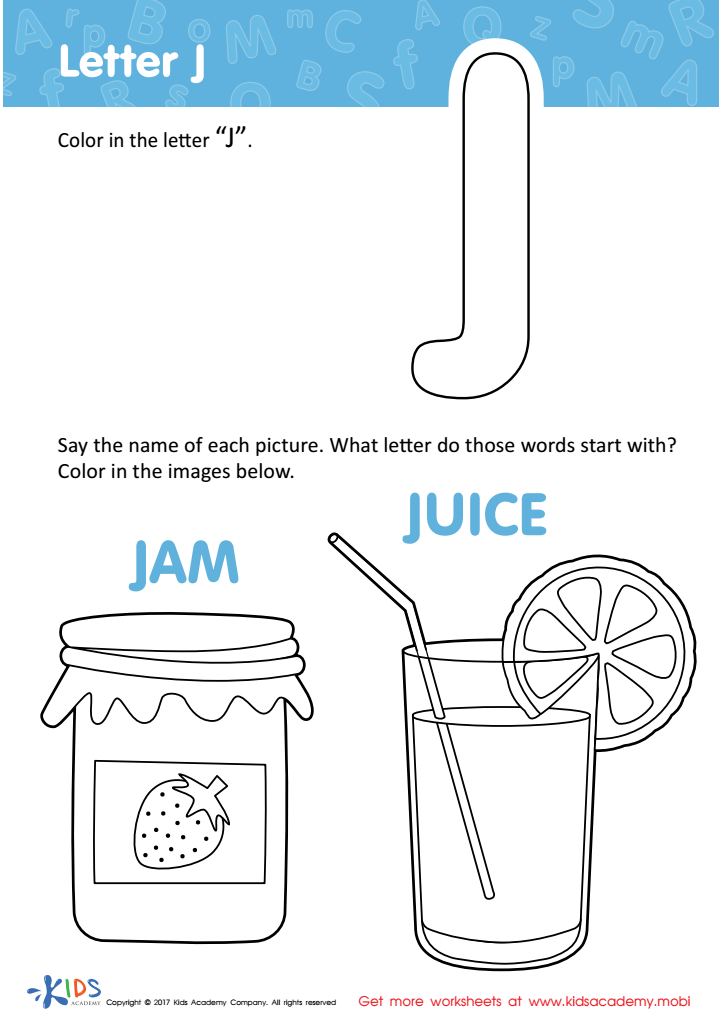
Letter J Coloring Sheet
Assign to My Students
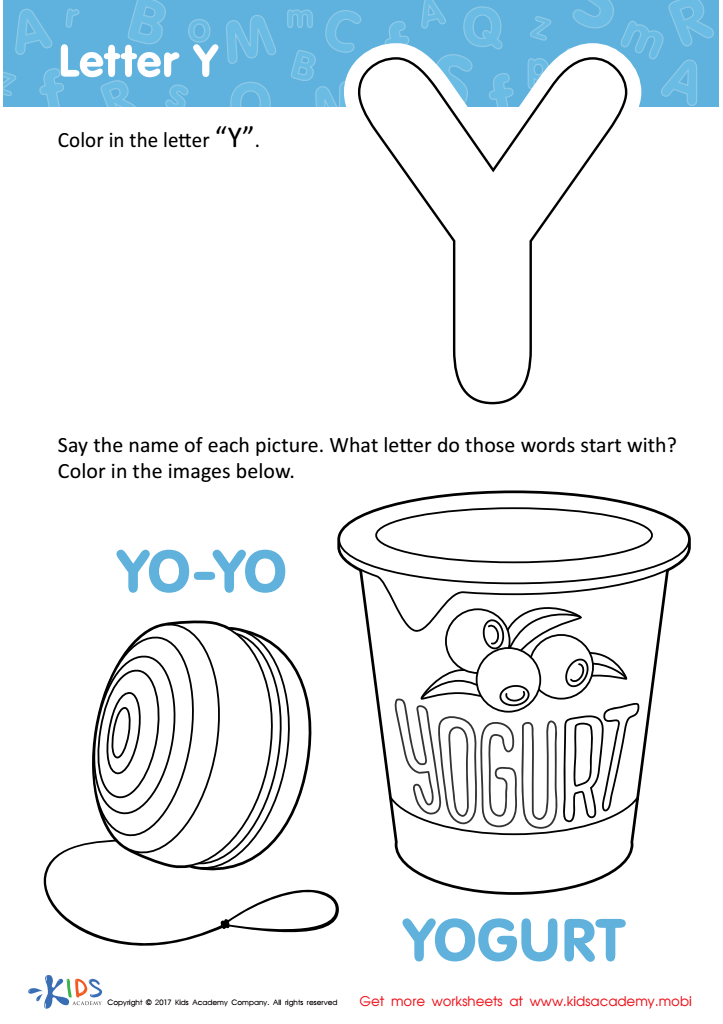
Letter Y Coloring Sheet
Assign to My Students

Letter F Tracing Page
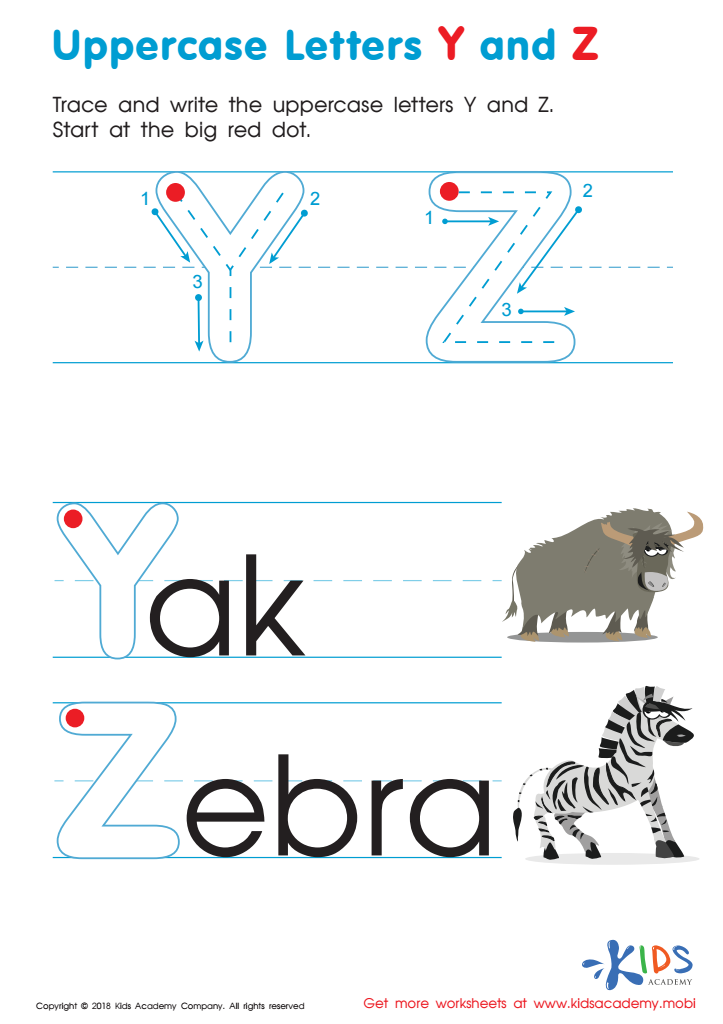
Uppercase Letters Y Z Worksheet
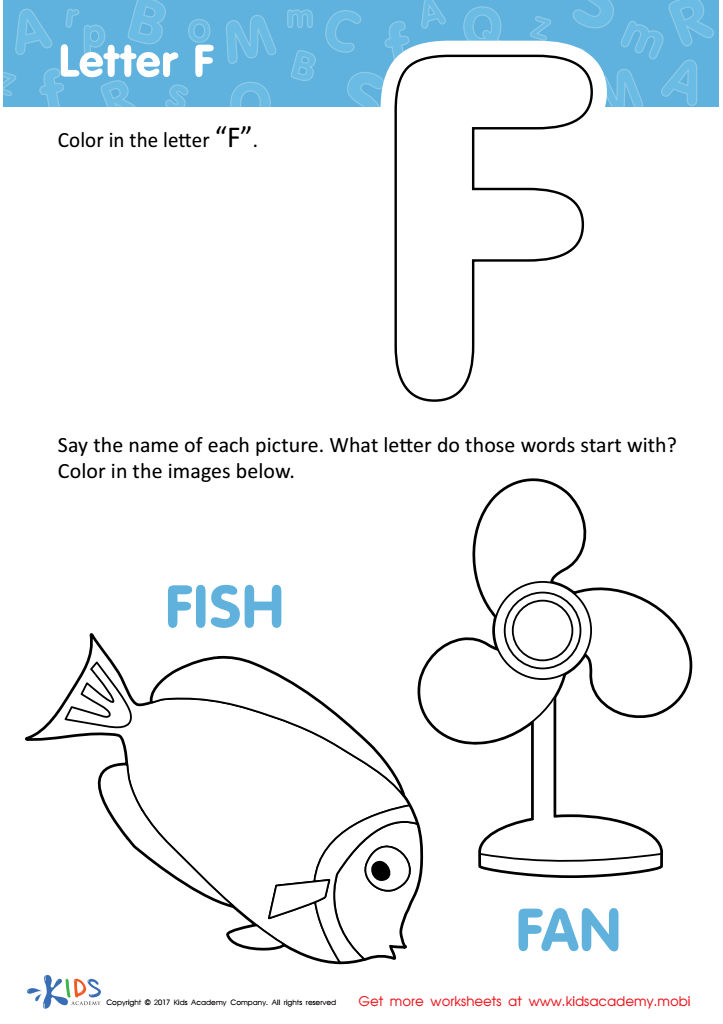
Letter F Coloring Sheet
Assign to My Students
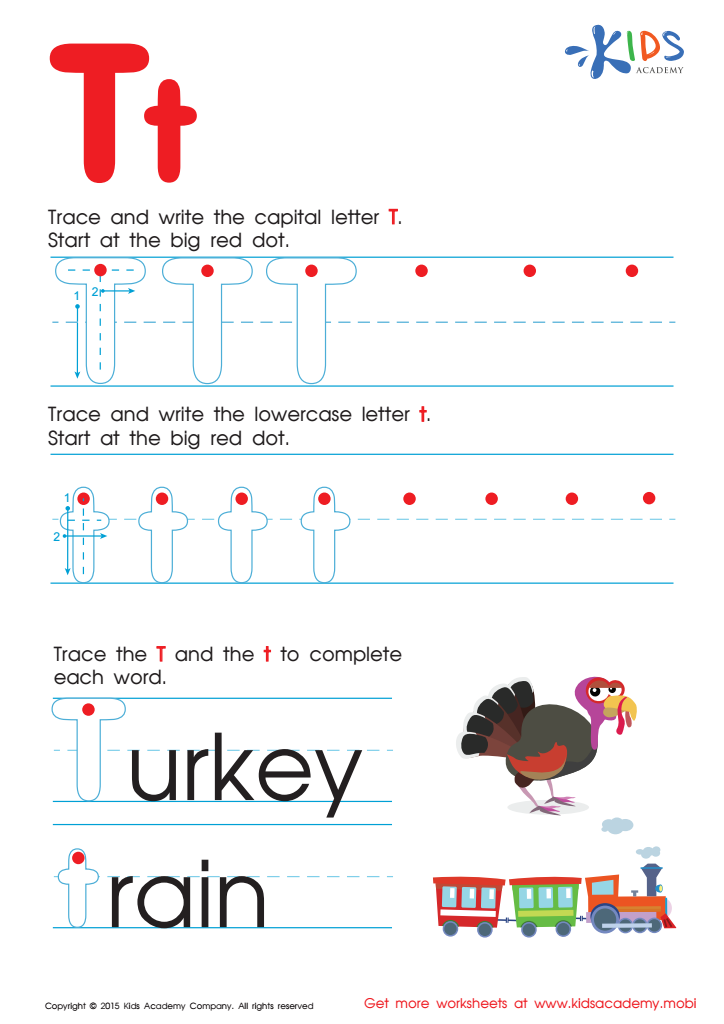
Letter T Tracing Page
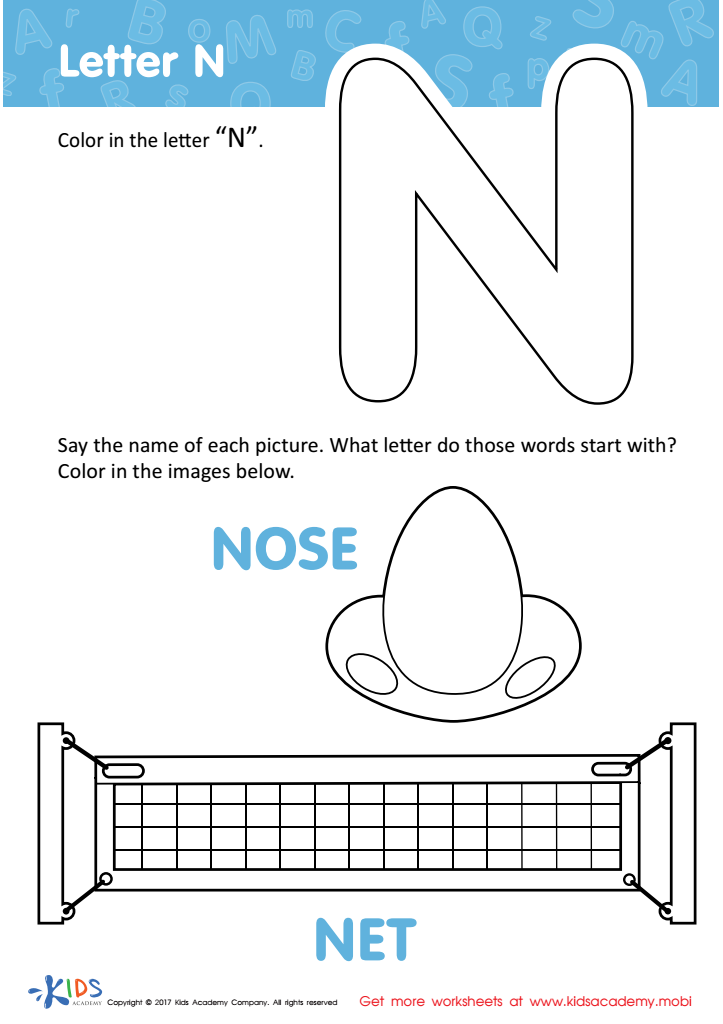
Letter N Coloring Sheet
Assign to My Students

Letter D Tracing Page







Fine motor skills are crucial for young children as they form the foundation for many essential activities, including writing, dressing, and manipulating small objects. Focusing on fine motor skills for ages 3-4, specifically through activities involving ABC letters, plays a significant role in both physical and cognitive development. At this age, children's hands and finger muscles are still developing, and engaging in fine motor activities helps to strengthen these muscles, improving dexterity and coordination. This, in turn, prepares them for more complex tasks like writing letters, using scissors, and even tying their shoes.
When parents and teachers emphasize learning ABC letters through tactile and interactive methods, such as tracing letters, using playdough to form letters, or playing alphabet-themed games, children not only get familiar with the alphabet but also enhance their hand-eye coordination and precision. This dual approach ensures they are learning to recognize and eventually write letters correctly.
Moreover, integrating fine motor skill activities with learning ABCs fosters an engaging learning environment that promotes curiosity and a love for learning. It lays a solid foundation for literacy, enabling children to transition smoothly to more advanced reading and writing tasks, setting the stage for academic success.
In summary, prioritizing fine motor skills through ABC letter activities provides a balanced approach to holistic early childhood development, combining physical skill enhancement with foundational literacy concepts.







