Letter recognition Alphabet Worksheets for Ages 3-4
88 filtered results
-
From - To
Welcome to our Letter Recognition Alphabet Worksheets for Ages 3-4! These engaging and colorful worksheets are designed to help young learners develop essential letter recognition skills through fun activities. Each sheet features vibrant illustrations and interactive exercises that make learning the alphabet exciting. Children will enhance their ability to identify and differentiate between letters, laying a strong foundation for reading and writing. Perfect for home or classroom use, our worksheets encourage creativity and provide opportunities for hands-on learning. Start your child's literacy journey today with our thoughtfully crafted worksheets, designed to make letter learning a delightful experience!
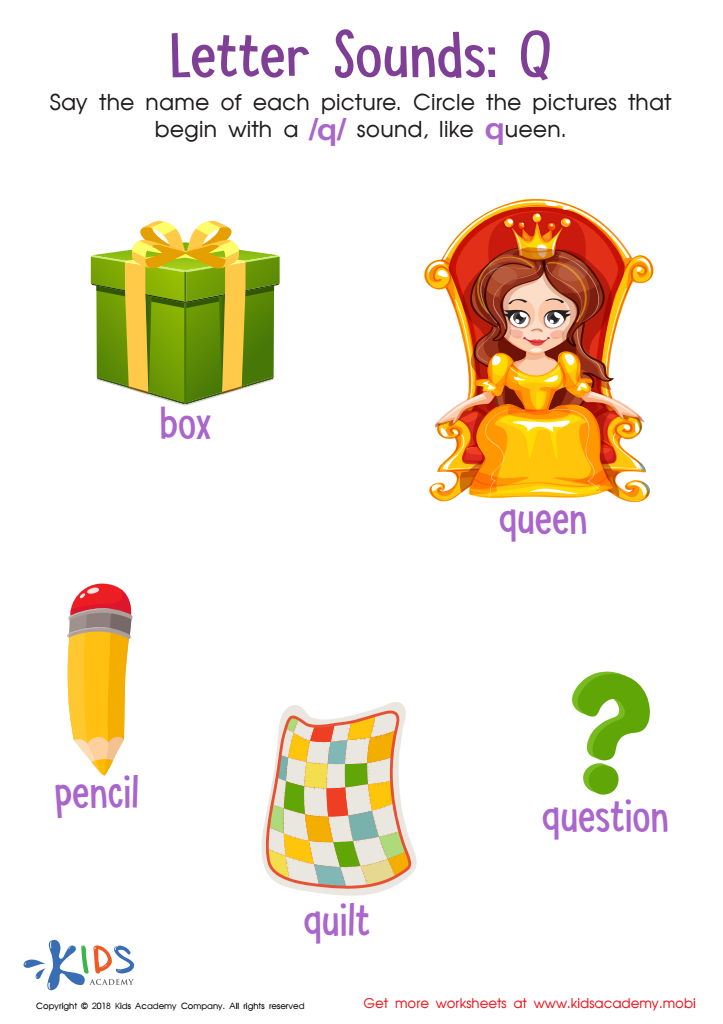
Letter Q Sounds Worksheet
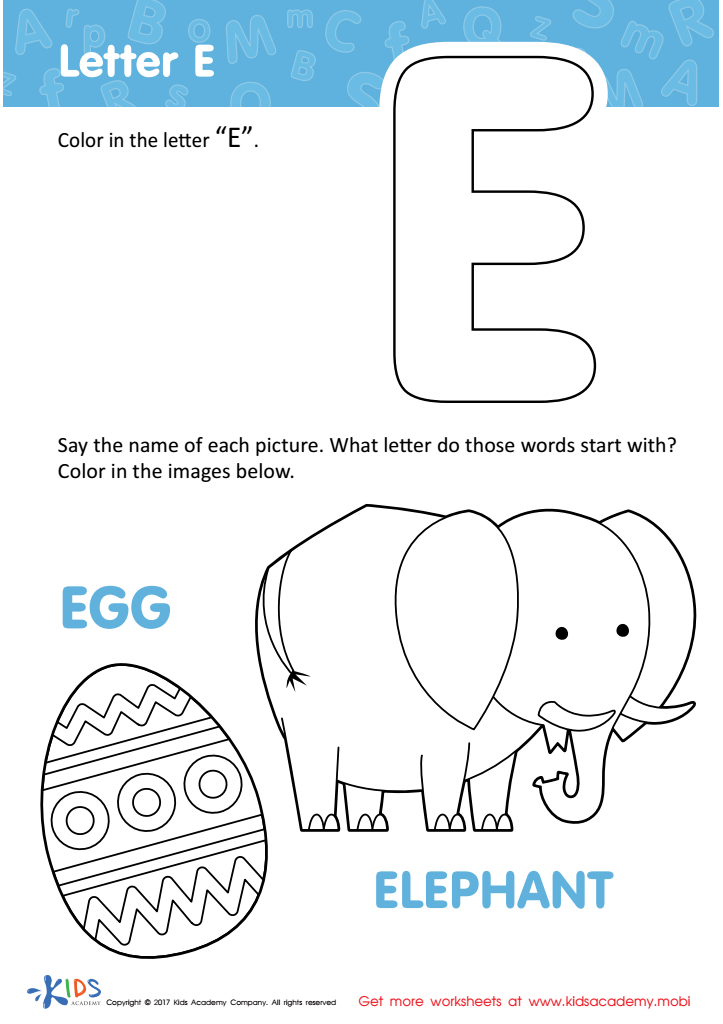
Letter E Coloring Sheet
 Assign to My Students
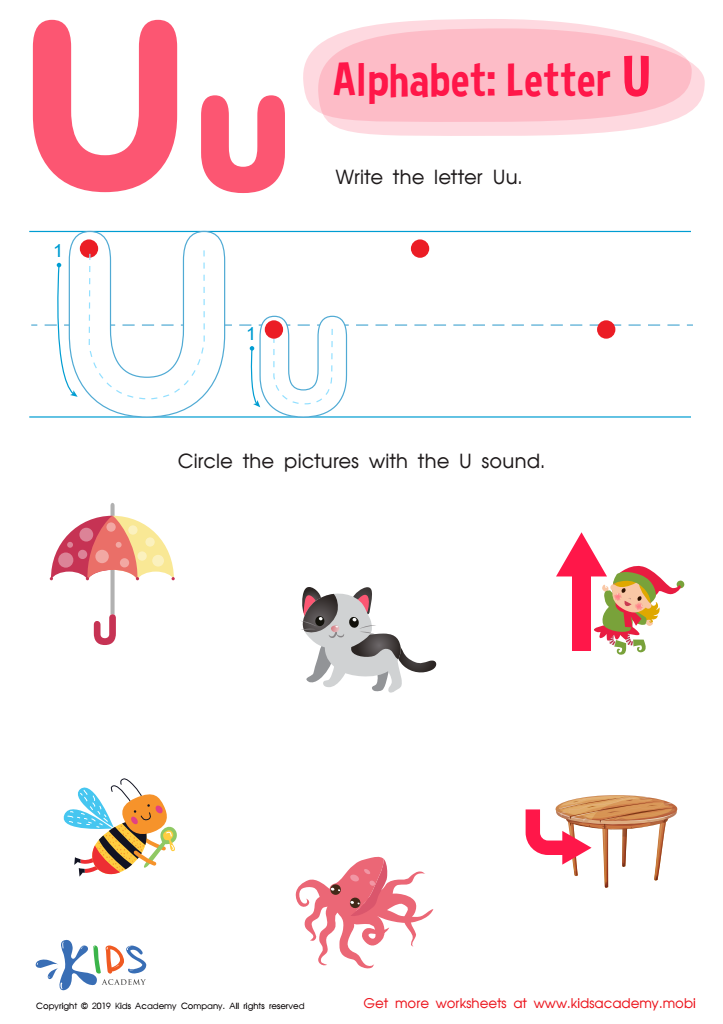
Letter U Tracing Worksheet
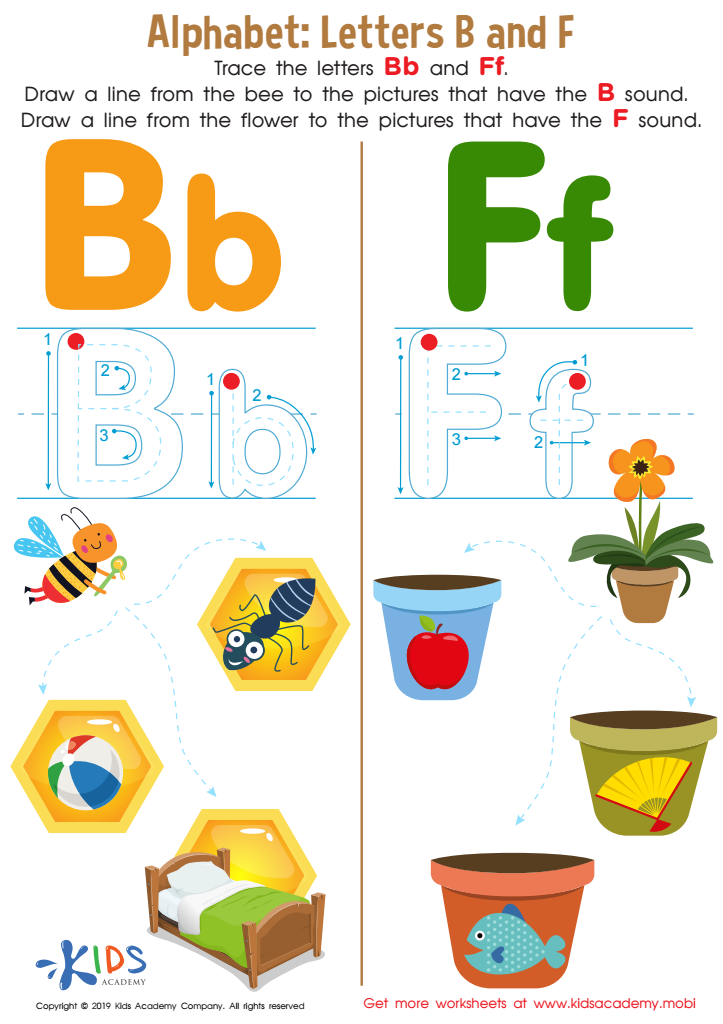
Letters B and F Tracing Worksheet
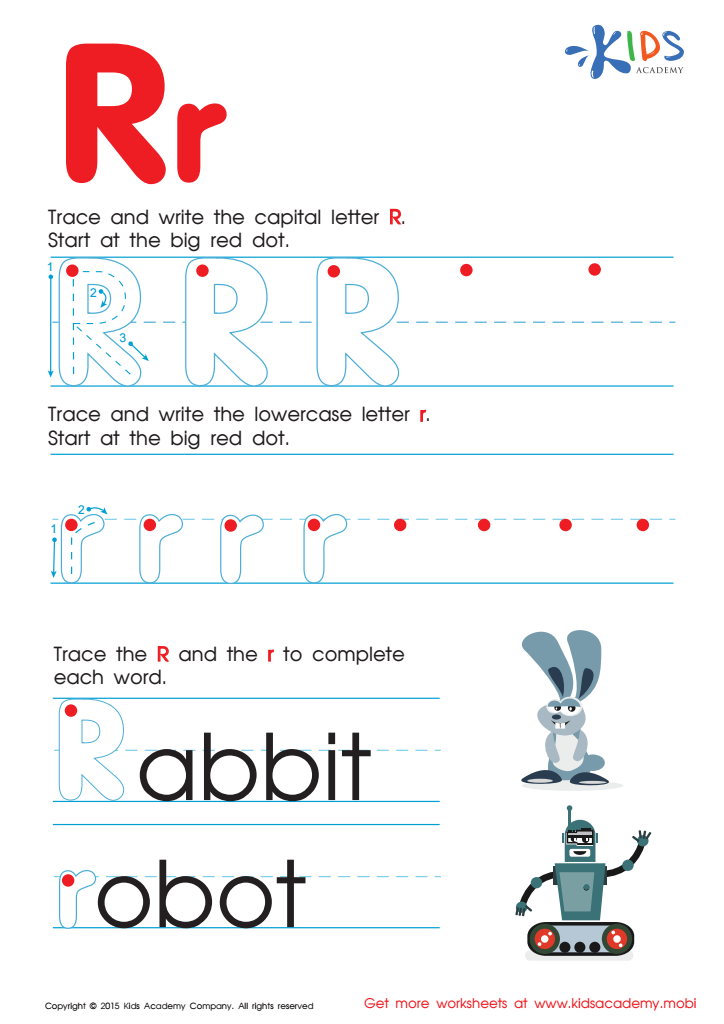
Letter R Tracing Page
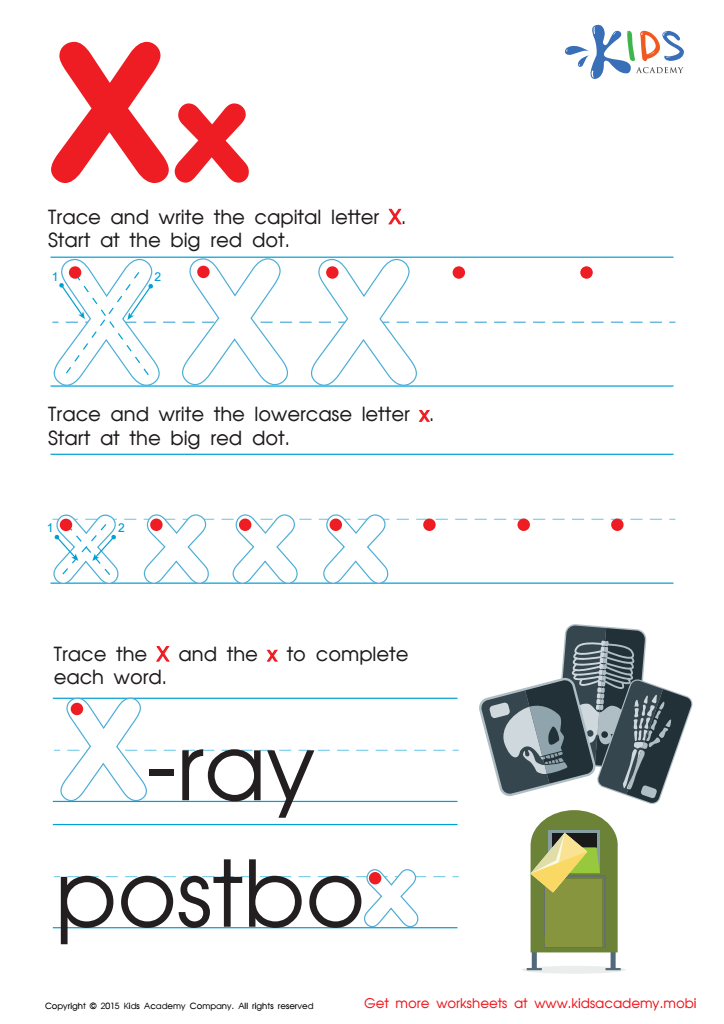
Letter X Tracing Page
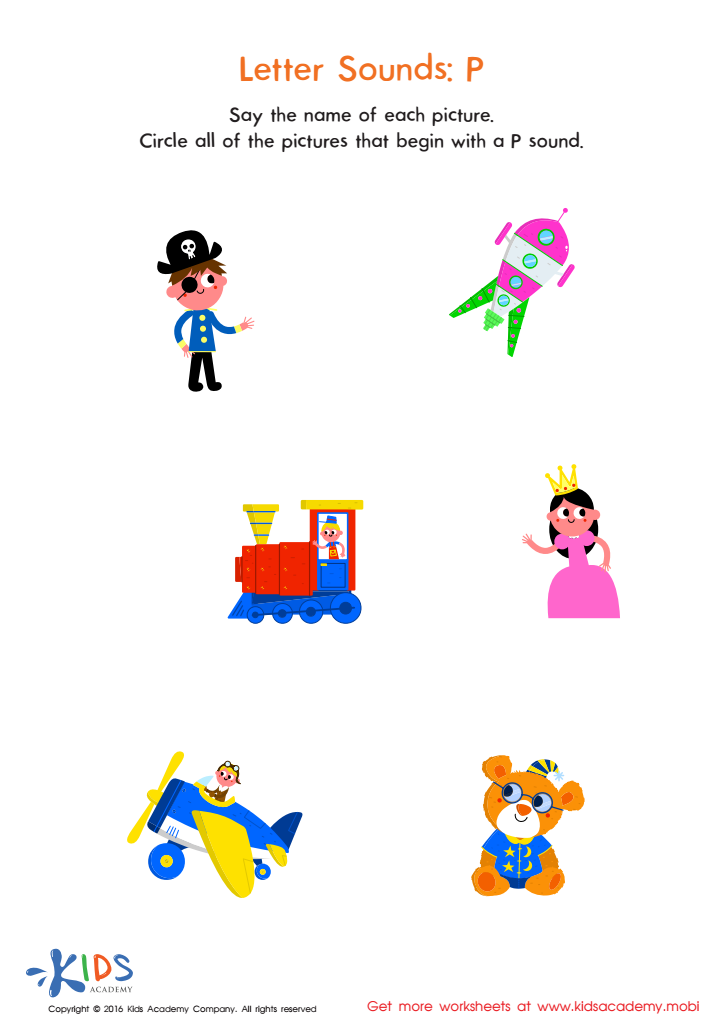
Letter P Sound Worksheet
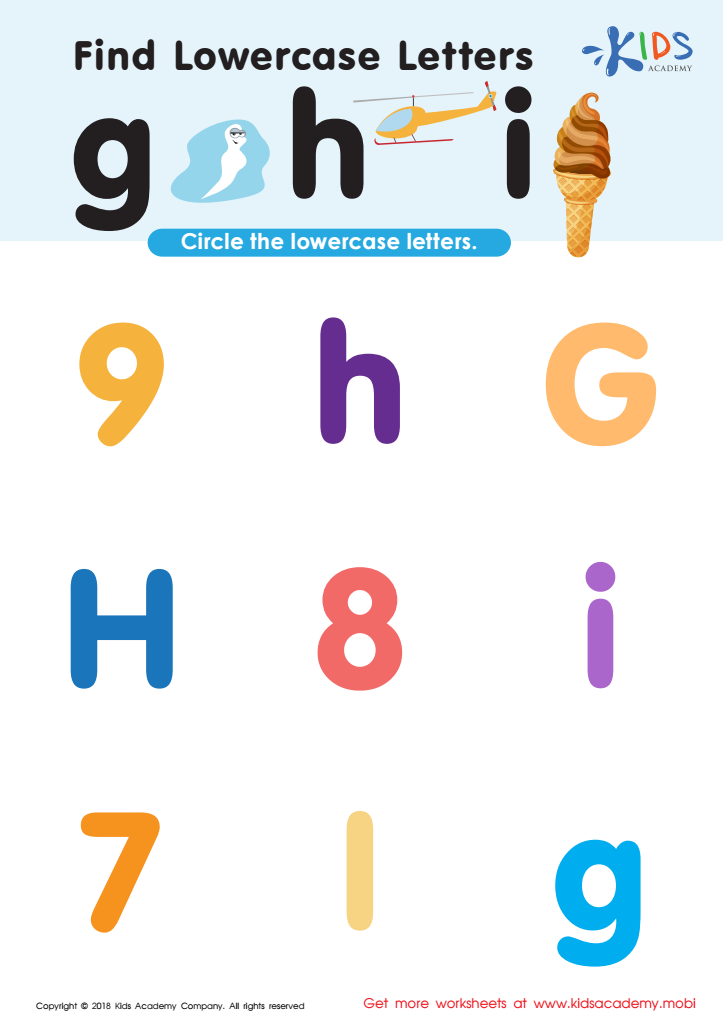
Find Lowercase Letters g h i Worksheet
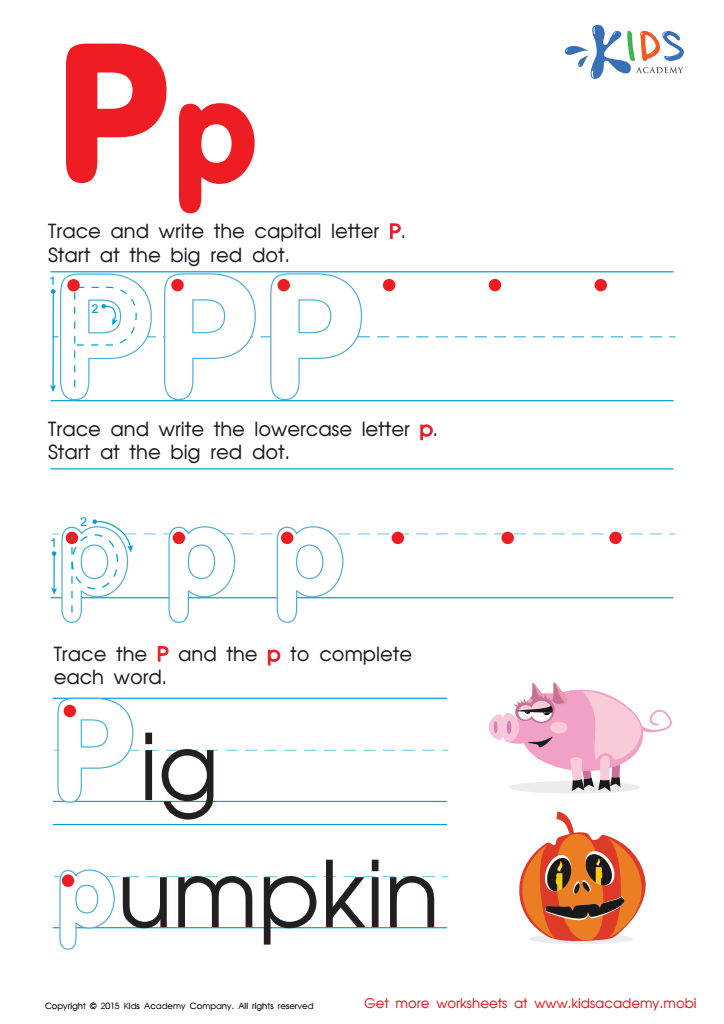
Letter P Tracing Page
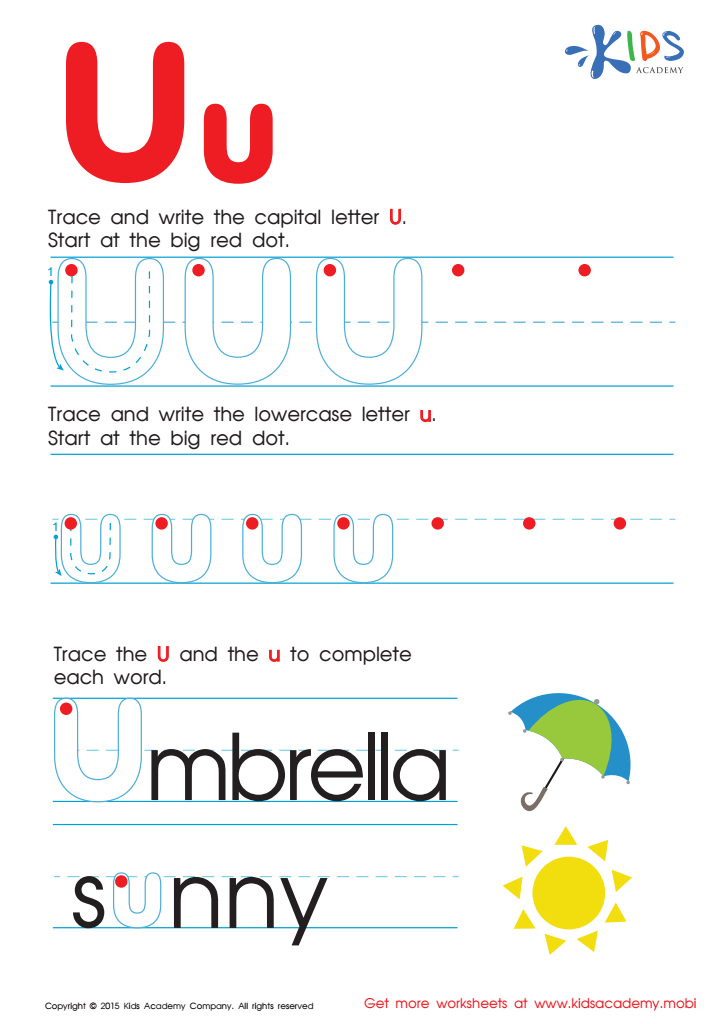
Letter U Tracing Page
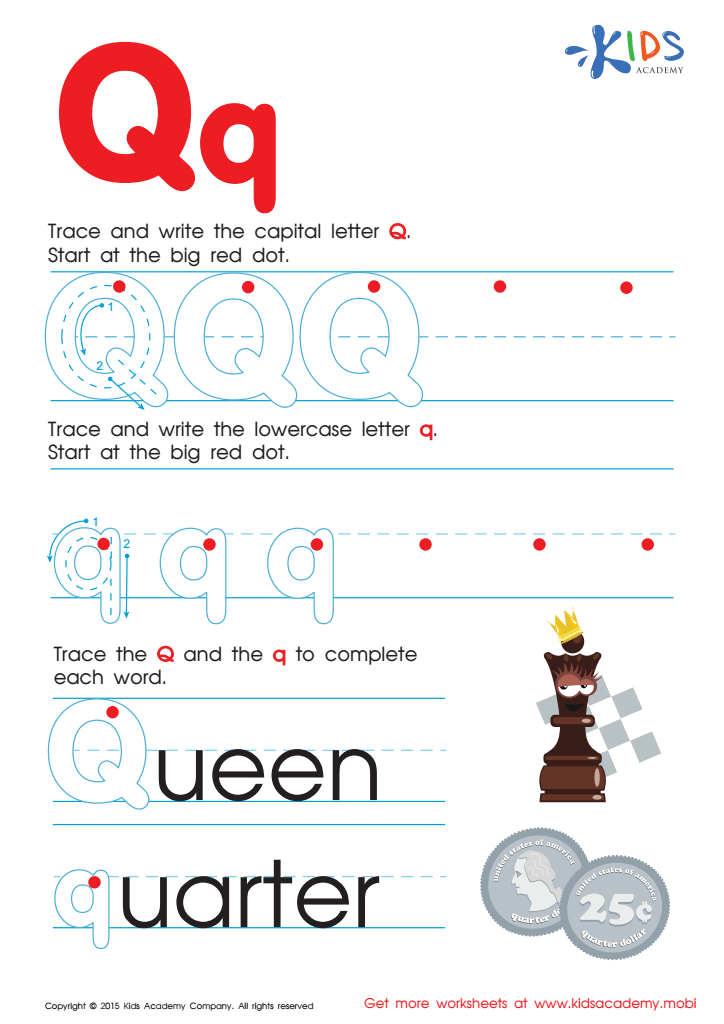
Letter Q Tracing Page
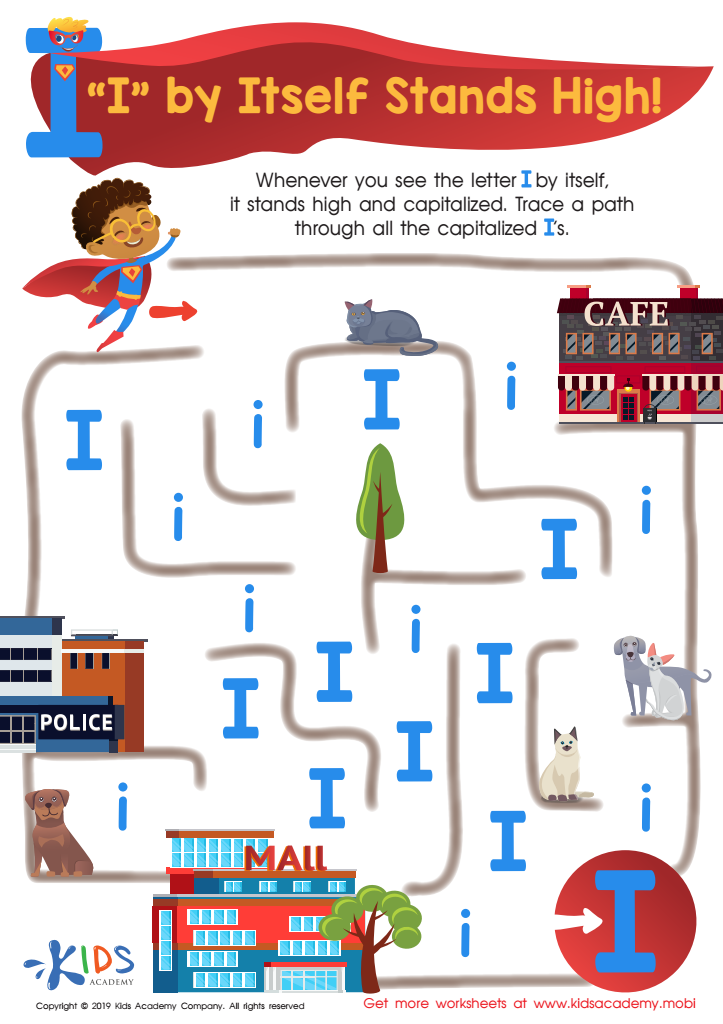
I Stands High Worksheet
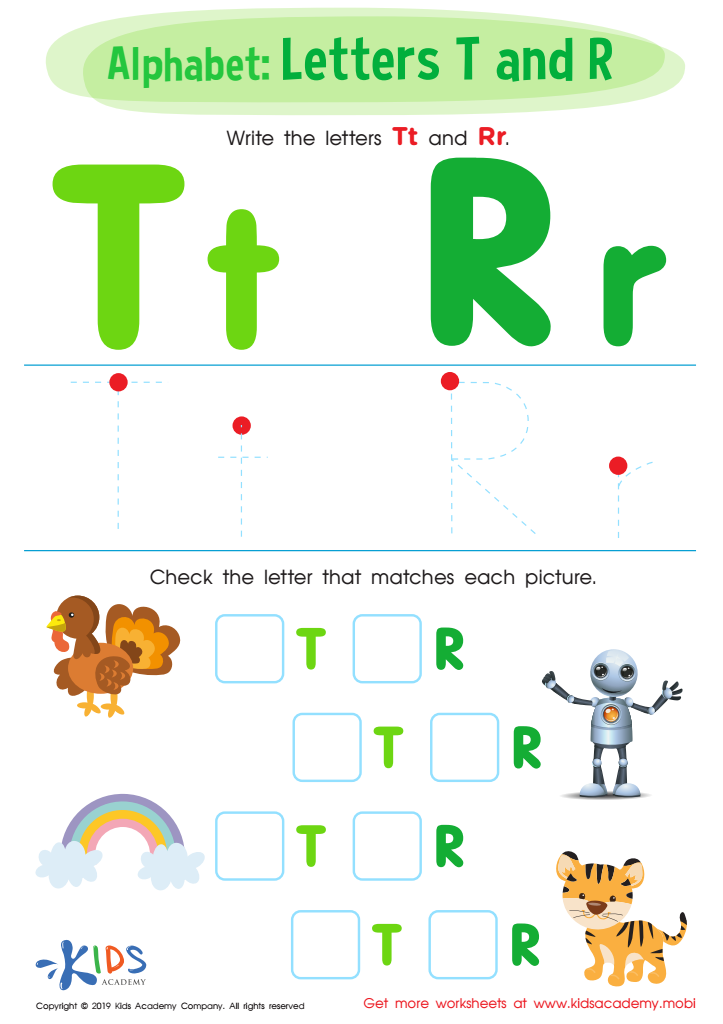
Letters T and R Worksheet
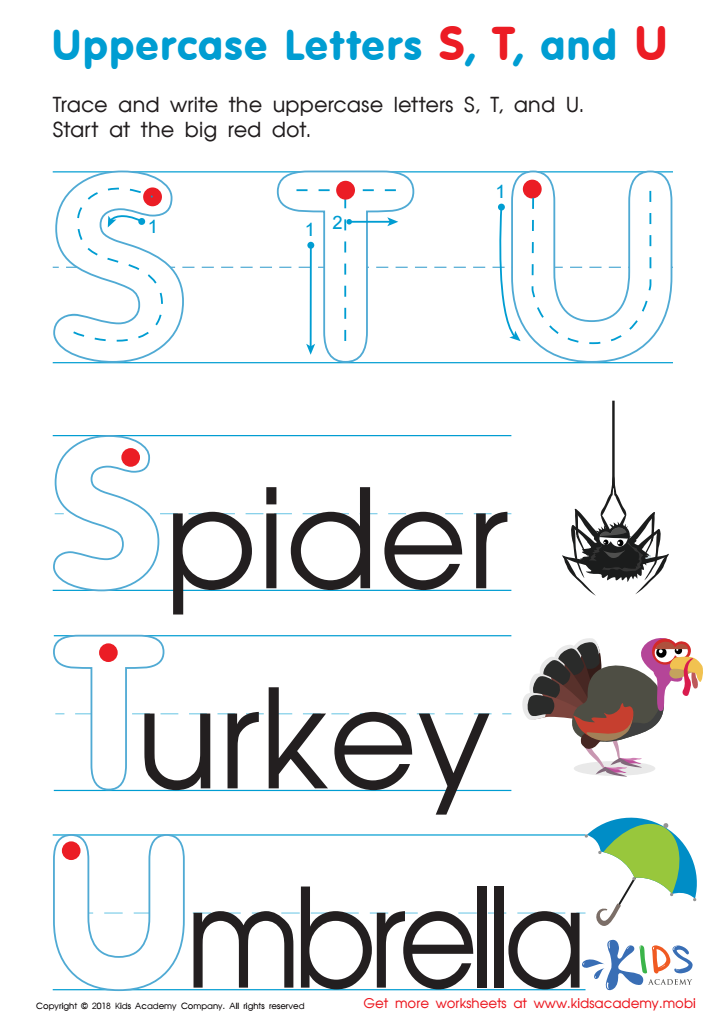
Uppercase Letters S, T, and U Worksheet
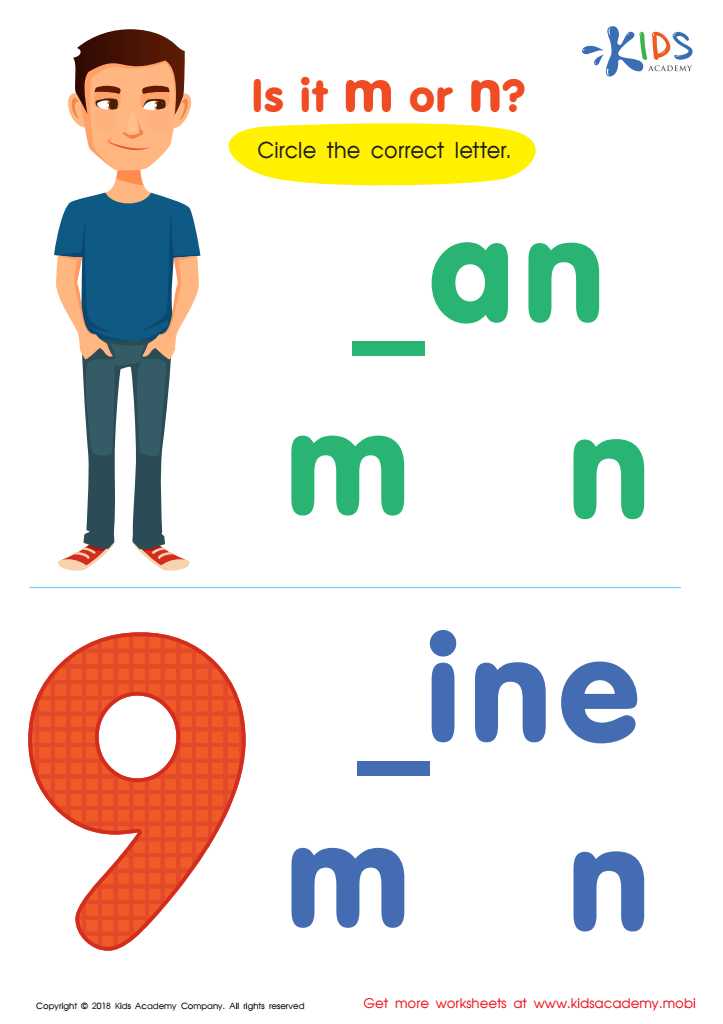
Is It m or n? Worksheet
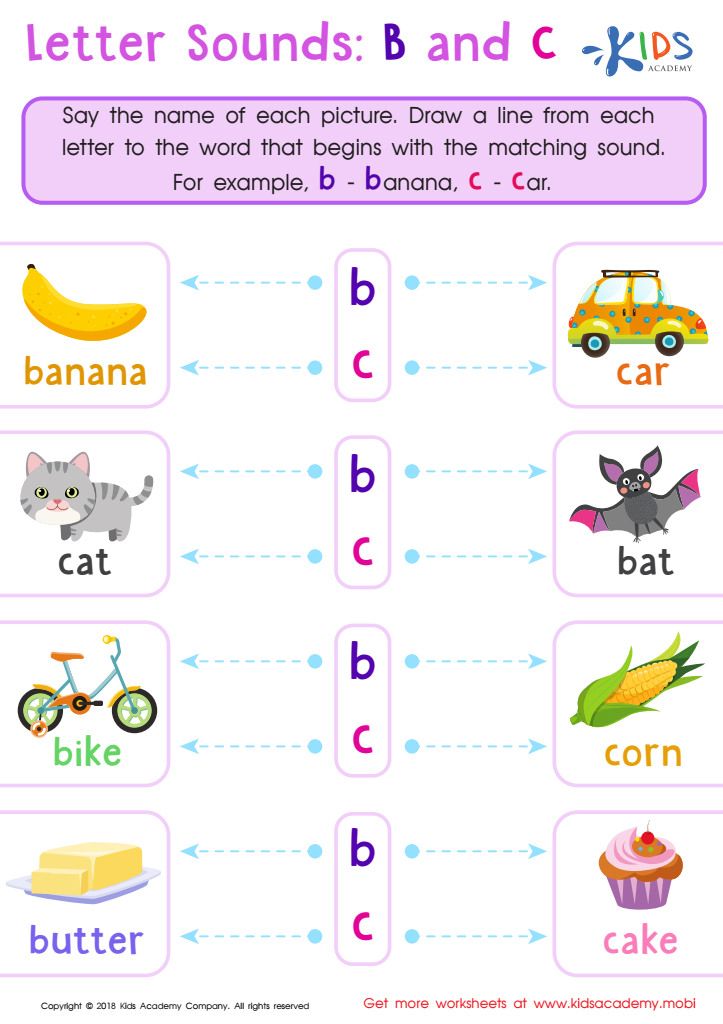
Letter B and C Sounds Worksheet
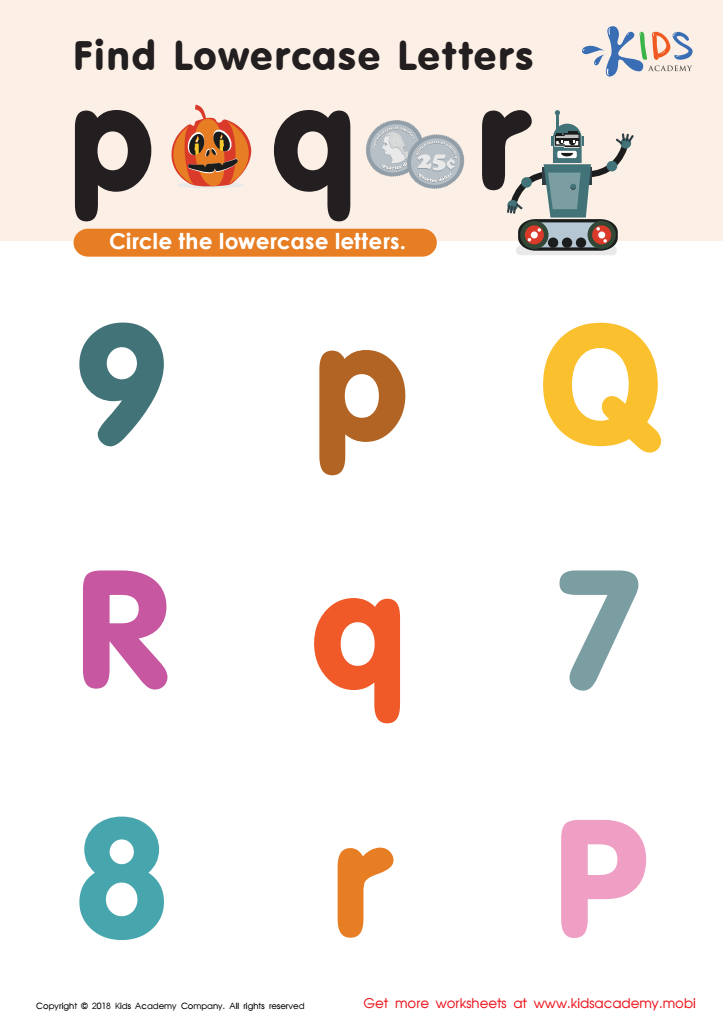
Find lowercase Letters p q r Worksheet
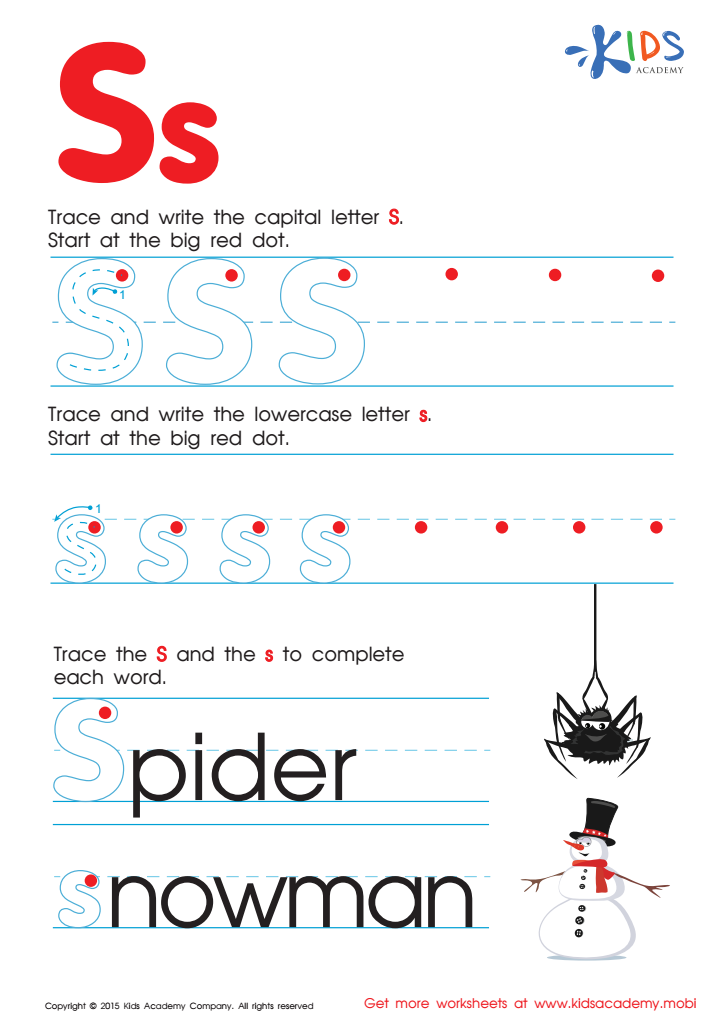
Letter S Tracing Page
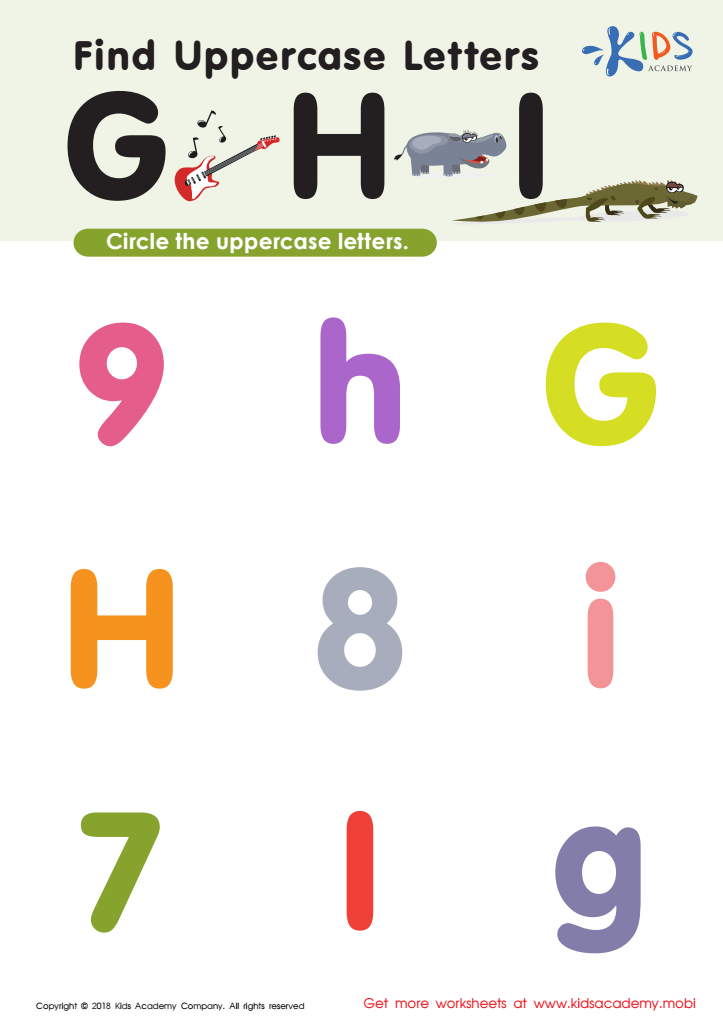
Find Uppercase Letters G, H, and I Worksheet
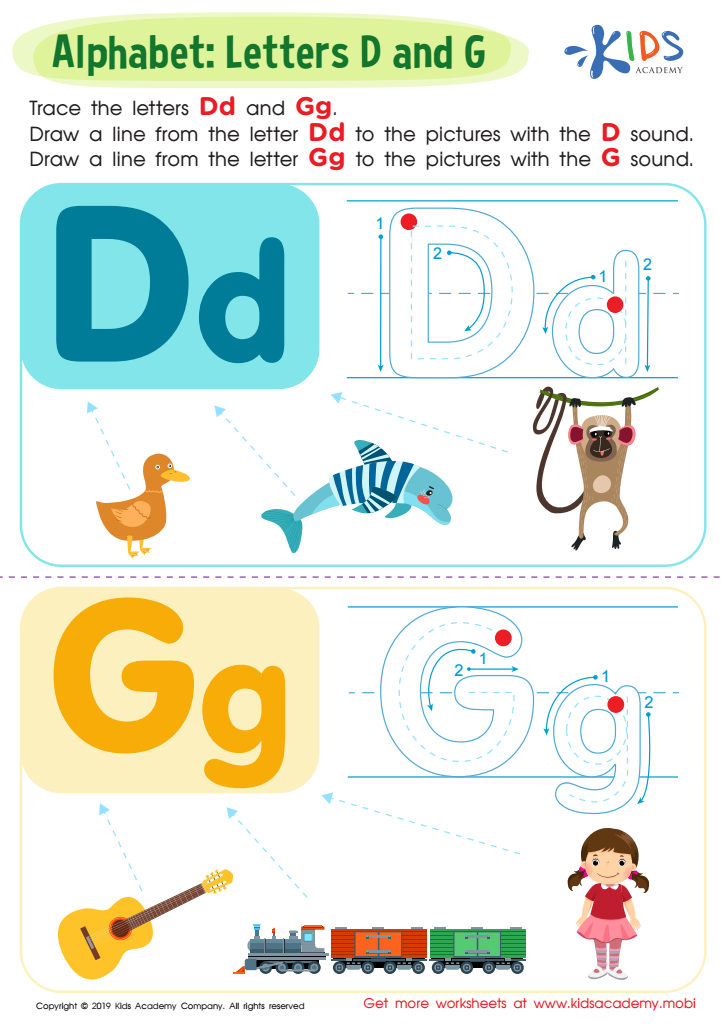
Letter D and G Tracing Worksheet
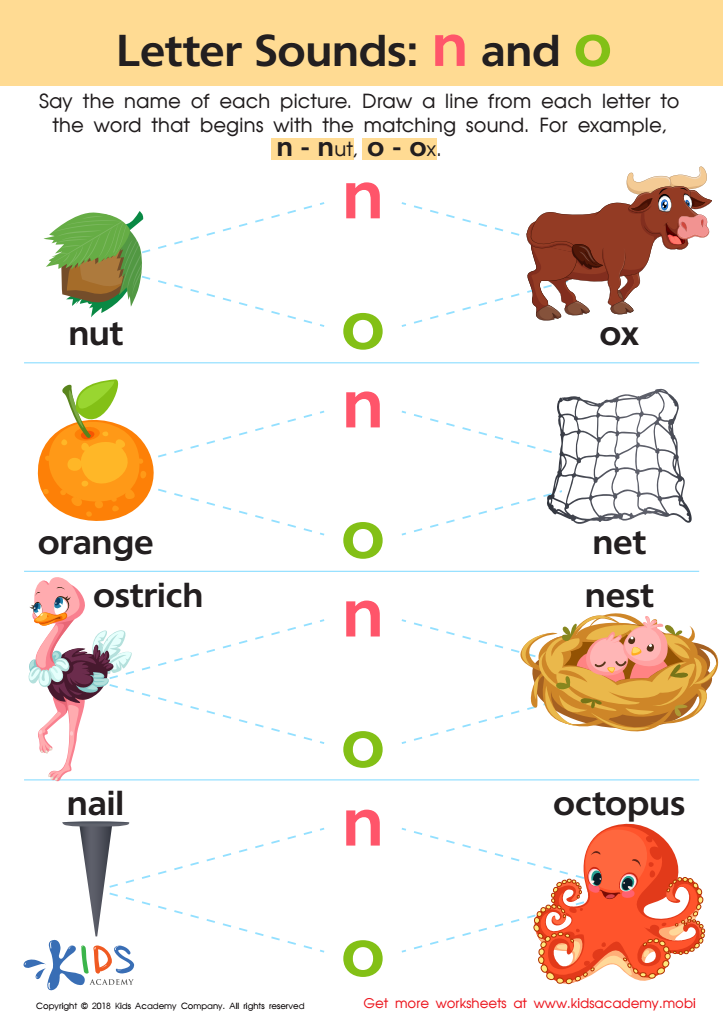
Letter N and O Sounds Worksheet
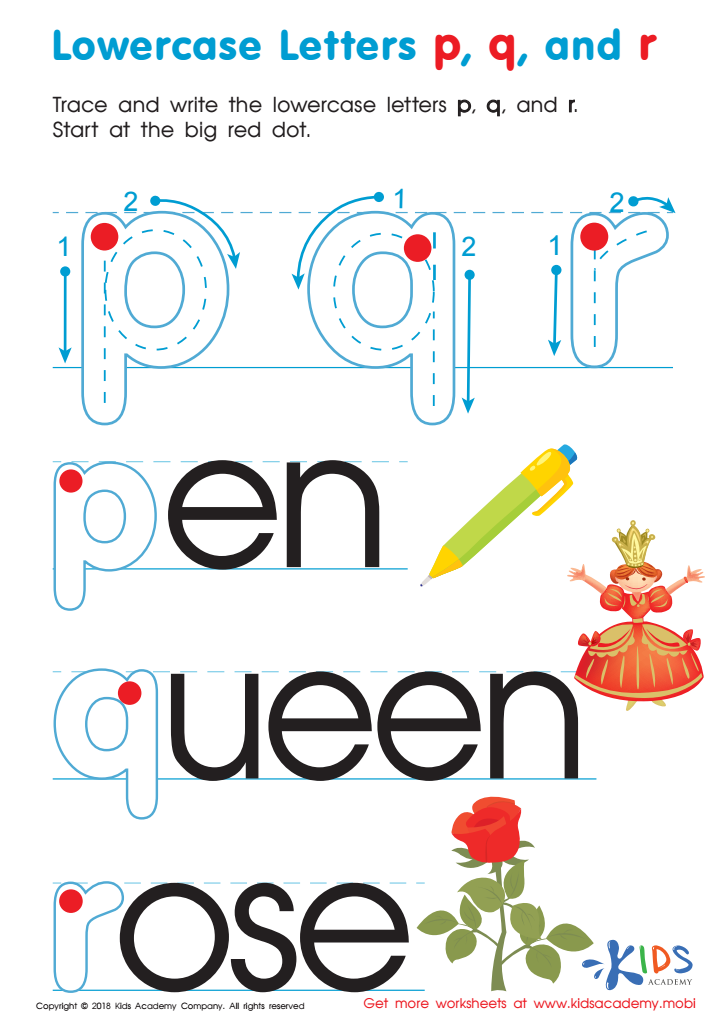
Lowercase Letters p q r Worksheet
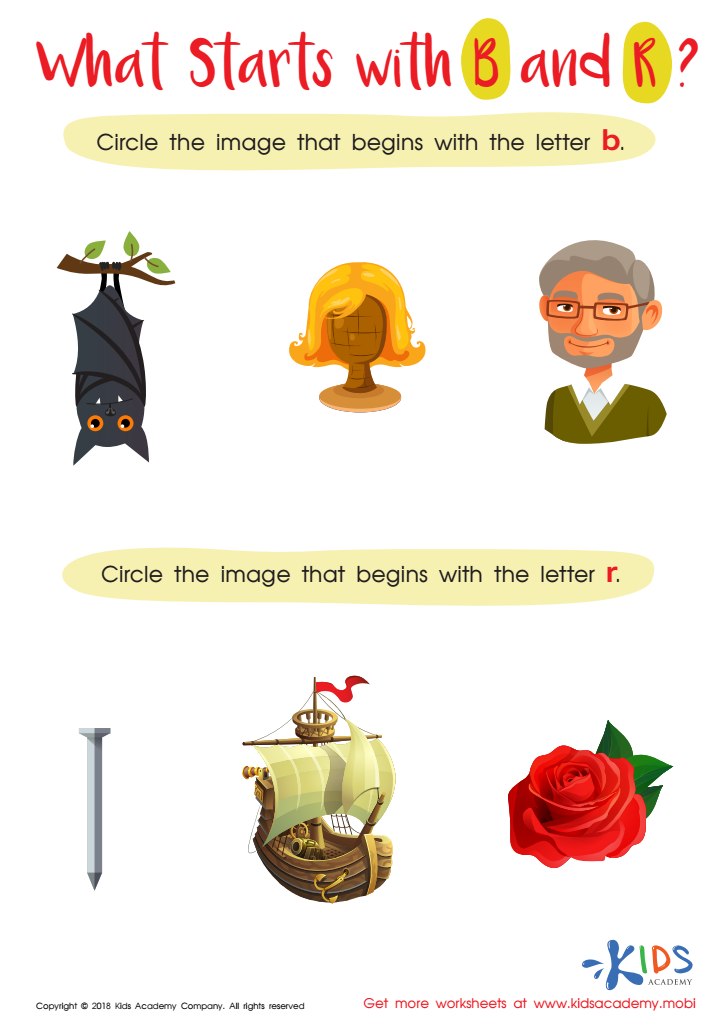
What Starts with B and R? Worksheet
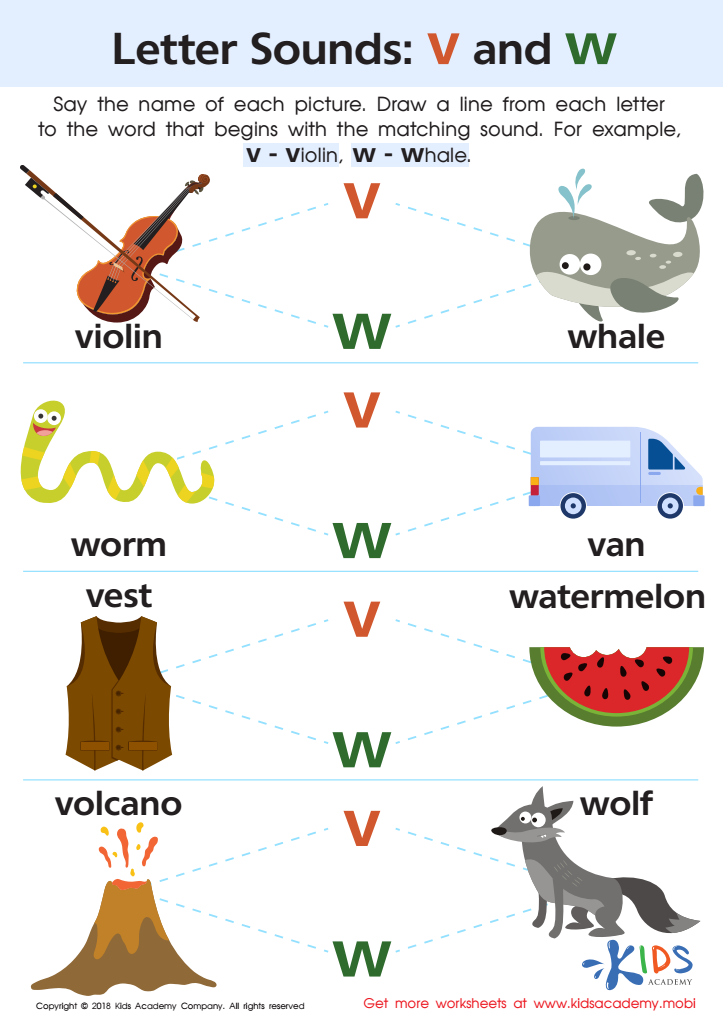
Letter V and W Sounds Worksheet







Letter recognition is a foundational skill that plays a crucial role in early literacy development for children aged 3-4. Parents and teachers should prioritize this because it forms the basis for reading and writing, which are vital for overall academic success. Recognizing letters helps children begin to understand that written language corresponds to spoken language, fostering phonemic awareness and vocabulary expansion.
At this age, children's brains are exceptionally receptive to learning new information. Engaging them with letter recognition through fun activities—like singing the alphabet, playing letter games, or reading together—can ignite their interest in reading. This skill not only enhances their literacy capabilities but also boosts confidence as they start to decode words and sentences.
Additionally, letter recognition lays the groundwork for future skills such as spelling and grammar. By participating in their child’s letter recognition journey, parents and teachers can create a supportive and enriching environment, which is crucial for developing a love for reading. This early engagement not only cultivates academic skills but also fosters lifelong learning habits, making it essential for educators and parents to prioritize and incorporate letter recognition activities in their interactions with young children.







