Sound Association Alphabet Worksheets for Ages 3-4
25 filtered results
-
From - To
Discover the joy of learning with our Sound Association Alphabet Worksheets designed for ages 3-4! These fun, engaging activities help young children connect letters with their corresponding sounds, building a strong foundation for reading. Each worksheet features colorful illustrations and simple tasks to keep little ones entertained while enhancing their phonics skills. Perfect for home or classroom use, these printables provide a playful, educational experience that boosts early literacy, cognitive development, and sound recognition. Instill a love of learning from the start with our expertly crafted worksheets, tailored to your child's developmental needs. Download, print, and watch your child thrive!
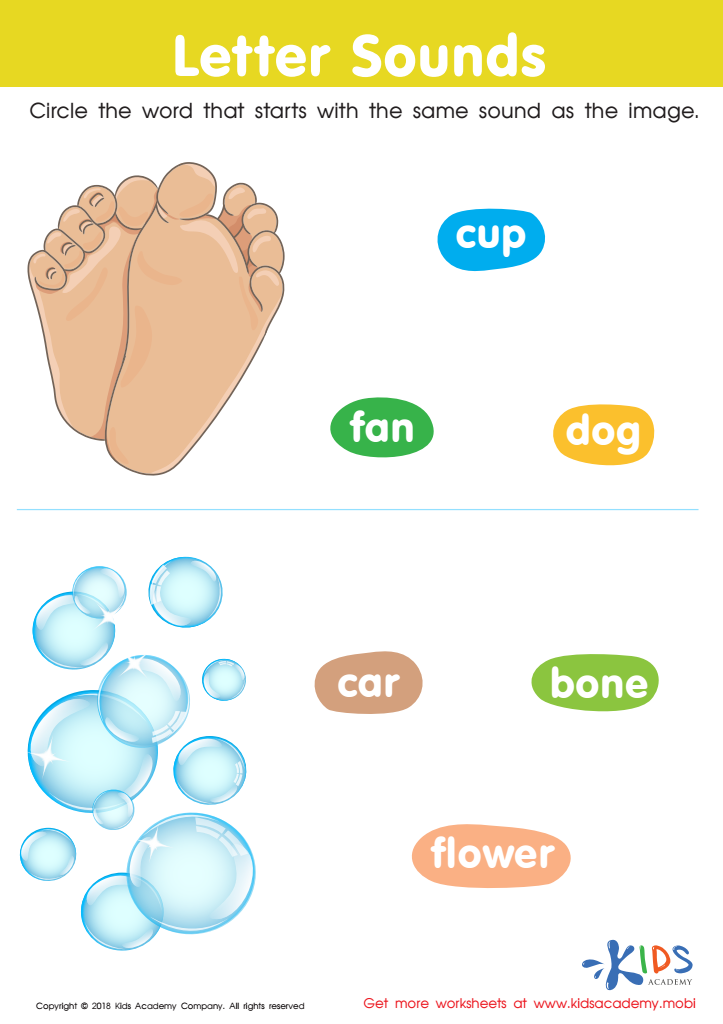
letter sounds Worksheet
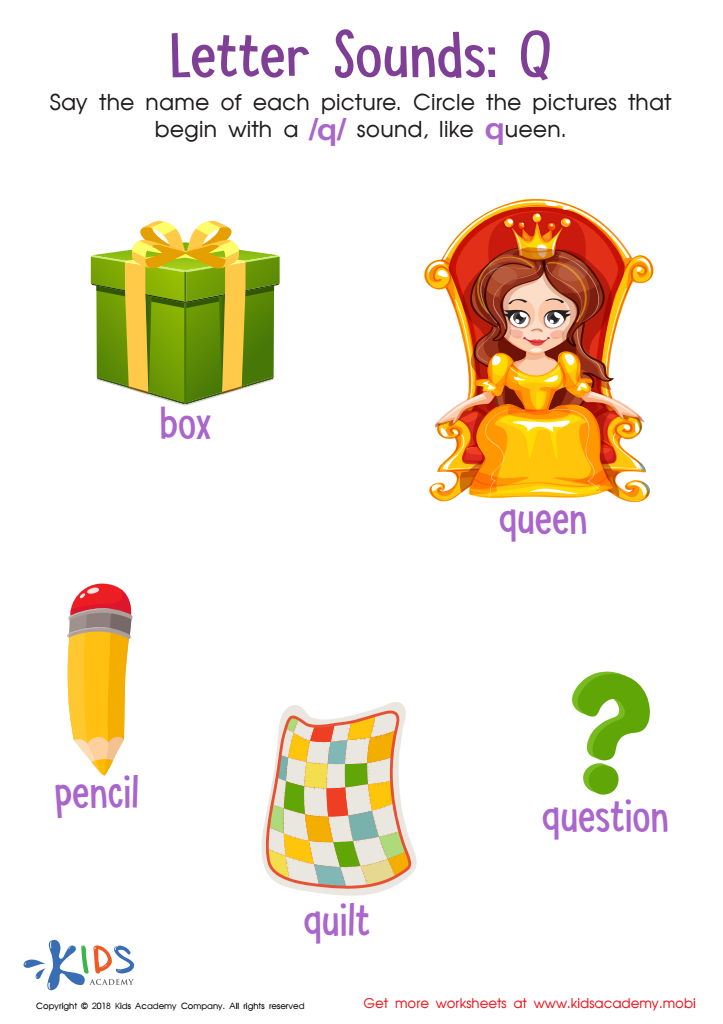
Letter Q Sounds Worksheet
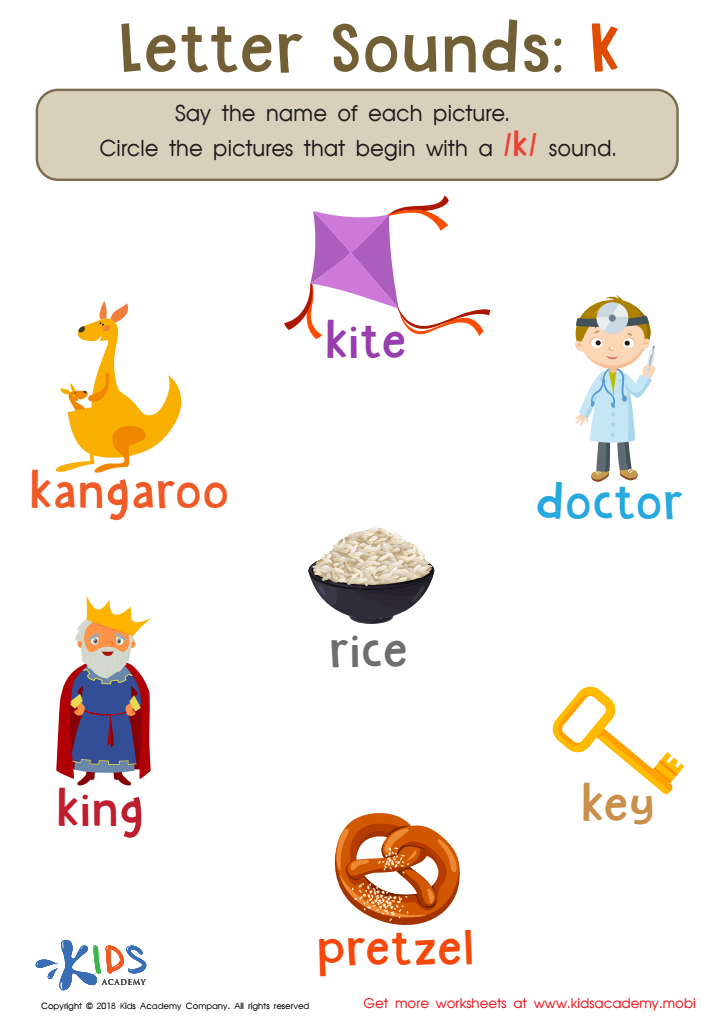
Letter K Sounds Worksheet
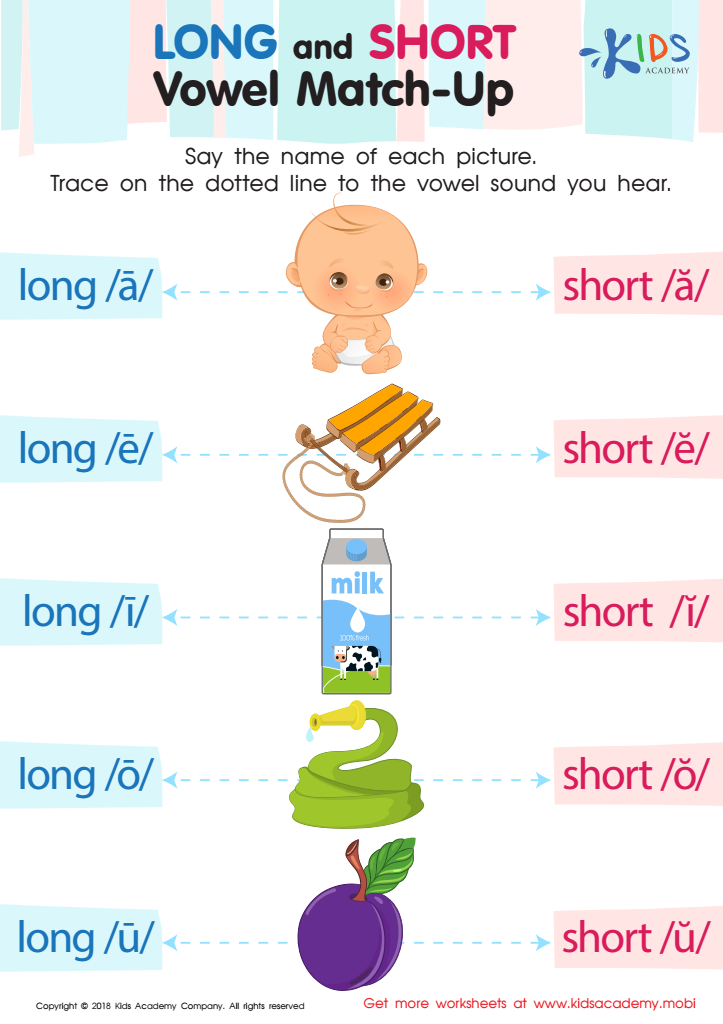
Long and Short Vowel Match up Reading Worksheet
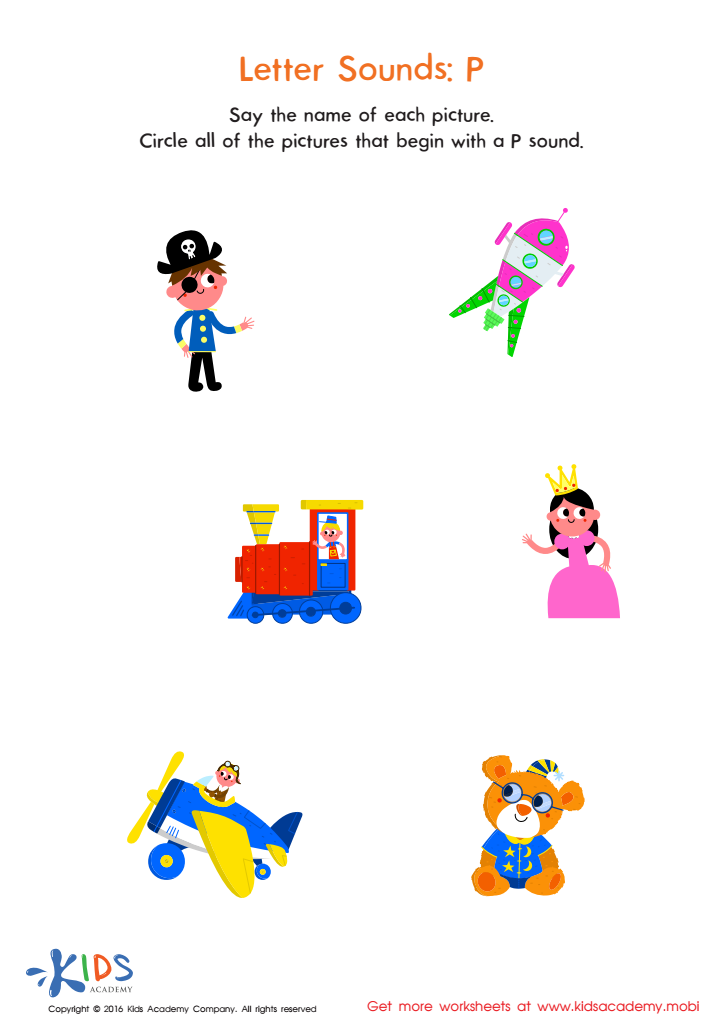
Letter P Sound Worksheet
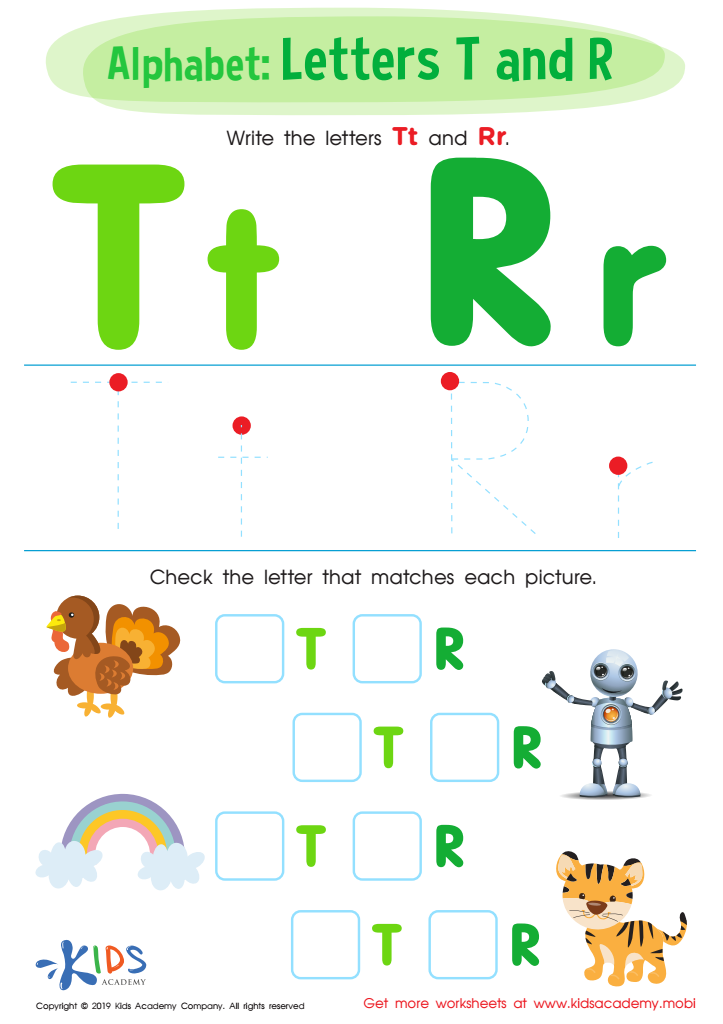
Letters T and R Worksheet
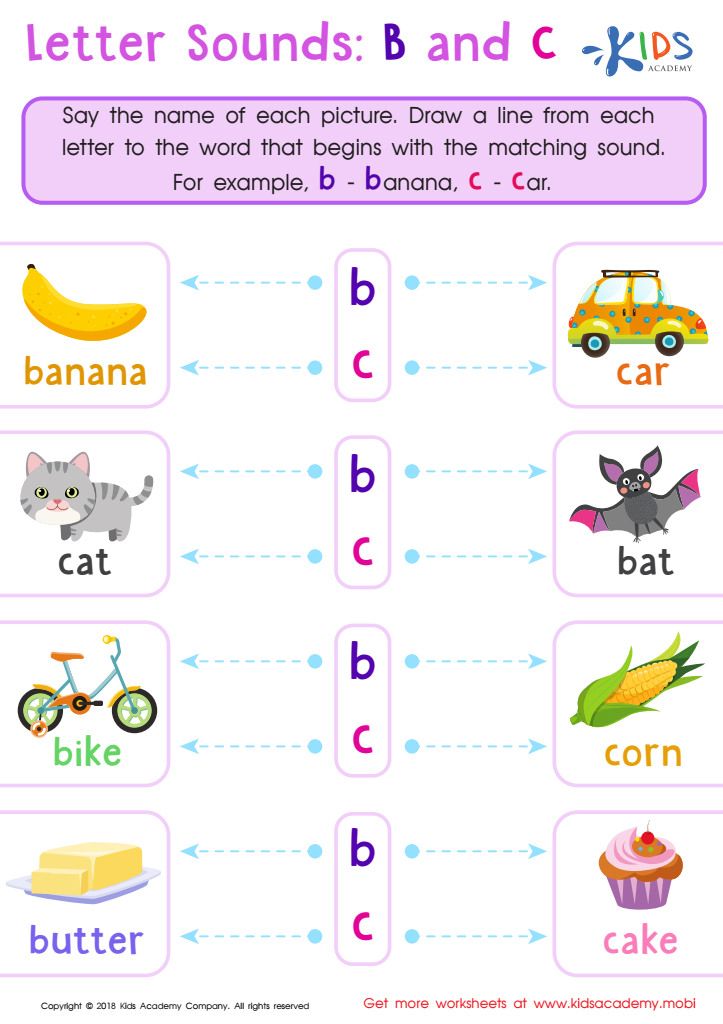
Letter B and C Sounds Worksheet
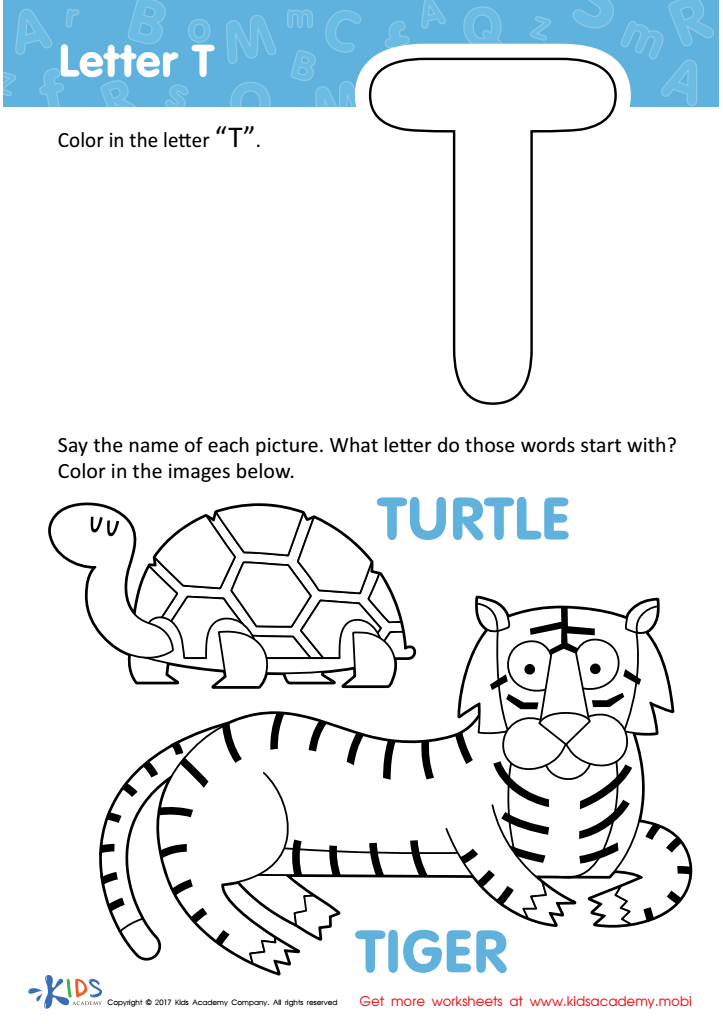
Letter T Coloring Sheet
 Assign to My Students
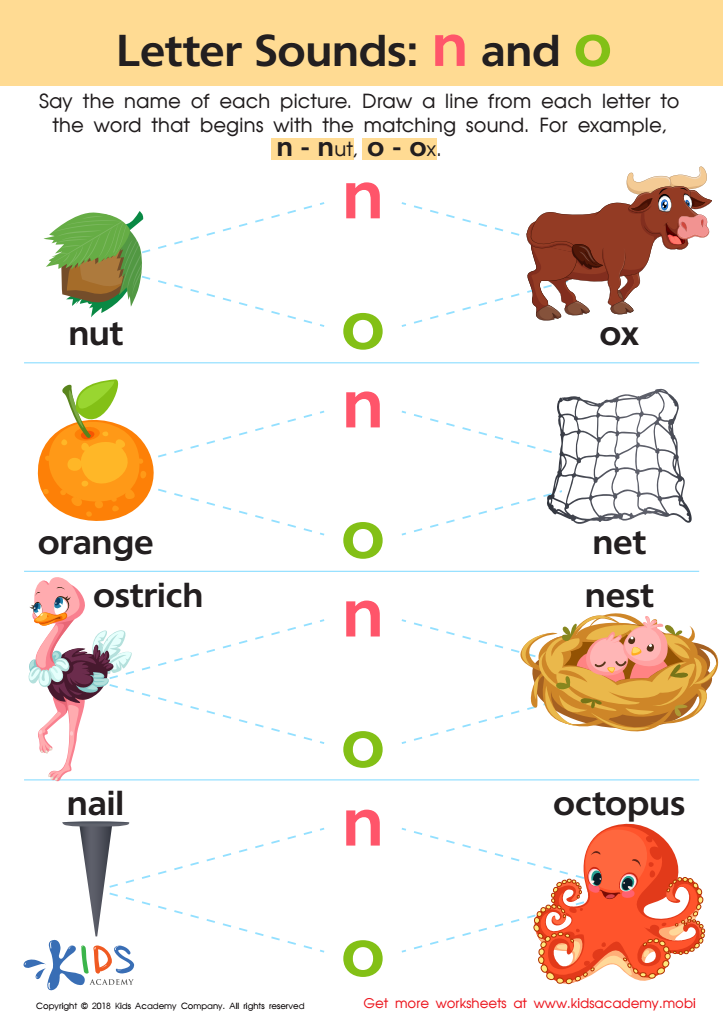
Letter N and O Sounds Worksheet
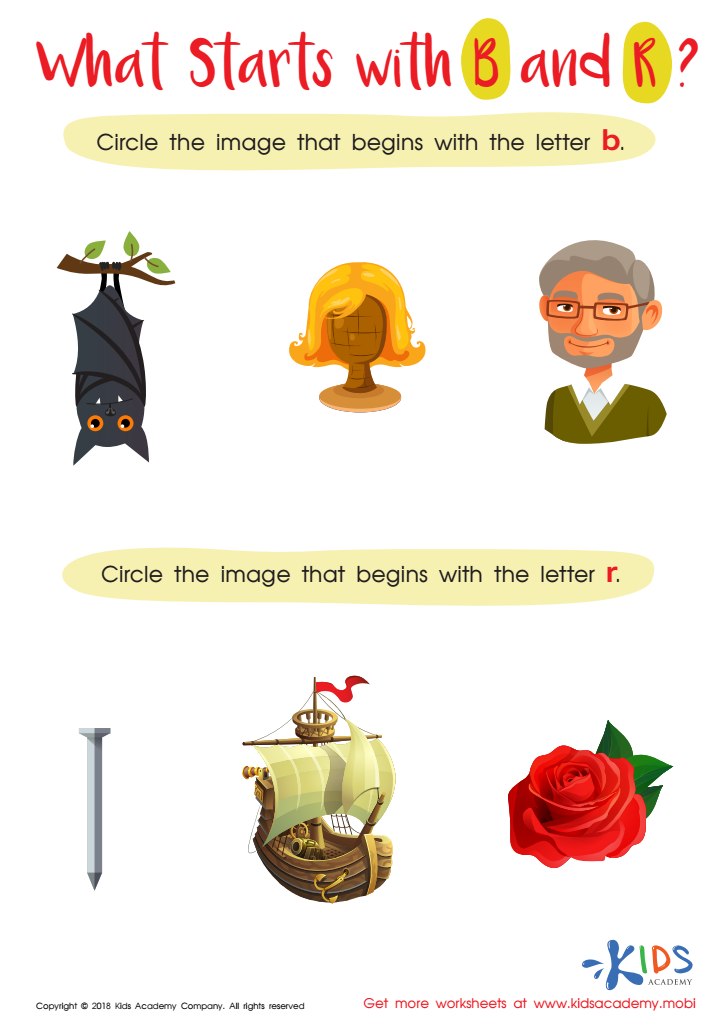
What Starts with B and R? Worksheet
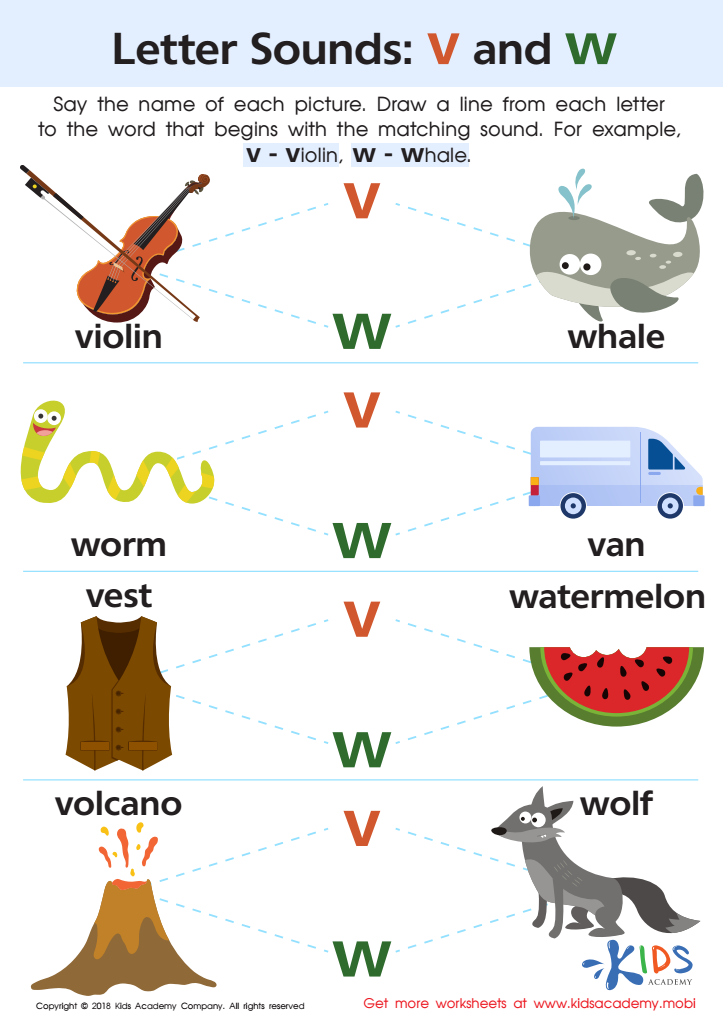
Letter V and W Sounds Worksheet
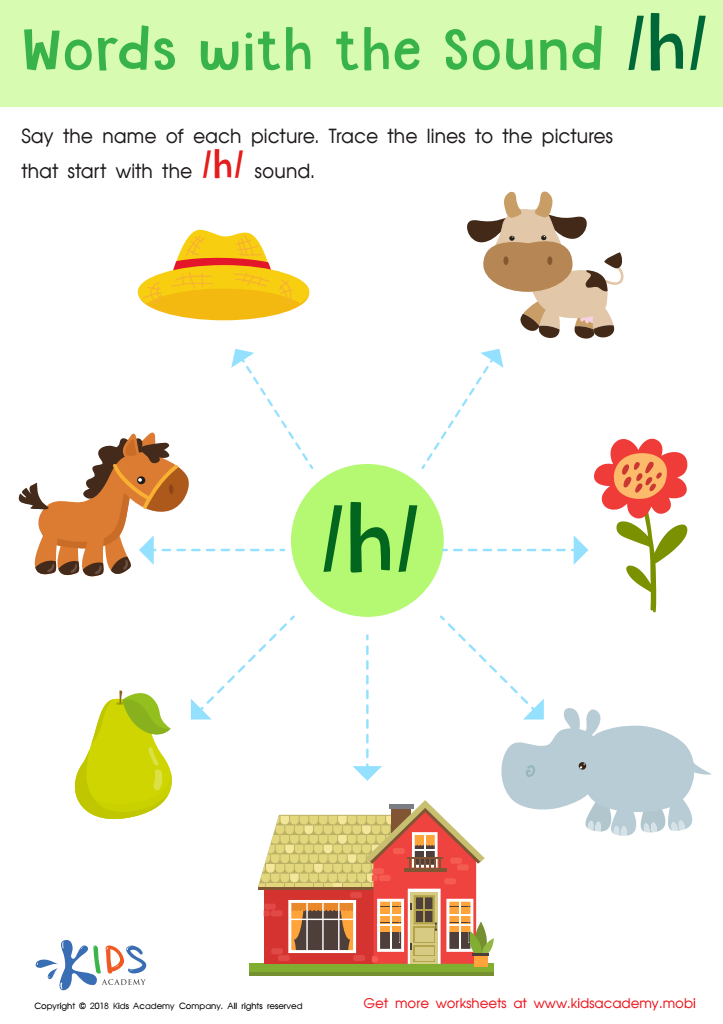
Words with sound h Reading Worksheet
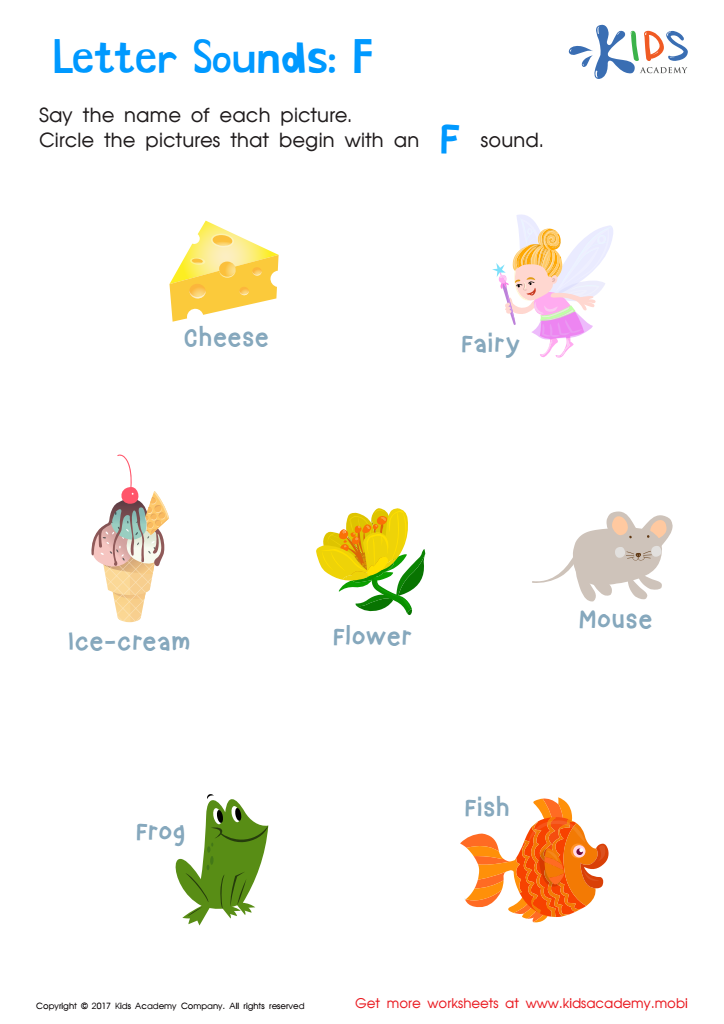
Letter F Sounds Worksheet
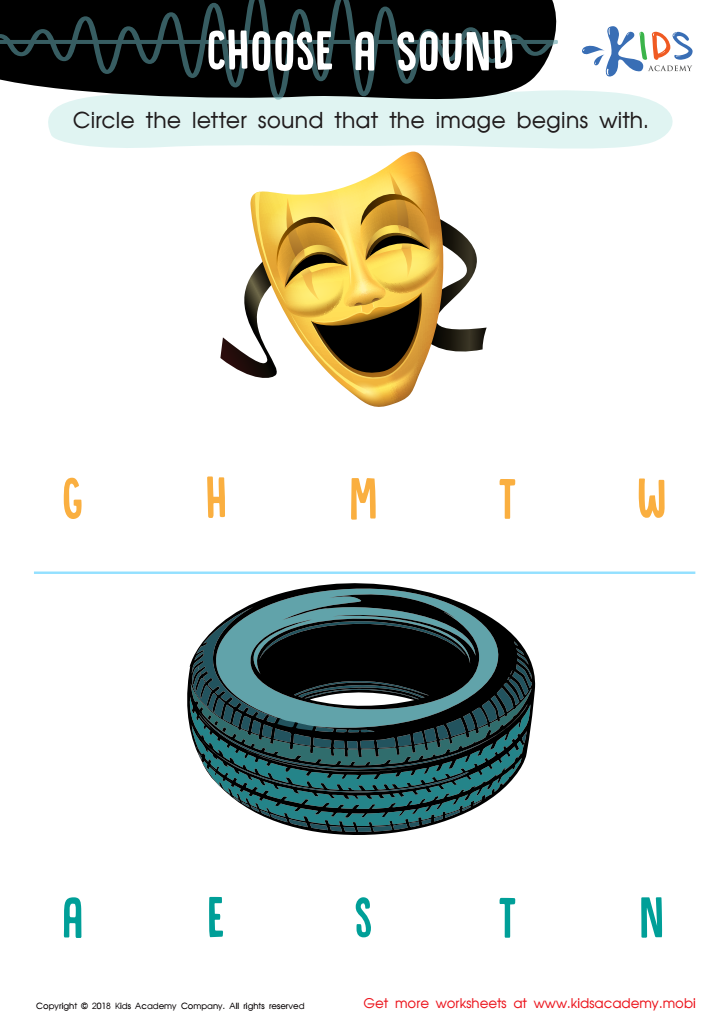
Choose a Sound Worksheet
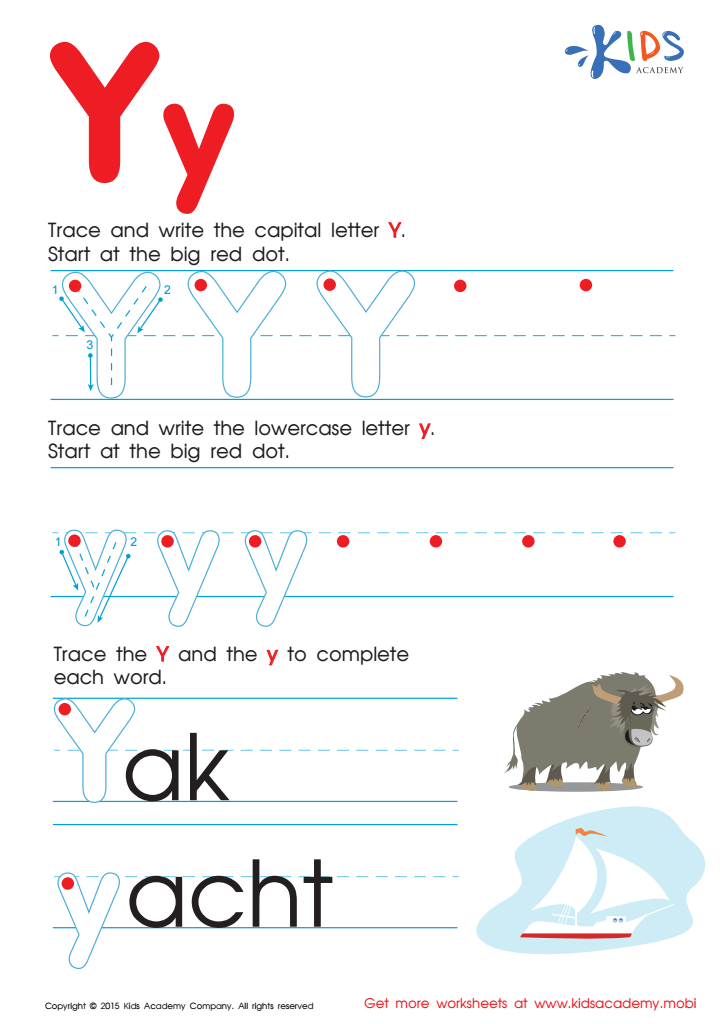
Letter Y Tracing Page
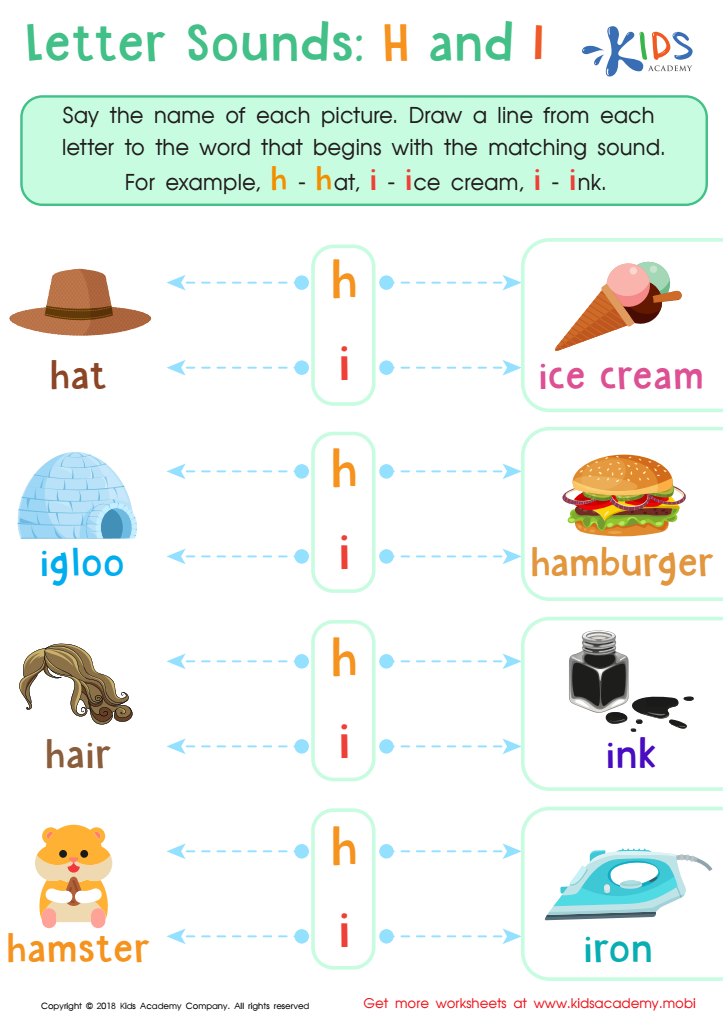
Letter H and I Sounds Worksheet
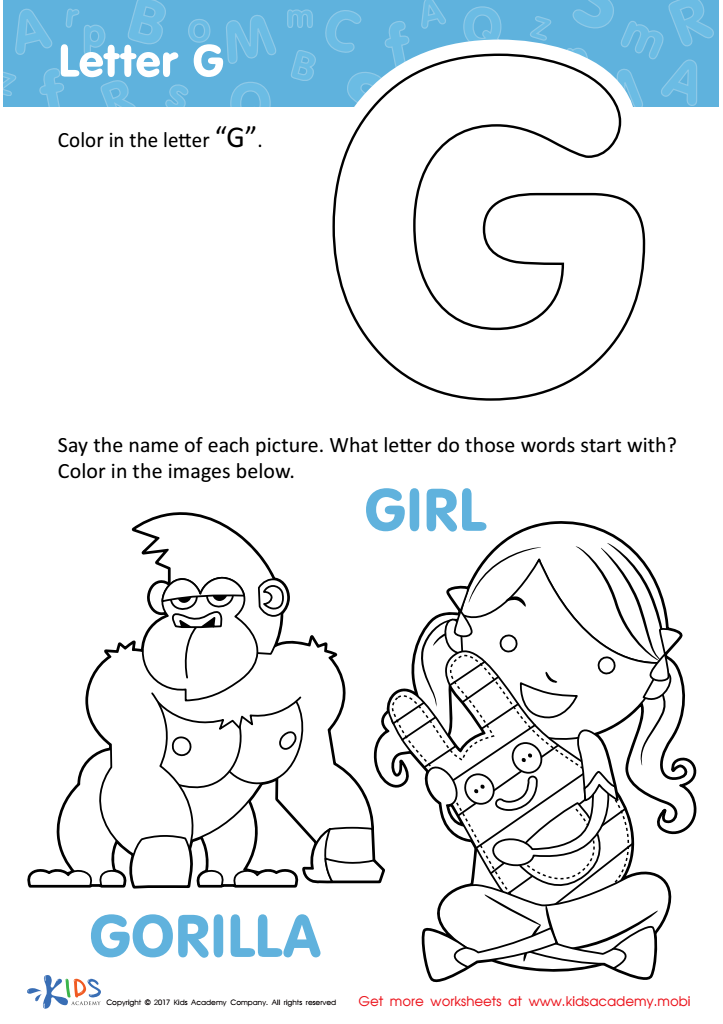
Letter G Coloring Sheet
Assign to My Students
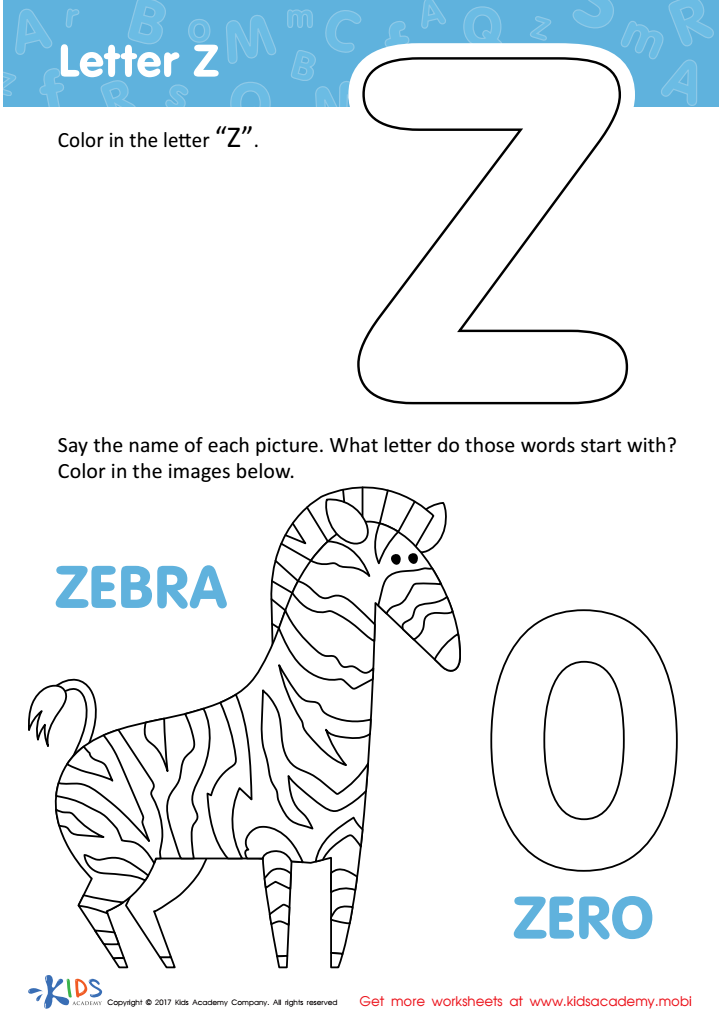
Letter Z Coloring Sheet
Assign to My Students
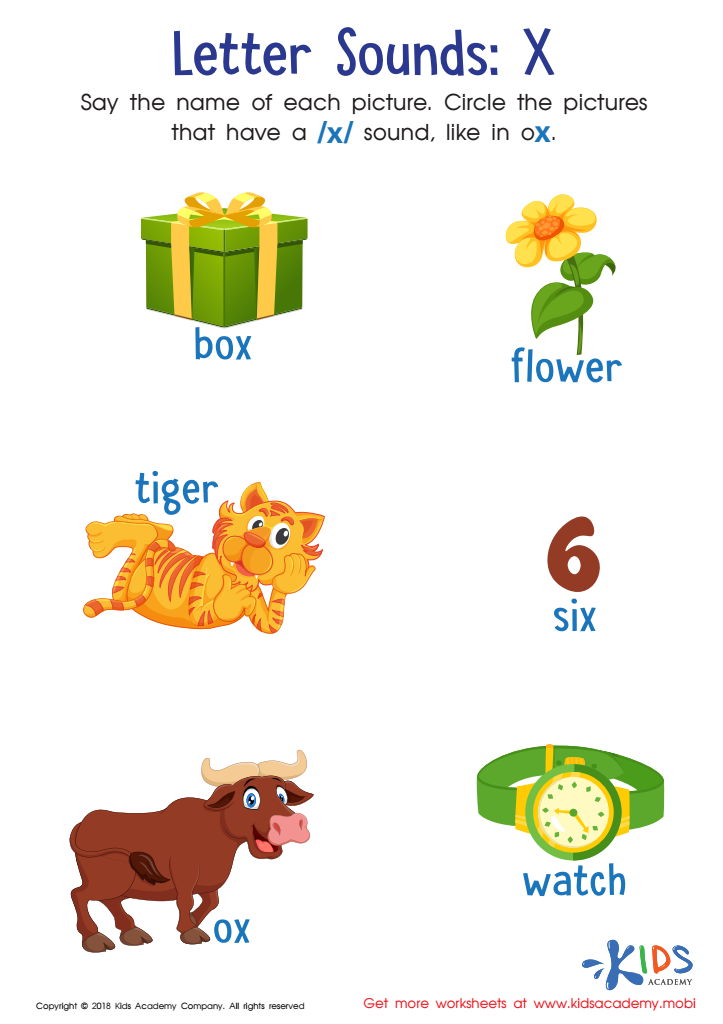
Letter X Sounds Worksheet
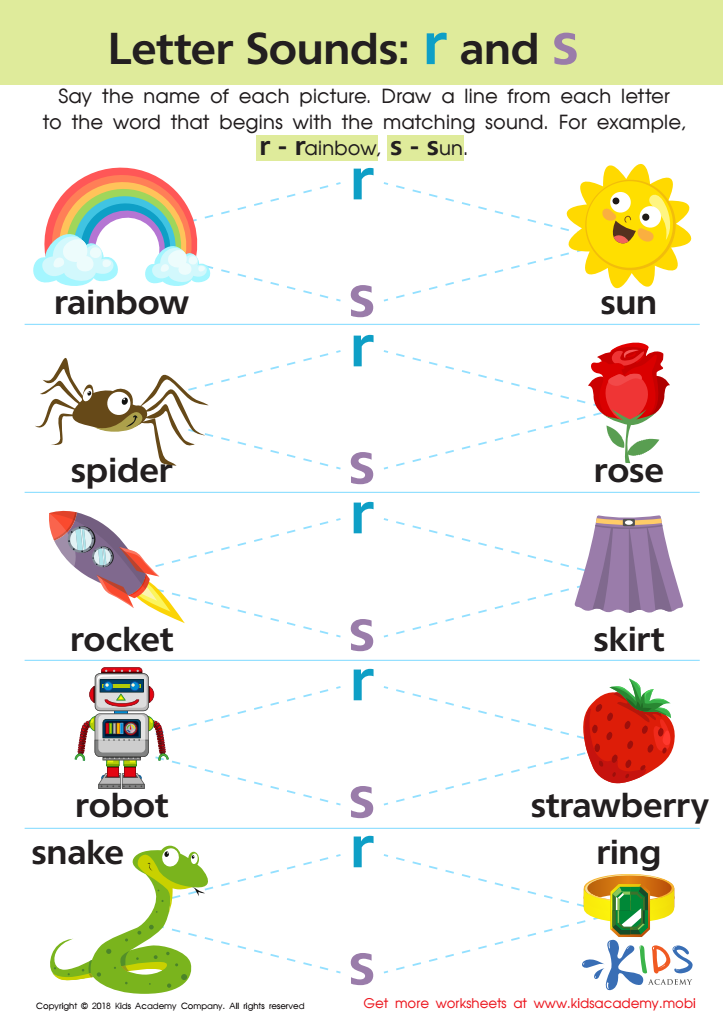
Letter R and S Sounds Worksheet
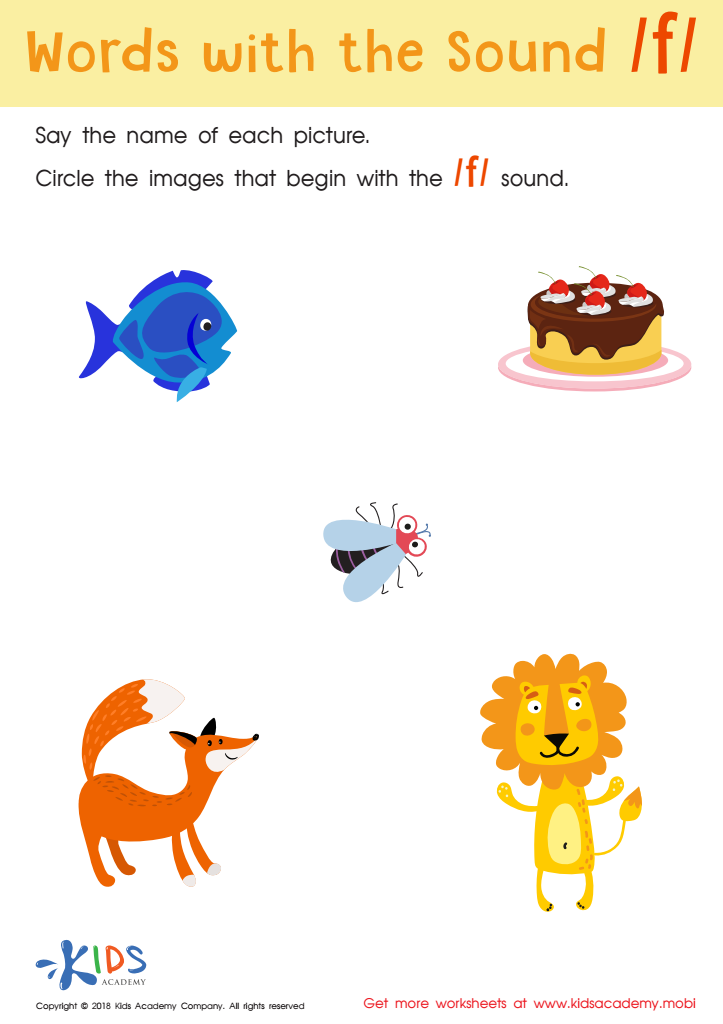
Words with sound f Reading Worksheet
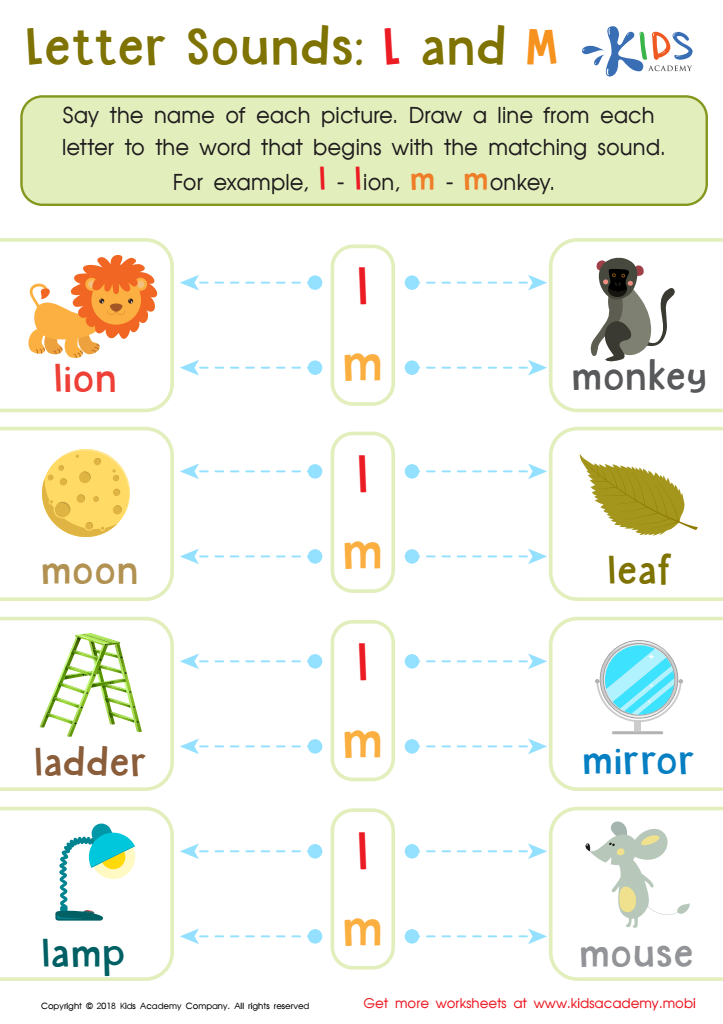
Letter l and M Sounds Worksheet
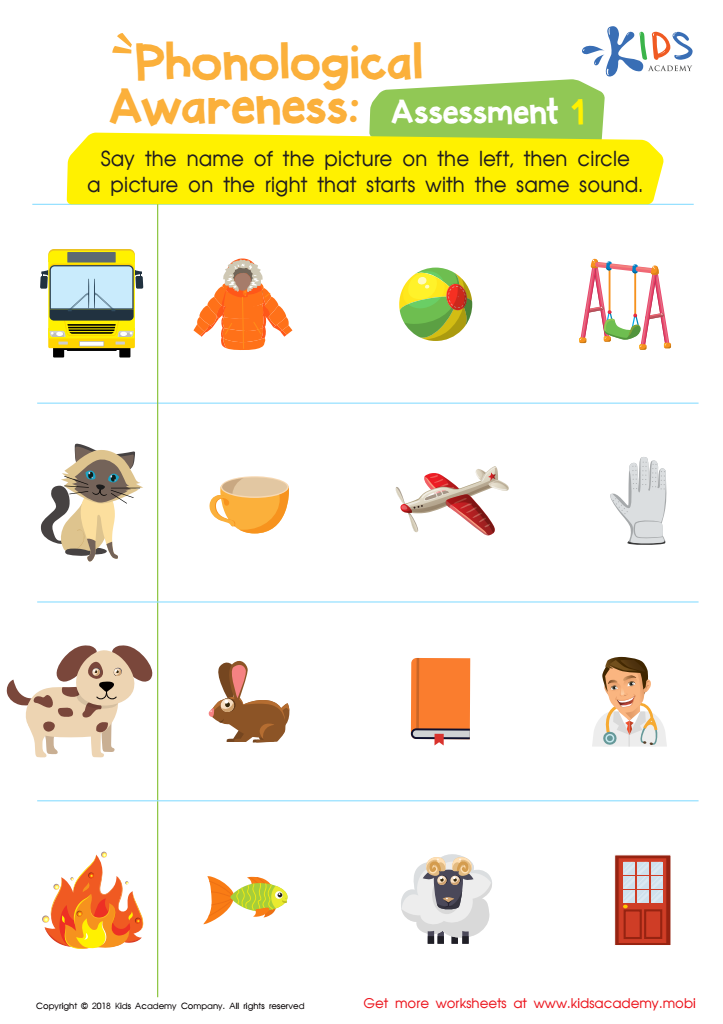
Phonological Awareness: Assessment 1 Worksheet
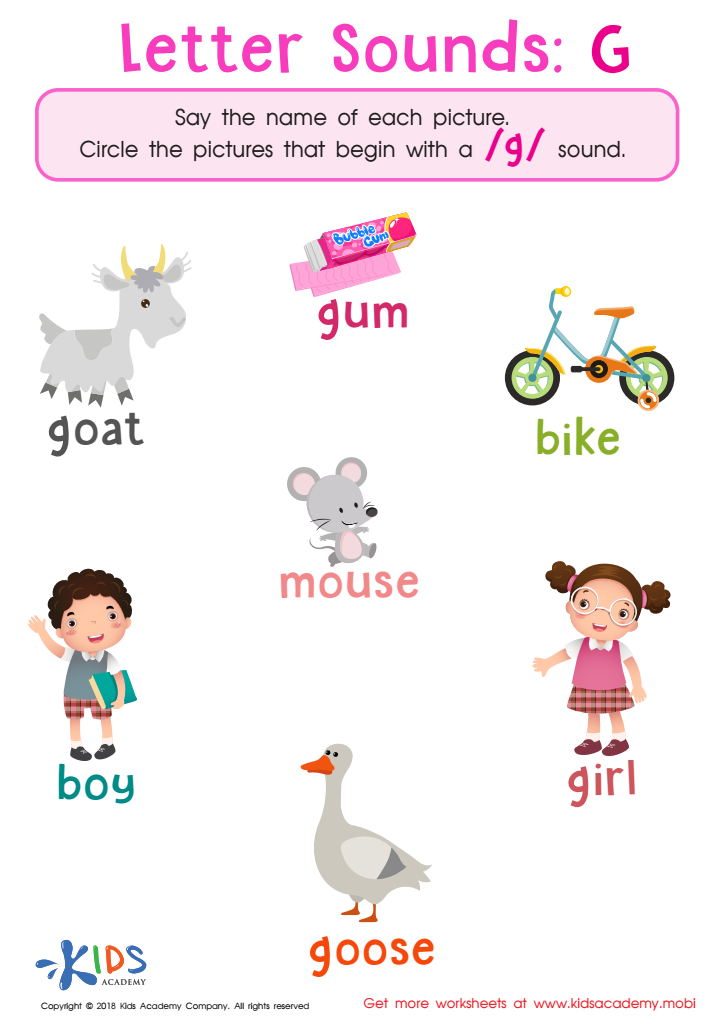
Letter G Sounds Worksheet







Parents and teachers should prioritize the Sound Association Alphabet for ages 3-4 because it lays the foundational stone for early literacy development. At this delicate age, children's minds are incredibly receptive and pliable, making it an optimal period for learning the fundamental skills needed for reading and writing. The concept of sound association involves linking phonemic sounds with corresponding letters, which fosters phonological awareness – a critical skill for decoding words and developing fluent reading abilities.
Engaging with the Sound Association Alphabet helps little ones recognize that each letter has a unique sound, which is a stepping stone towards word formation. This practice not only bolsters their cognitive abilities regarding language and sounds but also enhances their auditory discrimination skills – a vital component of effective communication. When children grasp letter-sound relationships early, they experience less frustration as they transition into more advanced literacy stages, resulting in a love for learning.
Furthermore, this interaction is often playful and fun, conducted through songs, games, and interactive activities that captivate young minds and sustain their enthusiasm for education. By investing time in these practices, parents and teachers harness the natural curiosity of children and set them on a path to academic confidence and lifelong learning.







