Filters

9 filtered results

Clear all filters
Favorites
With answer key
Interactive

9 filtered results

Difficulty Level

Grade


Enhance your child's cognitive skills with our engaging Phonics Worksheets designed specifically for ages 3-4. These worksheets focus on early phonics activities that foster essential cognitive development, laying a strong foundation for future learning. Featuring fun, colorful designs, our resources encourage kids to explore letter sounds, recognize patterns, and improve their memory. Each worksheet aims to captivate young minds, blending learning with play to make mastery of phonics enjoyable. Perfect for preschool or home learning, these skill-building worksheets create a rich educational environment where children can enhance their language abilities while enjoying interactive tasks. Boost your little one's confidence in reading today!

Check out this FREE Trial Lesson on Phonics for age 3-4!

Demonstrate Understanding of Frequently Occurring Verbs and Adjectives by Relating Them to Their Opposites

Favorites
With answer key
Interactive
  • 3-4
  • Cognitive Development
  • Phonics
Beginning Sounds Worksheet

Beginning Sounds Worksheet

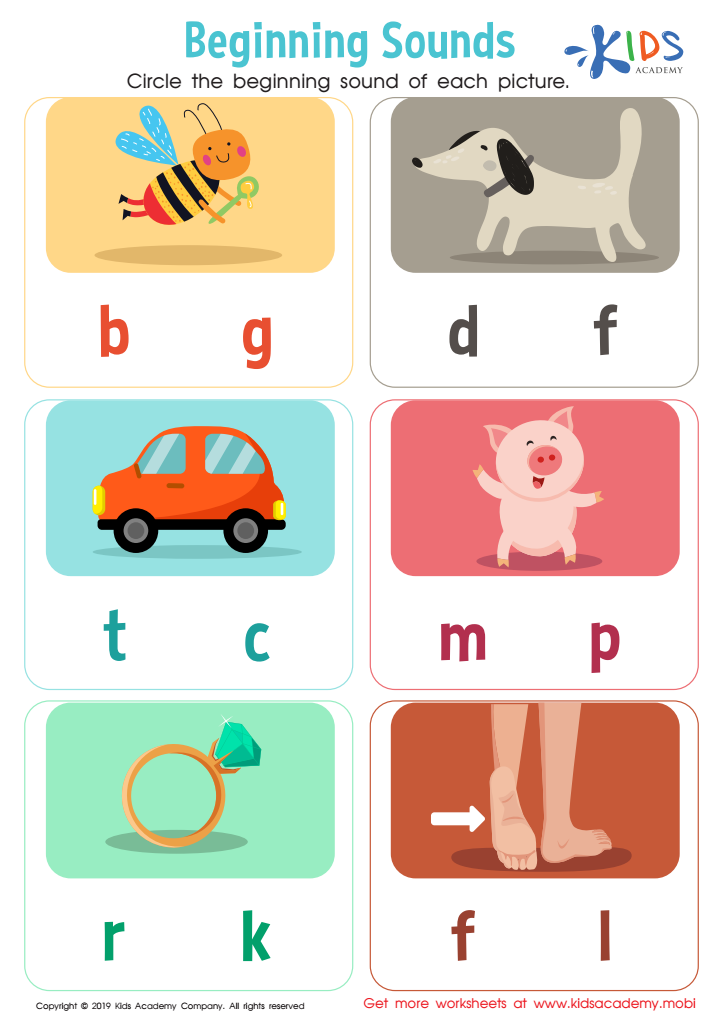
Test your child's knowledge with this colorful worksheet! Before beginning, have your kids recite the alphabet and sound them off. Give examples and ask them to do the same, then help them circle the beginning sound of each picture to complete the exercise.
Beginning Sounds Worksheet
Worksheet
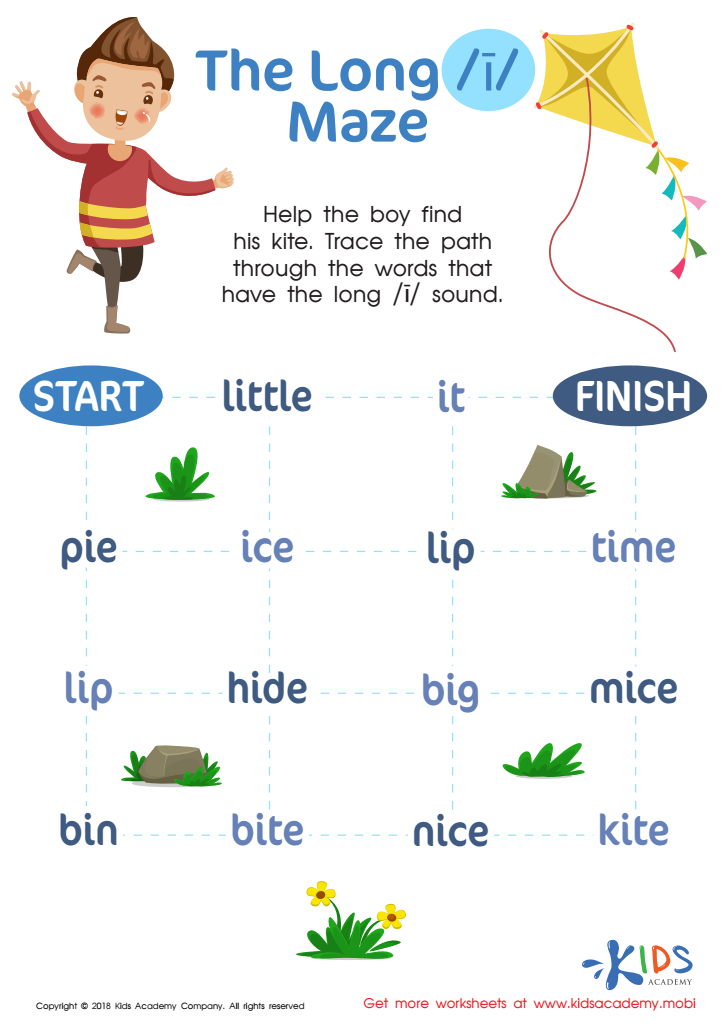
The Long I Maze Reading Worksheet

The Long I Maze Reading Worksheet

Help your child learn phonics to help them read. Show them the difference between long and short "i" sounds. Guide them as they use a pencil to trace words with the long "i:" sound in the "Help the Boy in the Picture" worksheet exercise. This will help them find the kite in the picture.
The Long I Maze Reading Worksheet
Worksheet
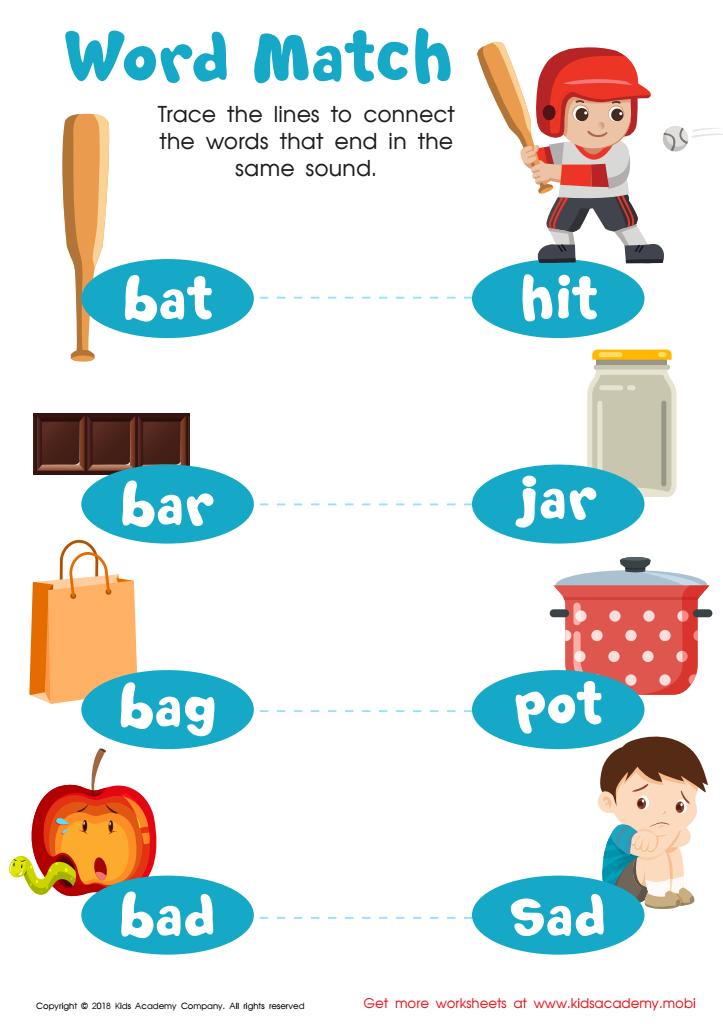
Word Match Reading Worksheet

Word Match Reading Worksheet

This printout helps children learn to read fluently by connecting words with the same sound. Colorful pictures aid understanding and context for kindergarten-level students. Tracing lines, they learn to identify the sounds made by letters of the alphabet and deepen their knowledge of phonics.
Word Match Reading Worksheet
Worksheet
What Starts with B and R? Worksheet

What Starts with B and R? Worksheet

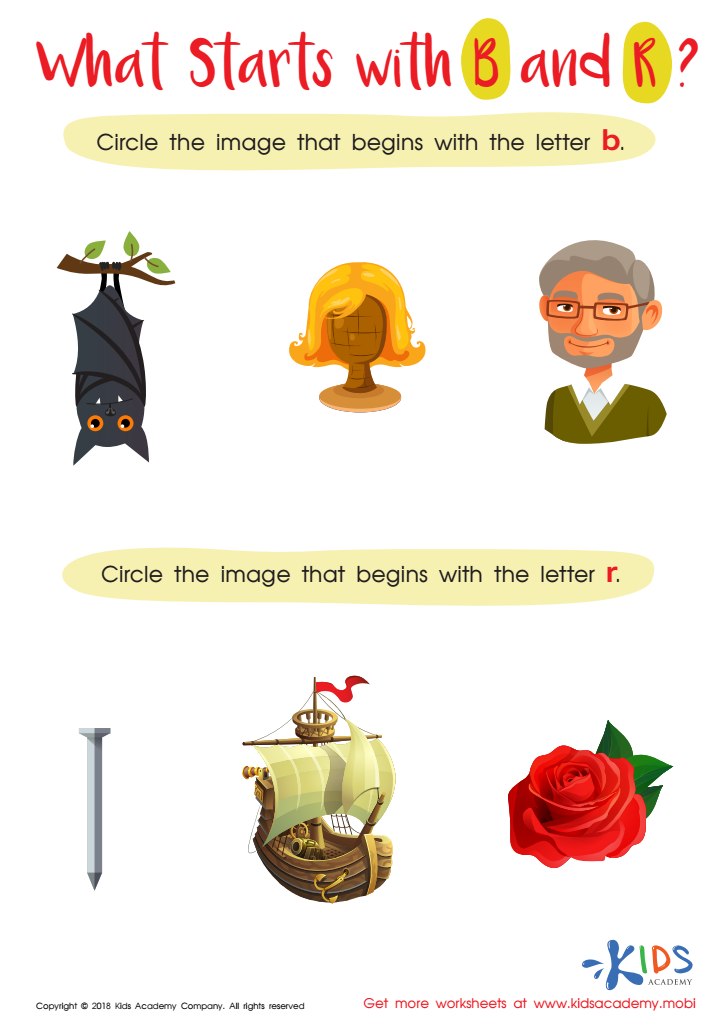
Download this worksheet to help young readers practice visual and motor skills! They'll enjoy matching pictures with "B" and "R" letters while tracing the images. Bright and colorful, this engaging activity will help kids differentiate between words and have fun doing it.
What Starts with B and R? Worksheet
Worksheet
Opposite Day Worksheet

Opposite Day Worksheet

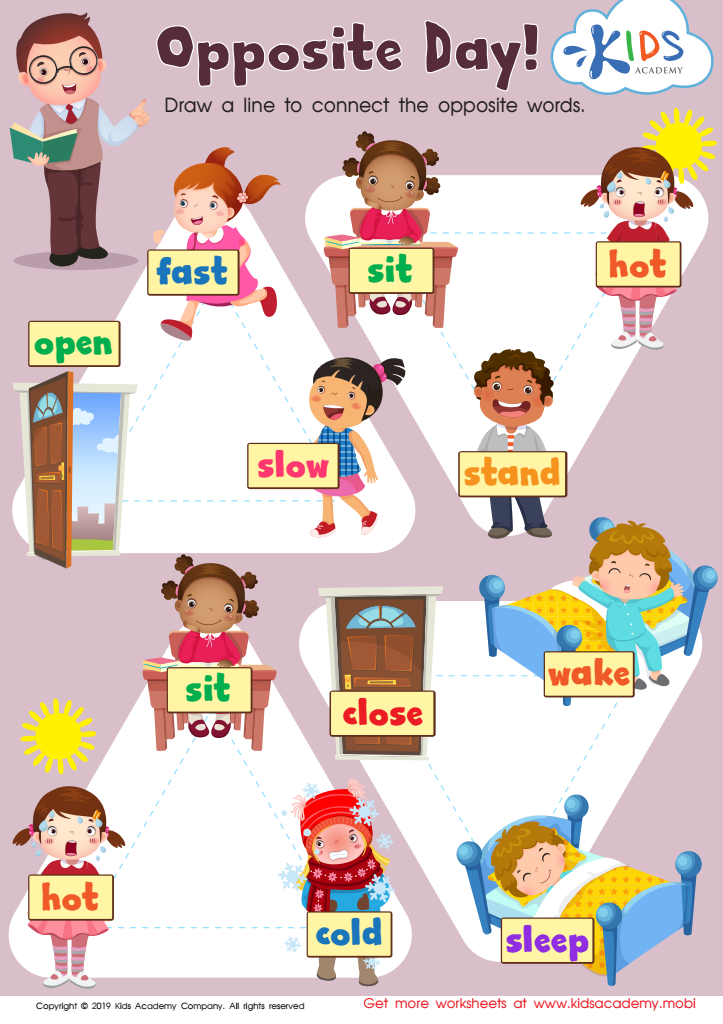
Early learners need to know about opposites to improve their higher-order thinking and critical thinking. This fun worksheet helps them understand the concept, practice opposite words, read high-frequency words and work on fine motor skills. Download the traceable PDF to get started.
Opposite Day Worksheet
Worksheet
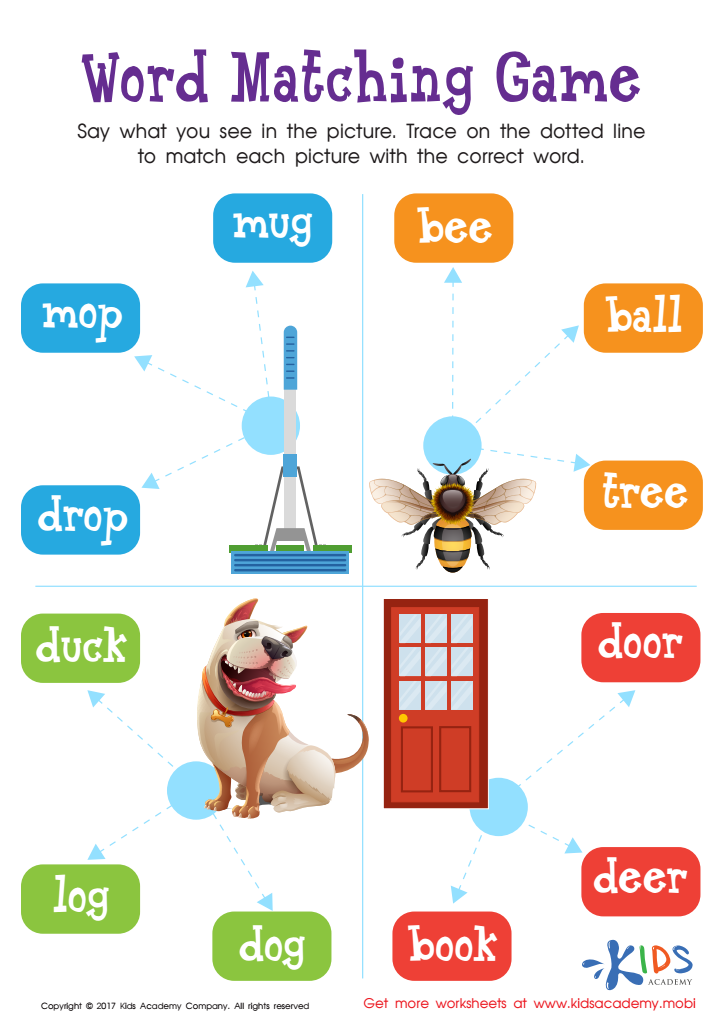
Word Matching Game Worksheet

Word Matching Game Worksheet

Help your early reader develop prereading skills with this fun matching worksheet! Visual cues help them learn sight words, decode words in word families, and identify phonetic patterns. They'll practice discerning sounds past initial consonants while saying the name of the picture and finding the matching word - and reading at the same time!
Word Matching Game Worksheet
Worksheet
Find Hens Nest Reading Worksheet

Find Hens Nest Reading Worksheet

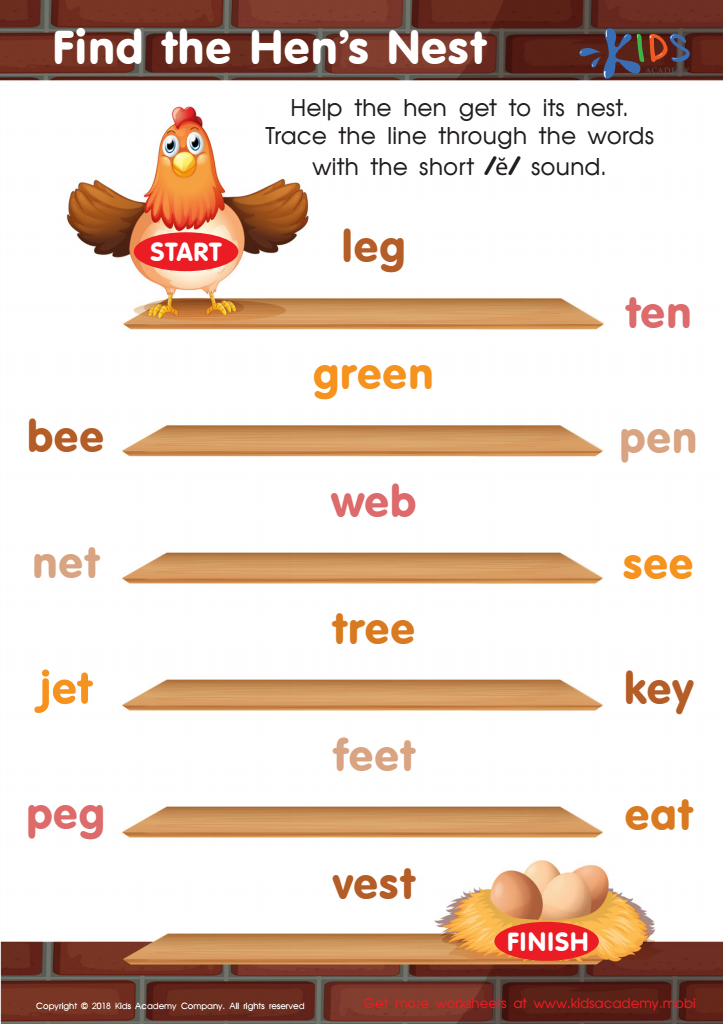
Learning the short and long «e» sound can be tricky for kids just starting to learn the alphabet. Make it fun with this worksheet: it leads your kindergarten child to a hen's nest by following words with the short «e» sound. They'll be able to identify words with the sound by the end of the exercise.
Find Hens Nest Reading Worksheet
Worksheet
Make a New Word Worksheet

Make a New Word Worksheet

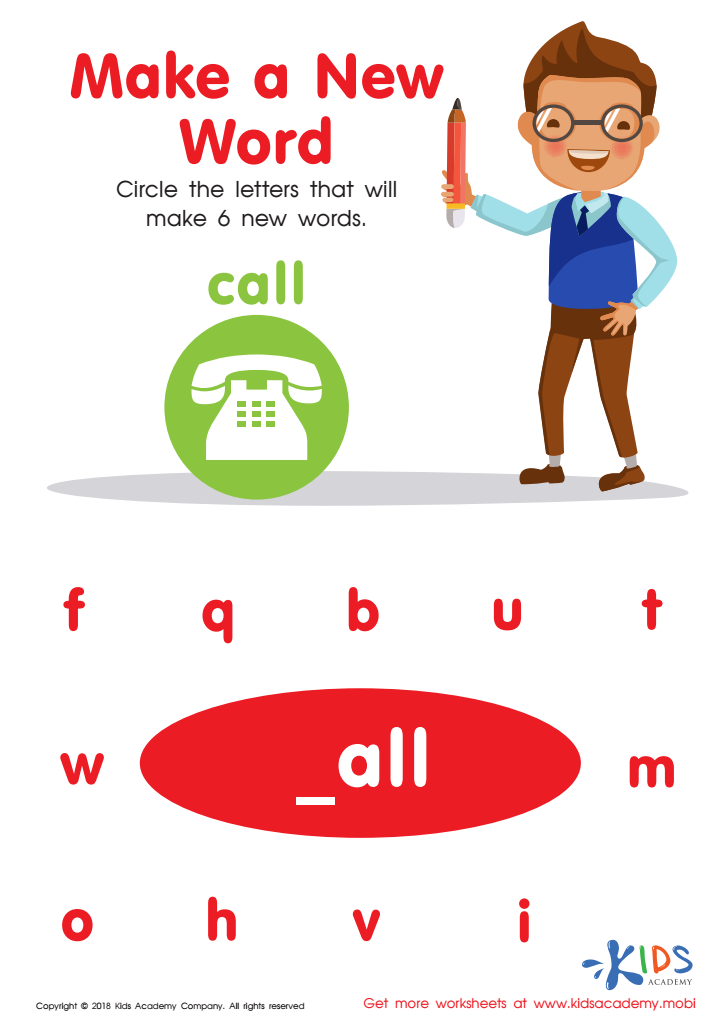
Young readers and writers can enhance their skills with this fun PDF worksheet. They'll trace letters to create new words and feel like super readers and writers after finding six words. They'll also practice building words with the "all" word family.
Make a New Word Worksheet
Worksheet
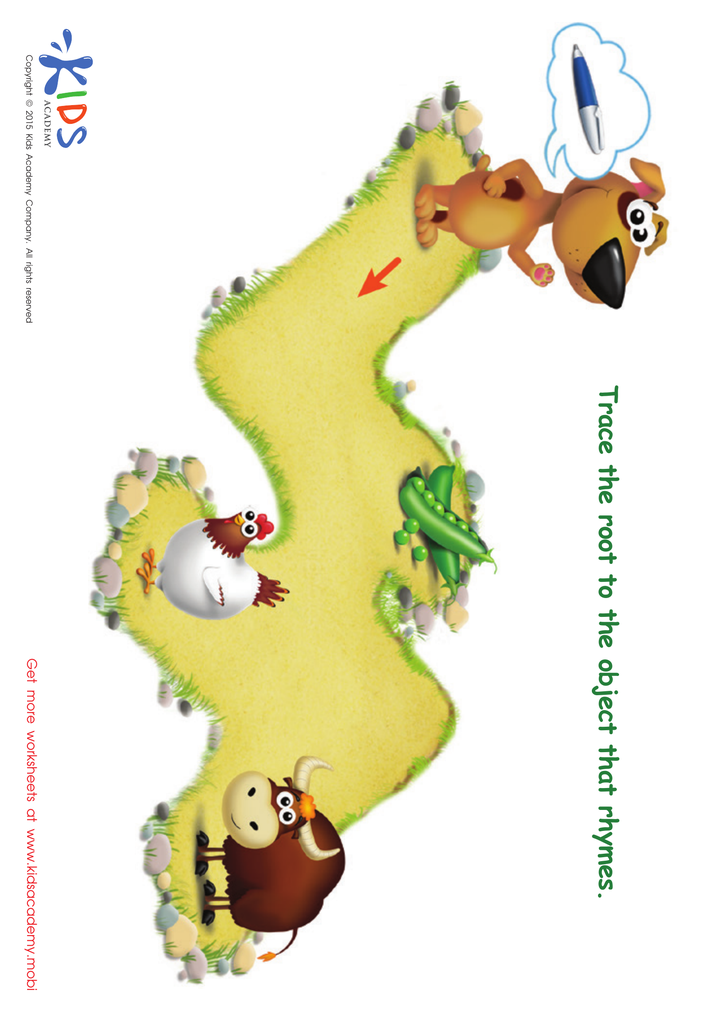
Rhyming Words PDF Worksheets, Pen

Pen Rhyming Words Worksheet

Check out the cute pup, pondering away. He's thinking of a root word - no suffix or prefix. Now check the hen, green beans, and the cow. Can you find the word that rhymes with pen? Draw a line from the root word to its rhyme for this simple yet beneficial worksheet. It helps young learners practice hearing and recognizing rhymes.
Pen Rhyming Words Worksheet
Worksheet


Cognitive development phonic skills are essential for children ages 3 to 4 as they lays the groundwork for literacy and future learning. During this critical period, young learners begin to recognize letters, sounds, and the relationships between them, which enhances their ability to decode words. Phonics instruction nurtures essential cognitive skills, such as memory, attention, and analytical thinking.

Engaging children in phonics provides them with vital tools to explore language. Through interactive activities like rhyming games, songs, and letter recognition, children develop phonemic awareness; the ability to hear and manipulate sounds in words. This early exposure to phonics not only fosters enthusiasm for reading but also builds confidence in language expression.

Furthermore, phonics aligns with learning modalities that are natural for preschoolers. Their innate curiosity and desire to play contribute to meaningful and enjoyable learning experiences. By supporting this development, parents and teachers can promote critical thinking and problem-solving skills that extend beyond literacy.

In summary, investing in cognitive development phonics during early childhood encourages a life-long love for reading, enhances communication abilities, and serves as a crucial gateway for academic success in later years. Prioritizing these skills is a worthwhile commitment for both parents and educators.