Vocabulary enhancement Phonics Worksheets for Ages 3-4
29 filtered results
-
From - To
Enhance your child's vocabulary with our engaging Phonics Worksheets designed for ages 3-4! These worksheets focus on vocabulary development through fun and interactive phonics activities. Each worksheet is tailored to help young learners recognize sounds, match words with images, and improve their linguistic skills in an enjoyable way. Our curriculum fosters essential pre-reading abilities while promoting language comprehension and retention. With colorful illustrations and straightforward instructions, children will be excited to explore new words. Perfect for parents and educators aiming to prepare children for a successful learning journey. Download our Vocabulary Enhancement Phonics Worksheets today and watch your child's confidence flourish!
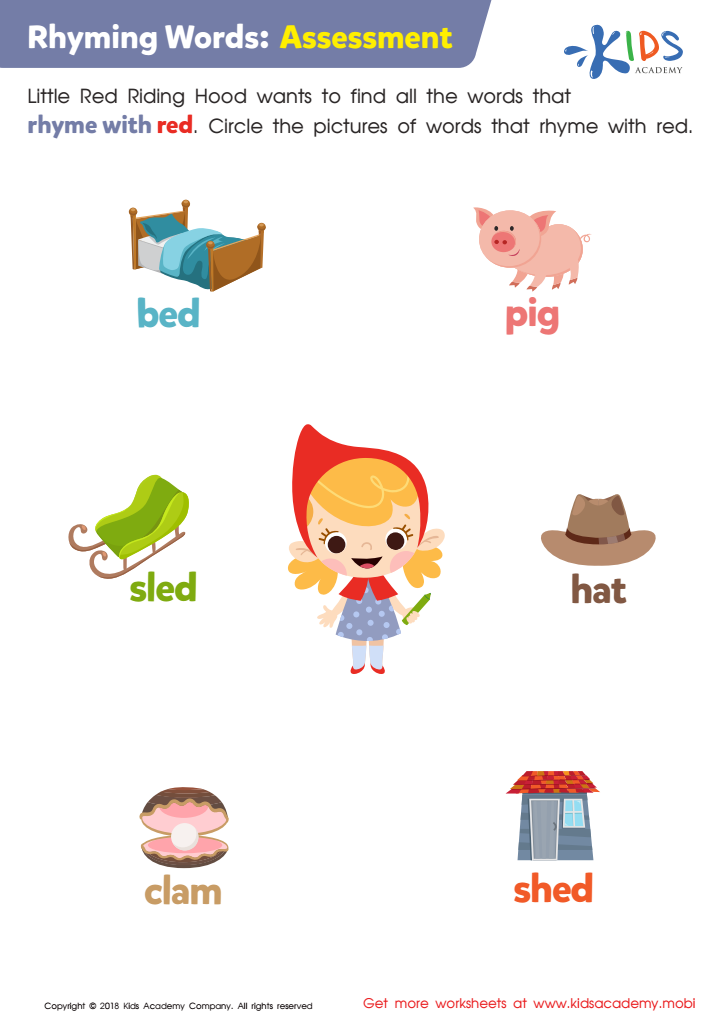
Rhyming Words: Assessment Worksheet
 Assign to My Students
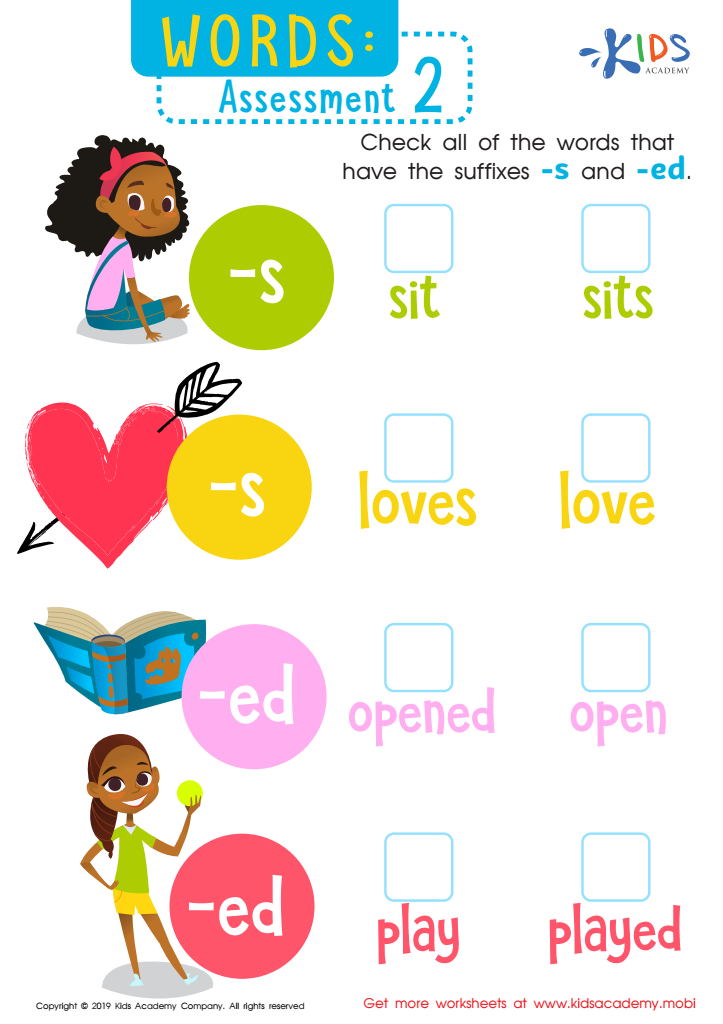
Words: Assessment 2 Worksheet
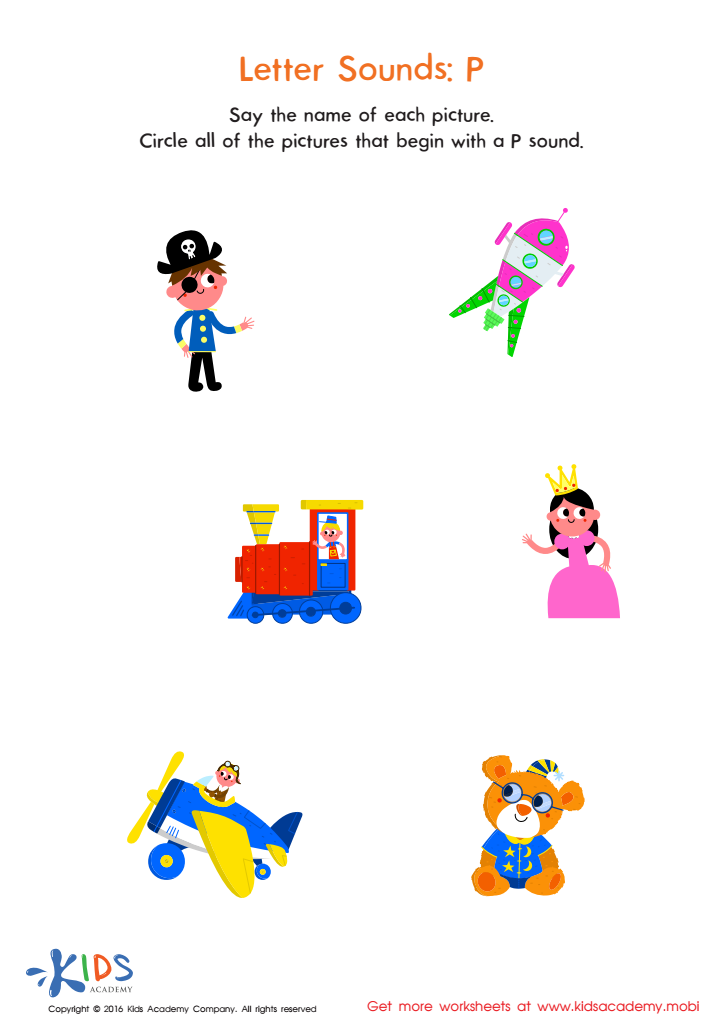
Letter P Sound Worksheet
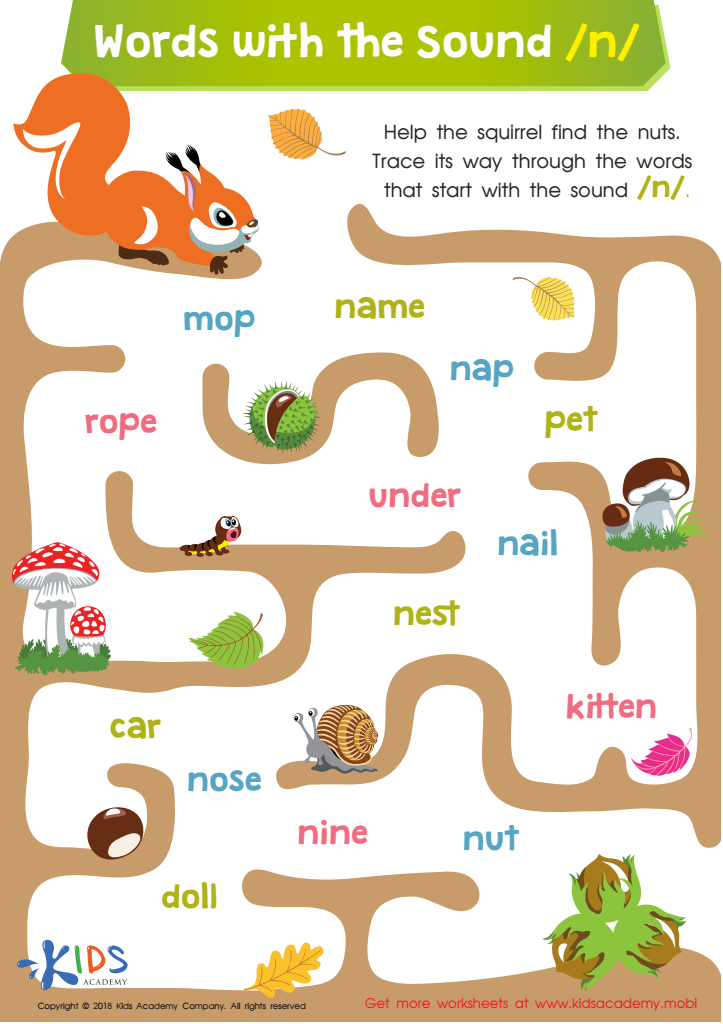
Words with Sound N Reading Worksheet
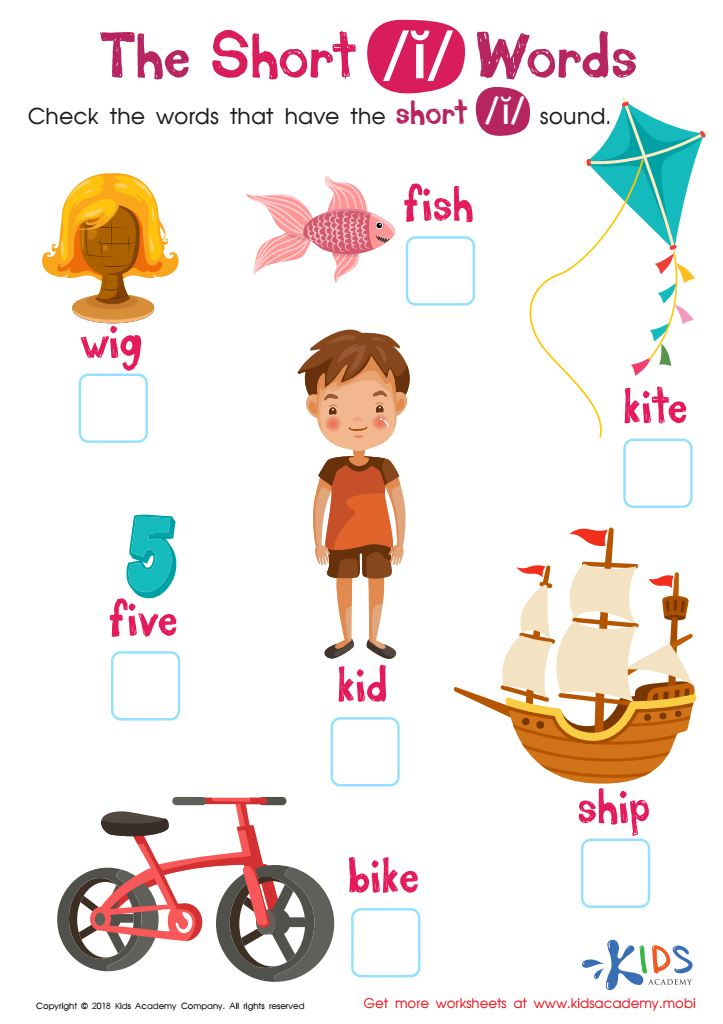
The Short I Words Reading Worksheet
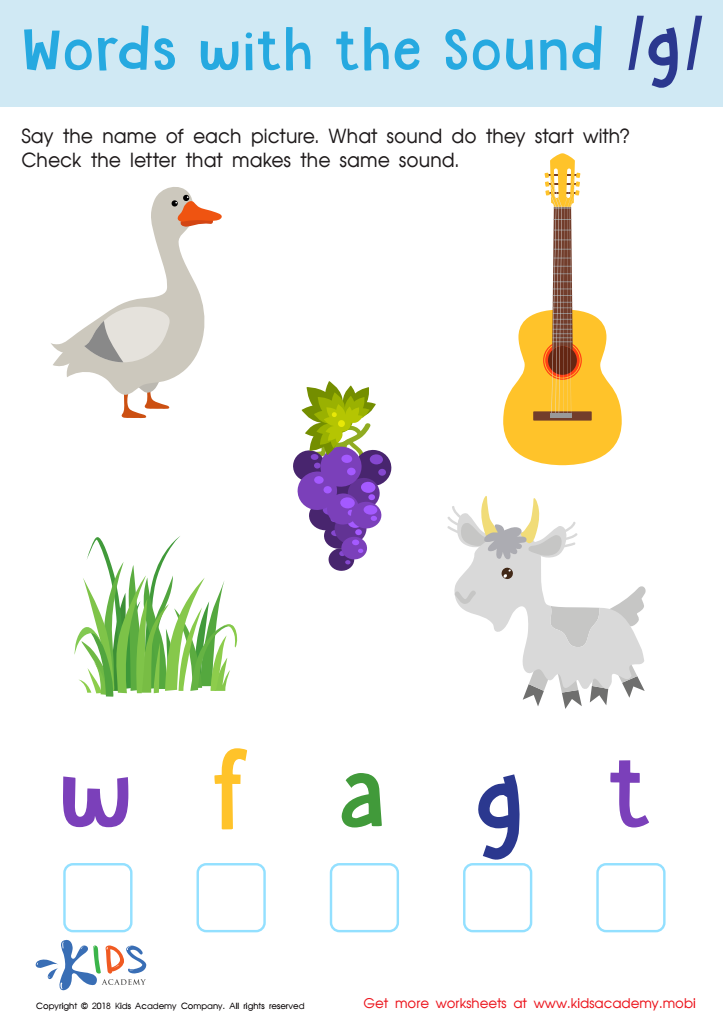
Words with sound g Reading Worksheet
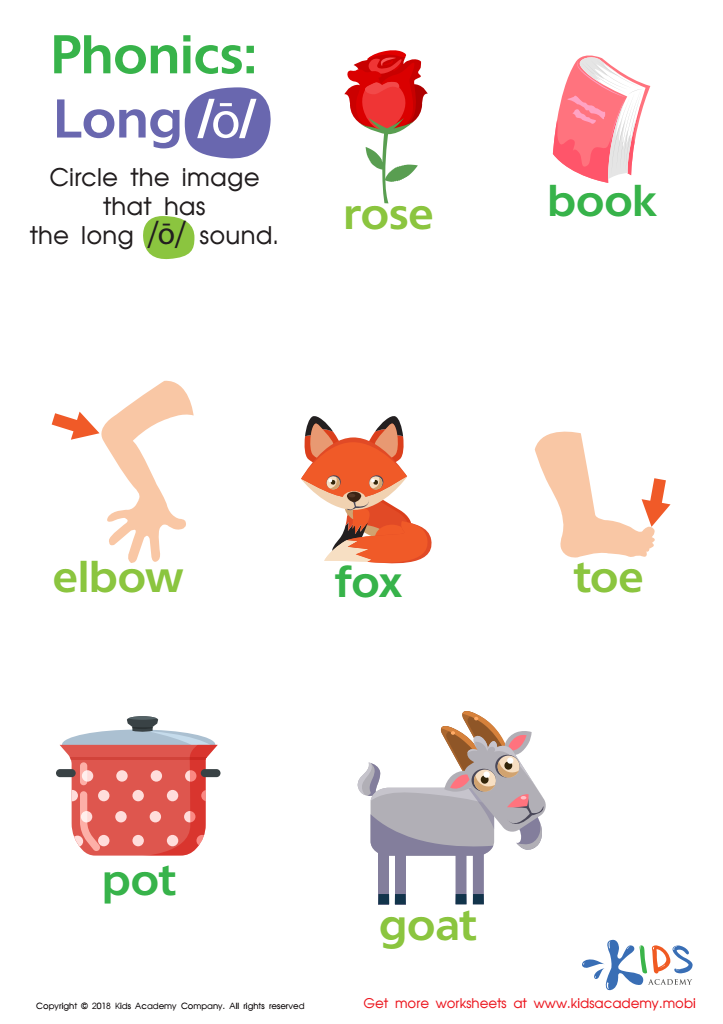
Phonics Long O Reading Worksheet
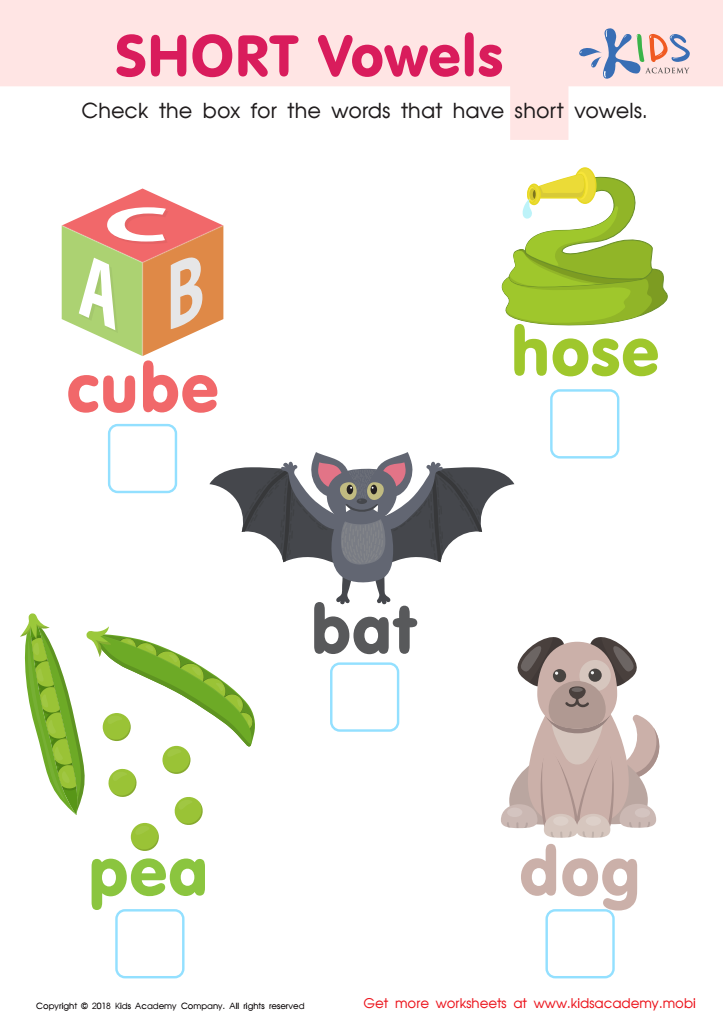
short vowels Worksheet
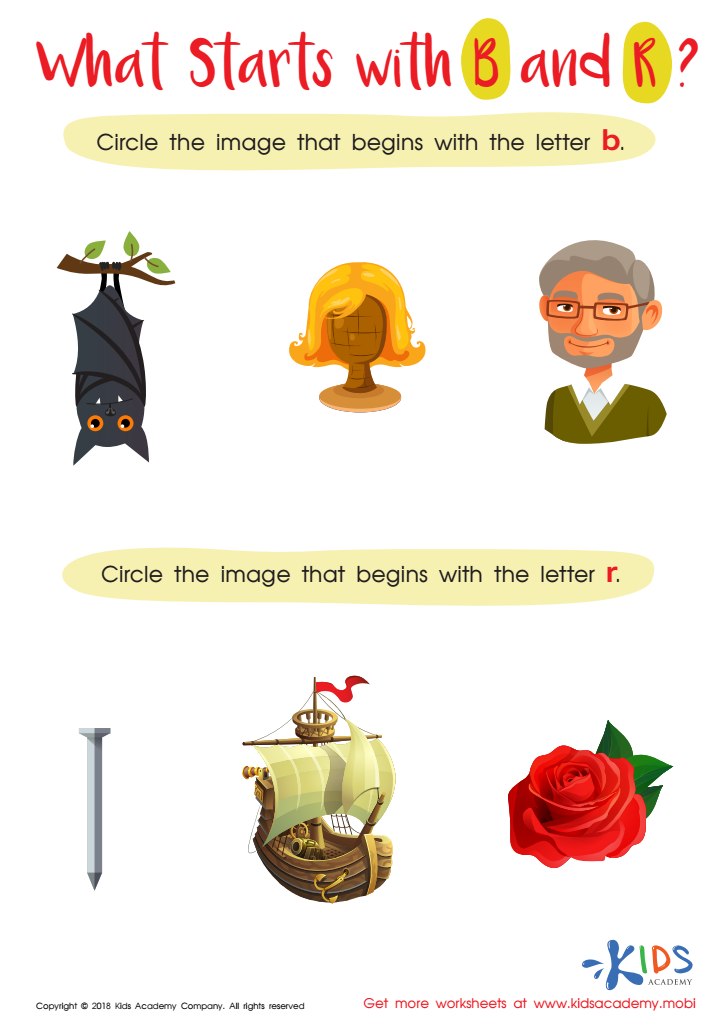
What Starts with B and R? Worksheet
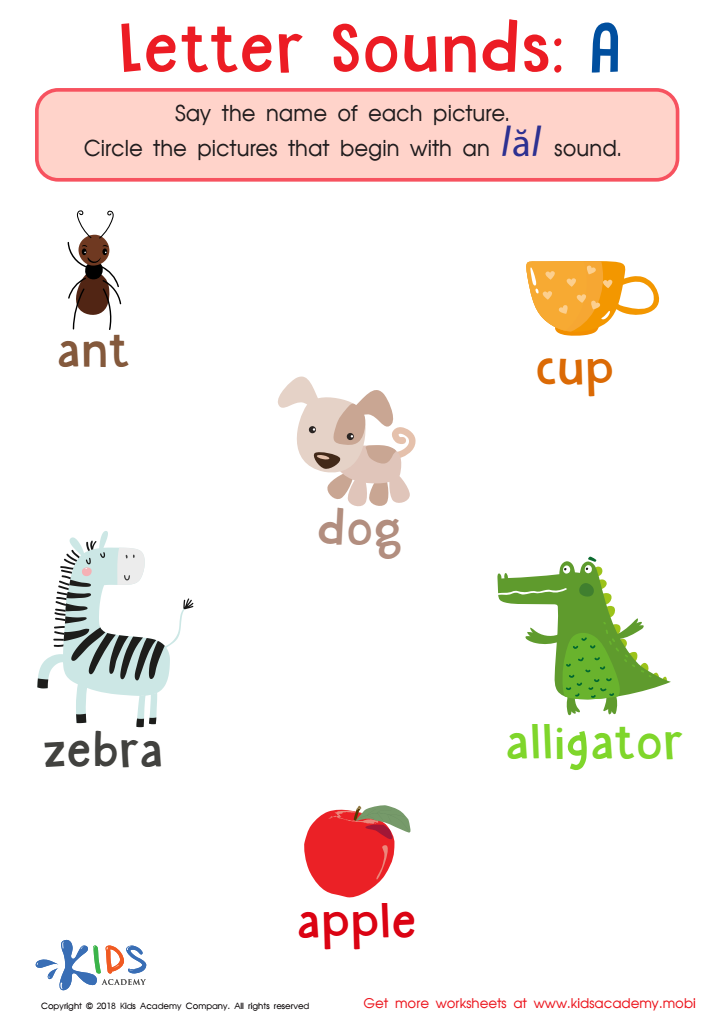
Letter A Sounds Worksheet
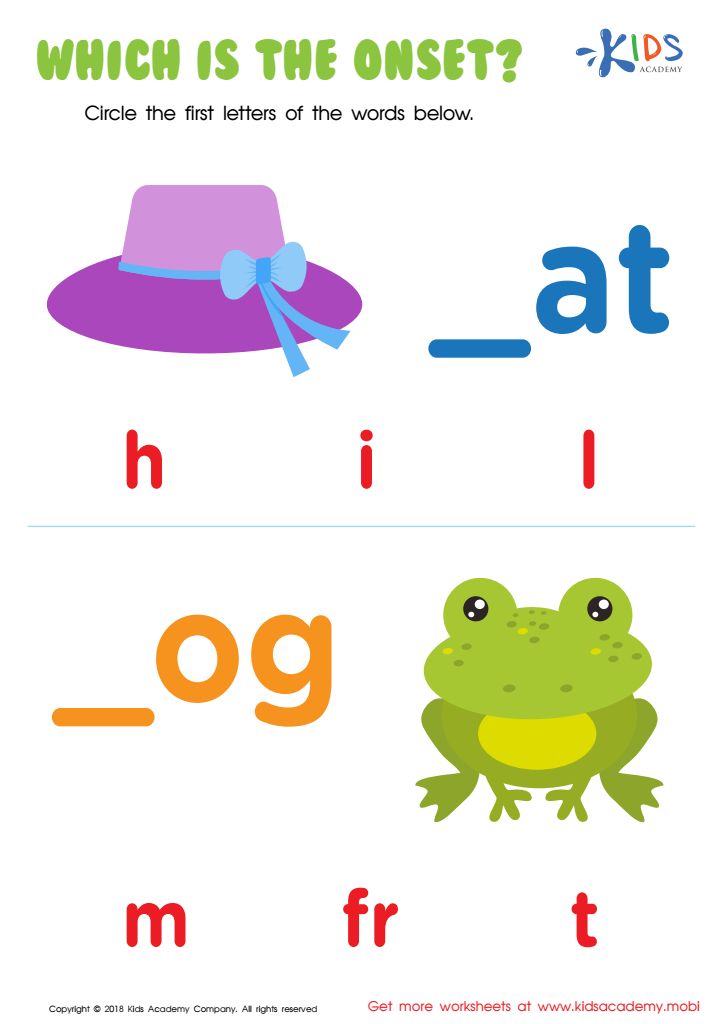
Which Is the Onset? Worksheet
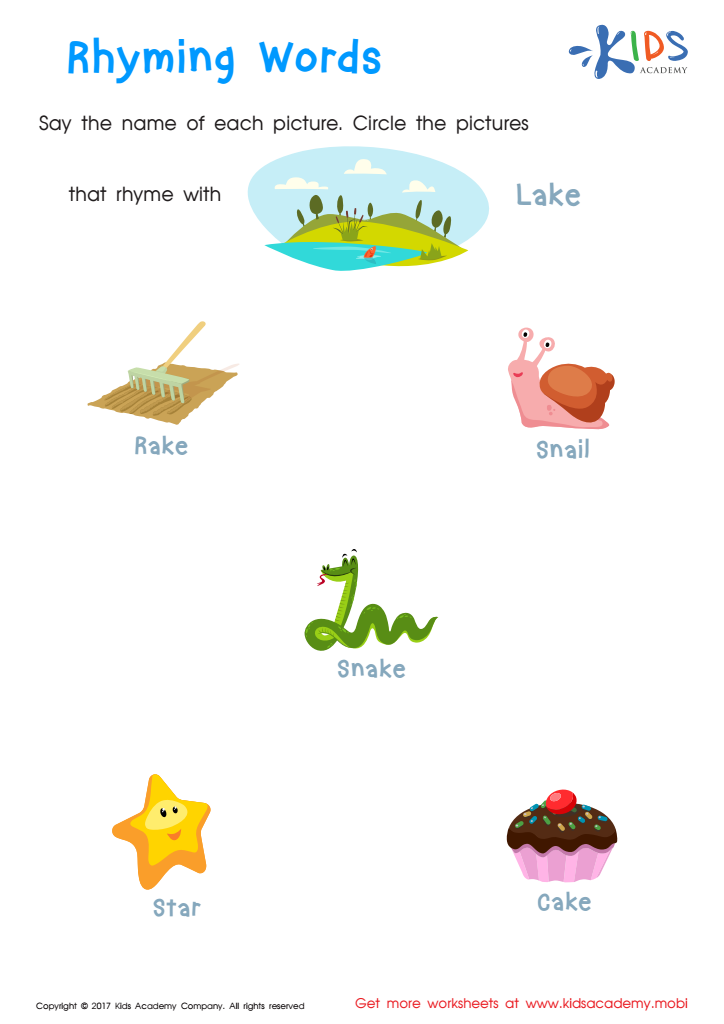
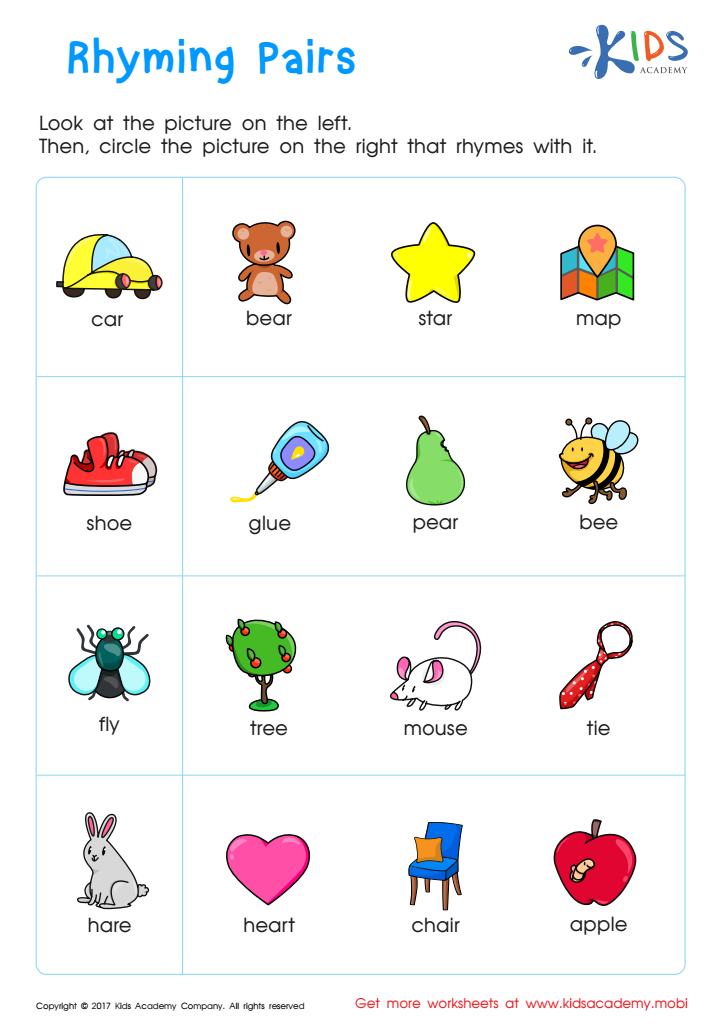
Rhyming Words Rhyming Worksheet
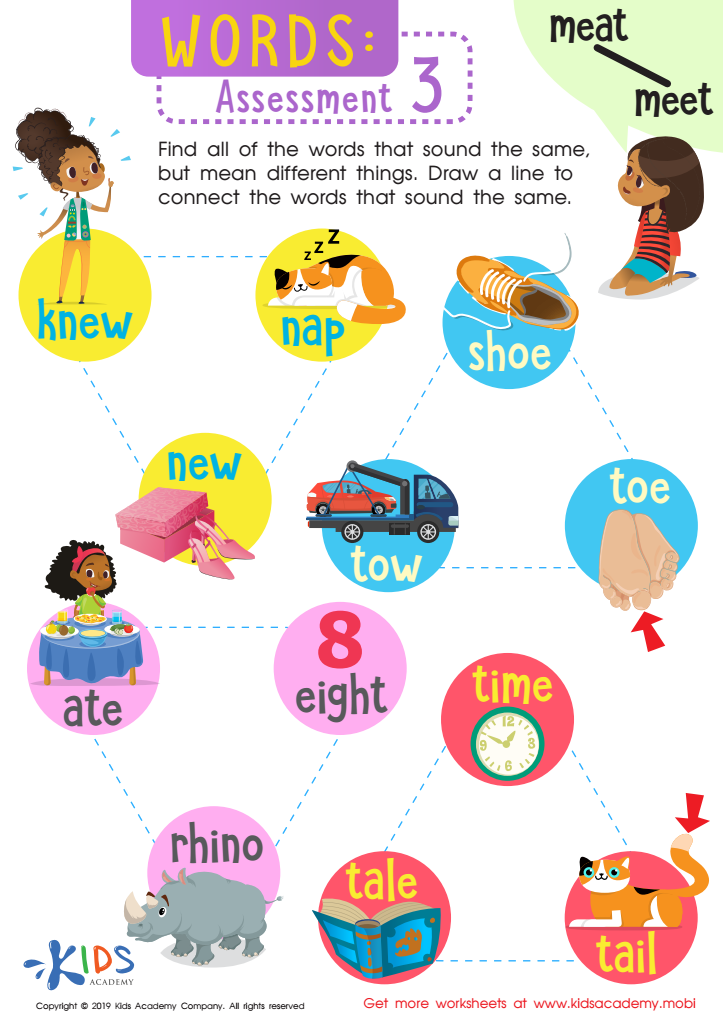
Words: Asessment 3 Worksheet
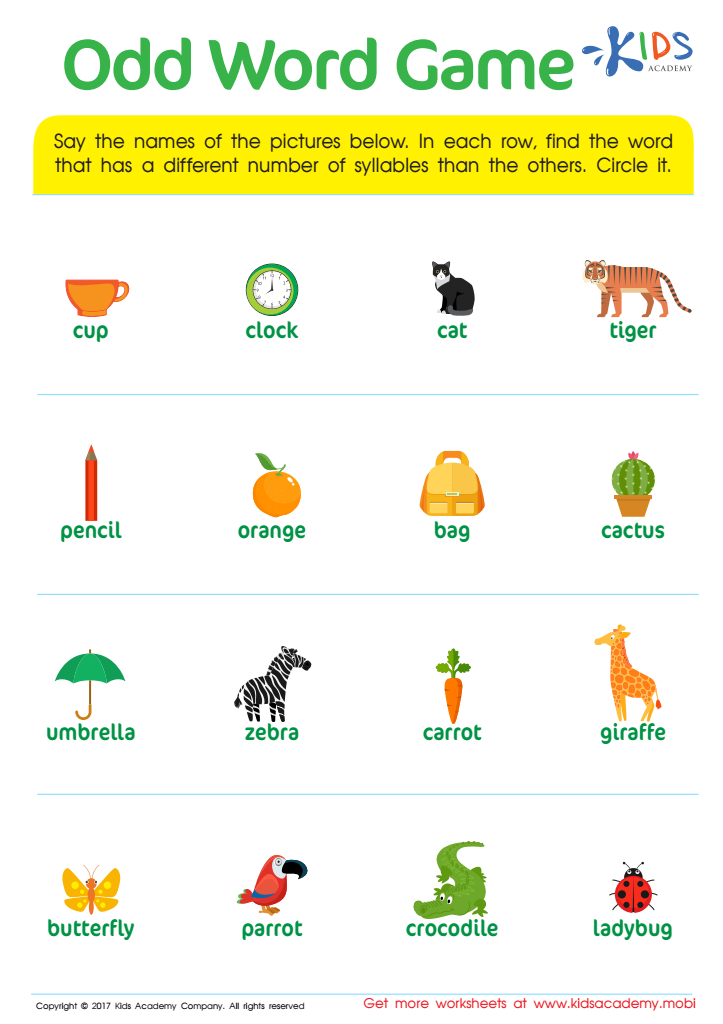
Count Syllables: Odd Word Game Worksheet
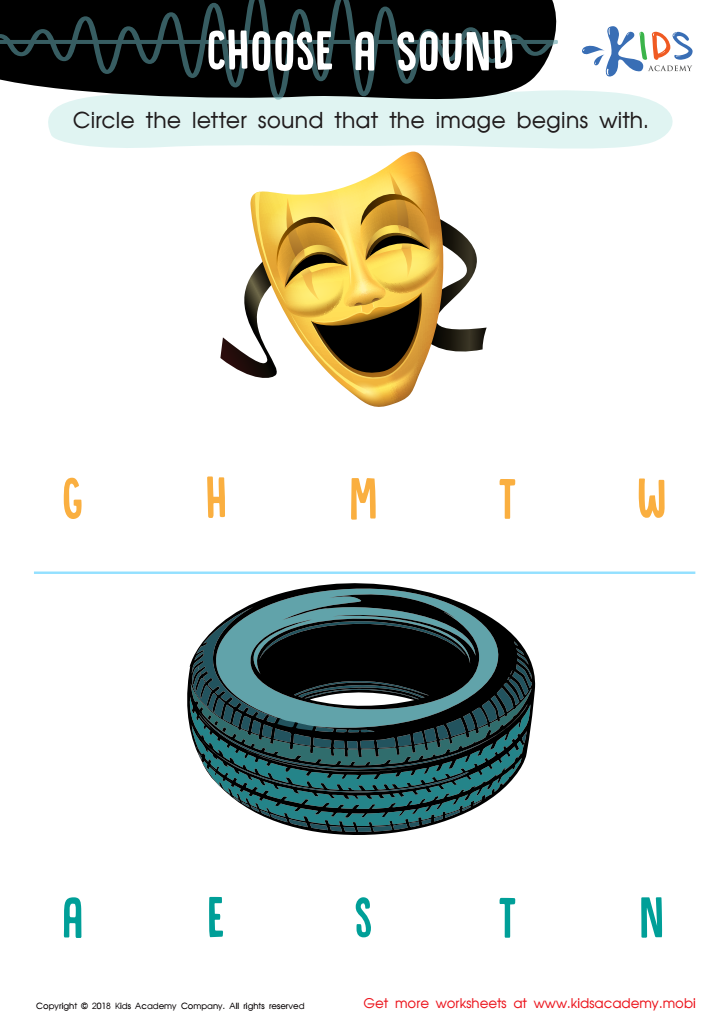
Choose a Sound Worksheet
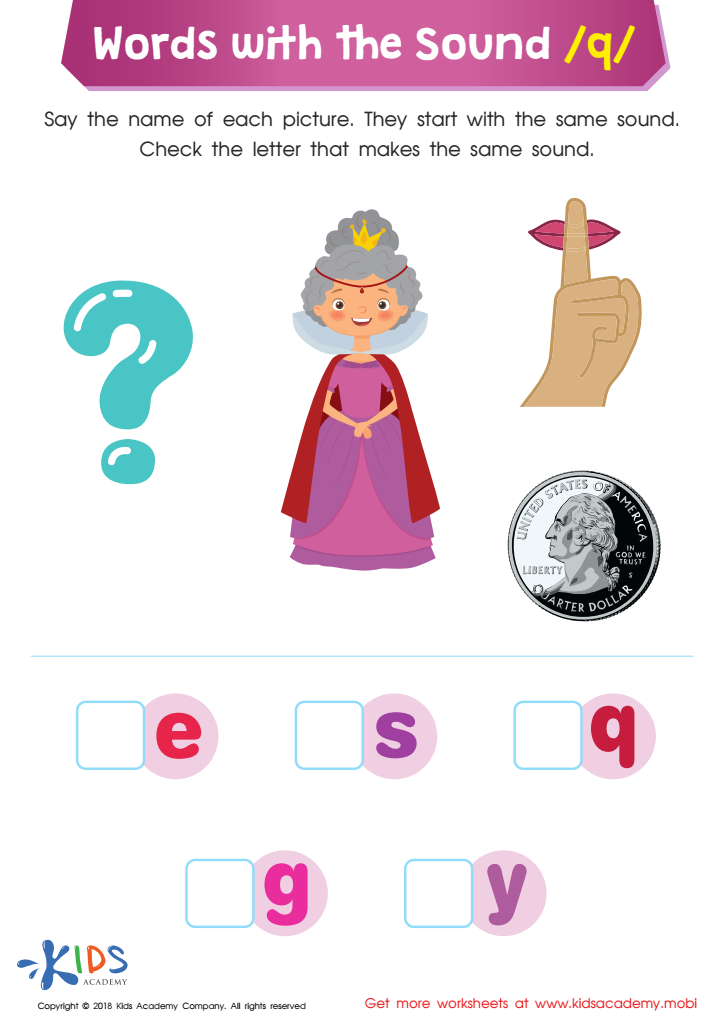
Words with Sound Q Reading Worksheet
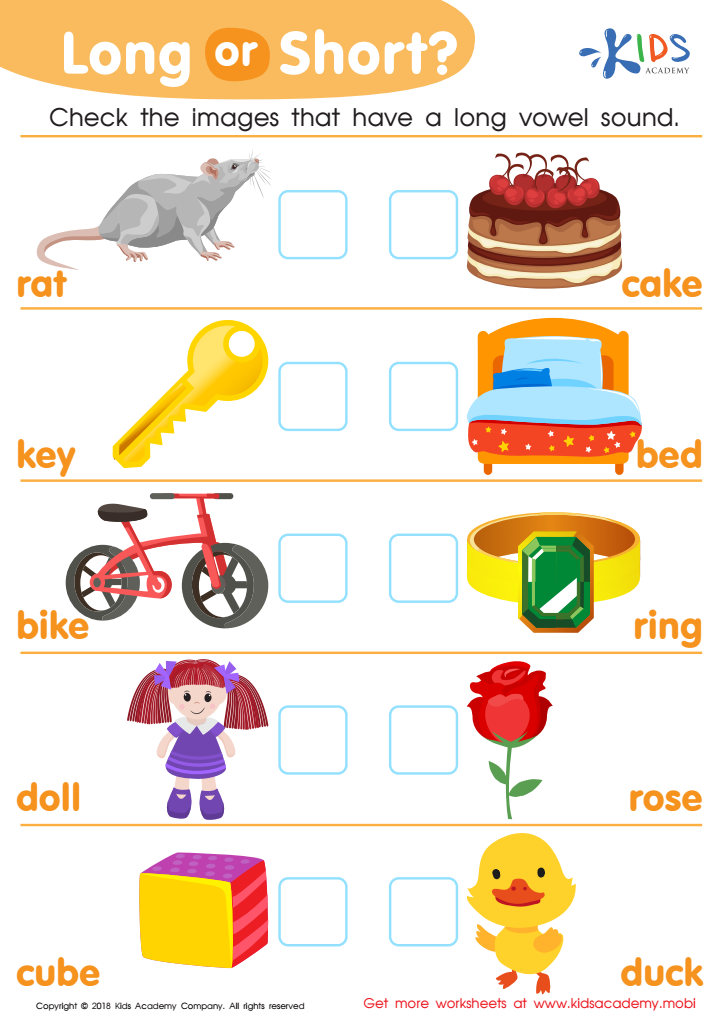
Long or Short Reading Worksheet
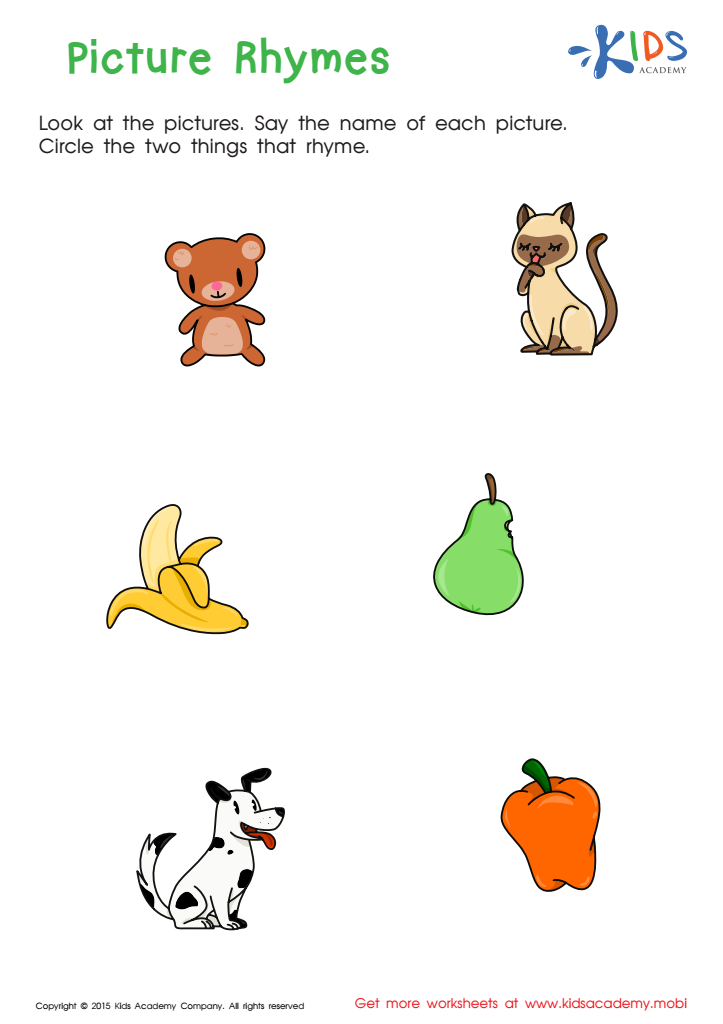
First Words: Picture Rhymes Worksheet
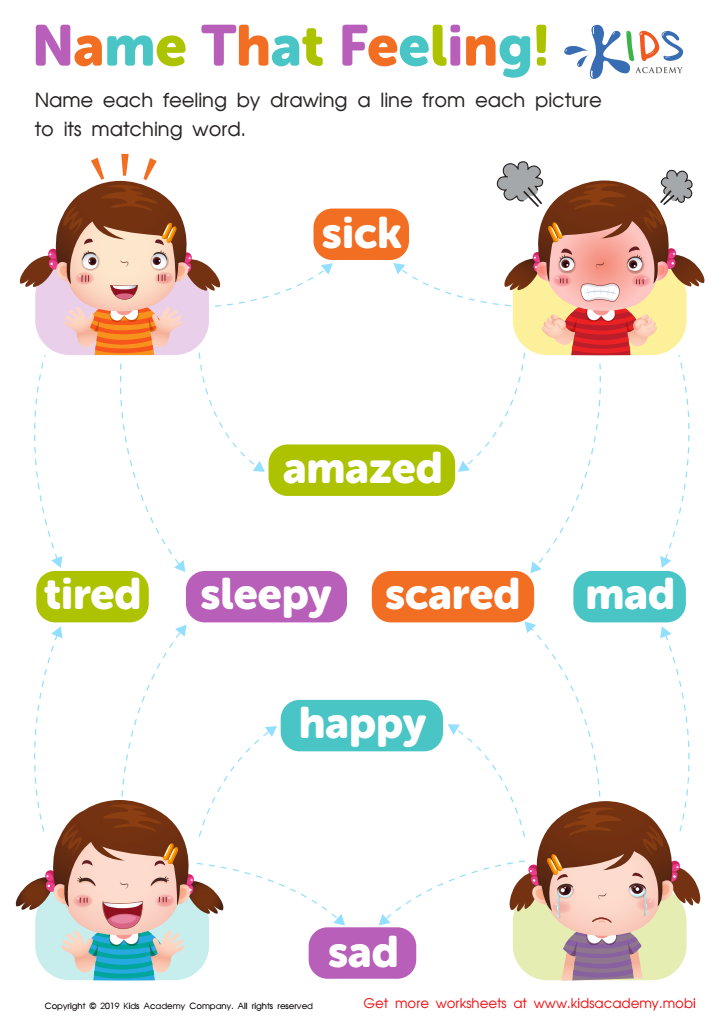
Name that Feeling Worksheet
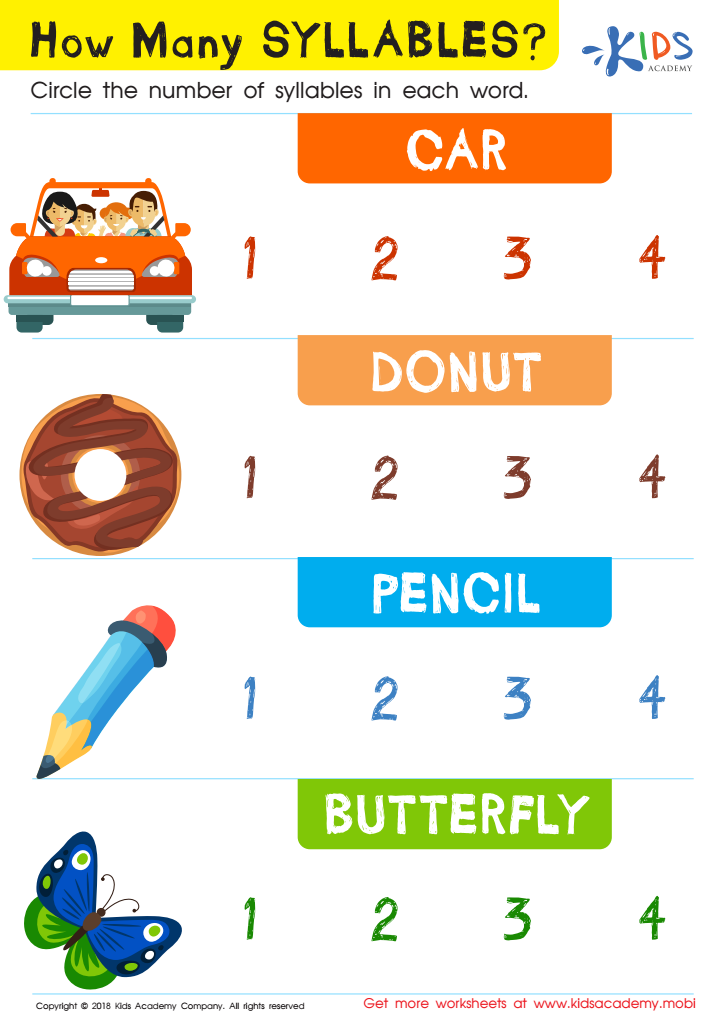
How Many Syllables? Worksheet
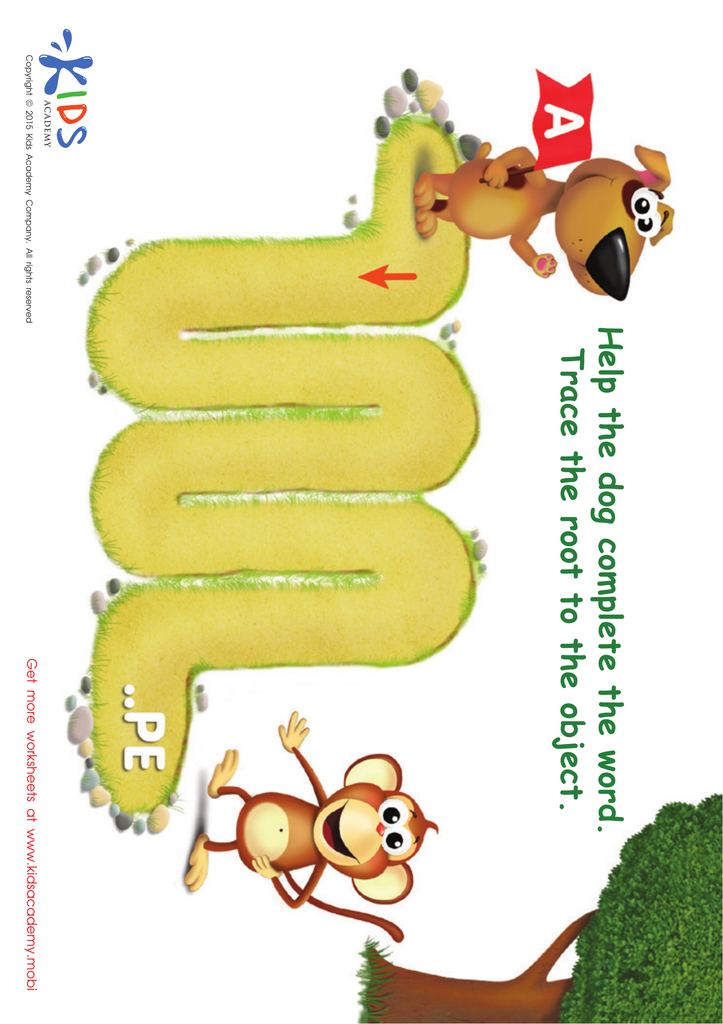
Long Vowel Sound A Worksheet Worksheet
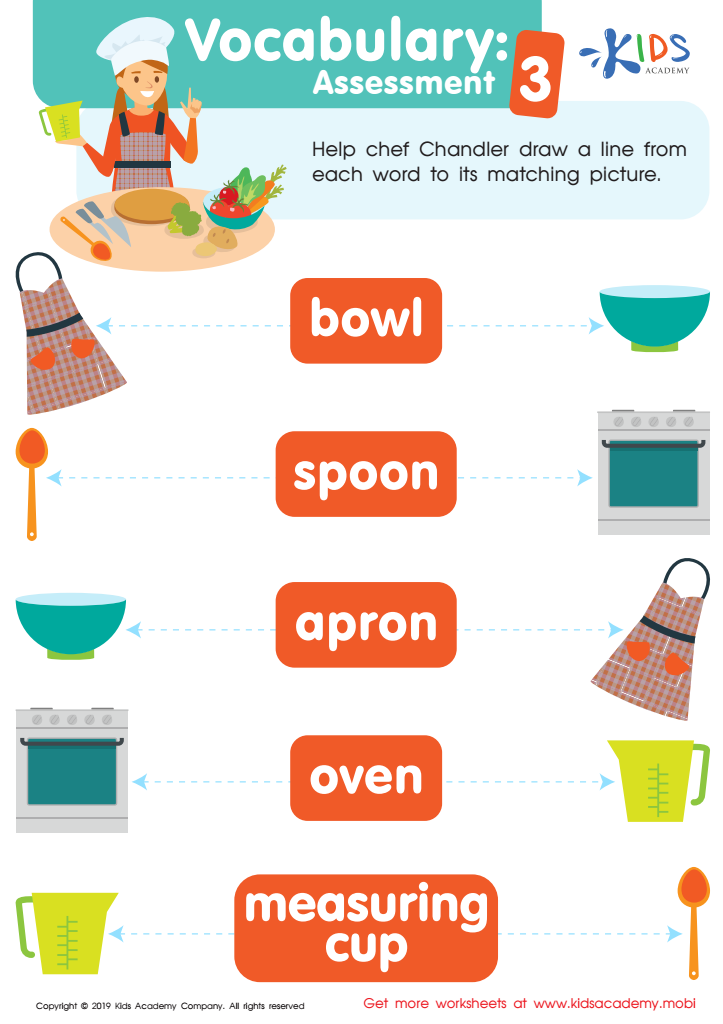
Vocabulary: Assessment 3 Worksheet
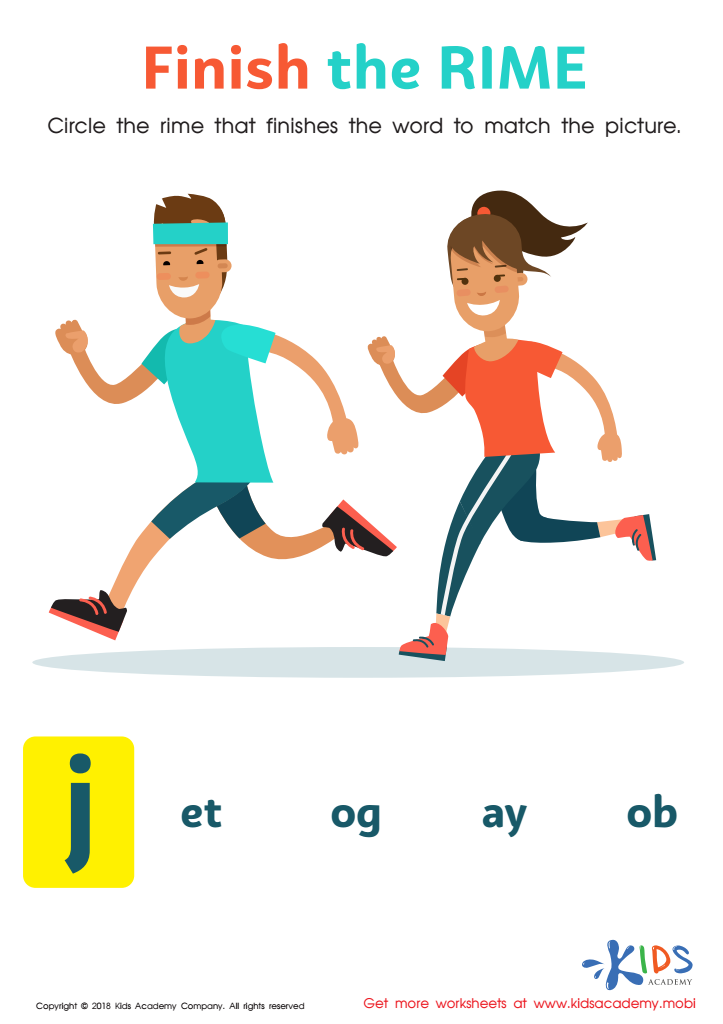
Finish the Rime Worksheet








Vocabulary enhancement through phonics for ages 3-4 is crucial in early childhood education and development. At this formative stage, children are beginning to form their understanding of language, making it an ideal time for parents and teachers to focus on phonics—the relationship between letters and sounds. By emphasizing phonics, children can develop foundational reading skills, improving their ability to decode words, which directly enhances vocabulary acquisition.
Understanding phonics helps children learn to hear, identify, and use the sounds in spoken language. When children grasp these concepts, they are more capable of recognizing and understanding new words, thereby expanding their vocabulary. A rich vocabulary is linked to better communication skills, improved academic performance, and greater confidence in expressing thoughts and ideas.
Moreover, vocabulary development fosters cognitive skills and comprehension as children engage with literature, storytelling, and conversation. Teachers and parents play a vital role by incorporating fun phonics-based activities, such as rhymes, songs, and interactive reading sessions, to create an engaging learning environment. Caring about vocabulary and phonics means investing in children's future success, ensuring they are well-prepared for the challenges of formal education and enriching their overall language experience.







