Basic Addition Worksheets for Ages 3-4
44 filtered results
-
From - To
Welcome to our engaging Basic Addition Worksheets tailored for children ages 3-4! Designed to make learning fun, these worksheets introduce essential addition concepts using colorful illustrations and interactive activities. Engaging young minds, they encourage recognition of numbers and develop foundational math skills through simple exercises. Each worksheet promotes number sense and mathematical thinking, ensuring your little learners build confidence as they explore addition. Perfect for home or in-class use, our resources support early childhood education, fostering a love for math at a young age. Discover exciting ways to enhance your child's learning journey and watch them thrive in their mathematical abilities!
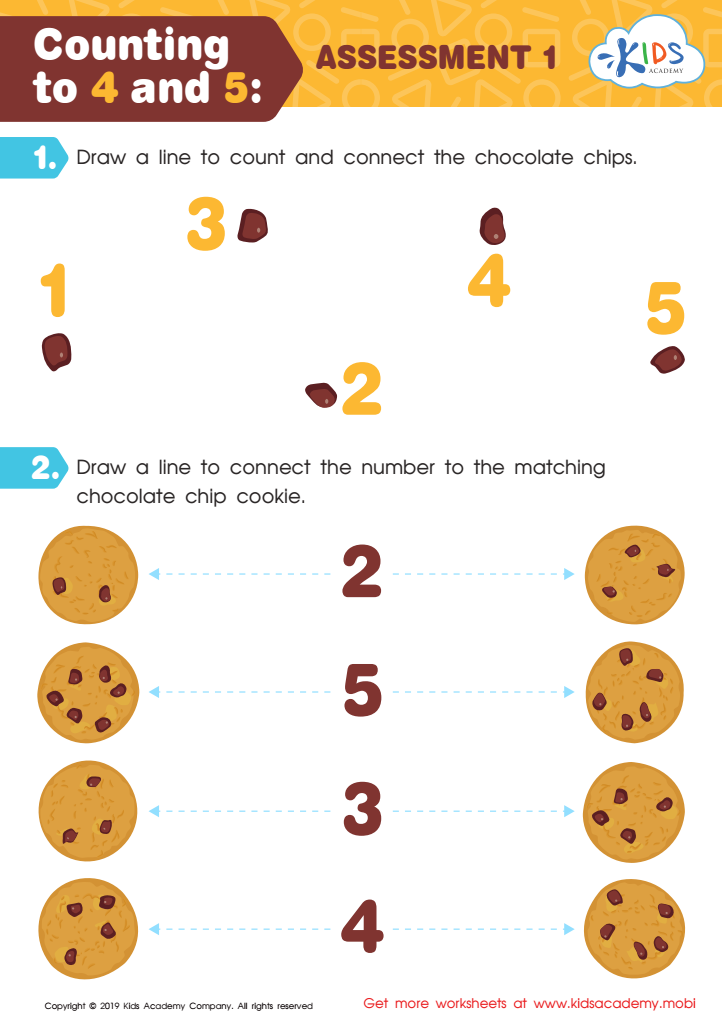
Counting to 4 and 5: Assessment 1 Worksheet
 Assign to My Students

African Wildlife: Giraffe Worksheet
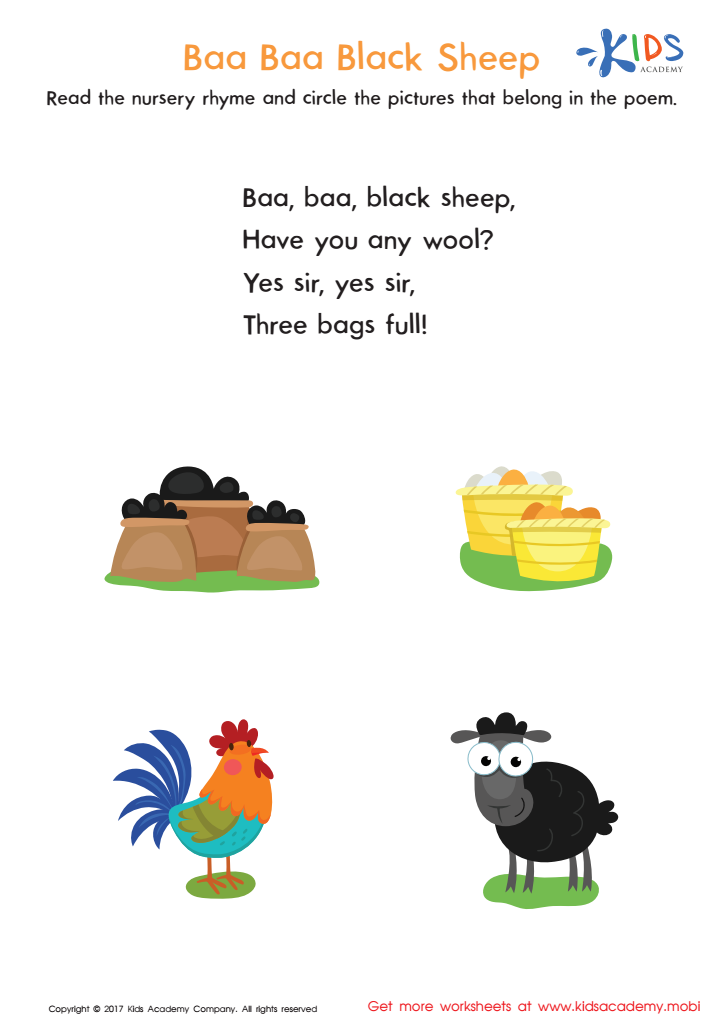
Baa Baa Black Sheep Printable
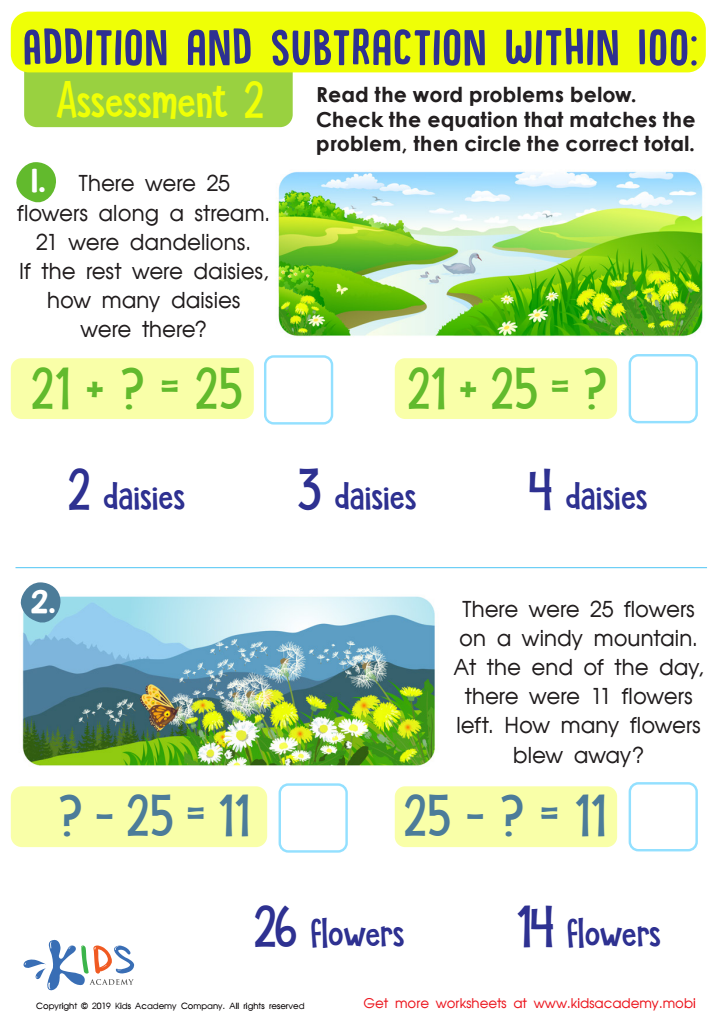
Assessment 2 Math Worksheet
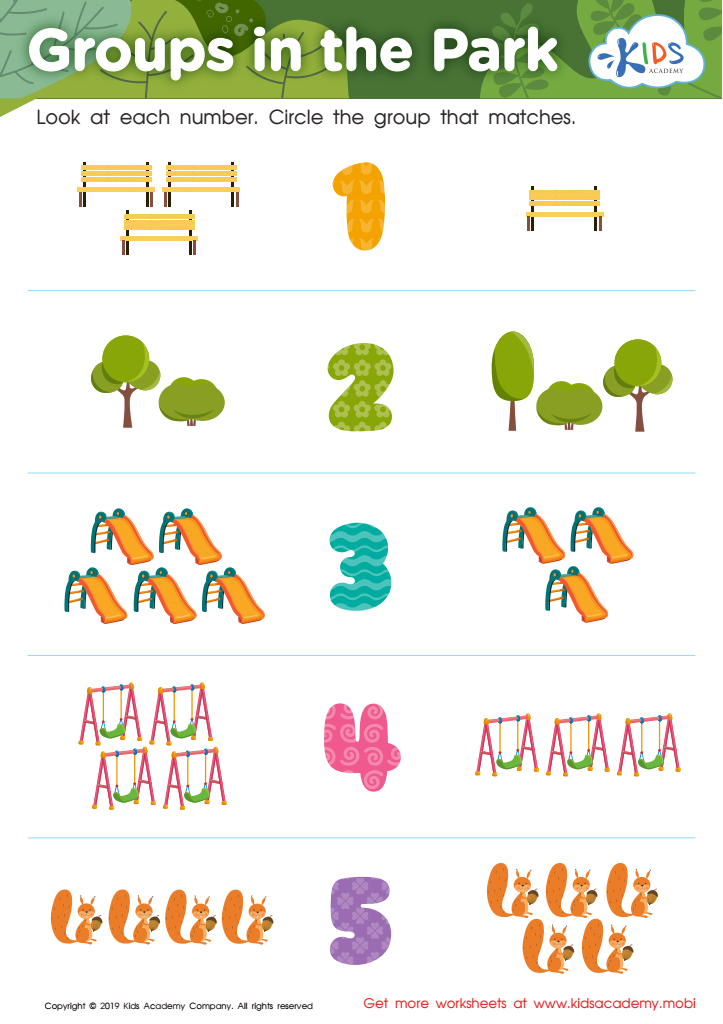
Groups in the Park Worksheet
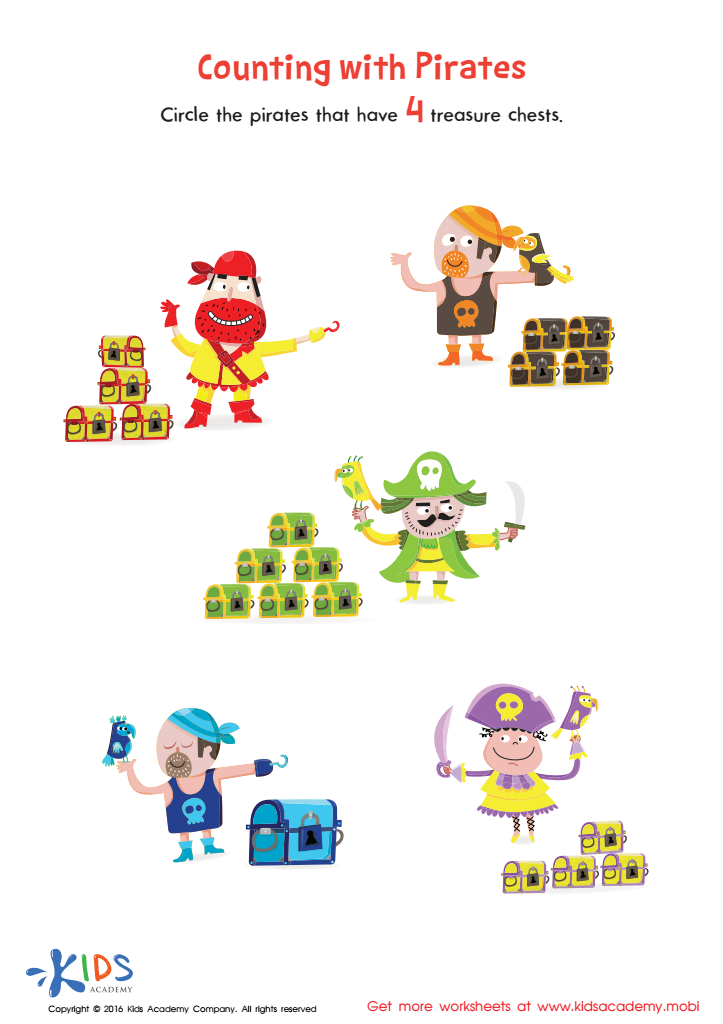
Counting With Pirates Worksheet
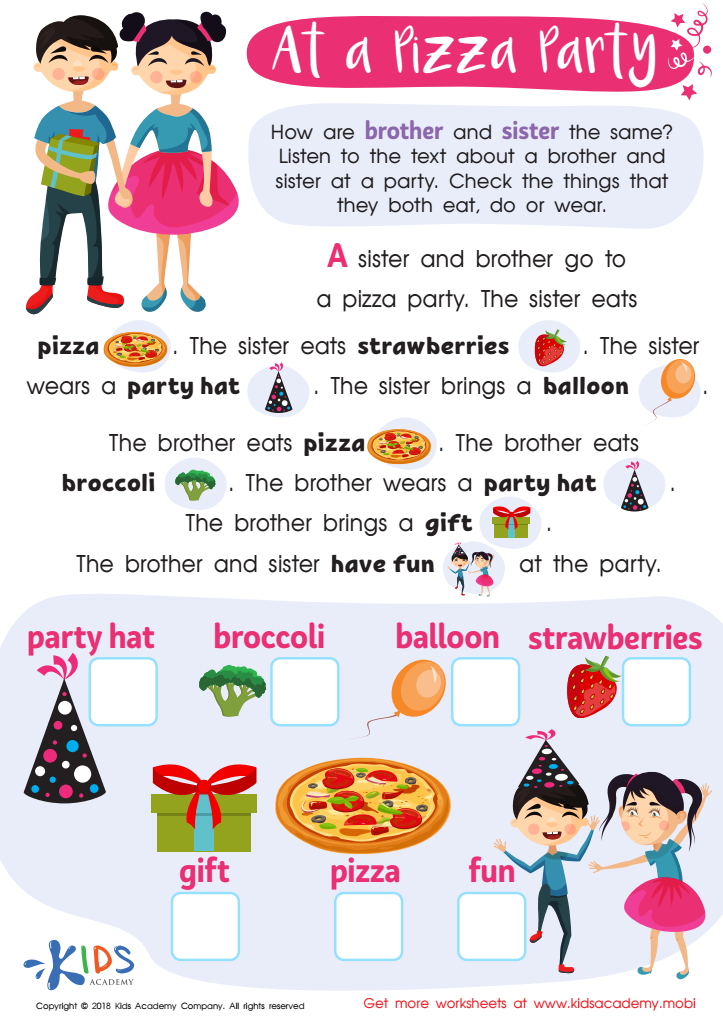
At a Pizza Party Worksheet
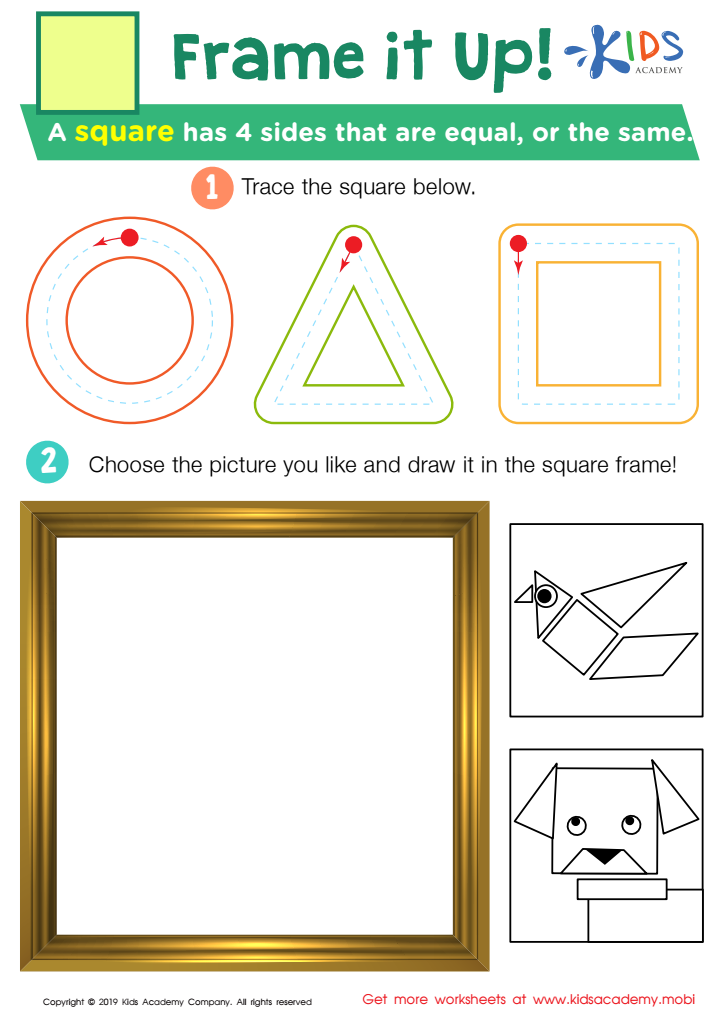
Frame it Up Worksheet
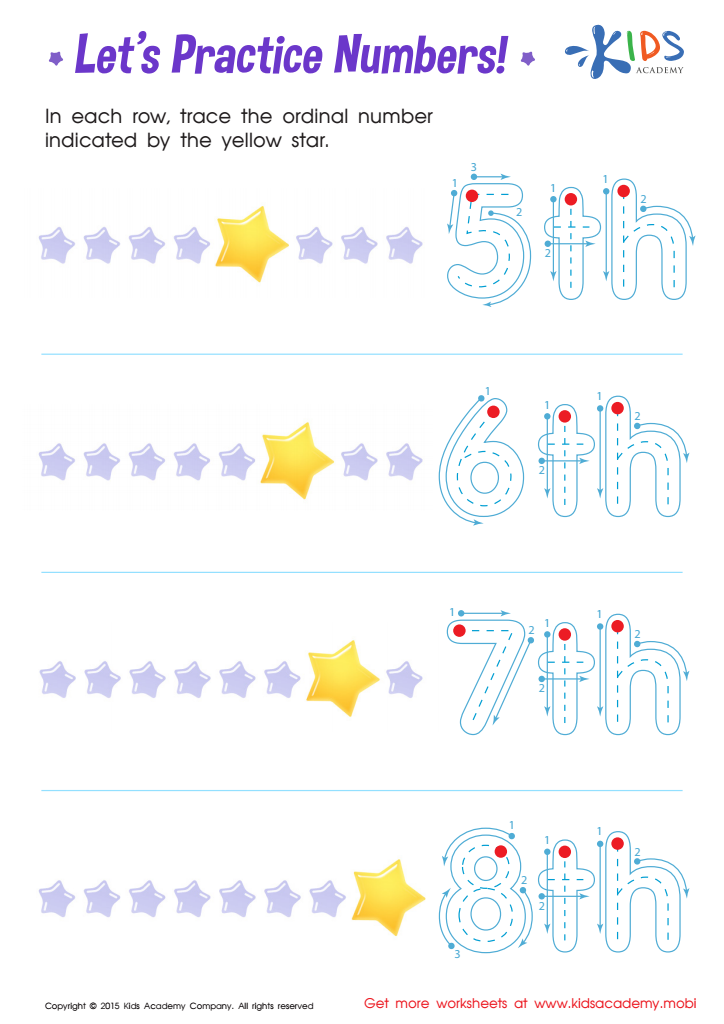
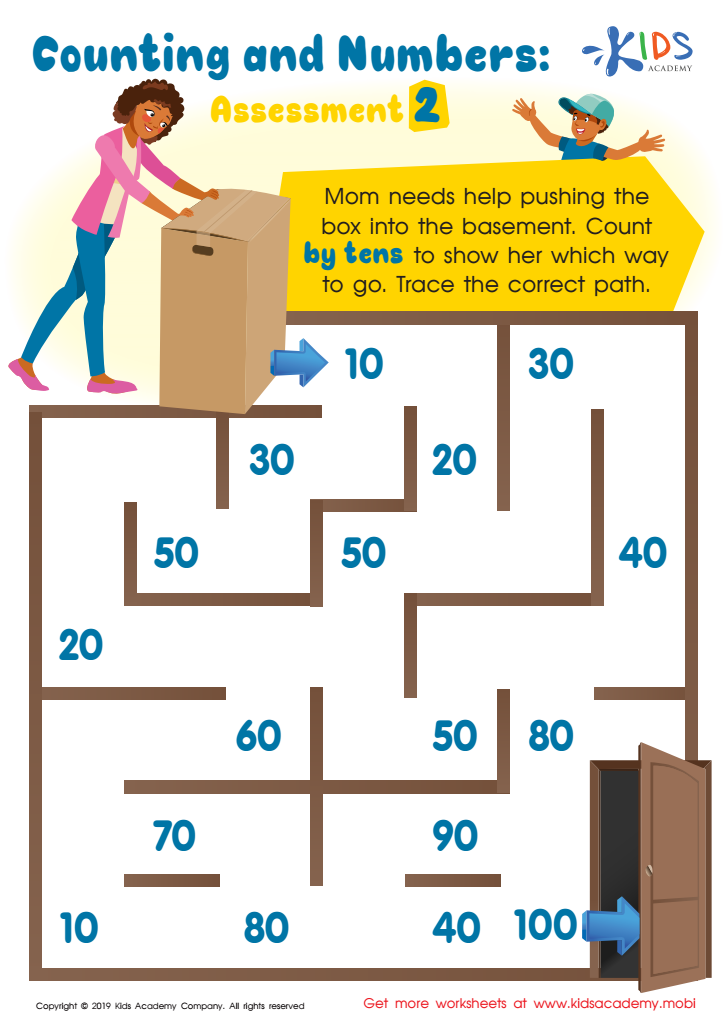
Counting and Numbers: Assessment 2 Worksheet
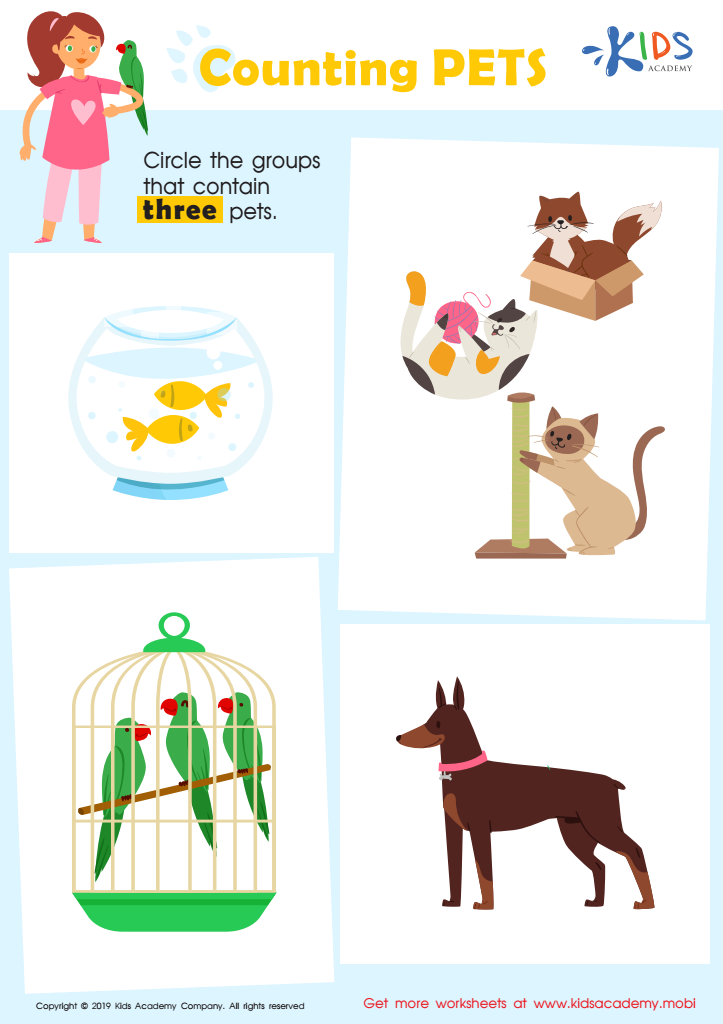
Counting Pets Worksheet
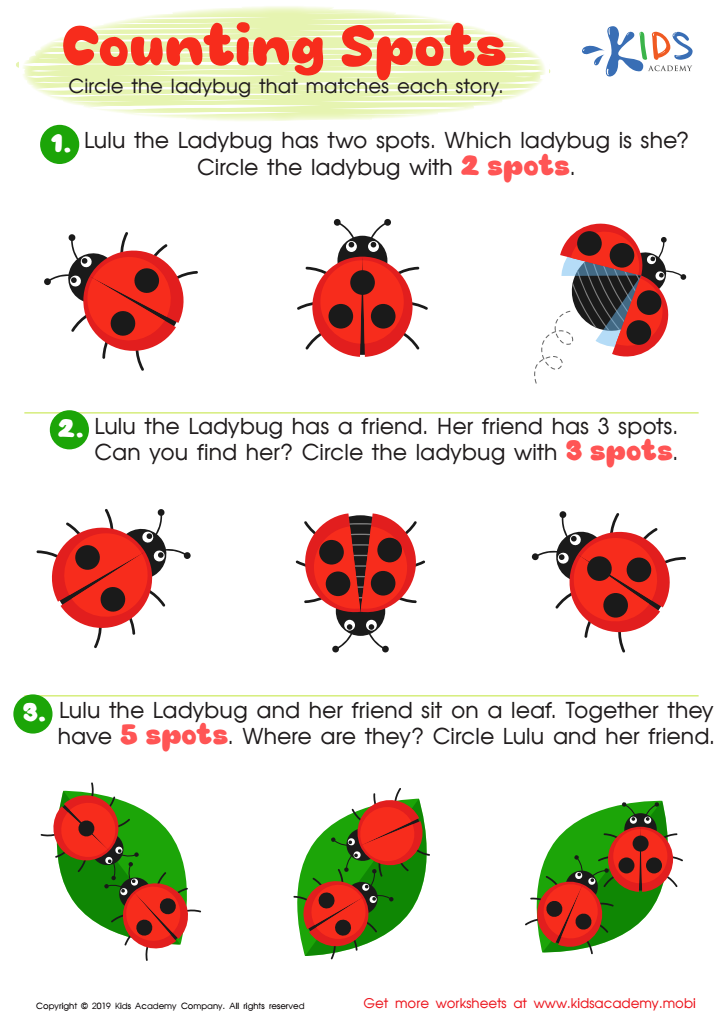
Counting Spots Worksheet
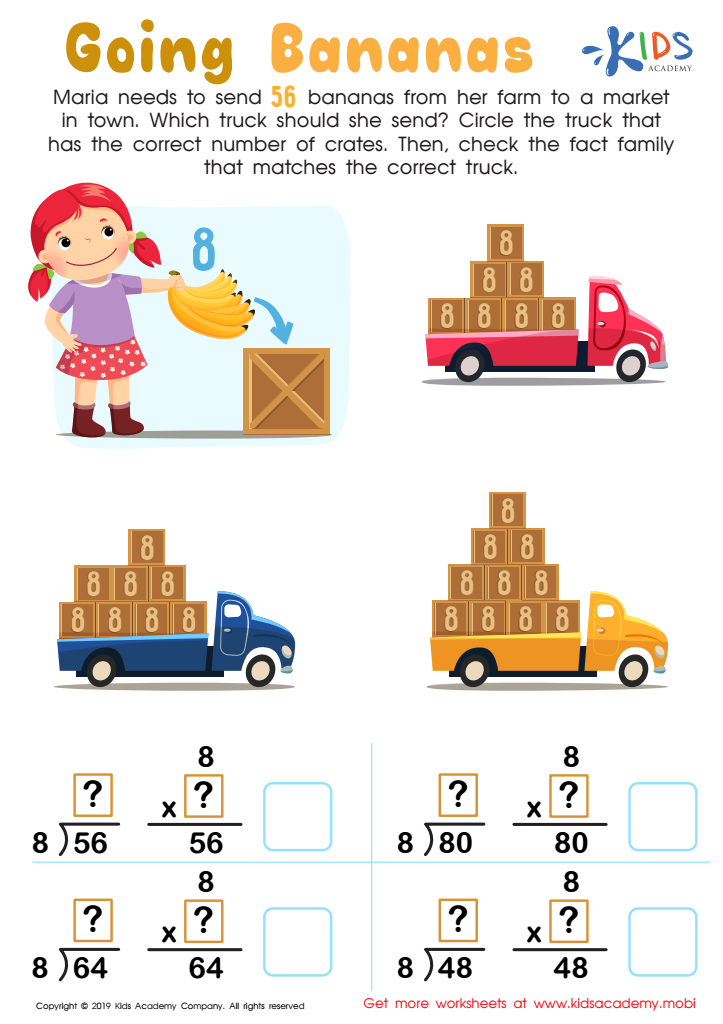
Going Bananas Worksheet
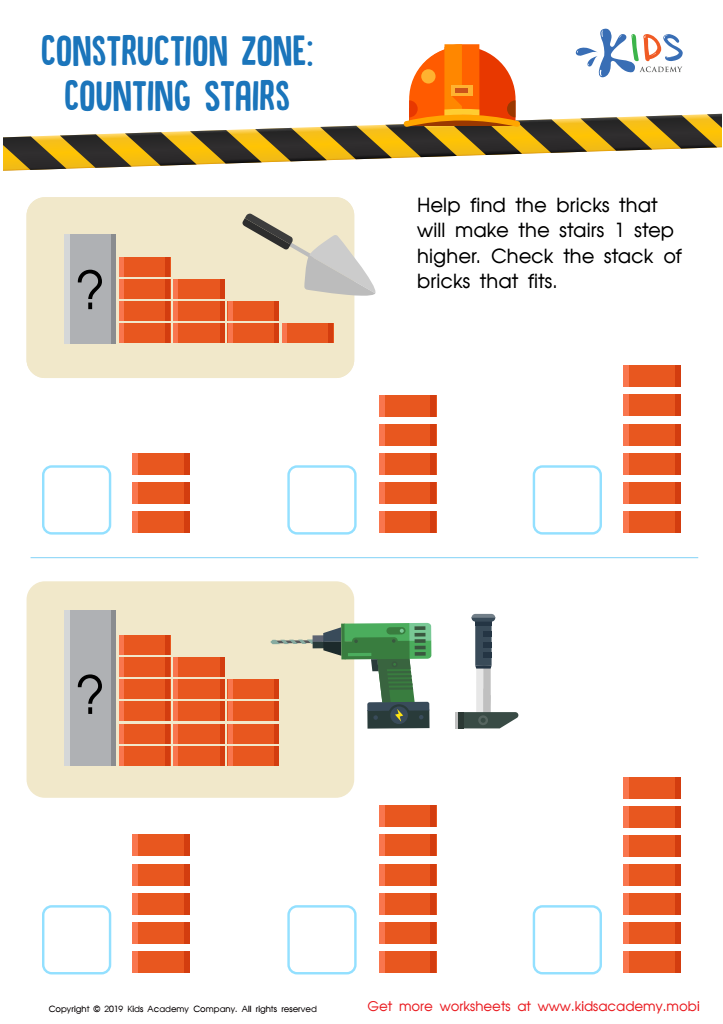
Construction Zone: Counting Stairs Worksheet
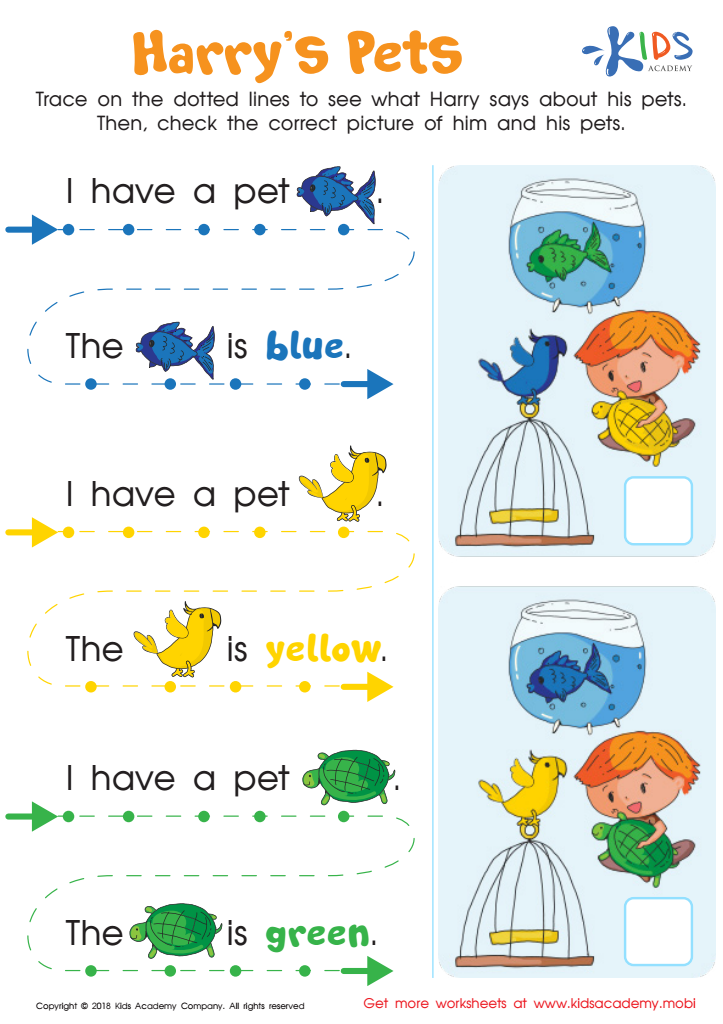
Read from Left to Right: Harry's Pets Worksheet
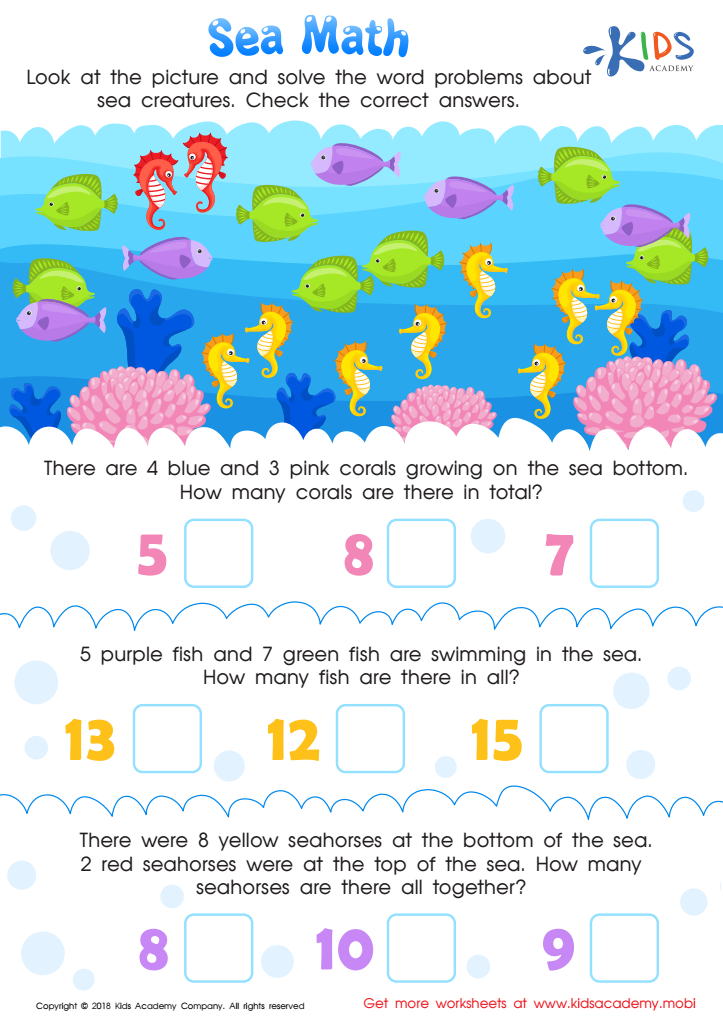
Sea Math Worksheet
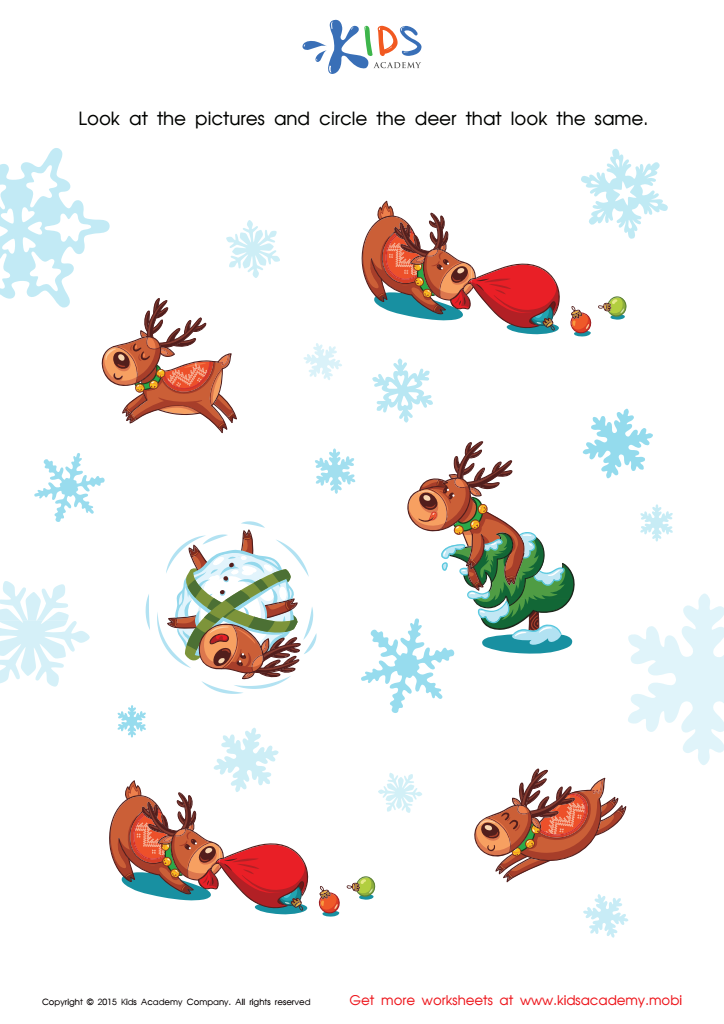
Count the Deer Worksheet
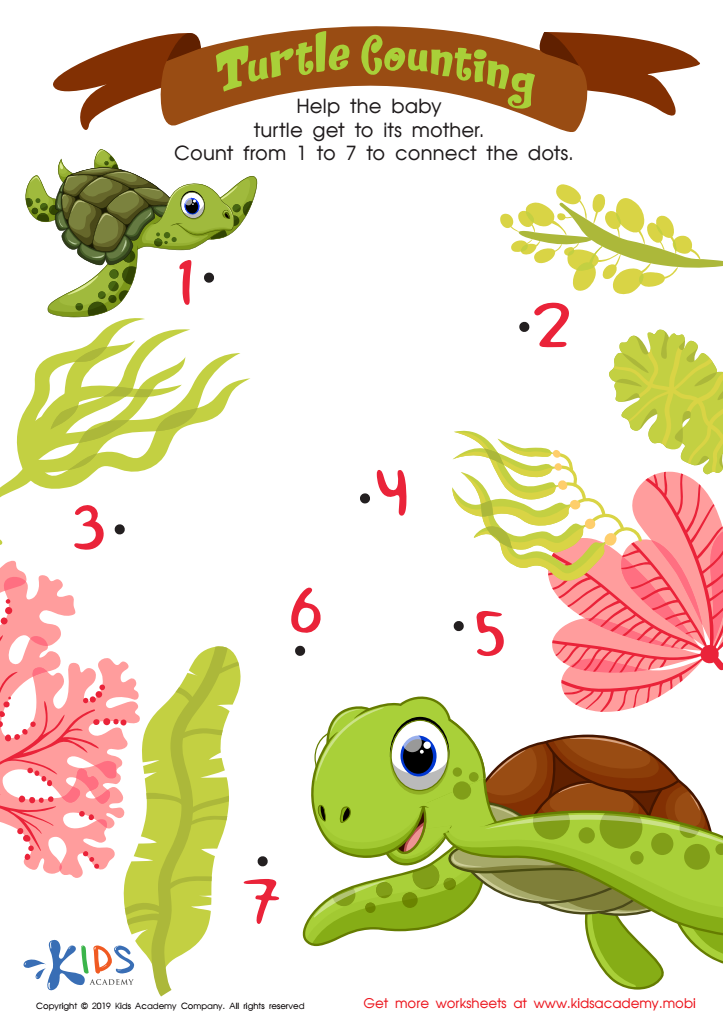
Turtle Counting Worksheet
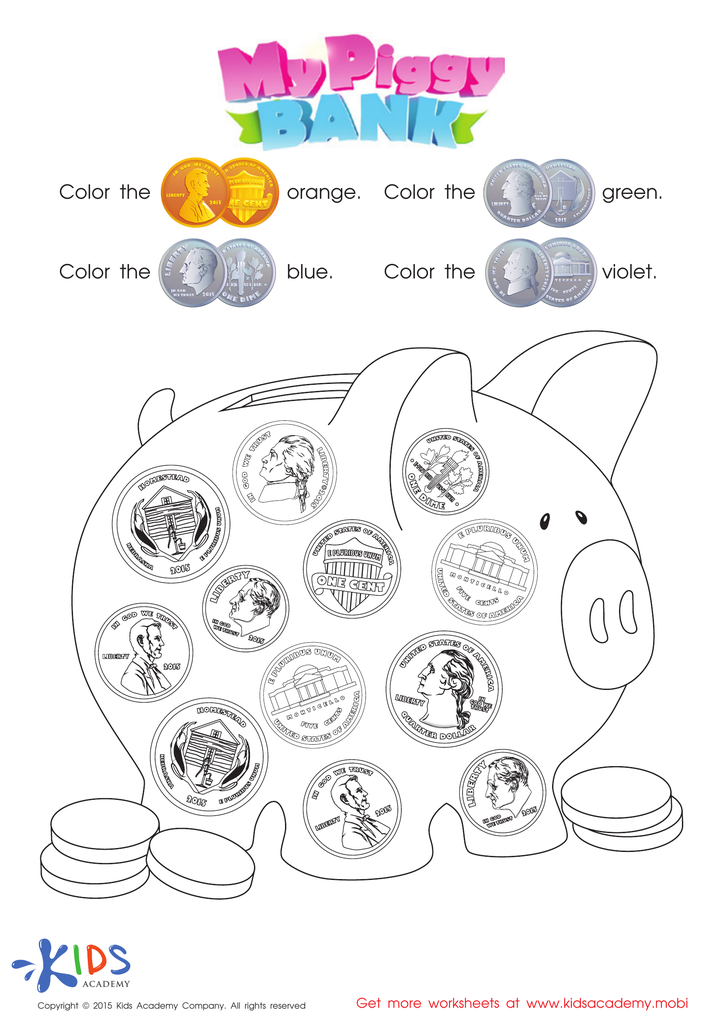
Recognizing Money Money Worksheet
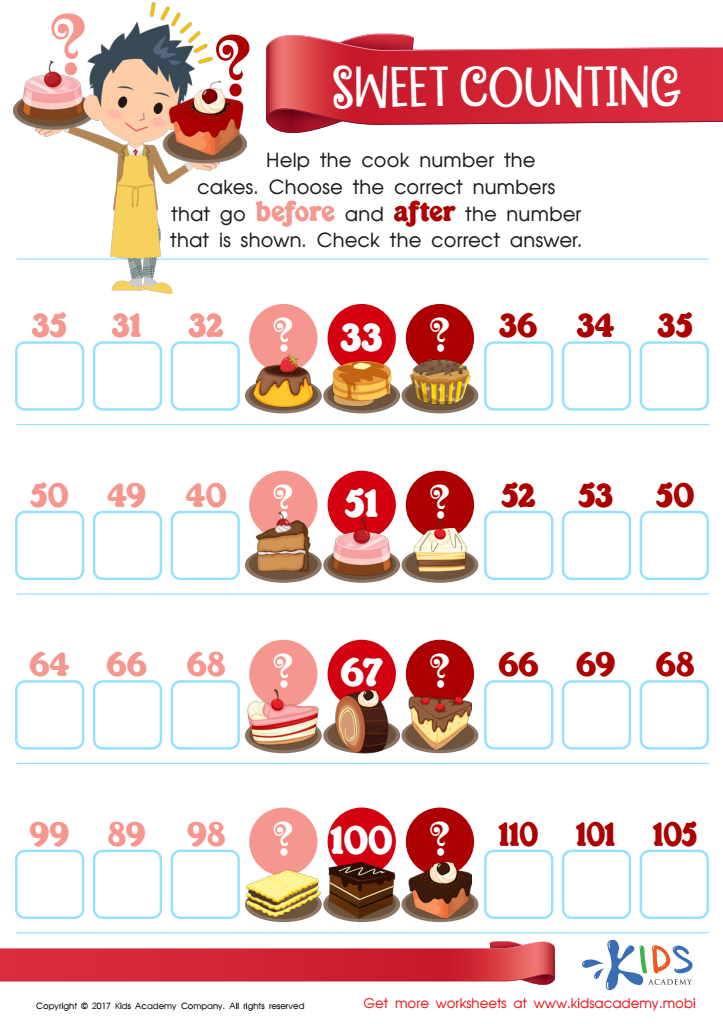
Sweet Counting - Part 1 Worksheet
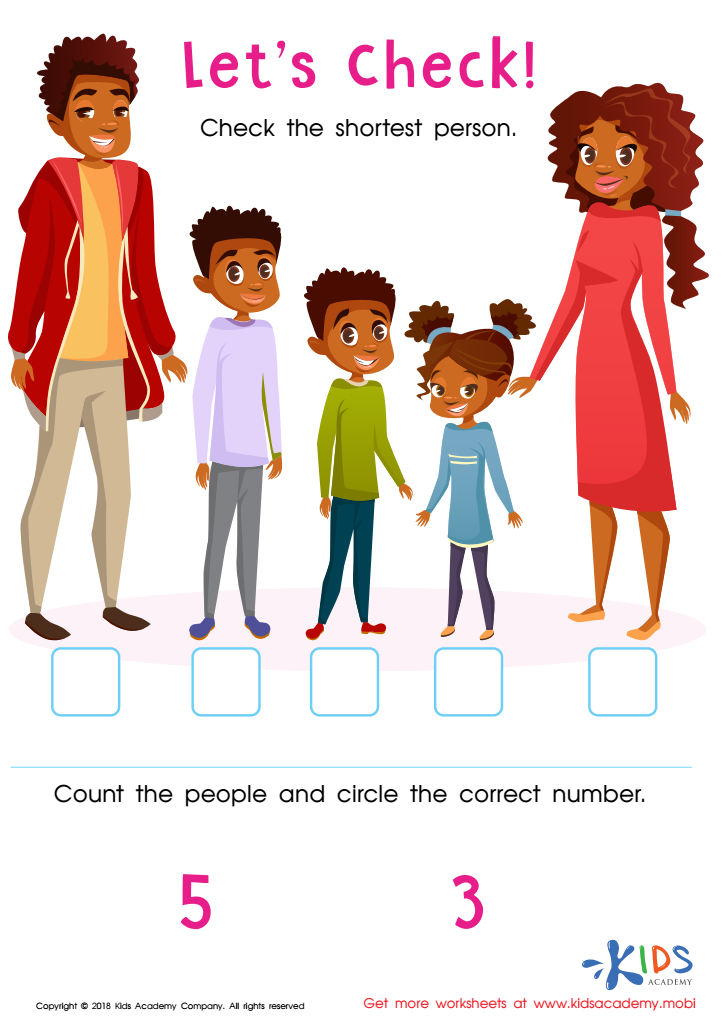
Let's Check! Assessment Worksheet
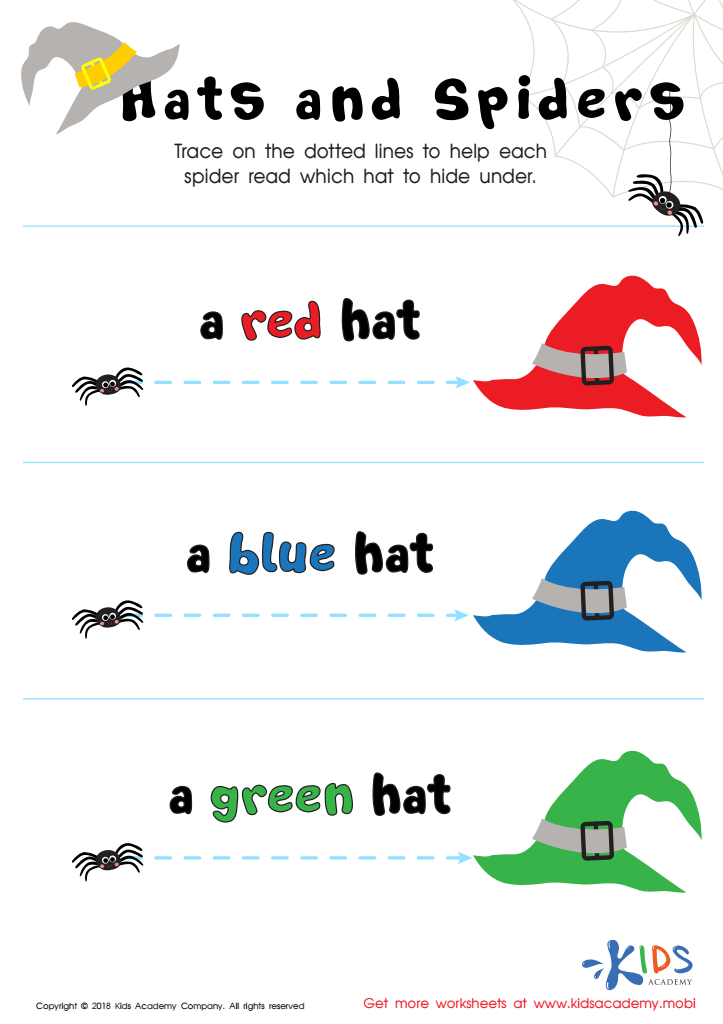
Read from Left to Right: Hats and Spiders Worksheet
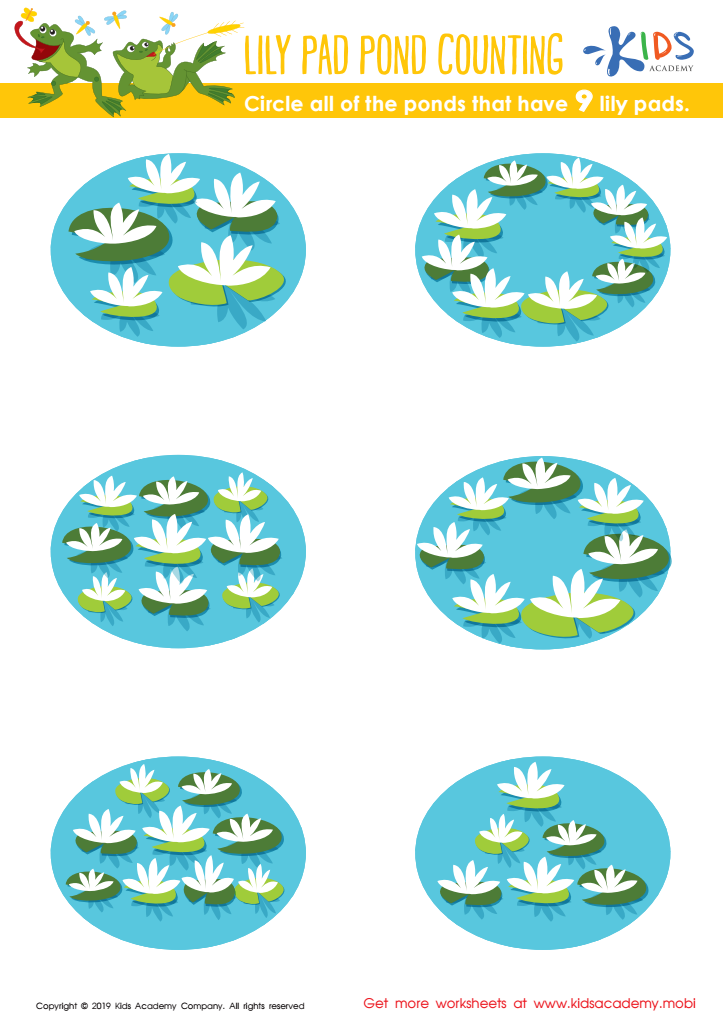
Lily Pad Pond Counting Worksheet
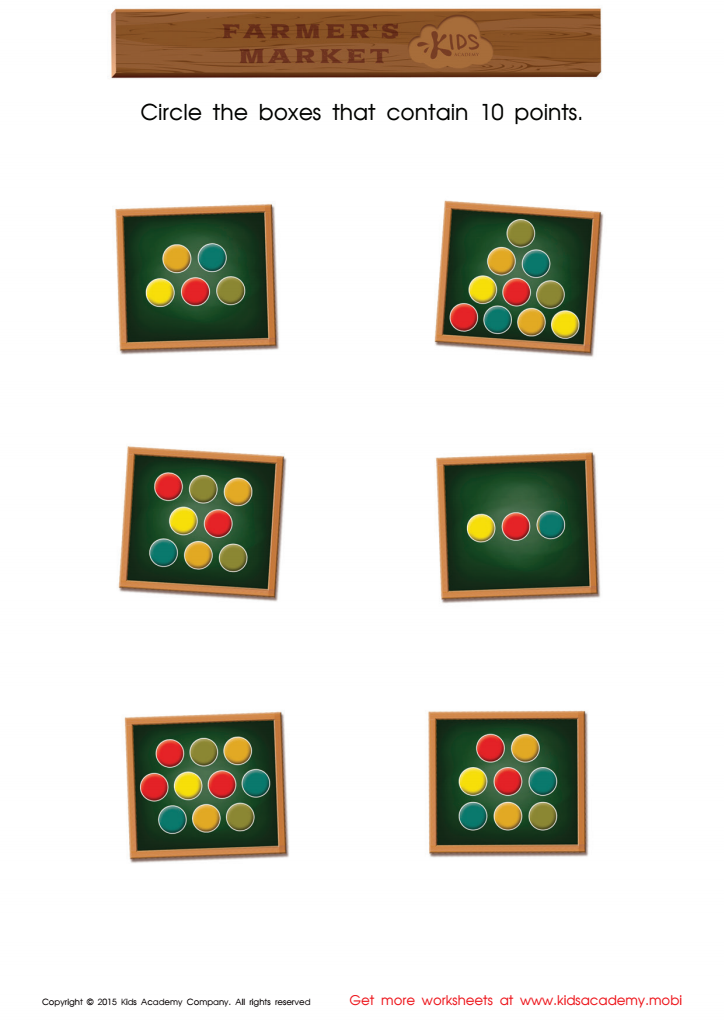
Count and Match Points 10 Math Worksheet





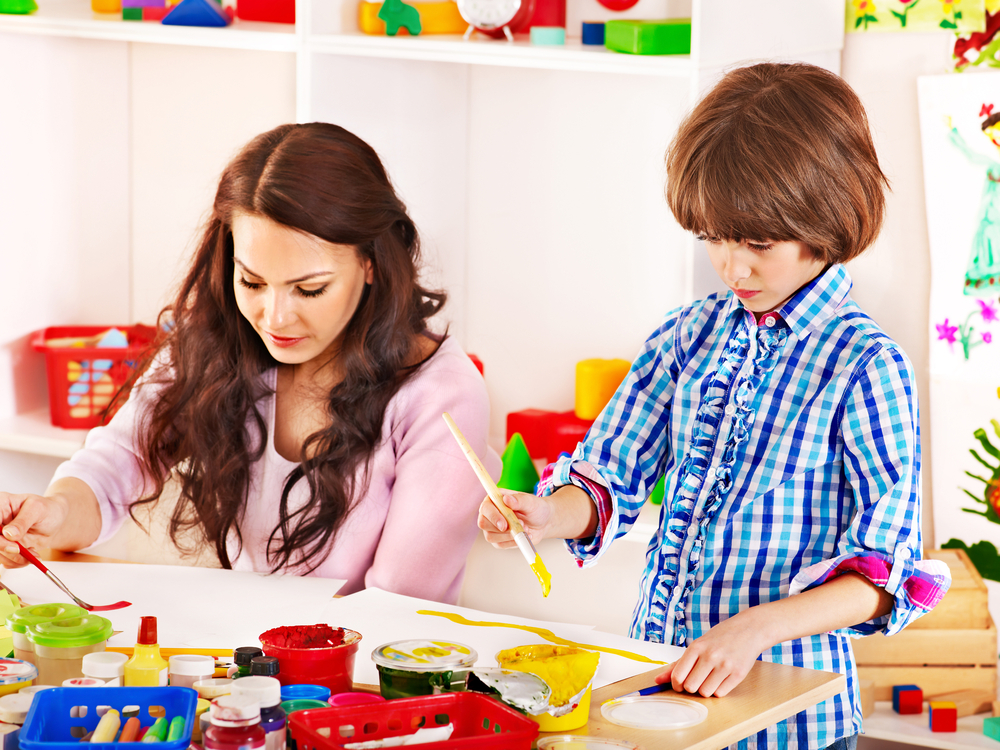

Basic addition is a crucial foundational skill for children aged 3-4, making it essential for parents and teachers to prioritize it in early education. First, introducing simple addition helps develop critical cognitive skills. Math concepts foster logical thinking and problem-solving abilities, which are vital for success in later academic pursuits.
Moreover, early math skills enhance language development; as children express numerical ideas, they expand their vocabulary and comprehension. Engaging in basic addition activities promotes social interaction, encouraging cooperation and communication. Children often work together to solve simple problems, thereby nurturing teamwork and collaborative skills.
Furthermore, incorporating math into daily activities makes learning enjoyable and relevant. Counting toys, sharing snacks, or playing number games establish a playful context for addition. This context not only builds proficiency but also instills a positive attitude towards math, helping to demystify subjects that some children may find intimidating later on.
Ultimately, developing a solid foundation in basic addition can boost a child's confidence and preparedness for future learning, setting the stage for academic success. By concentrating on this simple yet important skill, parents and teachers can pave the way for a lifelong understanding and appreciation of mathematics.








