Color Identification Worksheets for Ages 3-4 - Page 2
39 filtered results
-
From - To
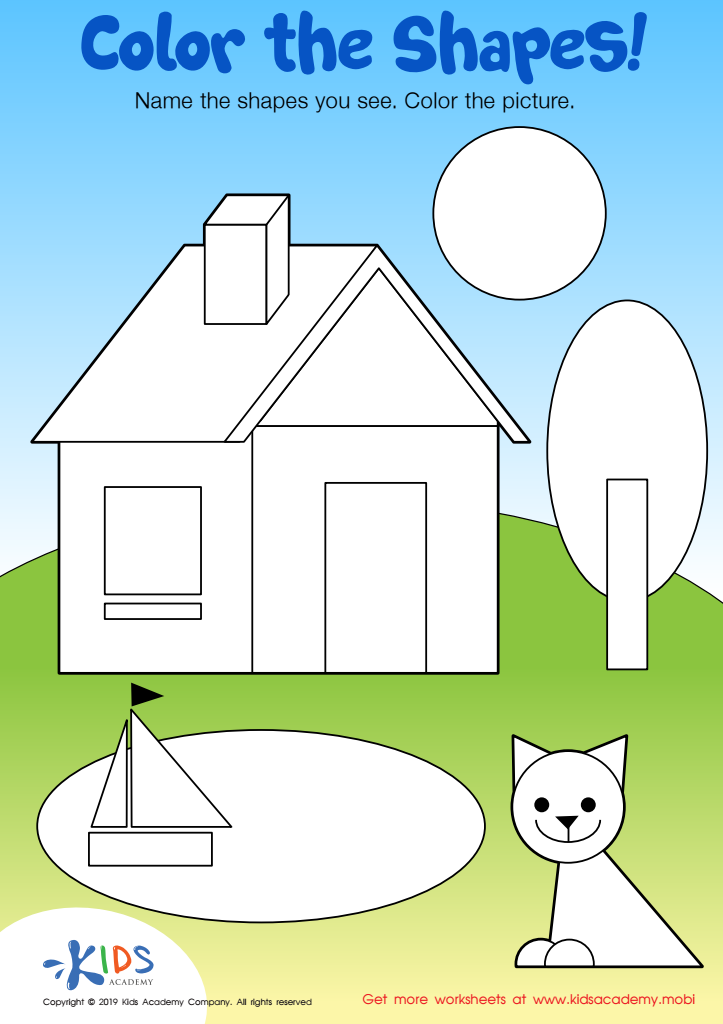
Color the Shapes Worksheet
 Assign to My Students
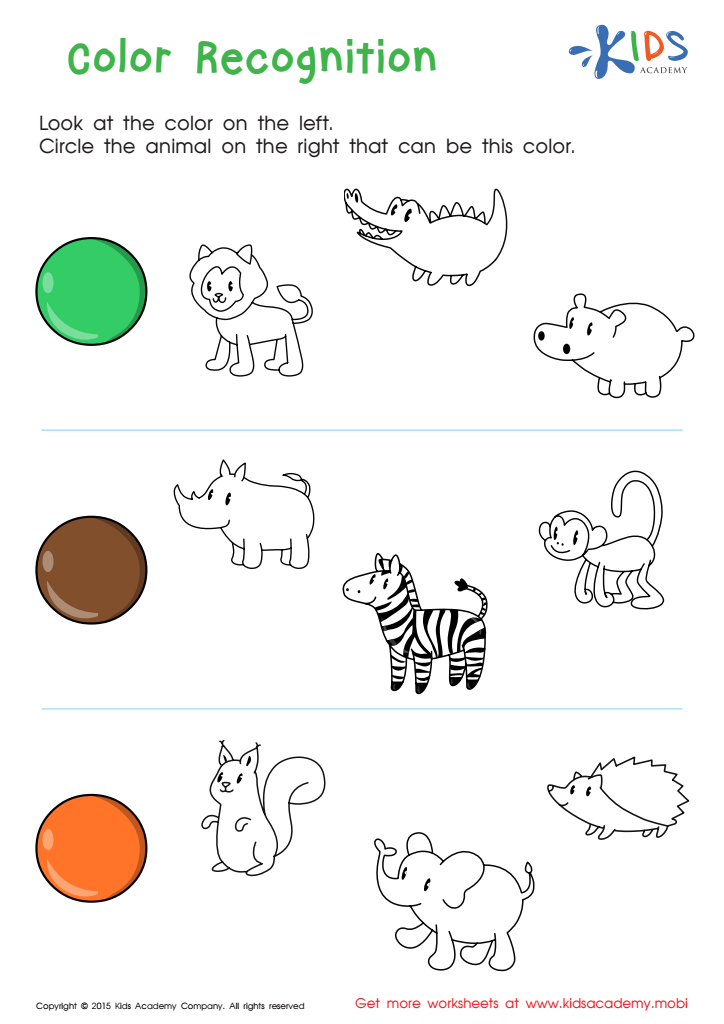
First Words: Color Recognition Worksheet
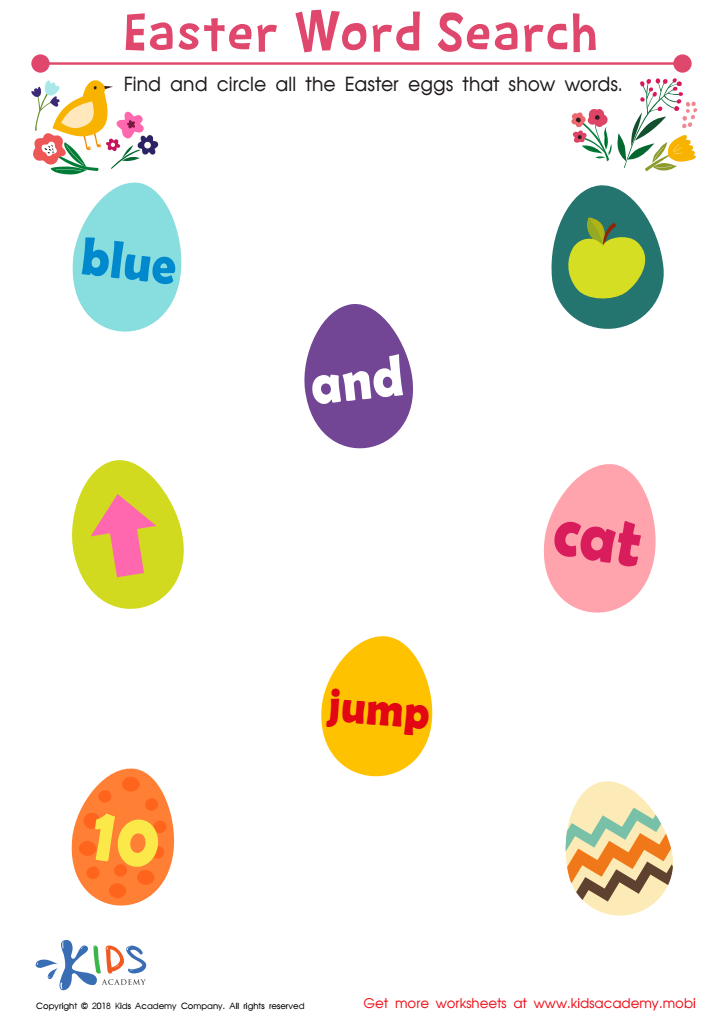
Easter Word Search Worksheet
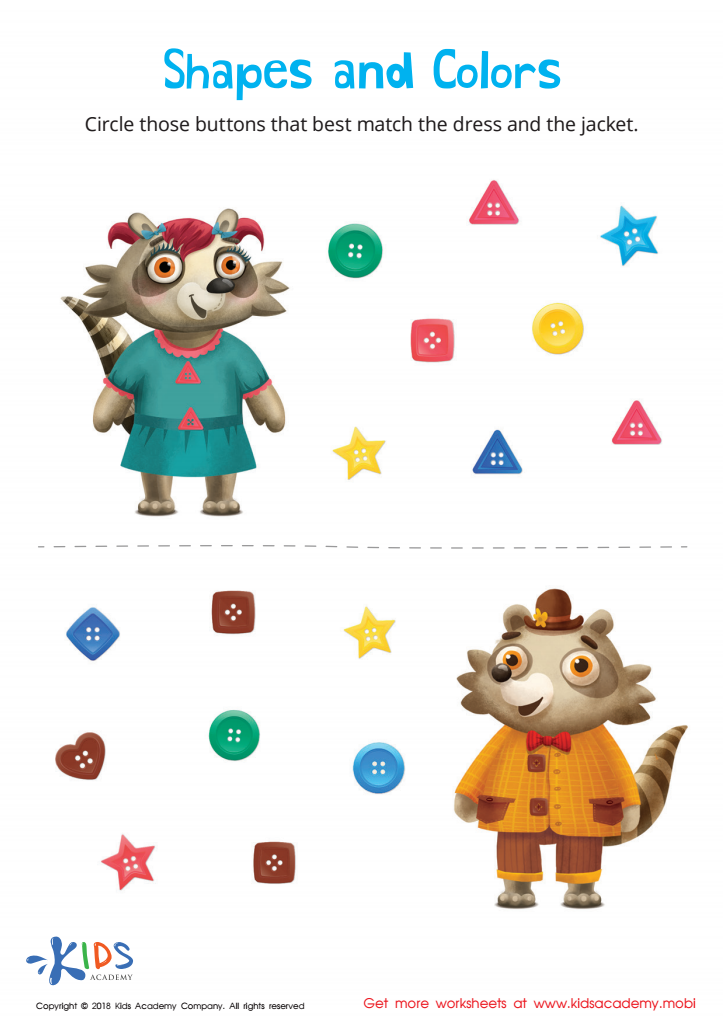
Shapes and Colors Worksheet
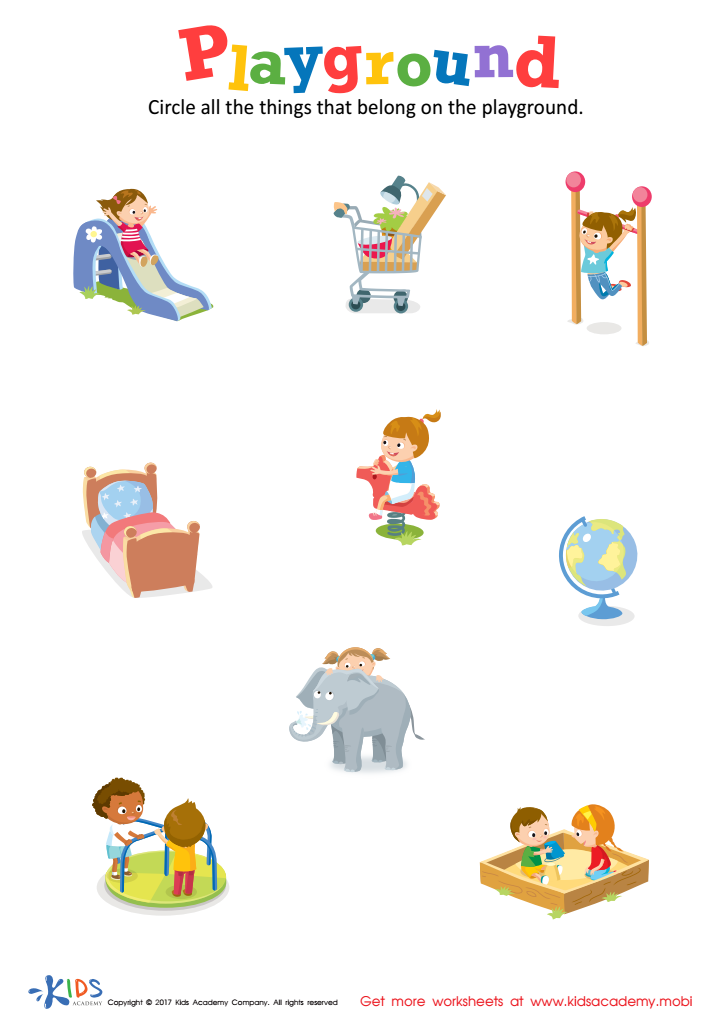
Playground Worksheet
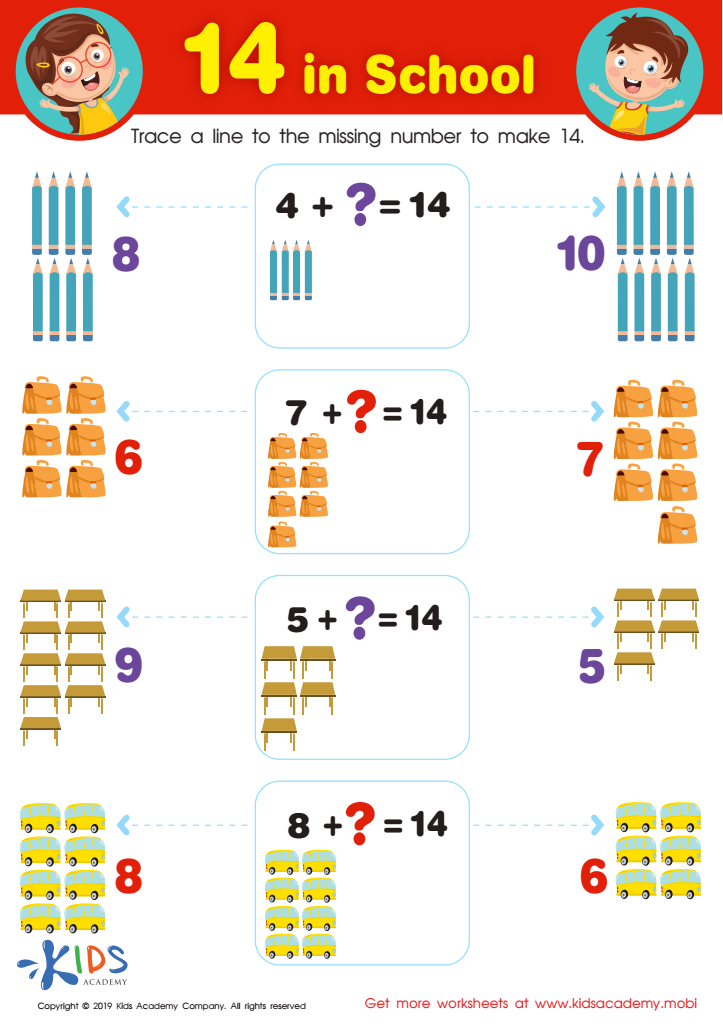
14 in School Worksheet
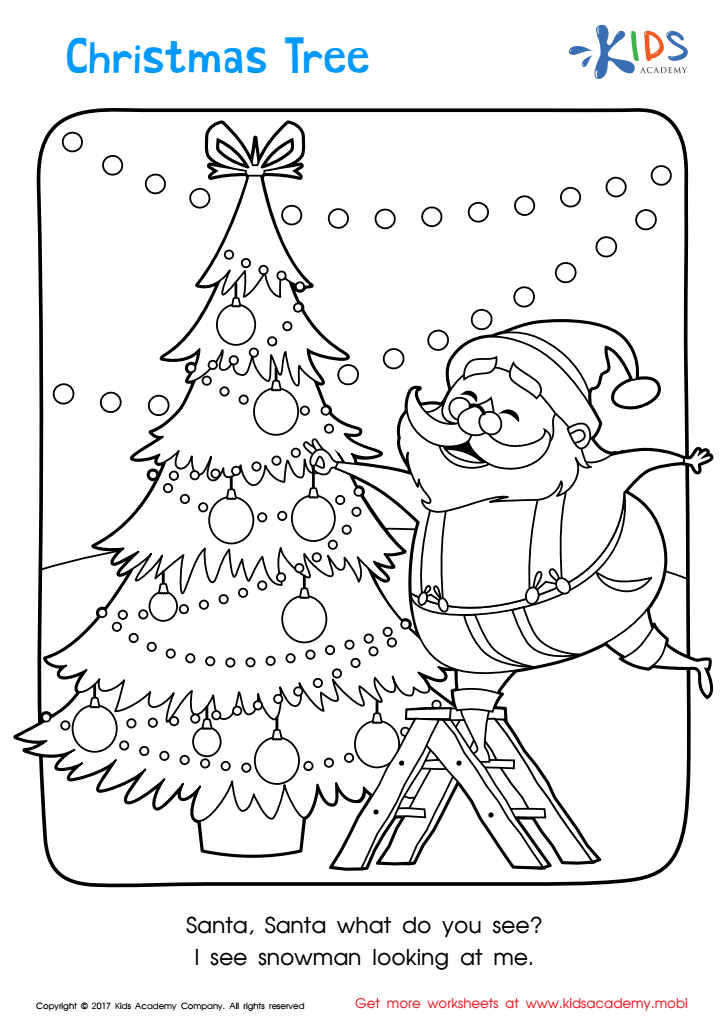
Christmas: Christmas Tree Printable
Assign to My Students
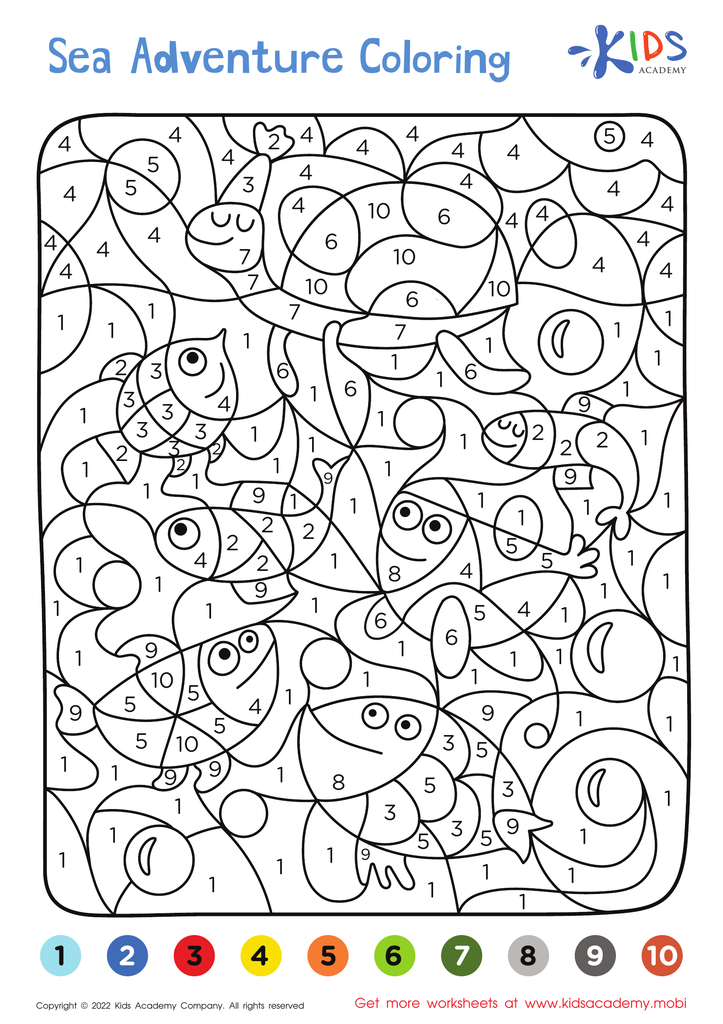
Sea Adventure – Coloring by Numbers
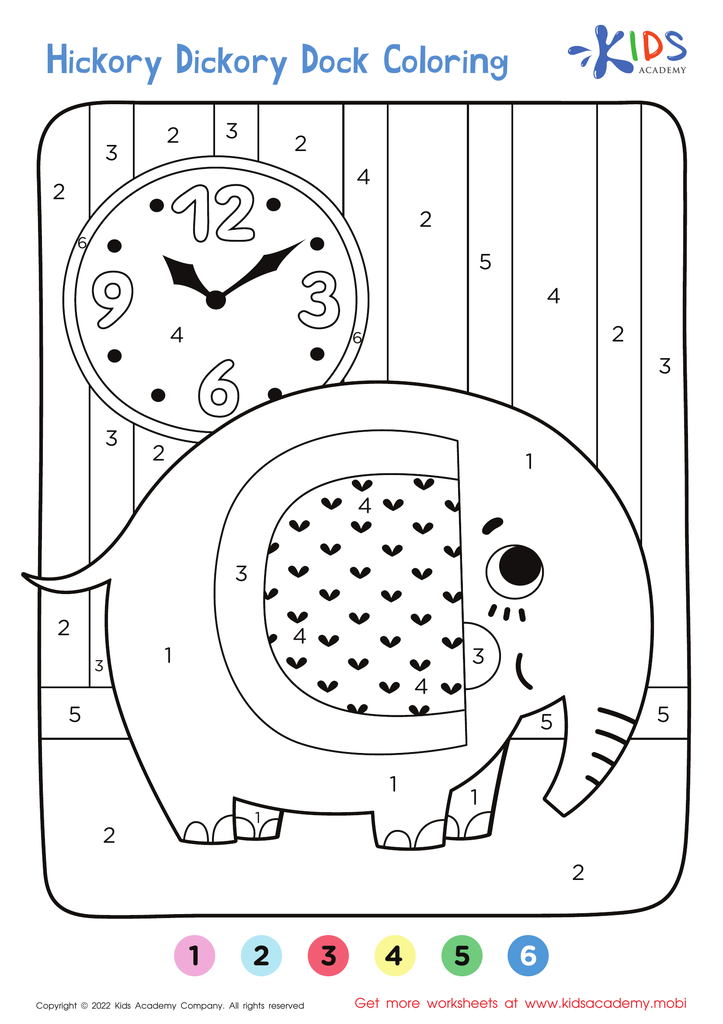
Hickory Dickory Dock – Coloring by Numbers
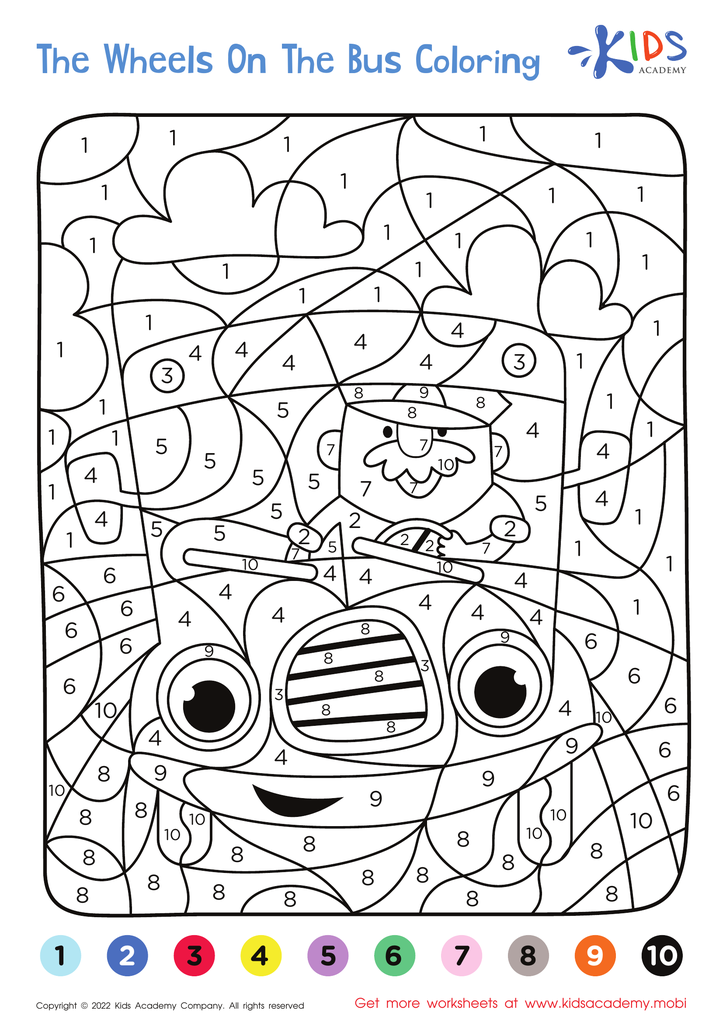
Wheels on the Bus – Coloring by Numbers
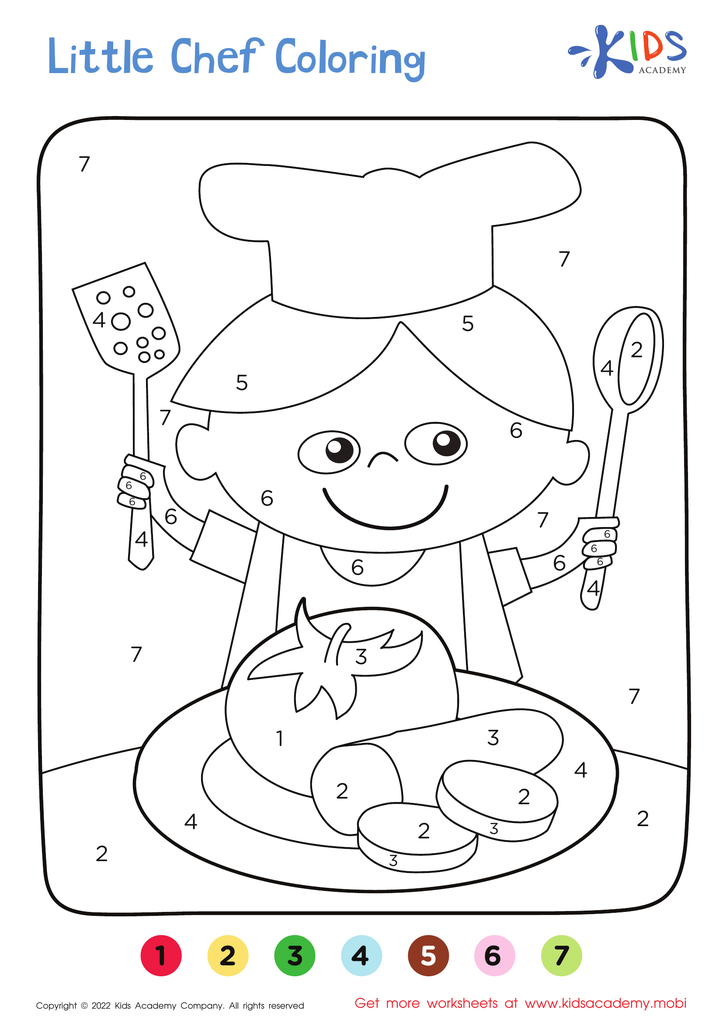
Little Chef – Coloring by Numbers
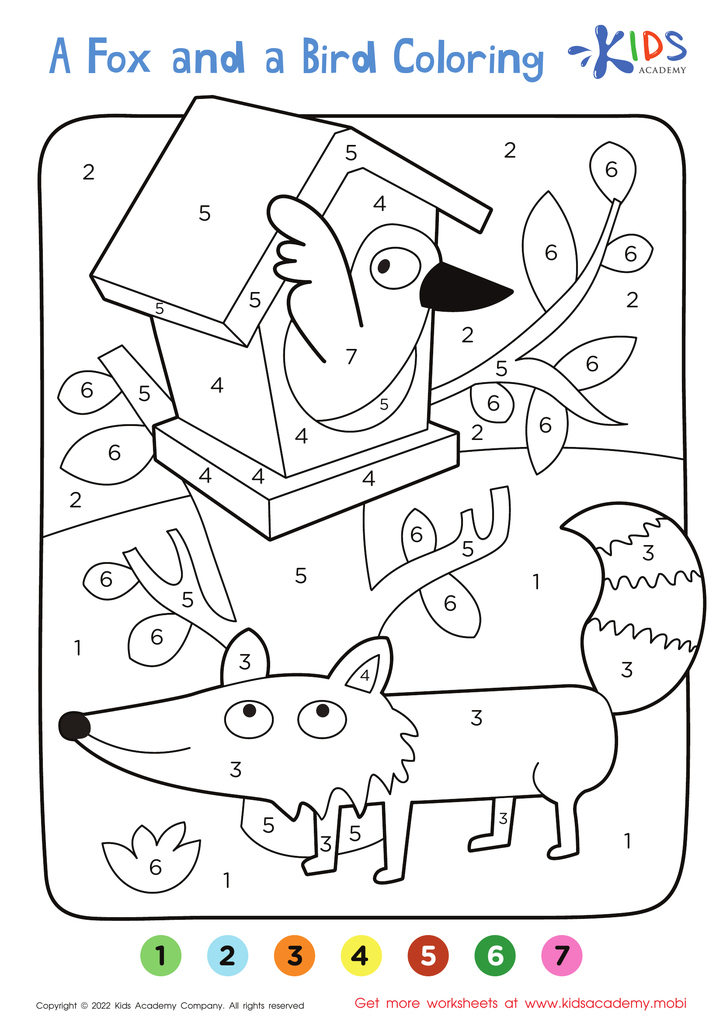
A Fox and a Bird – Coloring by Numbers








Color identification is a foundational skill for children aged 3-4 that plays a crucial role in their cognitive and social development. At this age, children are rapidly expanding their language and communication skills, and learning colors enhances their ability to express themselves more effectively. Understanding colors can help children describe their surroundings, express preferences, and improve vocabulary.
Furthermore, color identification promotes key cognitive abilities, such as categorization and memory. When children learn to identify and sort colors, they engage in activities that enhance their critical thinking and problem-solving skills. This early exposure can set the groundwork for more complex learning in mathematics and science, as recognizing patterns and groupings often relies on color differentiation.
Moreover, color awareness aids in socialization; as children play and interact with their peers, sharing colored toys or crafts can facilitate conversations and collaborations.
For parents and teachers, fostering an understanding of colors through fun games, art activities, and storytelling not only enhances a child's learning experience, but also strengthens their bond through shared exploration. In this way, nurturing color identification is more than just an educational milestone—it’s an essential aspect of a child's overall growth and development.








