Counting proficiency Worksheets for Ages 3-4
12 filtered results
-
From - To
Unlock your child's potential with our Counting Proficiency Worksheets designed specifically for ages 3-4. These engaging and colorful resources make learning to count fun and interactive, fostering essential math skills early on. Each worksheet features activities that encourage number recognition, one-to-one correspondence, and basic addition, promoting cognitive development and setting the stage for future learning. Perfect for both home and school use, our worksheets promote independent learning and allow parents and teachers to track progress. Help your little ones build a solid foundation in counting with our comprehensive and exciting collection tailored to their developmental needs!
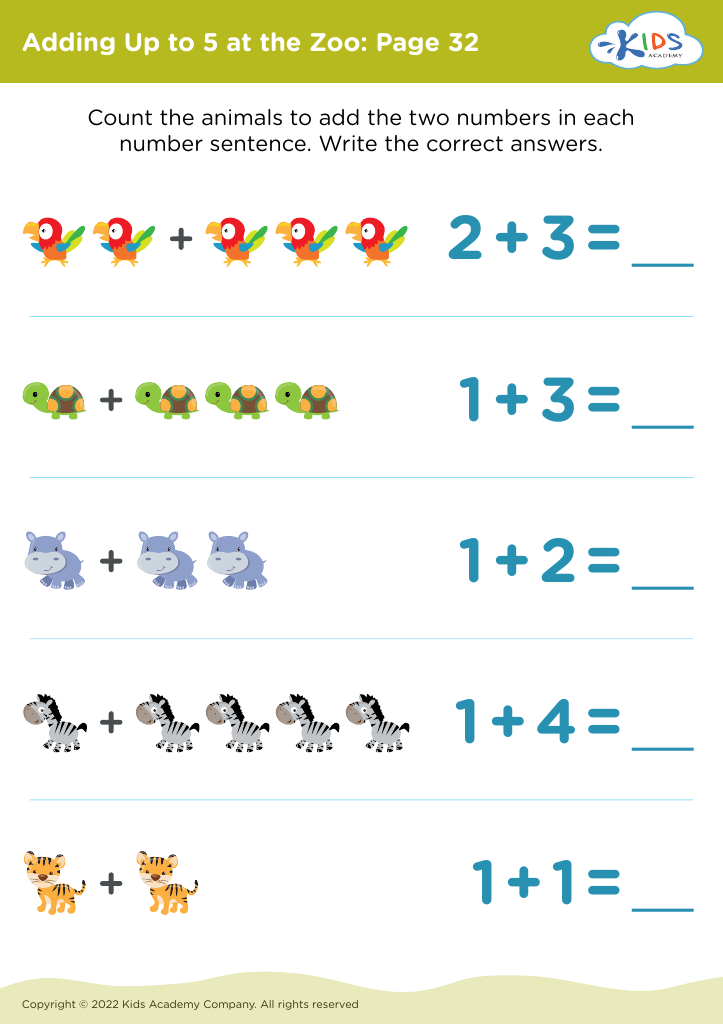
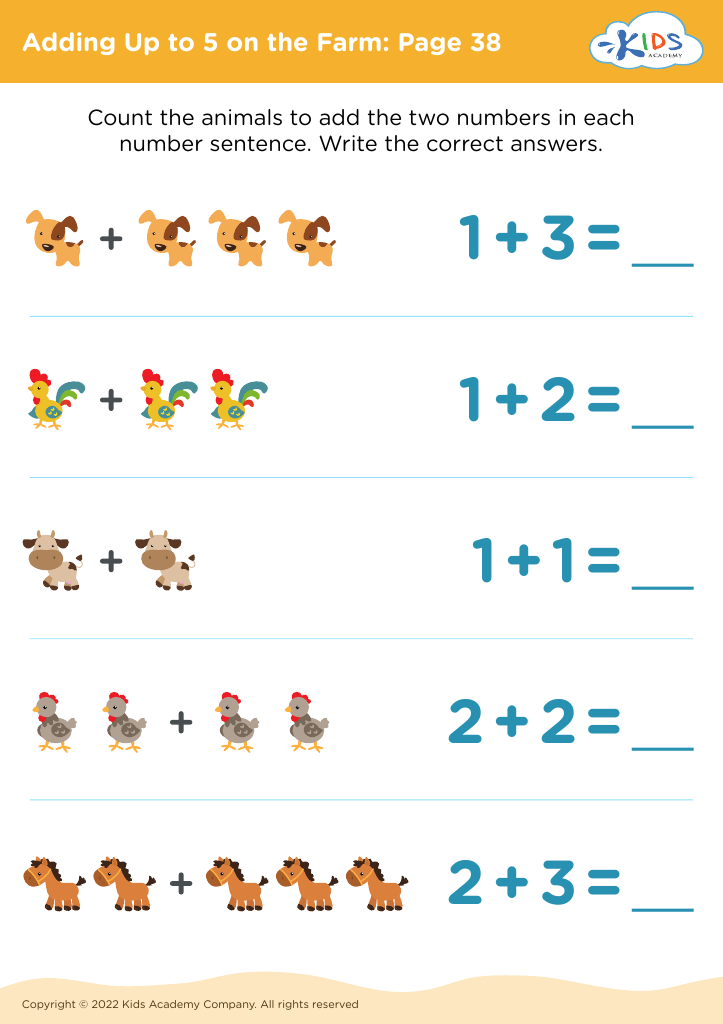
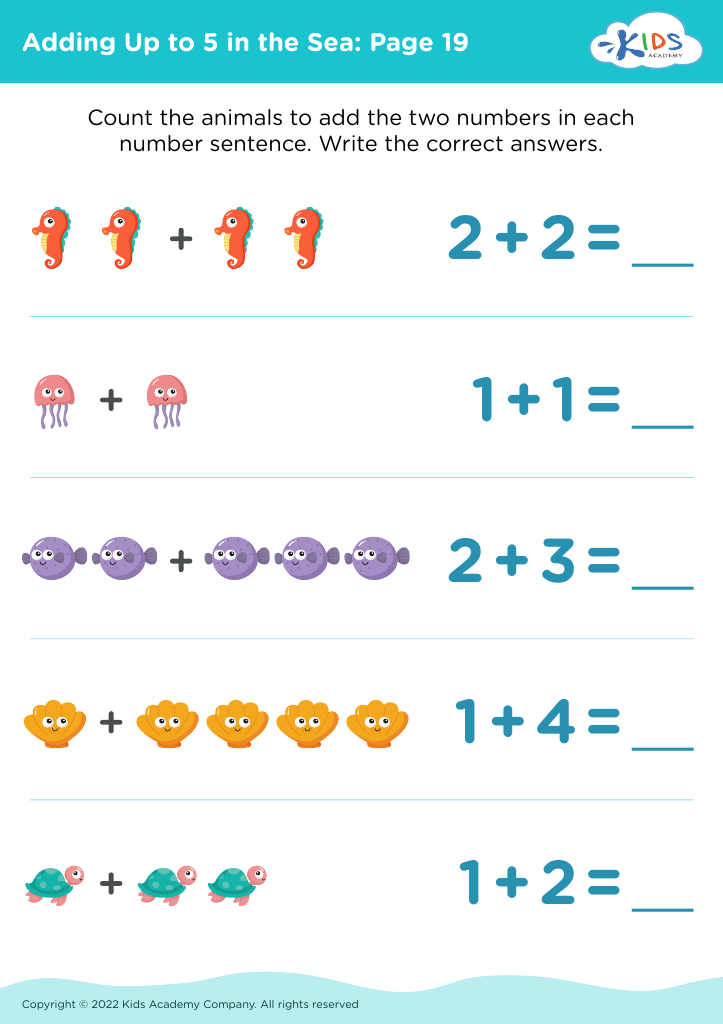
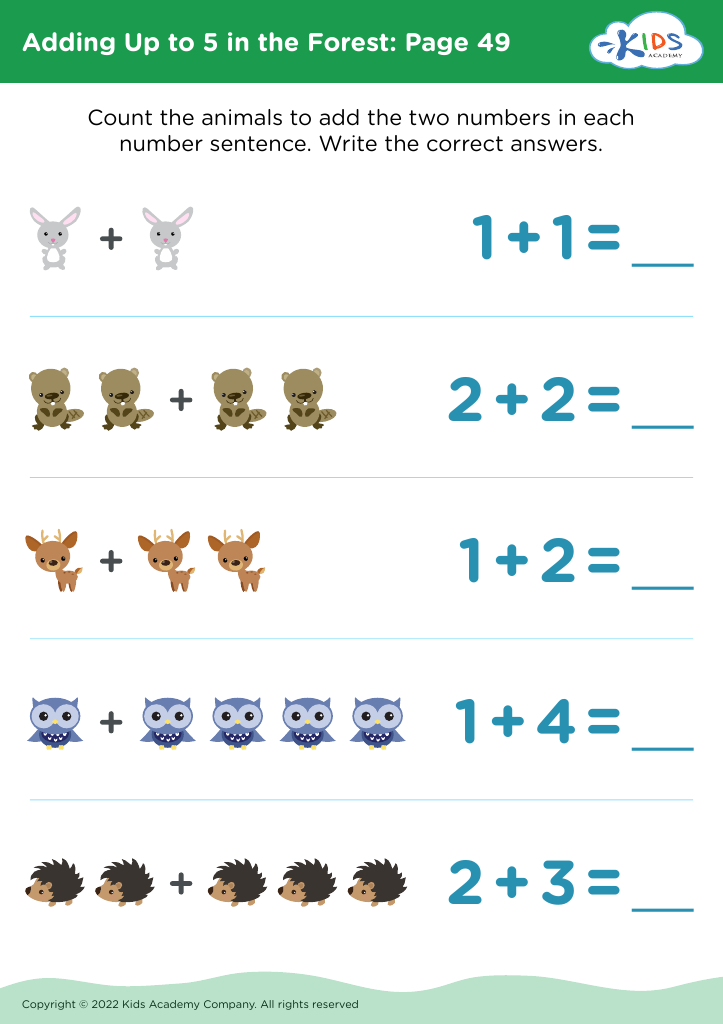
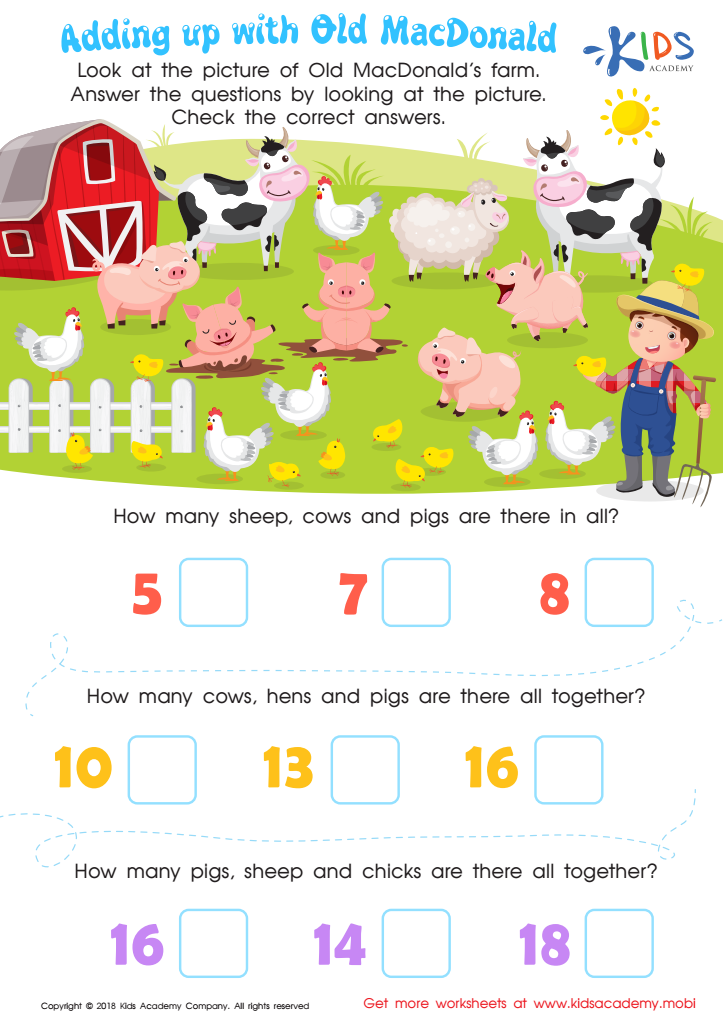
Adding Up with Old MacDonald Worksheet
 Assign to My Students
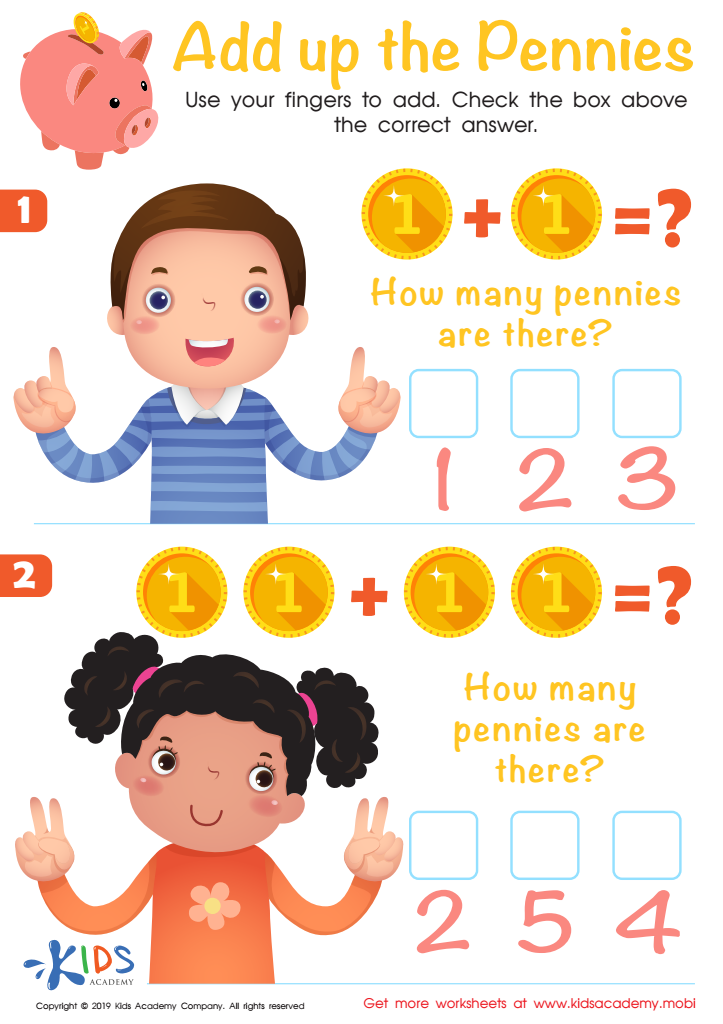
Add up the Pennies Worksheet
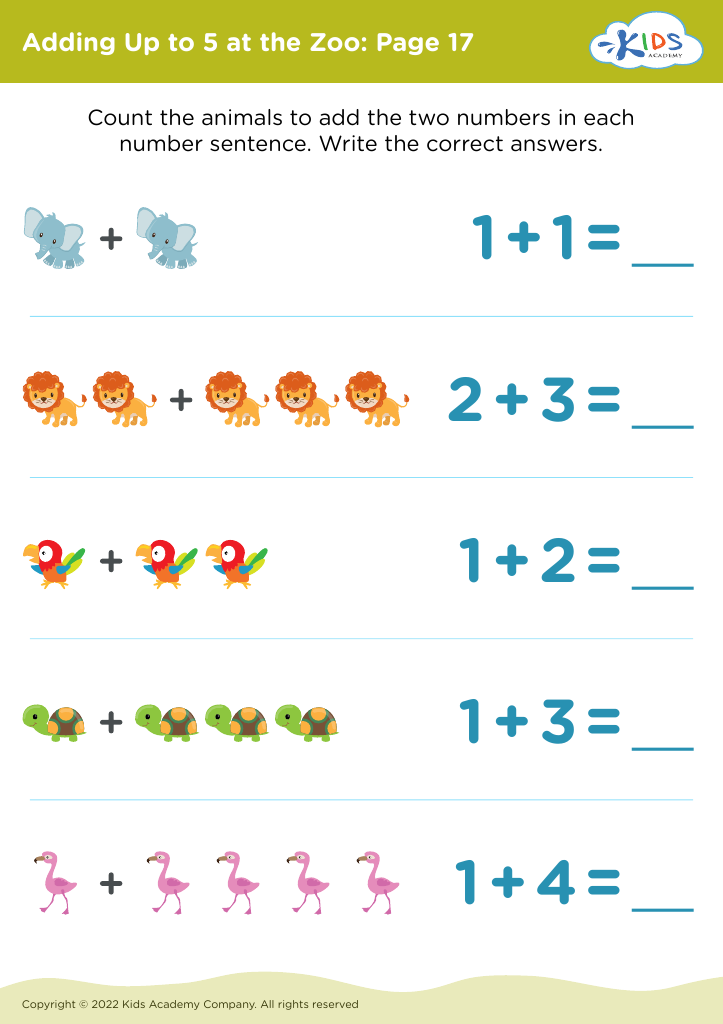
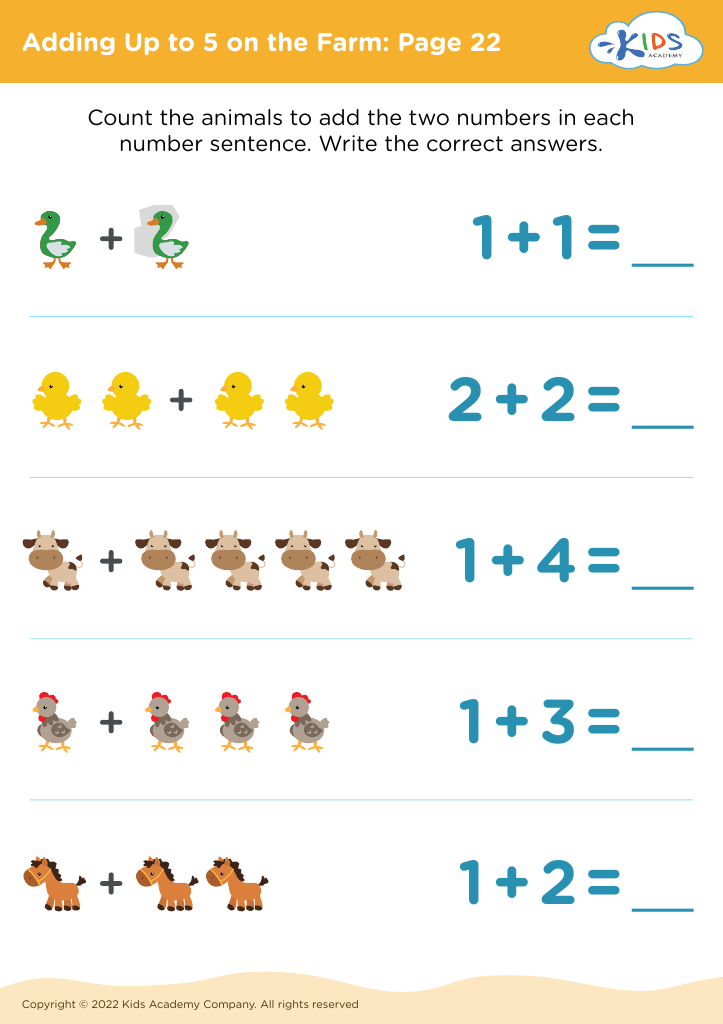
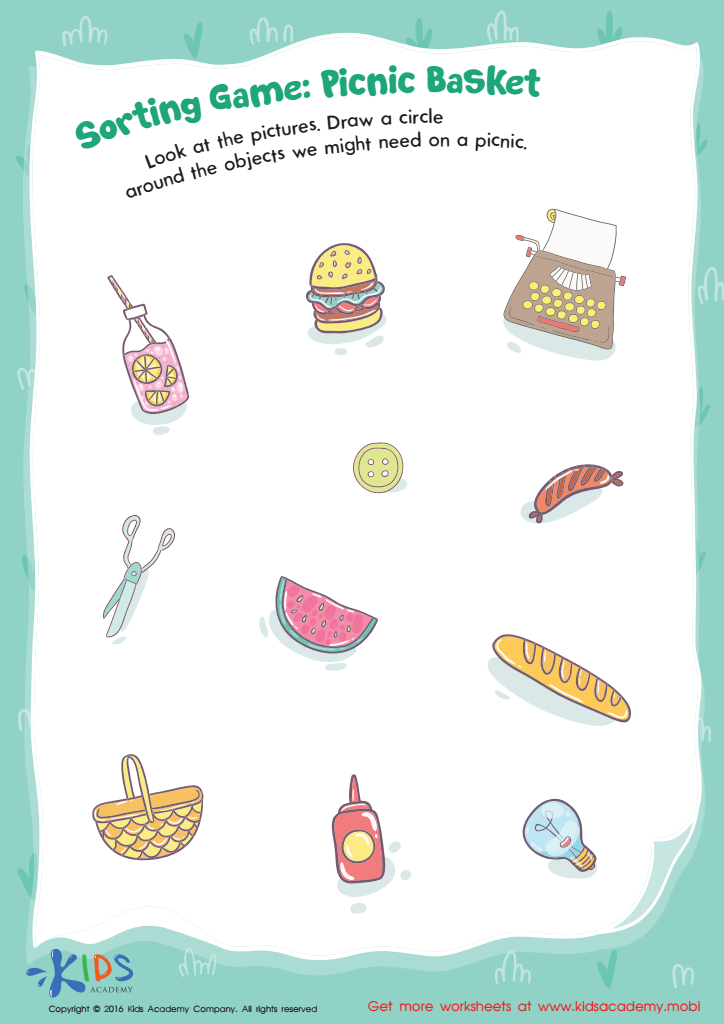
Picnic Basket Sorting Worksheet
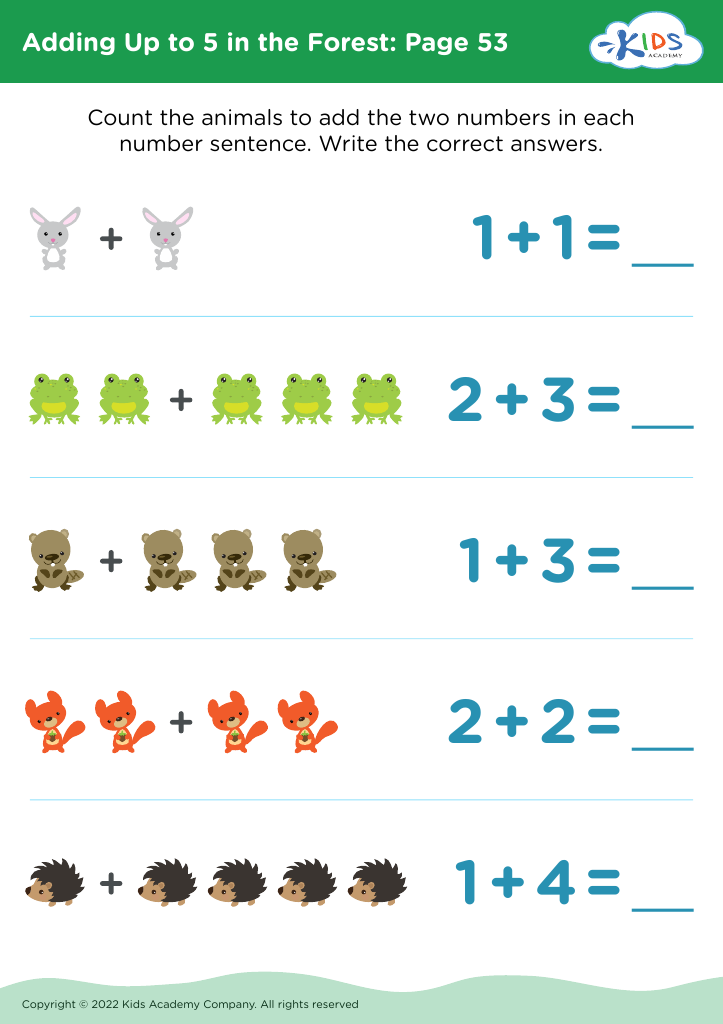
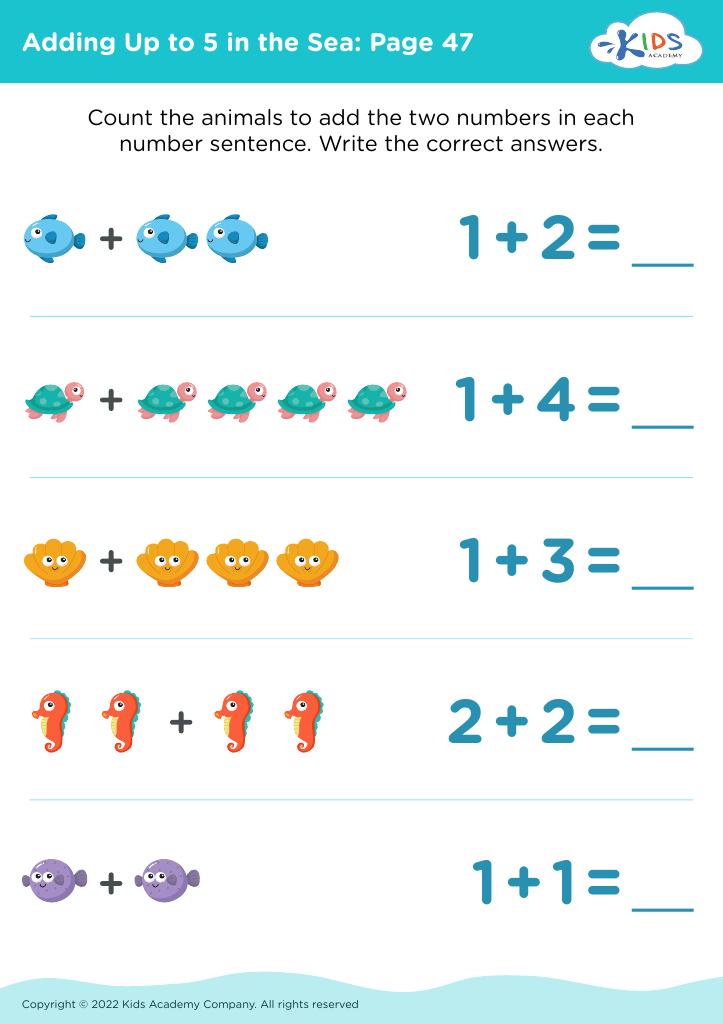
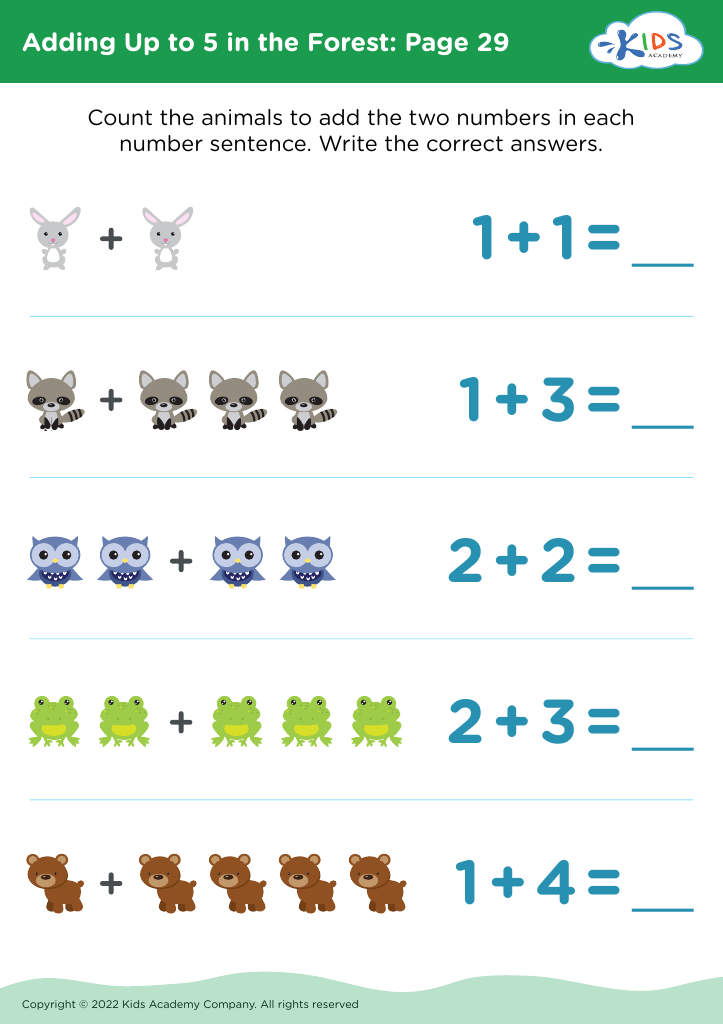








Counting proficiency for children ages 3-4 is crucial for several reasons that parents and teachers should consider. At this developmental stage, children begin to build foundational mathematical skills that will support their future learning. Mastering counting not only enhances their arithmetic abilities but also promotes cognitive development. When children can count, they learn to recognize patterns, understand the concept of quantity, and grasp the meaning of numbers in relation to their surroundings.
Moreover, counting is intertwined with language development. As children learn to count, they enhance their vocabulary and listening skills, which can improve overall communication abilities. Early counting activities foster critical thinking and problem-solving skills as children engage in playful and hands-on learning experiences.
Furthermore, counting proficiency lays the groundwork for more complex mathematical concepts later on, including addition and subtraction. As children advance, solid counting skills will be indispensable for success in school and beyond.
Parents and teachers should prioritize counting proficiency because it not only aids in academic achievement but also nurtures essential life skills in children, fostering a love for learning and exploration. Establishing a strong numeric foundation early can set children on a path toward lifelong success in mathematics and related fields.








