Hand-eye Coordination Worksheets for Ages 3-4 - Page 2
84 filtered results
-
From - To
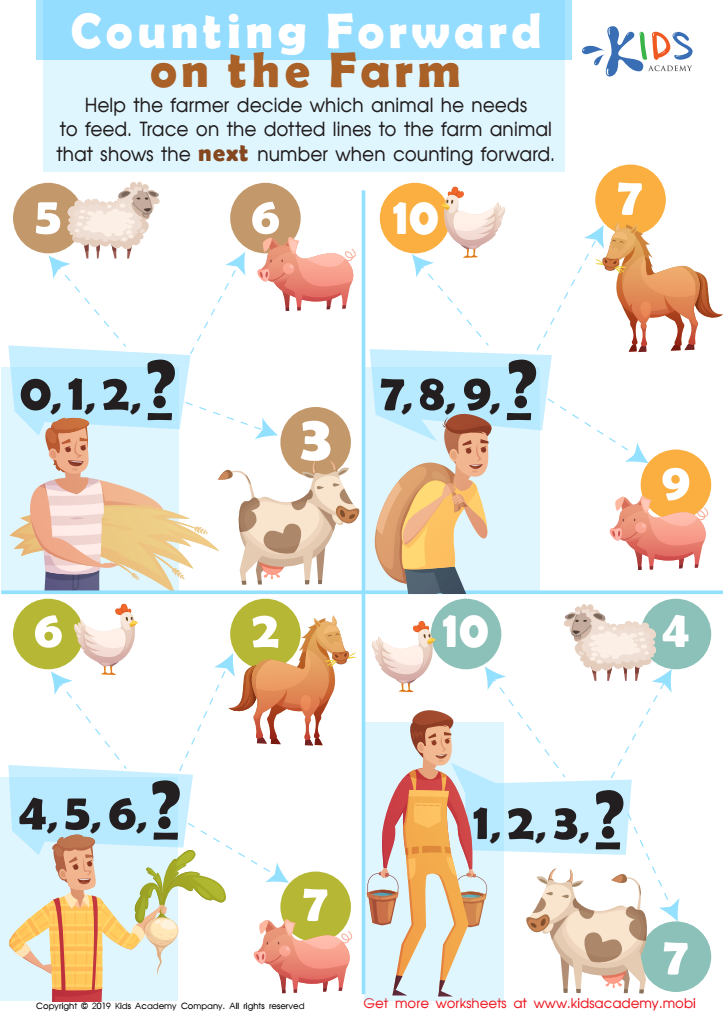
Counting Forward On the Farm Worksheet
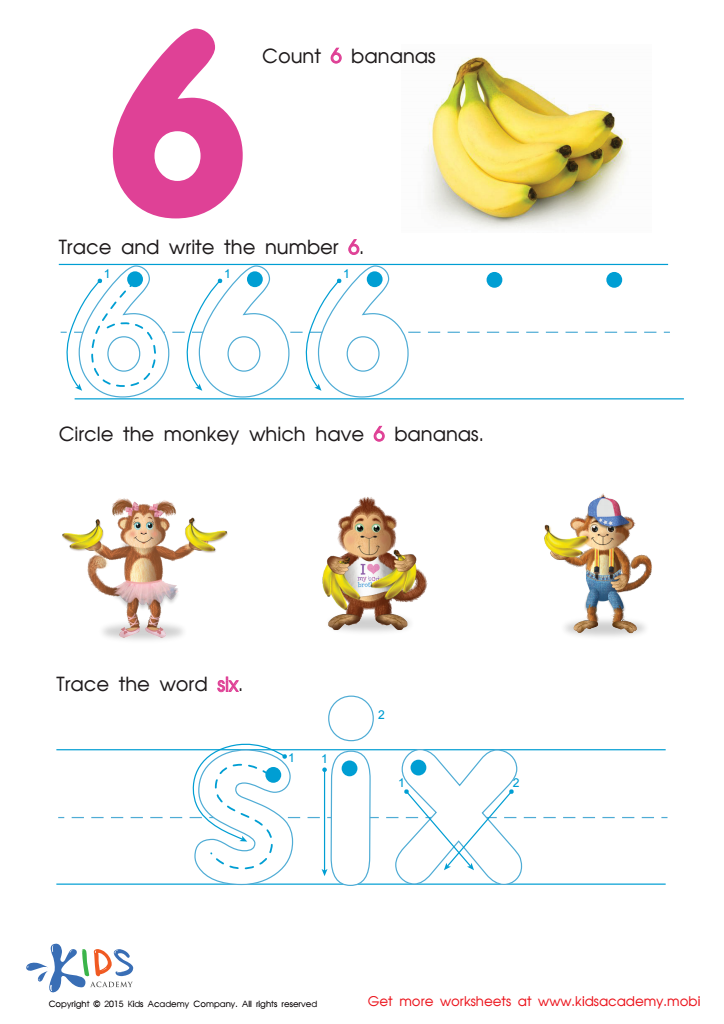
Tracing And Writing Number 6 Worksheet
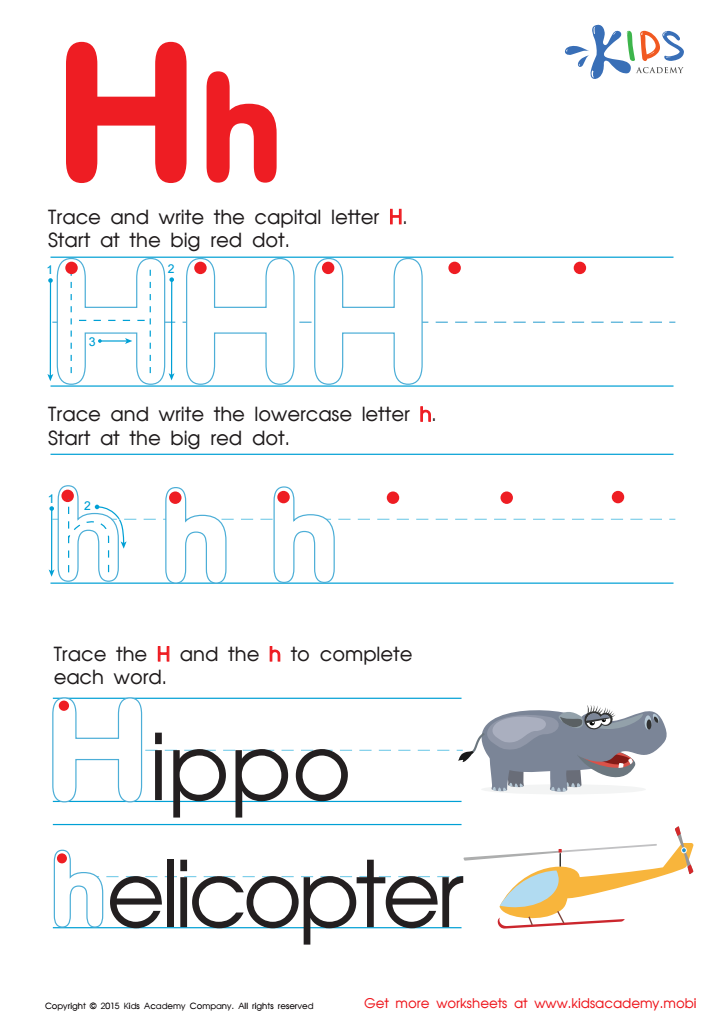
Letter H Tracing Page

Snowman Tracing Winter Words Worksheet
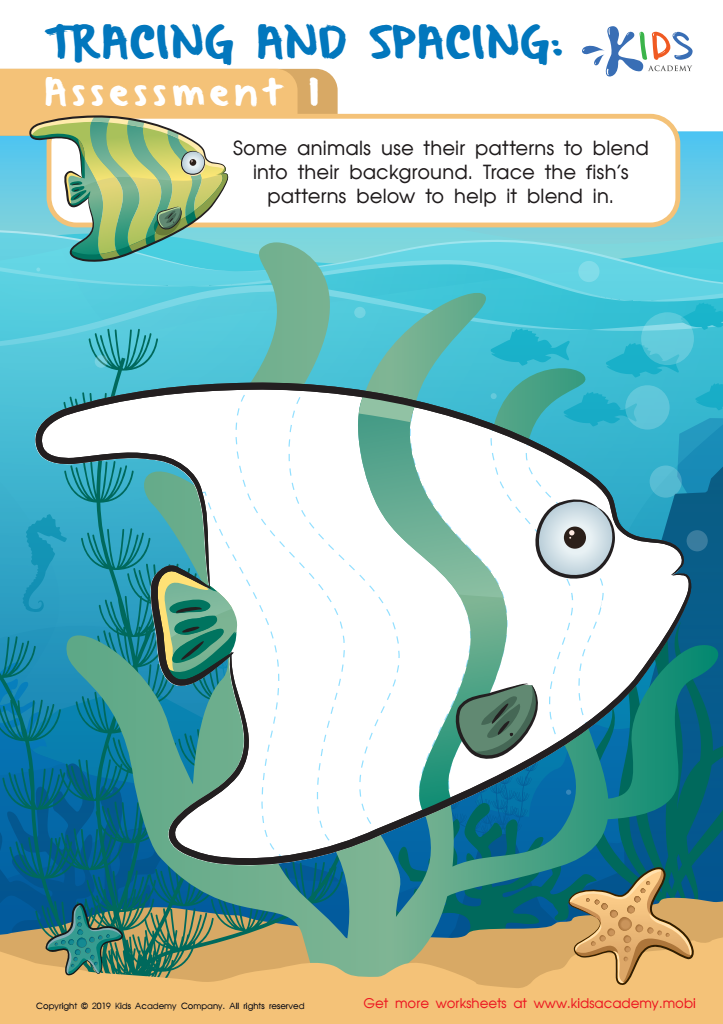
Tracing and Spacing: Assessment 1 Worksheet
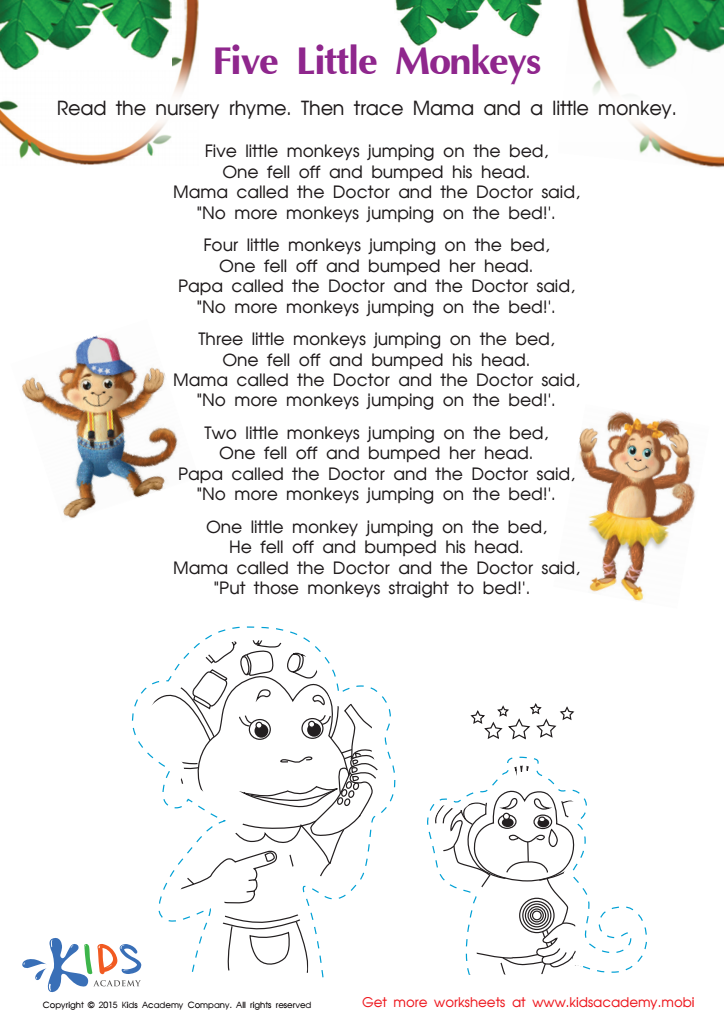
The Five Little Monkeys Nursery Rhyme Worksheet
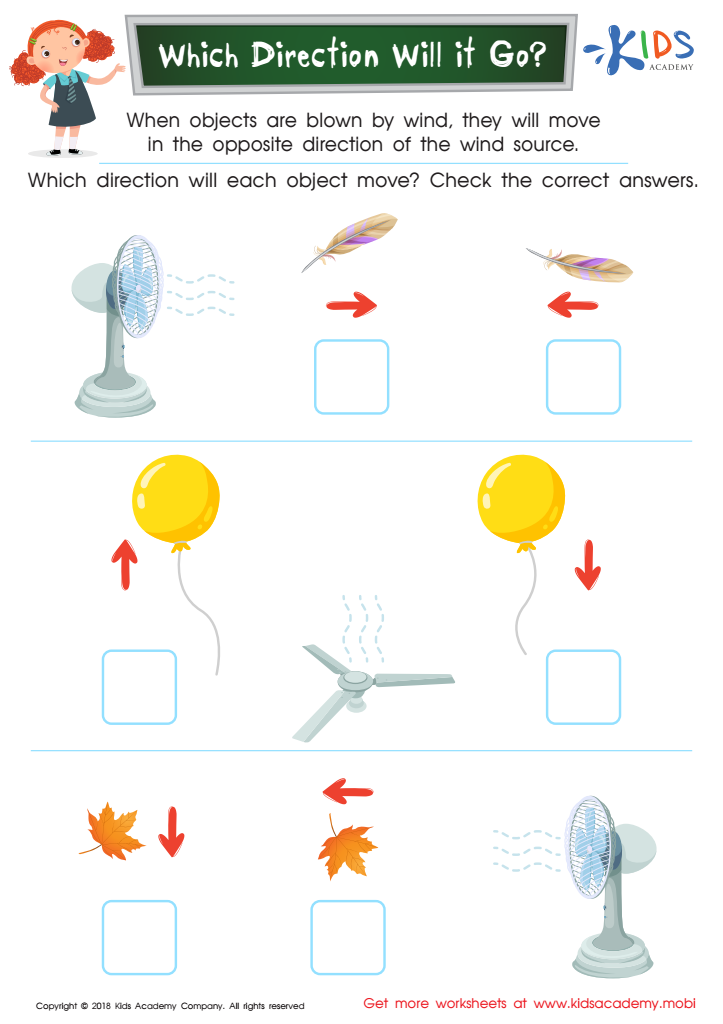
Which Direction Will it Go? Worksheet
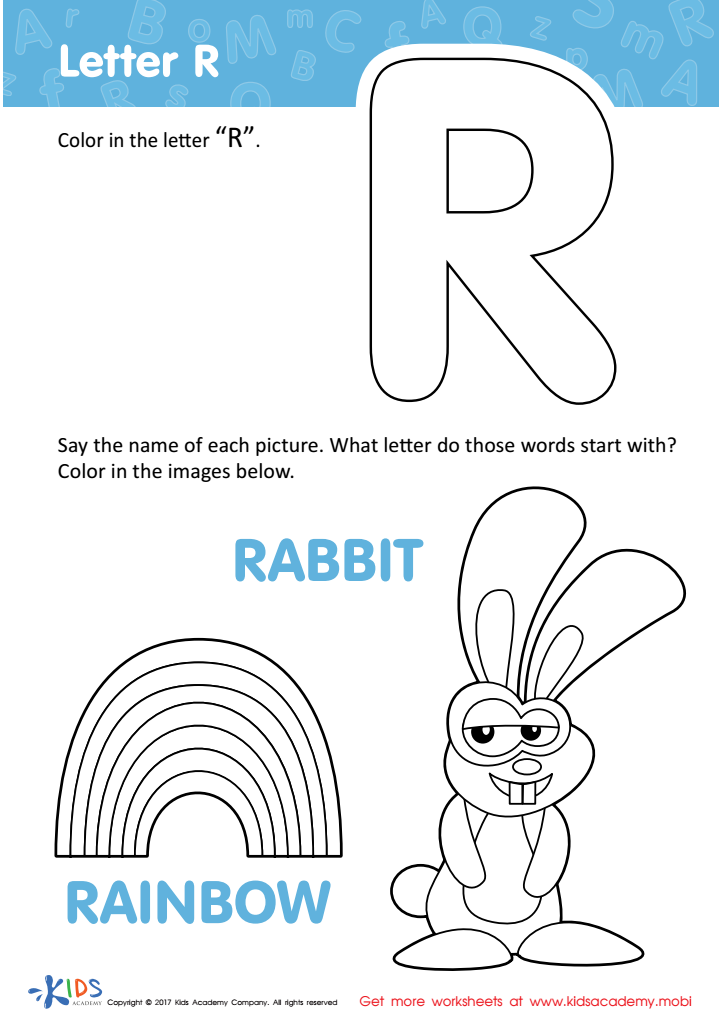
Letter R Coloring Sheet
 Assign to My Students
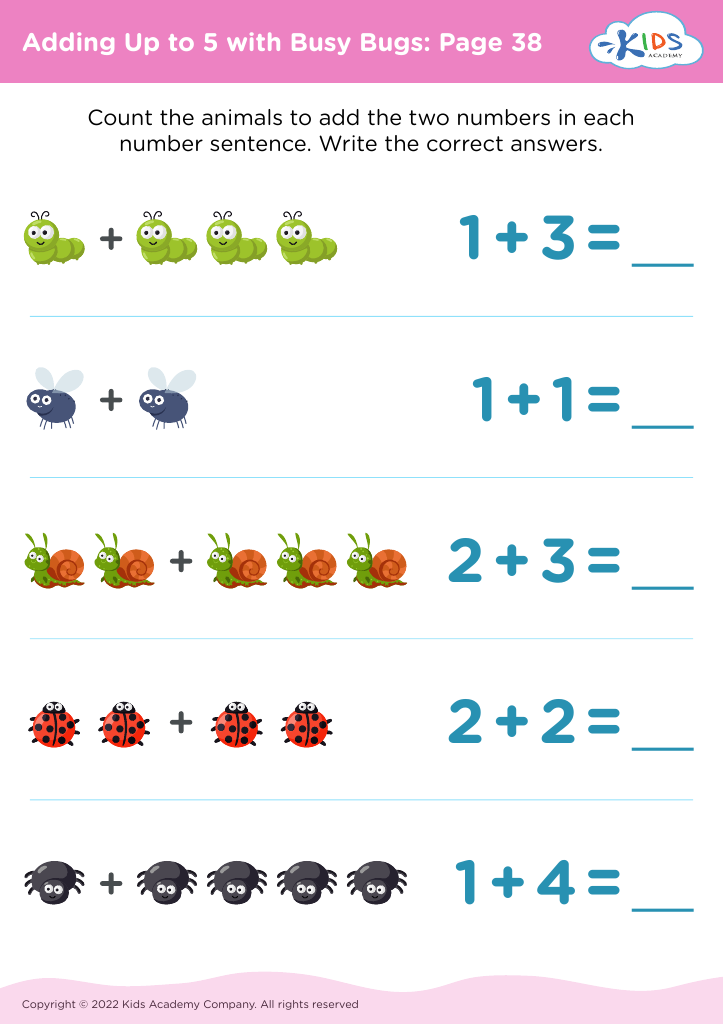
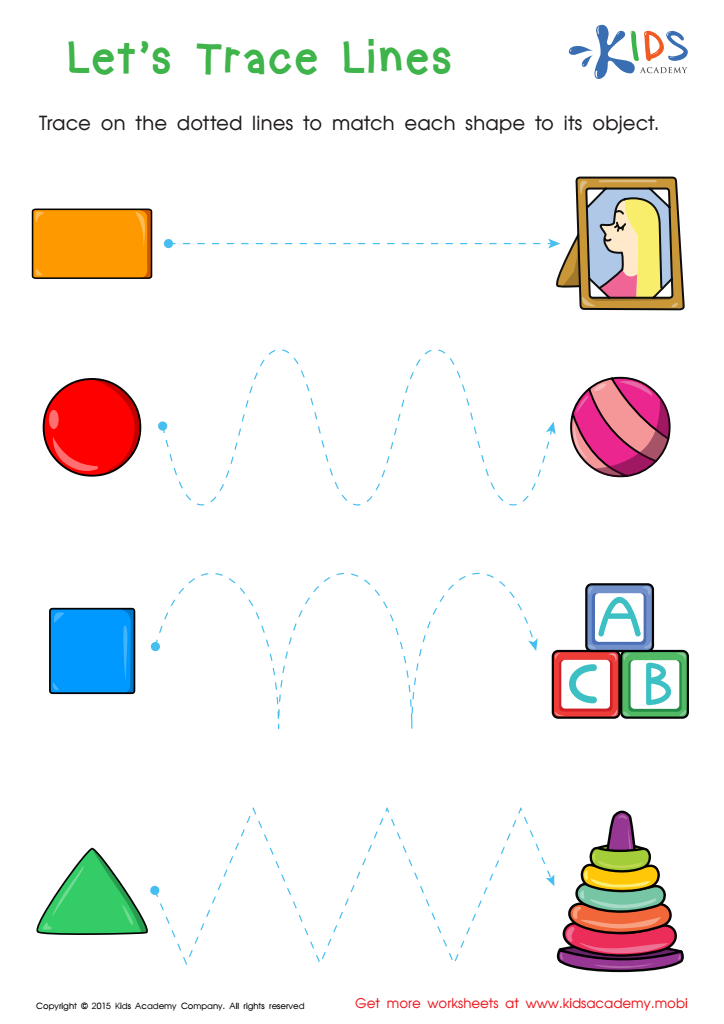
First Words: Let's Trace Lines Worksheet

Sea Horses Printable
Assign to My Students

Long and Short U Worksheet
Assign to My Students
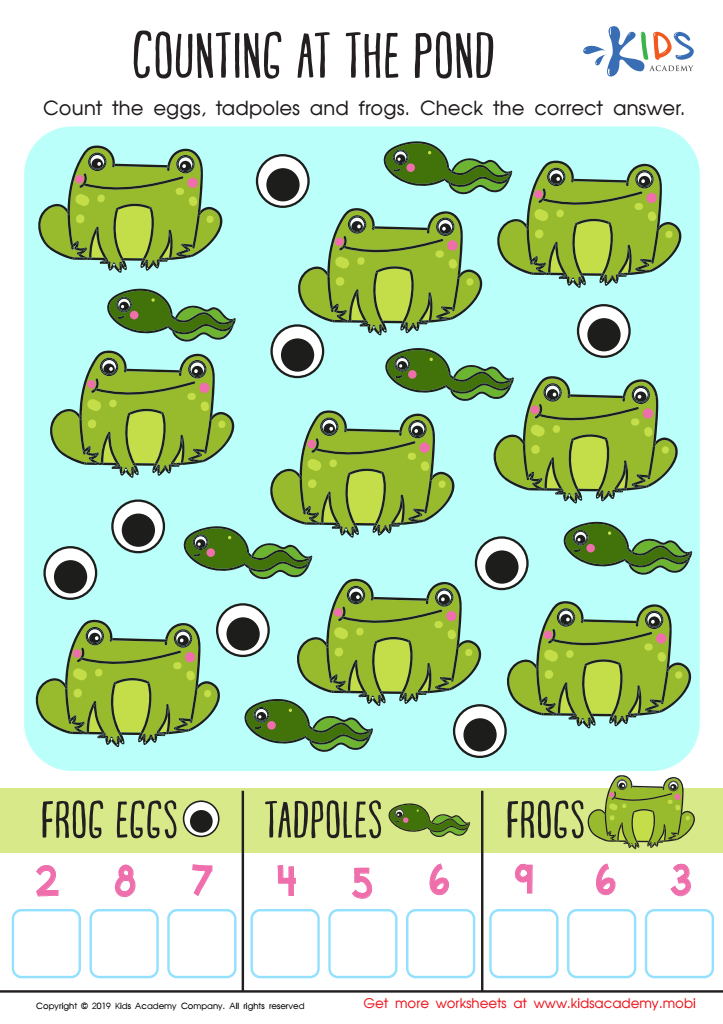
Counting at the Pond Worksheet
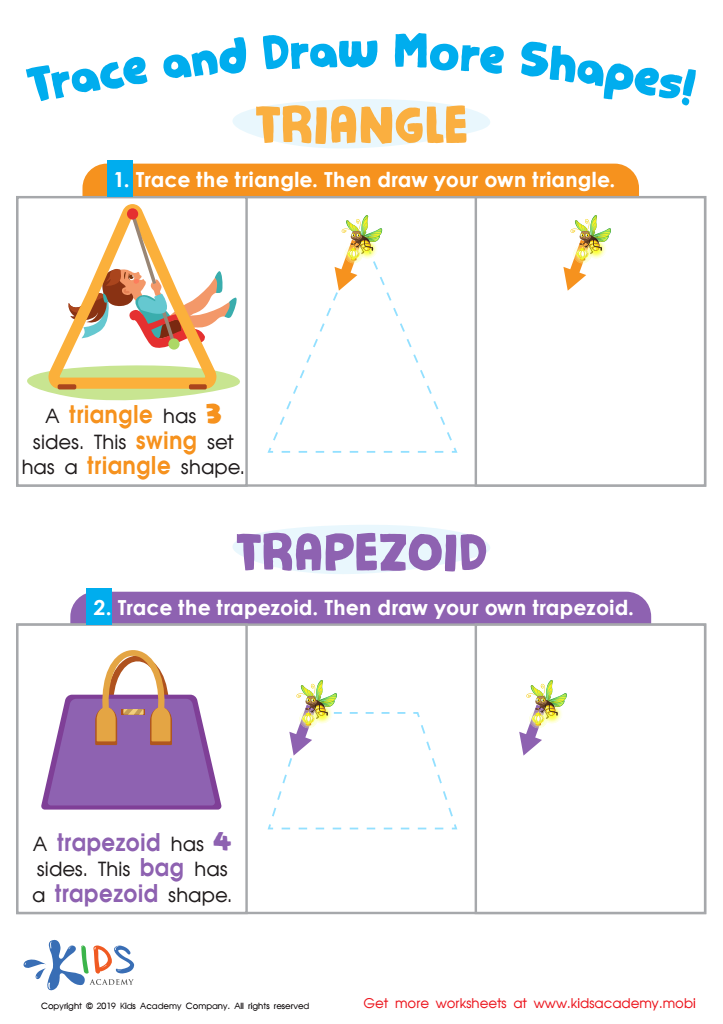
Trace and Draw More Shapes Worksheet
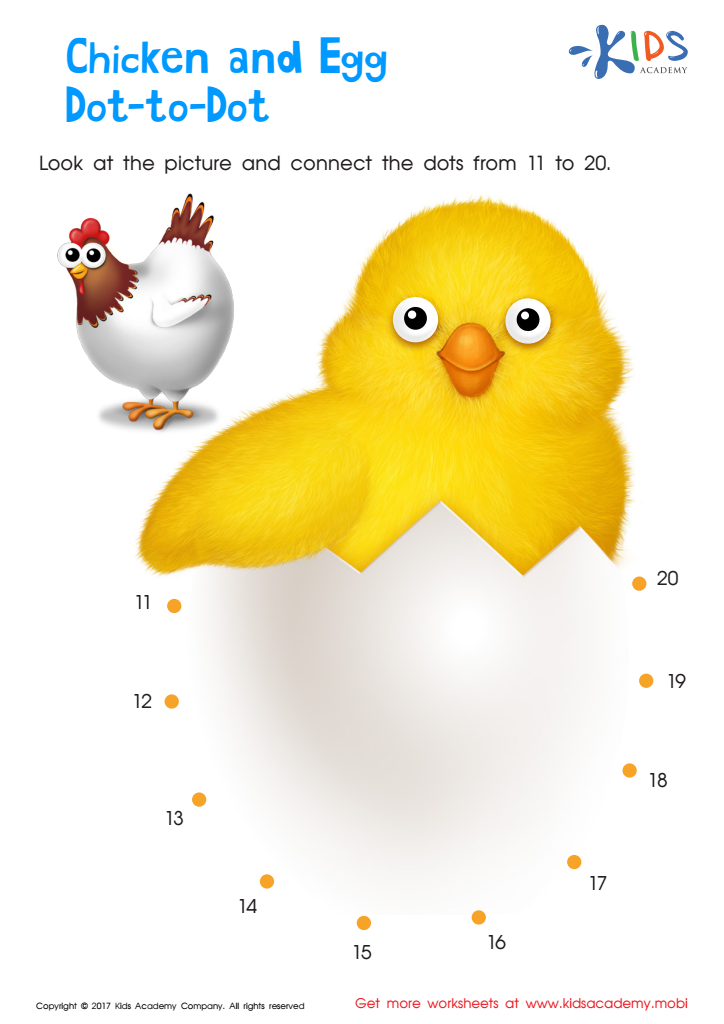
Ordering 11–20: Chicken & Egg Dot–to–dot Worksheet
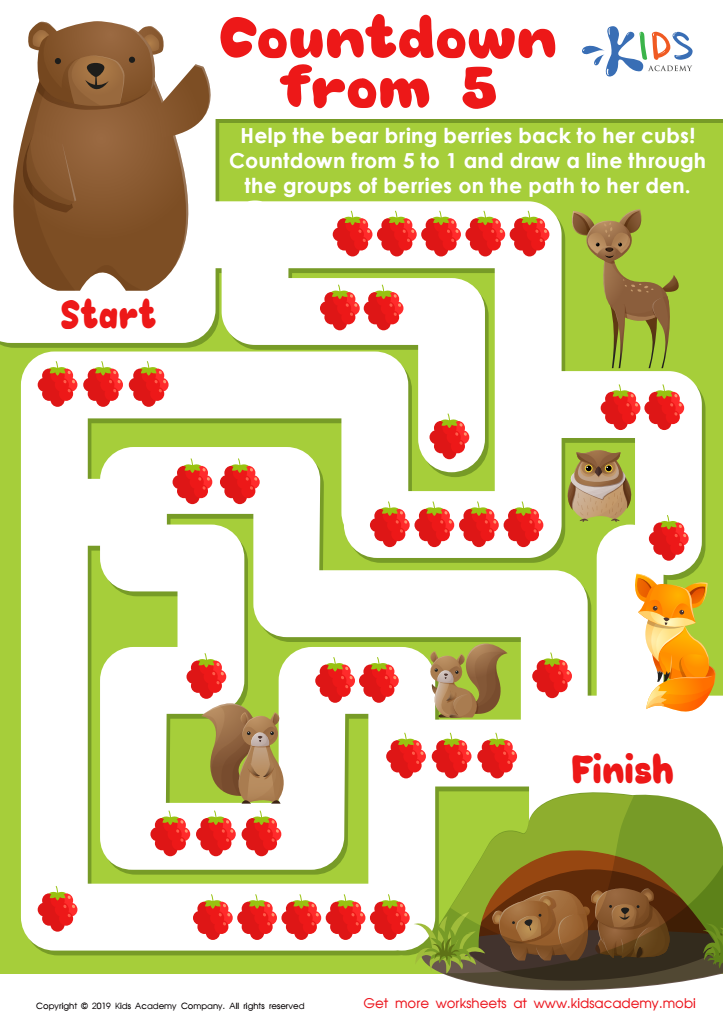
Countdown from 5 Worksheet
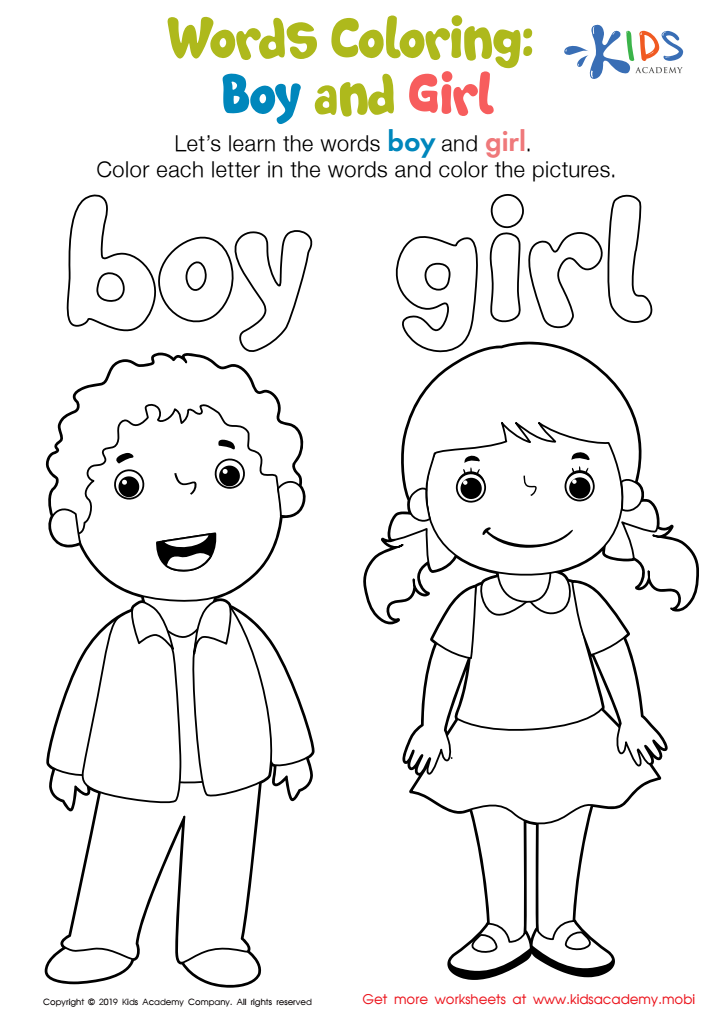
Boy and Girl Words Coloring Worksheet
Assign to My Students
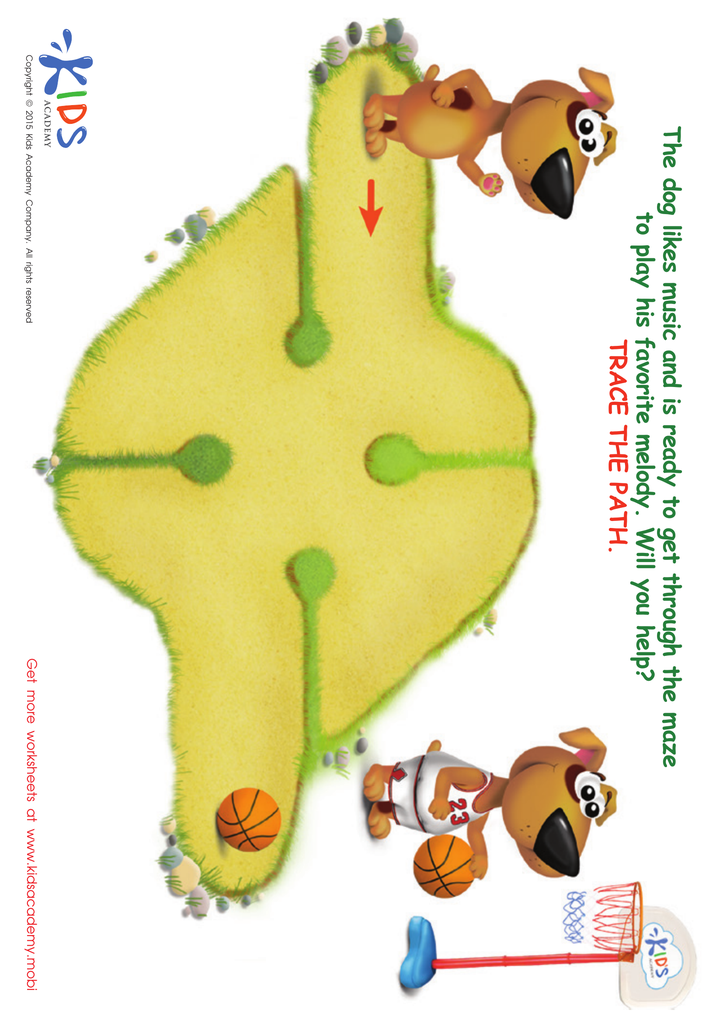
Basketball Player Maze Worksheet
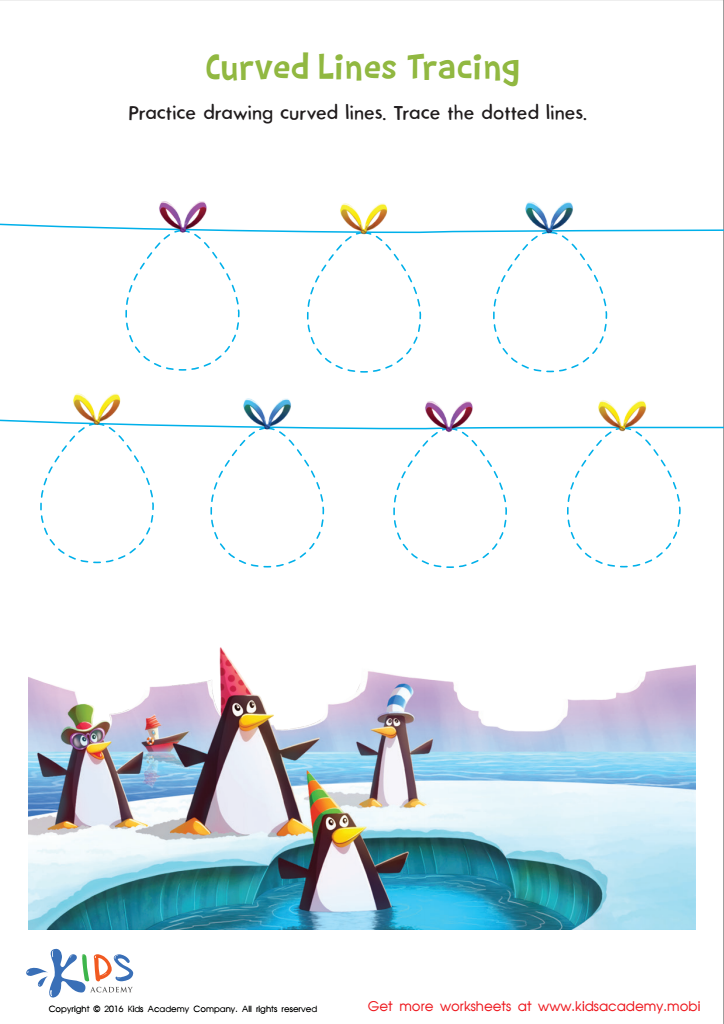
Curved Lines Tracing Worksheet



.jpg)
.jpg)



Hand-eye coordination is crucial for children ages 3-4 as it plays a foundational role in their physical and cognitive development. At this age, children are exploring their environment and developing crucial motor skills that influence their ability to perform everyday tasks. Strong hand-eye coordination helps them with simple activities like catching a ball, stacking blocks, or drawing, which are fundamental to their learning and social interactions.
Parents and teachers should care about fostering this skill because it can impact not only a child’s physical abilities but also their confidence and self-esteem. Engaging in activities that promote hand-eye coordination, such as arts and crafts, playing with puzzles, or simple sports, encourages children to work on fine motor skills and boost their problem-solving abilities.
Moreover, proficient hand-eye coordination lays the groundwork for future academic skills, particularly in areas like writing and reading. As children master tasks that require coordination, they also enhance their focus, patience, and perseverance—qualities essential for lifelong learning. By prioritizing activities that enhance hand-eye coordination, parents and teachers can significantly contribute to a child's overall development and readiness for more complex skills and challenges as they grow.








