Identification skills Worksheets for Ages 3-4
7 filtered results
-
From - To
Enhance your child's learning experience with our Identification Skills Worksheets designed specifically for ages 3-4. These engaging worksheets help young learners develop essential identification skills in a fun and interactive way. Through colorful visuals and interactive activities, children will encounter various objects, animals, and shapes, fostering cognitive development and early recognition abilities. Our worksheets are tailored to encourage critical thinking as well as boost vocabulary. Perfect for homeschooling or classroom settings, these resources support early childhood education and promote essential learning milestones. Empower your child with the confidence to identify and categorize their world, laying the foundation for lifelong learning.
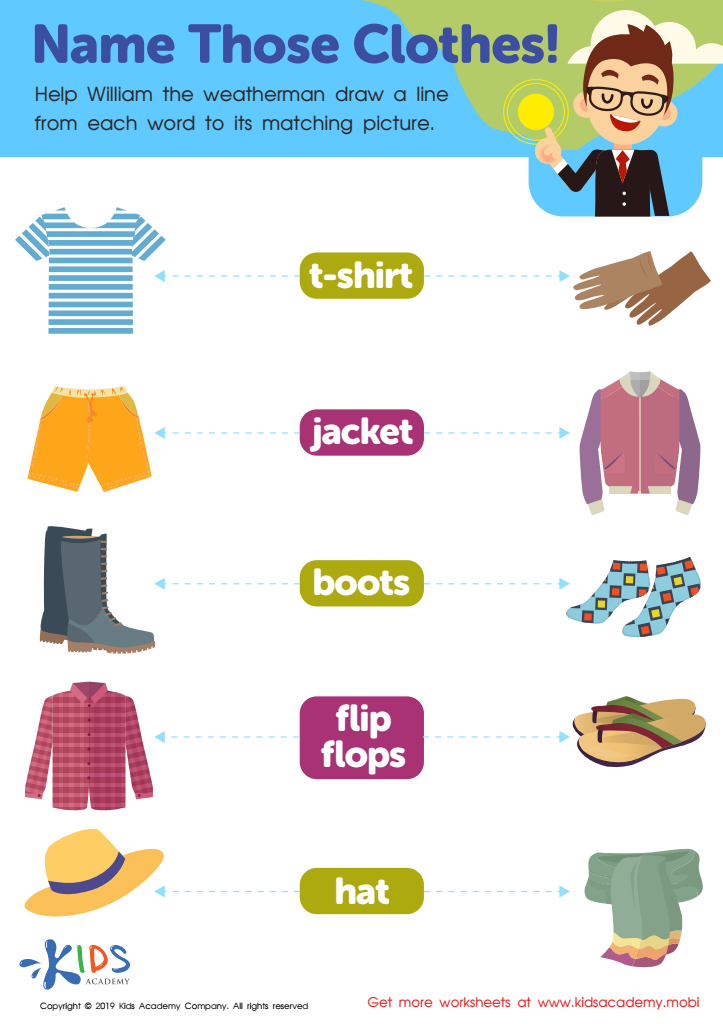
Name Those Clothes Worksheet
 Assign to My Students
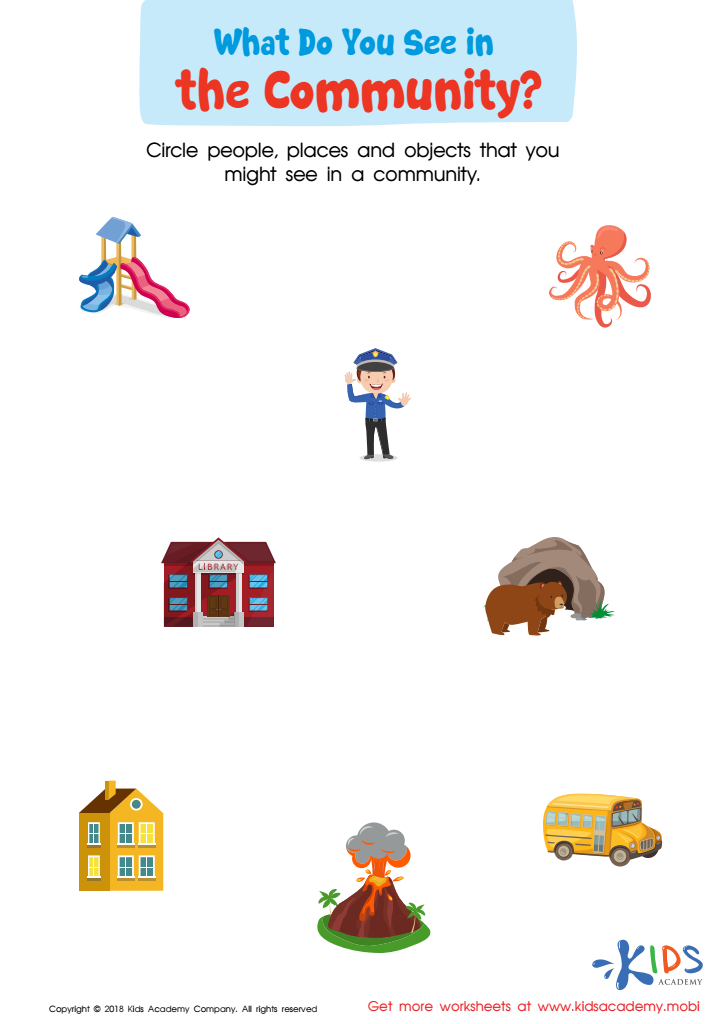
What Do You See in the Community Worksheet
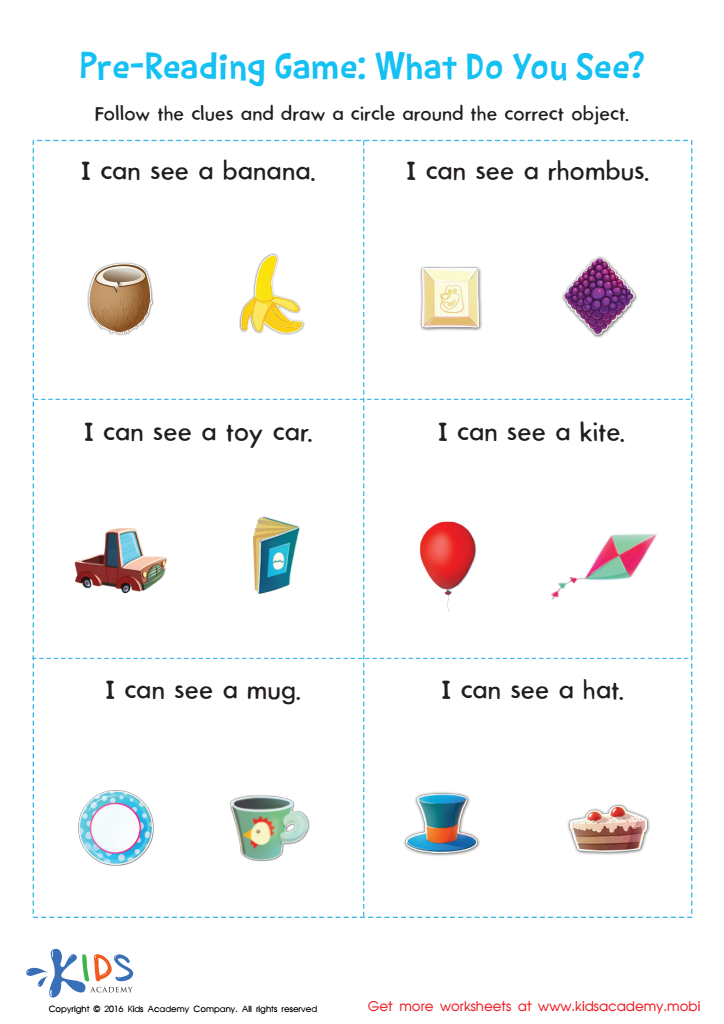
Pre–reading Worksheet: What Do You See?
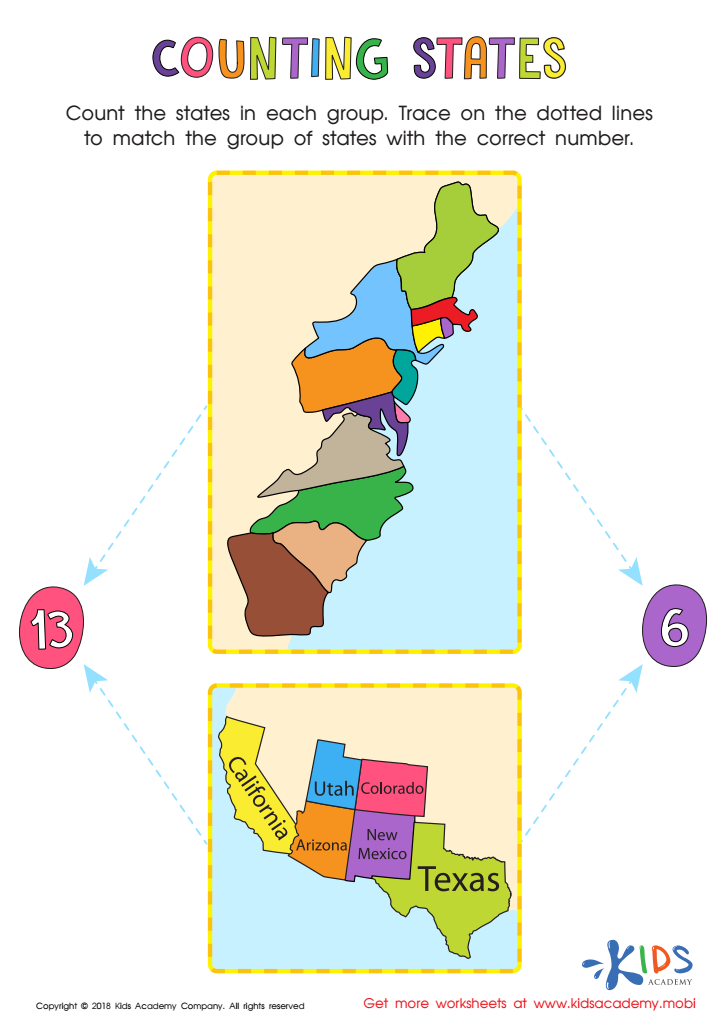
Counting States Worksheet
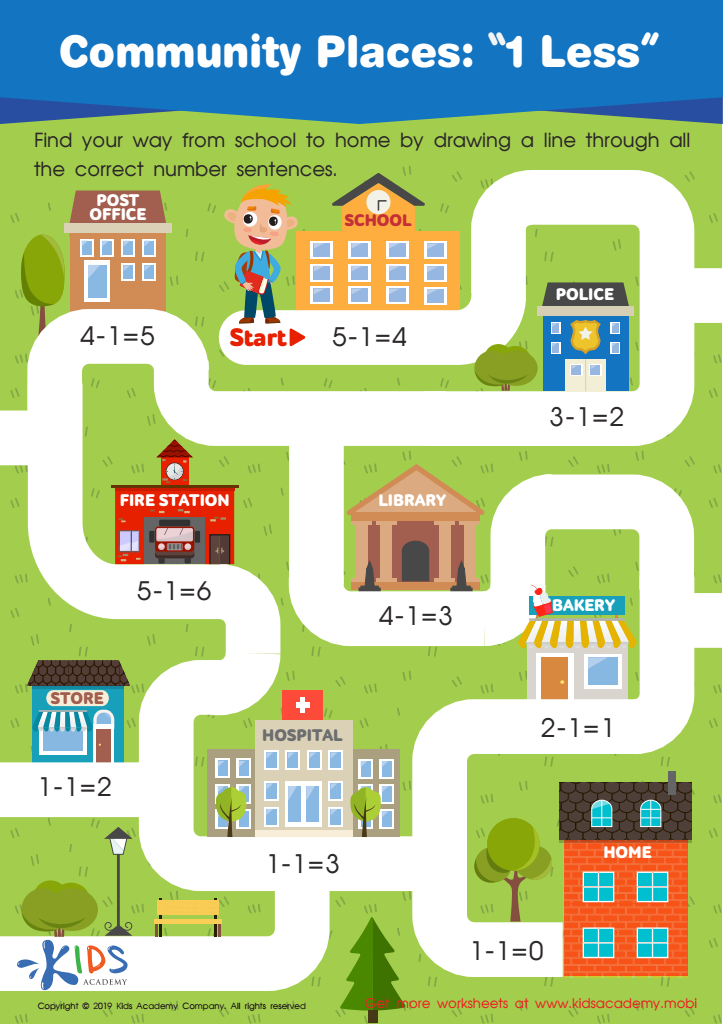
Community Places: 1 Less Worksheet
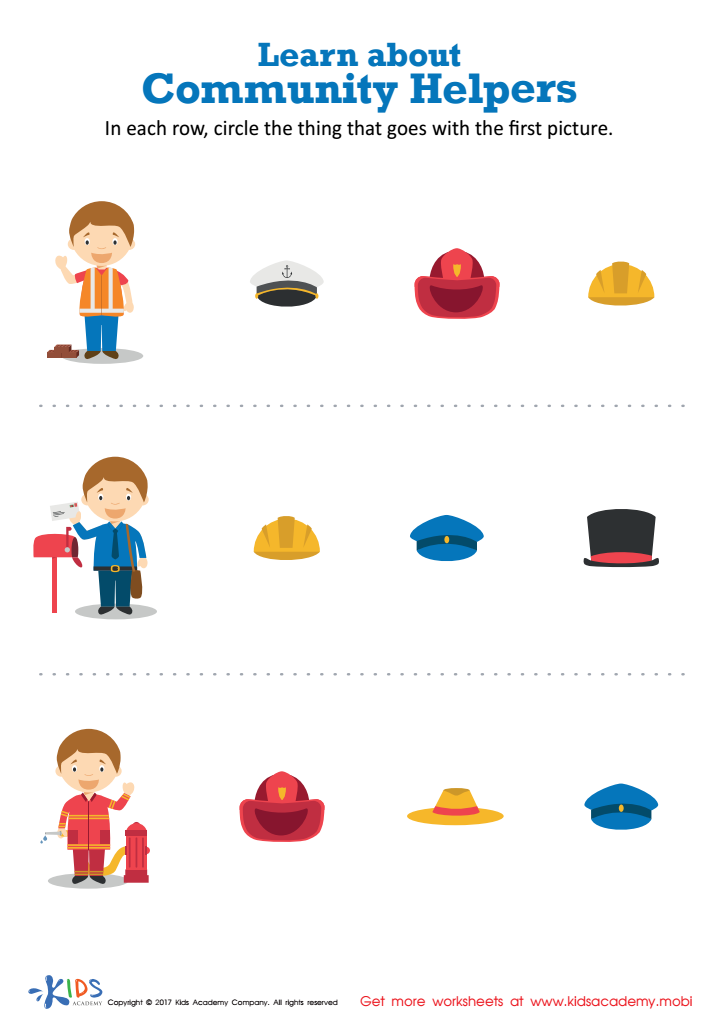
Learn about Community Helpers Printable






Identification skills, such as the ability to recognize numbers, letters, shapes, and colors, play a crucial role in early childhood development, particularly for children aged 3-4. Importance of these skills extends far beyond mere recognition; they form the foundation for later learning in reading, writing, math, and problem-solving.
Parents and teachers should care about these skills as they are critical for cognitive development. Recognizing letters and numbers is essential for literacy and numeracy, which are pivotal in academic success. Moreover, encouraging identification skills can enhance children’s confidence and curiosity, fostering a love of learning. These basic skills also support children's social development, enabling them to engage in cooperative play and communicate effectively.
Furthermore, the development of identification skills in this age group is correlated with increased attention spans and improved memory. It also provides essential building blocks for critical thinking and decision-making as children learn to categorize and differentiate between objects in their environment.
By focusing on these skills early on, parents and teachers can effectively prepare children for future educational challenges, setting the stage for lifelong learning and helping them navigate their world with a sense of agency and understanding.








