Logical reasoning skills Worksheets for Ages 3-4
5 filtered results
-
From - To
Enhance your child's logical reasoning skills with our engaging worksheets designed specifically for ages 3-4. These fun and interactive activities promote critical thinking, problem-solving, and cognitive development through age-appropriate challenges. Your little ones will enjoy sorting, matching, and sequencing tasks that stimulate their minds and foster a love for learning. Each worksheet aims to build foundational skills that prepare them for future academic success while encouraging creativity and independent thinking. Download our printable worksheets today and watch your child's confidence and reasoning abilities grow as they embark on a rewarding learning journey!
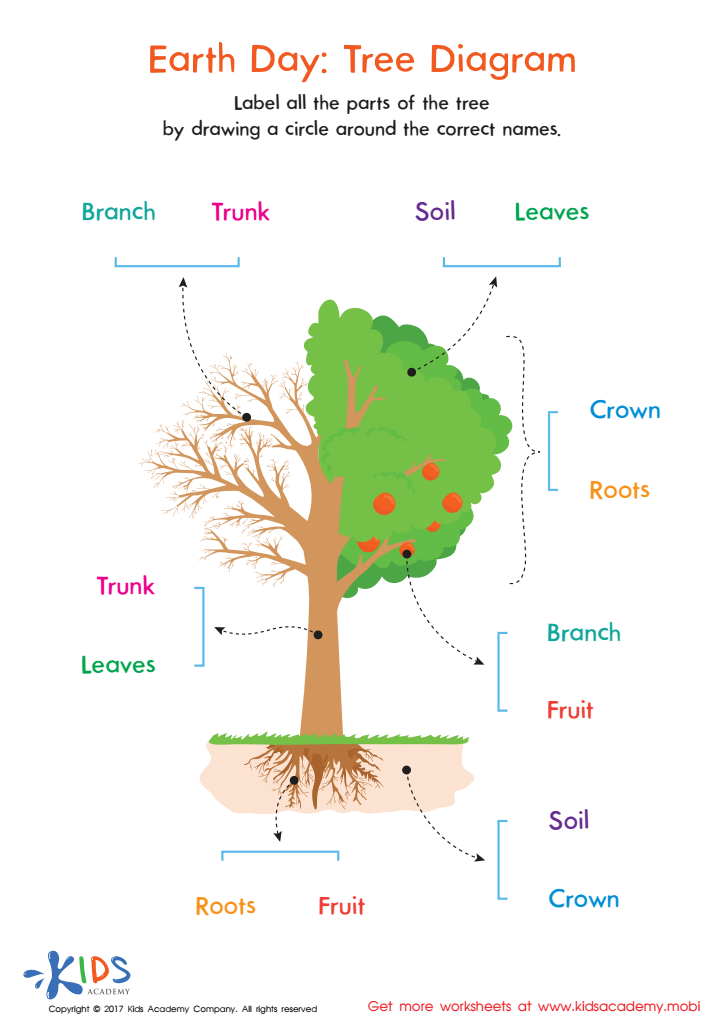
Earth Day: Tree Diagram Worksheet
 Assign to My Students
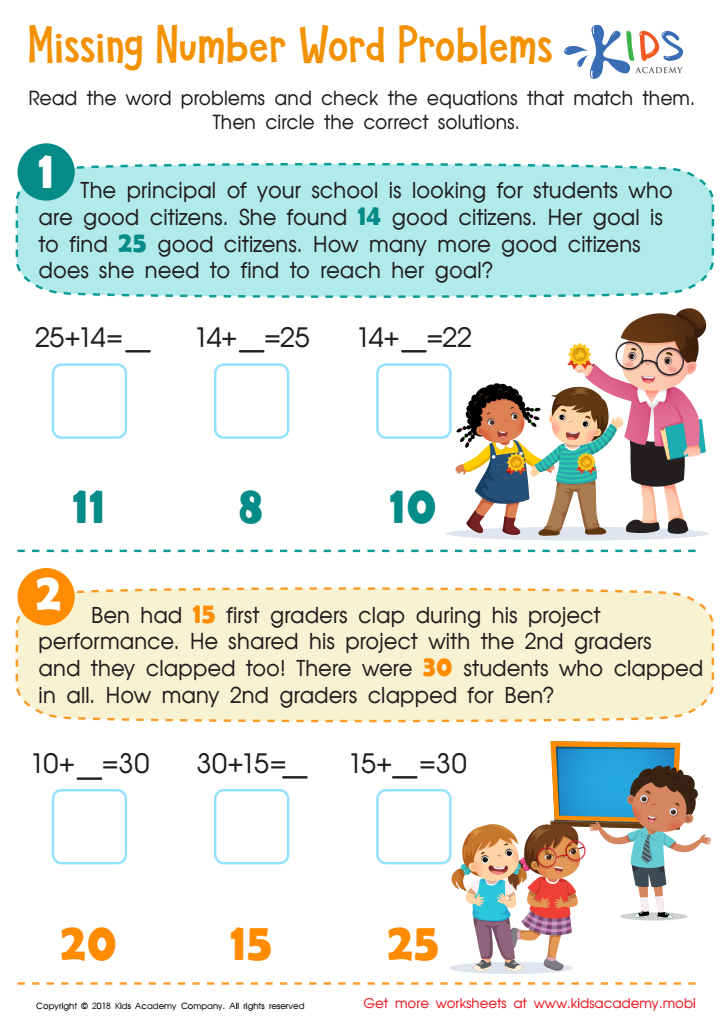
Missing Number Word Problems Worksheet
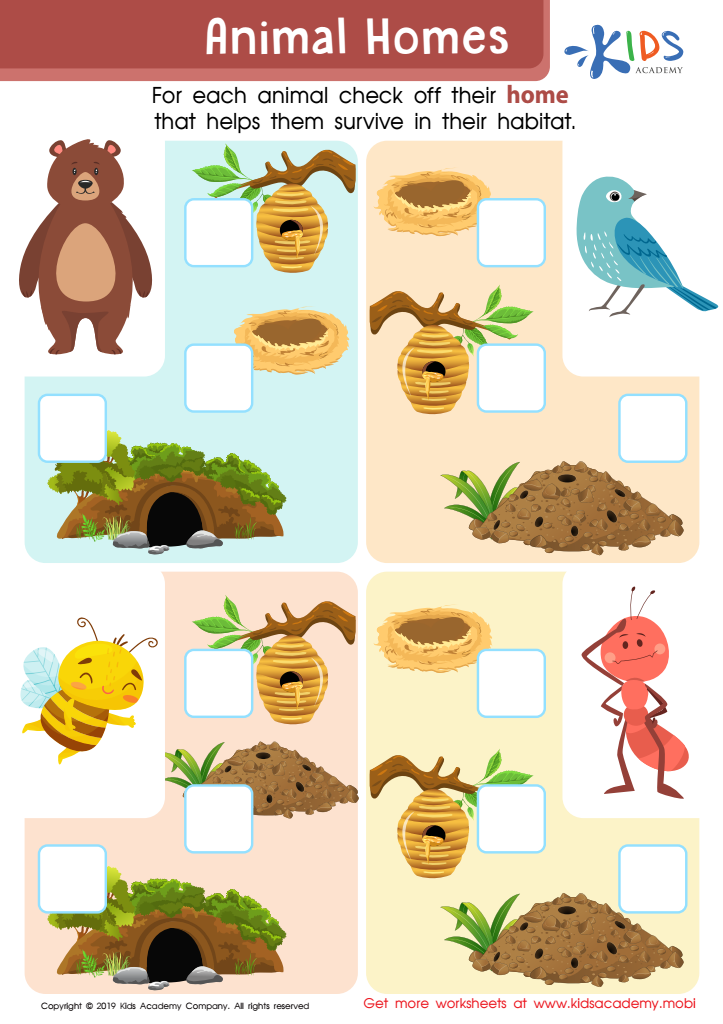
Animal Homes Worksheet
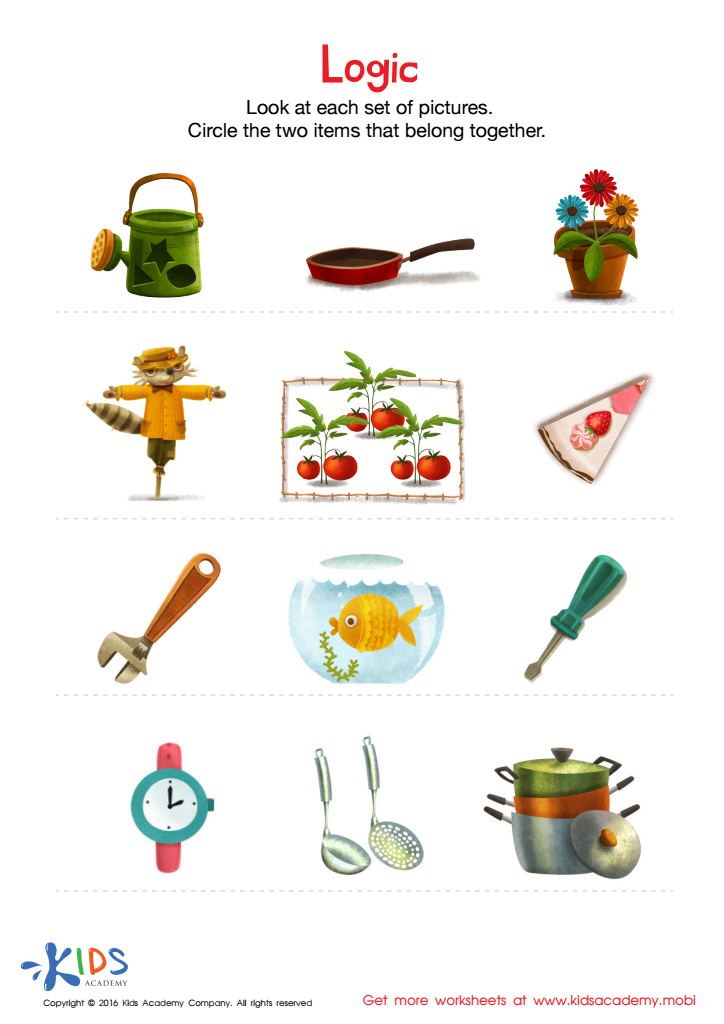
Logic Game Sorting Worksheet

Sudoku Worksheet







Logical reasoning skills are crucial for children aged 3-4 as they lay the foundation for later cognitive development and problem-solving abilities. At this age, children are naturally curious and begin to explore their environment through questioning and experimenting. Encouraging logical reasoning helps them learn to connect ideas, recognizes patterns, and make sense of their experiences.
Parents and teachers should prioritize these skills to promote critical thinking and decision-making abilities. Engaging children in activities that involve sorting, classifying, and sequencing can boost their reasoning capabilities and enhance their understanding of relationships, which is fundamental for grasping more complex concepts in math and science later on.
Moreover, logical reasoning fosters language development. As children articulate their thoughts and explain their reasoning, they expand their vocabulary and improve their communication skills.
Early development of these skills also builds confidence, encouraging children to explore, ask questions, and persevere through challenges. The ability to think logically is essential not only for academic success but also for navigating social situations, promoting independence, and preparing them for the future. In essence, nurturing logical reasoning in early childhood equips children with essential tools for lifelong learning and adaptability.








