Visual Learning Addition & Subtraction Worksheets for Ages 3-4 - Page 3
91 filtered results
-
From - To
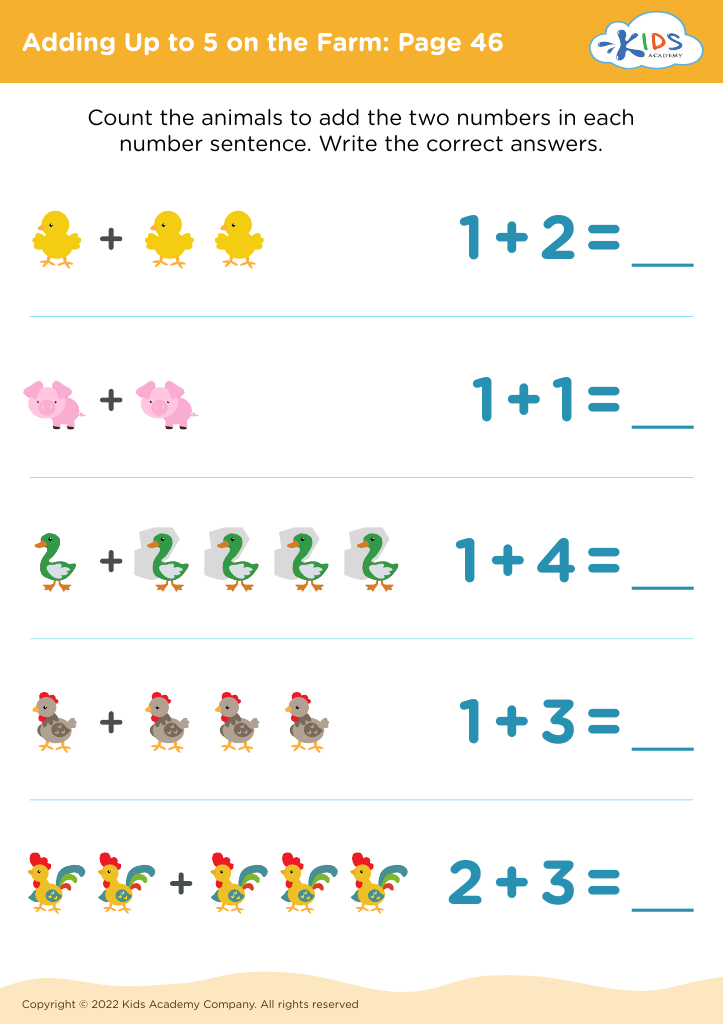
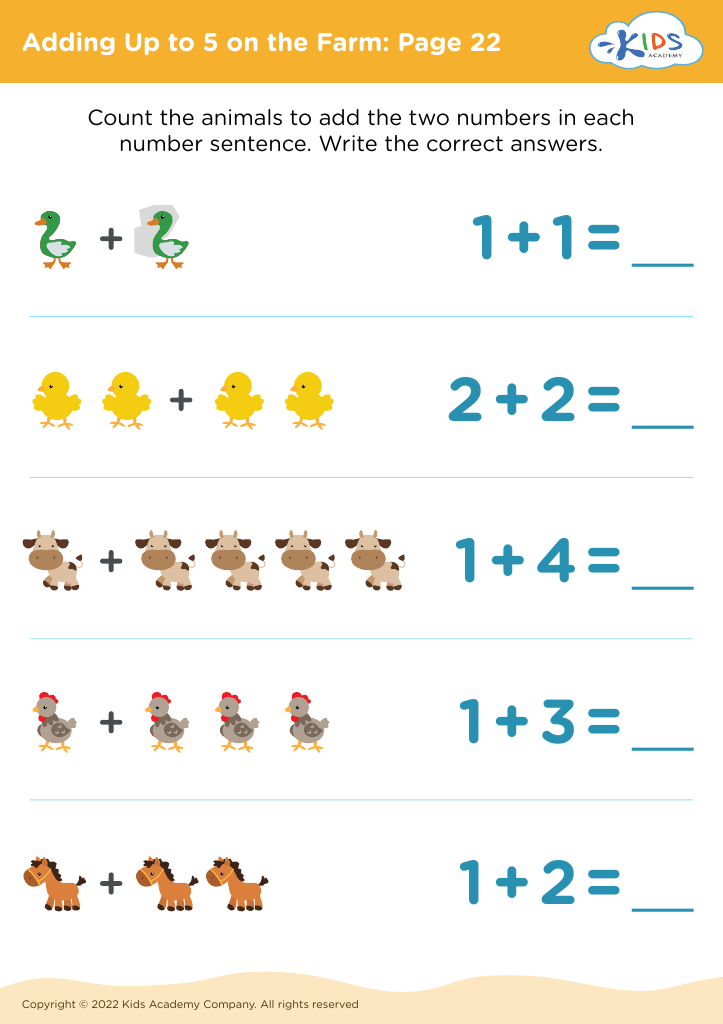
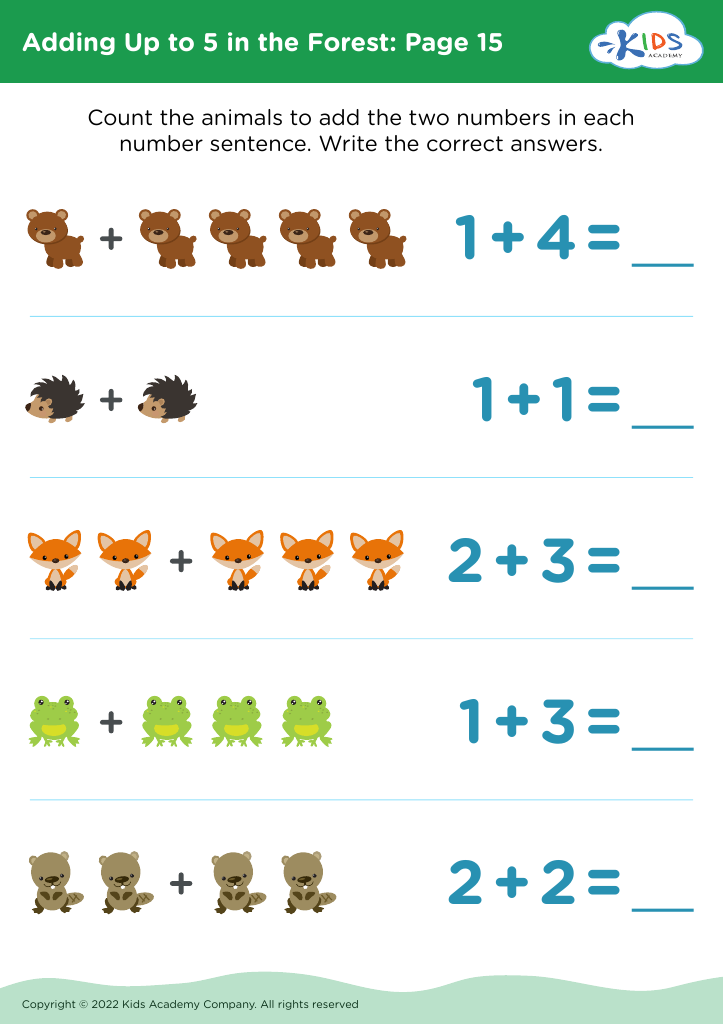
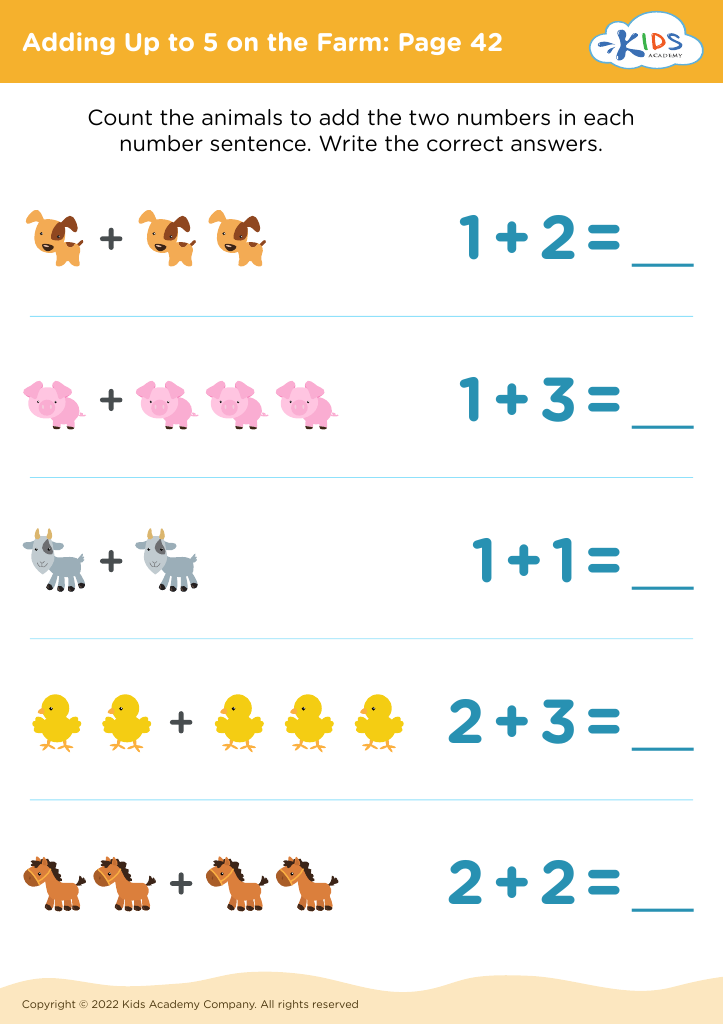
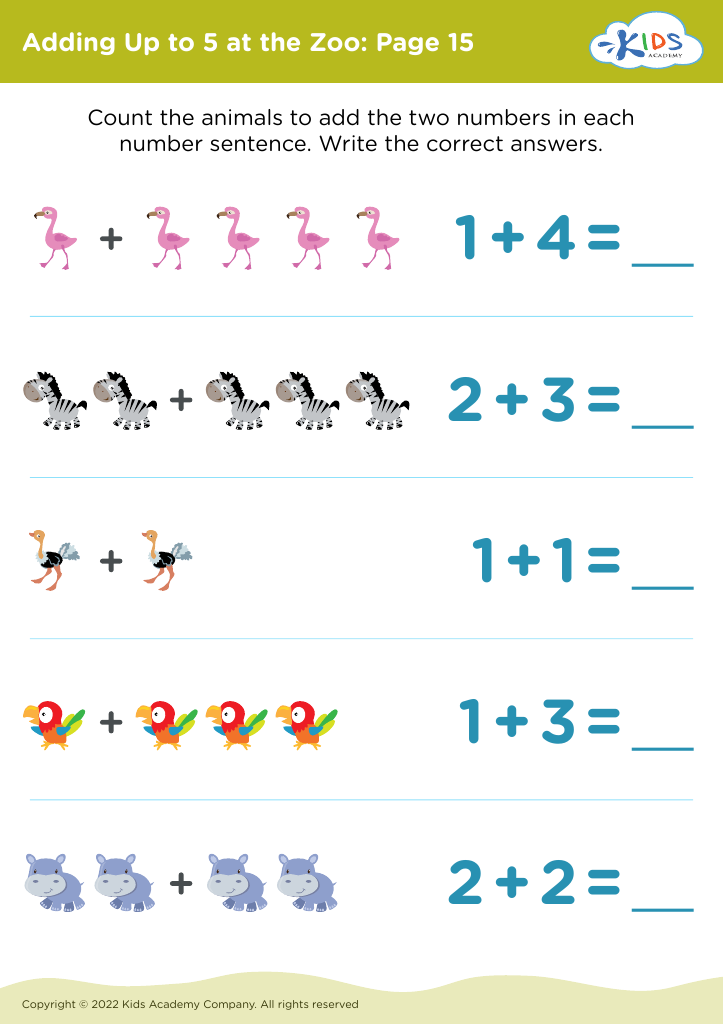
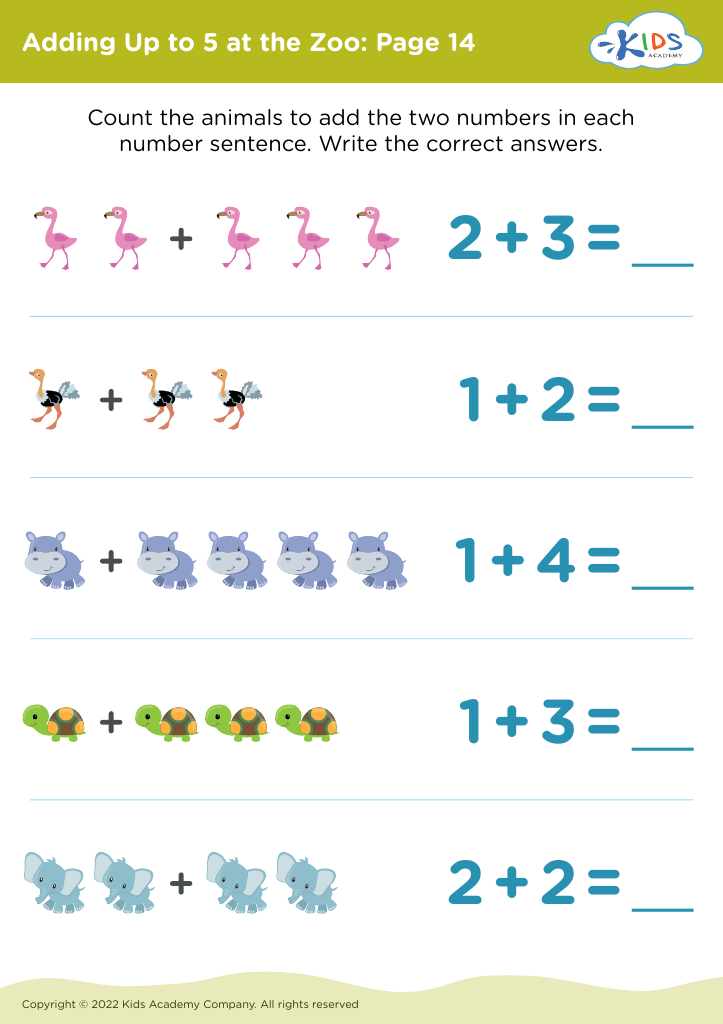
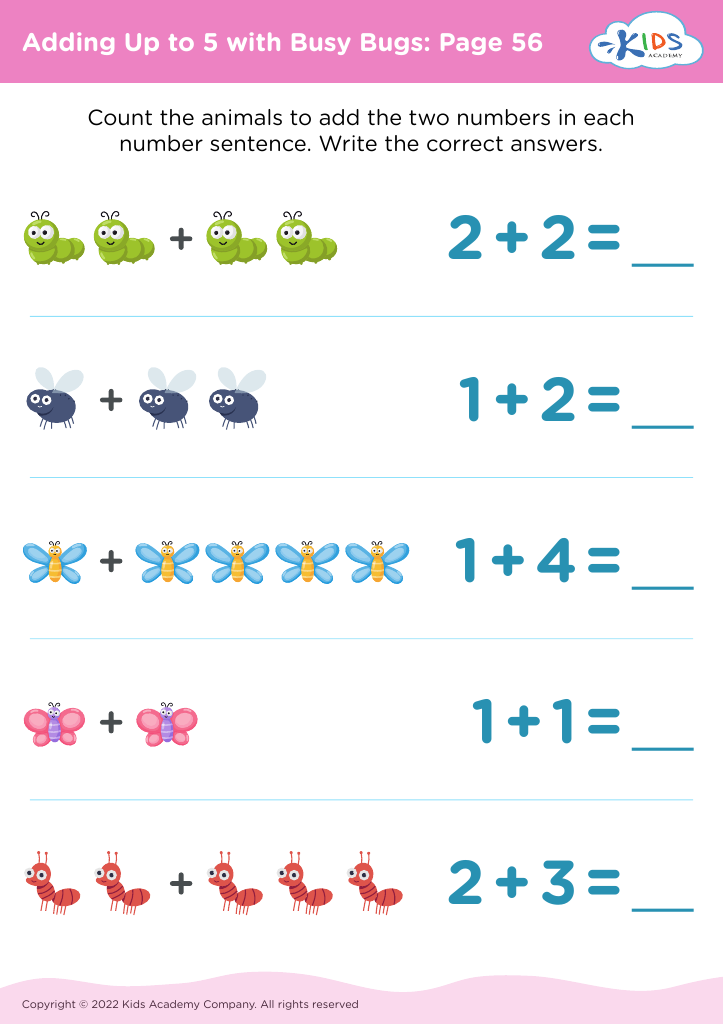
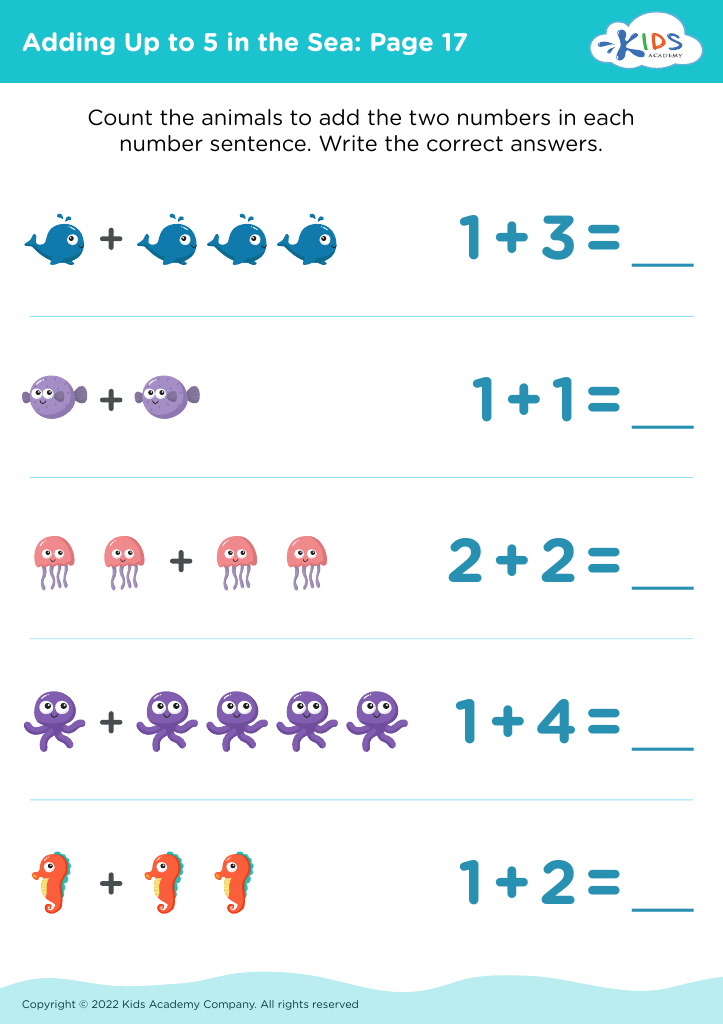
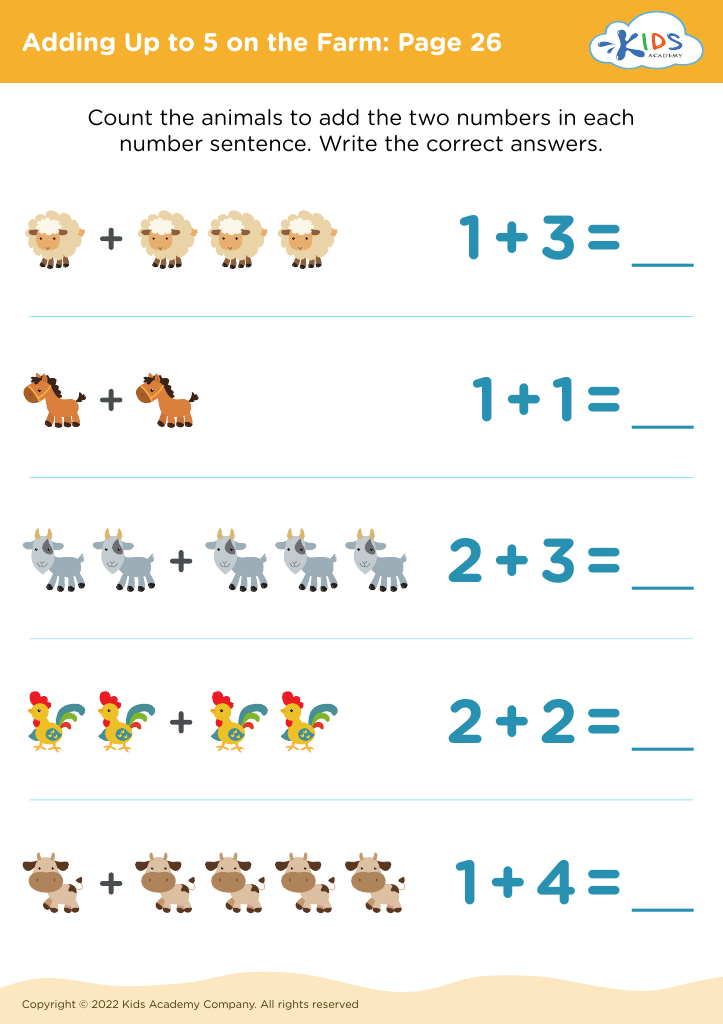
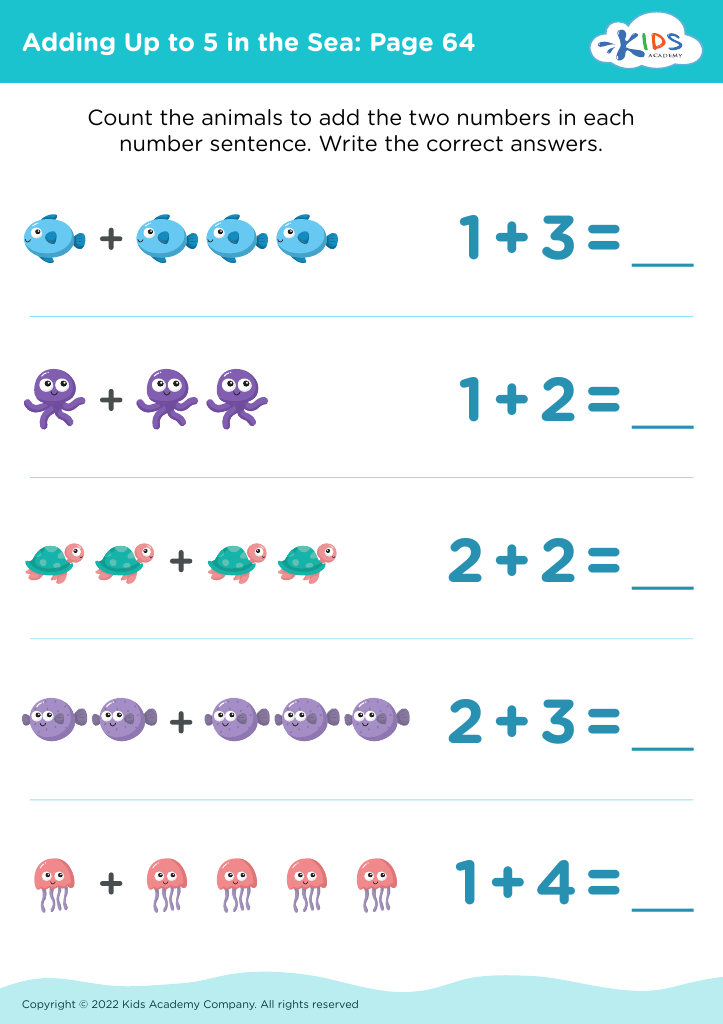
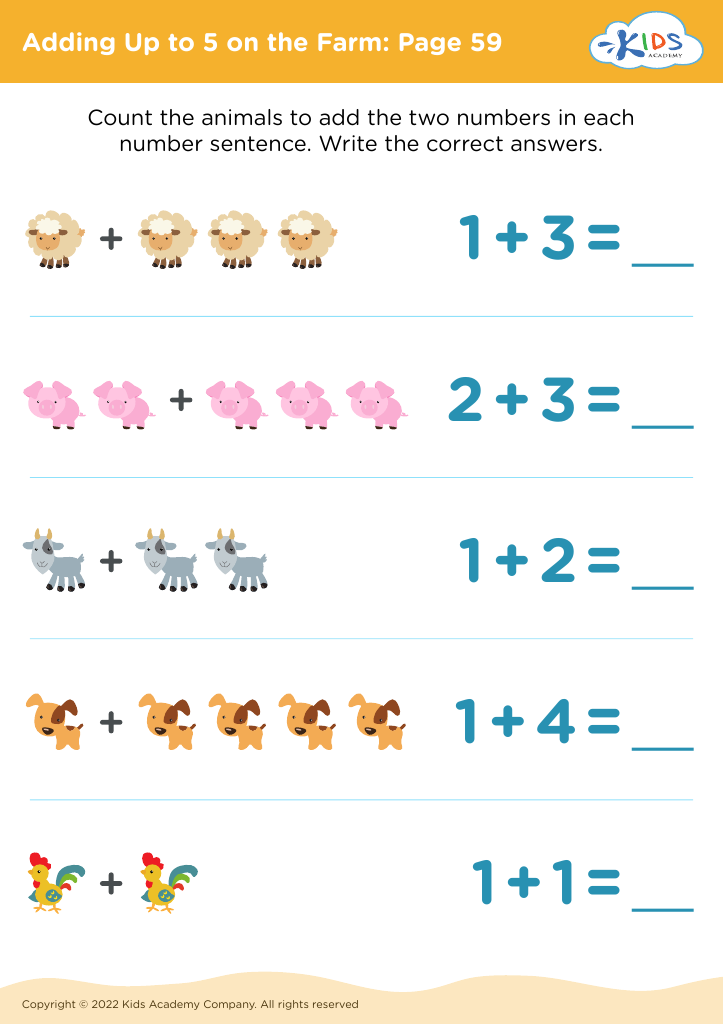
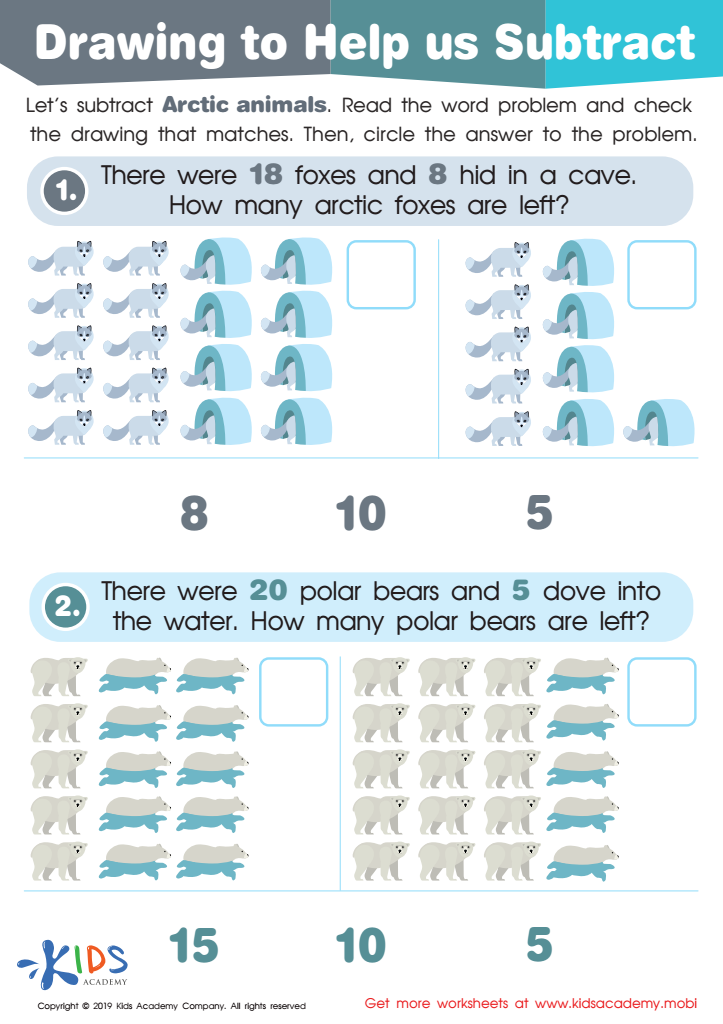
Drawing to Help Us Subtract Worksheet
 Assign to My Students
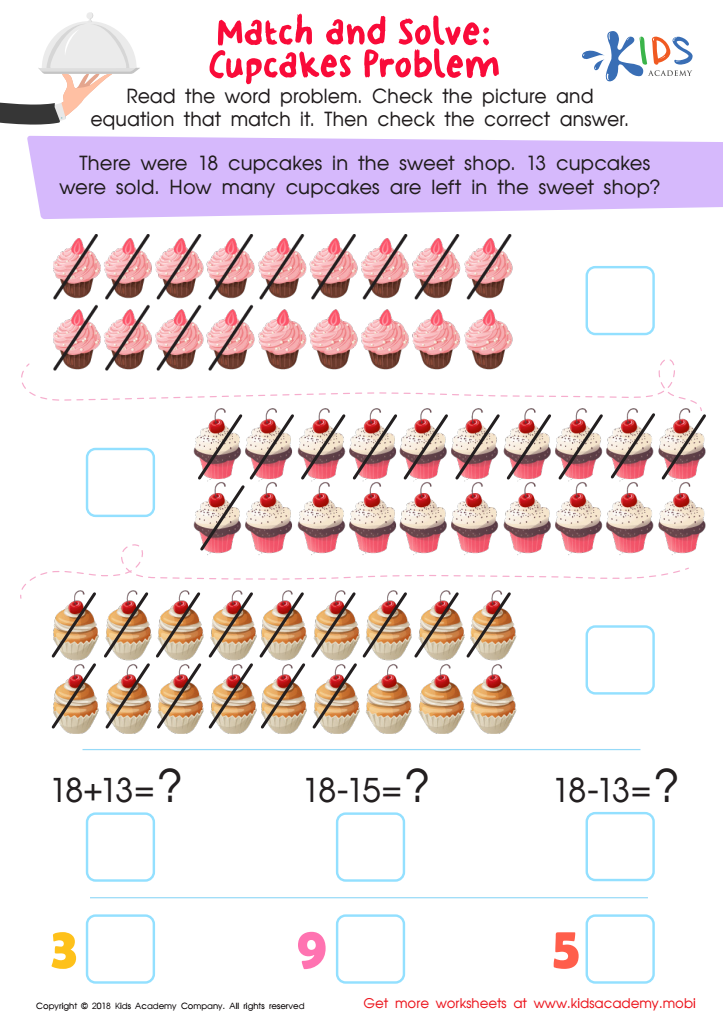
Match and Solve: Cupcakes Problem Worksheet
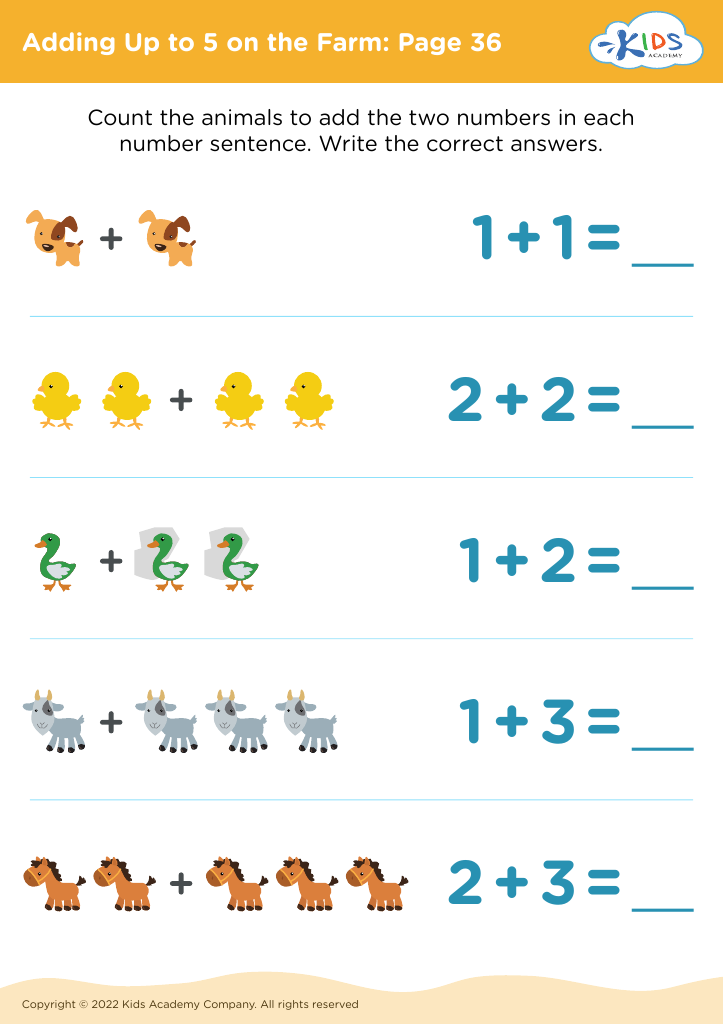
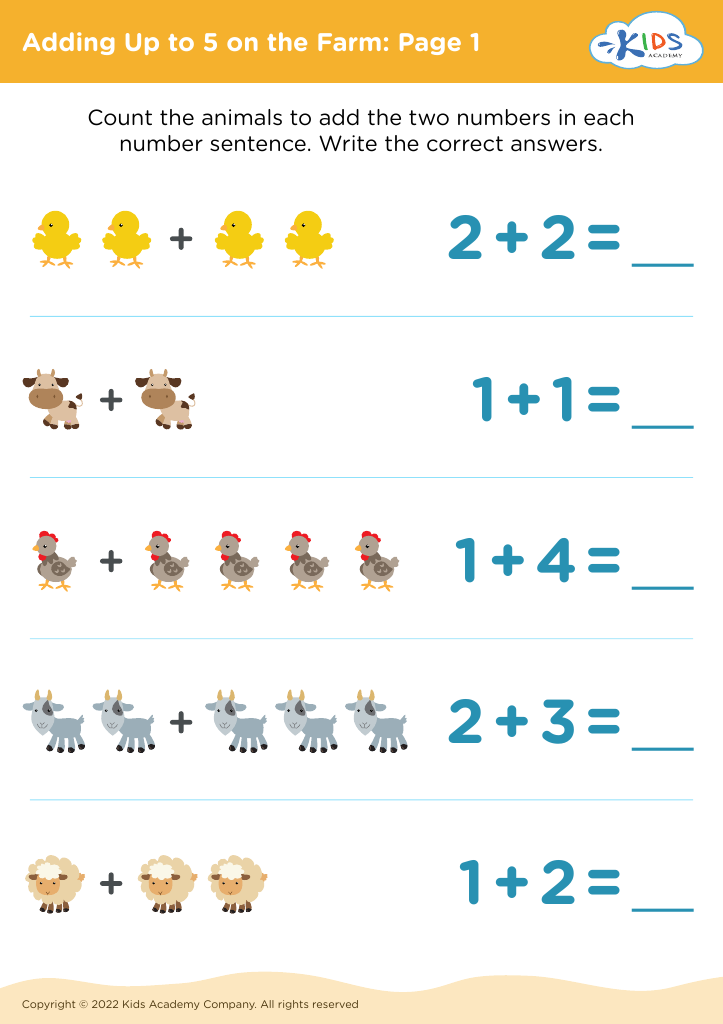
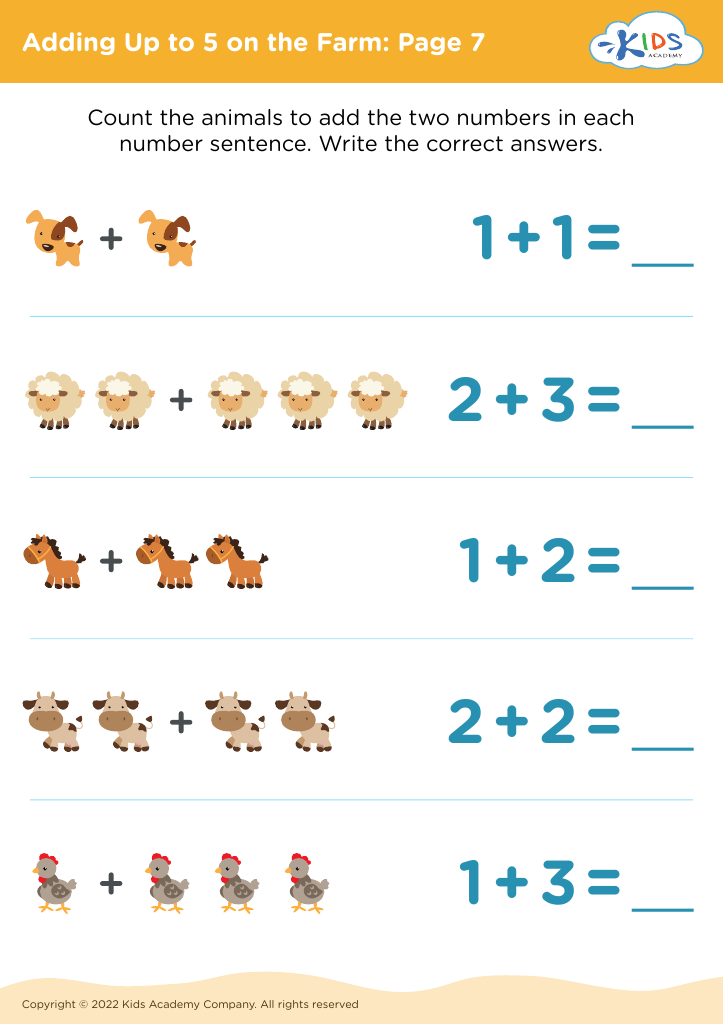
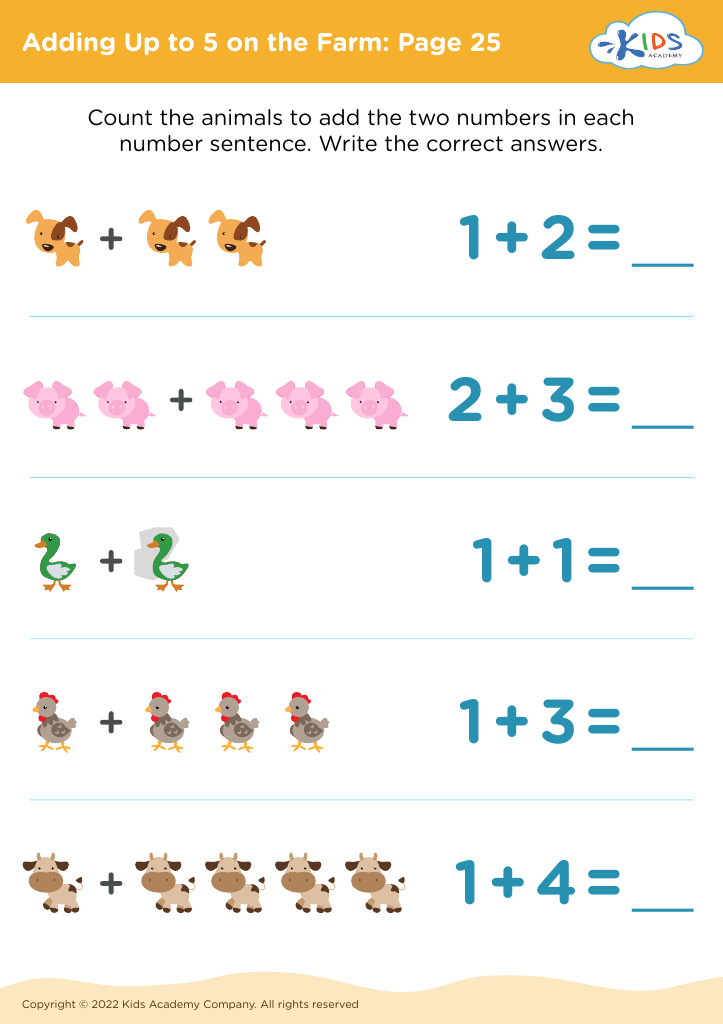
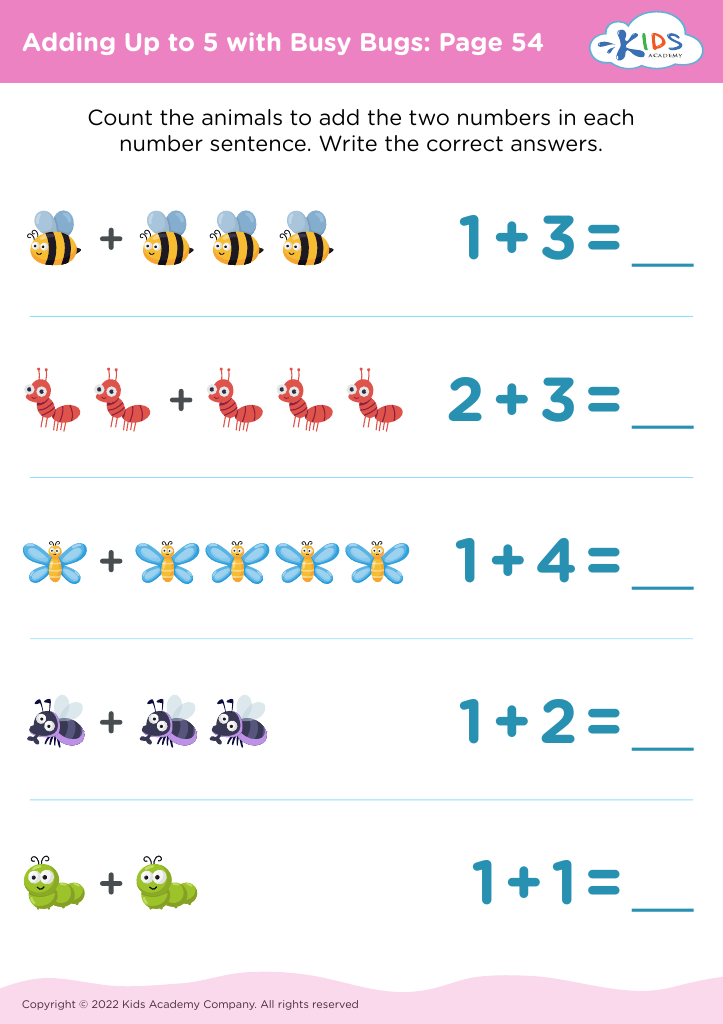
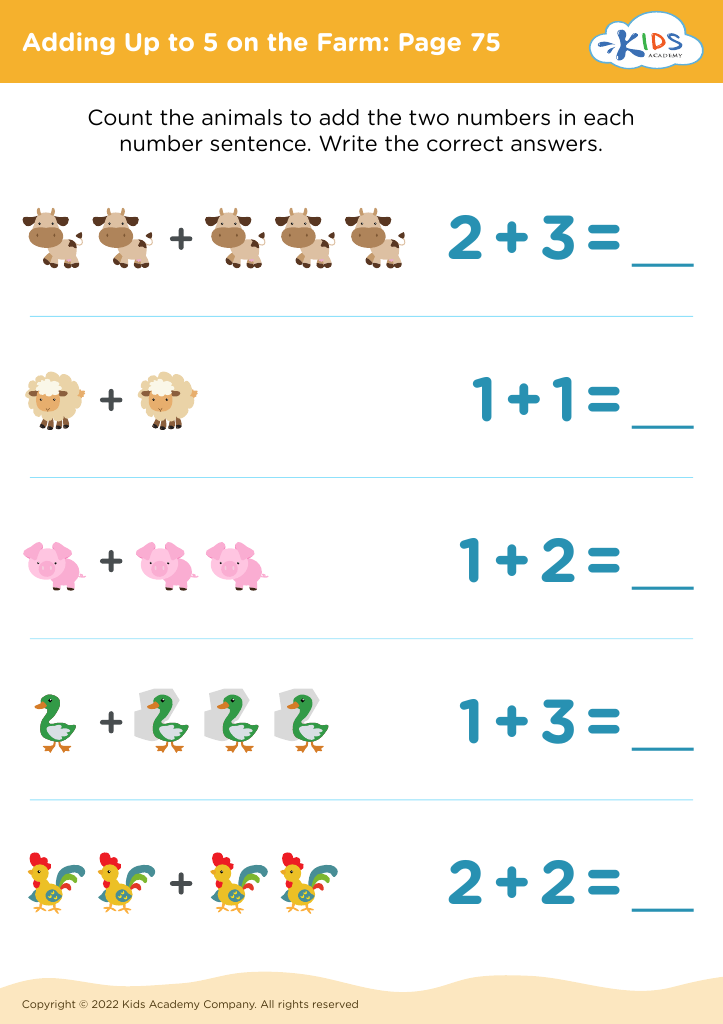
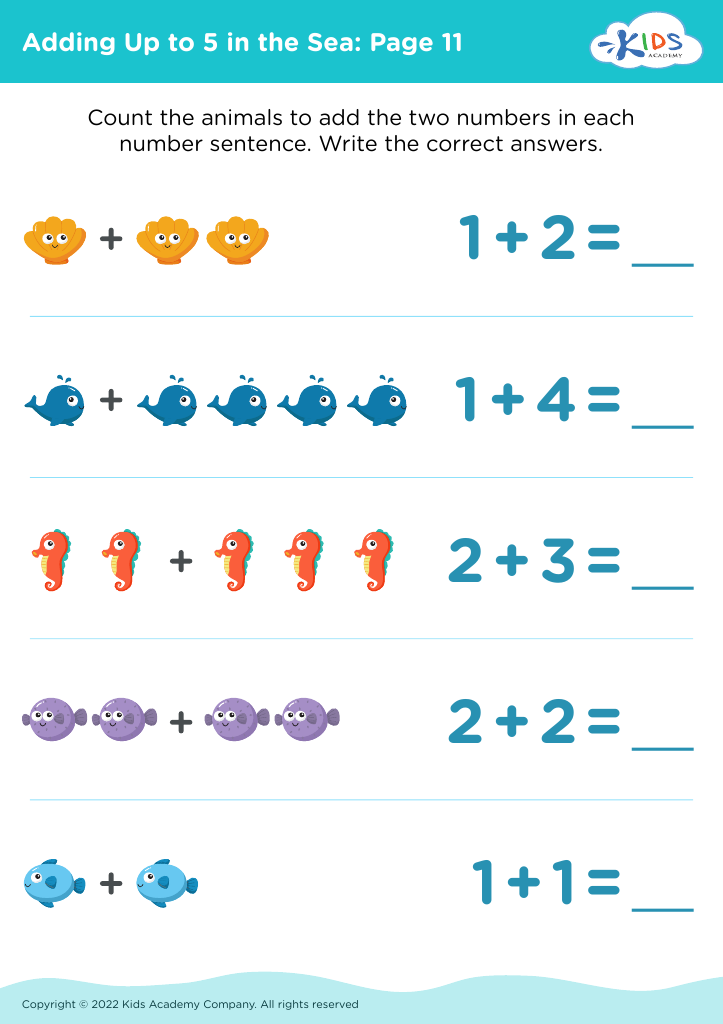
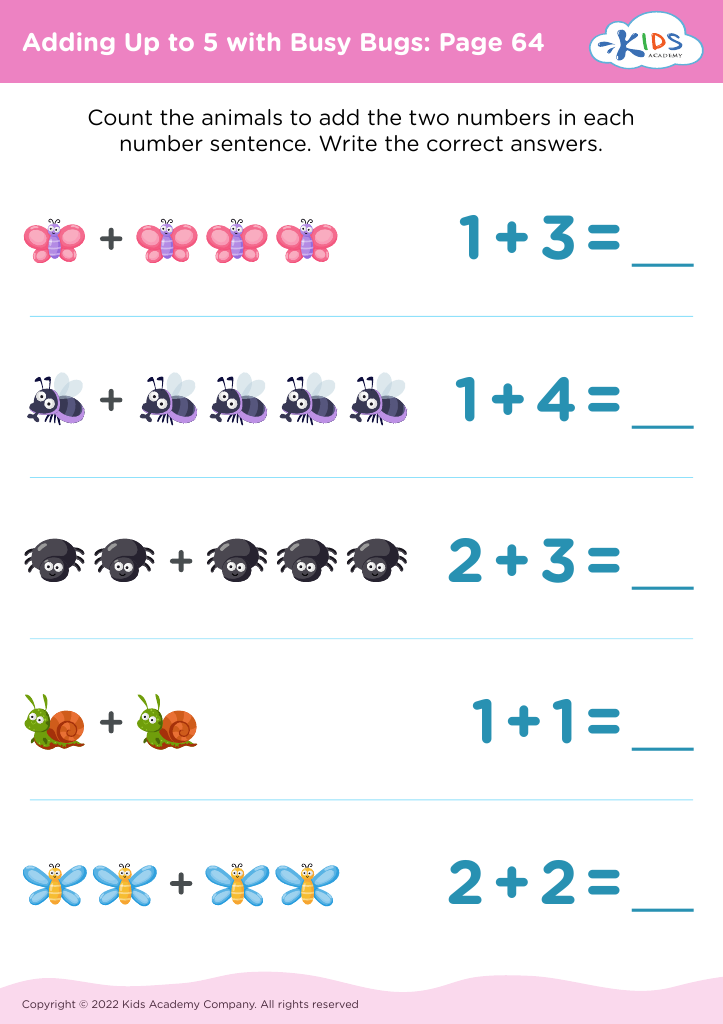
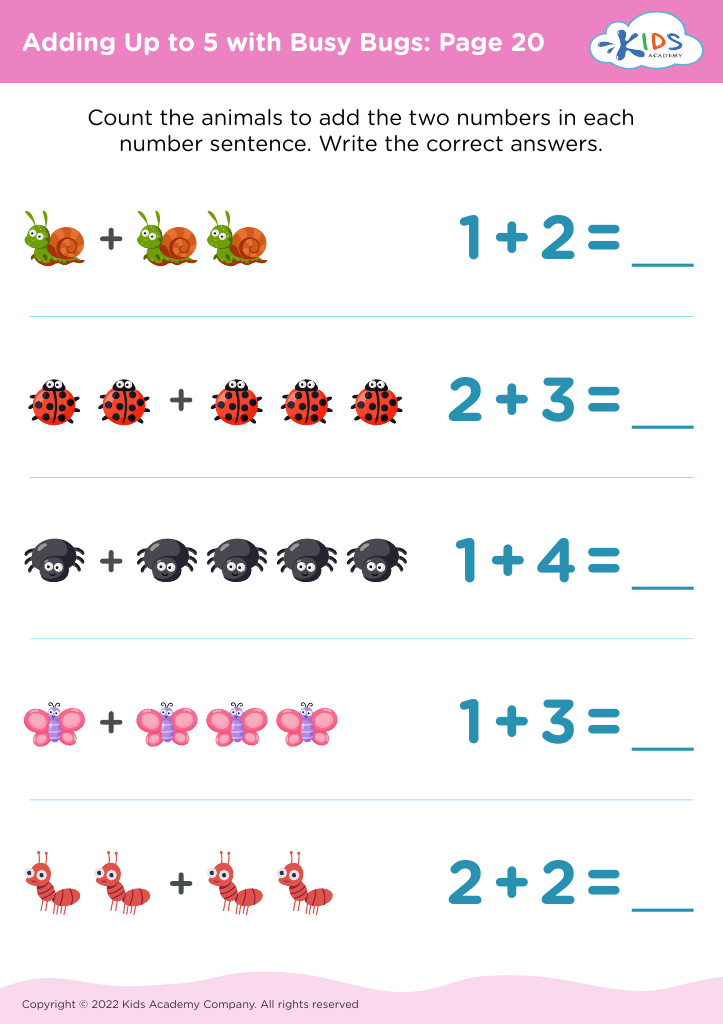
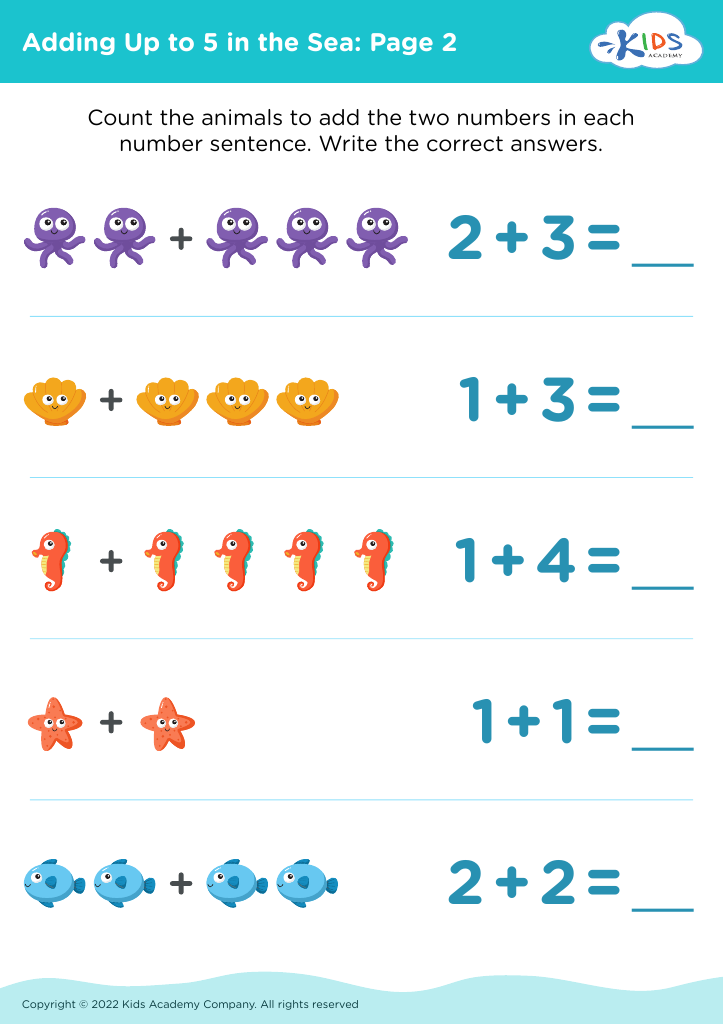








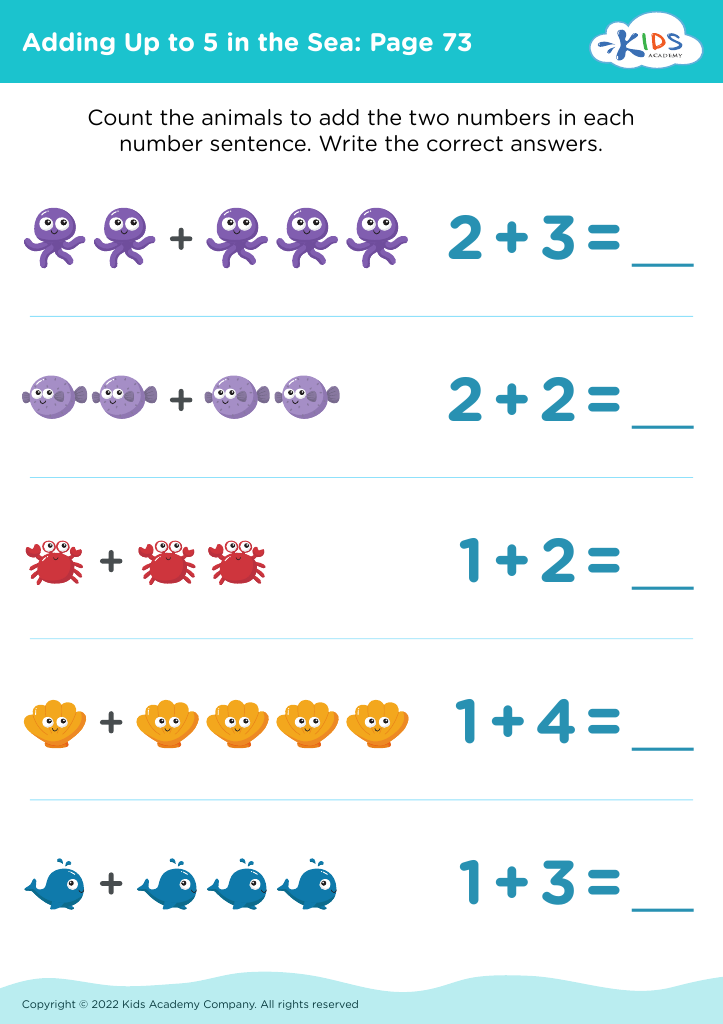
Parents and teachers should prioritize visual learning for addition and subtraction for ages 3-4 because it lays a foundational understanding of mathematical concepts using engaging, age-appropriate methods. Young children are naturally curious and gain skills through hands-on experience. Visual aids, such as counters, blocks, or visual number lines, help them conceptualize math problems, making abstract ideas more tangible.
At this developmental stage, children are primarily visual learners; they absorb information more effectively through sight. By incorporating visually stimulating activities, such as using shapes, colors, and interactive games, educators can enhance children’s attention and make learning enjoyable. This approach not only strengthens number recognition but also fosters critical thinking skills as children learn to solve problems visually.
Moreover, understanding addition and subtraction through visuals supports overall cognitive development and prepares kids for future mathematical success. If children develop a strong math foundation early on, they are more likely to engage positively with math later in life. Therefore, both parents and teachers play a crucial role in implementing these strategies, creating a rich learning environment that nurtures mathematical understanding and promotes a lifelong love for learning.








