Filters

101 filtered results

Clear all filters
Favorites
With answer key
Interactive

101 filtered results

Difficulty Level

Grade


Boost your child's early math skills with our Cognitive Development Addition Worksheets for Ages 3-4. Designed by experts, these worksheets combine fun visuals and engaging activities that are perfect for toddlers and preschoolers. Each worksheet focuses on simple addition exercises that enhance logical thinking and problem-solving skills, laying a strong foundation for future math success. Encourage your little one's cognitive development in a playful, stress-free way. Download now and watch them develop a love for numbers early on! Explore our range today at Kids Academy and start your child's learning journey.

Check out this FREE Trial Lesson on Addition for age 3-4!

Exactly the Same, or Not

Favorites
With answer key
Interactive
  • 3-4
  • Cognitive Development
  • Addition
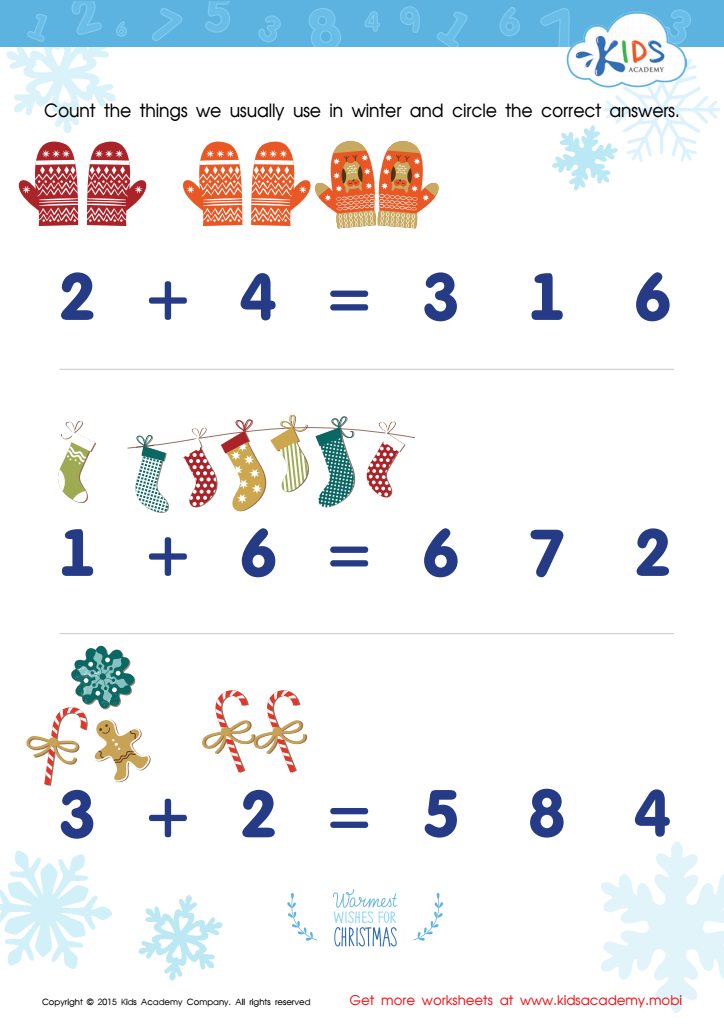
Math PDF Worksheet: Count Winter Things

Count Winter Things Worksheet

This chilly winter afternoon, help your kid warm up with Kids Academy's free math worksheet - full of bright pictures and addition practice. Let them count the things and write in the numbers for a great brain training and math head start. Get more free math worksheets here. (80 words)
Count Winter Things Worksheet
Worksheet
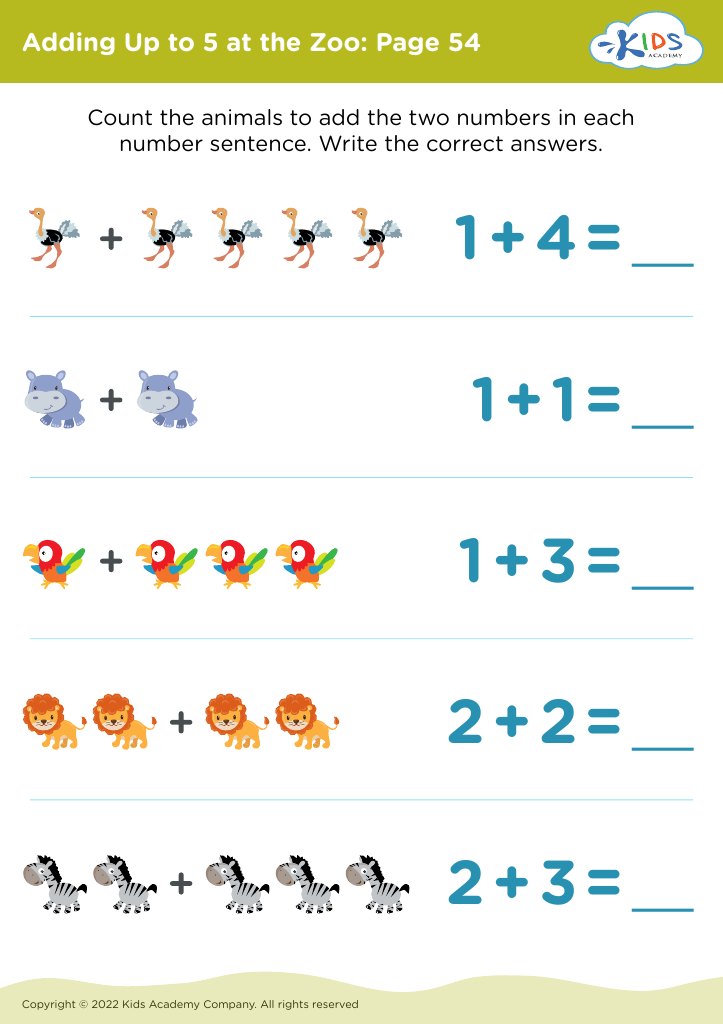
Adding Up to 5 at the Zoo: Page 54
Worksheet
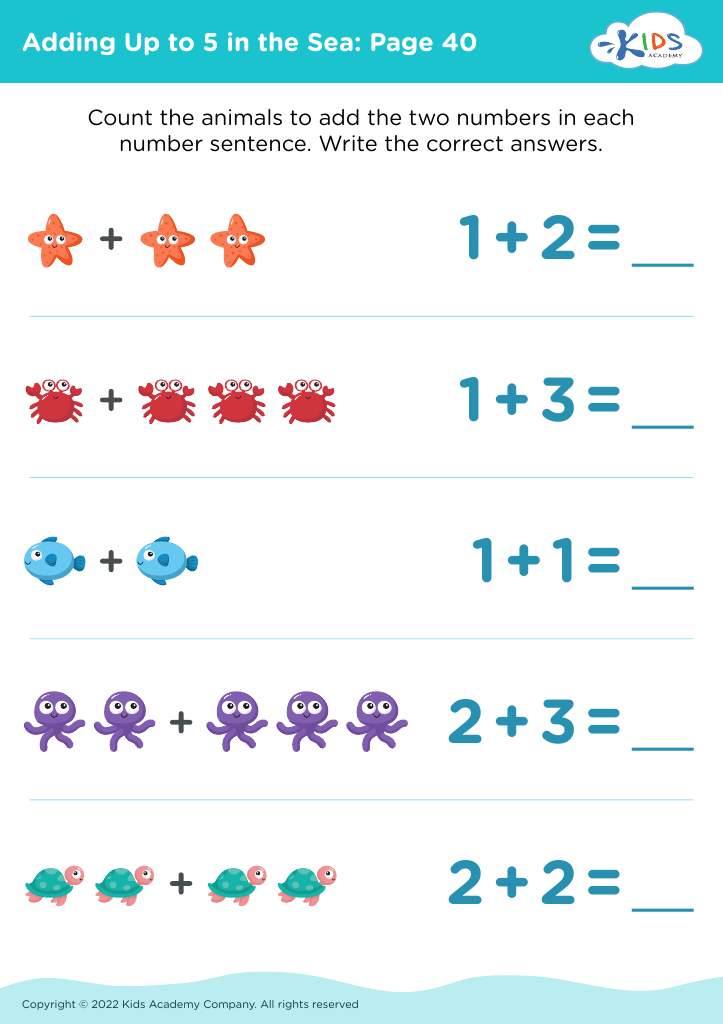
Adding Up to 5 in the Sea: Page 40
Worksheet
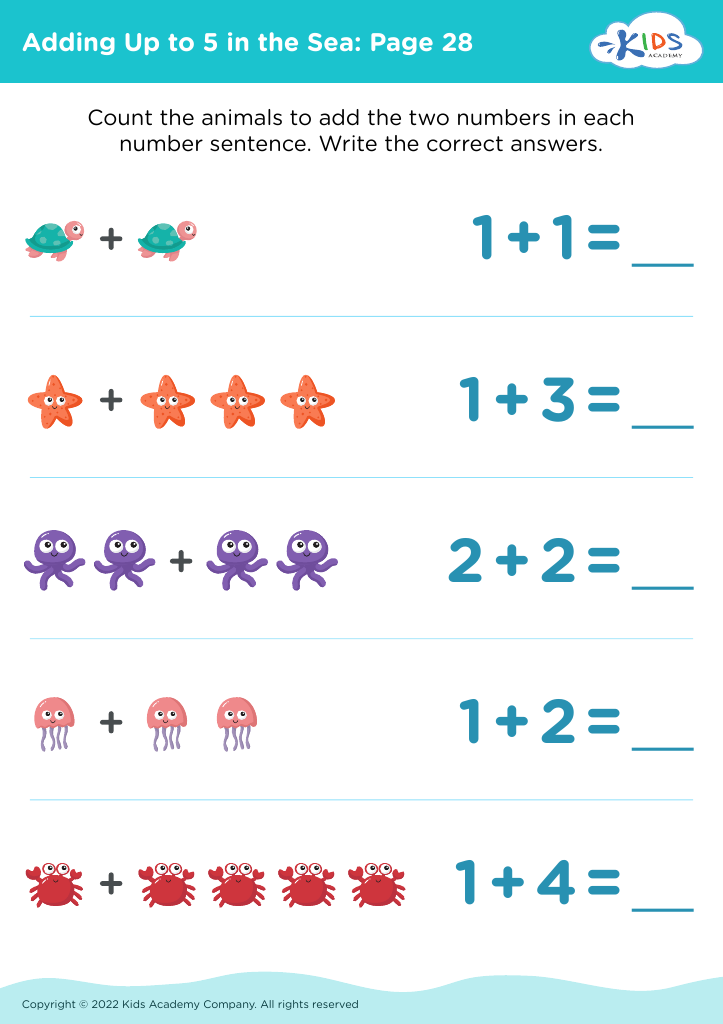
Adding Up to 5 in the Sea: Page 28
Worksheet
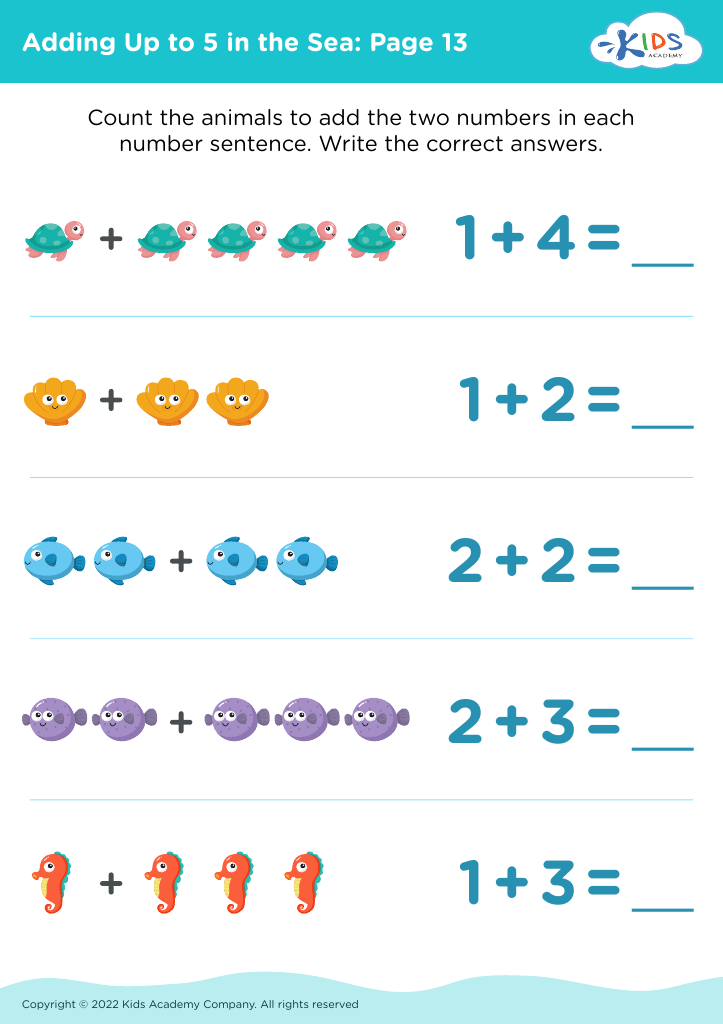
Adding Up to 5 in the Sea: Page 13
Worksheet
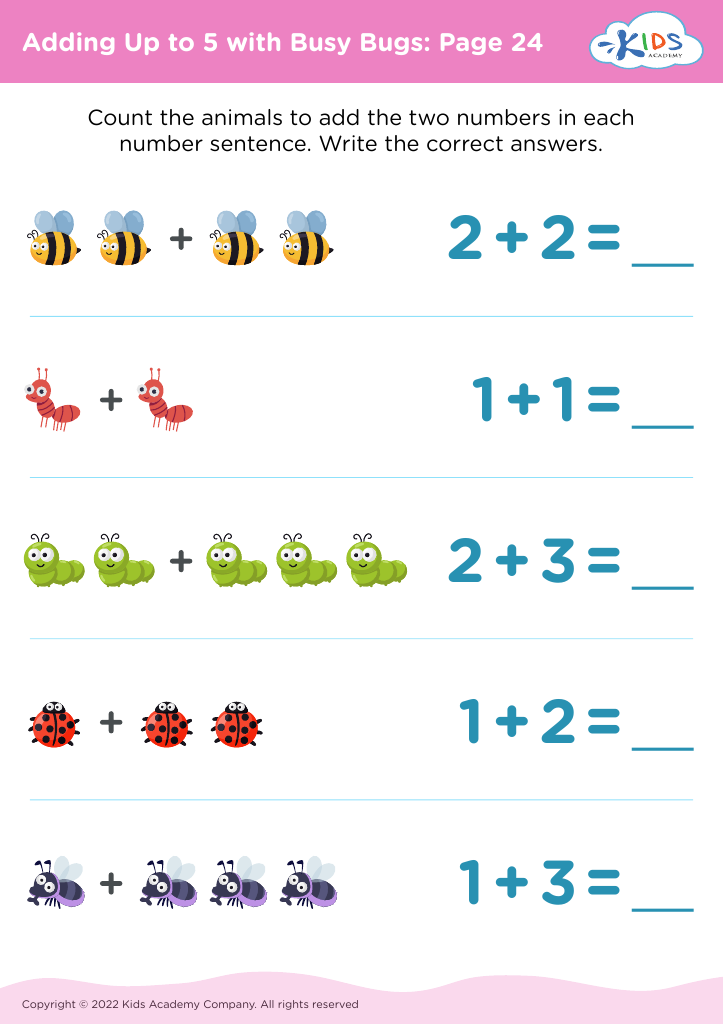
Adding Up to 5 with Busy Bugs: Page 24
Worksheet
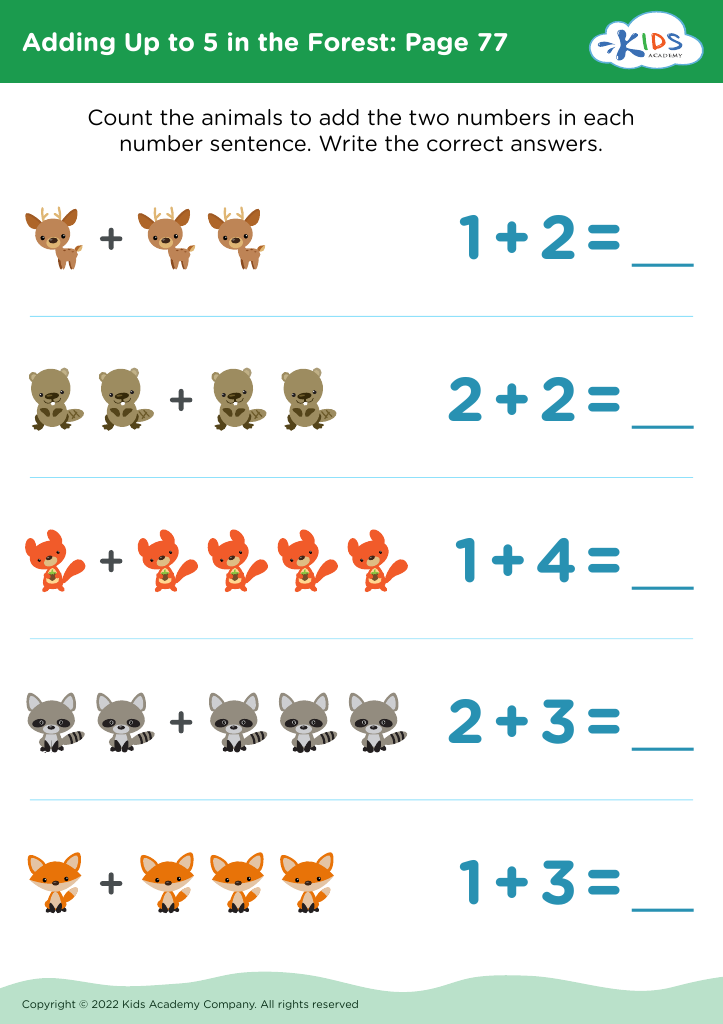
Adding Up to 5 in the Forest: Page 77
Worksheet
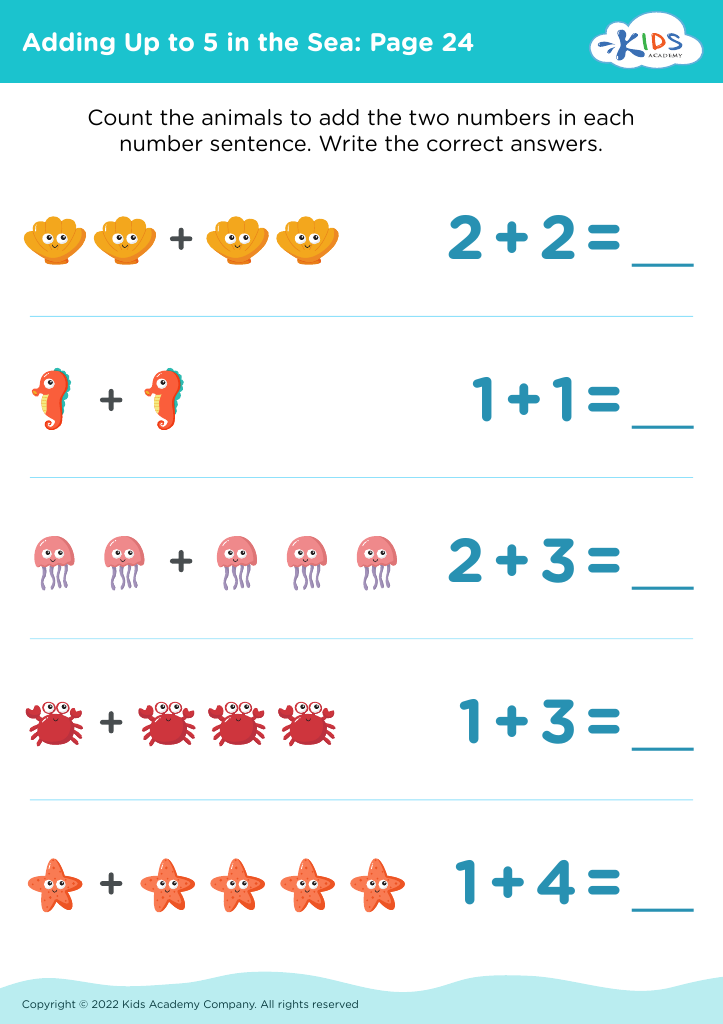
Adding Up to 5 in the Sea: Page 24
Worksheet
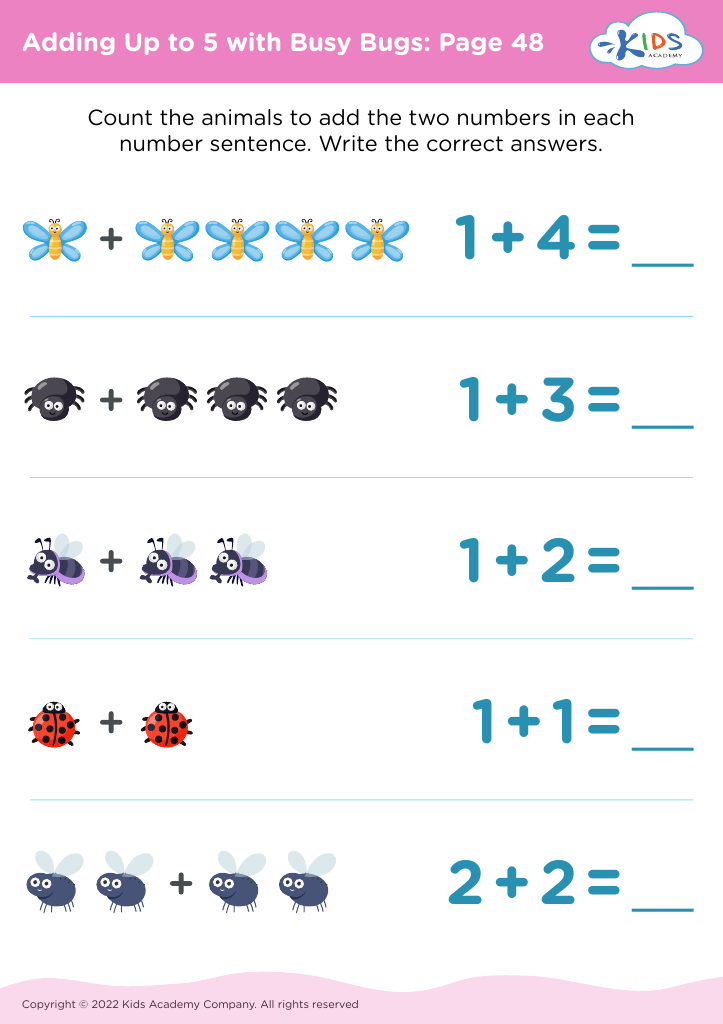
Adding Up to 5 with Busy Bugs: Page 48
Worksheet
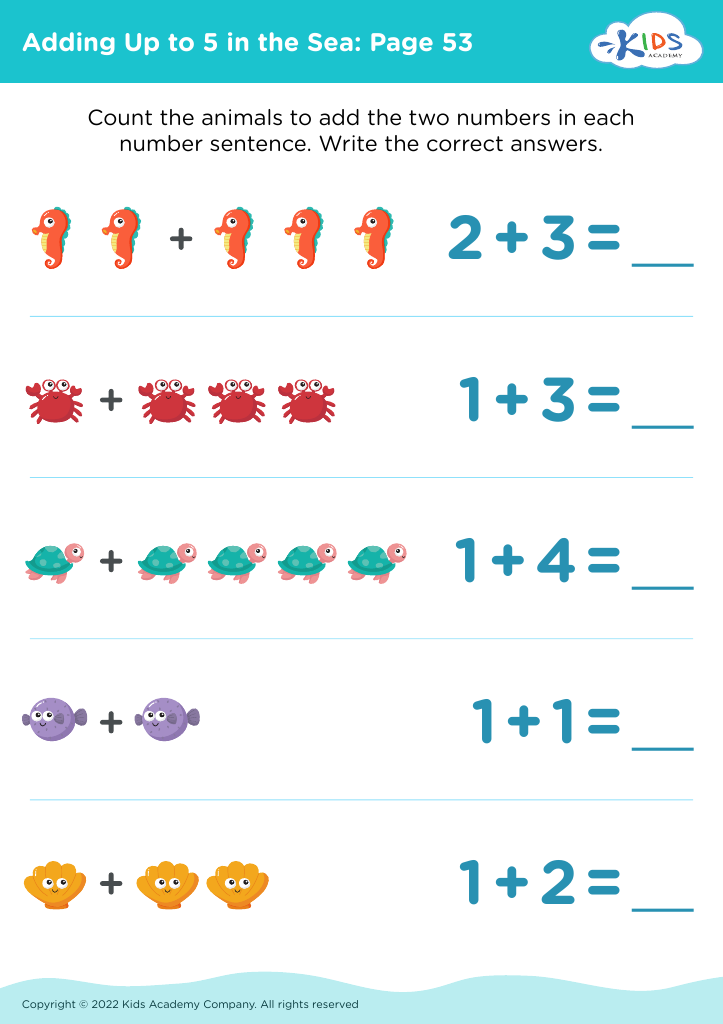
Adding Up to 5 in the Sea: Page 53
Worksheet
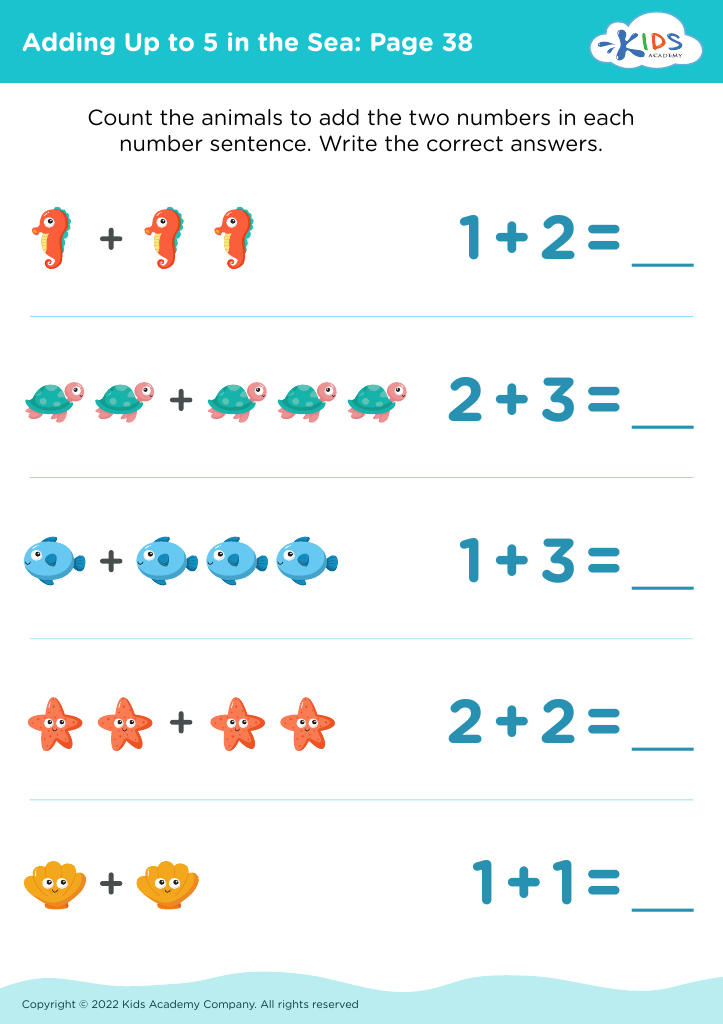
Adding Up to 5 in the Sea: Page 38
Worksheet
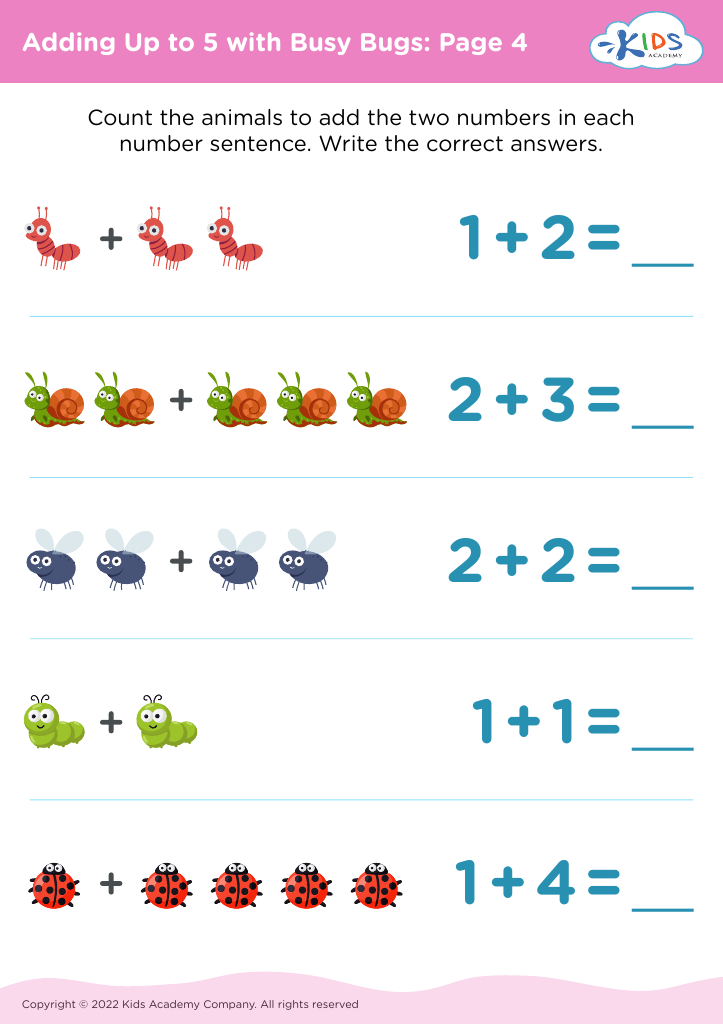
Adding Up to 5 with Busy Bugs: Page 4
Worksheet
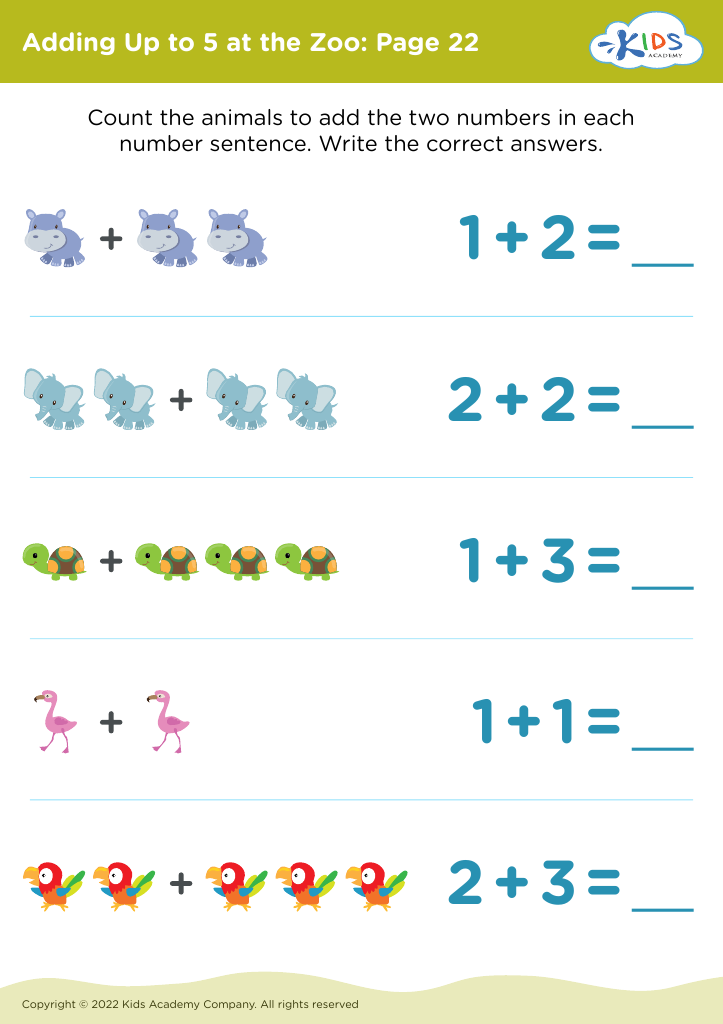
Adding Up to 5 at the Zoo: Page 22
Worksheet
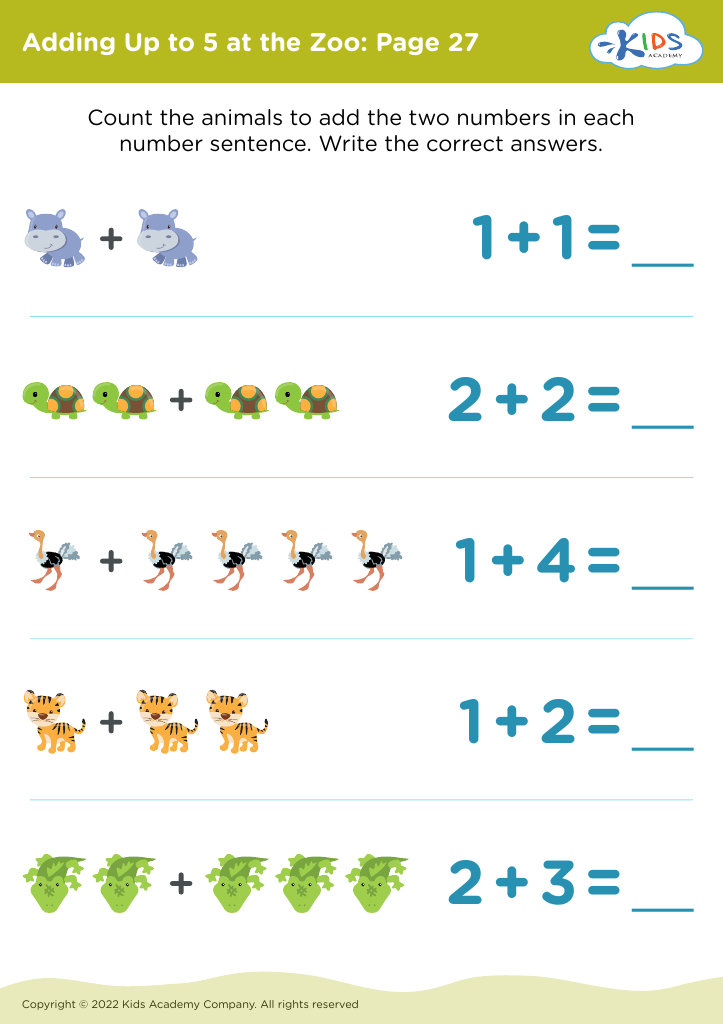
Adding Up to 5 at the Zoo: Page 27
Worksheet
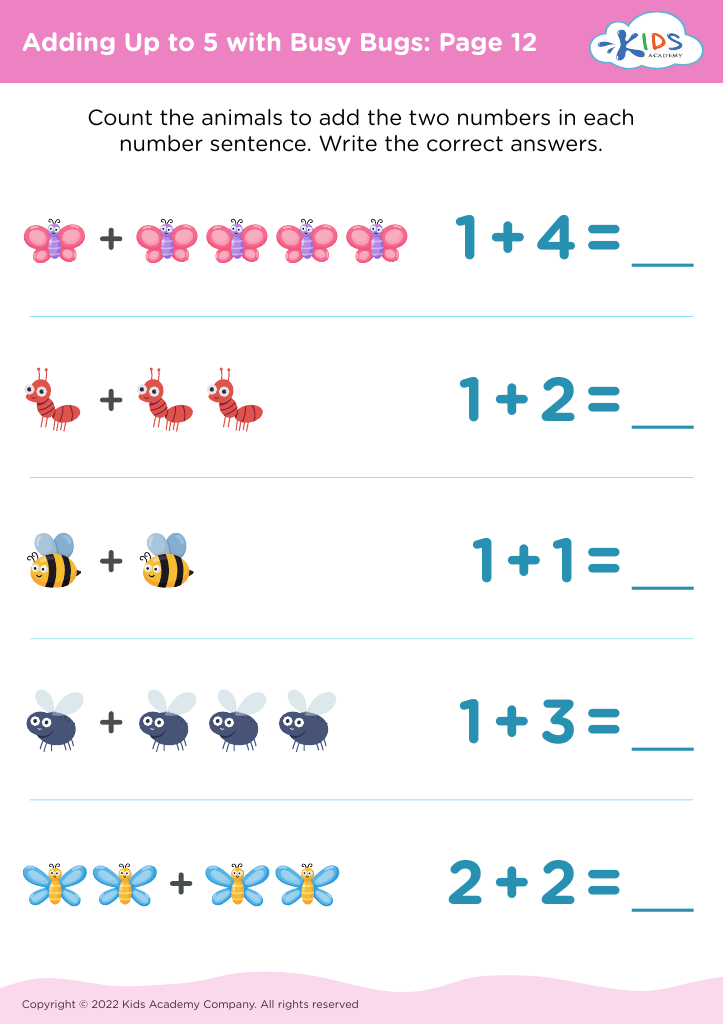
Adding Up to 5 with Busy Bugs: Page 12
Worksheet
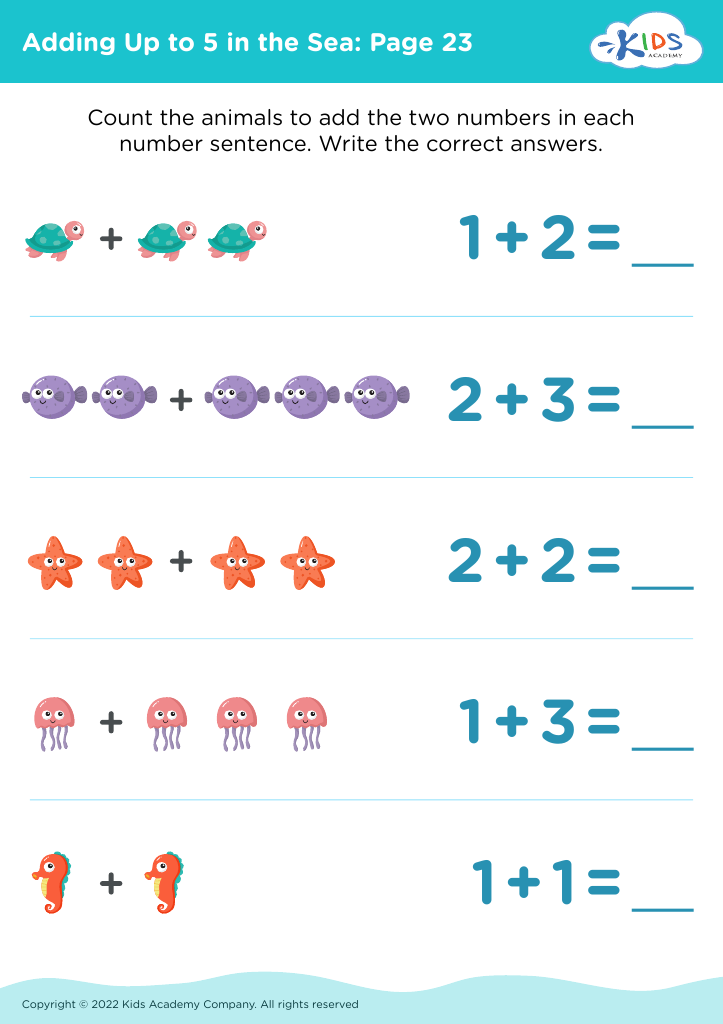
Adding Up to 5 in the Sea: Page 23
Worksheet
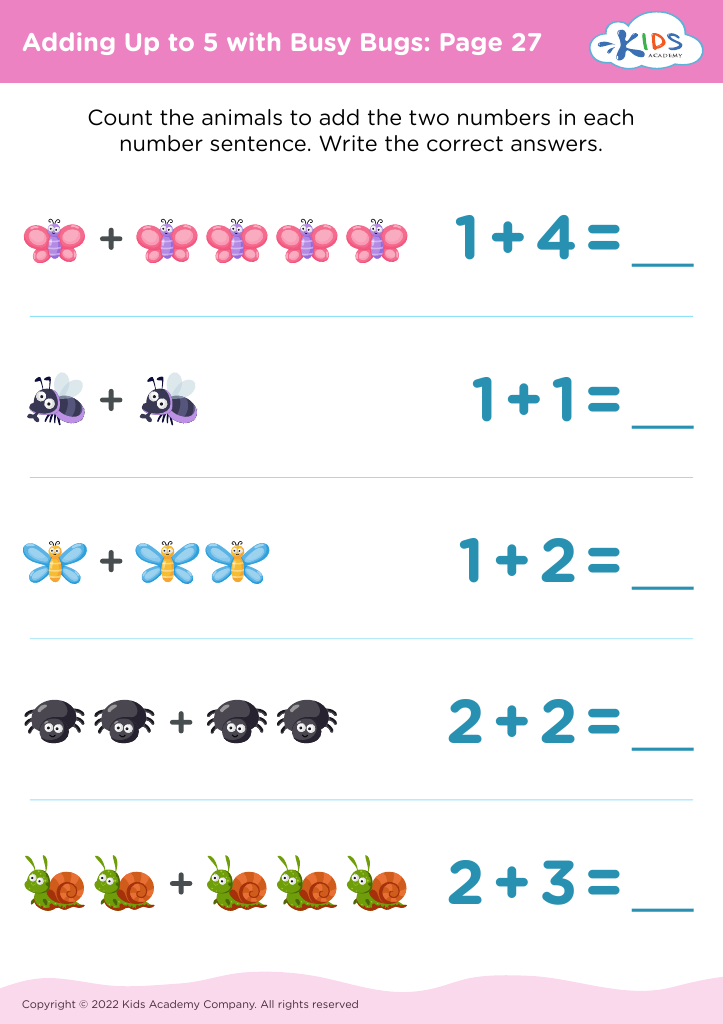
Adding Up to 5 with Busy Bugs: Page 27
Worksheet
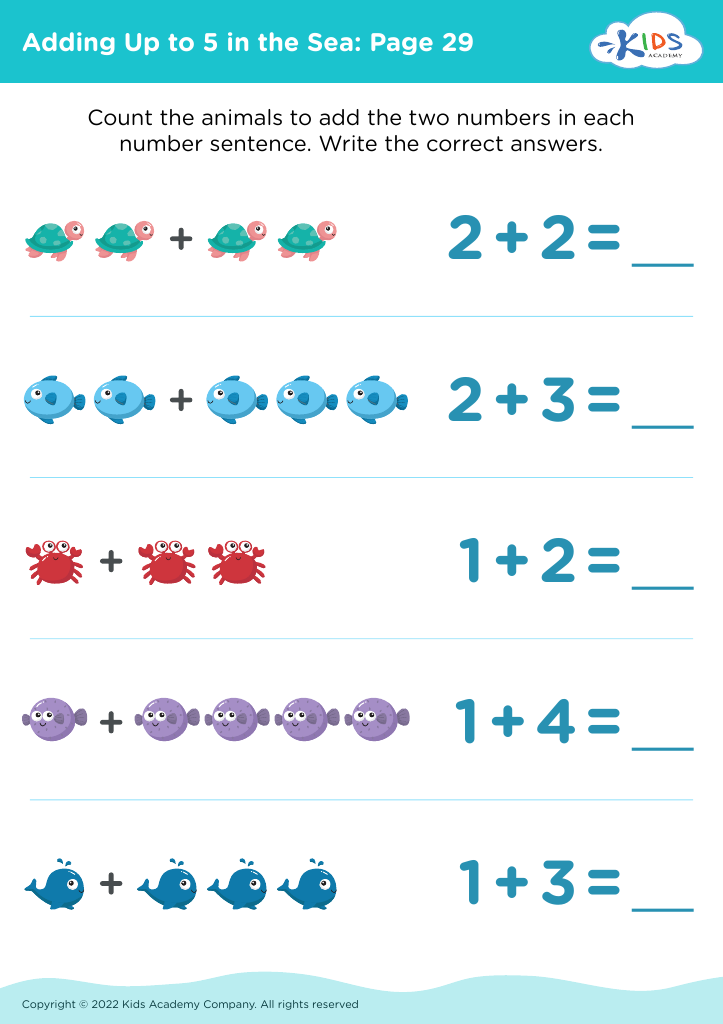
Adding Up to 5 in the Sea: Page 29
Worksheet
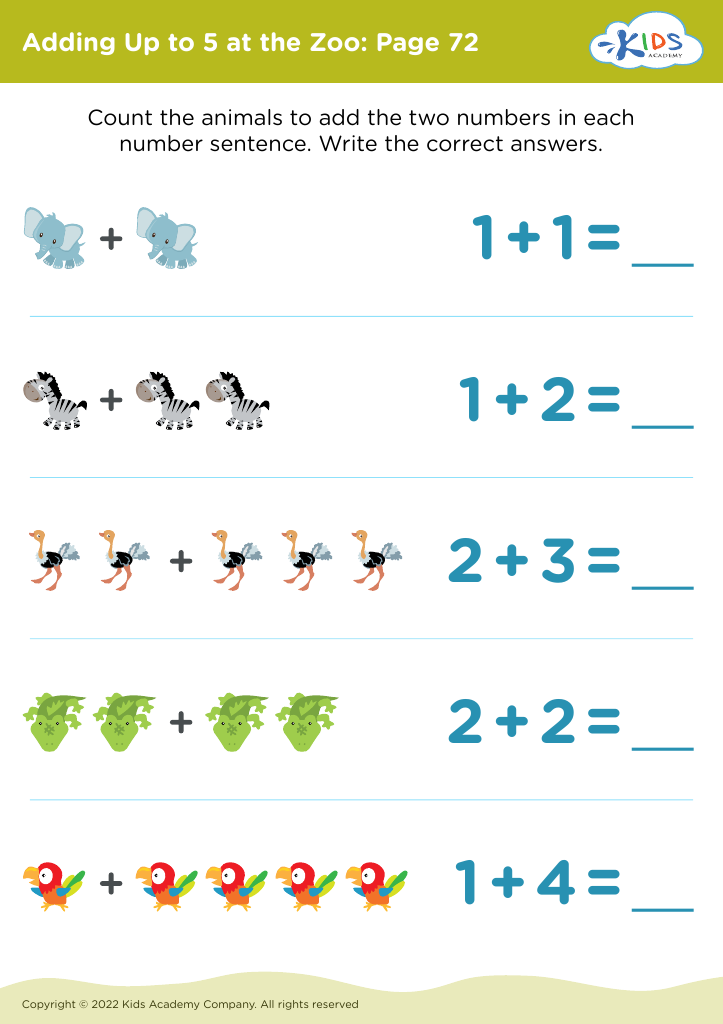
Adding Up to 5 at the Zoo: Page 72
Worksheet
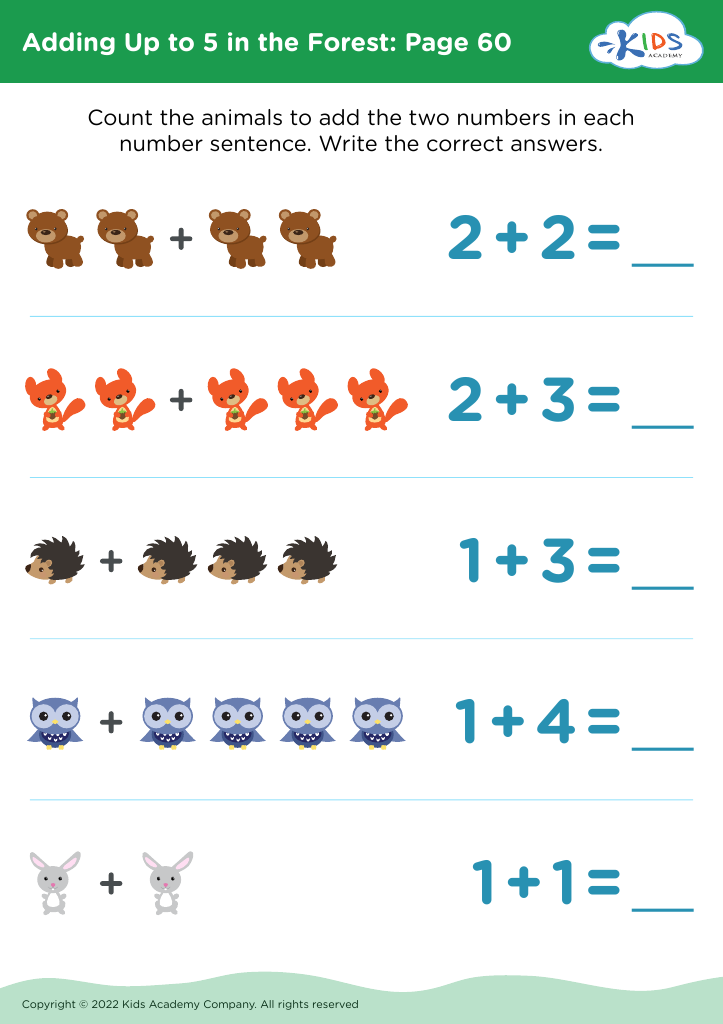
Adding Up to 5 in the Forest: Page 60
Worksheet
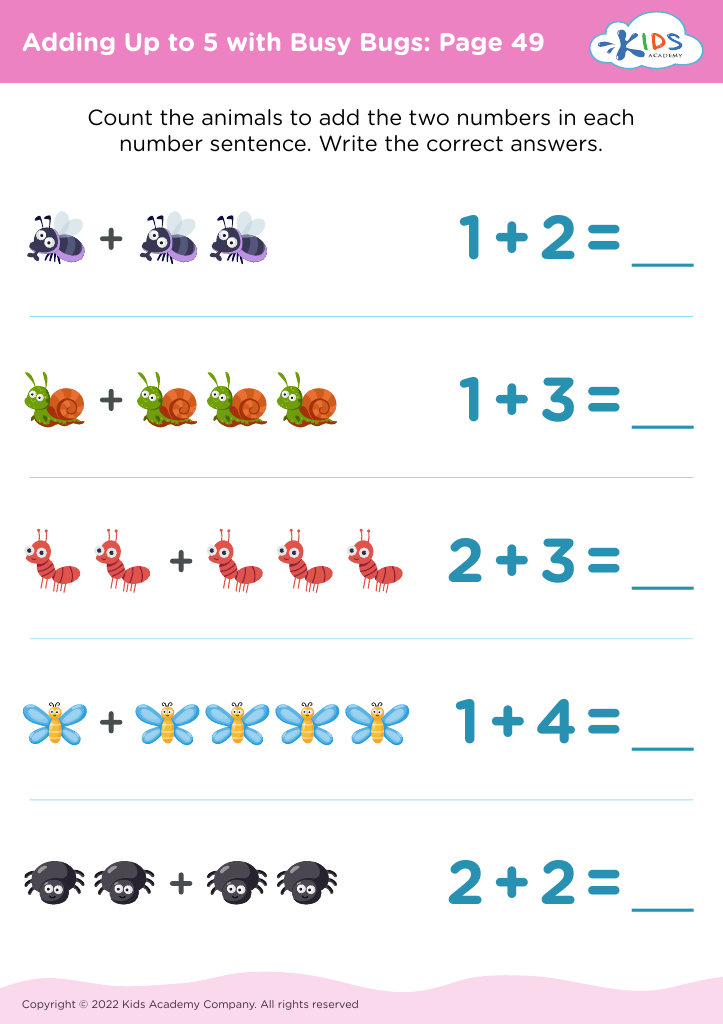
Adding Up to 5 with Busy Bugs: Page 49
Worksheet
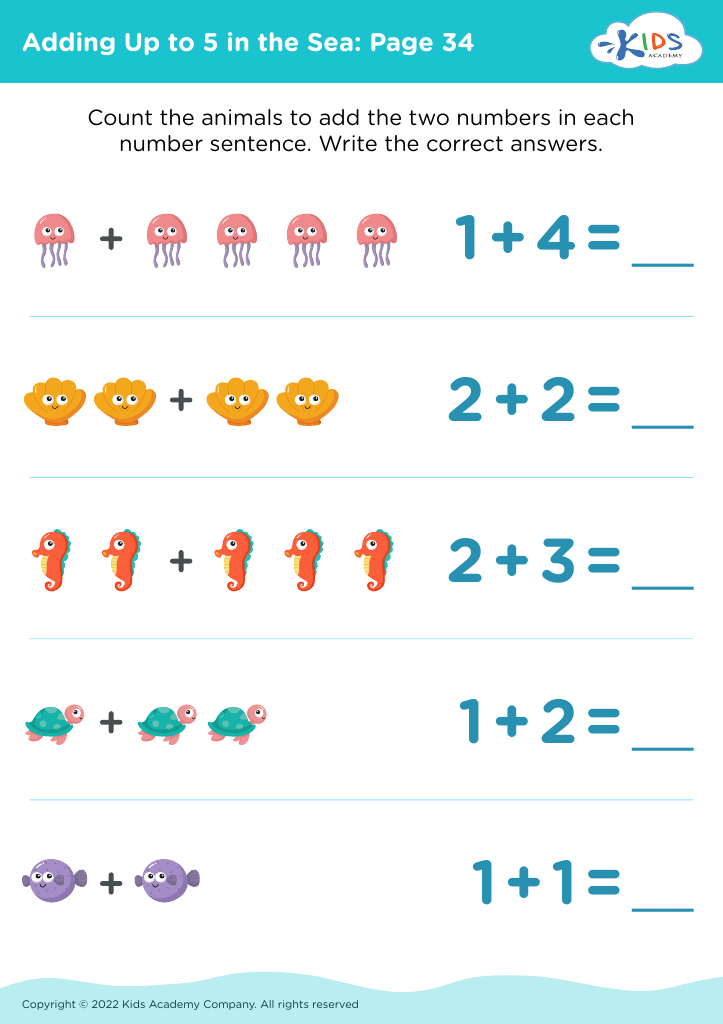
Adding Up to 5 in the Sea: Page 34
Worksheet
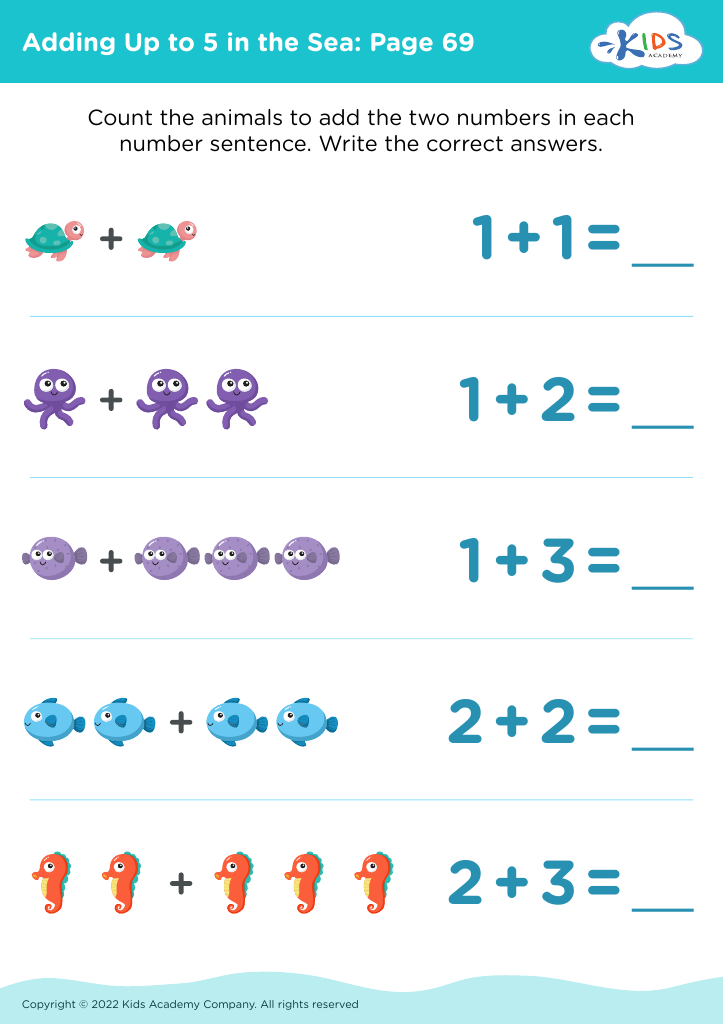
Adding Up to 5 in the Sea: Page 69
Worksheet
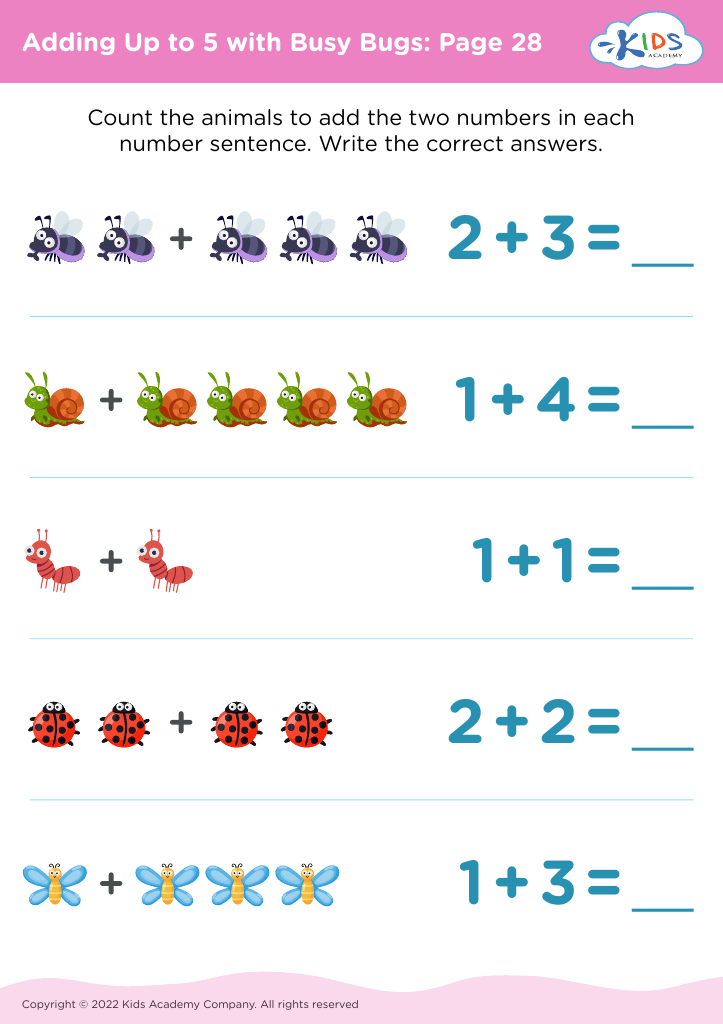
Adding Up to 5 with Busy Bugs: Page 28
Worksheet


Parents and teachers should place great emphasis on cognitive development and addition for ages 3-4 because this stage is crucial for establishing fundamental concepts that form the foundation for later learning. At this young age, children's brains are exceptionally receptive to new information and can easily absorb foundational mathematical concepts through play and hands-on activities.

Developing addition skills in this age group helps to build numerical literacy, fostering an understanding of quantity and number relationships. When children learn to add, they simultaneously practice counting, visualizing numbers, and problem solving. These skills are not just critical for math; they enhance overall cognitive capabilities, including memory, logical reasoning, and attention to detail.

Moreover, early exposure to cognitive development activities and addition encourages a love for learning. When children successfully comprehend and engage with basic math concepts, their confidence and curiosity grow, setting a positive precedent for future educational endeavors. By integrating these activities into the daily routines, parents and teachers provide an engaging, supportive environment that nurtures intellectual growth, emotional resilience, and social skills.

Overall, investing time and effort into developing cognitive skills and foundational math at ages 3-4 equips children with the tools necessary for academic success and a lifelong appreciation for learning.