Counting skills Geometry Worksheets for Ages 3-4
8 filtered results
-
From - To
Introduce your little learners to essential counting skills with our Geometry Worksheets designed specifically for ages 3-4. These engaging activities combine foundational math concepts with fun geometric shapes, helping children strengthen their number recognition and counting abilities. From counting colorful shapes to practicing simple addition and subtraction, our worksheets encourage hands-on learning. Perfect for parents and educators alike, these resources foster early numeracy in a playful environment. Watch your child's confidence grow as they explore the world of geometry through interactive exercises that stimulate both critical thinking and creativity. Start building essential math skills today for a bright future!
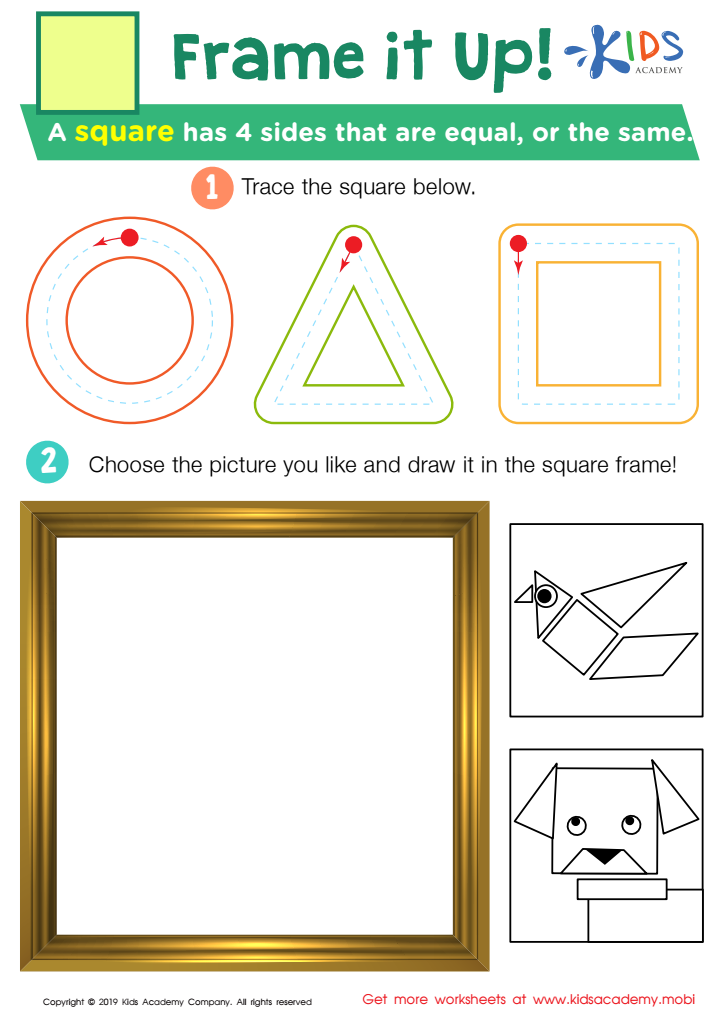
Frame it Up Worksheet
 Assign to My Students











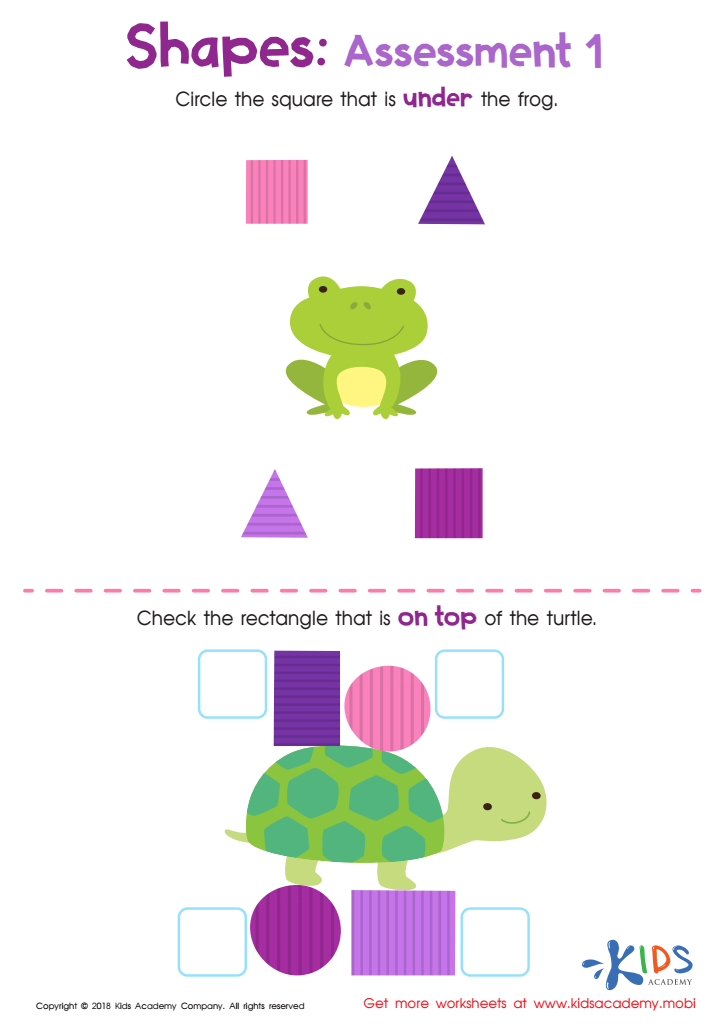
Geometry – Assessment 1 Worksheet
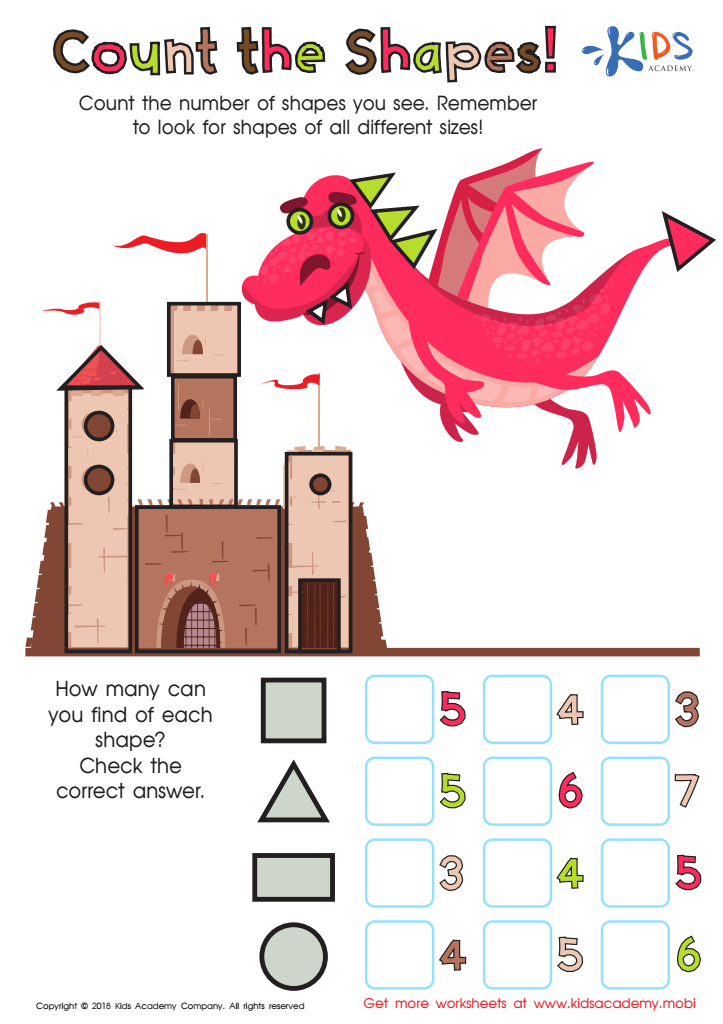
Count the Shapes Worksheet
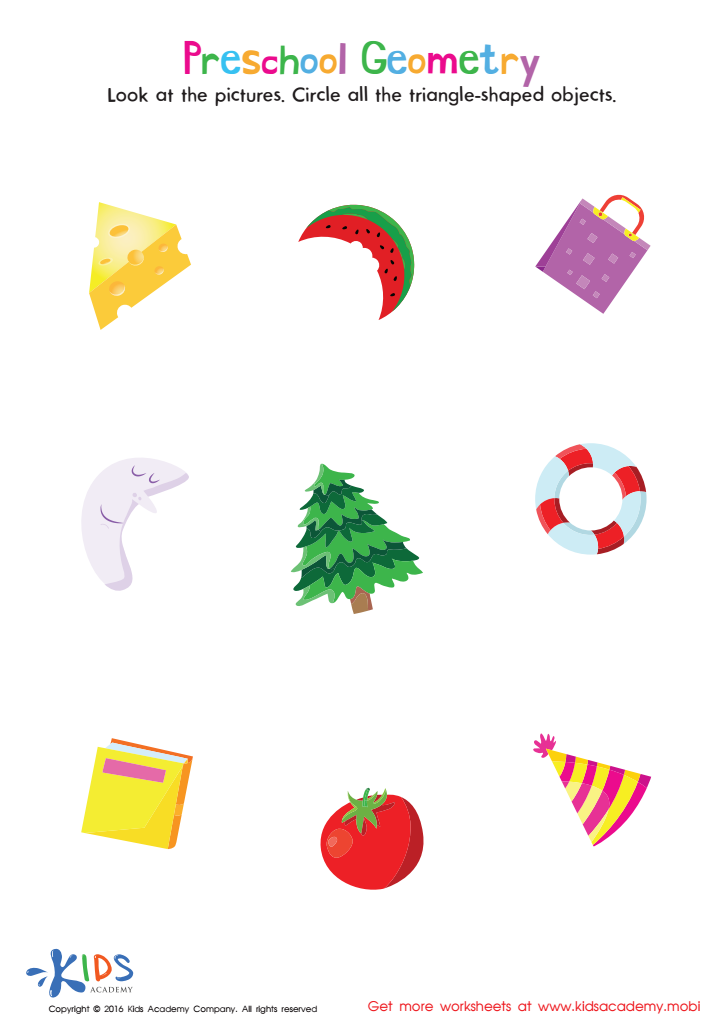
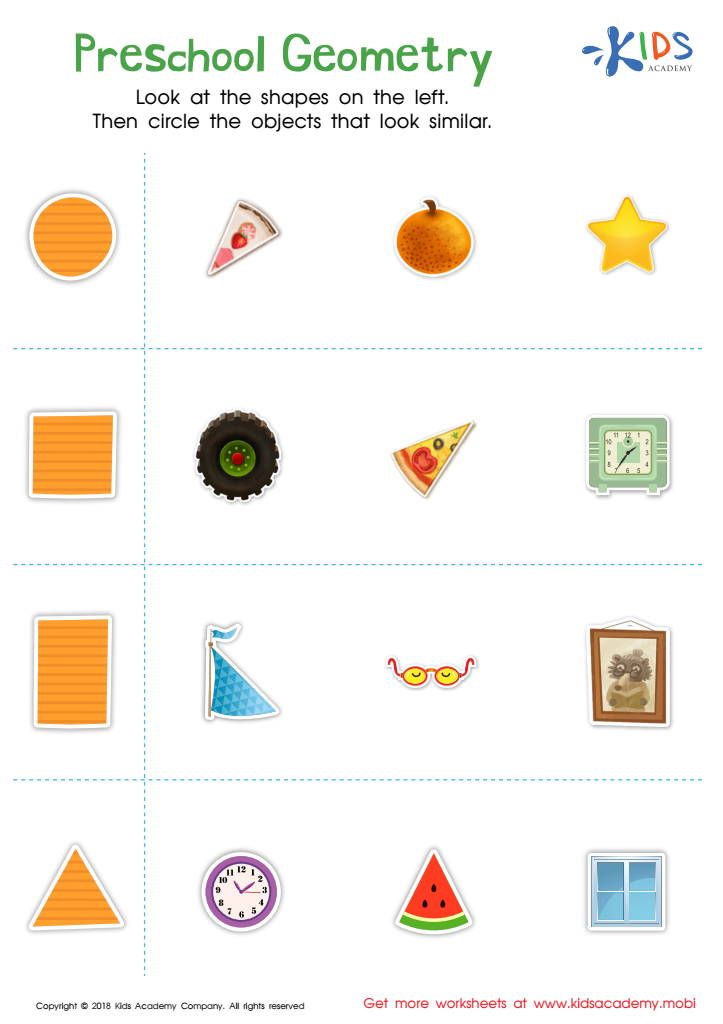
Preschool Geometry Worksheet
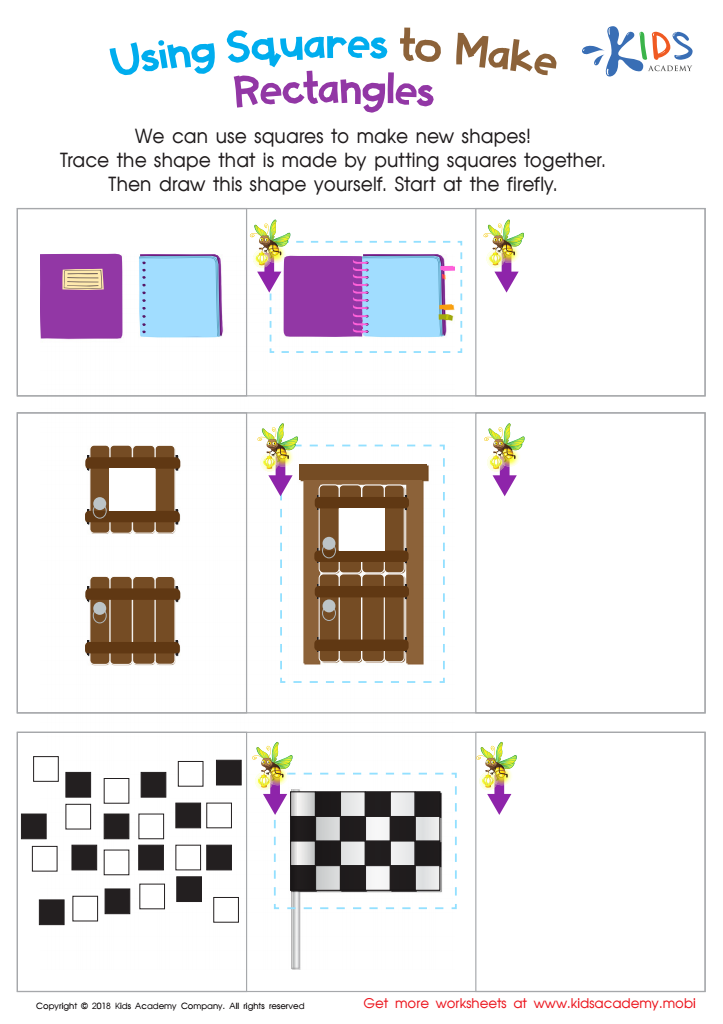
Using Squares to Make Rectangles Worksheet
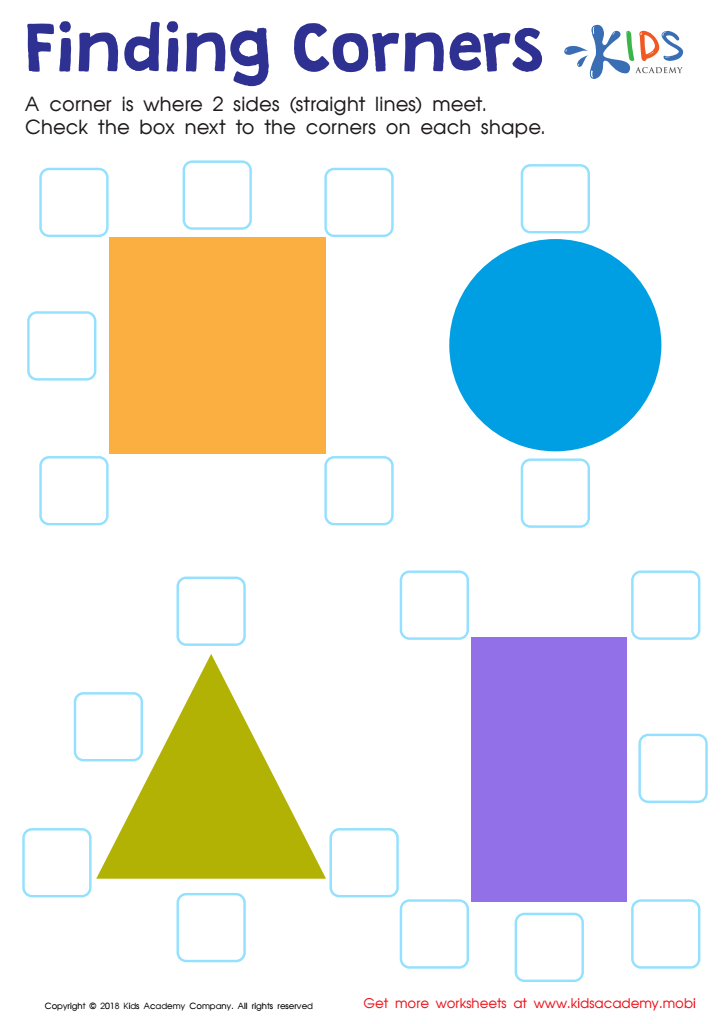
Finding Corners Worksheet
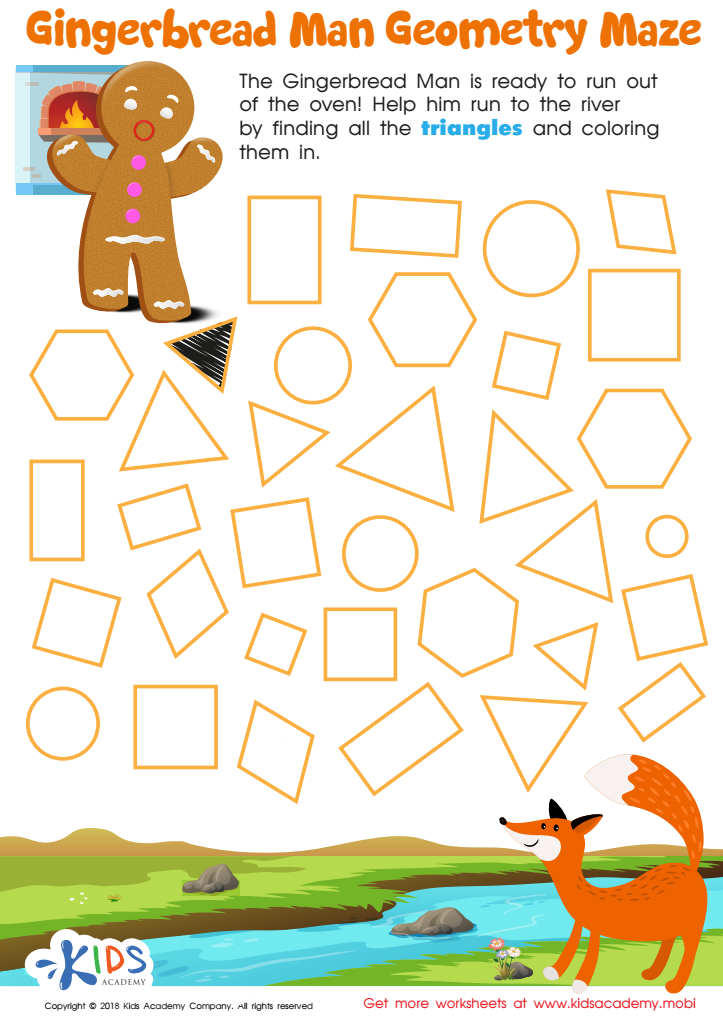
Gingerbread Man Geometry Maze Worksheet








Counting skills and geometry are foundational elements of early childhood education, particularly for children aged 3-4. These skills lay the groundwork for a child’s mathematical understanding, critical thinking, and problem-solving abilities.
Counting helps children develop numeracy skills that are essential for everyday life, such as understanding quantities, comparing sizes, and recognizing patterns. When children engage with counting in playful ways, like counting blocks or toys, they not only learn numbers but also enhance their memory and cognitive skills.
Geometry introduces children to shapes, spatial awareness, and measurement. Awareness of shapes and their attributes aids in developing visual-spatial skills, which are crucial not just in math, but also in subjects like art, science, and engineering. When children recognize and categorize shapes in their environment, they become more observant and detail-oriented.
For parents and teachers, fostering counting and geometry skills in young children nurtures their curiosity and promotes a positive attitude toward mathematics. Early exposure to these competencies helps children approach math with confidence, creating a strong foundation for their future academic journey. Engaging activities that combine counting with geometric concepts can provide meaningful learning experiences, making these skills both enjoyable and beneficial in a child's development.








