Problem-Solving Skills Geometry Worksheets for Ages 3-4
10 filtered results
-
From - To
Boost your child's critical thinking with our "Problem-Solving Skills Geometry Worksheets for Ages 3-4". Designed by educational experts, these engaging worksheets introduce young learners to shapes, spatial relationships, and basic geometric concepts. Each fun-filled activity is crafted to enhance problem-solving abilities, encourage logical reasoning, and build a strong math foundation. Perfect for preschoolers, these printable worksheets transform learning into an exciting adventure. Whether at home or in the classroom, give your child the tools to excel with age-appropriate, hands-on geometry tasks. Empower your little one to think critically and have fun while learning!
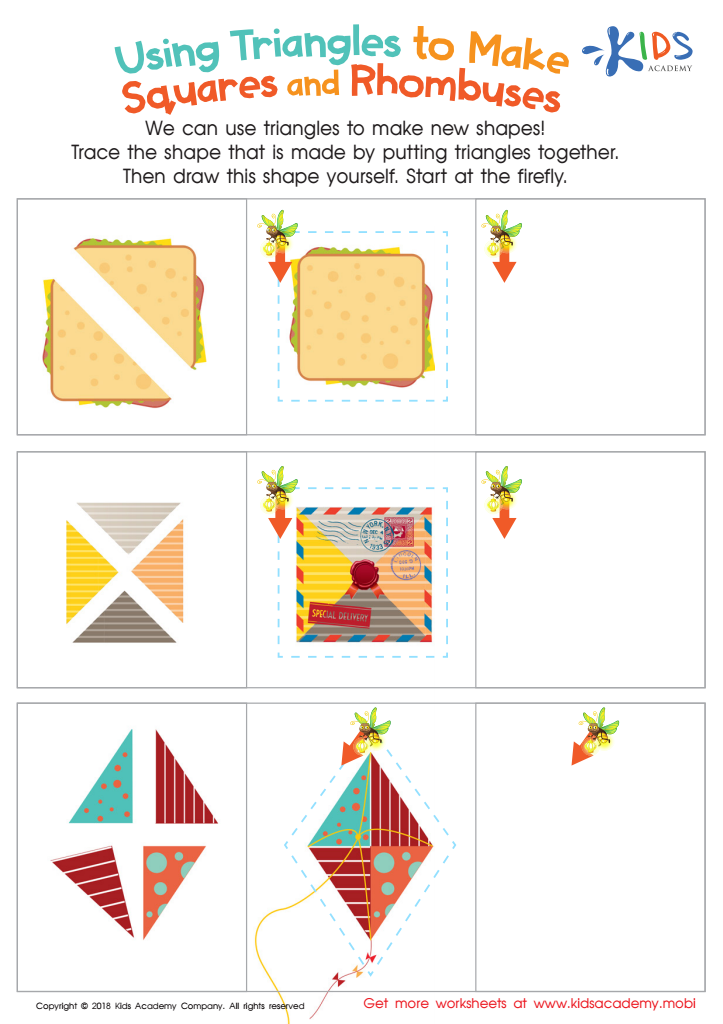
Using Triangles to Make Squares and Rhombuses Worksheet
 Assign to My Students











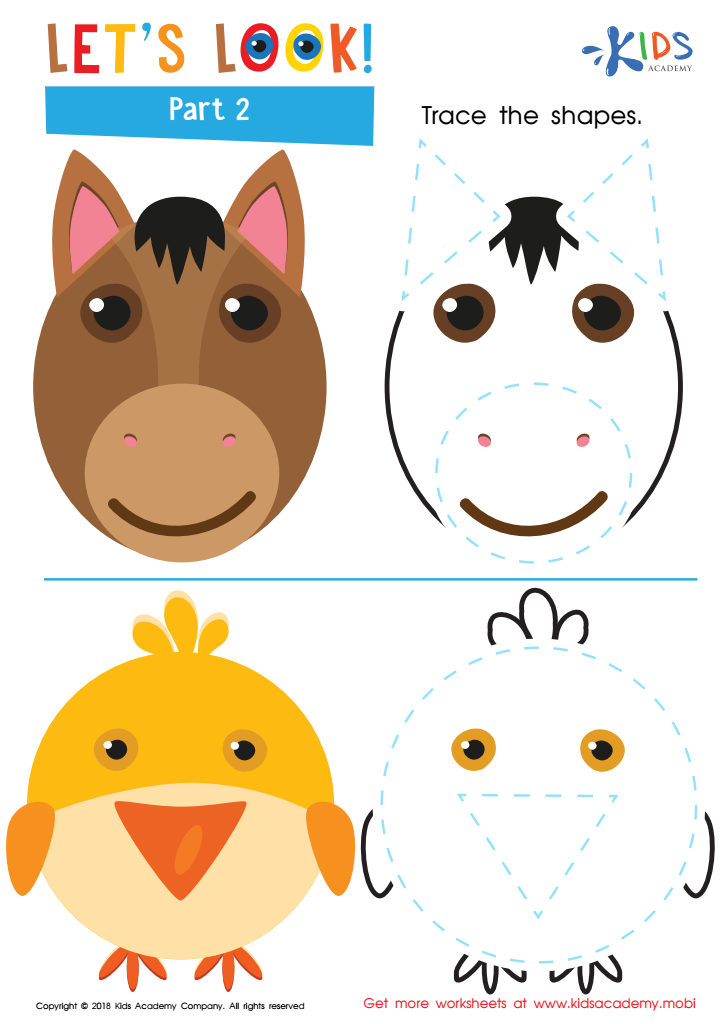
Let's Look! Part 2 Worksheet
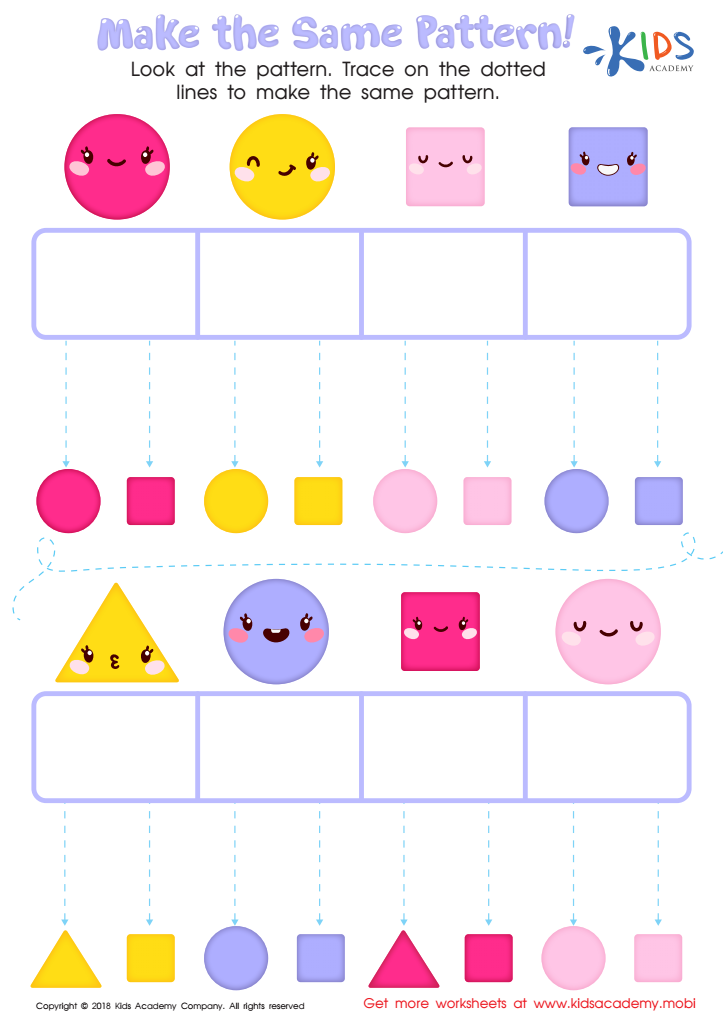
Make the Same Pattern Worksheet
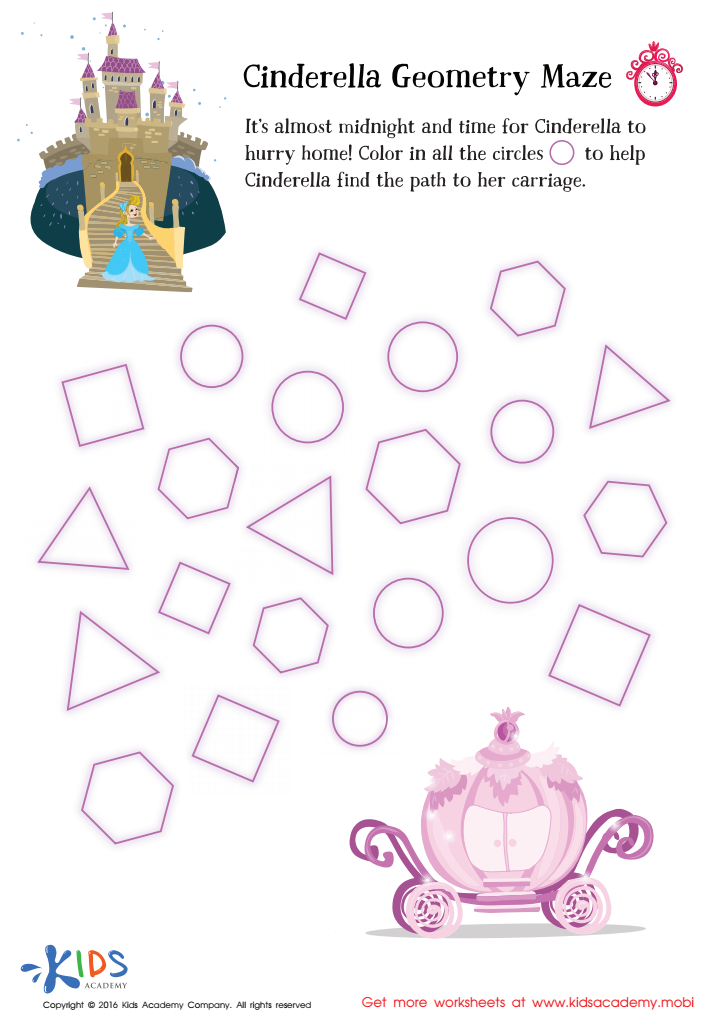
Cinderella Geometry Maze Worksheet
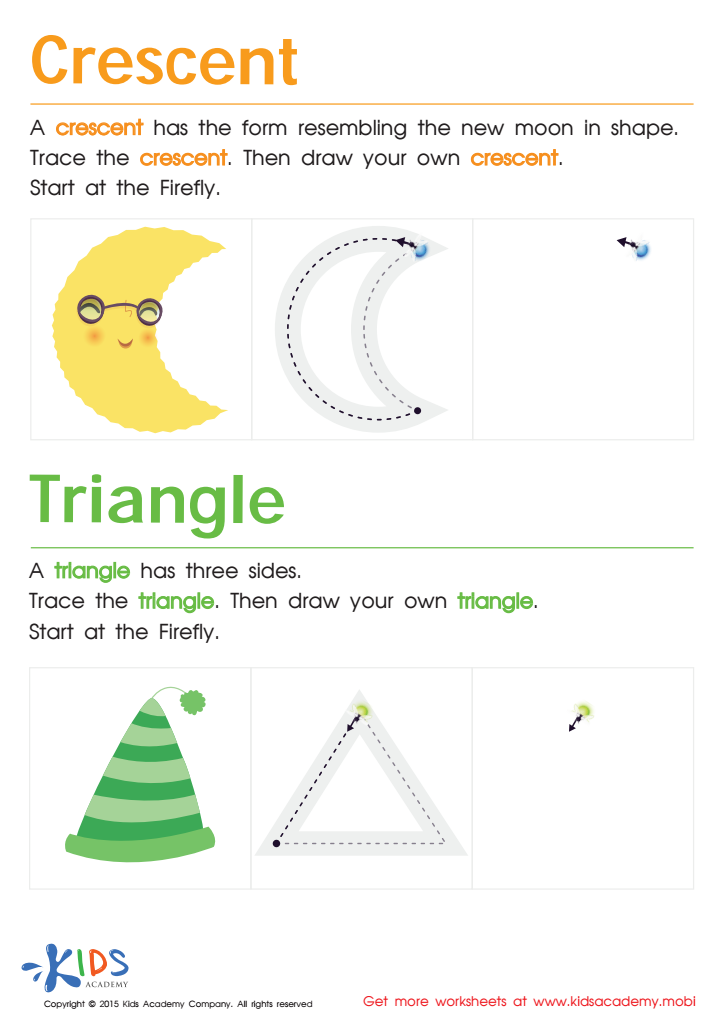
Learning to Draw Crescents And Triangles Worksheet
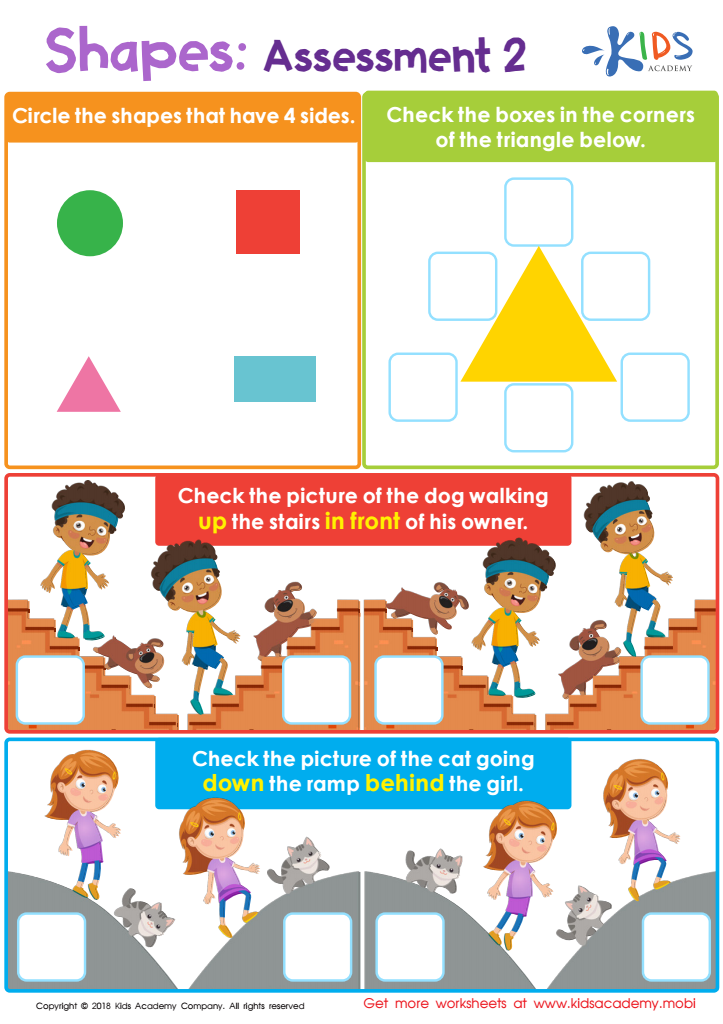
Shapes: Assessment 2 Worksheet
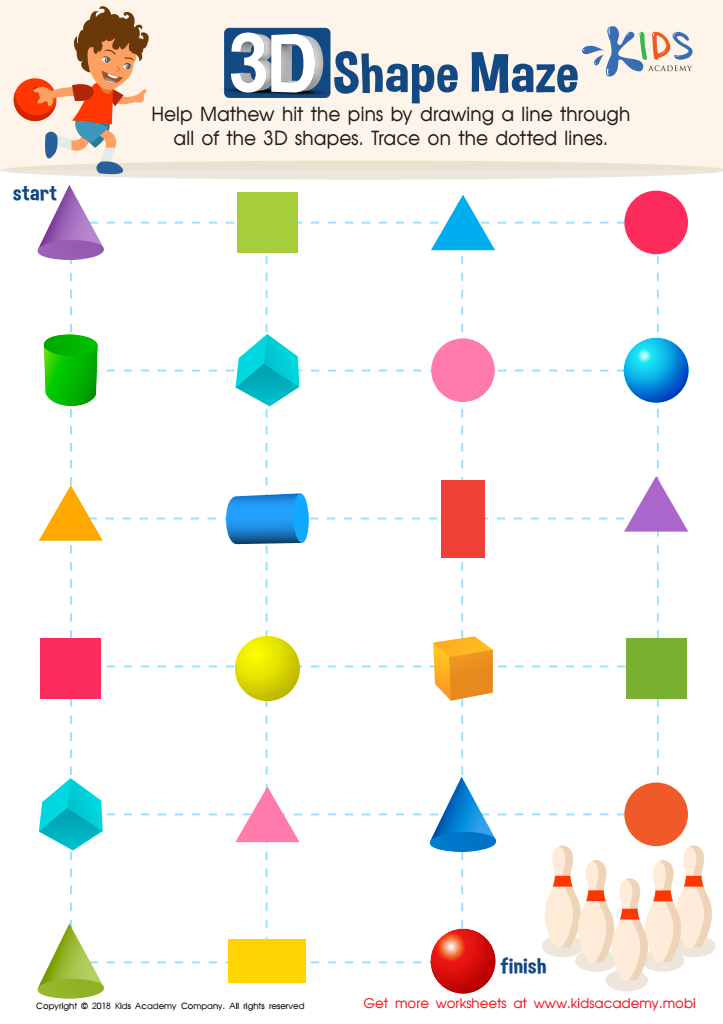
Shapes Maze Geometry Worksheet
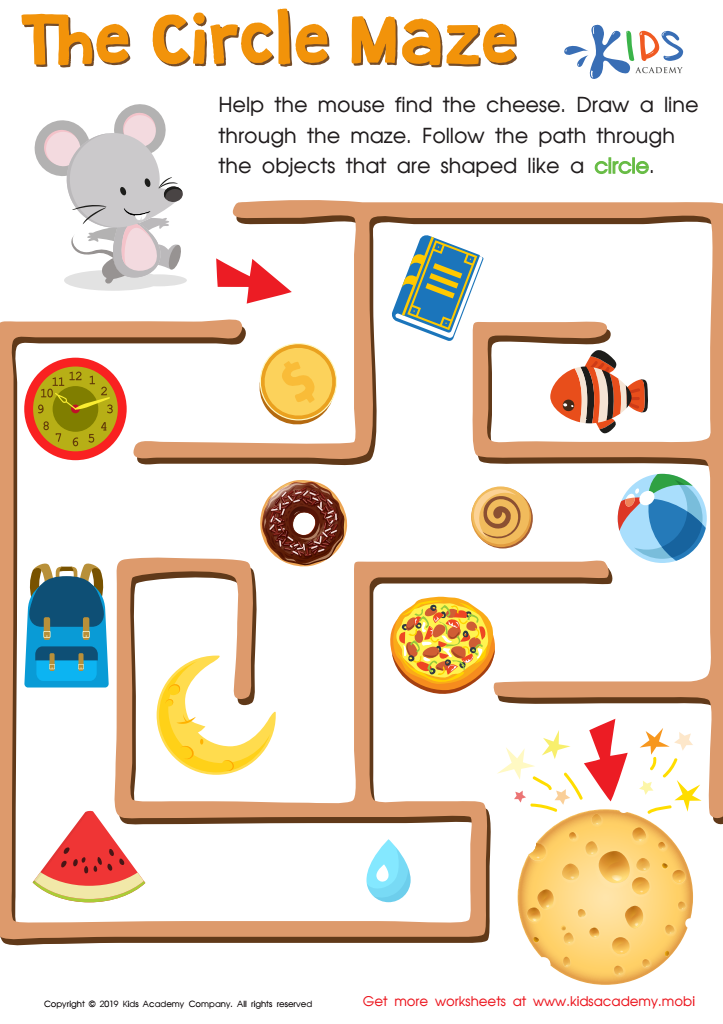
The Circle Maze Worksheet
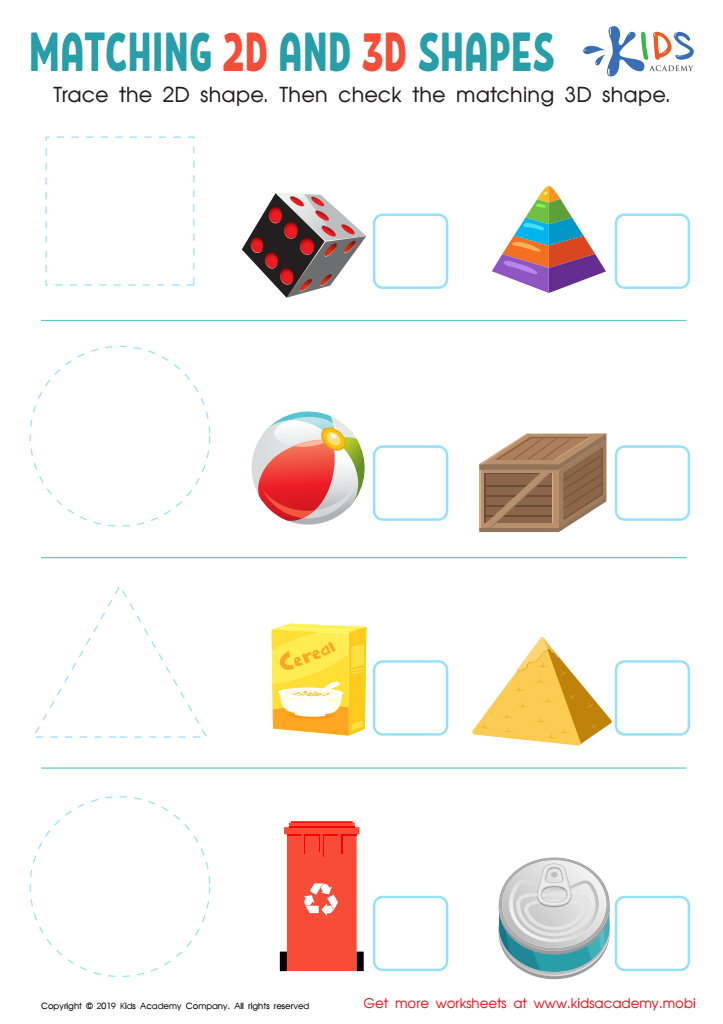
Matching 2D and 3D Shapes Worksheet
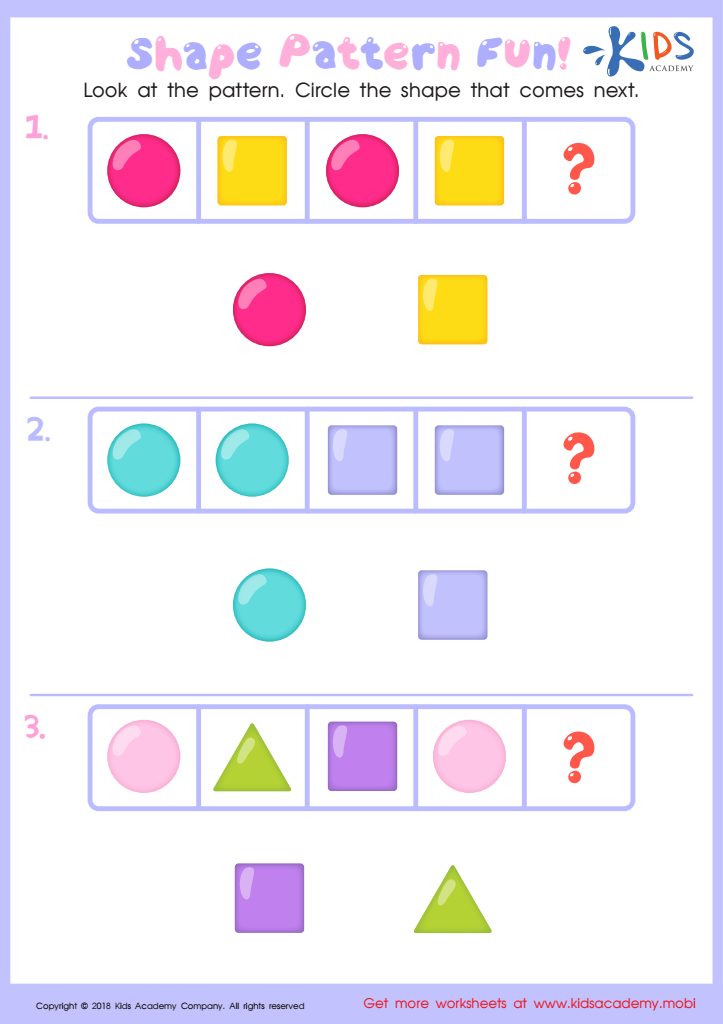
Shape Pattern Fun Worksheet








Parents and teachers should care about nurturing problem-solving skills through geometry for children aged 3-4 as it forms a critical foundation for early cognitive development. At this tender age, young minds are incredibly absorbent and adaptable, making it a prime time to introduce basic geometric concepts and problem-solving techniques that can boost overall intellectual growth.
Geometry teaches children to understand shapes, spatial relationships, and patterns, which are fundamental skills that translate into everyday problem-solving abilities. For instance, when children identify shapes, they start recognizing patterns and symmetries, critical for logical reasoning skills. Even simple puzzles or block-building activities encourage them to think ahead and strategize, thereby enhancing their analytical abilities and fostering creativity.
Moreover, early exposure to geometry can boost spatial awareness, an essential skill not only in mathematics but also in understanding and interacting with the world. It aids in developing fine motor skills and hand-eye coordination as children manipulate different geometric shapes.
Lastly, integrating problem-solving skills in geometry with real-world play scenarios makes learning enjoyable and meaningful. It instills a love for learning and investigation, crucial for sustaining curiosity and motivation in future studies. By focusing on these skills early, parents and teachers set the stage for academic success and critical thinking abilities that children will use throughout their lives.








