Basic Counting Numbers Worksheets for Ages 3-4
3 filtered results
-
From - To
Explore our fun and engaging Basic Counting Numbers Worksheets designed specifically for children ages 3-4! These worksheets provide young learners with a solid foundation in counting, emphasizing number recognition and one-to-one correspondence through colorful illustrations and interactive activities. Our kid-friendly exercises encourage preschoolers to practice counting simple objects, identify numbers, and enhance their fine motor skills. Perfect for parents and educators alike, these worksheets make math enjoyable and accessible. Foster your child's early mathematical skills and boost their confidence with our thoughtfully crafted resources, laying the groundwork for future learning success. Download for free and watch your little ones thrive!
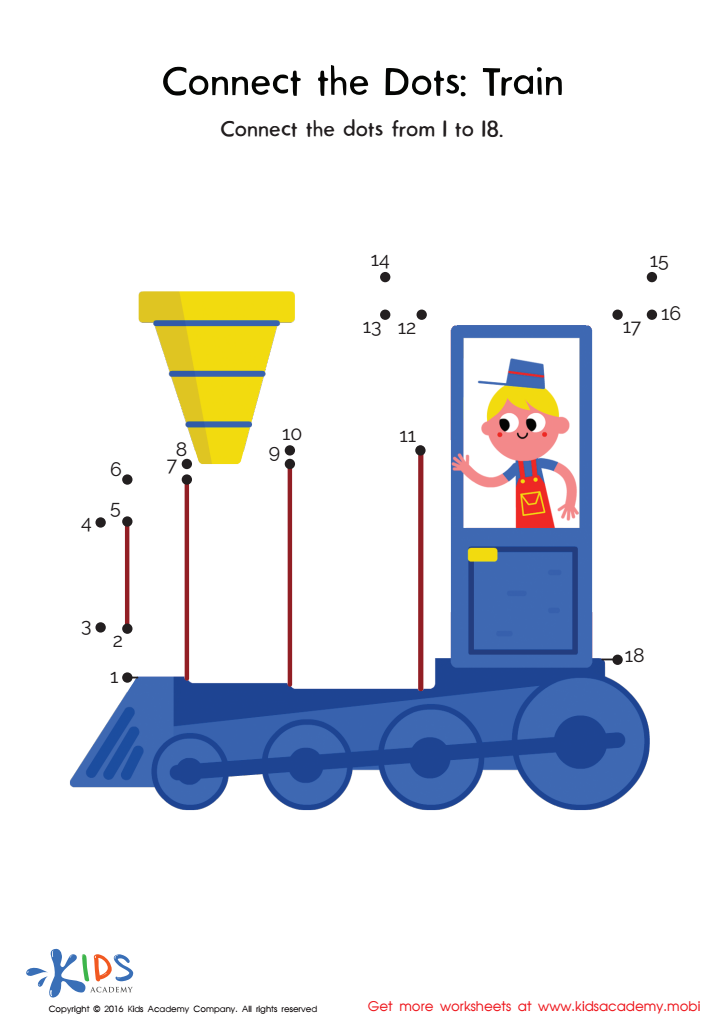
 Assign to My Students
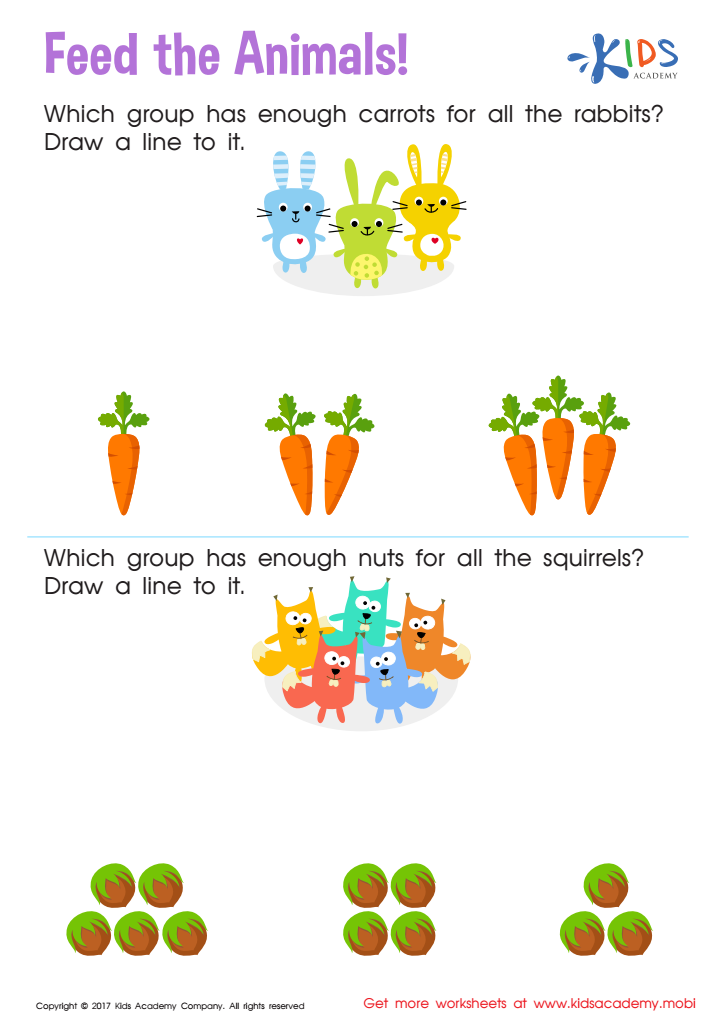
Count and Match: Feed the Animals Worksheet
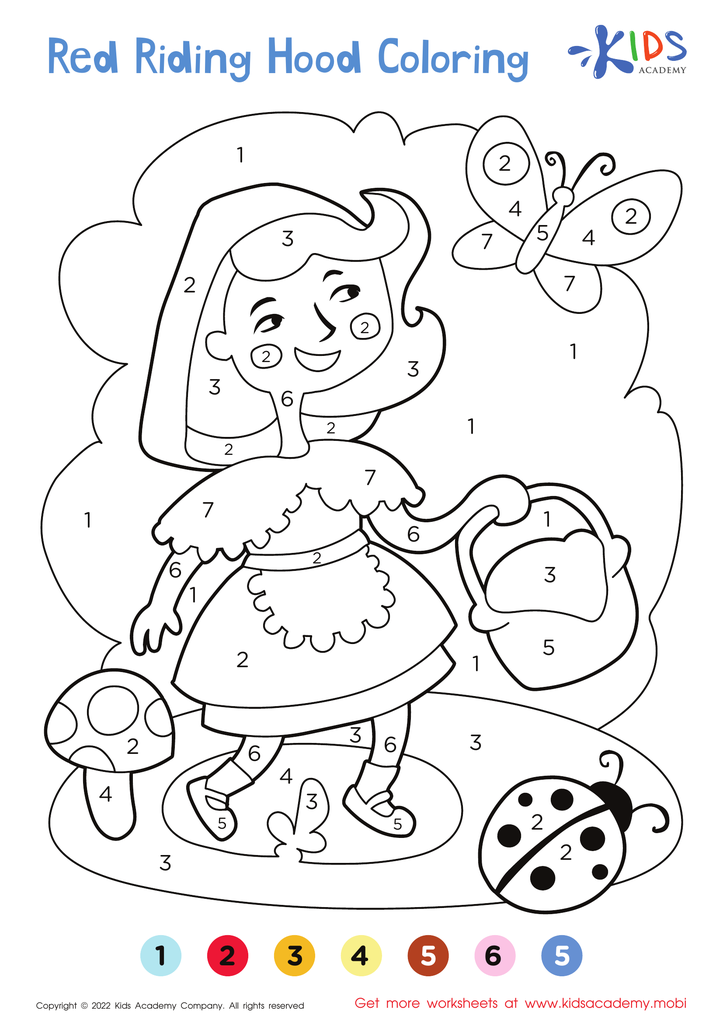
Little Red Riding Hood – Coloring by Numbers





%20(1).jpg)

Basic counting numbers serve as the building blocks for a child's mathematical understanding and play a crucial role in their cognitive development. For children aged 3-4, developing counting skills fosters a sense of number awareness and prepares them for more advanced mathematical concepts later on. Parents and teachers should care about this foundational learning for several reasons.
Firstly, counting helps children develop their fine motor skills and fosters concentration and focus as they engage with counting activities. It also encourages problem-solving and critical thinking, as they learn to compare quantities and understand the concept of "more" and "less."
Moreover, basic counting provides children with the language of mathematics, helping them to communicate about quantities, which is vital for everyday interactions. Incorporating counting into daily routines, such as counting steps while walking or snacks at snack time, reinforces learning in a practical context.
Furthermore, counting enhances children's confidence in their abilities, setting a positive attitude towards learning math, which can influence their later performance in school. Engaging in counting activities cultivates a supportive and enriching environment, sending the message that learning is both valuable and enjoyable. Thus, nurturing counting skills at this age lays a strong foundation for lifelong learning.








