Problem Solving Numbers Worksheets for Ages 3-4
3 filtered results
-
From - To
Discover our engaging Problem Solving Numbers Worksheets designed for children aged 3-4! These fun and interactive resources help young learners develop essential math skills while fostering critical thinking and problem-solving abilities. Each worksheet features colorful visuals and age-appropriate tasks that encourage kids to explore numbers, understand basic concepts, and apply their knowledge in real-world scenarios. Perfect for home or classroom use, our worksheets support early childhood education by making learning enjoyable and effective. Whether it's counting, comparing, or simple addition and subtraction, these resources lay the foundation for a lifetime of mathematical success. Explore our collection and inspire young minds today!
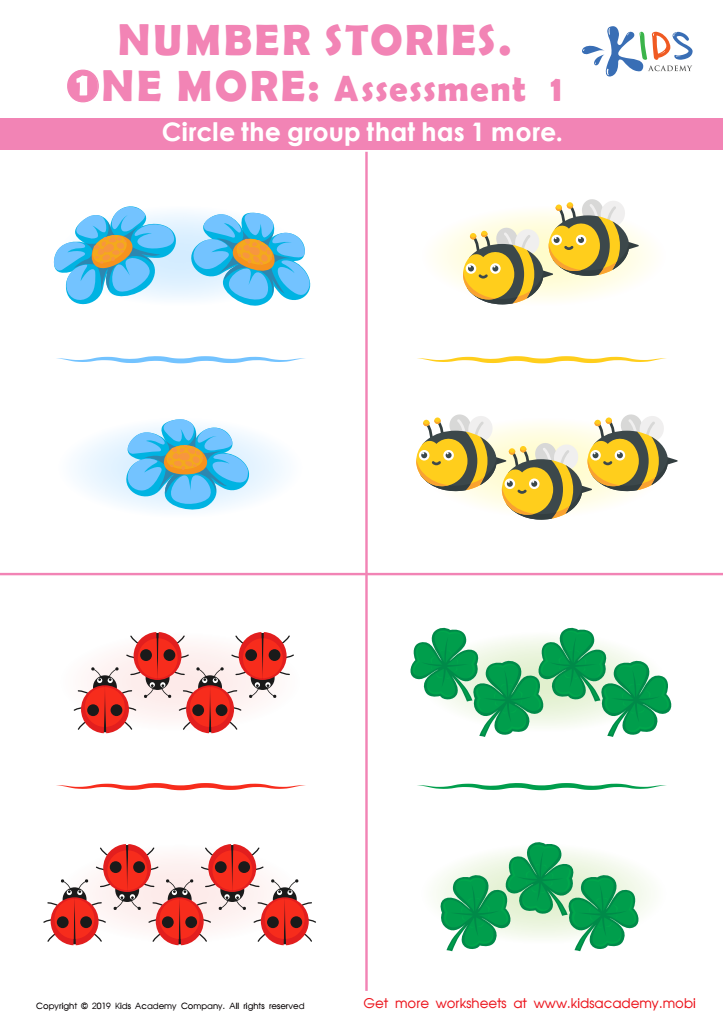
Number Stories One More – Assessment 1 Worksheet
 Assign to My Students
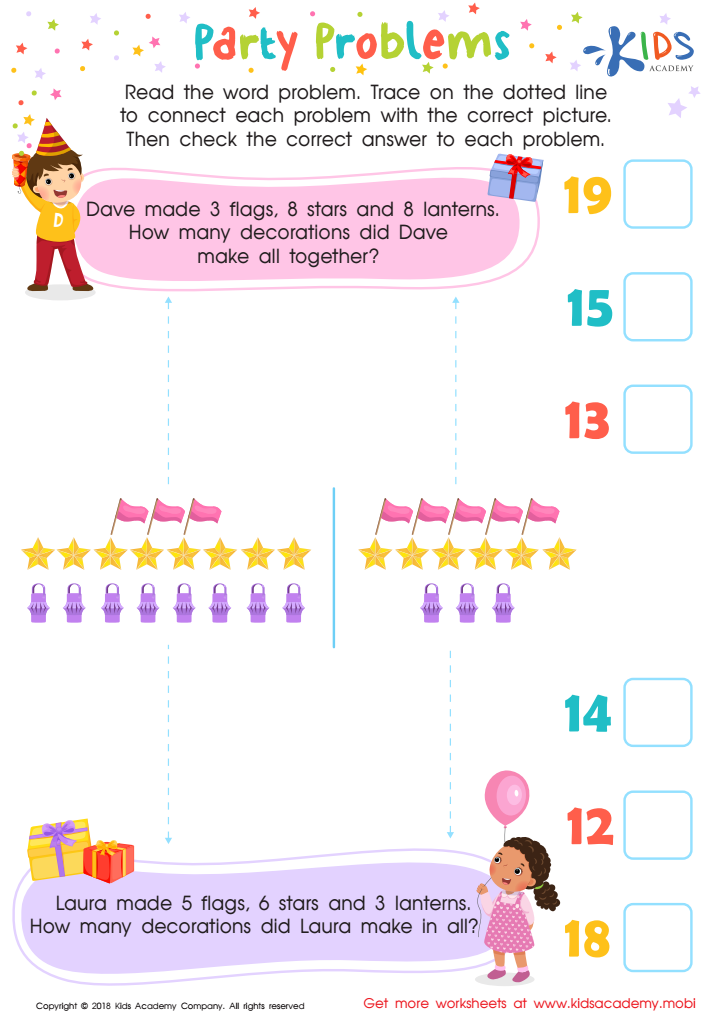
Party Problems Worksheet
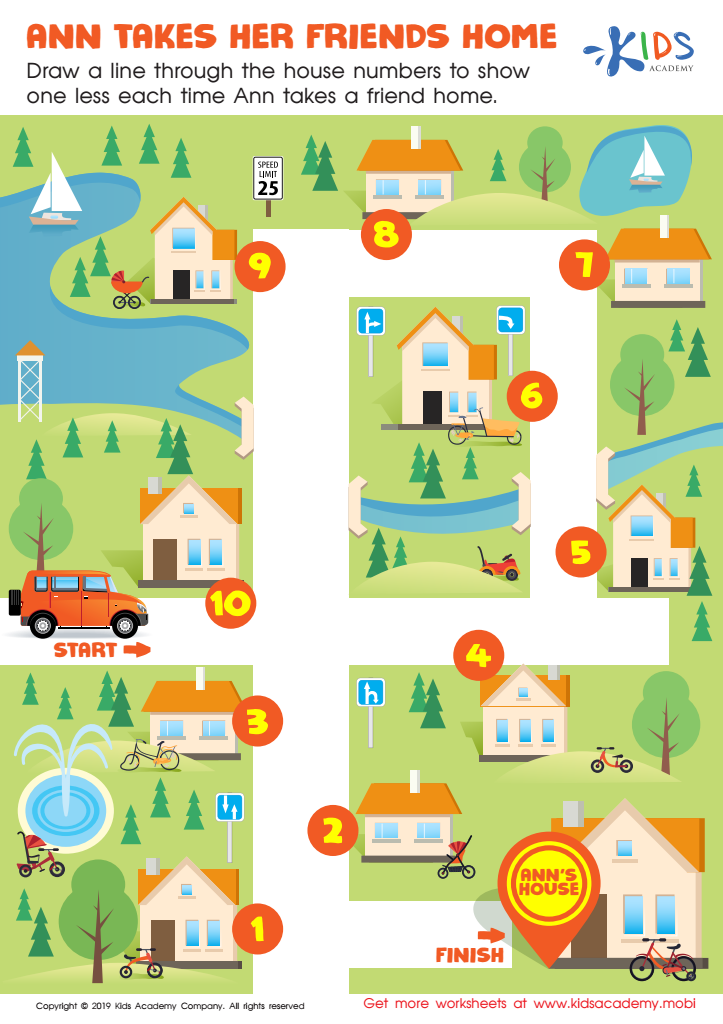
Ann Takes her Friends Home Worksheet








Problem-solving skills are crucial for the cognitive and emotional development of young children aged 3-4. Parents and teachers should care about this aspect of learning because early engagement in problem-solving lays the foundation for critical thinking and reasoning skills essential for later academic success. At this age, children are naturally curious and eager to explore, making it an ideal time for them to encounter challenges that stimulate their minds.
Engaging children in problem-solving activities encourages them to think creatively, communicate their thoughts, and work collaboratively with peers. These experiences not only enhance cognitive abilities but also foster emotional resilience, as children learn to navigate obstacles and understand the value of persistence.
Moreover, incorporating problem-solving into everyday activities helps develop basic math skills, such as counting, sorting, and understanding patterns. Activities like puzzles, shape sorting, or simple reasoning games promote these skills in fun and interactive ways.
In essence, by nurturing problem-solving abilities, parents and teachers empower children to become independent thinkers, equipped to tackle challenges throughout their lives. They foster a love for learning, ensure readiness for future academic endeavors, and ultimately support holistic development in early childhood.








