Addition Practice Math Worksheets for Ages 3-4 - Page 2
102 filtered results
-
From - To
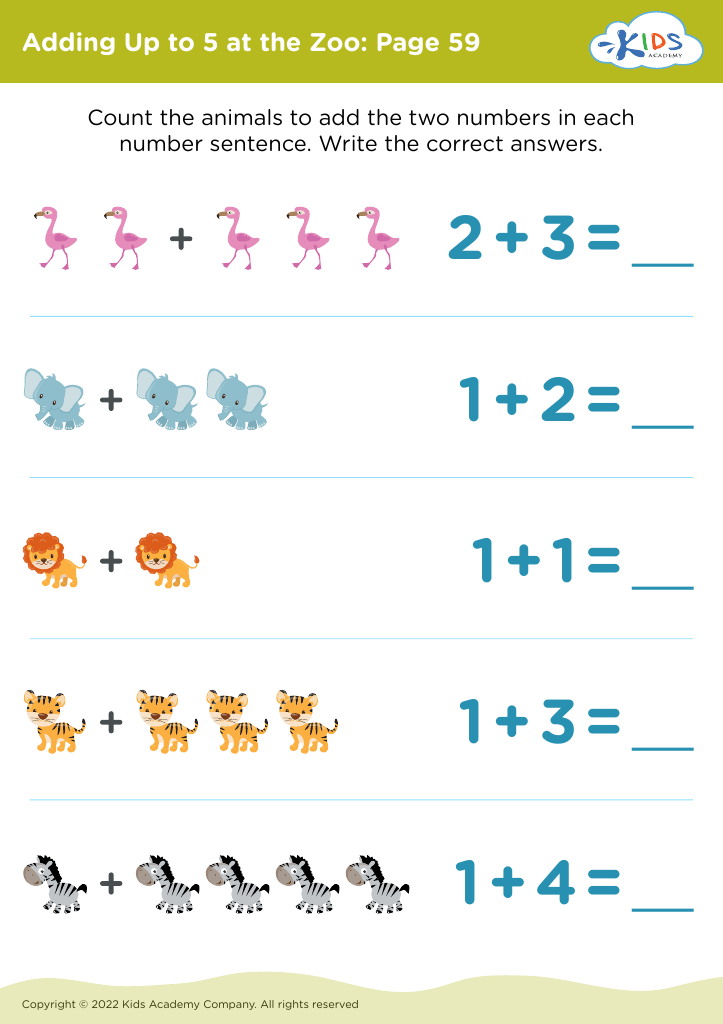
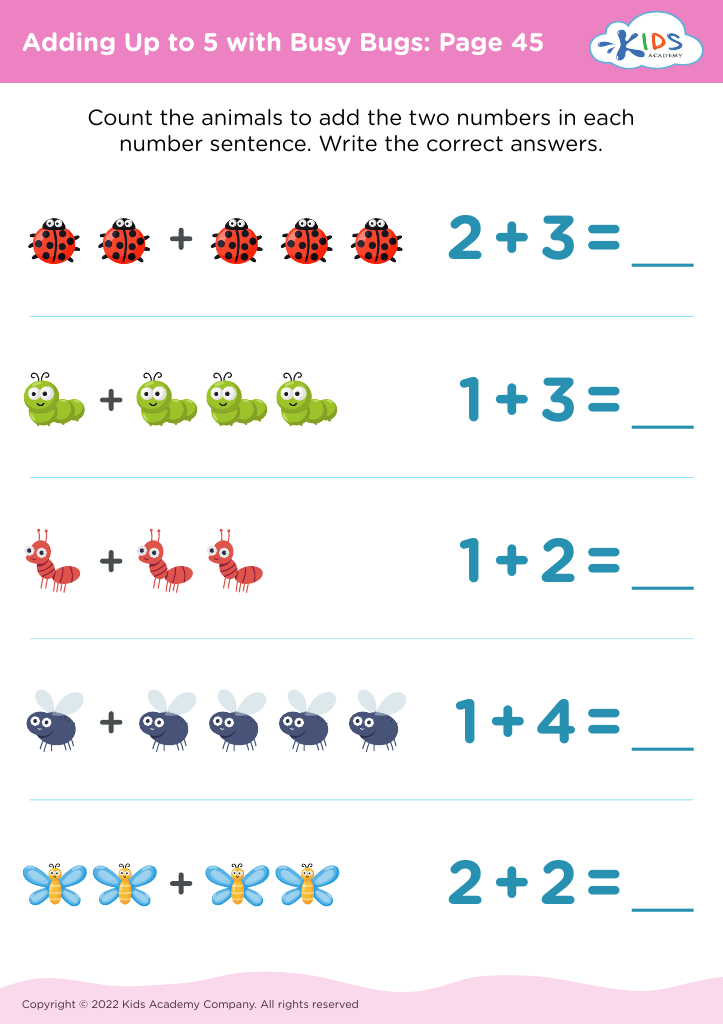
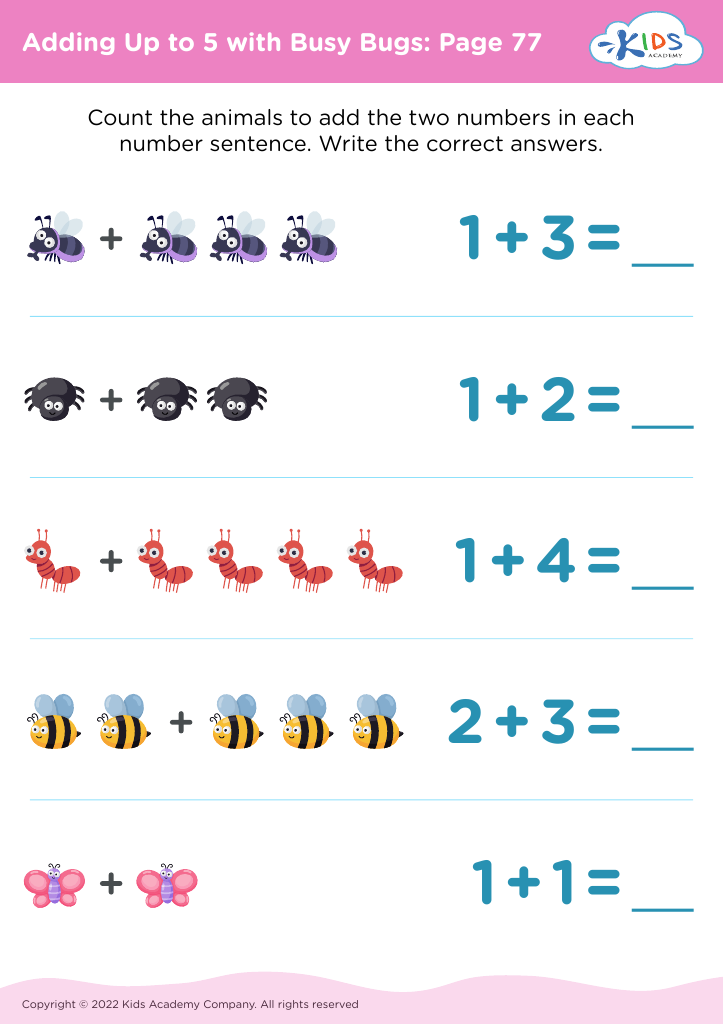
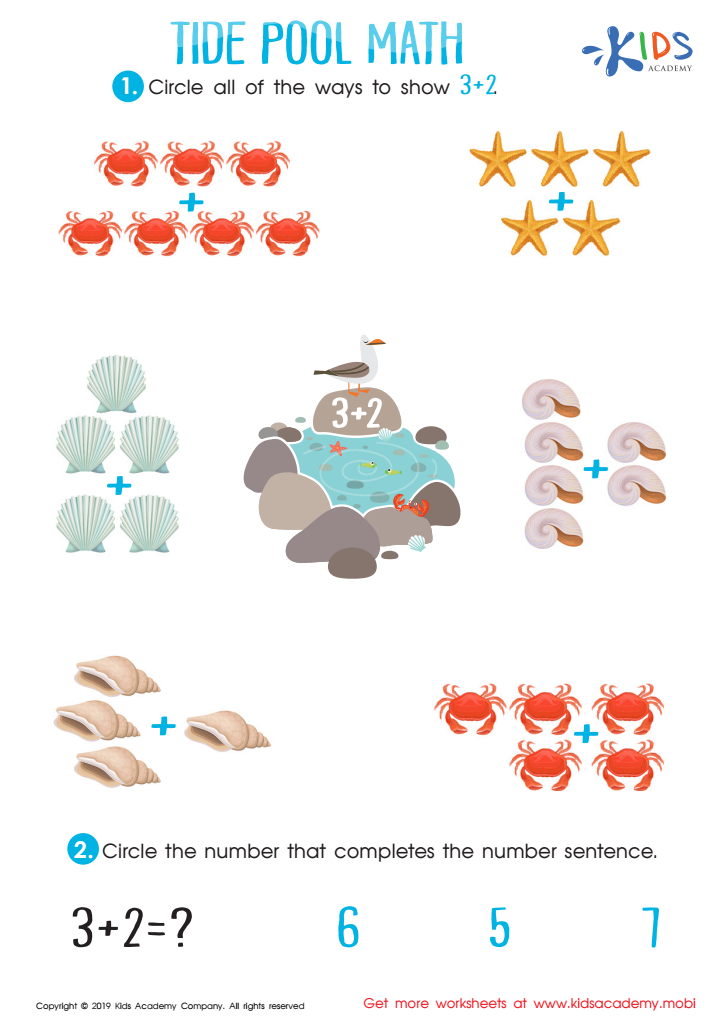
Tide Pool Math Worksheet
 Assign to My Students
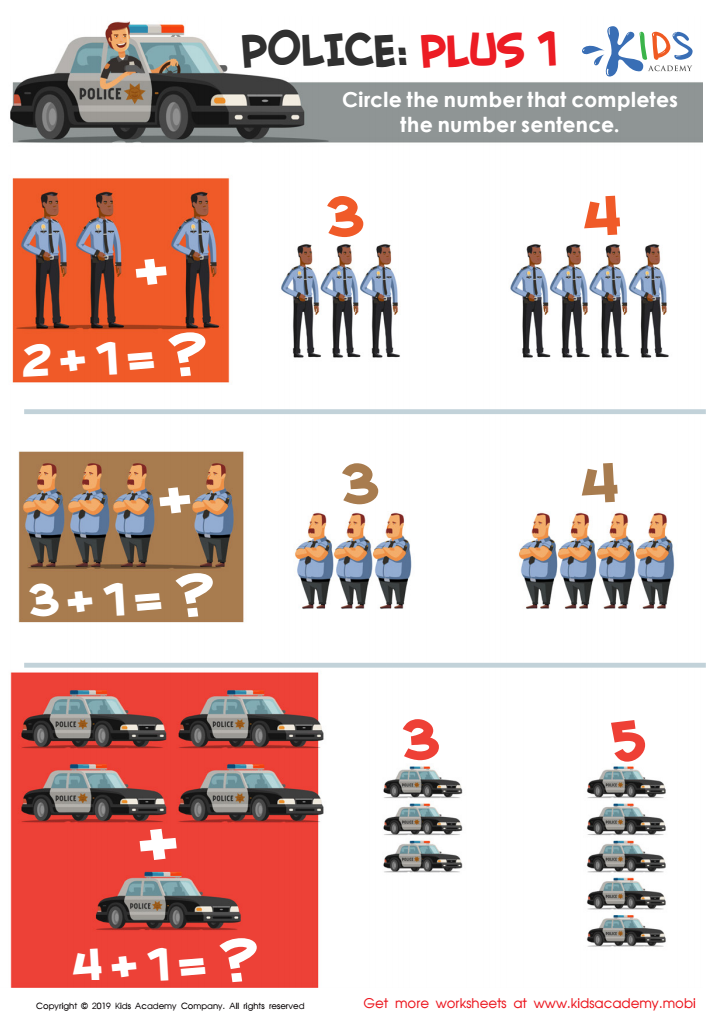
Police: Plus 1 Worksheet
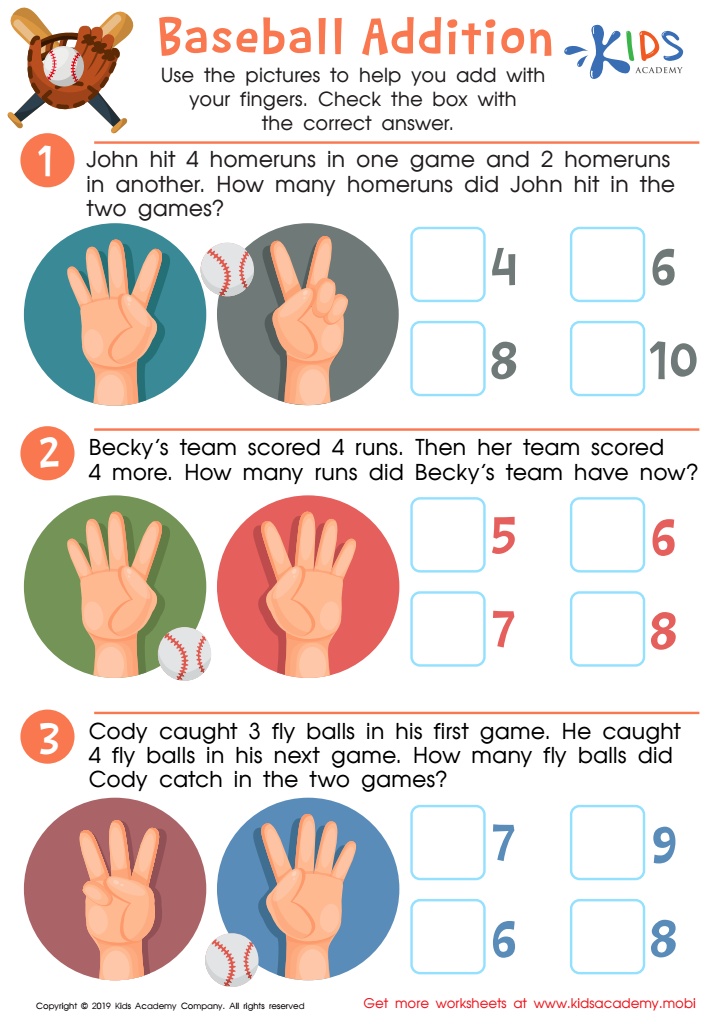
Baseball Addition Worksheet
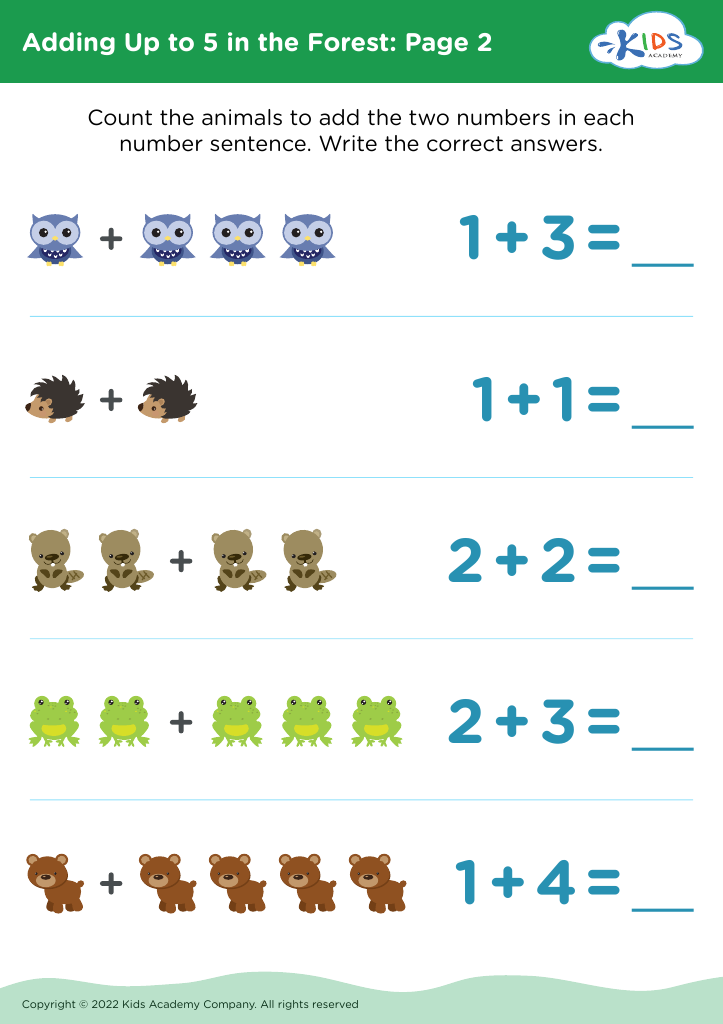
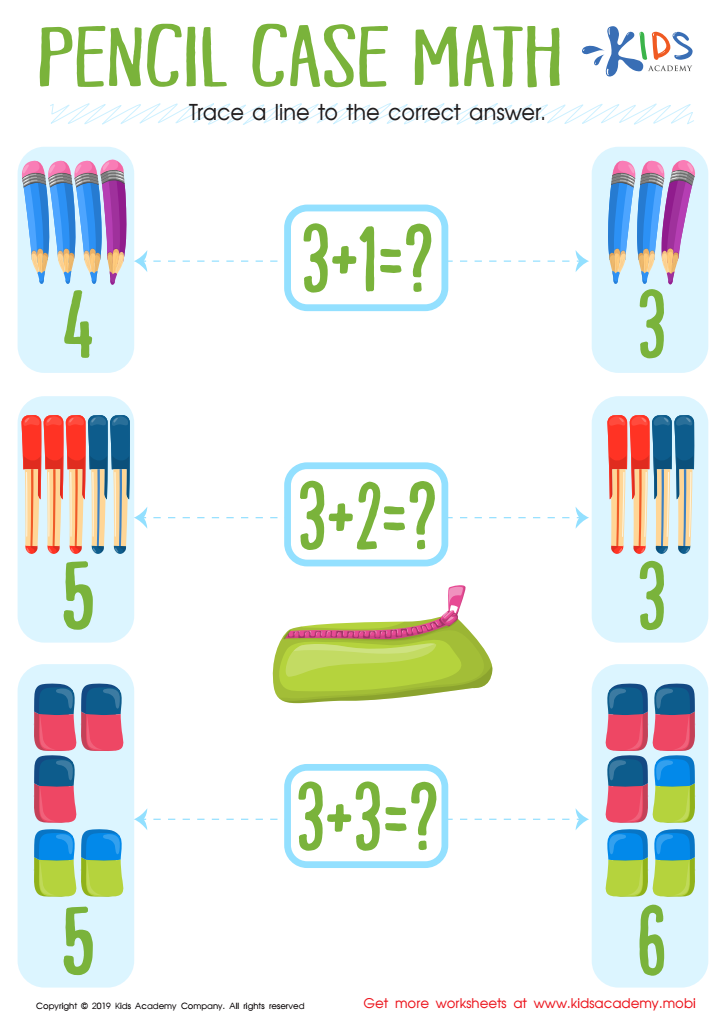
Pencil Case Math Worksheet
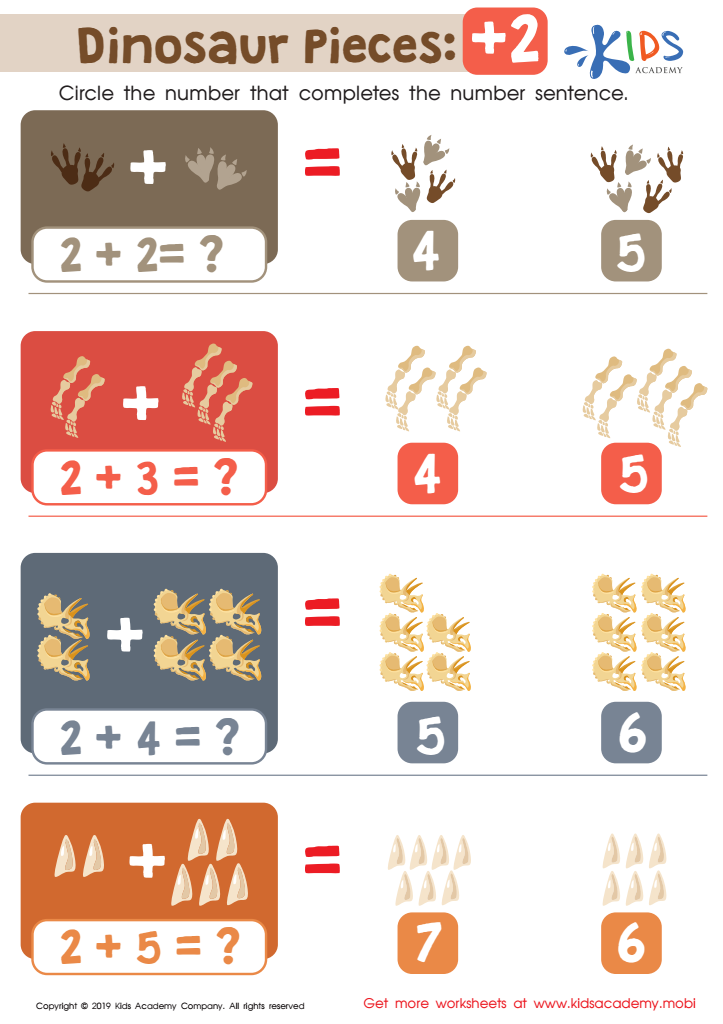
Dinosaur Pieces: +2 Worksheet
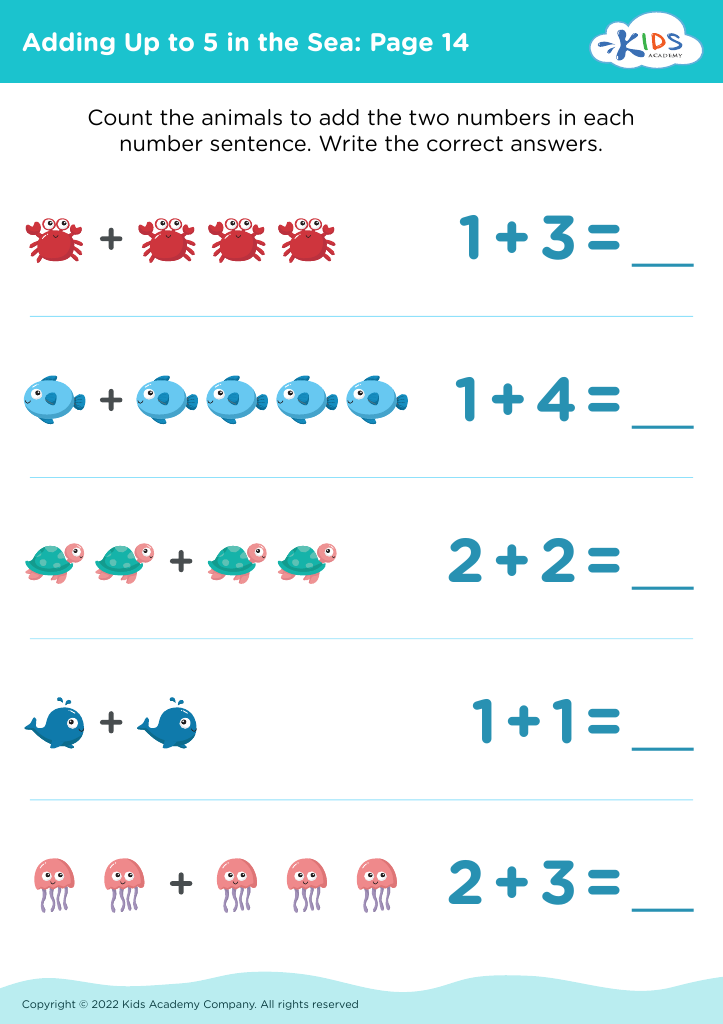
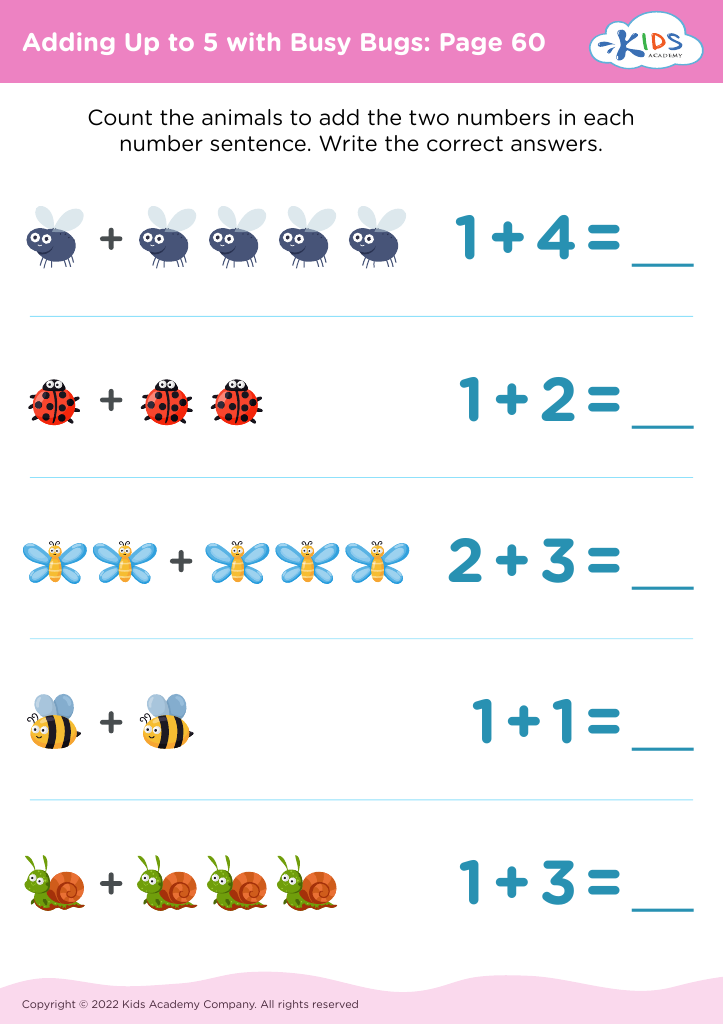
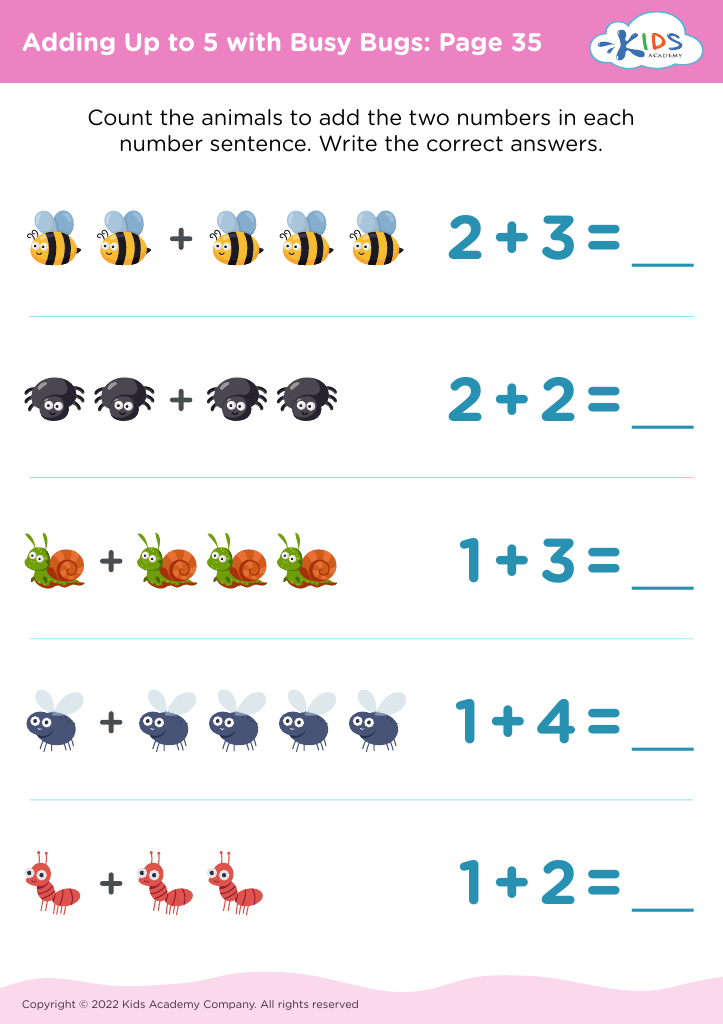
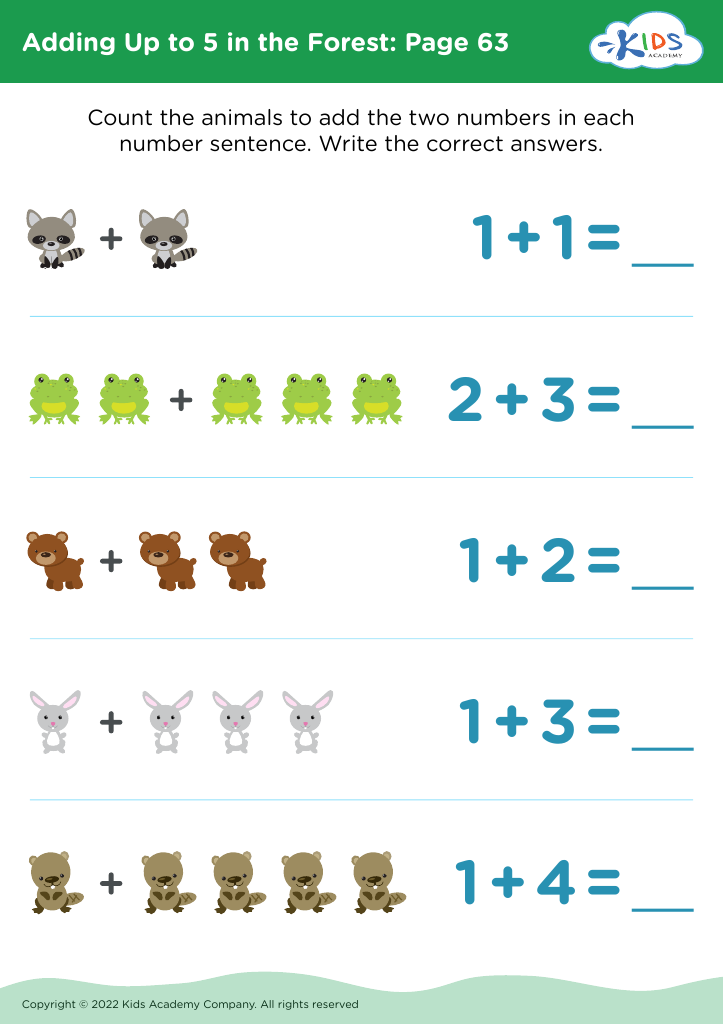
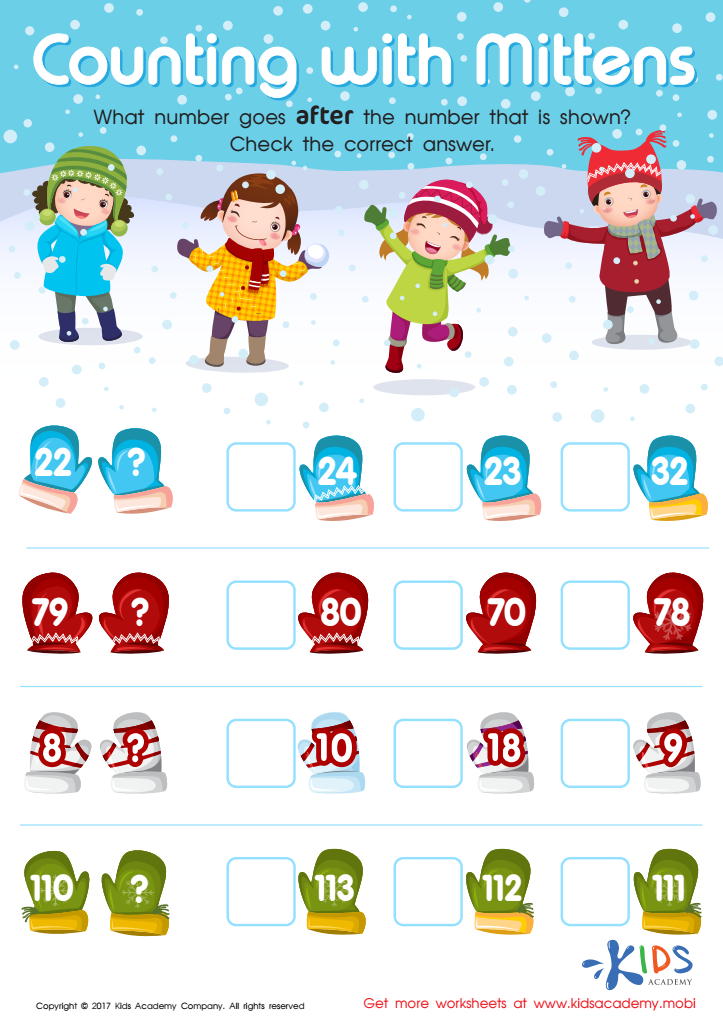
Counting with Mittens Worksheet
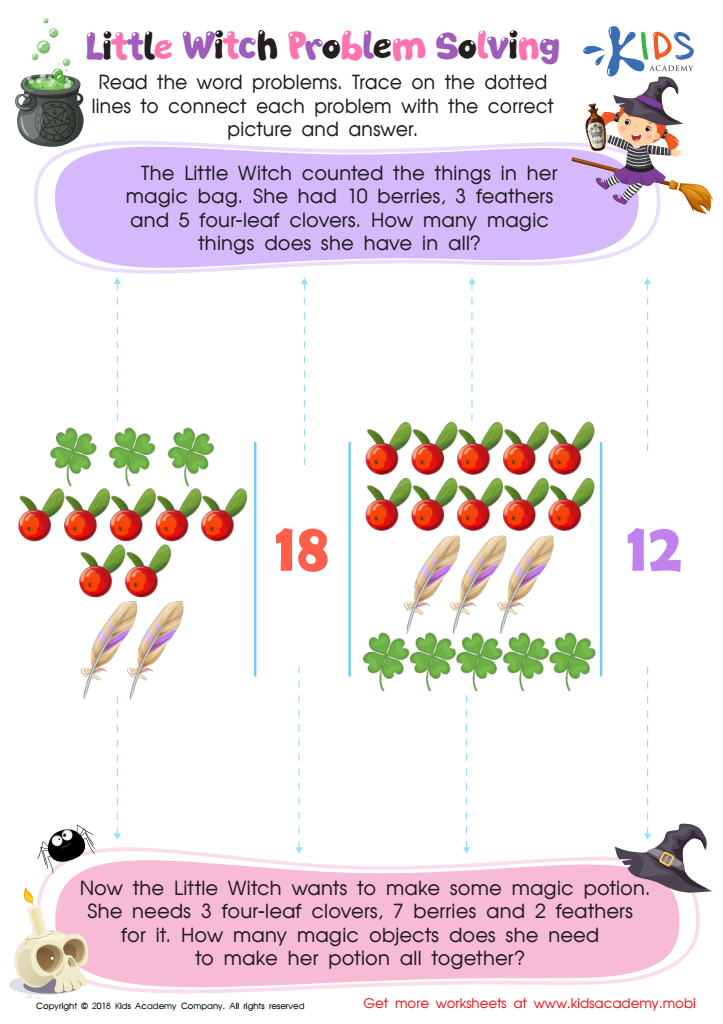
Little Witch Problem Solving Worksheet
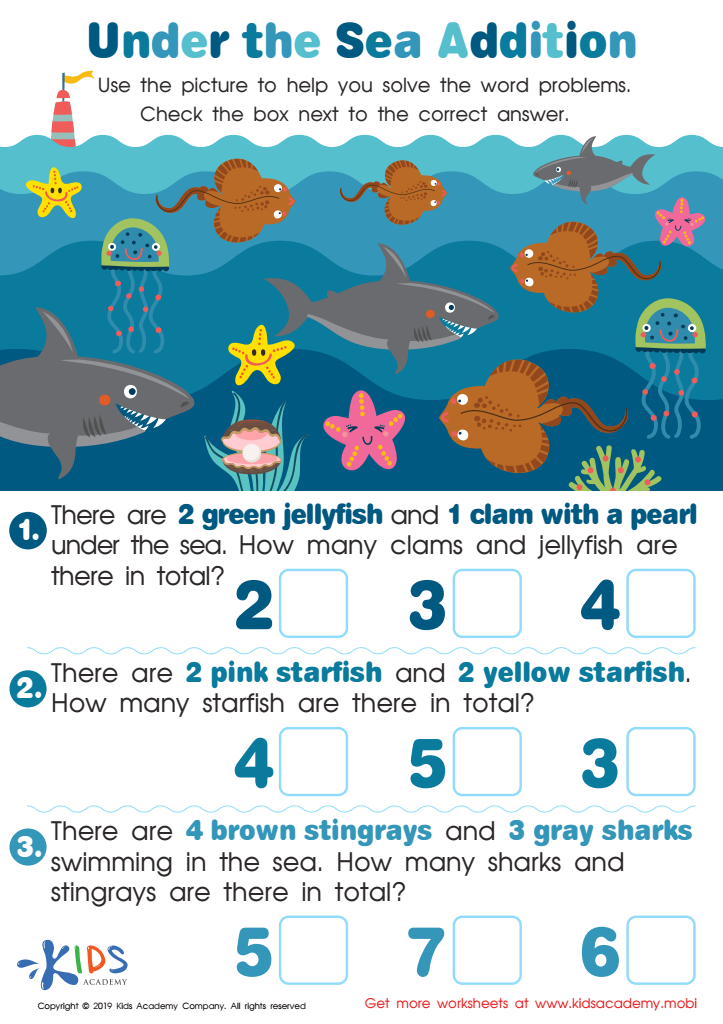
Under the Sea Addition Worksheet
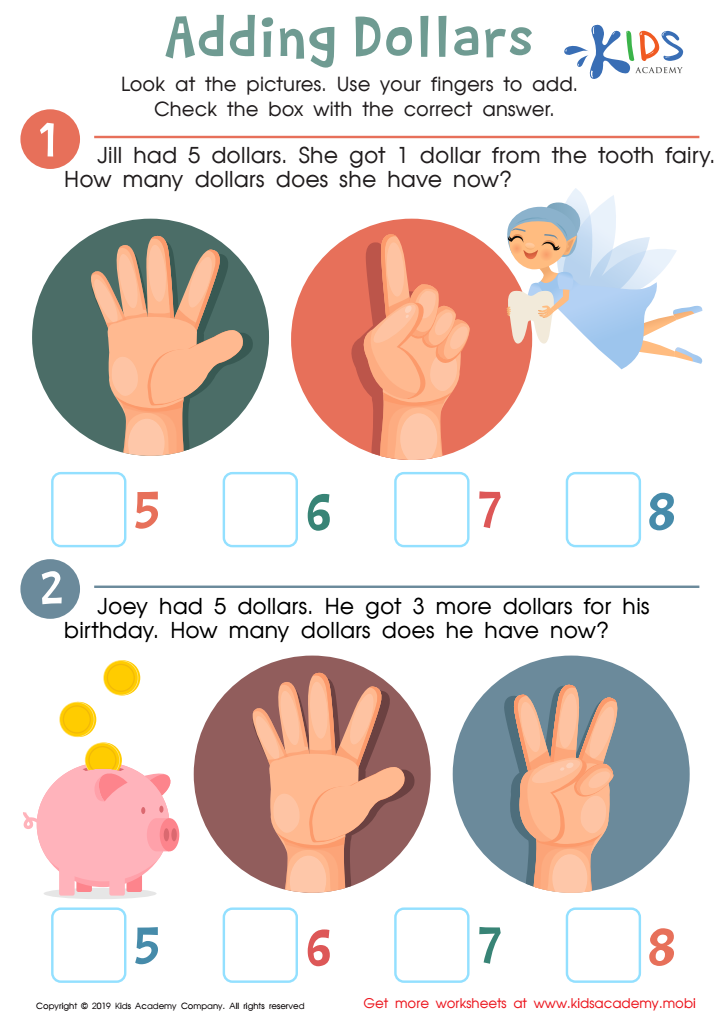
Tooth Fairy Addition Worksheet
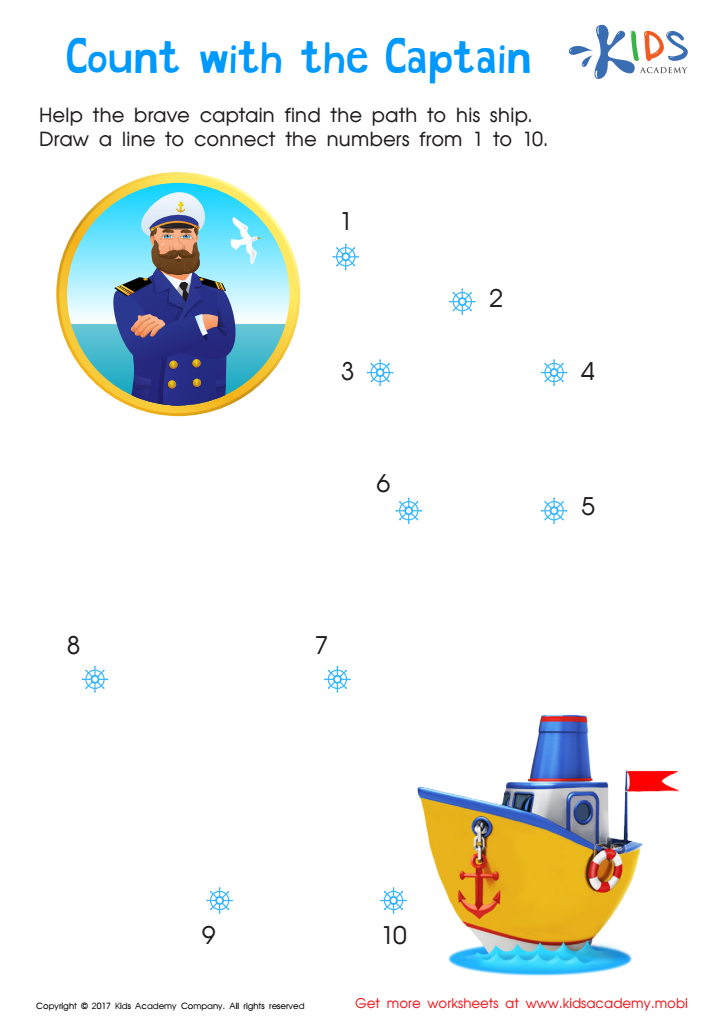
Count with the Captain Connect Dots Worksheet
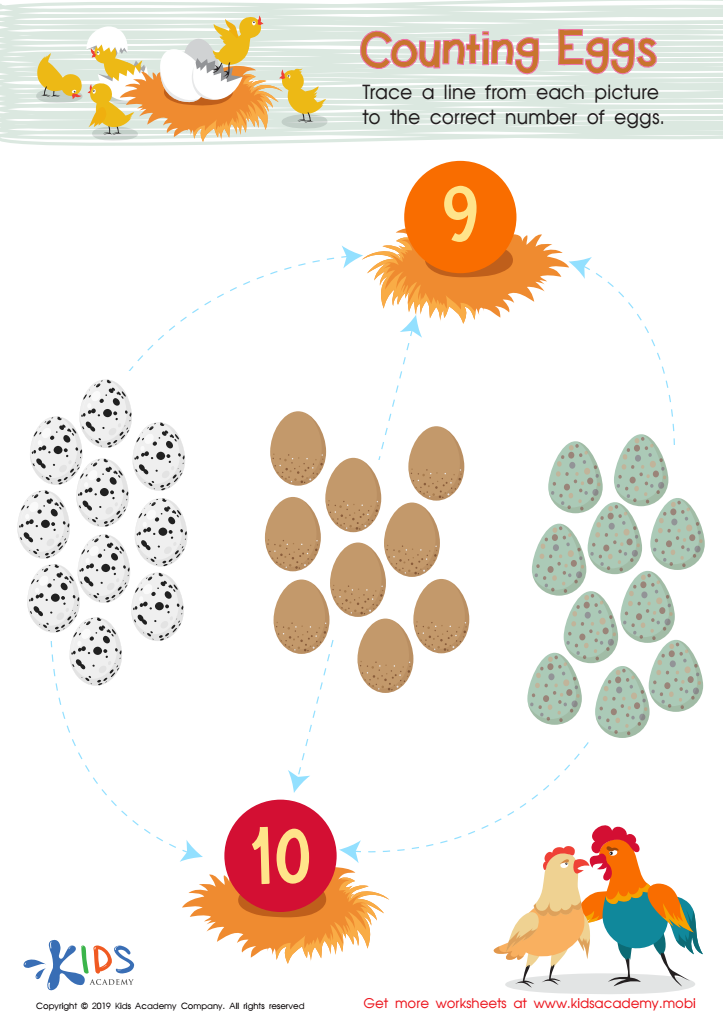
Counting Eggs Worksheet
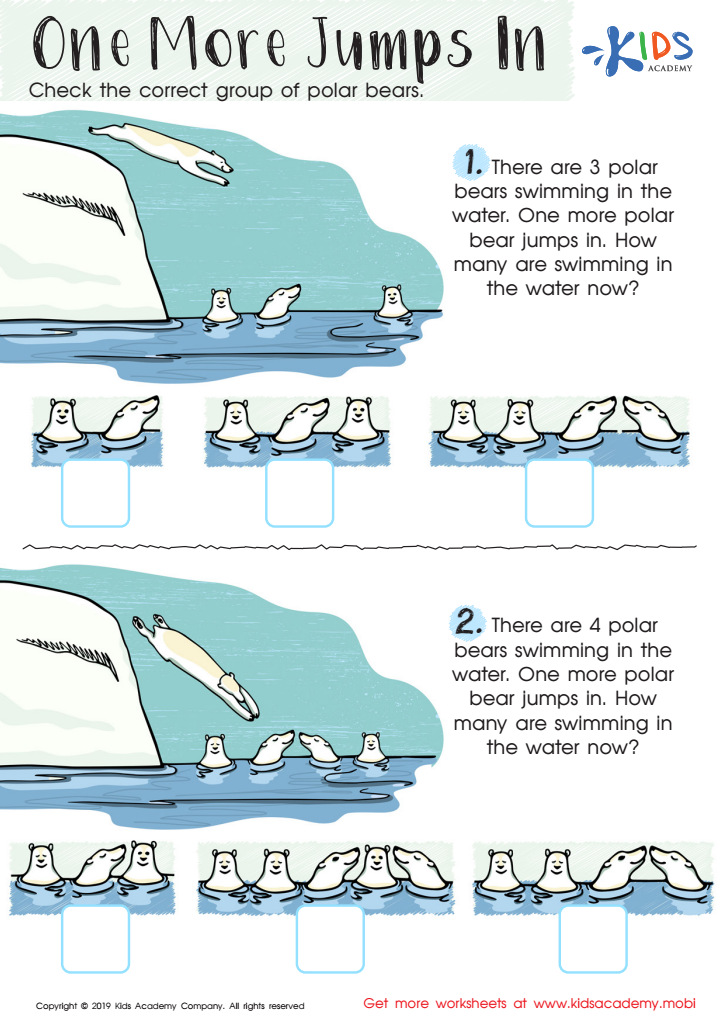
One More Jumps In Worksheet







Addition practice for children aged 3-4 is vital for their early cognitive development and sets the foundation for future mathematical understanding. At this age, children are naturally curious and open to learning, making it an ideal time to introduce basic math concepts such as addition. Engaging in addition activities helps develop their number sense—the ability to perceive quantities and understand numerical relationships.
Early addition practice supports critical thinking skills, boosts problem-solving abilities, and enhances overall cognitive development. These foundational math skills are not just academic; they are functional, helping children make sense of the world around them. For instance, they can quantify objects, differentiate between more and less, and begin to grasp concepts of quantity and grouping.
Moreover, incorporating fun and interactive addition activities fosters a positive attitude toward math. When learning is enjoyable, children are more likely to retain information and develop a lifelong love for learning. Parents and teachers, therefore, play a crucial role in facilitating these learning experiences. Their encouragement can help build confidence and a strong math foundation, crucial for success in school and beyond. Ultimately, prioritizing addition practice helps shape well-rounded, curious learners ready to tackle more complex challenges as they progress.








