Visual discrimination Math Worksheets for Ages 3-4
13 filtered results
-
From - To
Enhance your child's foundational skills with our engaging Visual Discrimination Math Worksheets for Ages 3-4! Designed to develop critical visual perception, these worksheets help young learners differentiate between similar shapes, colors, and patterns. By completing fun activities, children will strengthen their problem-solving abilities while building confidence in their math skills. These worksheets are not only educational but also crafted to capture the attention of inquisitive minds. Perfect for both classroom and home use, our visually stimulating resources are an ideal way to make learning enjoyable and interactive. Start nurturing your child's love for math today with our expertly designed worksheets!
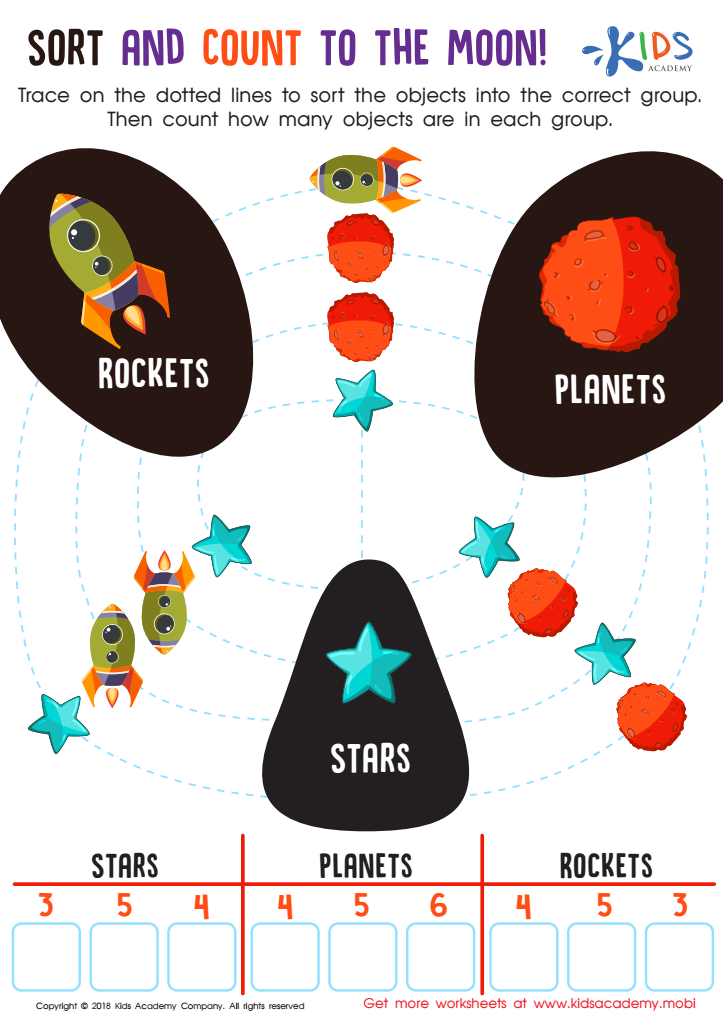
Sort and Count to the Moon Worksheet
 Assign to My Students
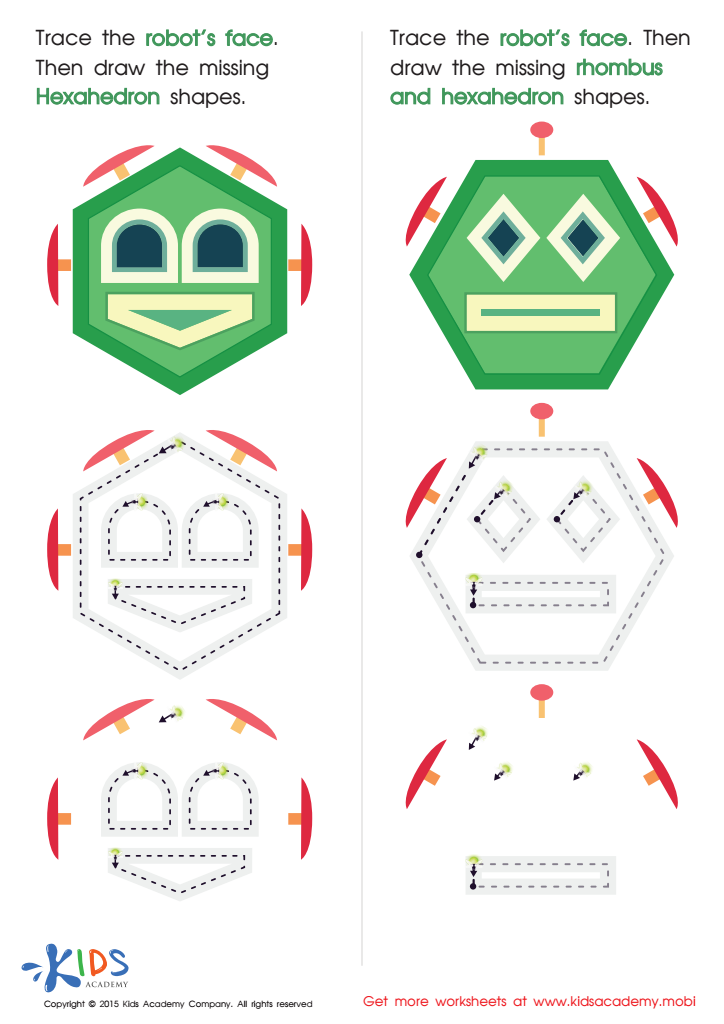
Practice Drawing Hexahedrons And a Rhombus Worksheet
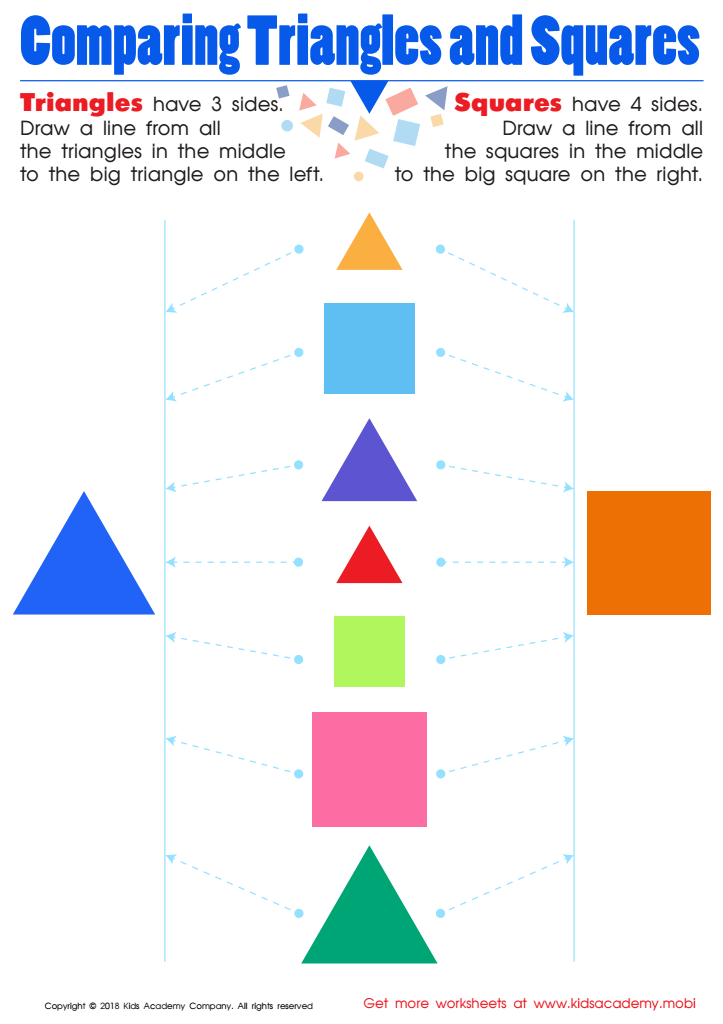
Comparing Triangles Squares Worksheet
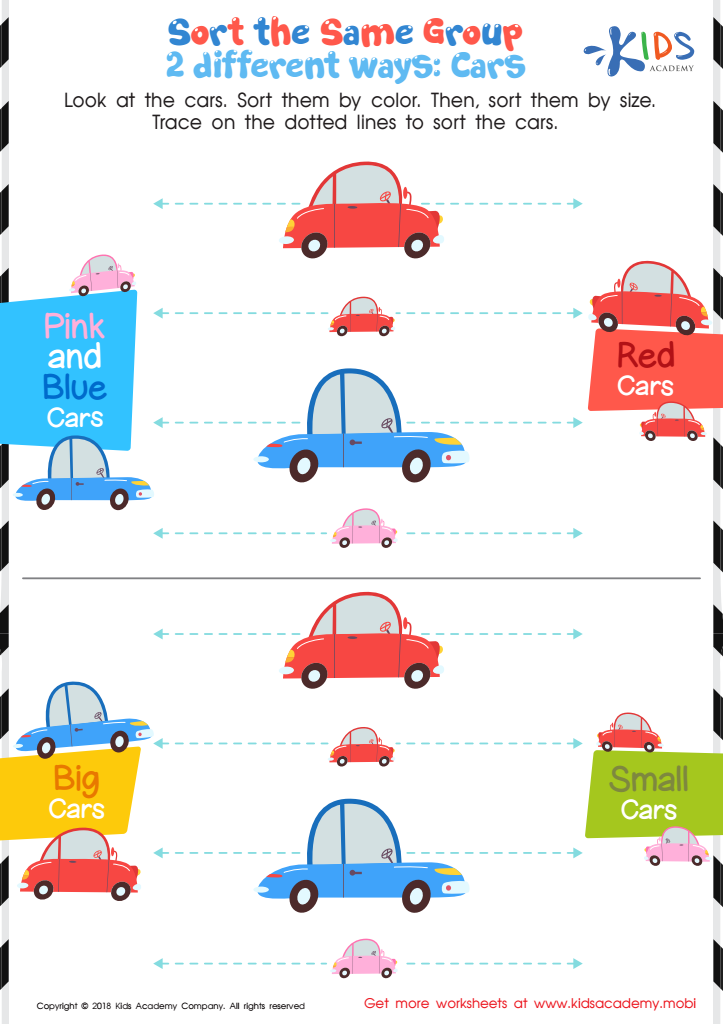
Sort the Same Group 2 Different Ways: Cars Worksheet
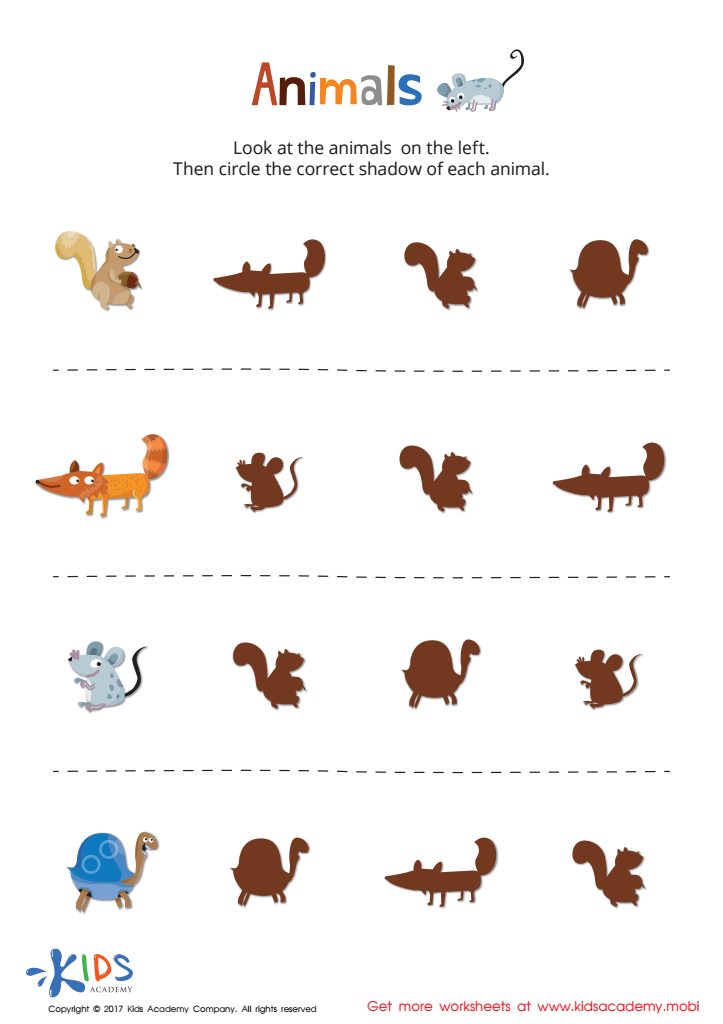
Animal Shadows Sorting Worksheet
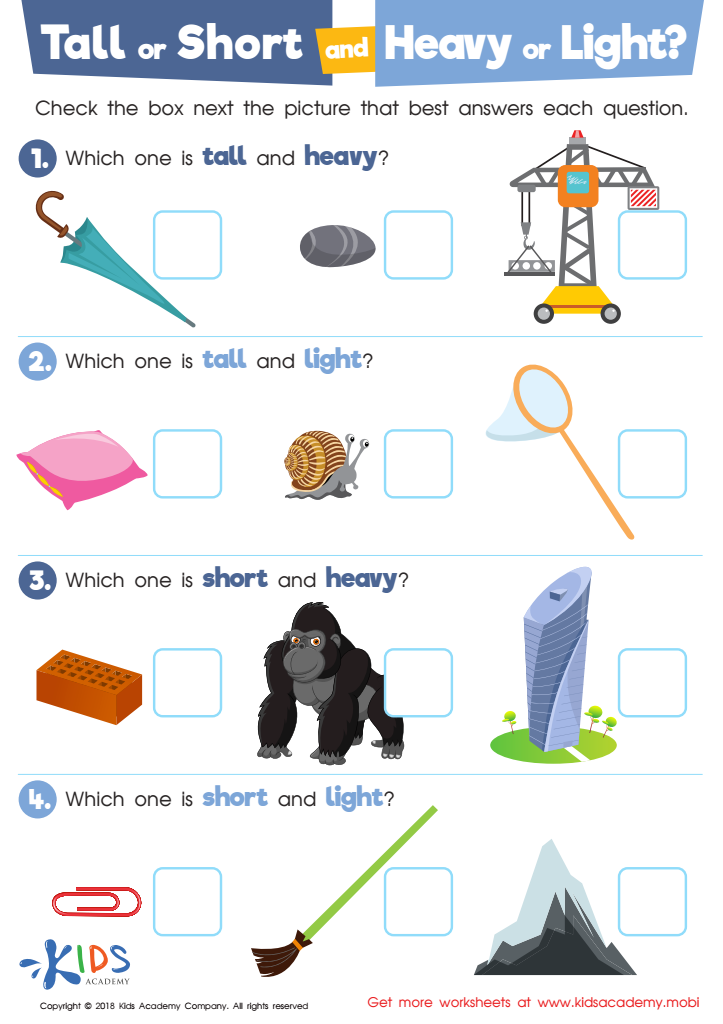
Tall or Short and Heavy or Light? Worksheet
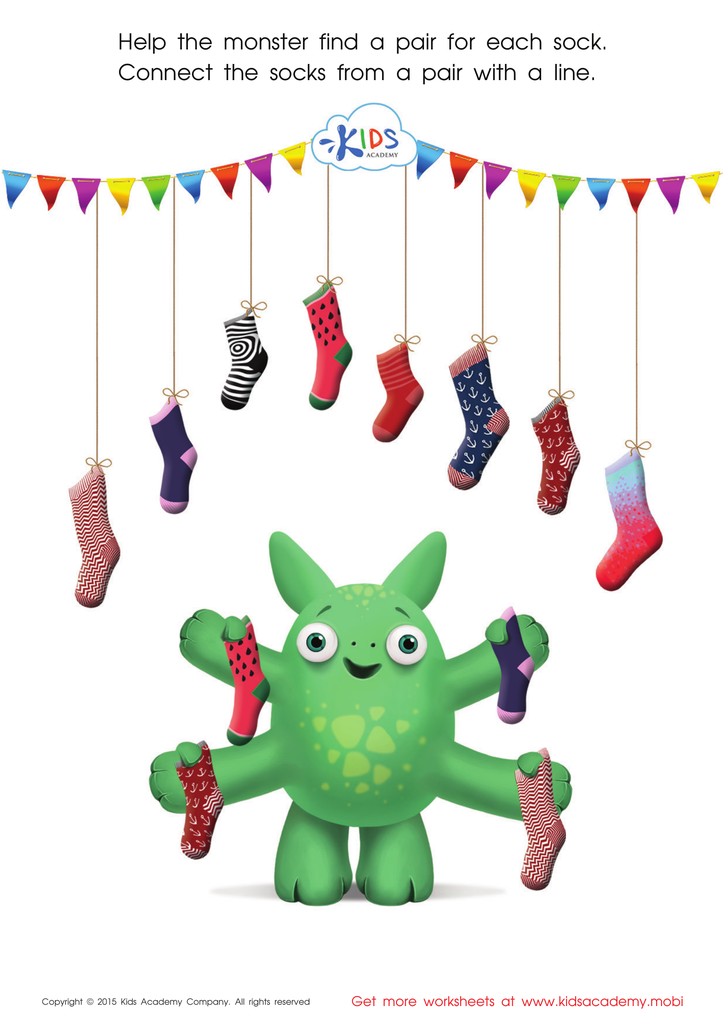
Math Matching Game: Monsterв's Socks Worksheet
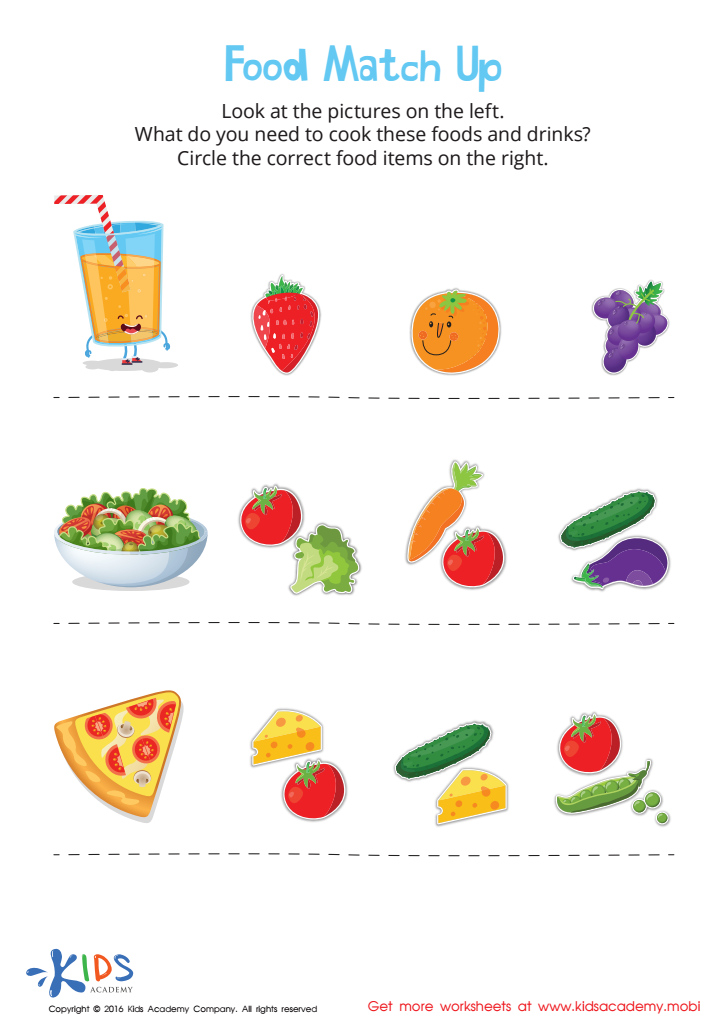
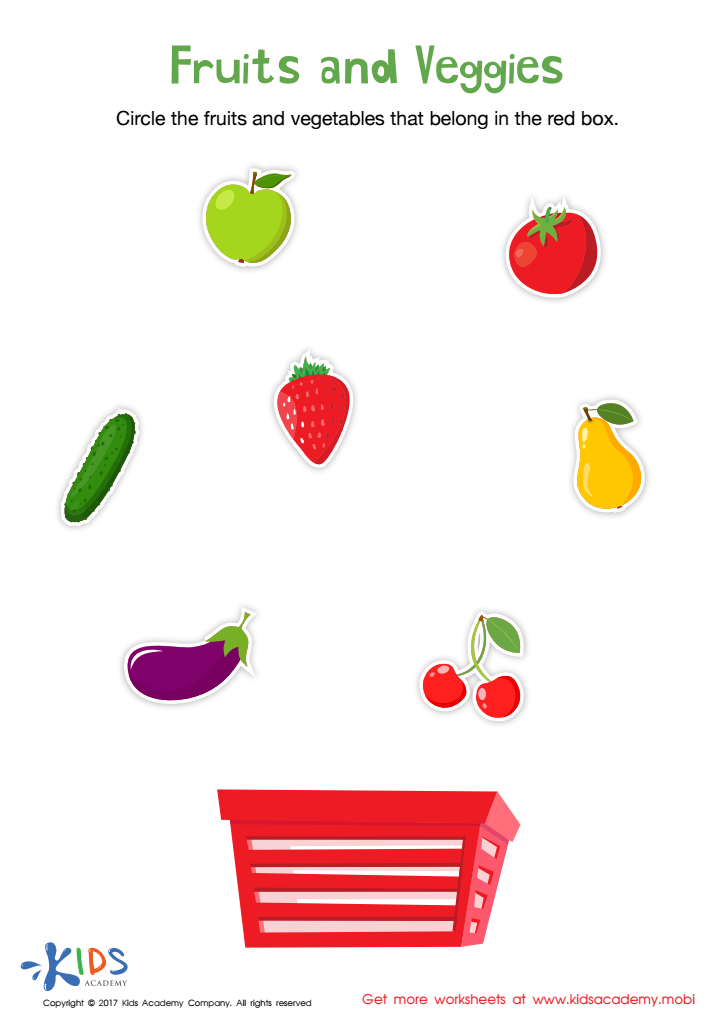
Food Match Up Worksheet
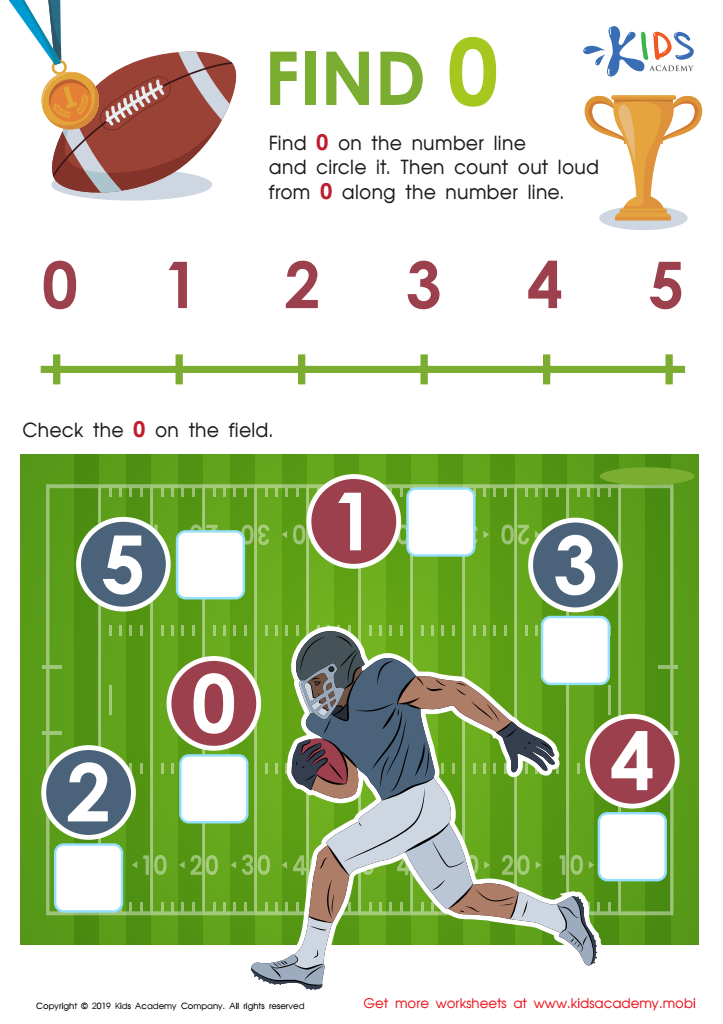
Find 0 Worksheet
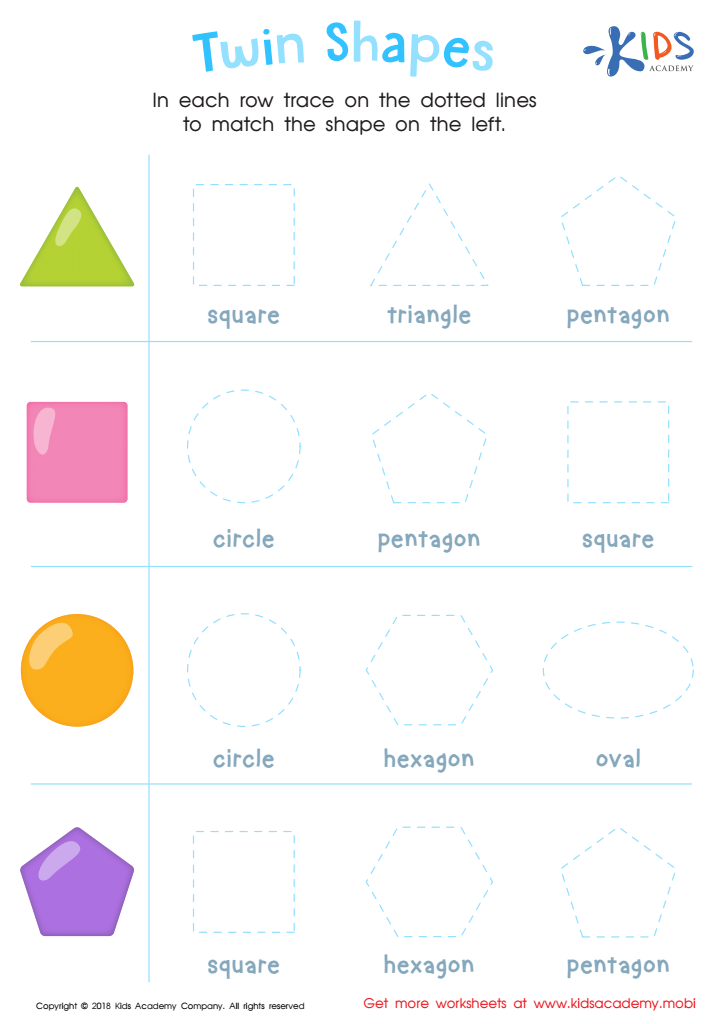
Twin Shapes Dot-to-Dot Worksheet
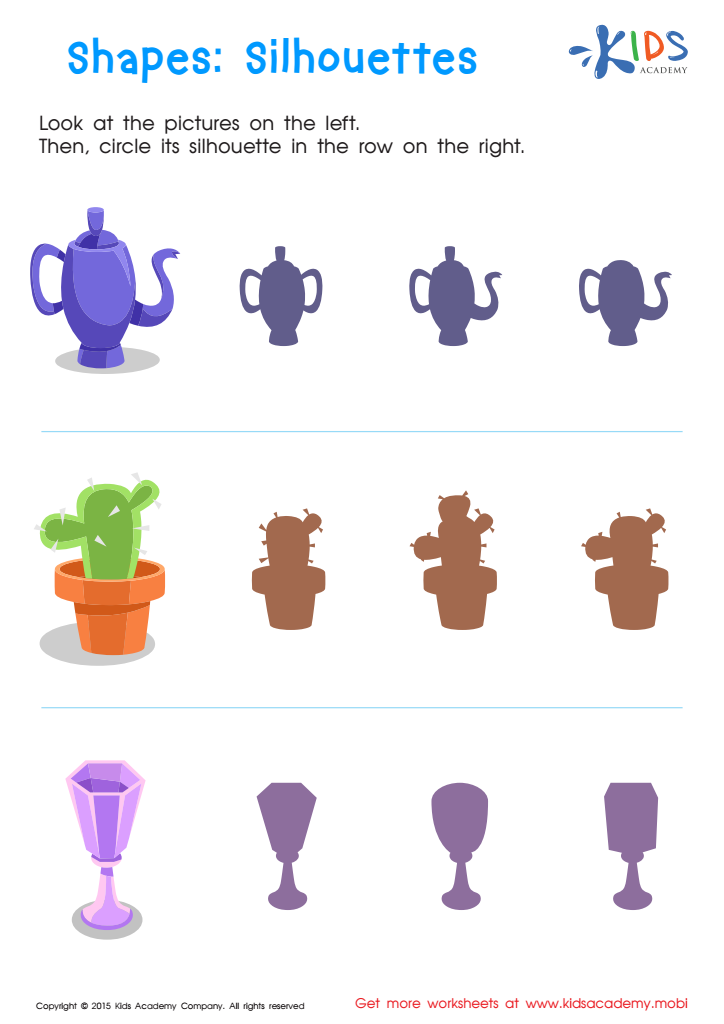
Silhouettes – Shapes Worksheet







Visual discrimination in math is vital for children aged 3-4 because it lays the foundation for essential cognitive and problem-solving skills. At this developmental stage, children begin to recognize and differentiate patterns, shapes, sizes, and quantities, which are preliminary skills for early mathematics.
Understanding visual discrimination helps young learners notice differences and similarities between objects, which is crucial for counting and categorizing. When children can visually interpret information, they become more adept at math-related tasks such as sorting shapes, identifying numbers, and recognizing spatial relationships. This not only boosts their mathematical competence but also enhances their overall cognitive development.
Moreover, fostering visual discrimination nurtures confidence and independence in young learners. As they successfully differentiate objects and solve simple problems, they gain a sense of accomplishment, encouraging them to tackle more complex concepts as they progress.
For parents and teachers, investing time into activities that promote visual discrimination, such as puzzles, matching games, and shape sorting, is crucial. These should be incorporated into play-based learning. By doing so, they contribute to a solid foundation in math that will support children's future learning and help them develop a lifelong love for the subject.








