Problem-Solving Skills Word Problems Worksheets for Ages 3-4 - Page 2
37 filtered results
-
From - To
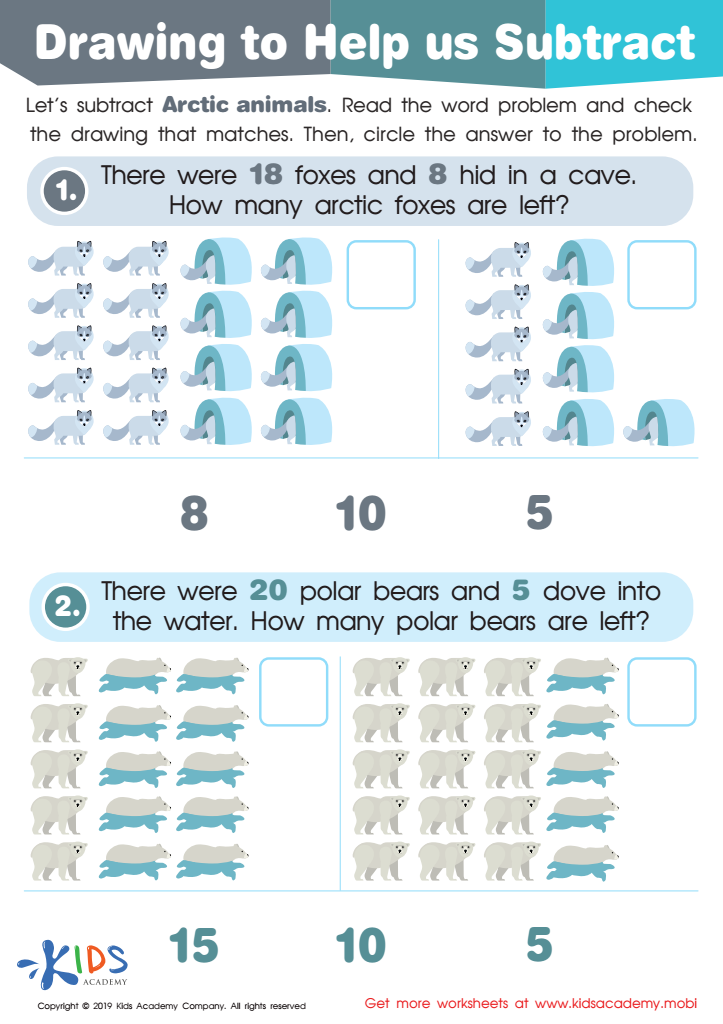
Drawing to Help Us Subtract Worksheet
 Assign to My Students
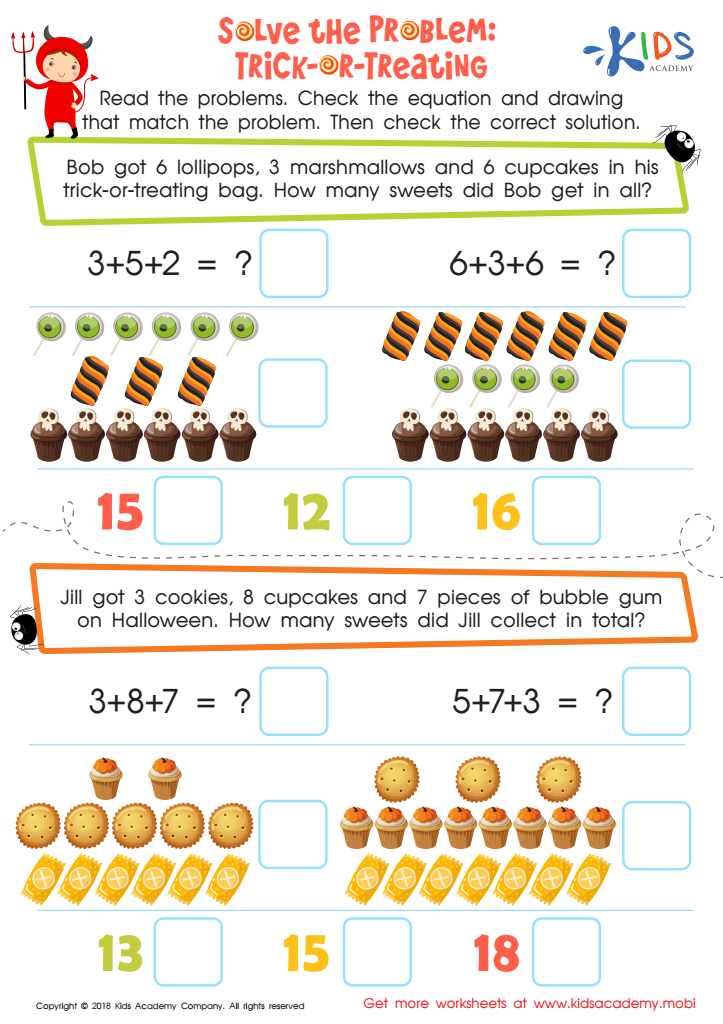
Solve the Problem: Trick–or–treating Worksheet
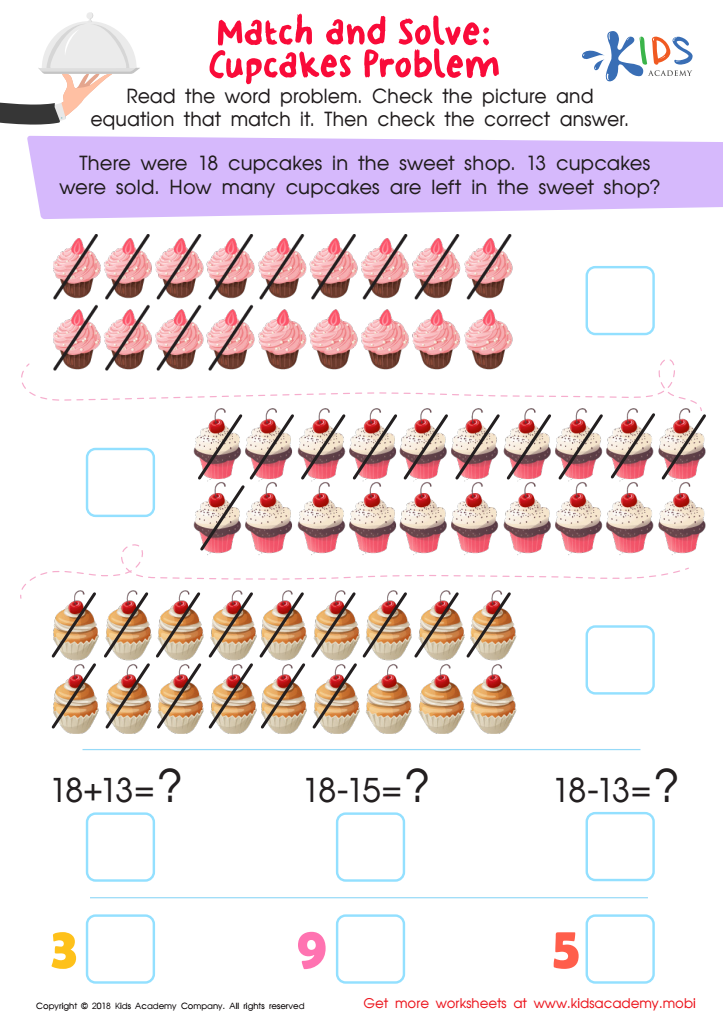
Match and Solve: Cupcakes Problem Worksheet
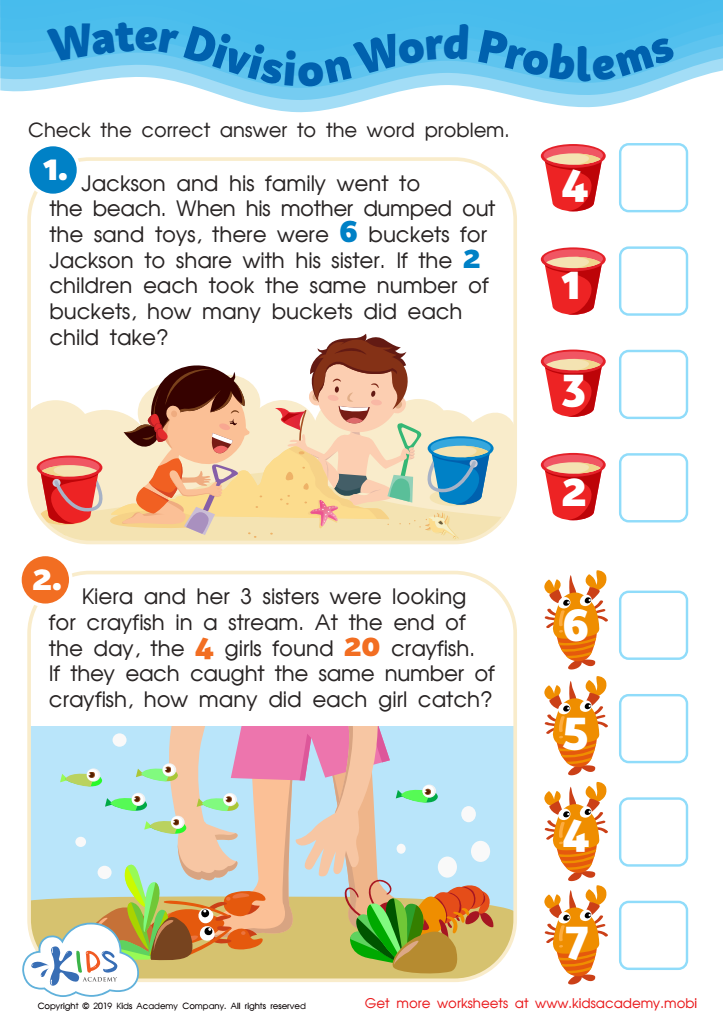
Water Division Word Problems Worksheet
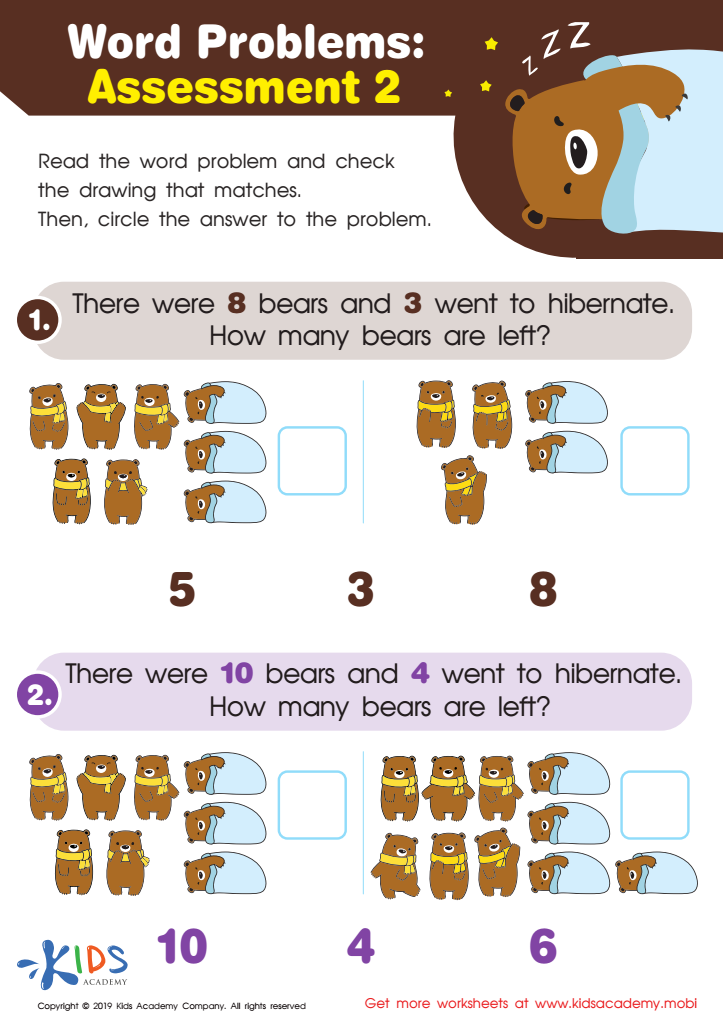
Word Problems: Assessment 2 Worksheet
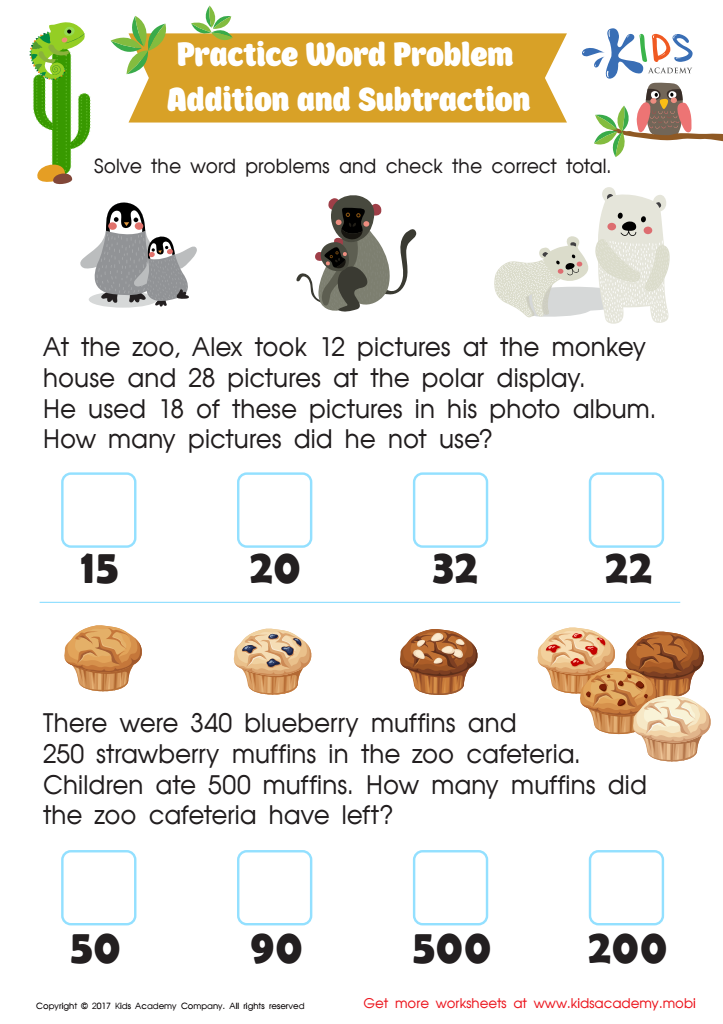
Addition and Subtraction: Word Problems Worksheet
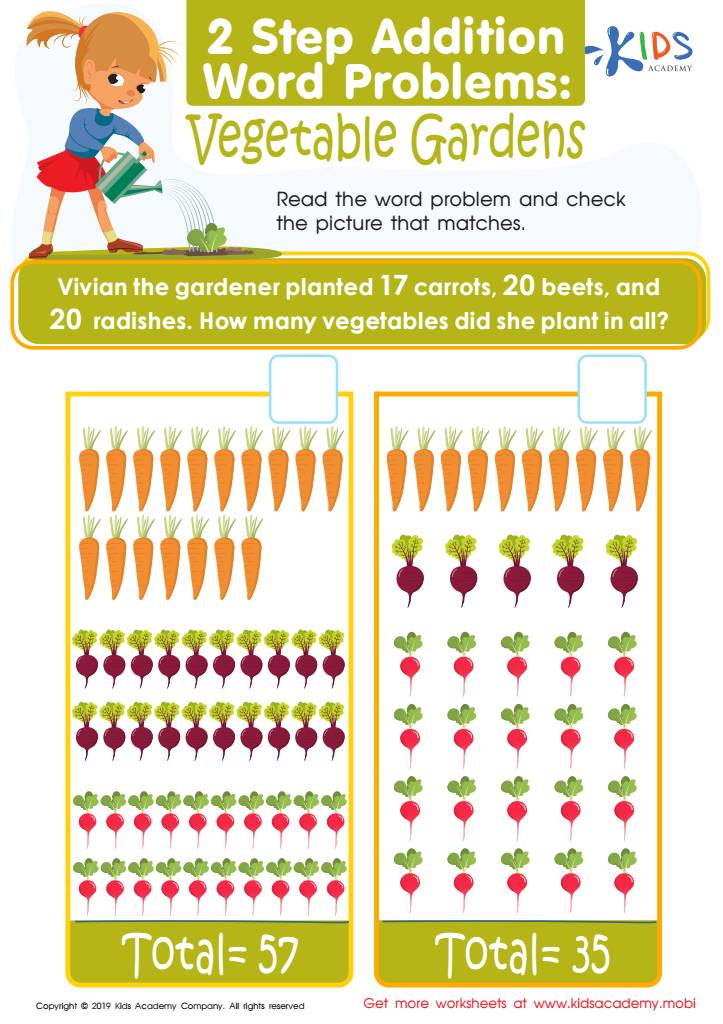
Vegetable Gardens Worksheet
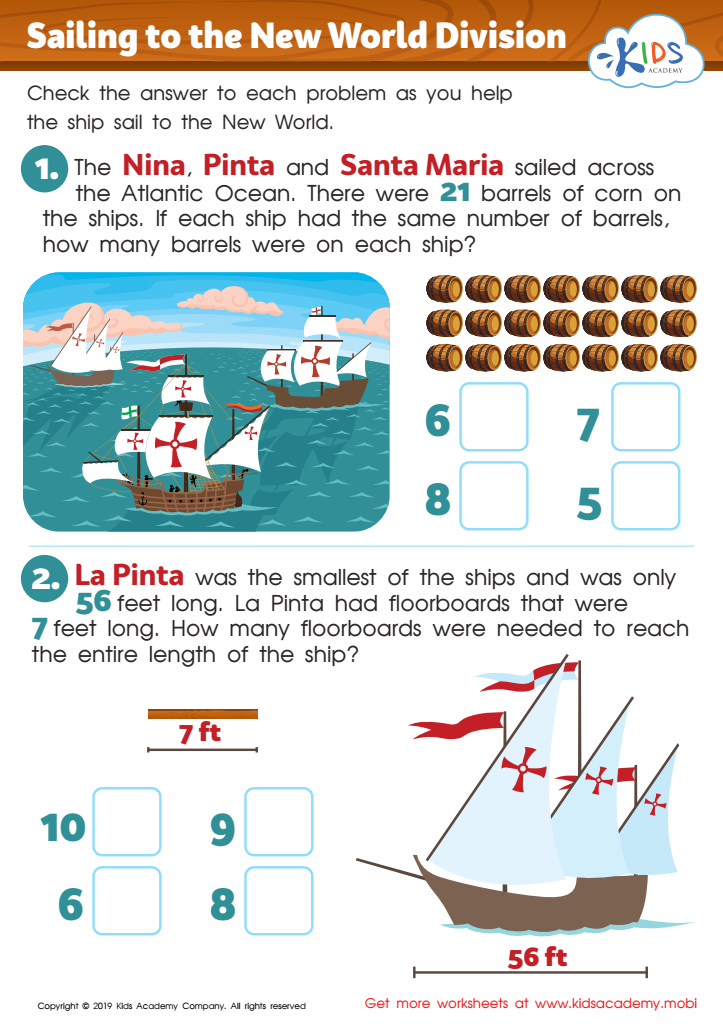
Sailing to the New World Division Worksheet
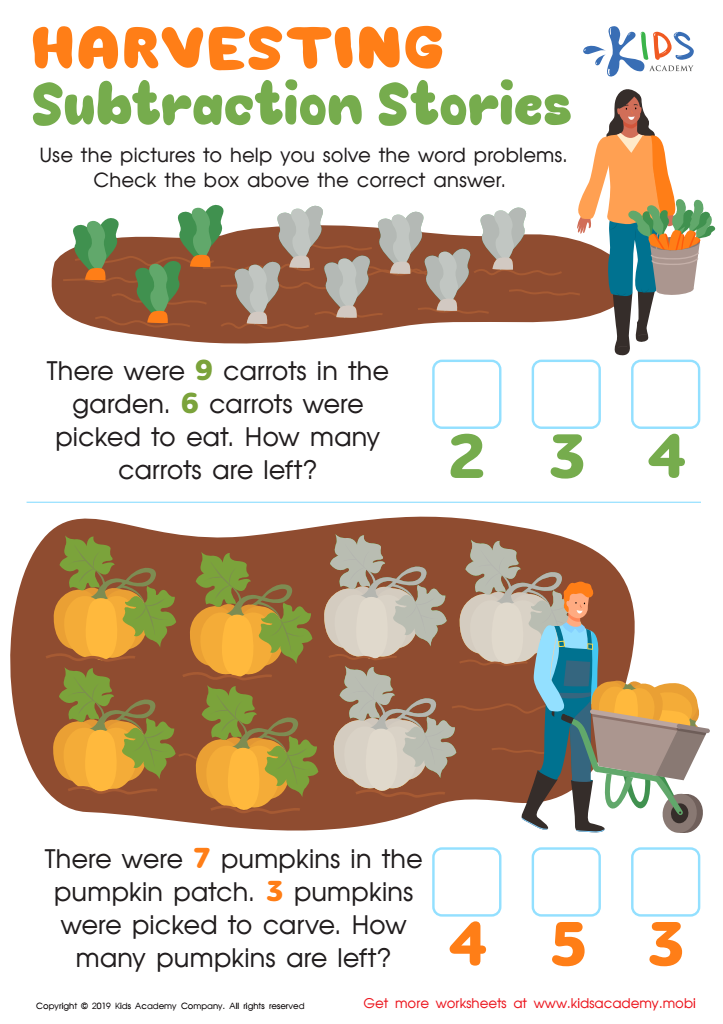
Harvesting Subtraction Stories Worksheet
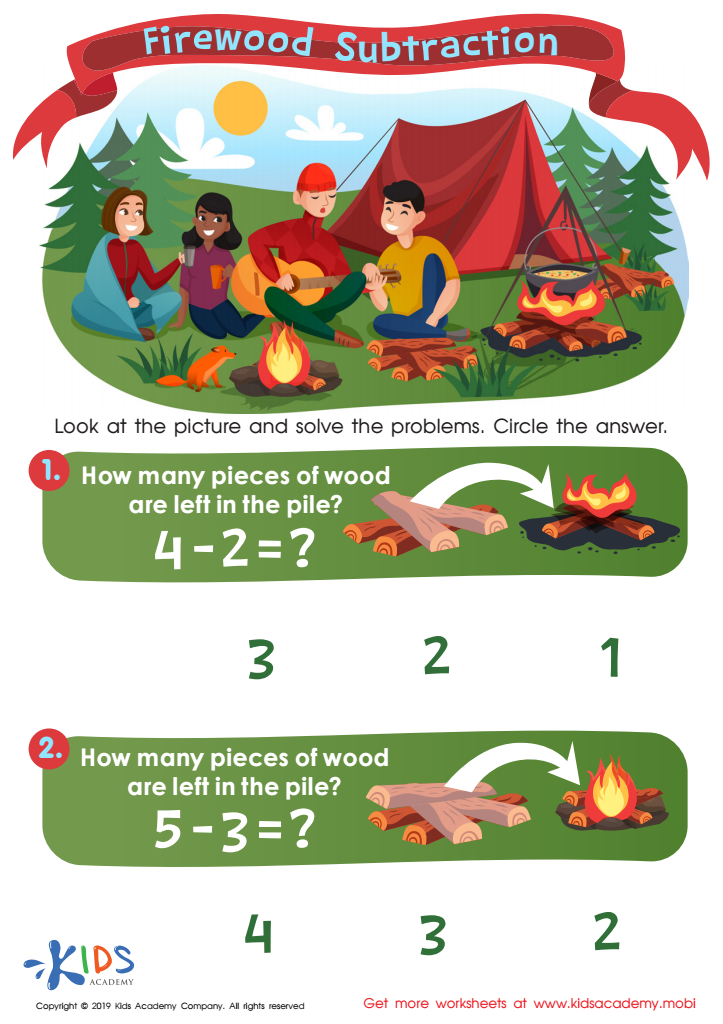
Firewood Subtraction Worksheet
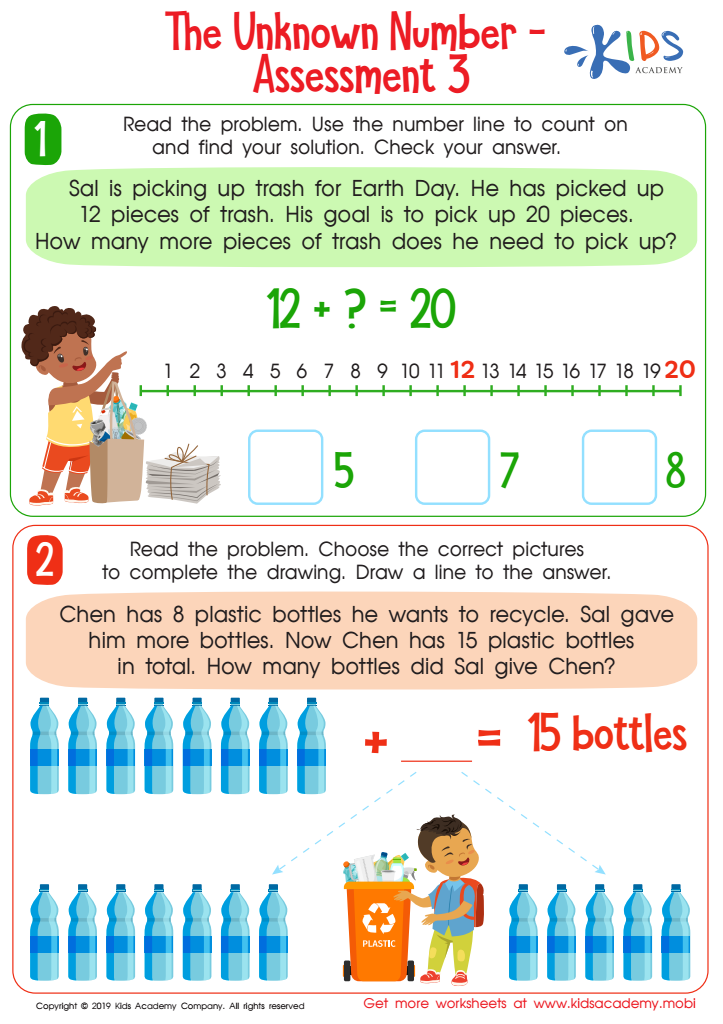
The Unknown Number - Assessment 3 Worksheet
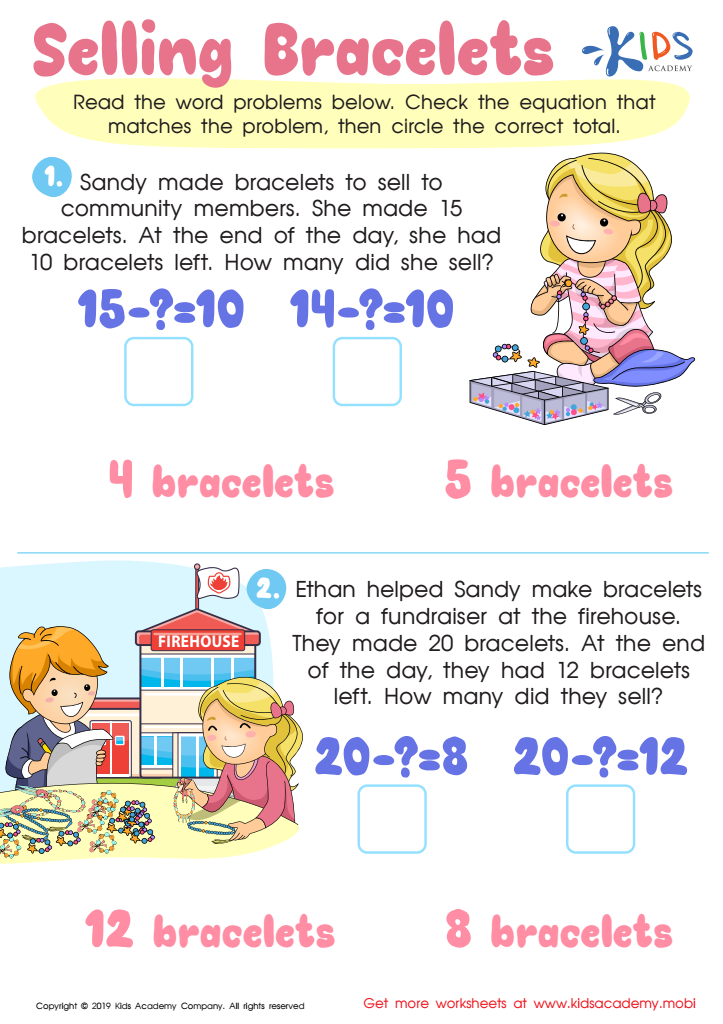
Selling the Bracelets Worksheet
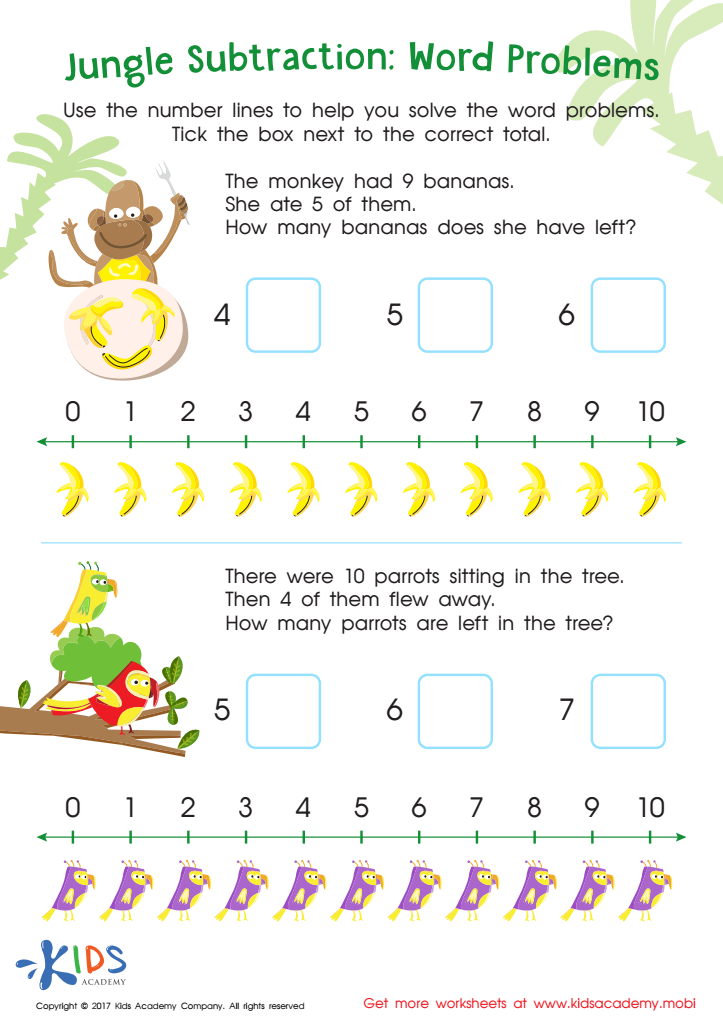
Jungle Subtraction Word Problems Substraction Worksheet








Cultivating problem-solving skills in children aged 3-4 is crucial for their cognitive and social development. At this formative stage, engaging children with age-appropriate word problems helps to stimulate curiosity and logical thinking, laying the foundation for future learning. When parents or teachers focus on problem-solving activities, they provide children with the opportunity to think critically and explore different solutions, boosting both their independence and confidence.
Emphasizing problem-solving skills at this young age also enhances language development, as children learn to express their thoughts and reasoning. Understanding and addressing simple word problems require kids to listen carefully, comprehend questions, and articulate answers, all of which are essential communication skills.
Moreover, such activities improve attention and persistence. Working through word problems and other problem-solving tasks requires children to focus, follow instructions, and practice patience. These experiences can improve their perseverance in the face of challenges and setbacks.
Finally, early problem-solving practice lays the foundation for better academic performance. As children develop the ability to analyze and strategically approach problems, they become better equipped to handle more complex tasks in mathematics, science, and other areas as they progress in their education. Therefore, including problem-solving word problems in the learning routine fosters overall brain development and lifelong learning skills in young children.








