Artistic Expression Reading Worksheets for Ages 3-4
8 filtered results
-
From - To
Unlock your child's creativity with our Artistic Expression Reading Worksheets for Ages 3-4. Specially designed to blend literacy and self-expression, these engaging worksheets for preschoolers feature fun activities that encourage early reading skills while nurturing their artistic talents. Each worksheet combines vibrant illustrations with simple reading tasks, fostering a love for literature and art. Perfect for both classroom and home use, these worksheets help young learners develop vocabulary, comprehension, and fine motor skills. Watch your child thrive as they explore the magical world of artistic expression through playful and educational exercises. Ignite their imagination today!
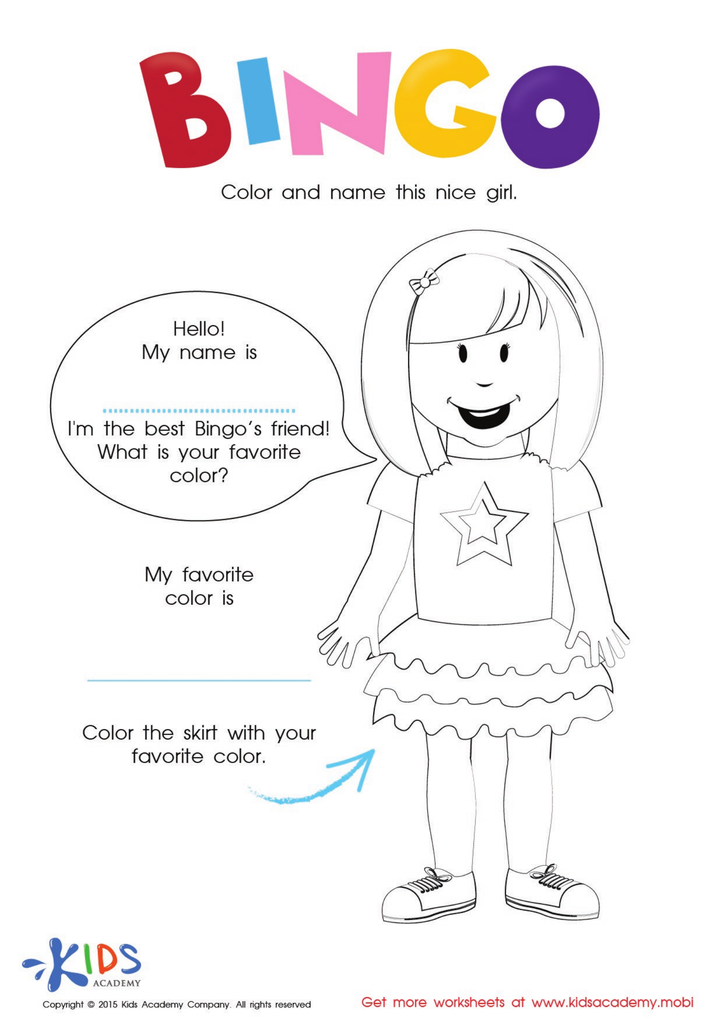
The Bingo Song: Coloring The Girl Worksheet
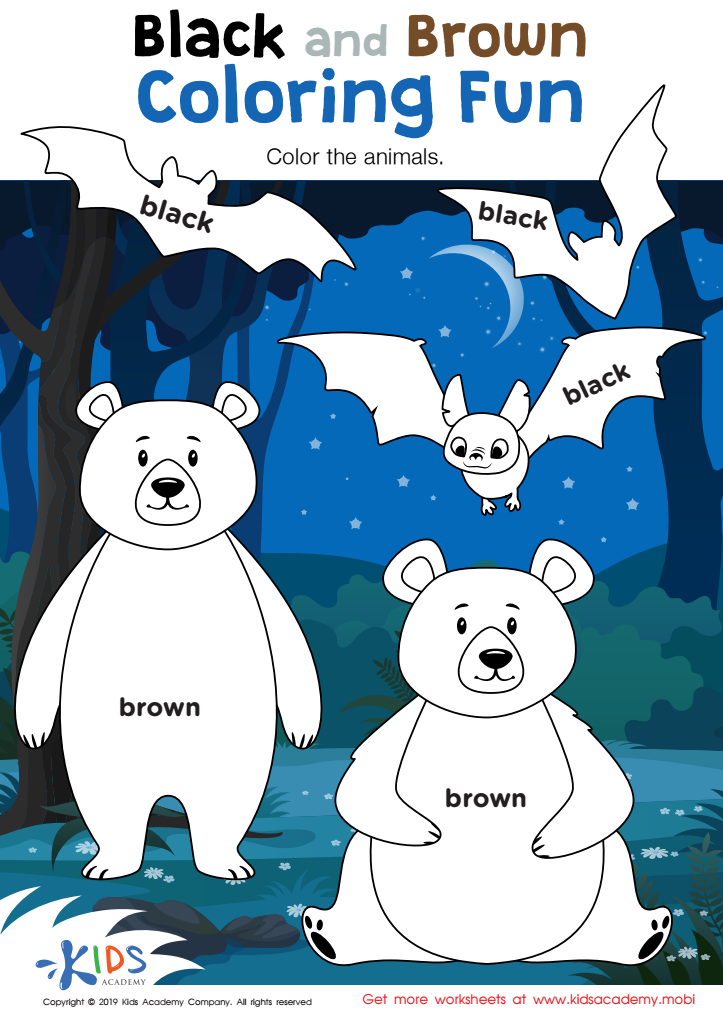
Black and Brown Coloring Fun Worksheet
 Assign to My Students
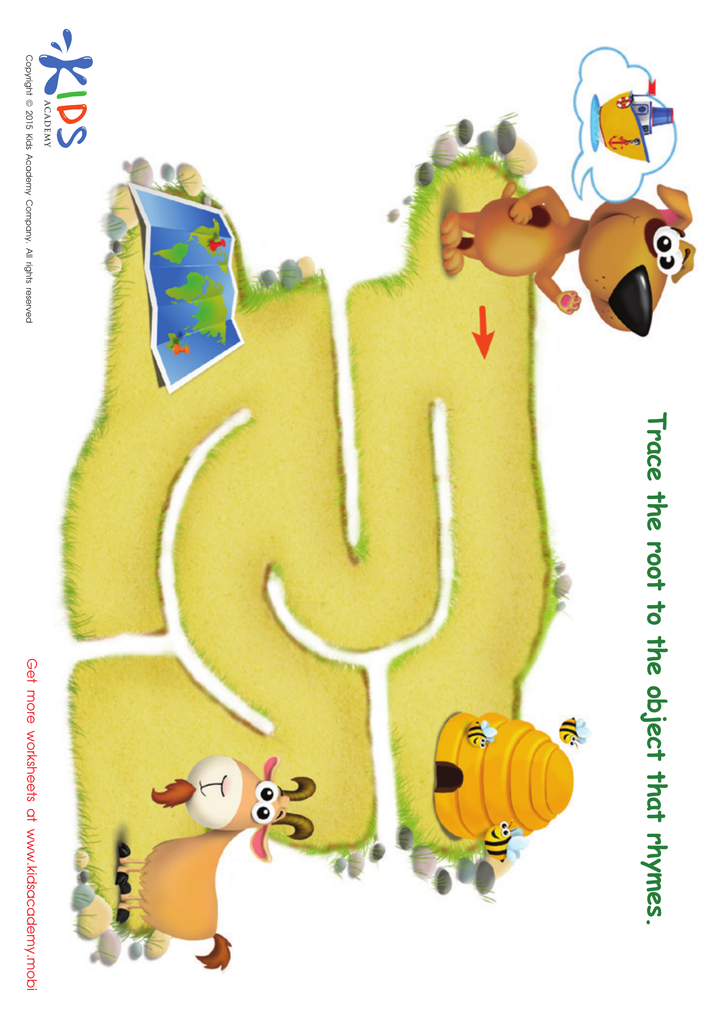
Boat Rhyming Words Worksheet
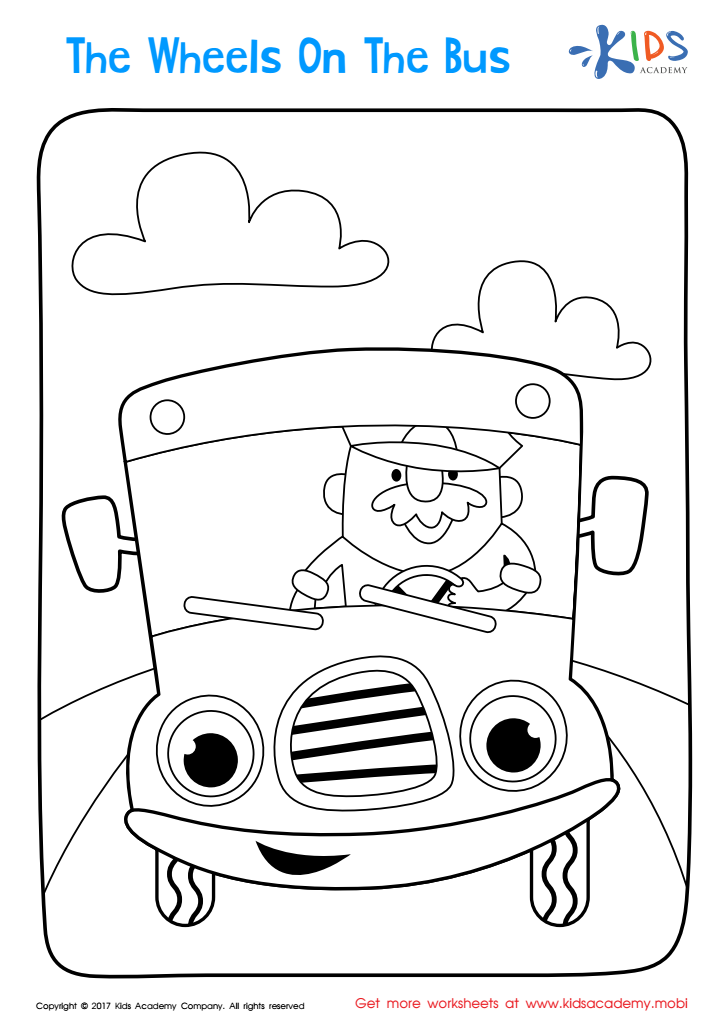
The Wheels on the Bus Coloring Page
Assign to My Students
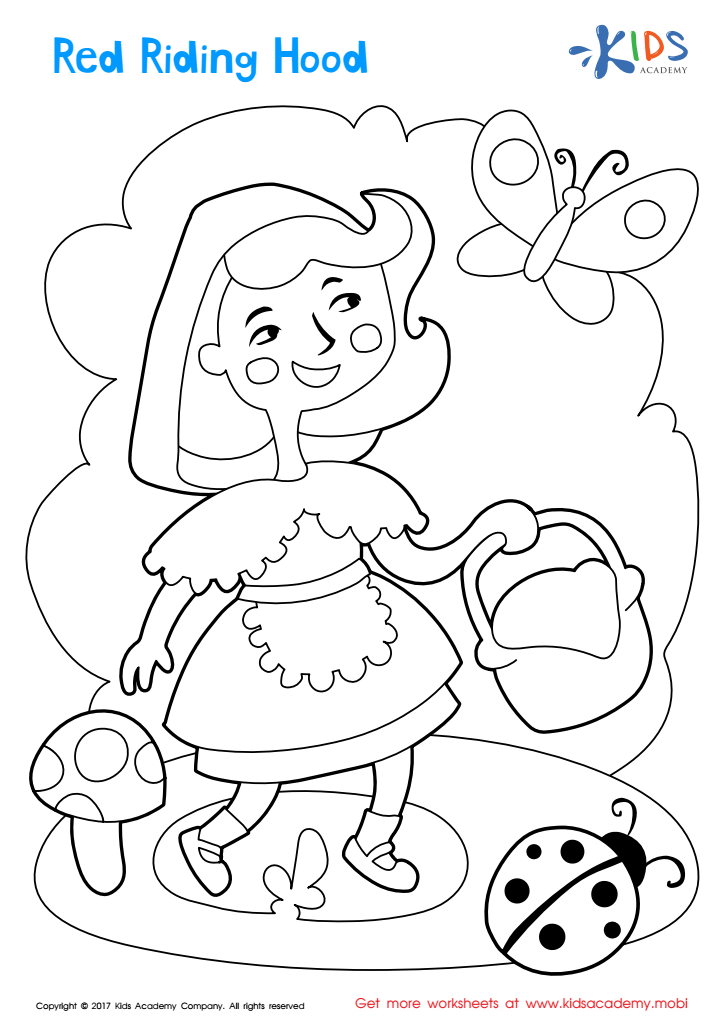
Red Riding Hood Coloring Page
Assign to My Students
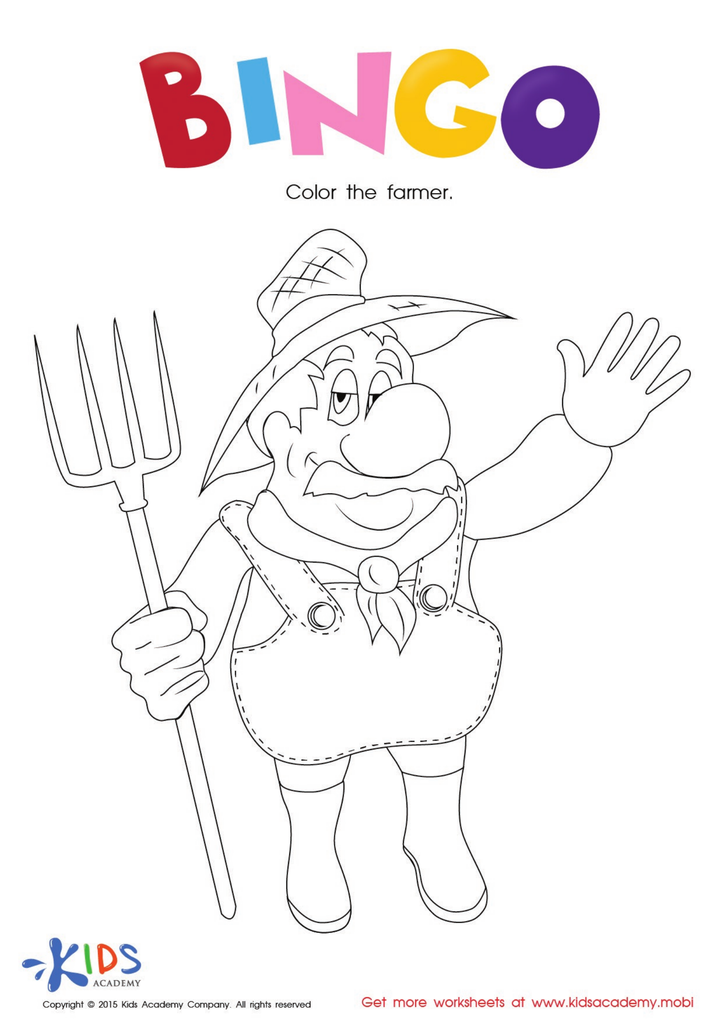
The Bingo Song: Coloring The Farmer Worksheet
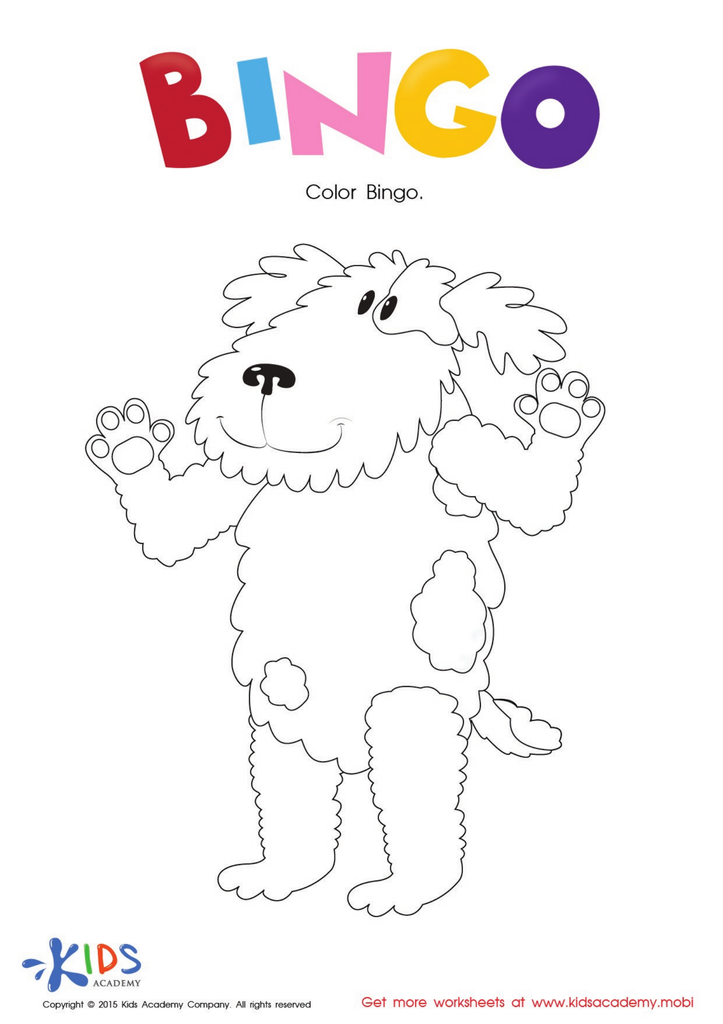
The Bingo Song: Coloring The Dog Worksheet
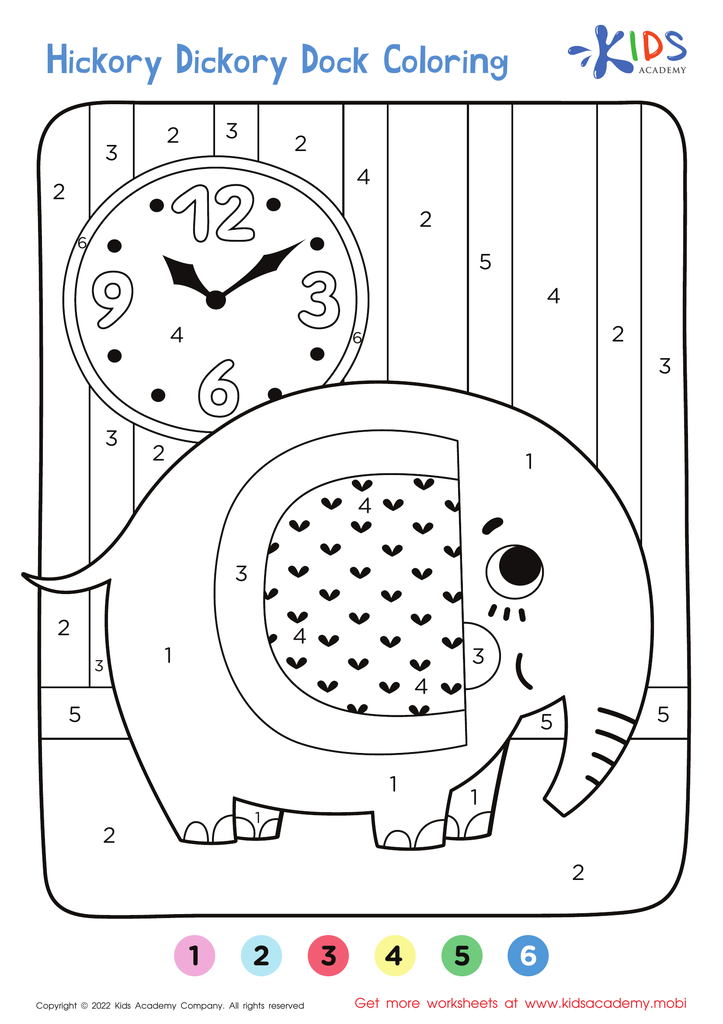
Hickory Dickory Dock – Coloring by Numbers




Artistic expression is a vital component in the development of children aged 3-4, playing a significant role in their cognitive, emotional, and social growth. Parents and teachers focusing on artistic expression through reading not only foster a love for books but also encourage creativity and imagination. At this tender age, children are absorbing the world around them, and stories with vibrant illustrations and simple text appeal to their innate curiosity and adventurous spirits.
Reading books with strong artistic elements helps children develop language skills and expand their vocabulary. As they listen to and repeat the words, they build a foundation for future literacy. It also aids in understanding concepts such as colors, shapes, and patterns, which are crucial in cognitive development. Furthermore, connecting images to words engages both sides of the brain, reinforcing comprehension and memory retention.
Emotionally, artistic expression via reading introduces children to a range of feelings and scenarios, enabling them to develop empathy and understand others' emotions—a critical social skill. It nurtures a sense of accomplishment and boosts self-esteem when they express their interpretations.
Incorporating artistic reading materials invites bonding opportunities. Storytime can become a cherished ritual that builds stronger parent-child or teacher-student relationships, fostering a secure and supportive environment conducive to learning. Ultimately, prioritizing artistic expression reading equips children with foundational skills that are essential for holistic development.








