Basic Addition Reading Worksheets for Ages 3-4
4 filtered results
-
From - To
Discover the joy of learning with our "Basic Addition Reading Worksheets for Ages 3-4" at Kids Academy! These engaging worksheets seamlessly blend early reading skills with fundamental addition practice, designed especially for young learners. Each worksheet features vibrant images and simple exercises to captivate little minds while reinforcing number recognition and counting. Perfect for introducing toddlers to the exciting world of math, these resources are crafted by experts to support your child's educational journey. Join us in nurturing a love for learning today! Visit our website to start your child on the path to mathematical confidence.

Baa Baa Black Sheep Printable
 Assign to My Students
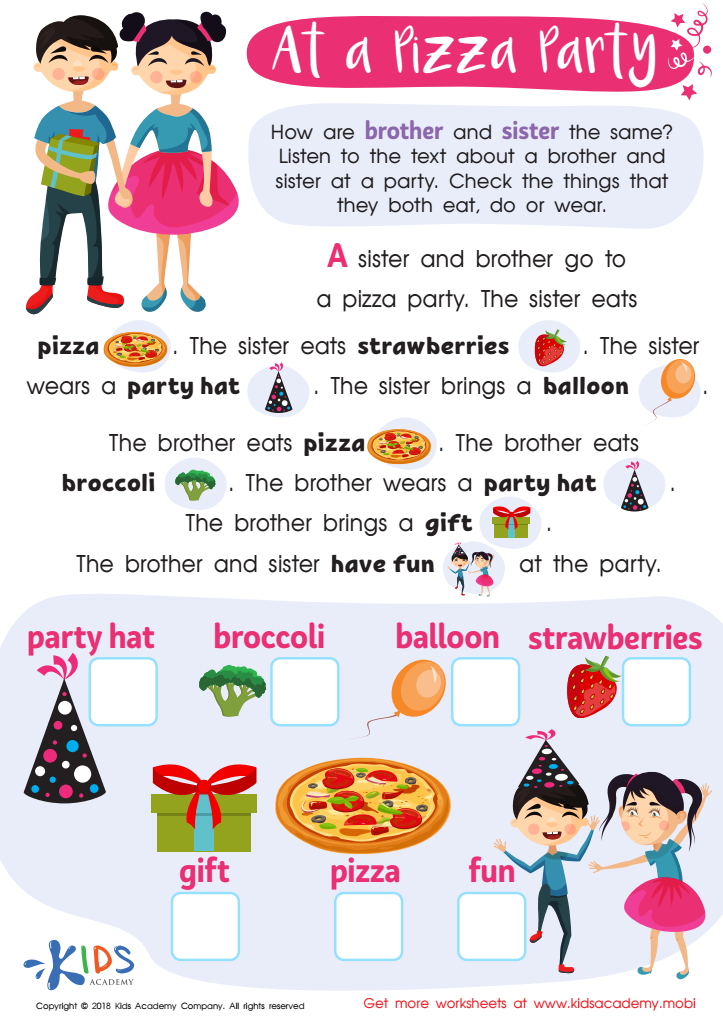
At a Pizza Party Worksheet
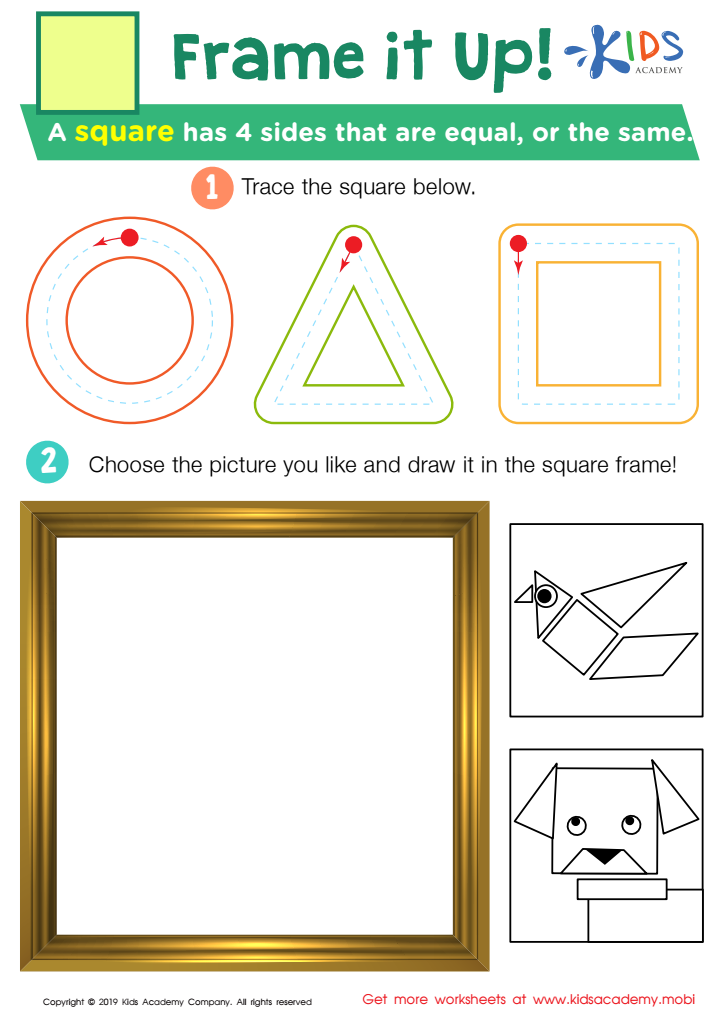
Frame it Up Worksheet
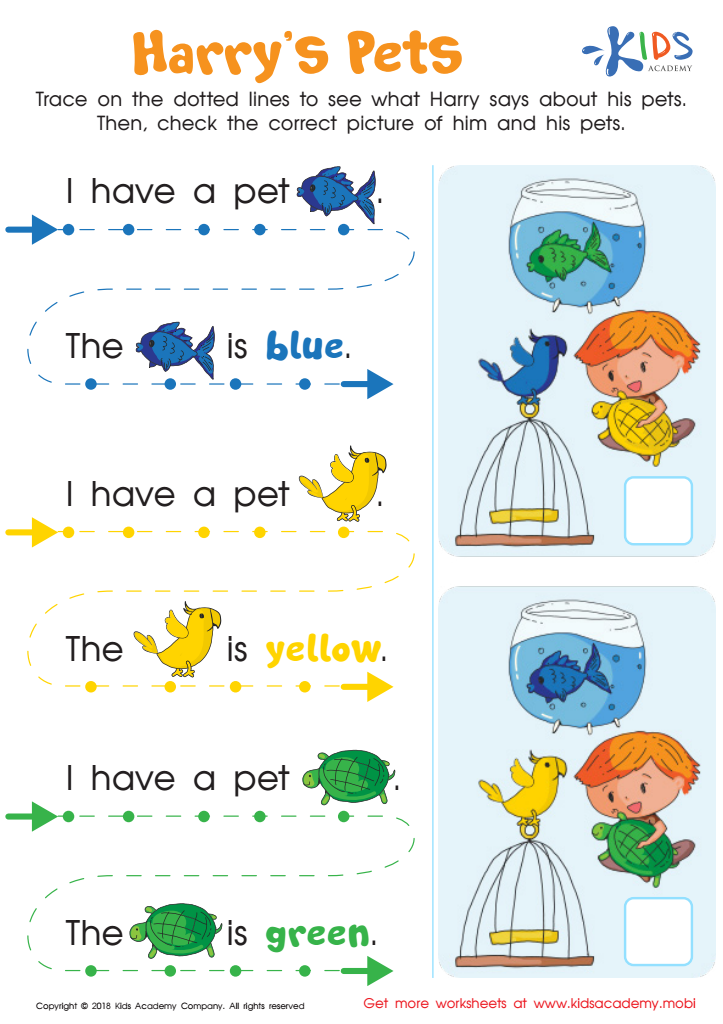
Read from Left to Right: Harry's Pets Worksheet


.jpg)





At ages 3-4, children are at a pivotal stage in their cognitive and social development. Basic addition and early literacy skills play a foundational role in shaping their future learning experiences. For parents and teachers, emphasizing these skills is essential for several reasons. First and foremost, early exposure to addition helps children develop a strong number sense, introducing them to the world of mathematics in an age-appropriate and engaging manner. This builds a solid mathematical foundation, making advanced concepts easier to grasp in later years.
Combining early math with reading instruction amplifies cognitive development, teaching children how to understand and interpret simple problems, a skill that translates well into reading comprehension. This dual exposure accelerates their academic performance and builds confidence. Furthermore, early educational interventions can identify learning styles and potential challenges sooner, allowing for tailored instructional approaches.
Another important consideration is the social aspect; early competence in math and reading fosters collaborative skills, as children often engage in group activities to practice these basics. These interactions cultivate communication skills, patience, and the ability to work within a team.
Ultimately, prioritizing basic addition and reading enriches cognitive and social development, setting a precedent for lifelong learning and success. For these reasons, parents and teachers should be deeply invested in nurturing these rudimentary skills during early childhood.








