Logical thinking Reading Worksheets for Ages 3-4
5 filtered results
-
From - To
Discover our engaging Logical Thinking Reading Worksheets designed specifically for ages 3-4! These playful and educational worksheets are crafted to enhance young learners’ critical thinking and problem-solving skills through fun stories and interactive activities. Children will delight in exploring colorful images, sequencing events, and comprehending simple narratives. Perfect for parents and educators, these worksheets lay a strong foundation for reading comprehension while stimulating cognitive development. Providing the ideal blend of entertainment and education, our logical thinking reading worksheets promote curiosity and a love for learning in preschool-aged children. Download today and watch your child’s mind flourish!
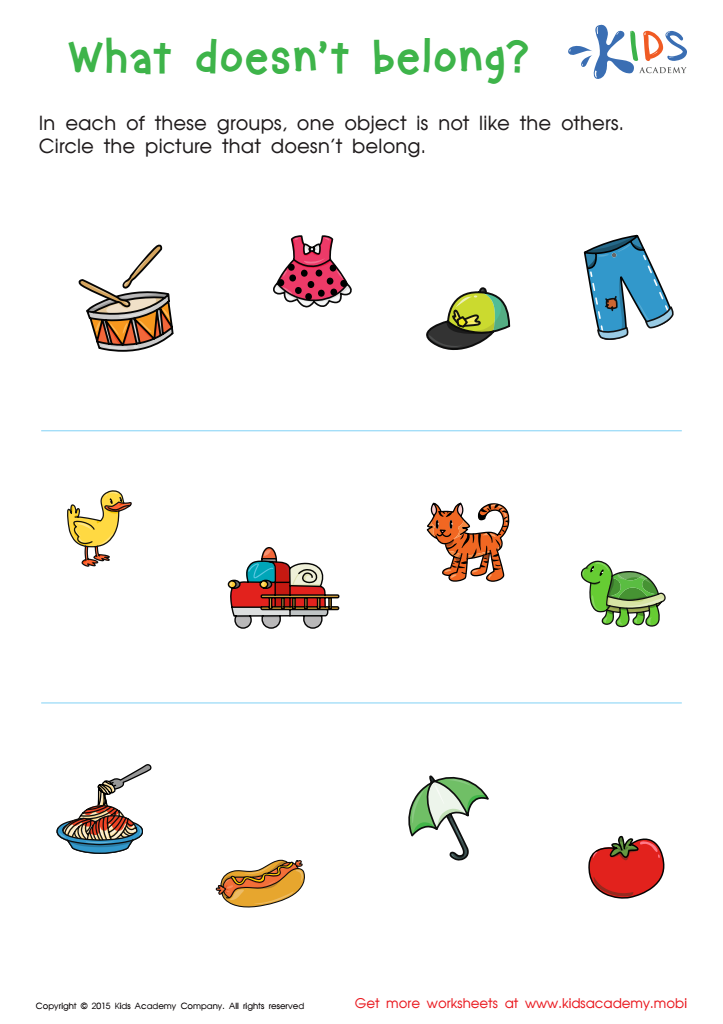
First Words: What Doesn't Belong Worksheet
 Assign to My Students
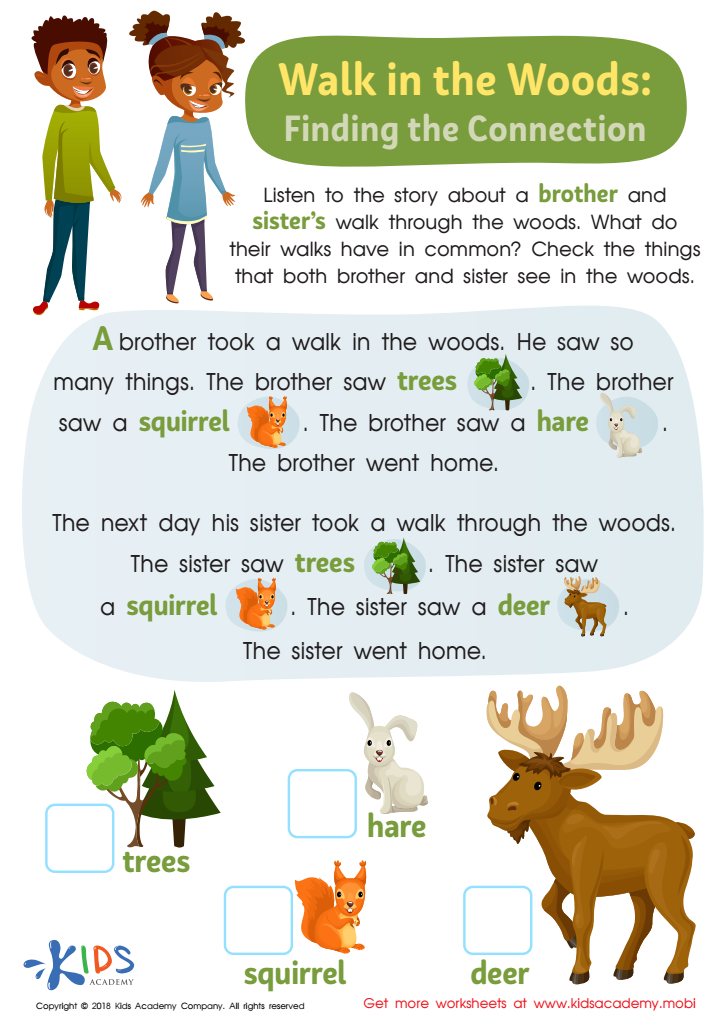
Walk In the Woods: Finding Connections Worksheet
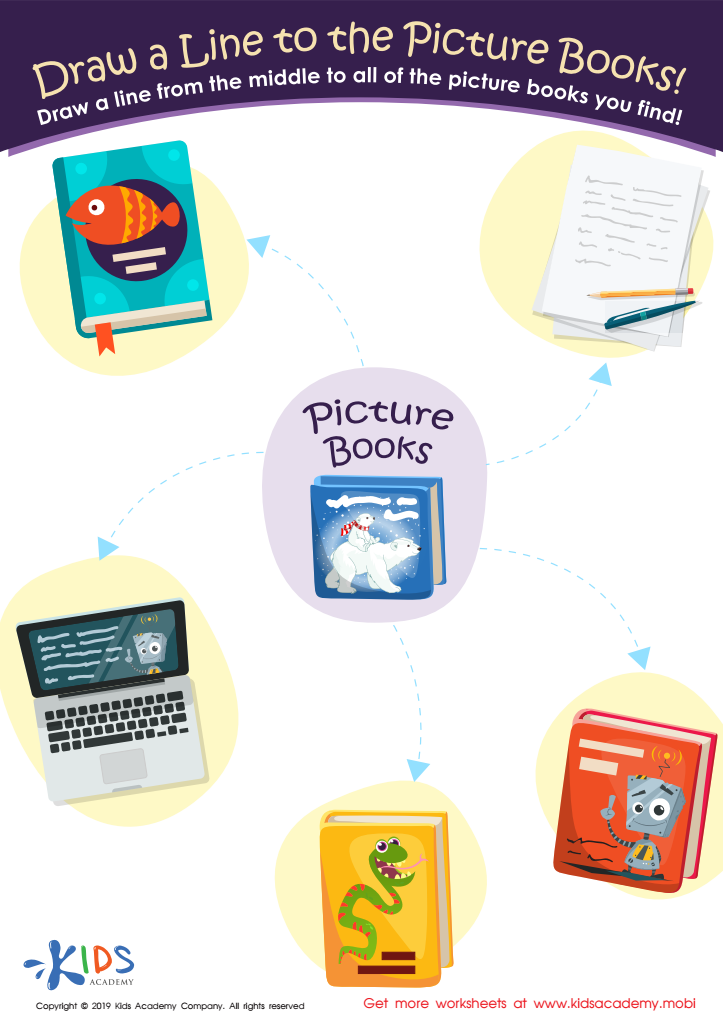
Draw a Line to the Picture Books Worksheet
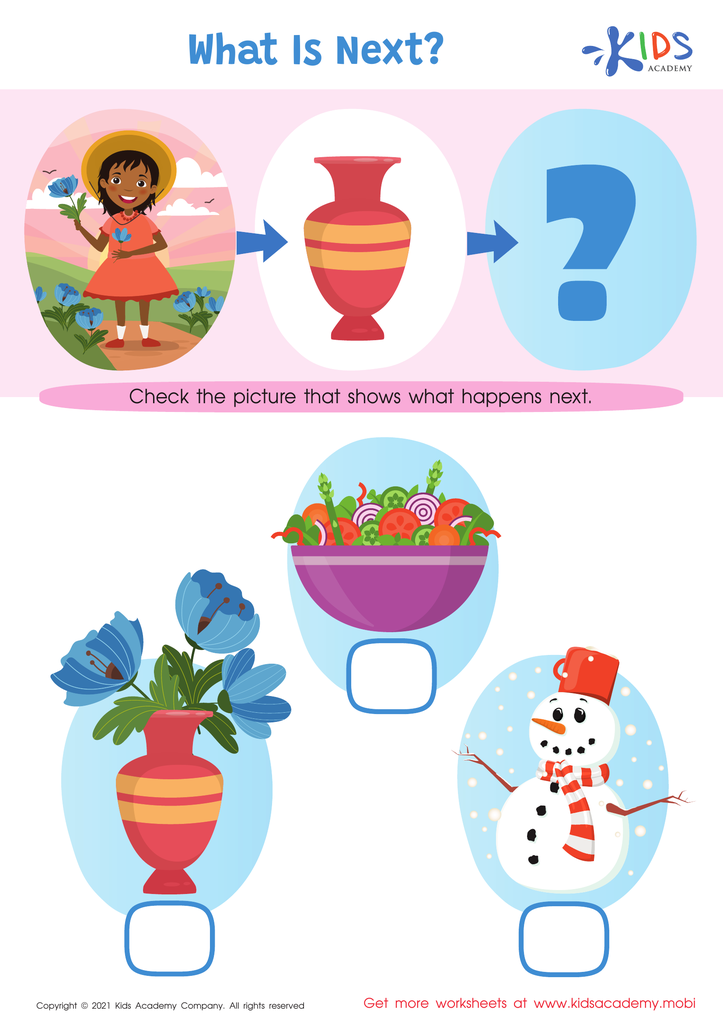
What is Next? Worksheet
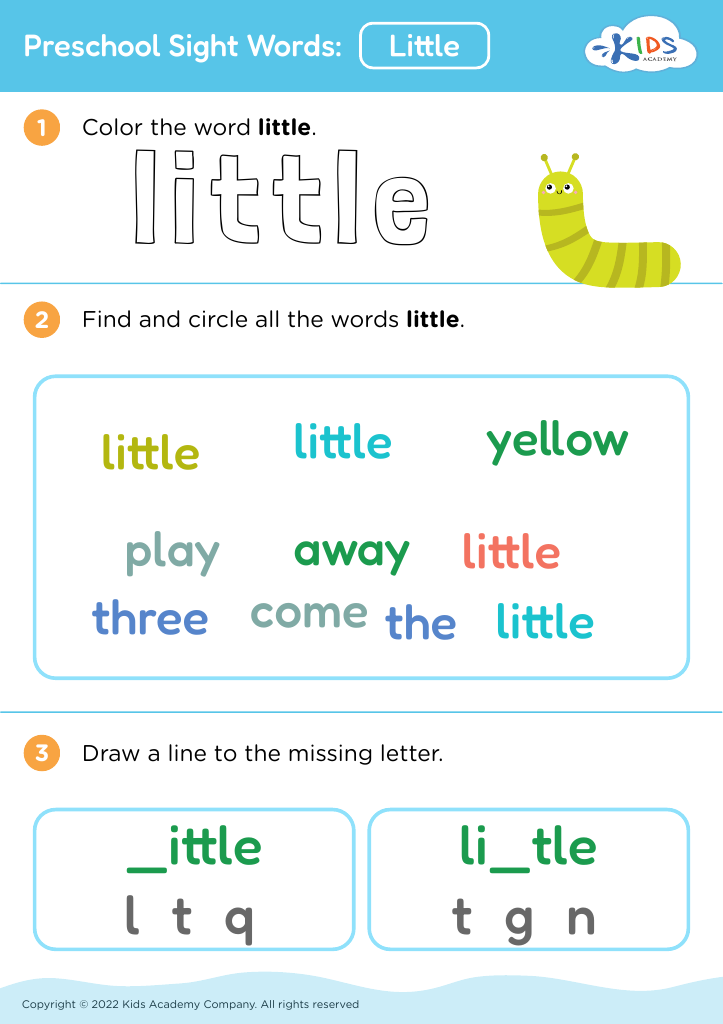








Encouraging logical thinking through reading for children aged 3-4 is vital for their cognitive and academic development. At this stage, children’s brains are rapidly growing, making it the perfect time to introduce activities that enhance their problem-solving and reasoning abilities. Reading stories that require them to predict outcomes, identify patterns, or understand sequencing fosters these fundamental skills.
Logical thinking promotes better comprehension. When kids understand cause and effect, they become more adept at following a story's plot and grasping the narrative structure. This not only improves their reading skills but also prepares them for more complex subjects in the future.
Moreover, engaging in logical thinking exercises helps children develop patience and perseverance. They learn to think things through, which boosts their critical thinking abilities and decision-making processes. This foundation is essential for both academic success and everyday problem-solving.
Additionally, fostering a love for reading from a young age sparks curiosity and a passion for learning that can last a lifetime. Parents and teachers play crucial roles by selecting age-appropriate, engaging books that challenge young minds. Ultimately, focusing on logical thinking through reading equips children with essential skills and lays a strong foundation for their future education and life experiences.








