Critical Thinking Reading Fiction Worksheets for Ages 3-4
22 filtered results
-
From - To
Nurture your child's imagination and analytical skills with our "Critical Thinking Reading Fiction Worksheets for Ages 3-4." Designed for young learners, these engaging worksheets promote critical thinking through age-appropriate fictional stories. Children will enhance their comprehension and reasoning abilities while enjoying delightful narratives. Each worksheet encourages discussions, inspires creativity, and fosters a love for reading. Perfect for parents and educators seeking to develop foundational skills, these resources are easy to use and integrate seamlessly into daily learning. Empower your little ones to think deeply about stories and cultivate their understanding of characters and plots with our fun, interactive worksheets today!
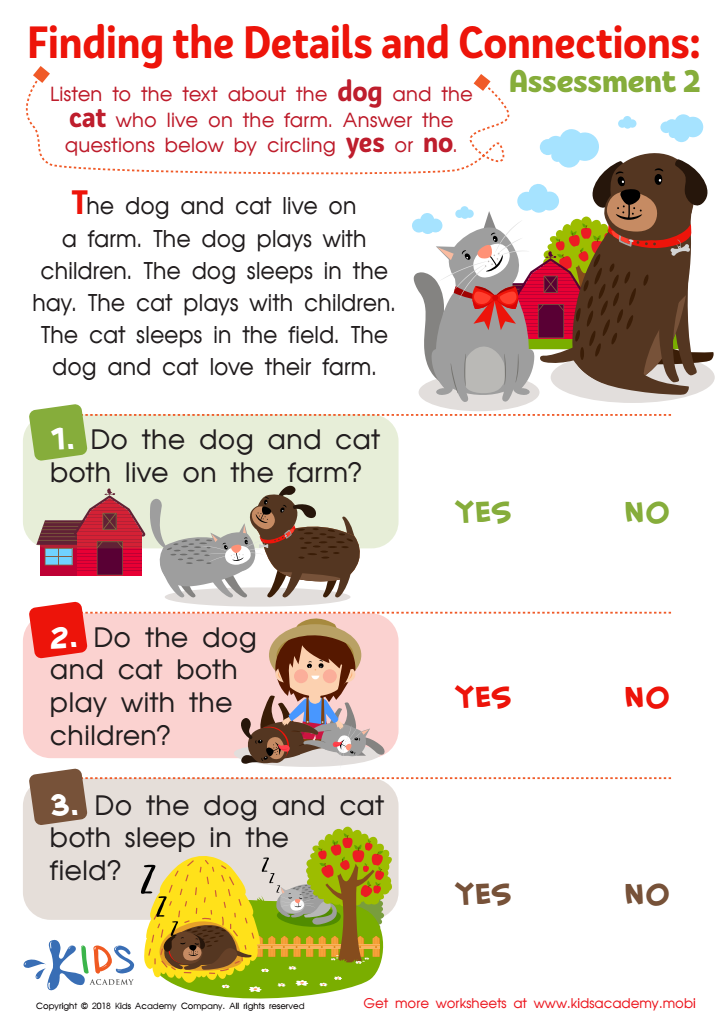
Finding the Details and Connections: Assessment 2 Worksheet
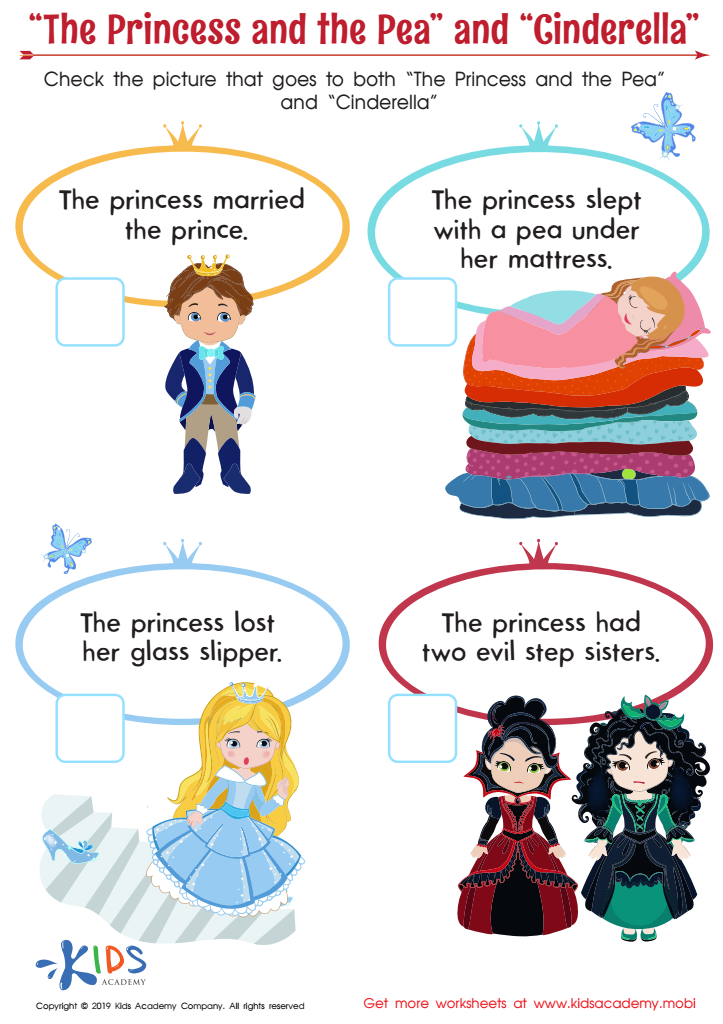
“The Princess and the Pea” and “Cinderella” Worksheet
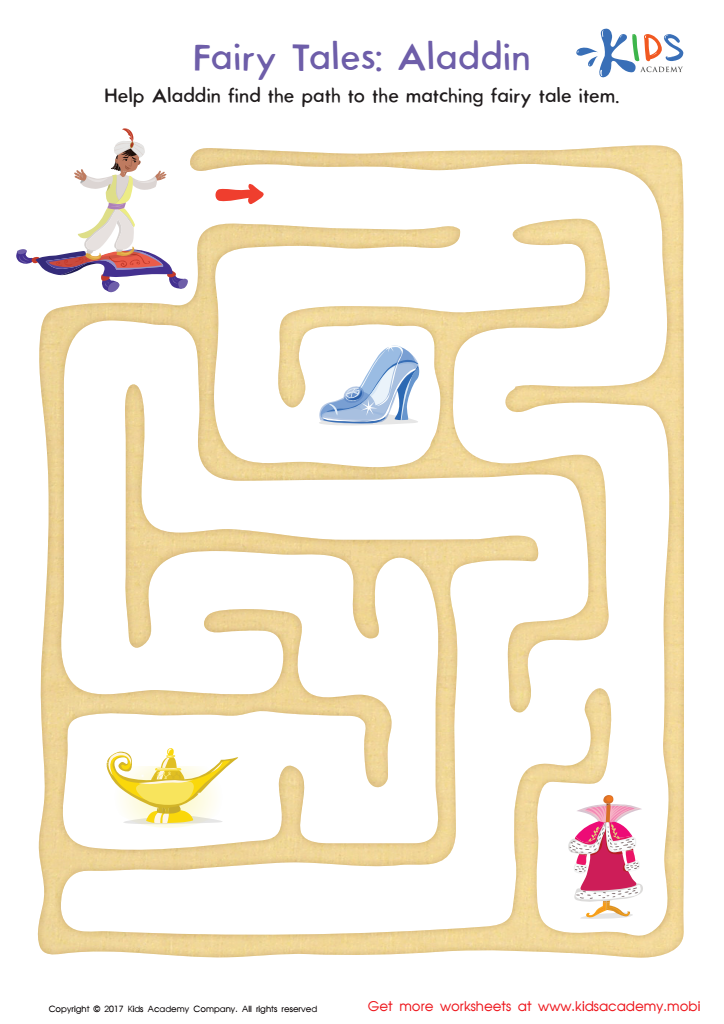
Fairy Tales Aladdin Printable
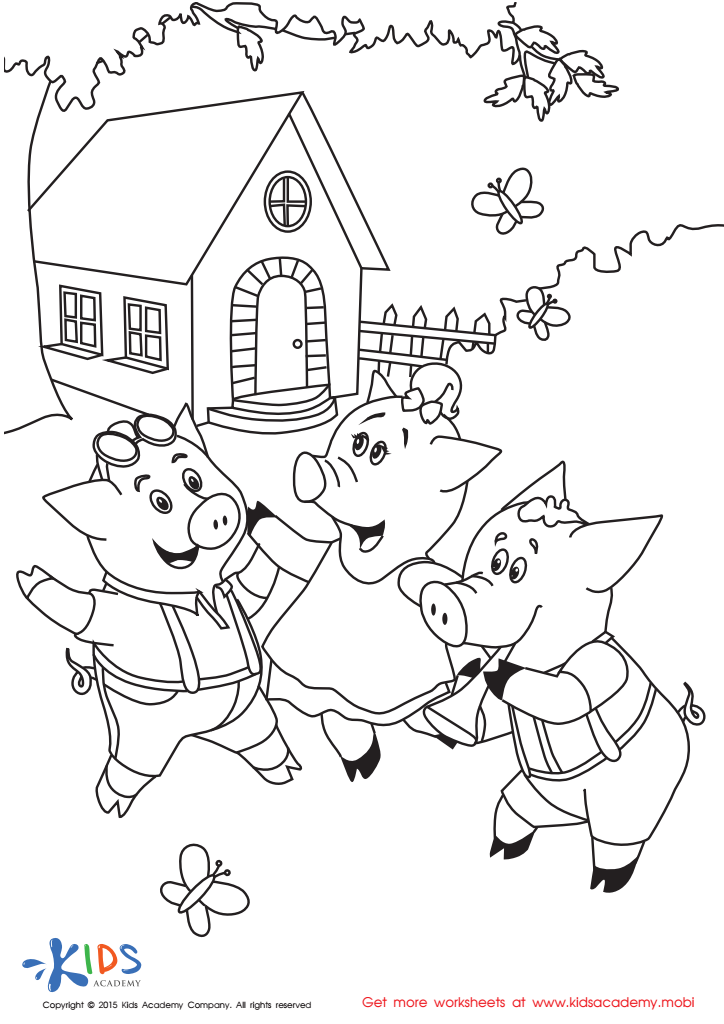
Folktales Printable PDF Worksheet: The 3 Little Pigs
 Assign to My Students
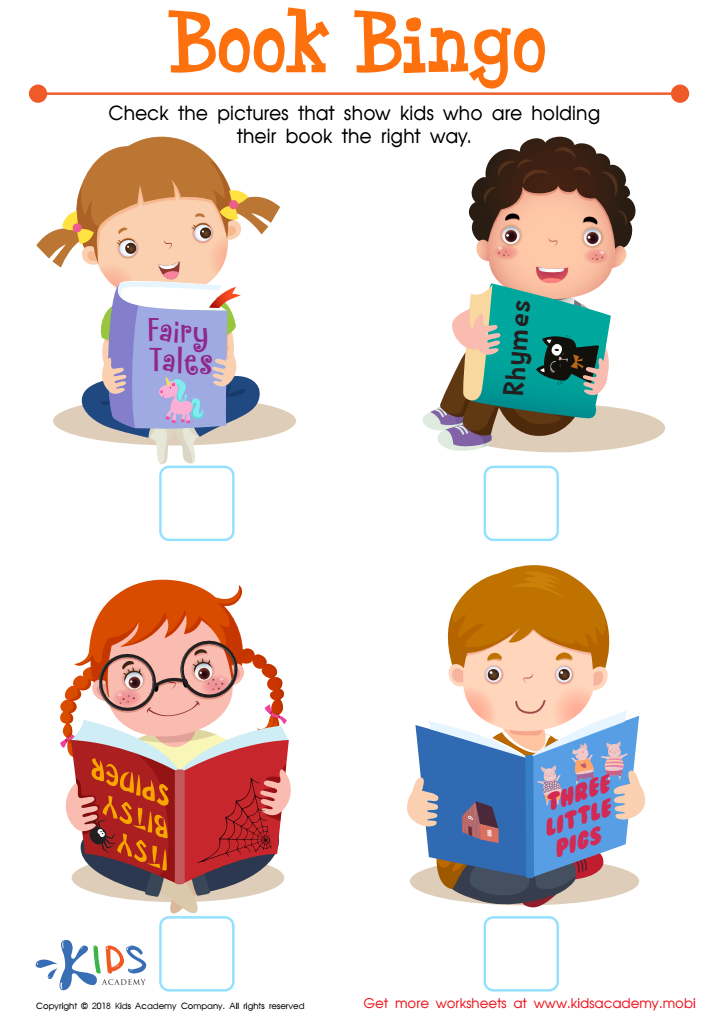
Book Bingo Worksheet
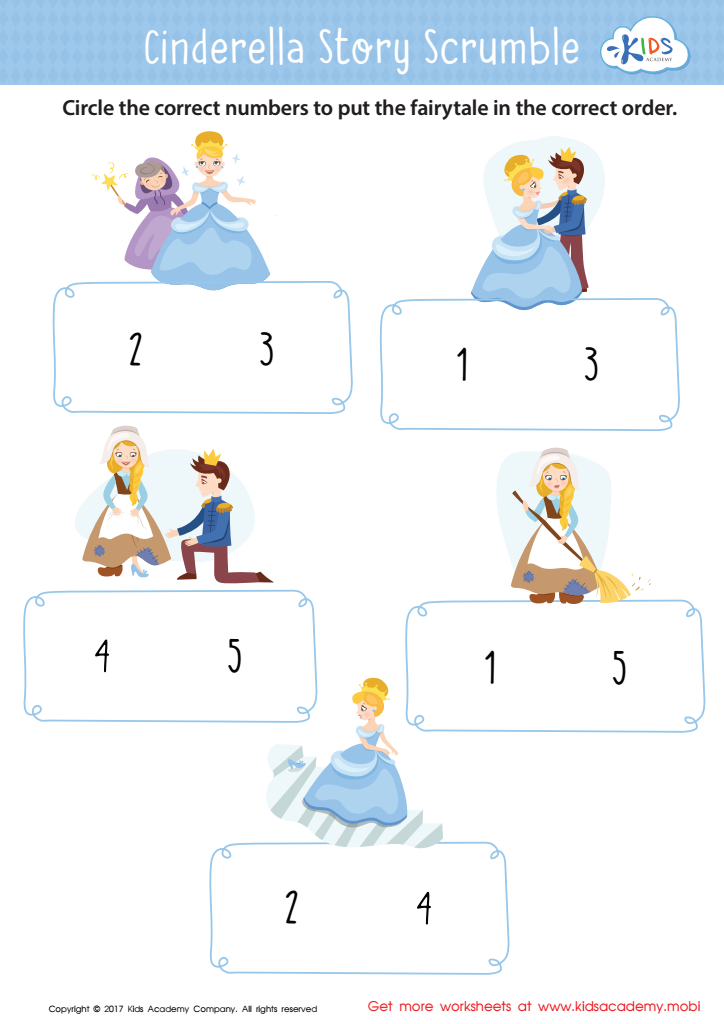
Cinderella Story Sequencing Worksheet
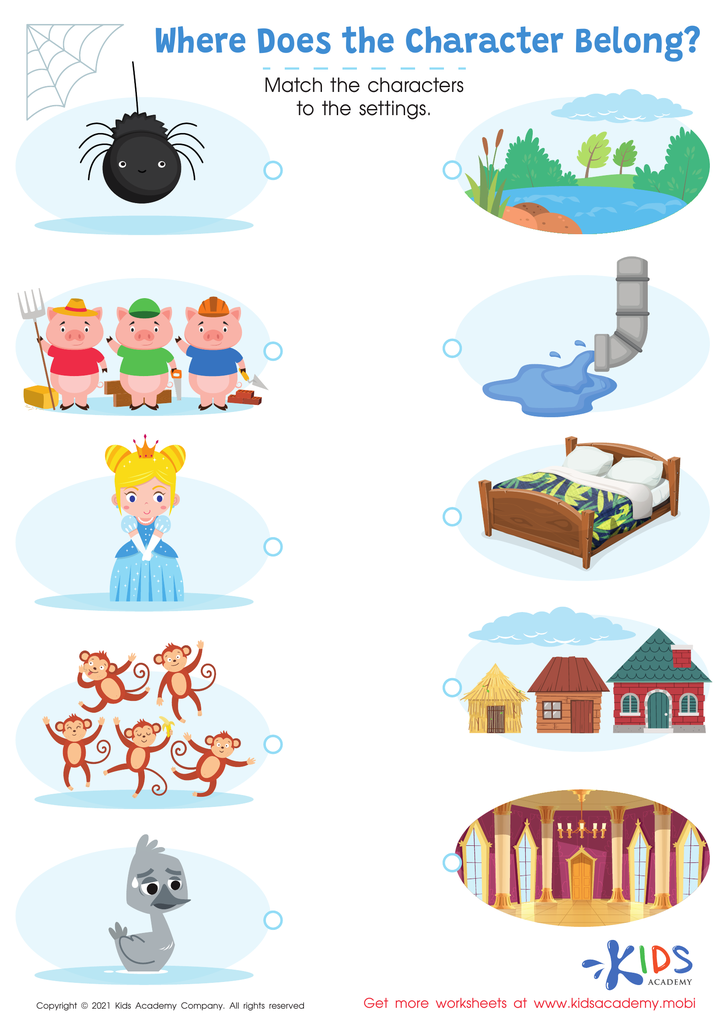
Where Does the Character Belong? Worksheet
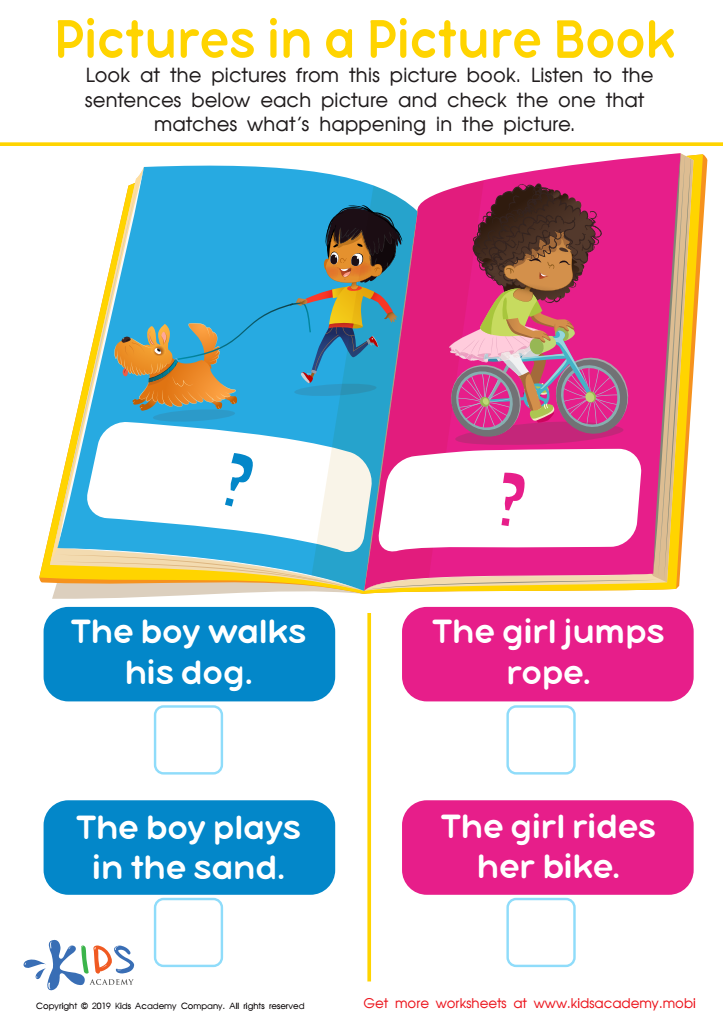
Picture in Books Worksheet
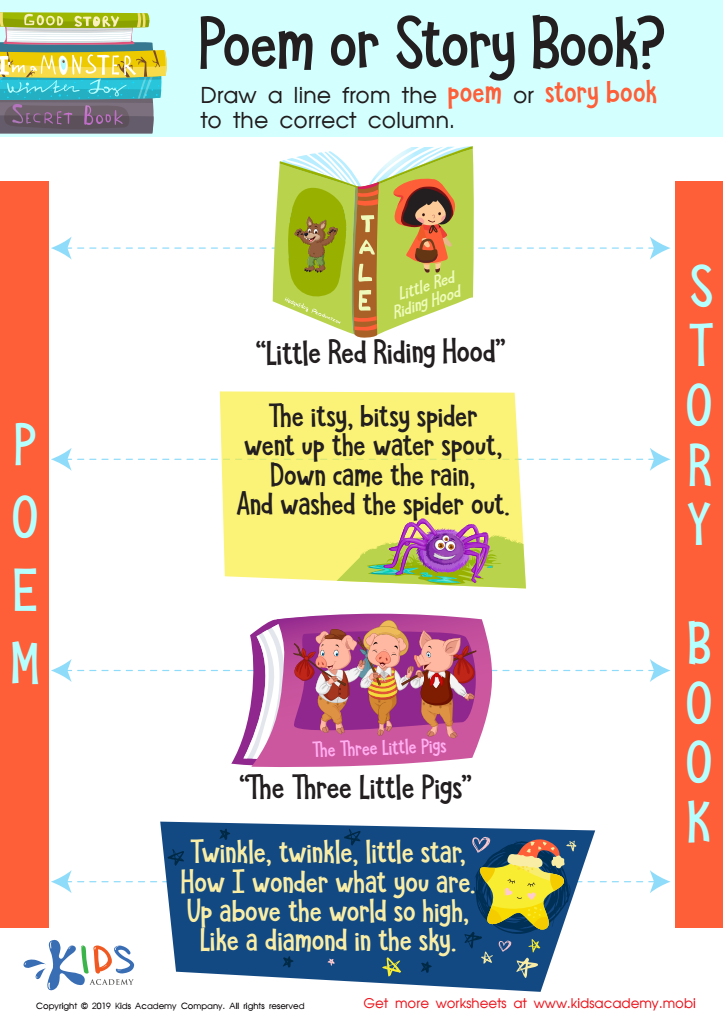
Poem or Story Book? Worksheet
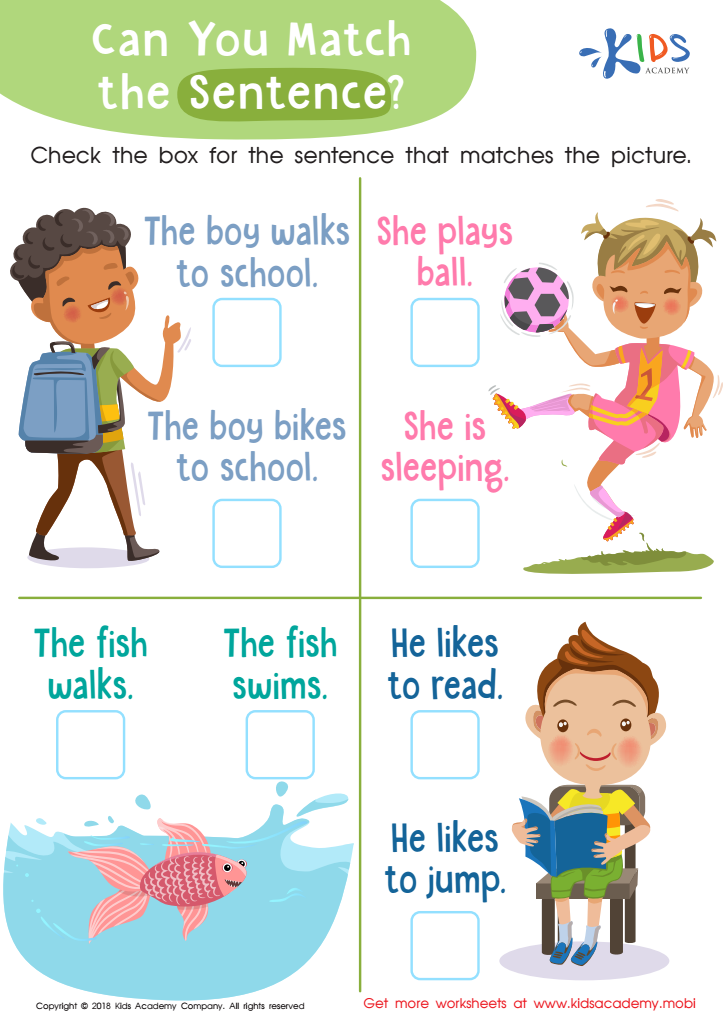
Can You Match the Sentence? Worksheet
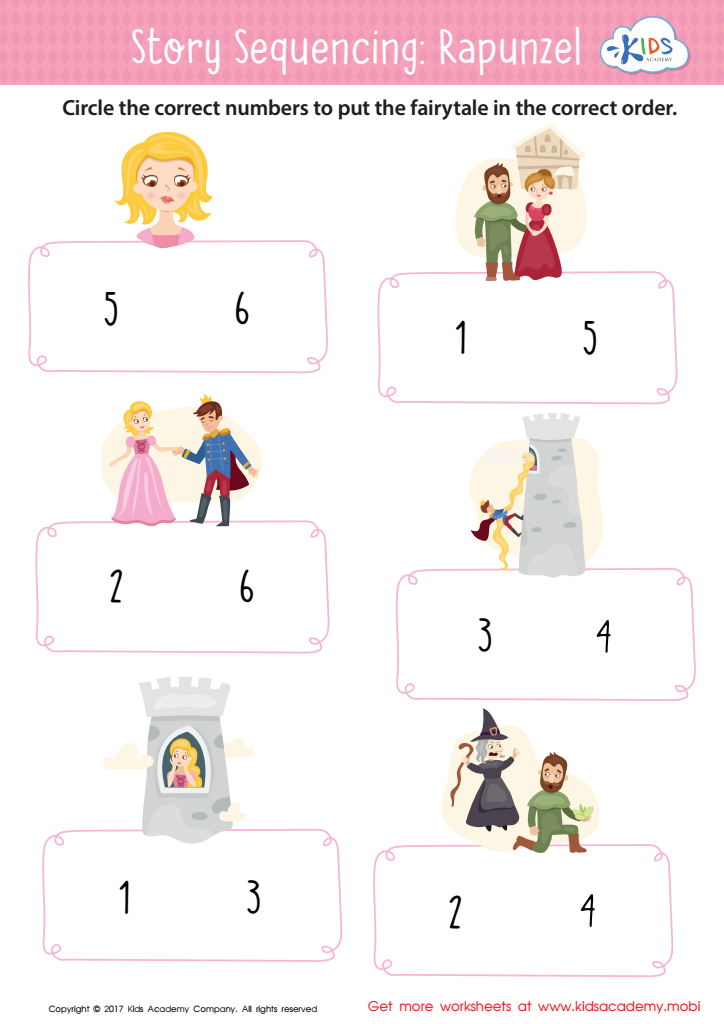
Rapunzel Story Sequencing Worksheet
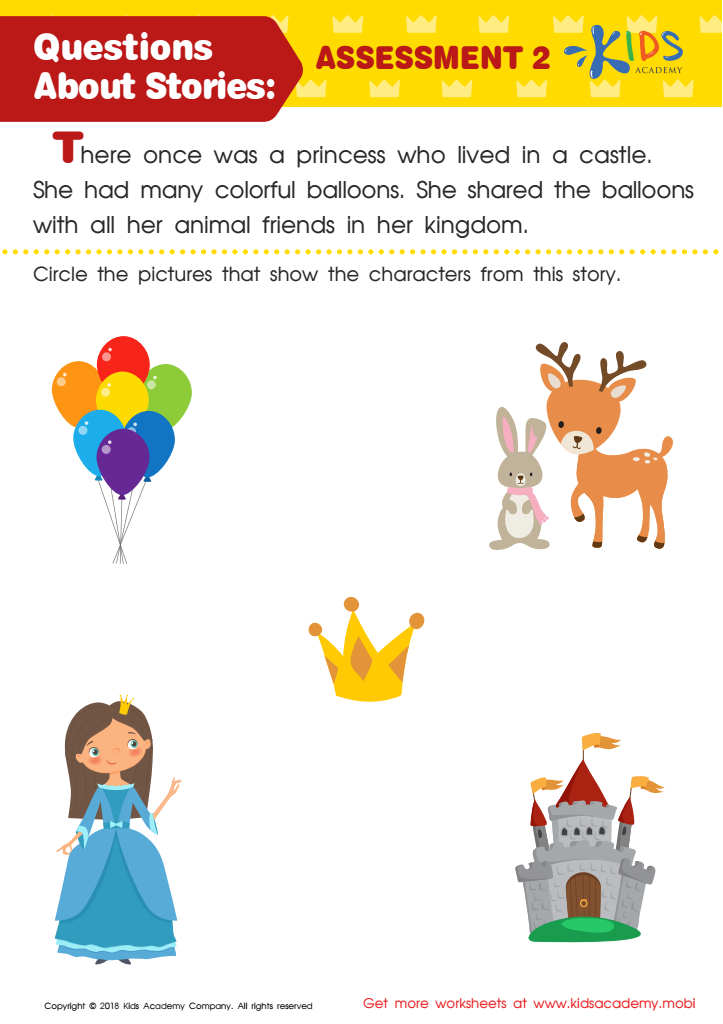
Questions About Stories: Assessment 2 Worksheet
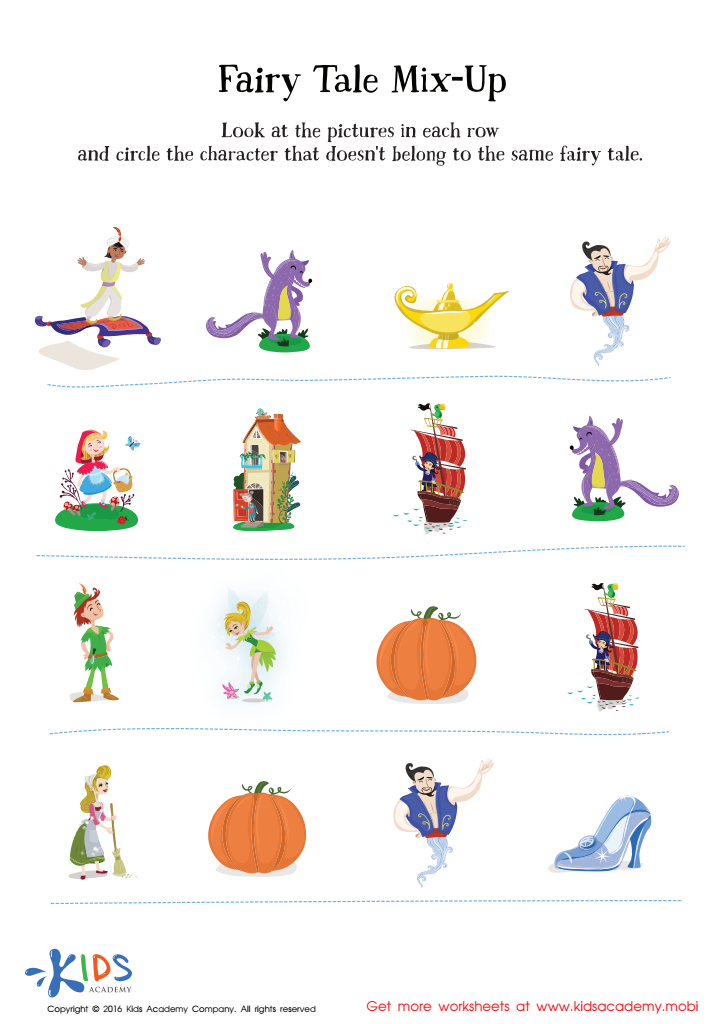
Fairy Tale Worksheet: Story Mix Up
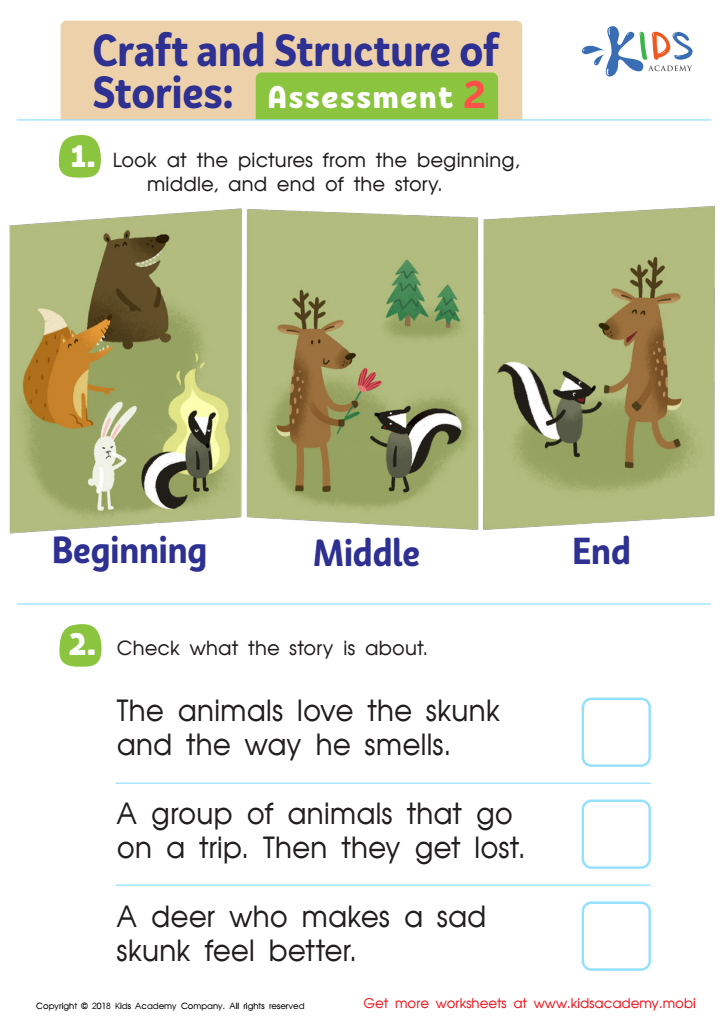
Craft and Structure of Stories: Assessment 2 Worksheet
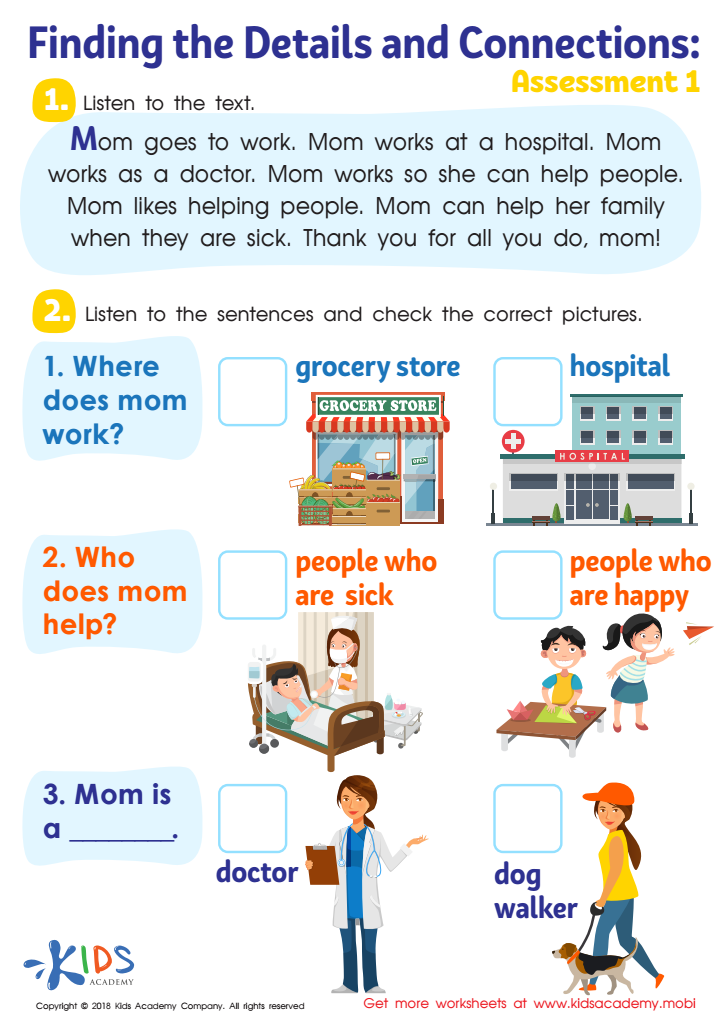
Finding the Details and Connections: Assessment 1 Worksheet
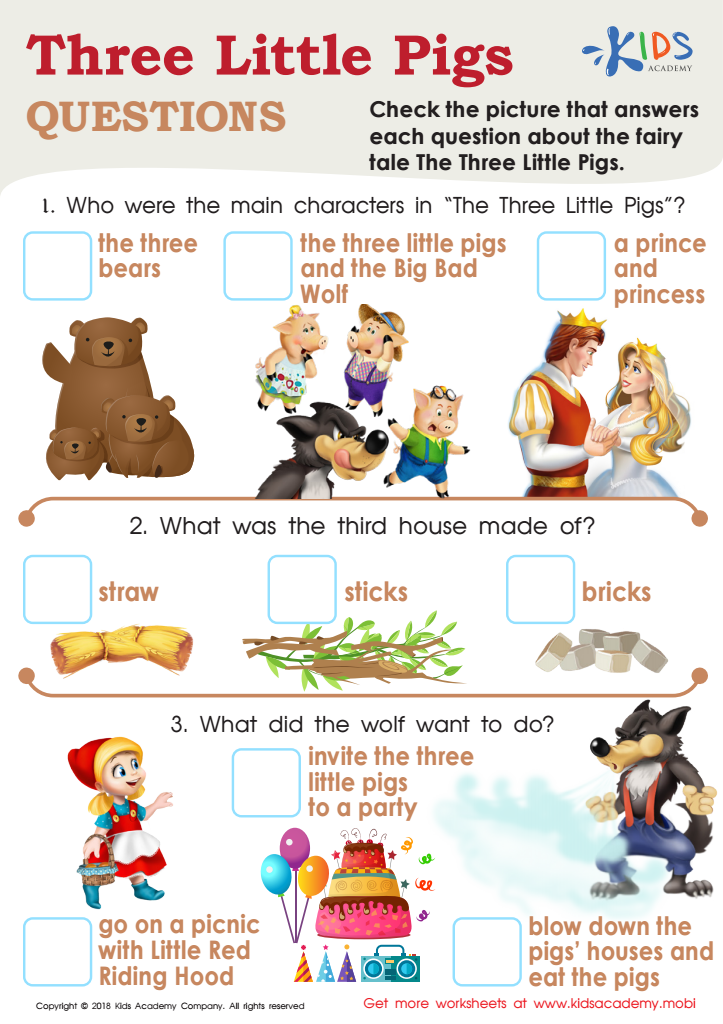
Three Little Pigs Questions Worksheet
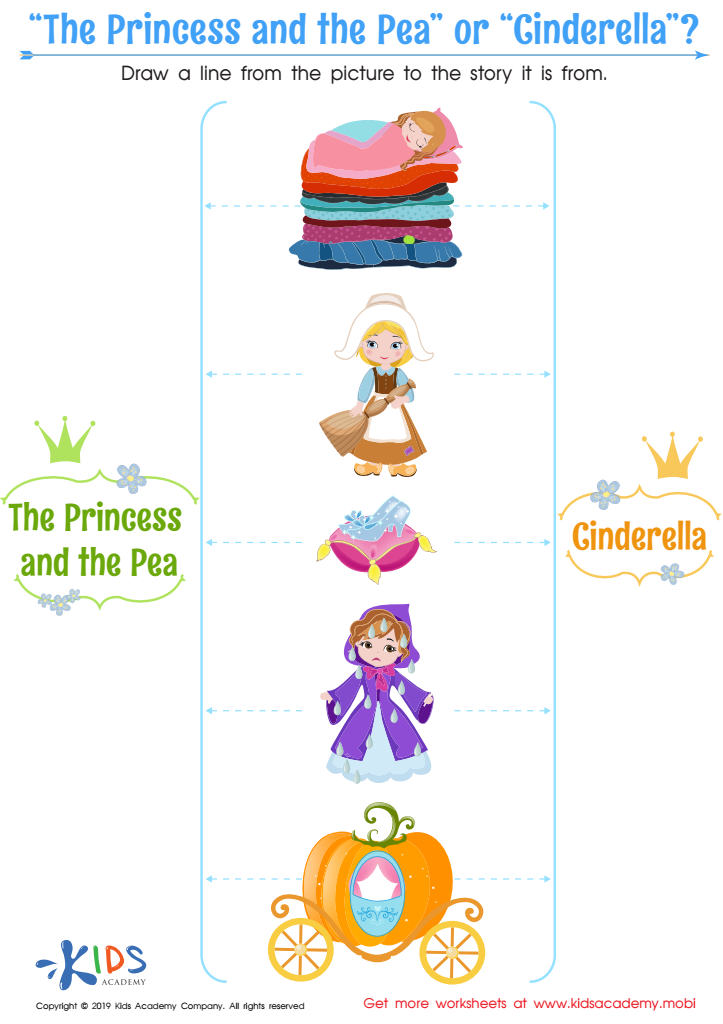
“The Princess and the Pea” or “Cinderella” Worksheet
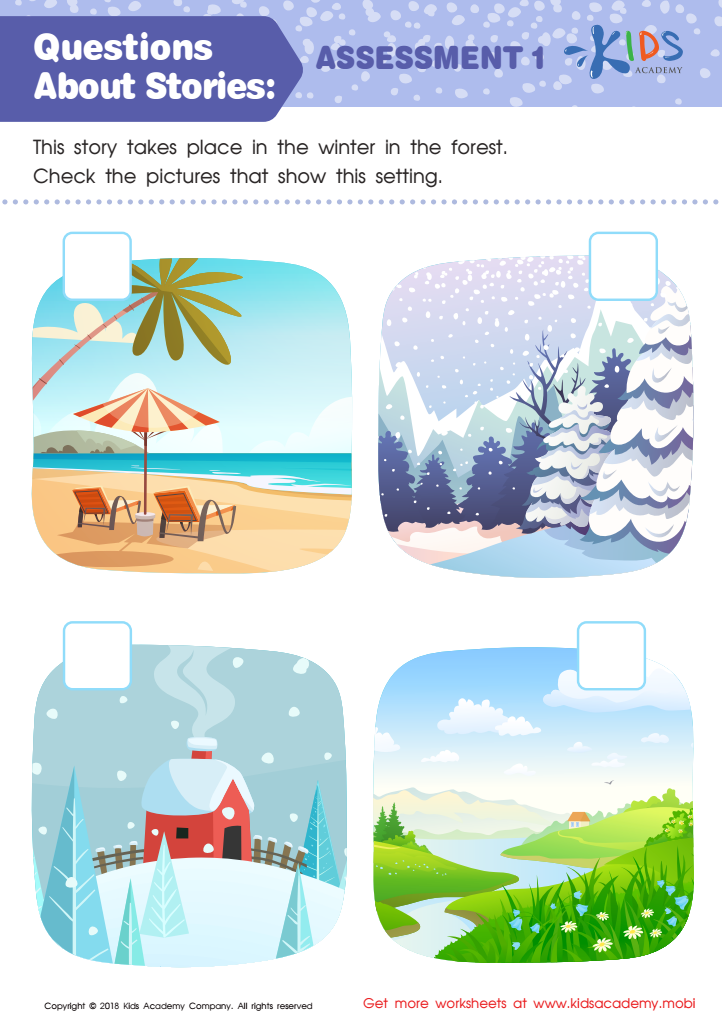
Questions About Stories: Assessment 1 Worksheet
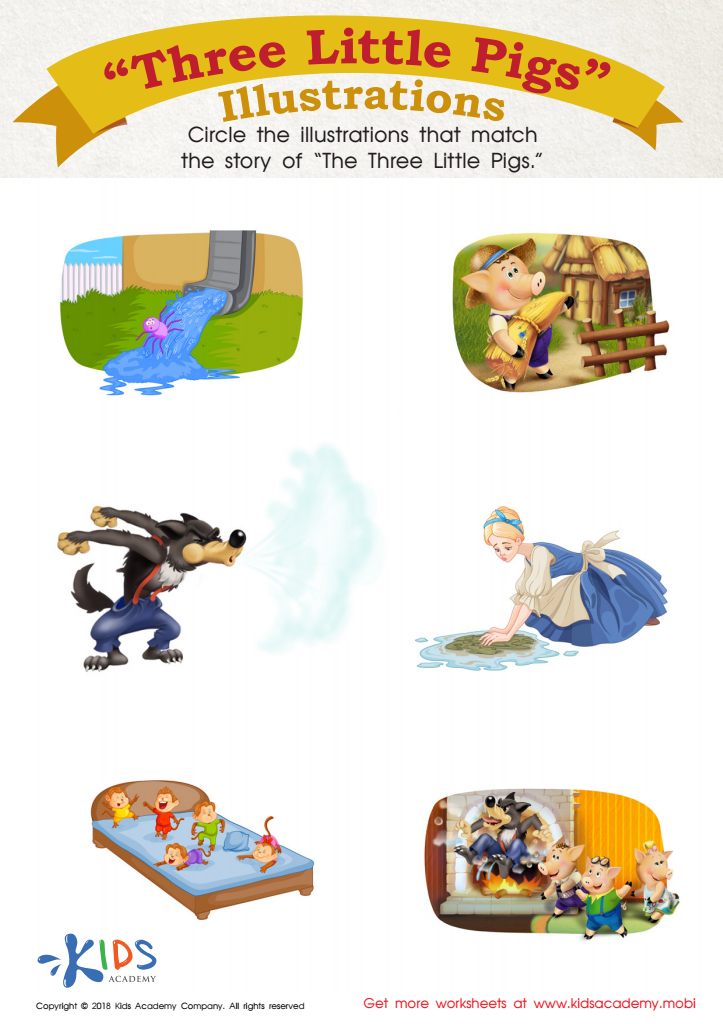
Three Little Pigs: Illustrations Worksheet
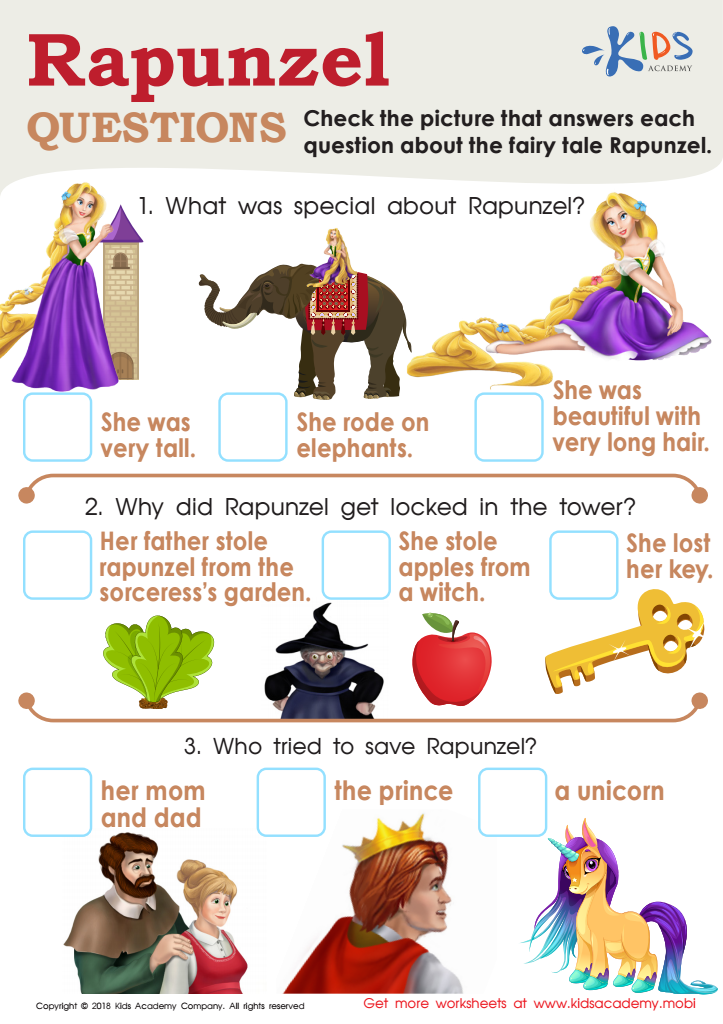
Rapunzel Questions Worksheet
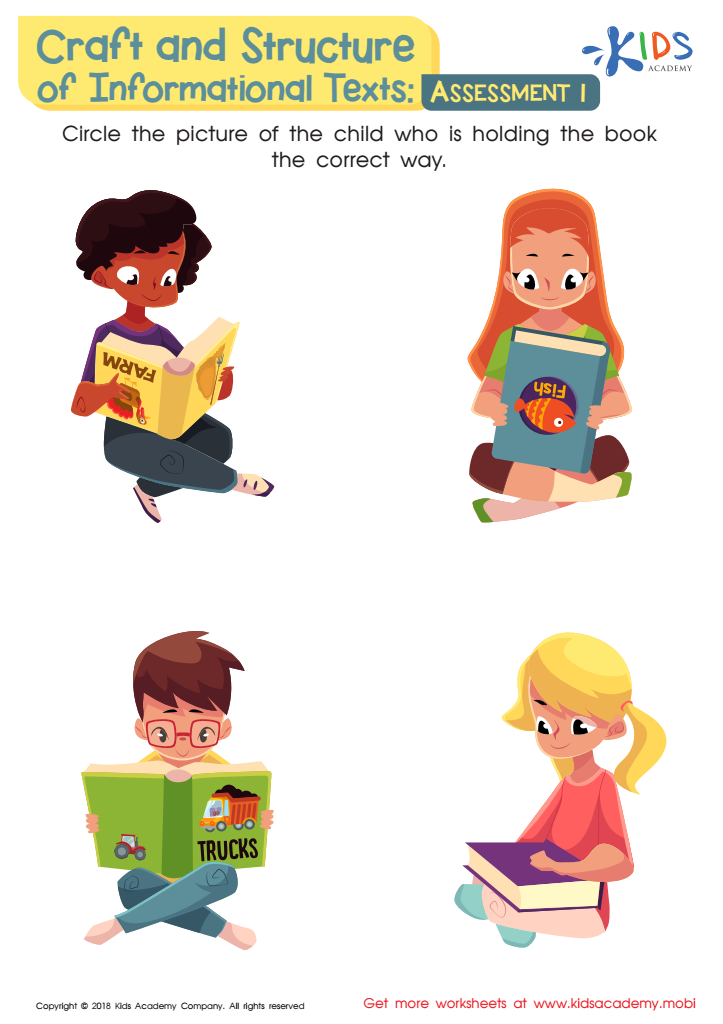
Craft and Structure of Informational Texts: Assessment 1 Worksheet
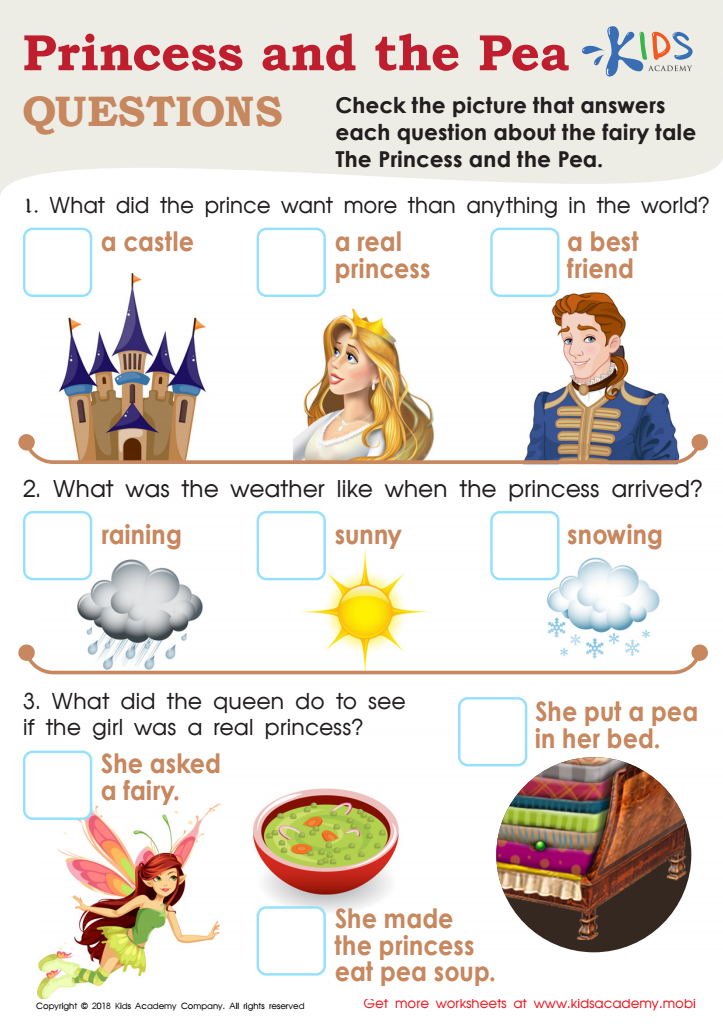
Princess and the Pea Questions Worksheet





.jpg)


Parents and teachers should prioritize critical thinking in reading fiction for ages 3-4 because it lays a foundation for cognitive development and lifelong learning. This early stage is crucial for language acquisition and helps children make sense of the world around them. Engaging with fictional stories stimulates imagination, enhances vocabulary, and encourages creativity, vital components of critical thinking.
By discussing characters' motives, plot developments, or moral choices in the stories, adults can guide children in questioning and reasoning. For instance, asking open-ended questions like, “Why do you think the character did that?” fosters analytical thinking and helps children articulate their thoughts. This not only strengthens language skills but also enhances problem-solving abilities.
Moreover, fiction allows for exploration of diverse cultures and situations, fostering empathy and understanding. When young children encounter challenges faced by characters, they learn to approach difficulties from multiple perspectives, an essential skill in resolving real-world conflicts.
Ultimately, promoting critical thinking through reading fiction equips children with the ability to interpret information critically and become active, engaged learners. This early experience sows the seeds for their social, emotional, and cognitive development, ensuring they are better prepared for future academic challenges.








