
Vocabulary development Science Worksheets for Ages 3-4
6 filtered results
Difficulty Level
Grade
Age
-
From - To
Subject
Activity
Standards
Enhance your child's vocabulary with our engaging Science Worksheets designed specifically for ages 3-4! These interactive resources introduce young learners to essential scientific terms through fun activities and illustrations. Kids will explore exciting topics, fostering a love for learning while developing language skills. Each worksheet encourages exploration and critical thinking, making science accessible and enjoyable. Whether at home or in preschool settings, these worksheets support vocabulary growth, boost communication skills, and ignite curiosity about the world around them. Help your little one become a fluent communicator while uncovering the wonders of science! Start their educational journey today with our delightful worksheets.
Favorites
With answer key
Interactive
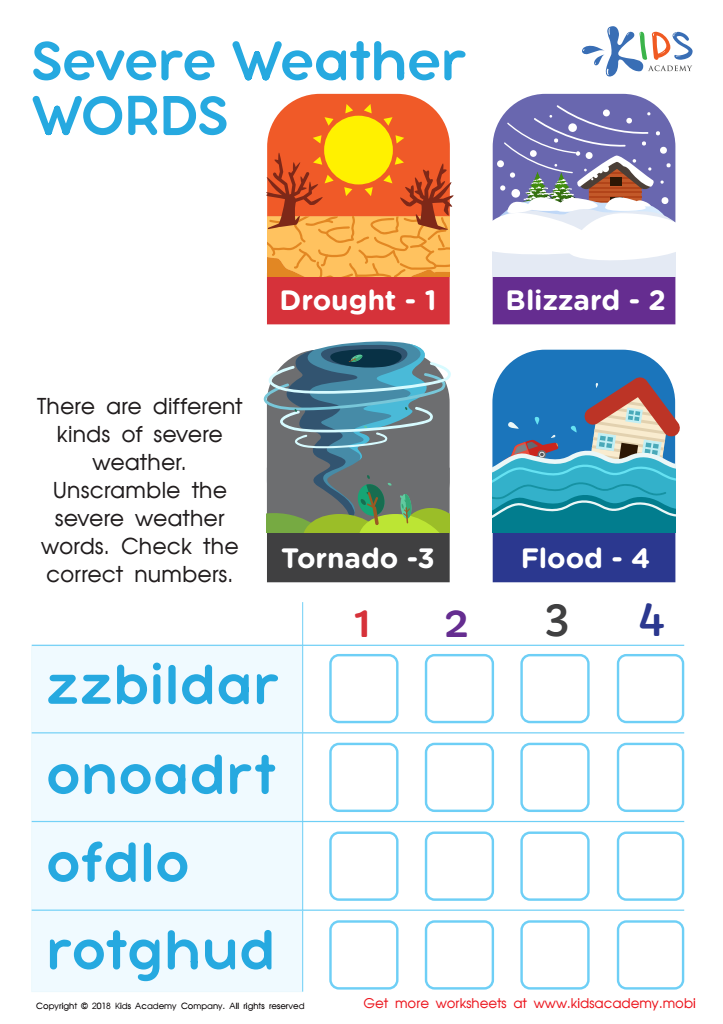
Severe Weather Words Worksheet
Help your child learn about severe weather with this PDF worksheet! Review each image's term and discuss, then have kids unscramble the words. Match the picture number to the term by selecting the correct box. Let your kids work through it and become weather-savvy!
 Assign to My Students
Severe Weather Words Worksheet
Worksheet
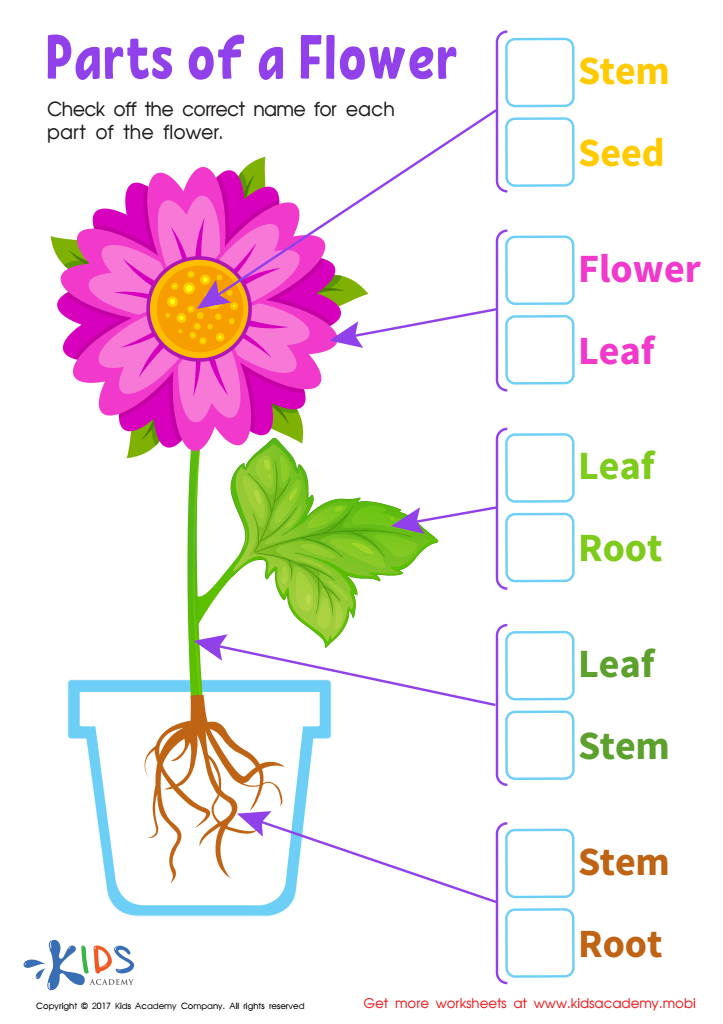
Parts Flower Printable
Introduce your child to life science with this vivid parts of a flower worksheet! They'll learn basic flower structures while building biology vocabulary and discovering plants are living creatures too! Perfect for budding little scientists!
Parts Flower Printable
Worksheet
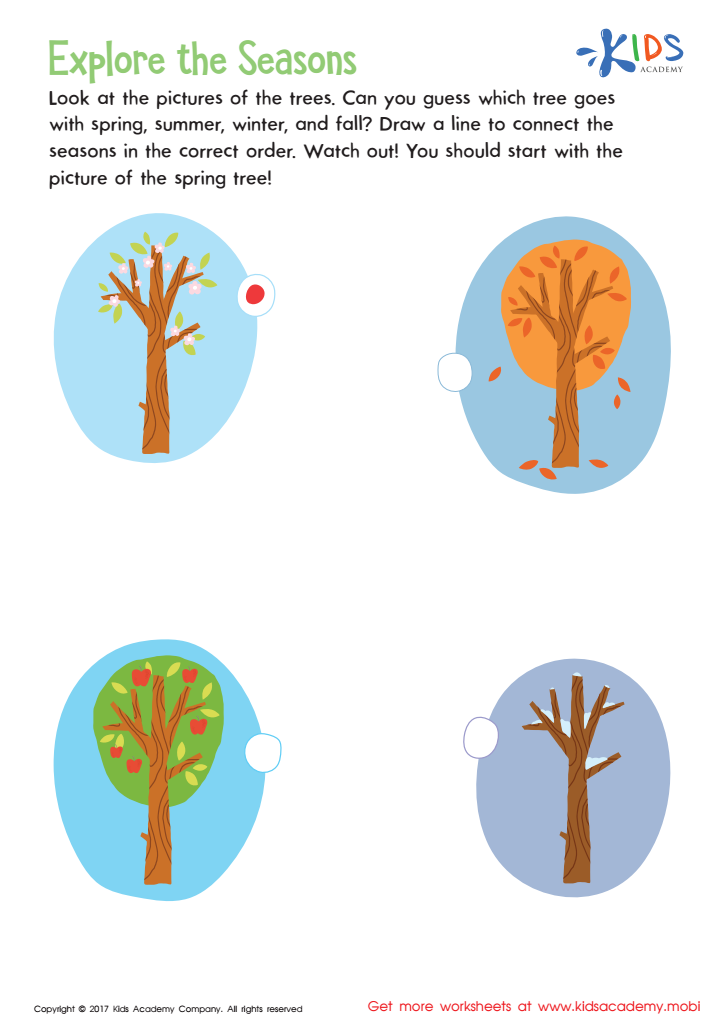
Explore the Seasons Worksheet
Introduce kids to the abstract concept of time with the explore the seasons printable. It helps build logical reasoning and problem-solving skills while teaching how trees change with the weather. Plus, it lets kids make real-life connections to what they're learning. So have them recall the seasons that have passed this year and prepare to be amazed!
Explore the Seasons Worksheet
Worksheet
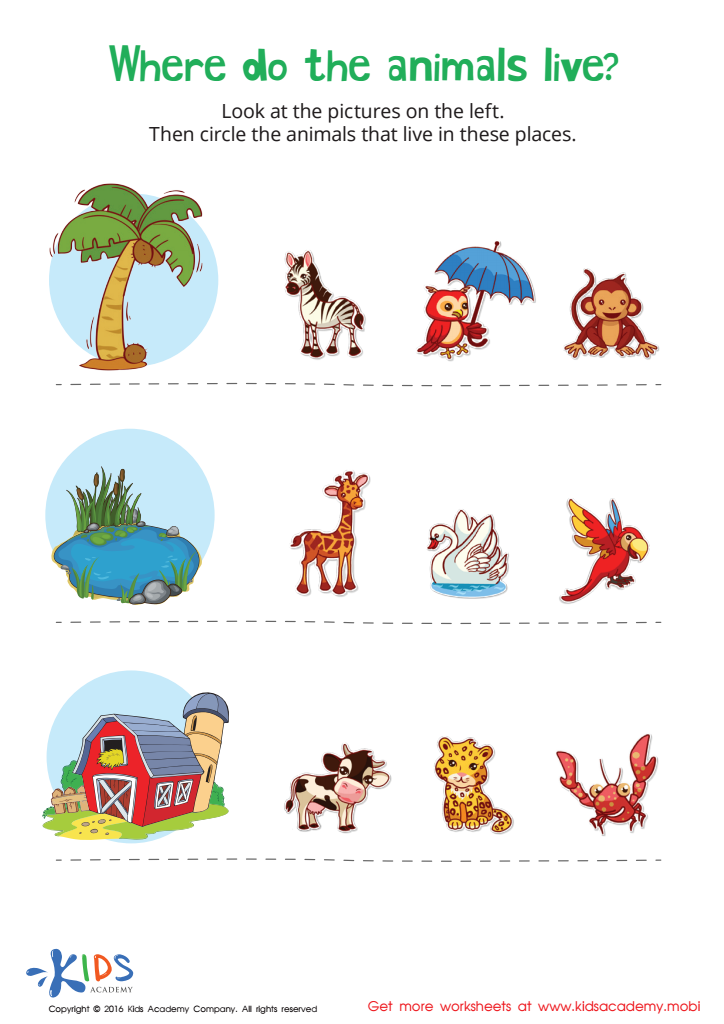
Where Animals Live Worksheet
Teaching early reading and math skills is important, but don't forget about science. With the Where Animals Live PDF worksheet, kids can identify their favorite animals and the environments they live in. Ask them what type of environment the animals like and introduce them to geography. It's great for logical reasoning and classification skills. Your kid will practice with their favorite animals and love the trip to the zoo afterwards!
Where Animals Live Worksheet
Worksheet
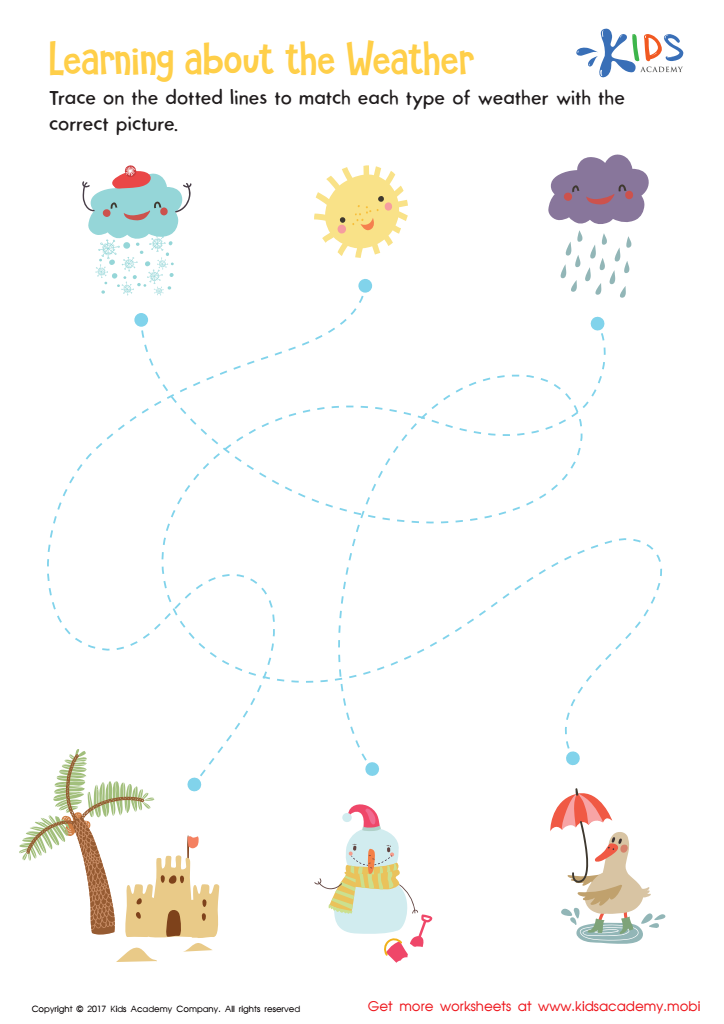
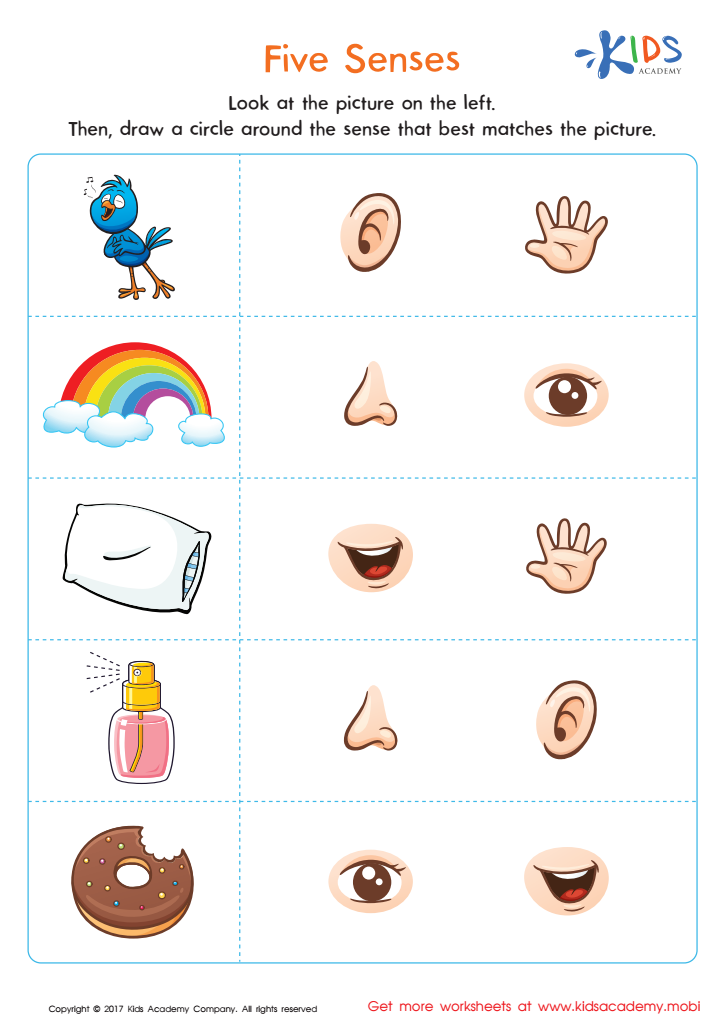
Five Senses Printable
For an easy way to jumpstart your child's critical thinking and introduce the five senses, print our free worksheets! These are great for reviewing each sense and practicing critical thinking skills. Work with your child and discuss each image. After completing the worksheet, find objects around the house so they can quiz themselves!
Five Senses Printable
Worksheet
Join Kids Academy for Free
Who is primarily going to use this learning content?







Vocabulary development in early childhood, particularly for children aged 3-4, is crucial for several reasons that parents and teachers should prioritize. At this stage, children are rapidly acquiring language skills, laying the foundation for future learning. A rich vocabulary enhances comprehension, allowing children to better express their thoughts and feelings, which is essential for effective communication and social interaction.
Science vocabulary introduces children to terms and concepts that help them understand the world around them. When we teach young learners about scientific vocabulary related to nature, weather, animals, and basic physical concepts, we empower them to explore and articulate their observations. This exploration fosters curiosity and critical thinking—skills that are fundamental to scientific inquiry.
Moreover, strong vocabulary skills are linked to academic success later on. Children who develop a robust vocabulary are better prepared for reading and writing tasks, which are essential components of their education. Therefore, parents and teachers should actively engage in vocabulary-building activities, such as reading together, using descriptive language, and introducing simple scientific concepts. This investment in vocabulary development not only enriches children’s current experiences but also helps set them up for a lifetime of learning and exploration.







